The British decision to leave the European Union is seen by many as a rejection of globalization, although the thumbs down was on free movement of labor within the bloc and not on free trade or unrestricted flow of capital within.

The British decision to leave the European Union is seen by many as a rejection of globalization, although the thumbs down was on free movement of labor within the bloc and not on free trade or unrestricted flow of capital within.

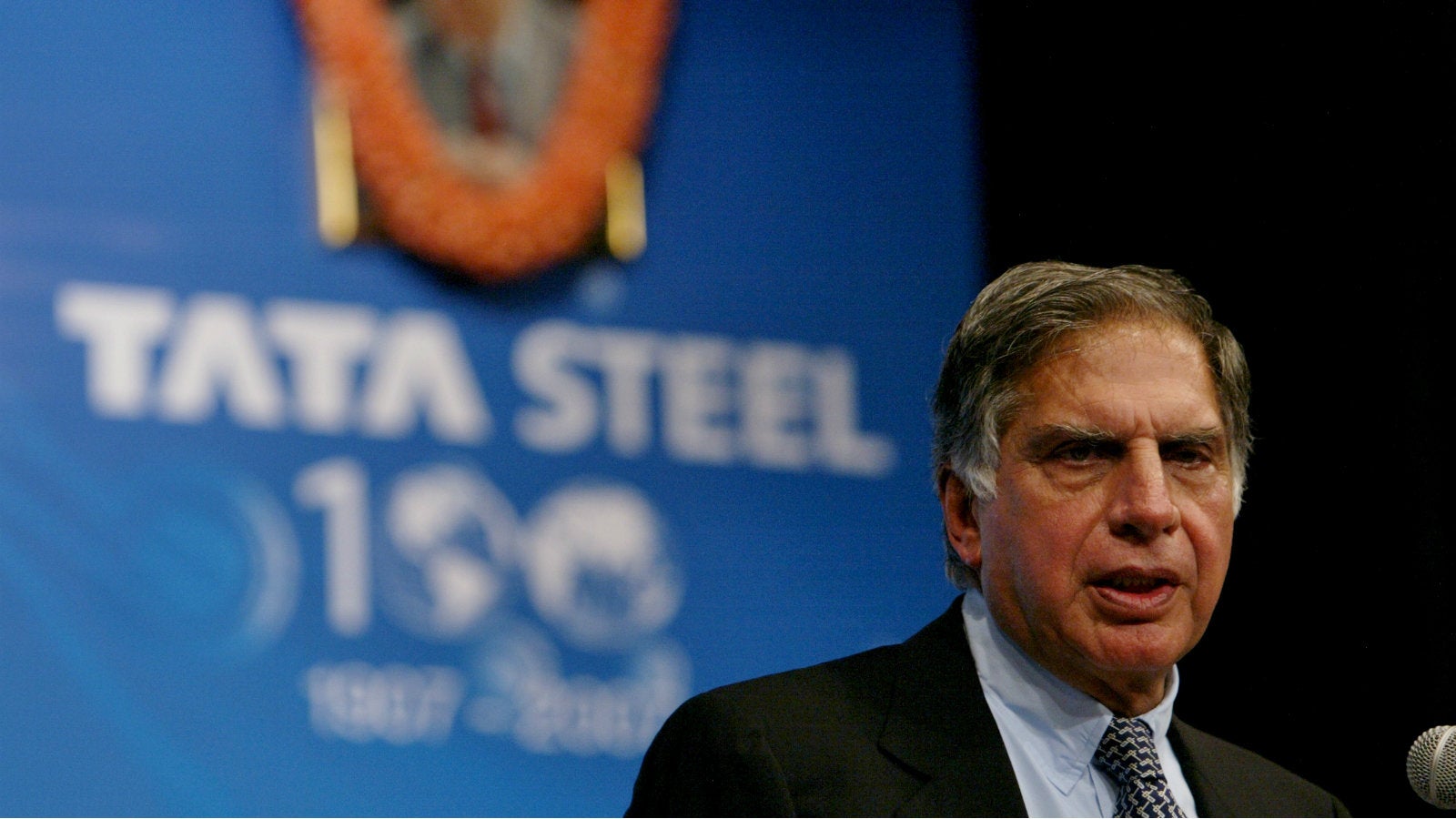
A move by Tata Steel, Europe’s second-largest steel producer, to end operations in Britain following heavy losses is the latest in the growing list of the causalities of China’s economic slowdown. The prospect of massive layoffs by Tata Steel, which acquired British-Dutch steel company Corus Group in 2007 at a high premium, has arisen during the run-up to the referendum on British exit from the European Union (EU). Such are the ripples of globalisation that China’s economic downturn brings impact to distant shores.