Lifestyle
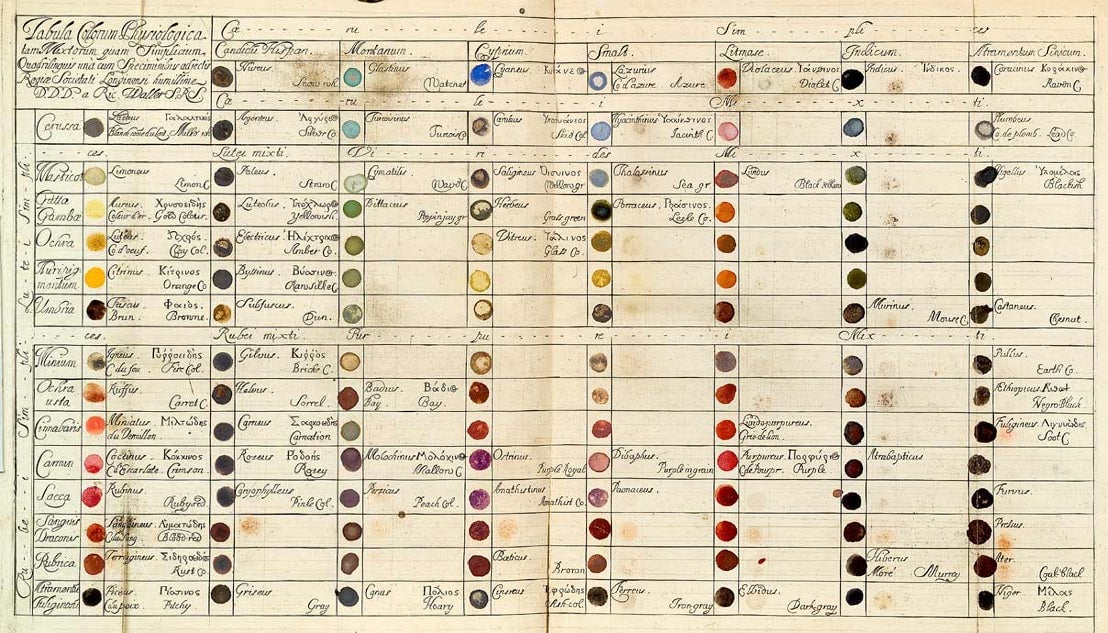
The deep-rooted racism of scienceColor—its chemical basis, how our minds perceive it, how one color transforms into another—has fascinated scientists and scholars for millennia. In 1664, British natural philosopher Robert Boyle tried to make sense of it with his book Experiments and Considerations Touching Colours. In “Experiment X,” he described a 17th-century scientist’s practical joke, astonishing visitors to his laboratory by asking them to wet their skin with spit and then rub silver nitrate, a white compound, on it. On his guests’ white skin, the silver nitrate instantly turned a deep, indelible black, “as if the stains had been made with Ink.”
Updated July 21, 20224 min read