On Friday morning last week, I was walking from my home to the subway station when I was grabbed and forcefully shoved into an unmarked minivan waiting nearby. Before I could get my bearings, I was whisked away to a police station.

On Friday morning last week, I was walking from my home to the subway station when I was grabbed and forcefully shoved into an unmarked minivan waiting nearby. Before I could get my bearings, I was whisked away to a police station.

Maybe Elon Musk won’t have to go to all the trouble of building his “Pravda” website for rating journalists’ credibility, because, it turns out, there’s already a blockchain for that.

Last week, the major cryptocurrency startup Coinbase acquired a company called Paradex. This company is known as a “decentralized exchange” (or a “DEx,” if you want to be down with the crypto cool kids). This new type of exchange is said to be a safer way to trade crypto coins—which is pretty useful, given that over $4 billion worth of cryptocurrencies have been stolen from exchanges between 2011 and 2017, according to a Reuters estimate.

News broke today (May 24) that the US Justice Department has opened a criminal investigation into market manipulation of bitcoin prices. It’s working with the US Commodity Futures Trading Commission (CFTC) to bring bad actors to justice.

Bitcoin Gold is a fork, or spin-off, of the original cryptocurrency, bitcoin. It shares much of the same code and works in a similar way to bitcoin, with Bitcoin Gold miners contributing computational power to process new transactions. That also means it faces the same vulnerabilities as bitcoin, but without the protections that come from the large, dispersed group of people and organizations whose computers are powering the bitcoin blockchain.

The US Justice Department has started a criminal investigation into market manipulation of bitcoin prices, Bloomberg reported today. The probe will look for evidence of practices like spoofing and wash trading, both of which involve creating false orders to create the impression of genuine market activity, the report said, citing anonymous sources with knowledge of the investigation.

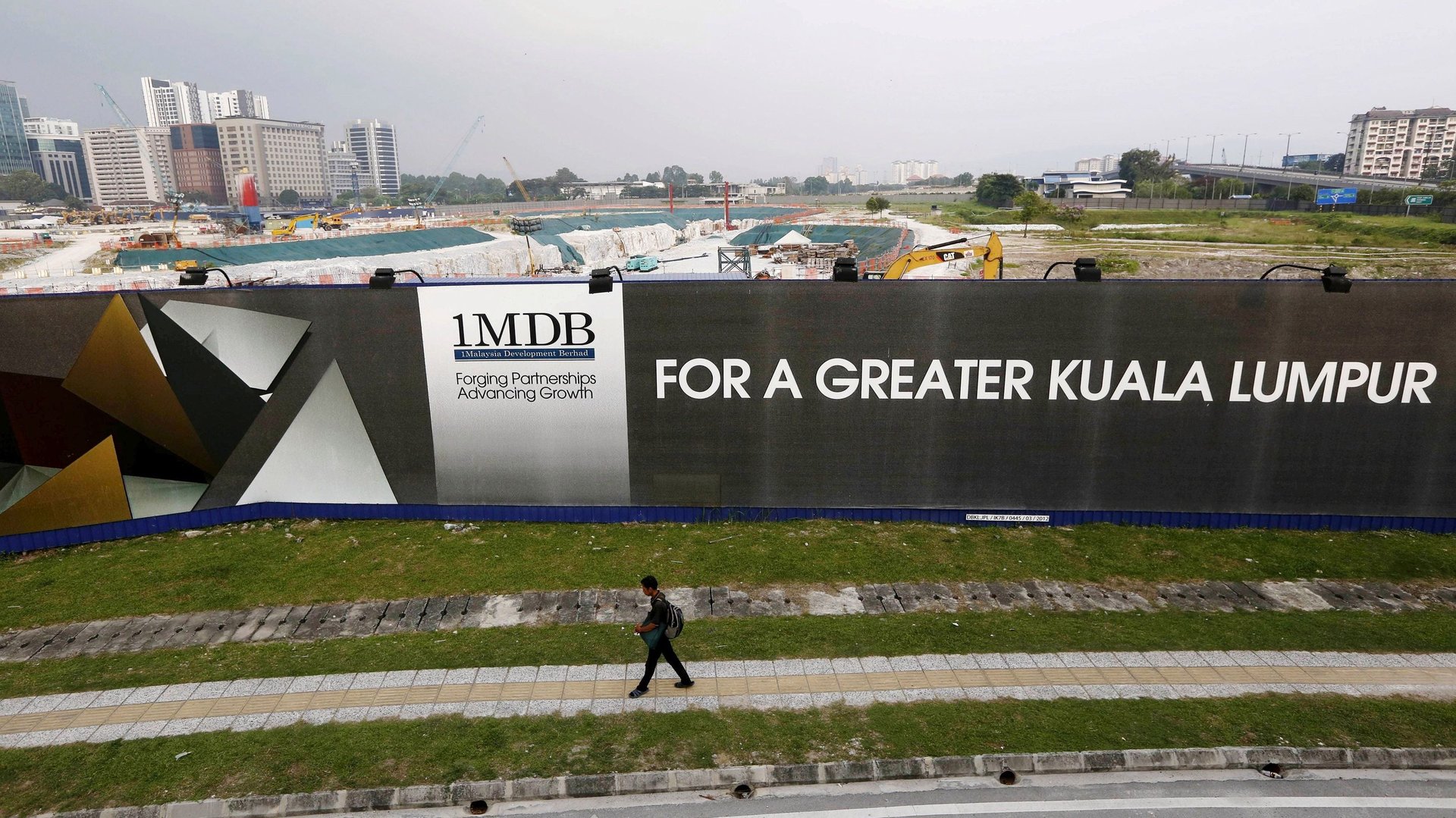
Malaysia’s new finance minister today appointed the accounting firm PwC to audit the finances of 1MDB, a scandal-hit state wealth fund—but he never really had much choice. It’s the only remaining “Big Four” accounting firm that isn’t tainted by the allegations of corruption engulfing 1MDB, the news site Malaysiakini reported.

Today is Bitcoin Pizza Day. Eight years ago, on May 22, 2010, a programmer purchased two large Papa John’s pizzas for 10,000 bitcoins, worth about $30 at the time. It’s widely believed to be the first purchase of a product with bitcoin, proving the then-nascent cryptocurrency’s potential as a means of payment.

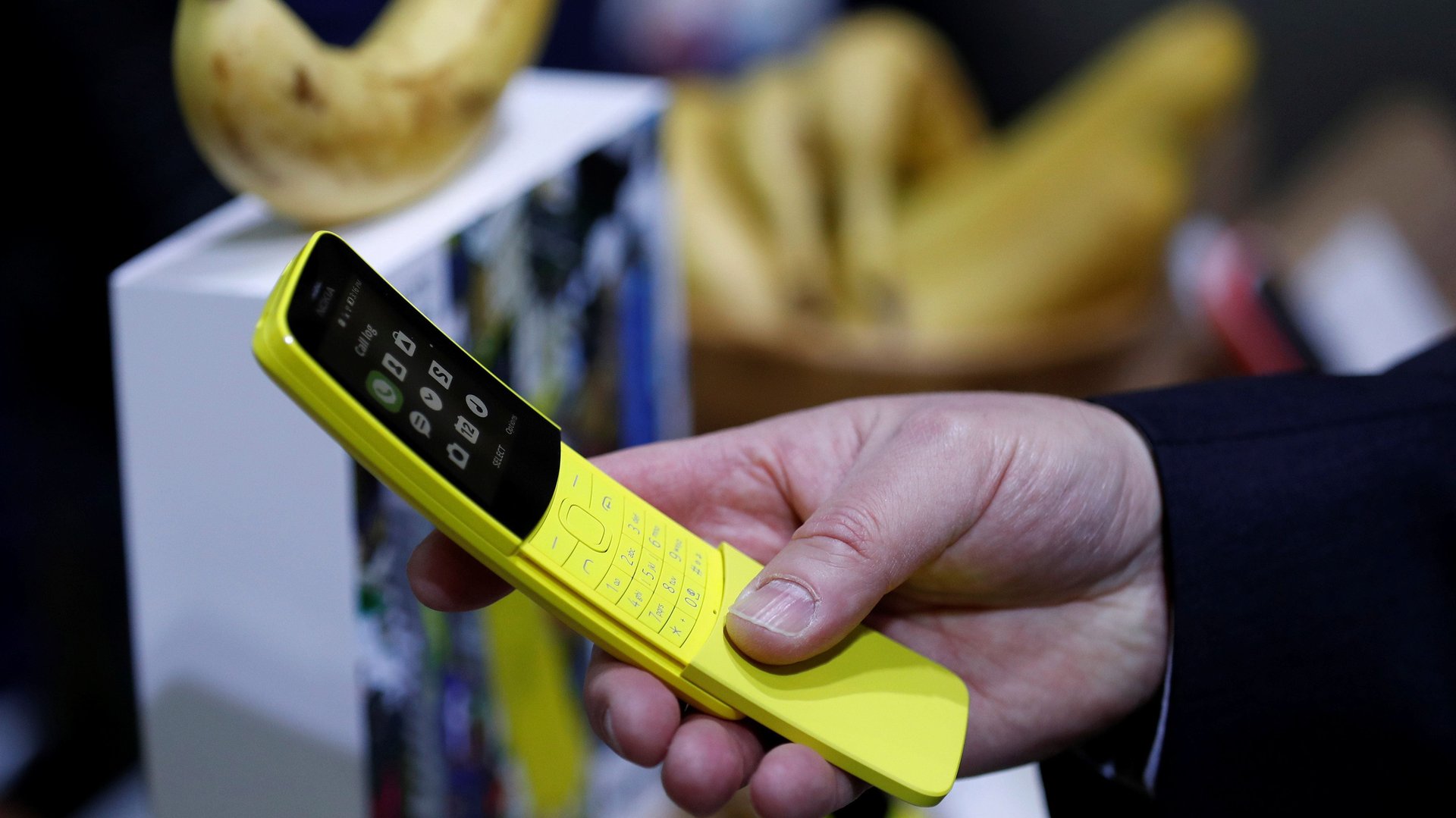
The Finnish company that sells Nokia-branded phones isn’t named Nokia. It’s a startup called HMD Global founded two years ago to license the Nokia brand for its handsets. Yesterday (May 21) it announced that it’s valued at over $1 billion, after raising $100 million from investors.

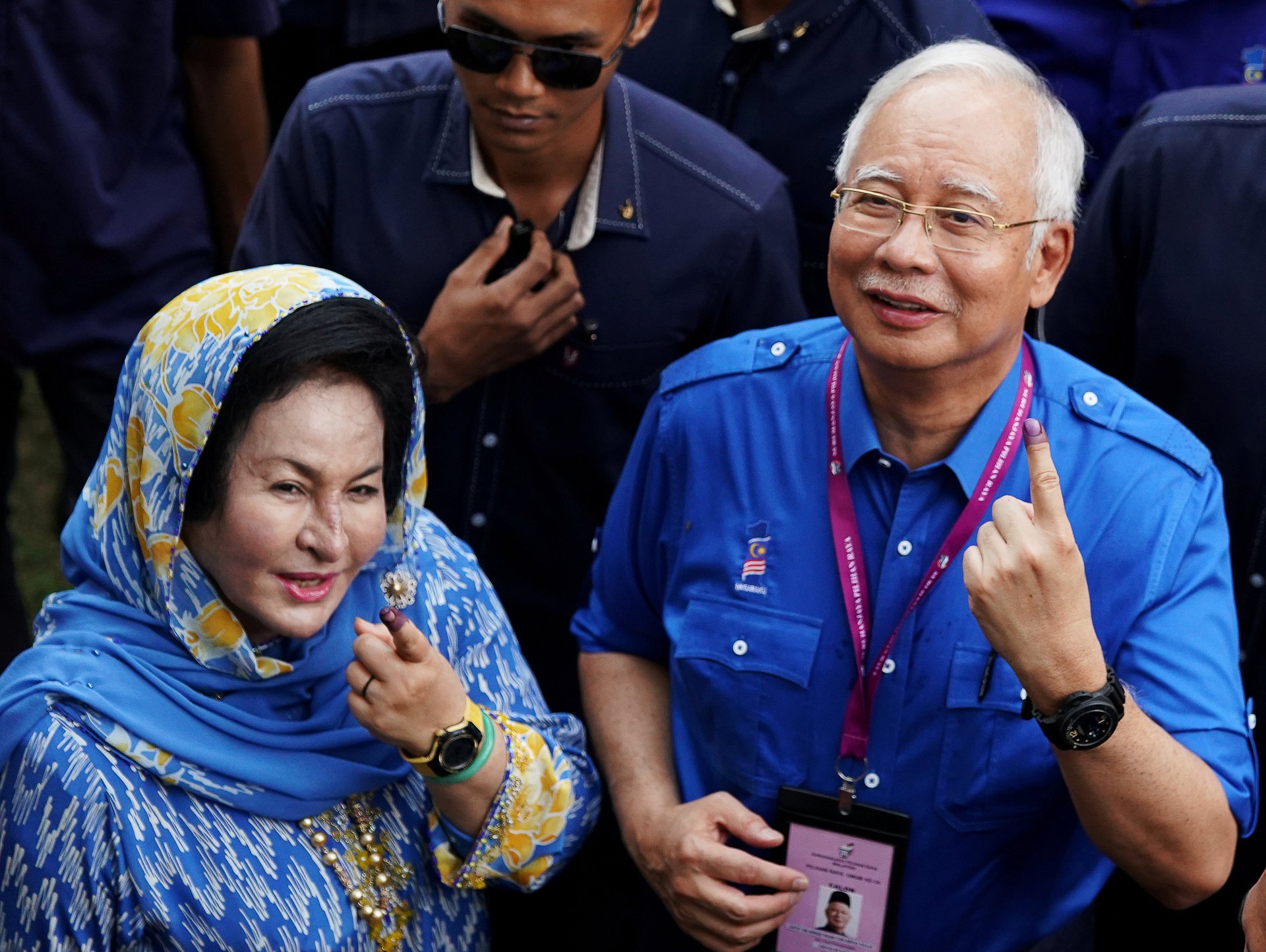
Malaysian police last week seized 284 boxes of luxury handbags from residences linked to the ousted Malaysian prime minister Najib Razak. The bags are believed to be owned by Najib’s wife, Rosmah Mansor, who is known for her predilection for a particular brand and style: the Hermès Birkin.

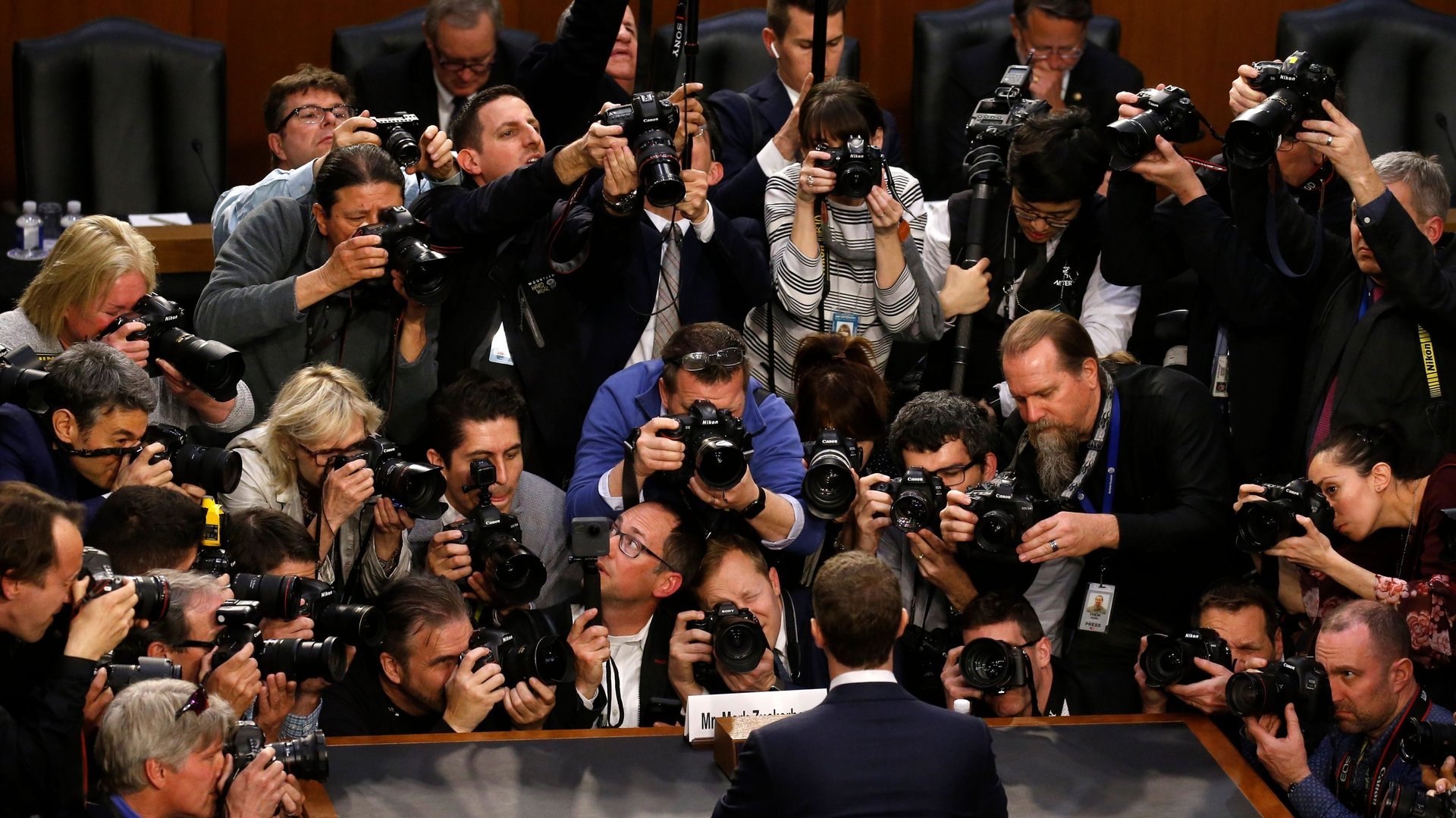
The president of the European Parliament has convinced Facebook chief executive Mark Zuckerberg to livestream a closed-door meeting with European lawmakers this week.

Filling out tax returns can be complicated, and it’s easy to make a mistake. But for 33-year-old Nisha Mohite, one simple mistake resulted in her losing her job, her home, and her right to remain in the UK.

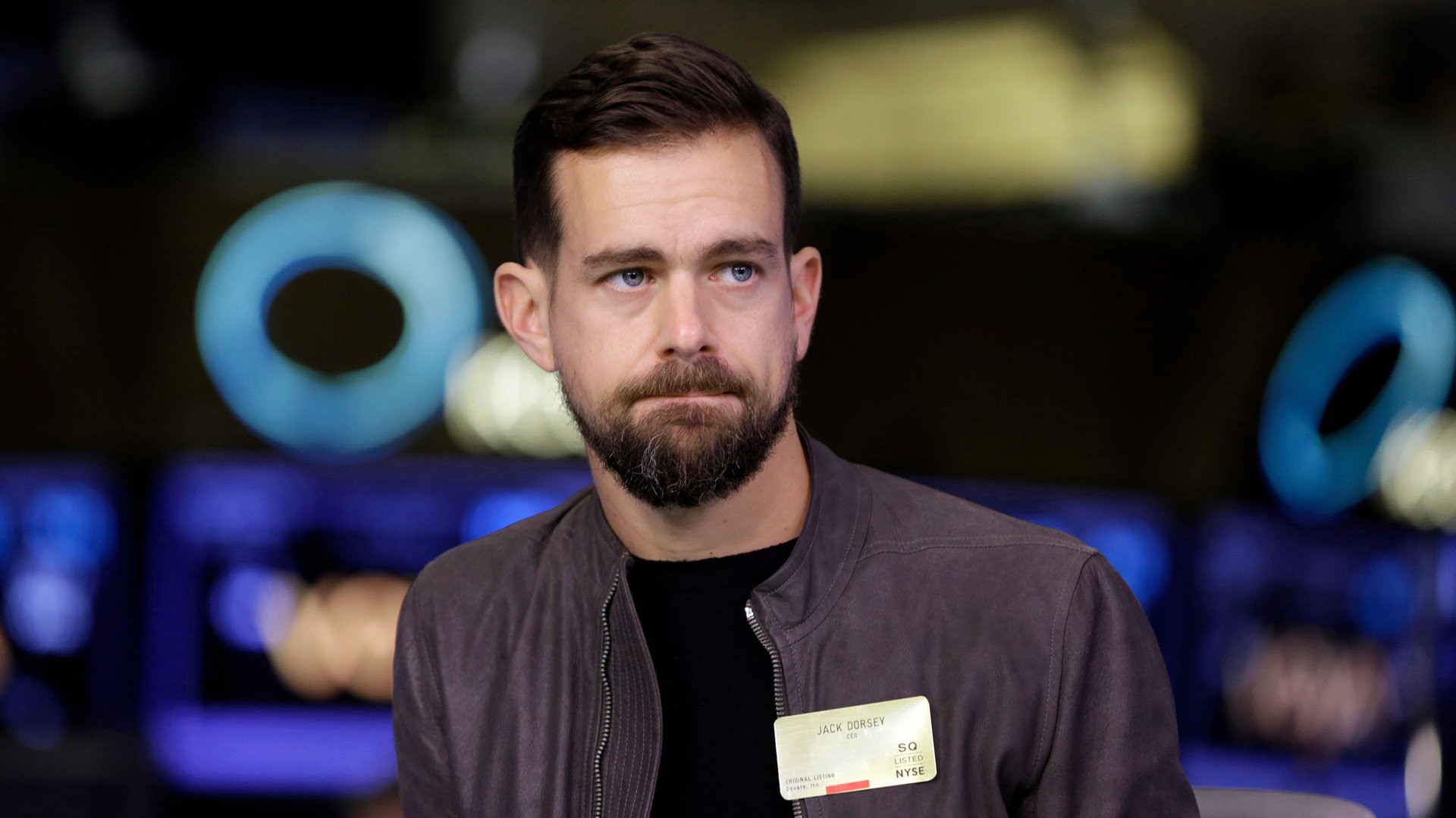
Square’s stock price has enjoyed a major boost since it began letting users buy and sell bitcoin on the company’s Cash payments app. But the feature only got there because Square founder and CEO Jack Dorsey joined a company hackathon, intent on finding a way to put bitcoin on his Cash payments card.

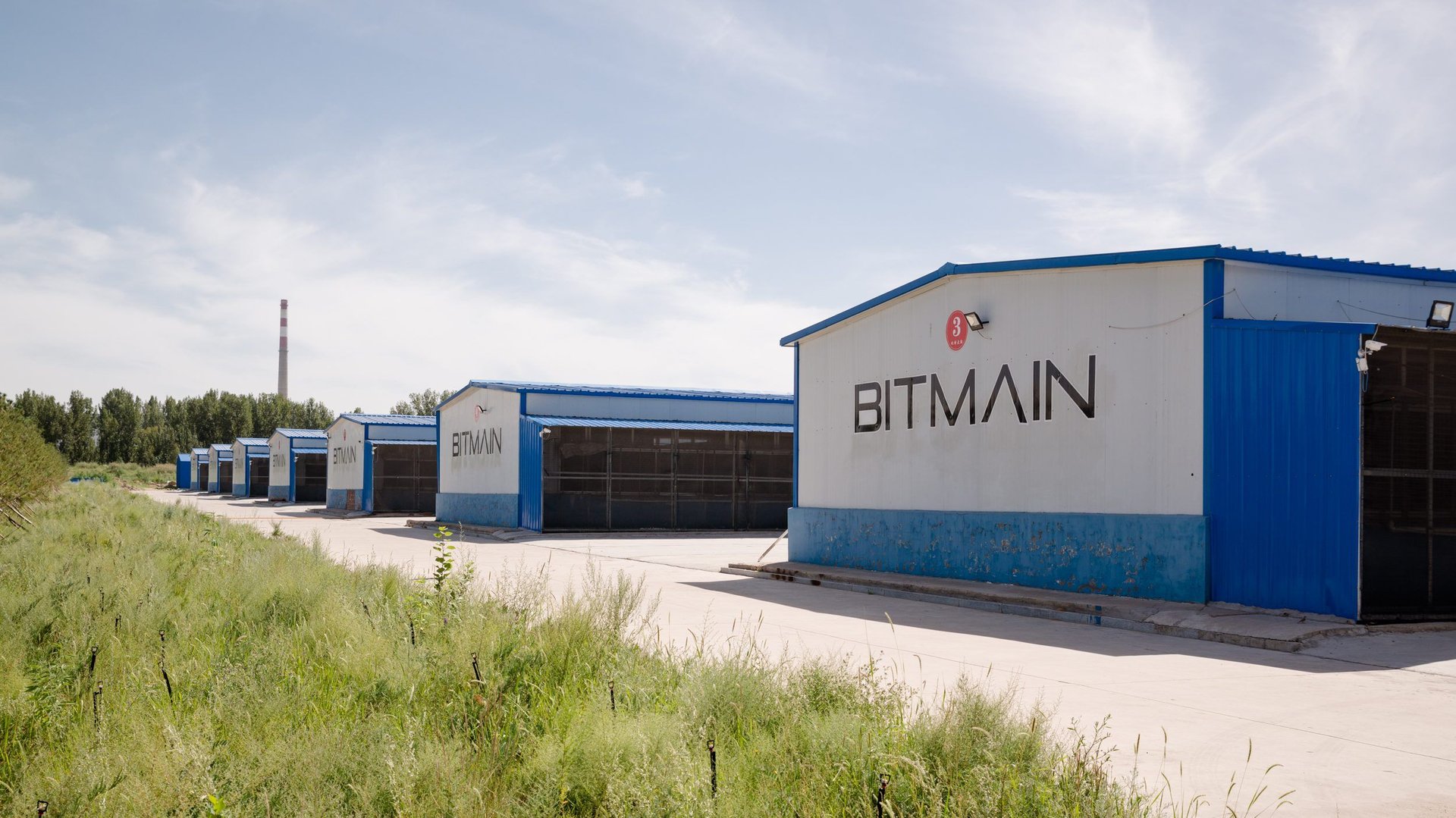
Bitmain is the world’s biggest maker of bitcoin mining rigs, earning a reported $4 billion in profits last year. Now it’s using that cash to become a major force in venture capital investing, announcing today (May 15) that it led a $110 million round in Circle, a Boston-based cryptocurrency exchange and wallet business.

Onstage at the blockchain world’s biggest conference, bitcoin developer Jimmy Song said today that he’d be willing to take on Joseph Lubin’s proposed bet that “blockchain tech”—the use of a decentralized ledger without a cryptocurrency—won’t have any significant users in five years.

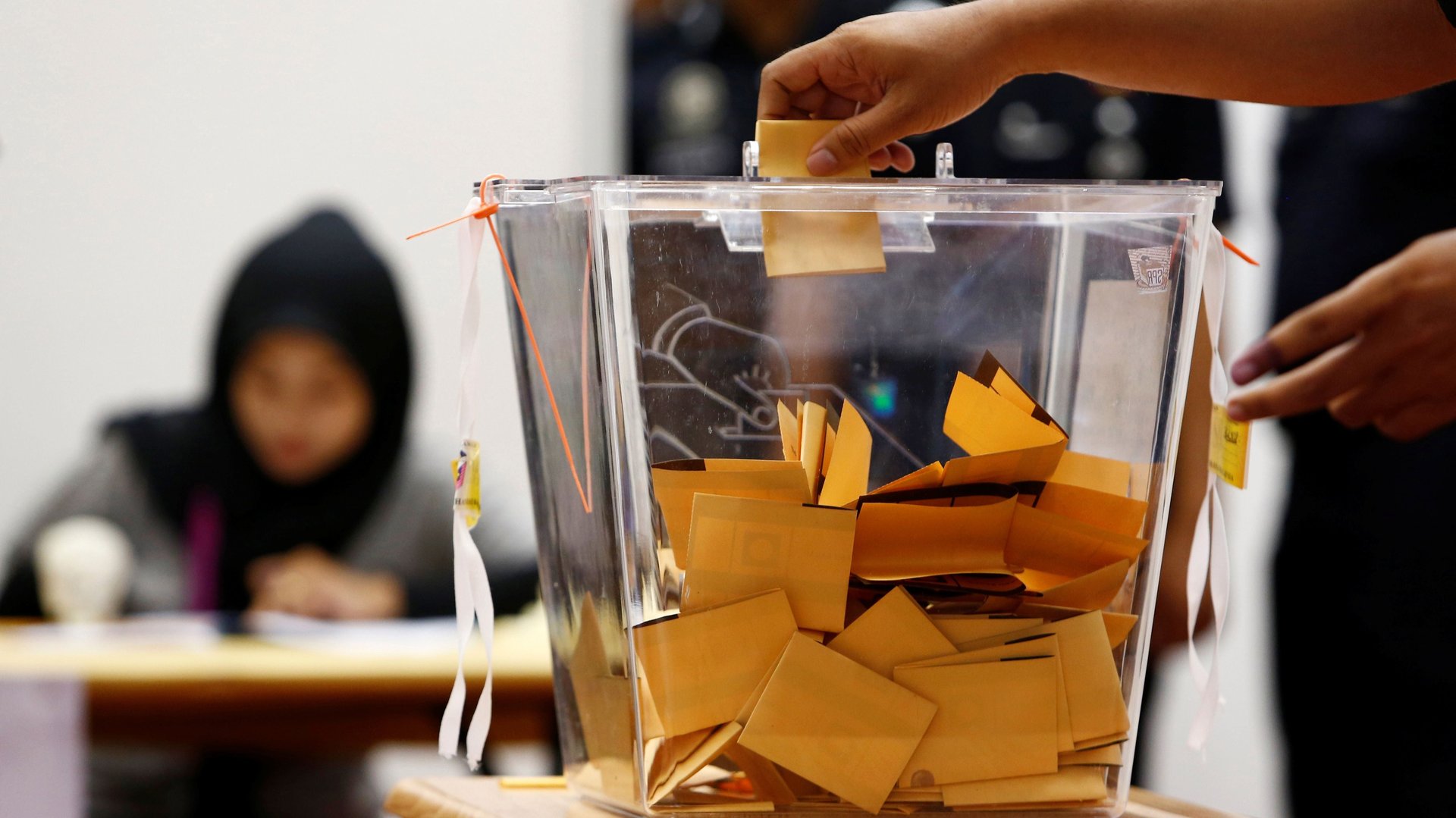
As Malaysia heads to the polls today (May 9 local time), some voters will have beaten long odds to cast their ballots. Malaysians around the world have used social media in recent days to spontaneously form volunteer networks to generate funds, transport postal ballots, pool car rides, and otherwise go to extraordinary lengths to cast their votes. The efforts are largely in response to frustrations with the way a watershed election is being conducted.

Buy, sell, or hold? Those are the eternal questions confronting traders, and they are particularly urgent in volatile crypto markets.

Over the past year, ethereum has vaulted in value. The value of the second-largest cryptocurrency in circulation is around $72 billion, challenging bitcoin in the past year. Needless to say, ethereum has established itself as a key pillar of the crypto market.

About $150,000 worth of ether was stolen from users of MyEtherWallet yesterday. The attackers apparently used an elaborate scheme to reroute internet traffic to target the popular wallet service.

Cryptocurrency traders don’t need—or even want—to be protected from market manipulation, according to the chief executive of the Kraken crypto exchange. That is one of the statements made by Jesse Powell in response to an inquiry by New York’s attorney general, Eric Schneiderman. Last week, the state prosecutor asked Kraken and 12 other exchanges for more information about how they conduct their business, as part of a “broader effort to protect cryptocurrency investors and consumers.”

Data protection, a once-obscure field of compliance, is having a moment. Next month, a sweeping set of rules called the General Data Protection Regulation (GDPR) go into effect in the European Union. They’re being called the “gold standard” for laws of their kind in the internet age.

Samsung seems keen to put crypto at the core of its operations. Its semiconductor business, the world’s largest, is making chips for cryptocurrency mining. Its electronics business, also a global giant, is reportedly working on a blockchain to monitor its logistics.

Russia took another step in its campaign against online privacy today, by banning the highly popular encrypted messaging app Telegram, which is owned by Russian entrepreneur Pavel Durov.

Last week, crypto-watchers noticed something strange: According to the UK registry of companies, Russian tech entrepreneur Pavel Durov appeared to have founded a new company, named it after his widely-used chat app Telegram, pumped it with £800 million in capital, and become a British citizen.