
Money & Markets
A former PNB chief says the RBI and government are also responsible for the fraudIndia’s banking sector seems to be lurching from one crisis to another.
Updated July 20, 20224 min read
India’s banking sector seems to be lurching from one crisis to another.
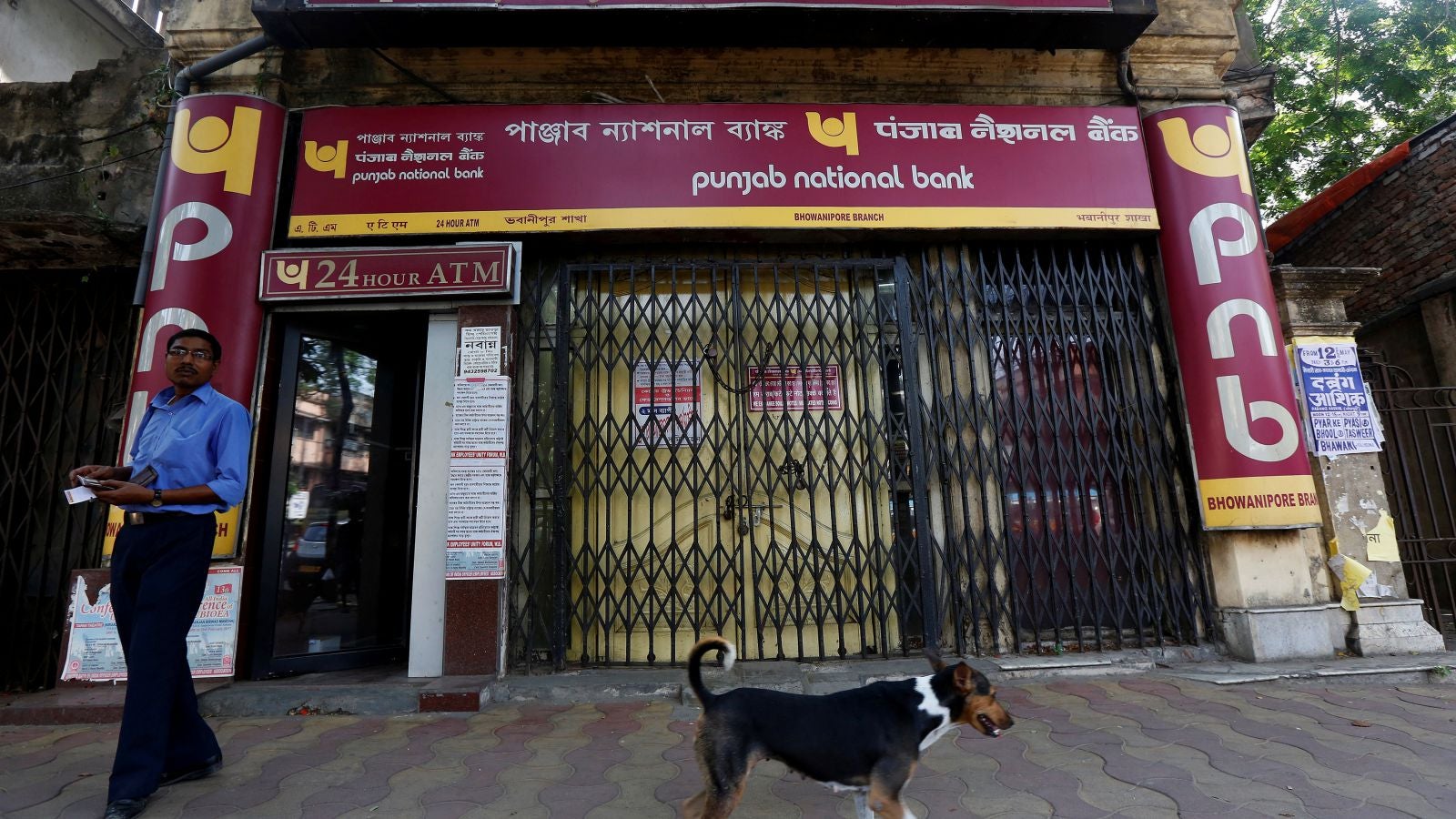
Punjab National Bank (PNB), India’s second-largest government-owned lender, has discovered a fraud worth $1.77 billion at one of its branches in Mumbai. This amount is nearly a third of the bank’s market value of Rs36,444.45 crore (as on Feb. 14), and close to 50 times its net profit in the October-December 2017 quarter.

The Indian government is measuring its words of warning against cryptocurrencies, but the country’s banks aren’t pulling their punches anymore.
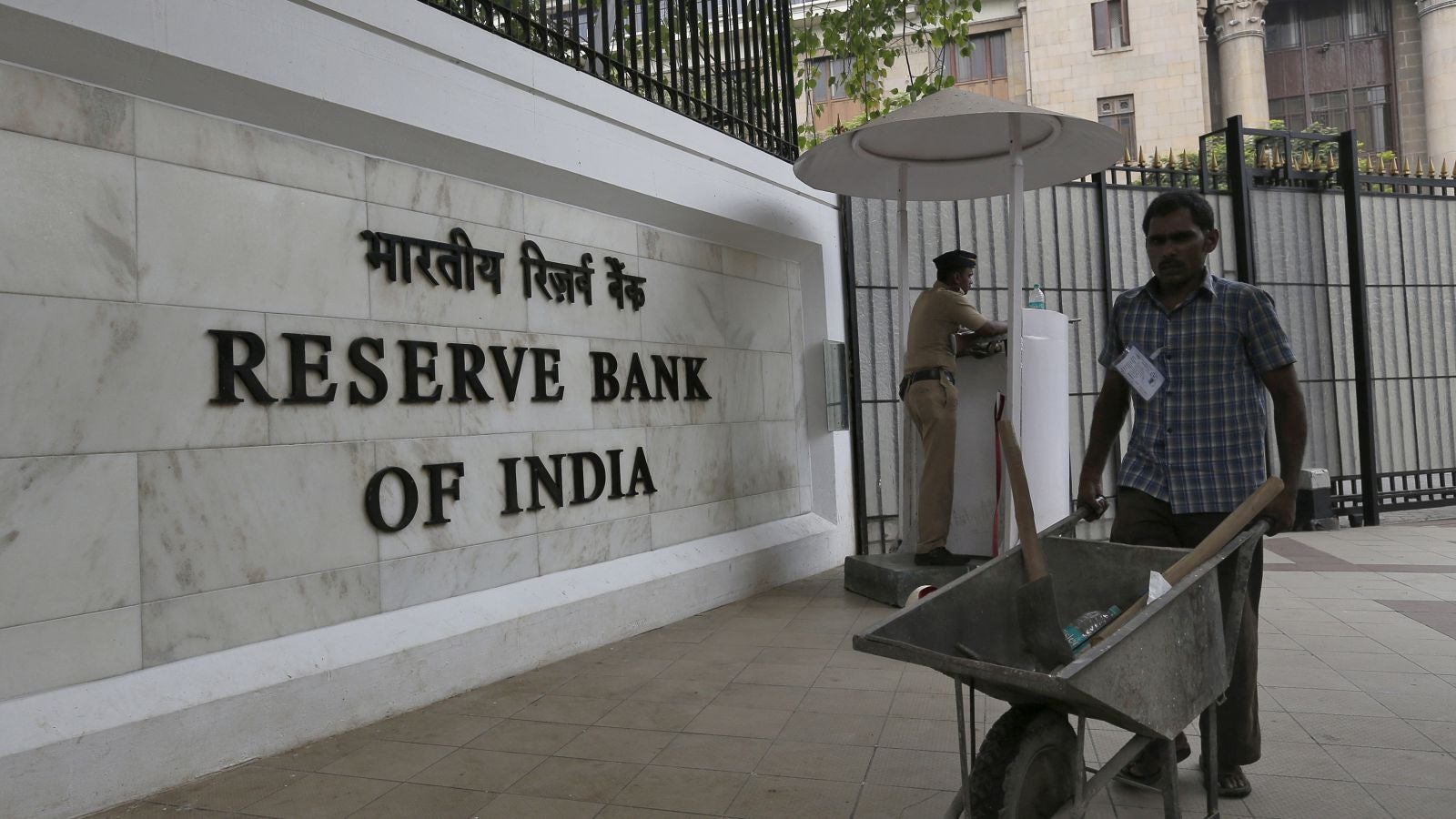
The Reserve Bank of India (RBI) has tightened the leash on banks, and its new norms may force lenders to recognise bad loans sooner than later. This, after some of the country’s largest banks, including the giant State Bank of India, have juggled soured loans in the past, citing technicalities.

There may be a silver lining to the millions of annoying “good morning” memes that Indian users of WhatsApp have to contend with: money.
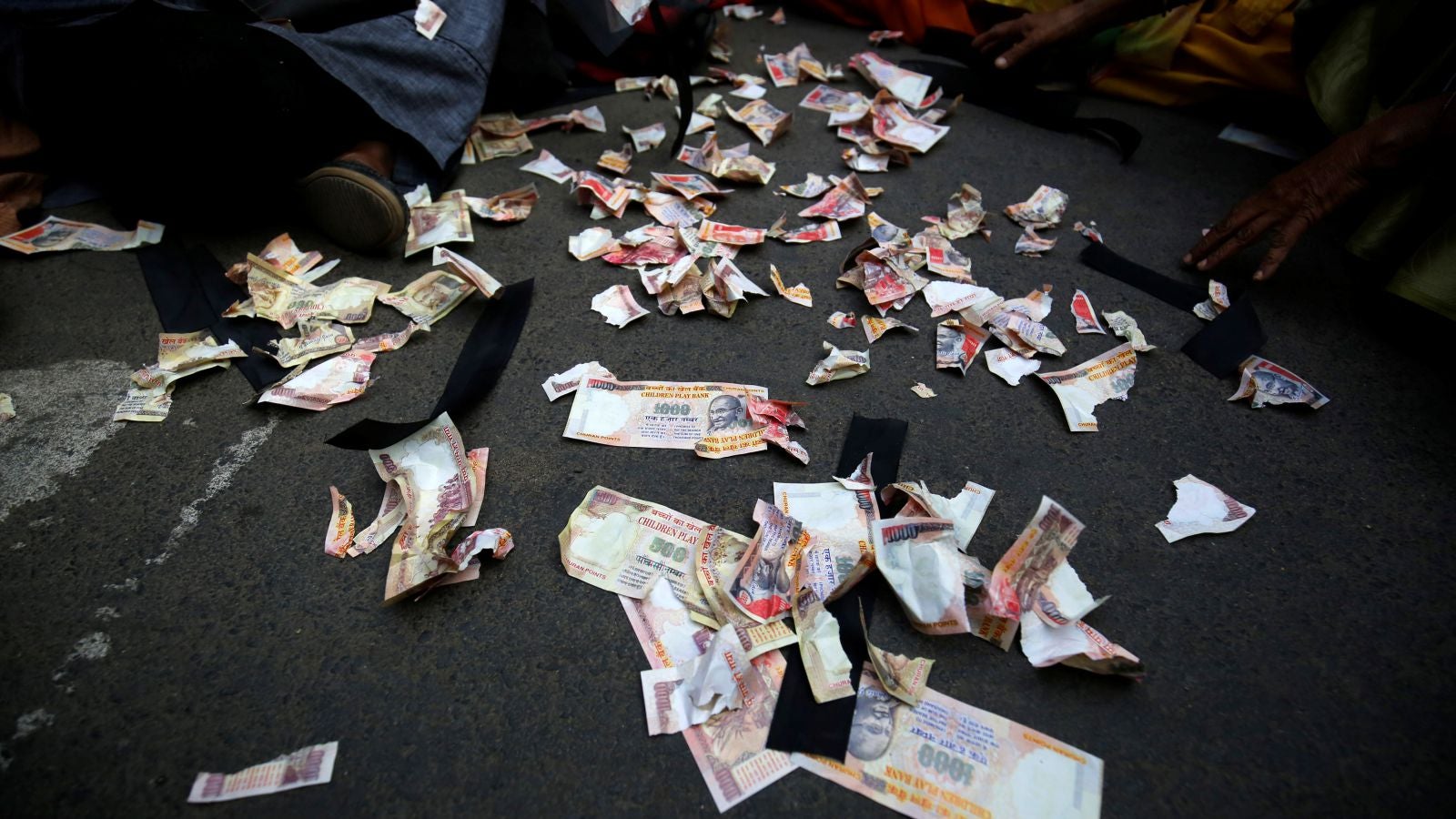
More than a year later, the full effect of the November 2016 note ban imposed by the Narendra Modi government remains a mystery. For the Reserve Bank of India (RBI) still hasn’t finished counting the returned currency notes.
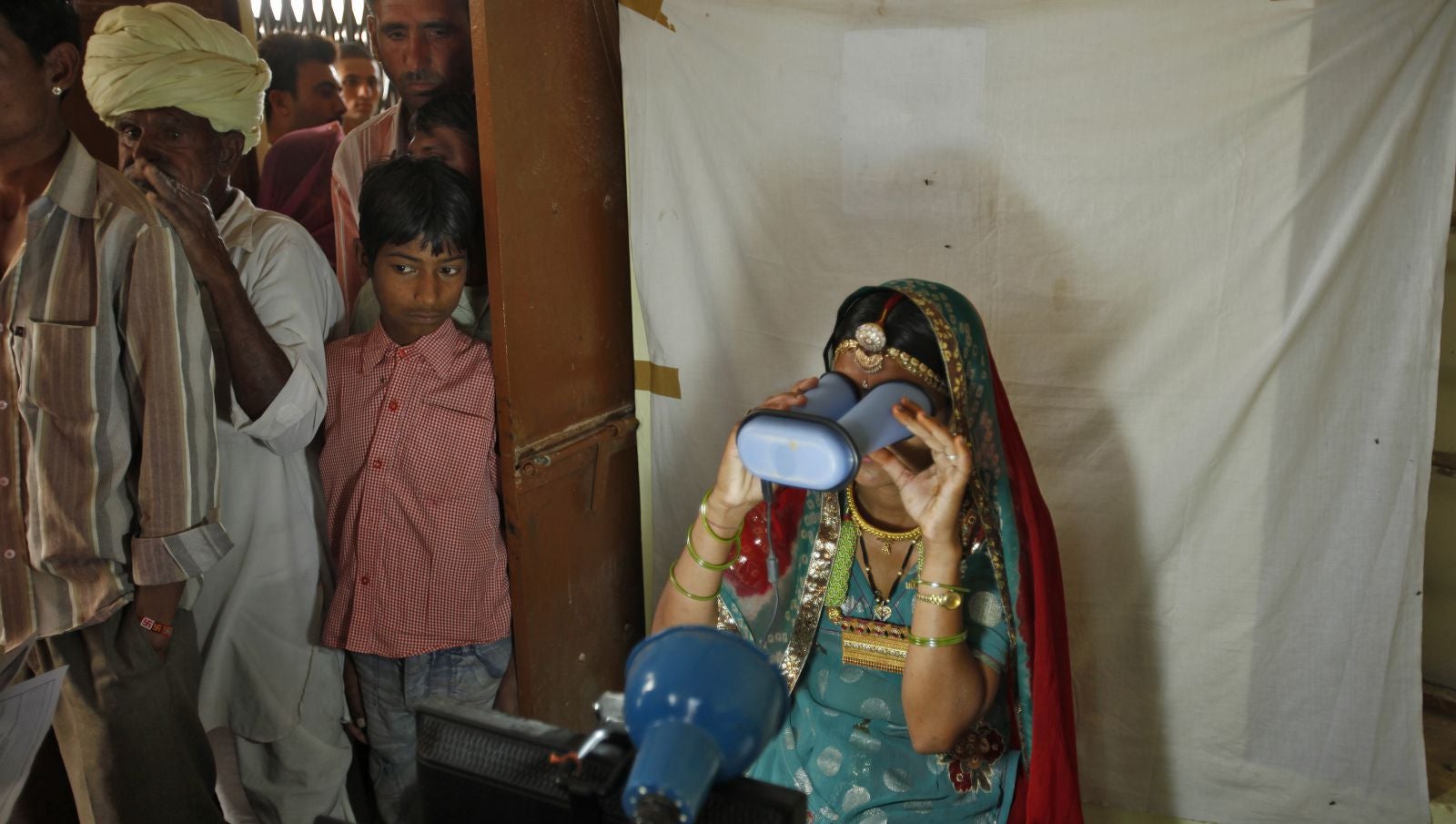
For a while now, the Narendra Modi government has been trying to allay public concerns over the security and efficiency of Aadhaar, even as the 12-digit biometric identity programme is hotly debated in India’s supreme court.

The unemployment crisis in India has been purportedly worsening as new job creation trickled to an eight-year low in 2016 under the Narendra Modi-led government. But while pushing private companies to invest in job creating industries, the government seems to have forgotten its share of the task at hand.
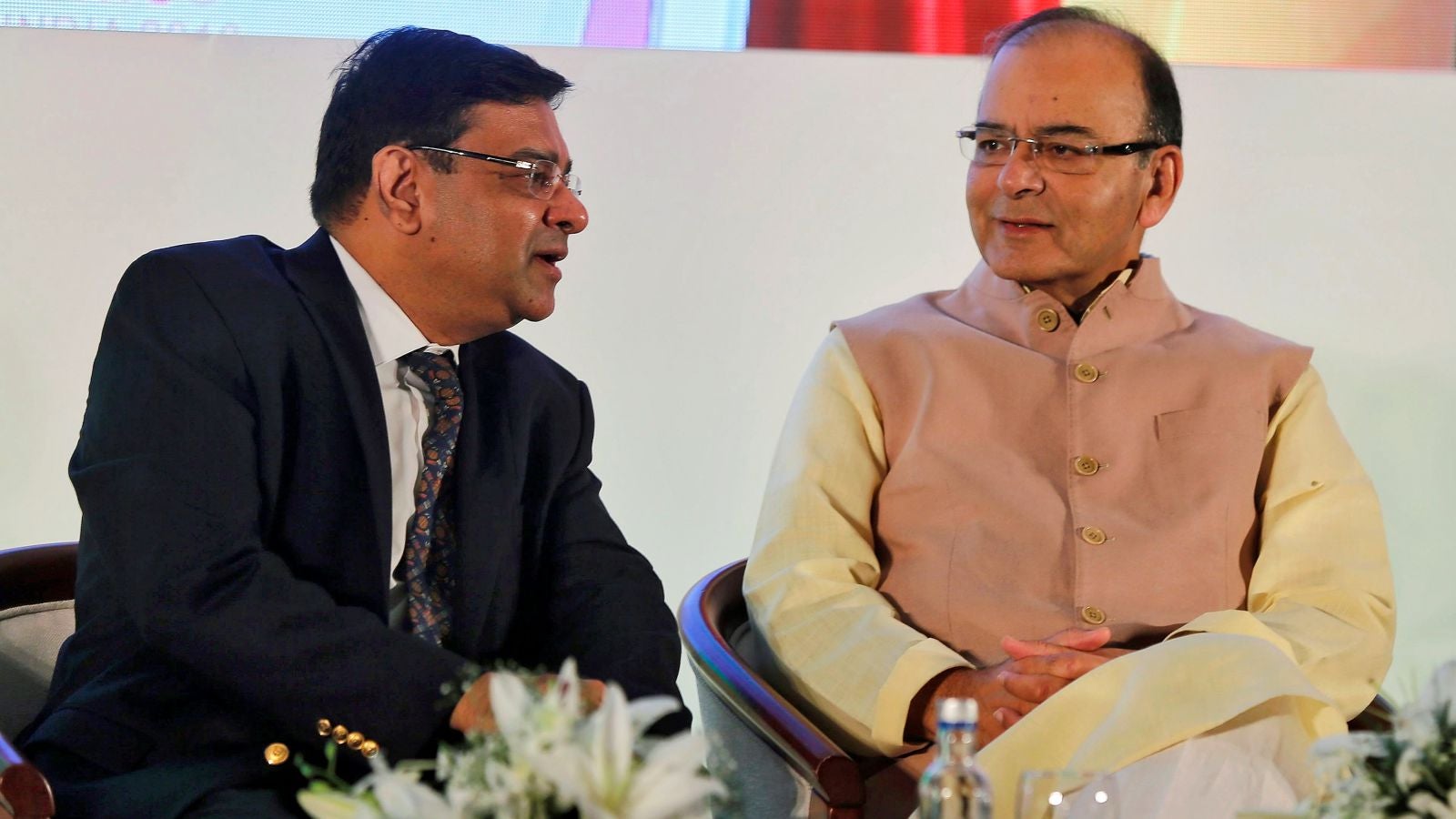
The poll-bound Narendra Modi government’s decision to woo voters, at the cost of fiscal targets, has left it to the central bank to pick up the pieces. The Reserve Bank of India (RBI) on Feb. 07 kept interest rates unchanged, increased its forecast for inflation, cut the growth forecast for the second time in less than six months, and took subtle jibes at finance minister Arun Jaitley’s budget proposals.

The Indian income tax (I-T) department is now aggressively pursuing investors who profited from cryptocurrencies but skipped paying taxes.
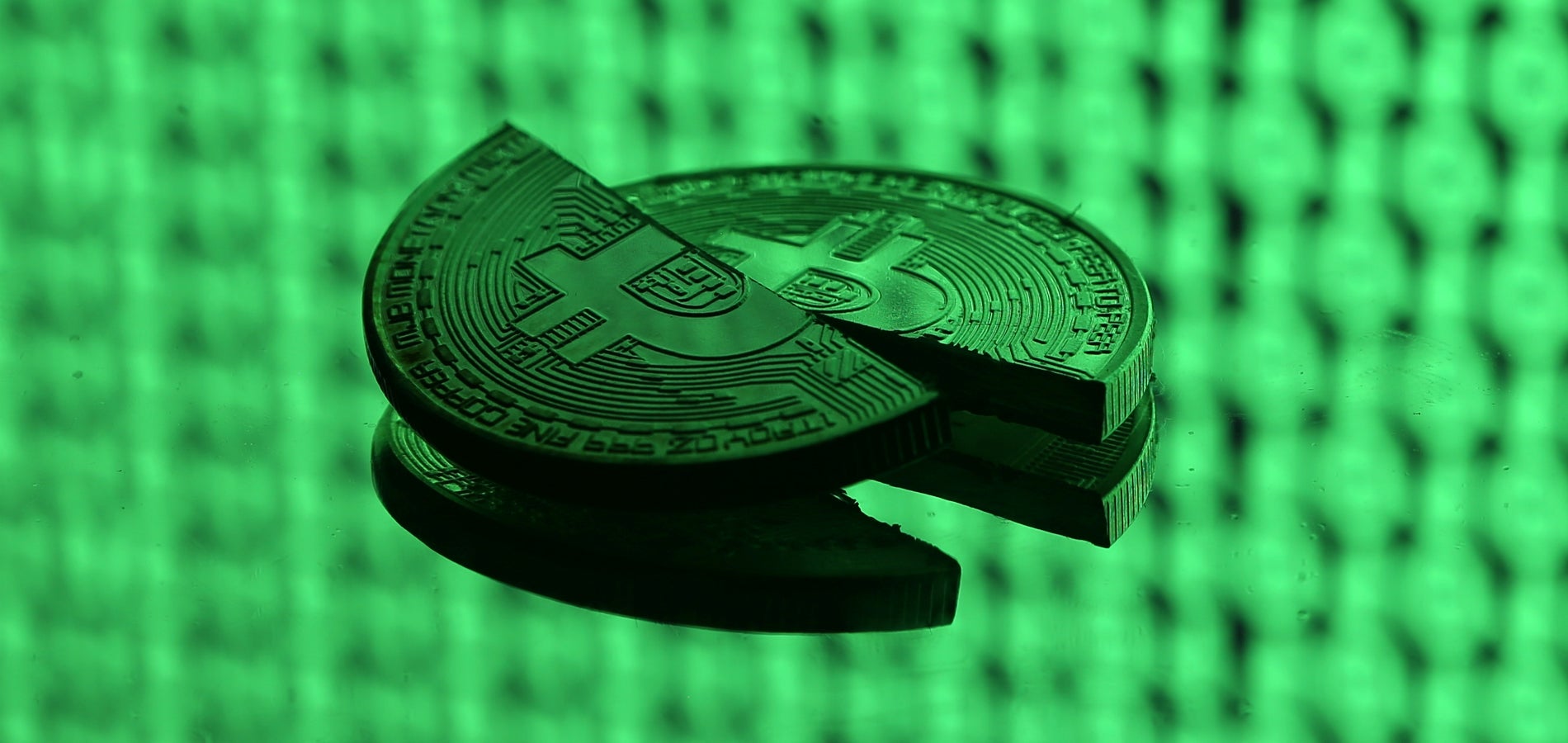
India may finally have a set of draft rules for cryptocurrencies by the end of the year, but not before the debate within government circles heats up further. It is, as of now, a tug of war between the stakeholders: suspicion on one side, and a stiff upper lip on the other.

India’s cryptocurrency ecosystem is dazed and confused.
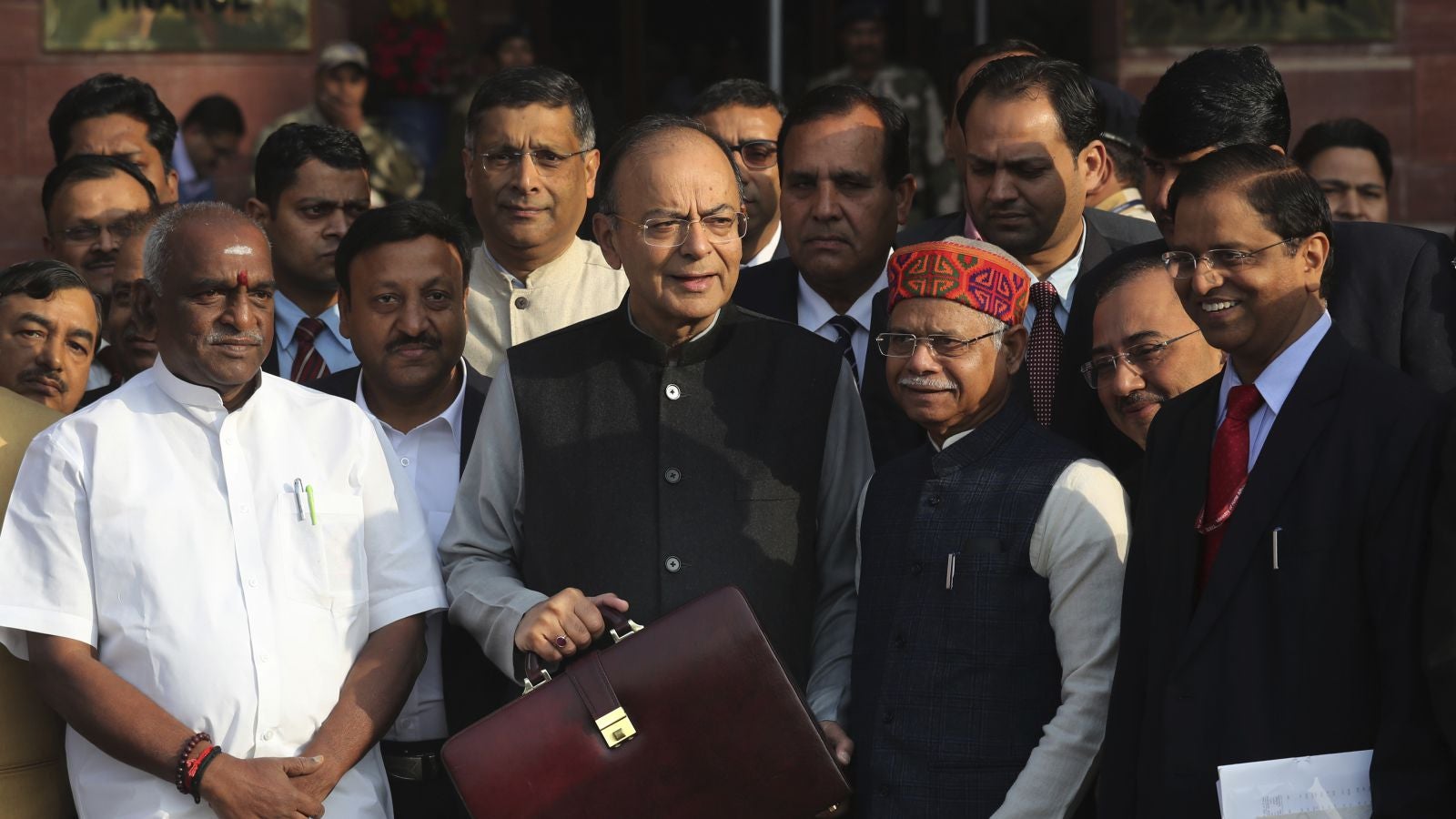
Finance minister Arun Jaitley’s budget has left the ordinary Indian taxpayer rather disappointed.

It appears to be the end of the road for cryptocurrencies in India.
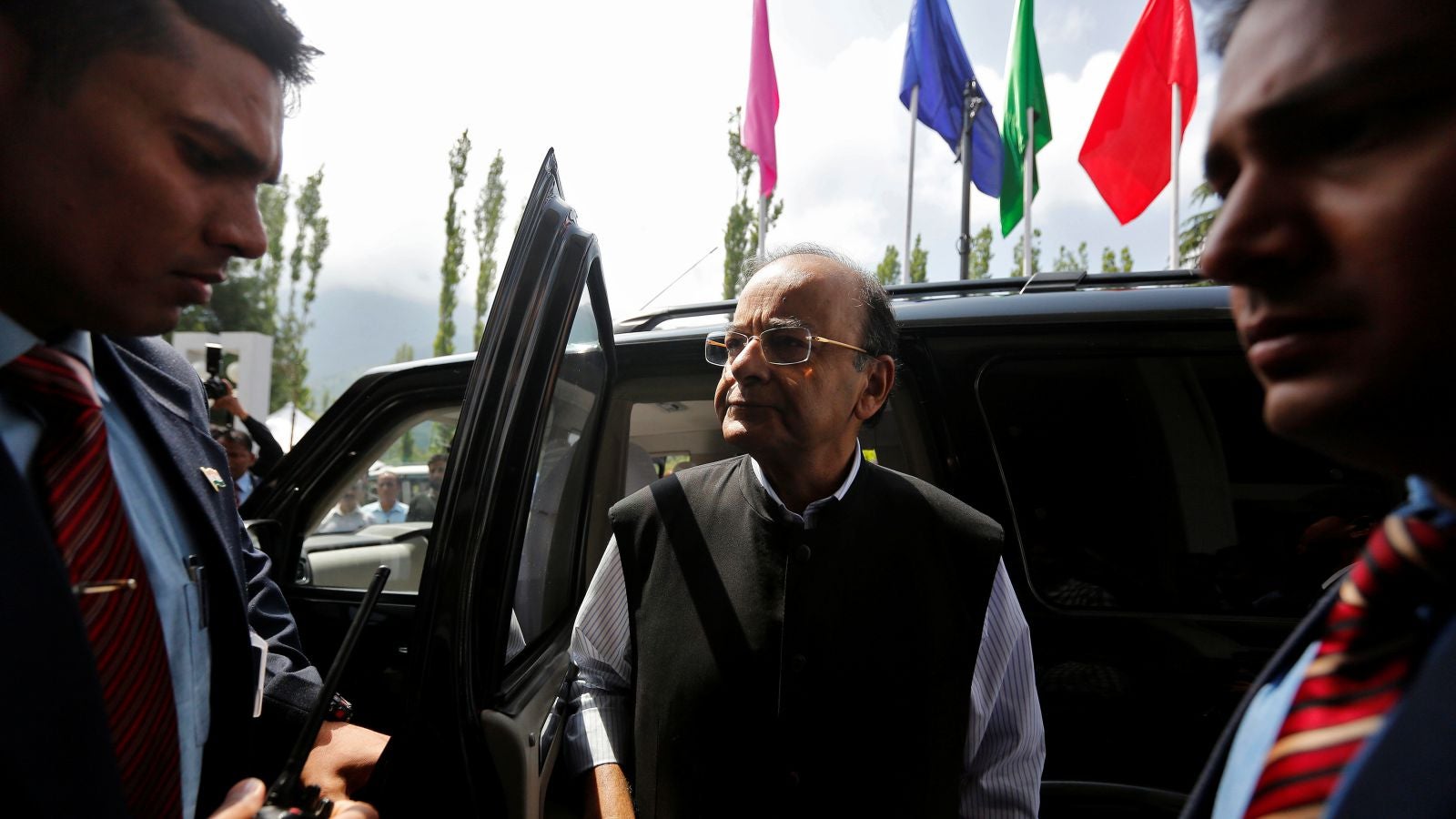
While most industries have long lists of demands from finance minister Arun Jaitley leading up to the budget on Feb. 01, India’s booming fintech sector primarily has just one wish—that its presence be acknowledged.
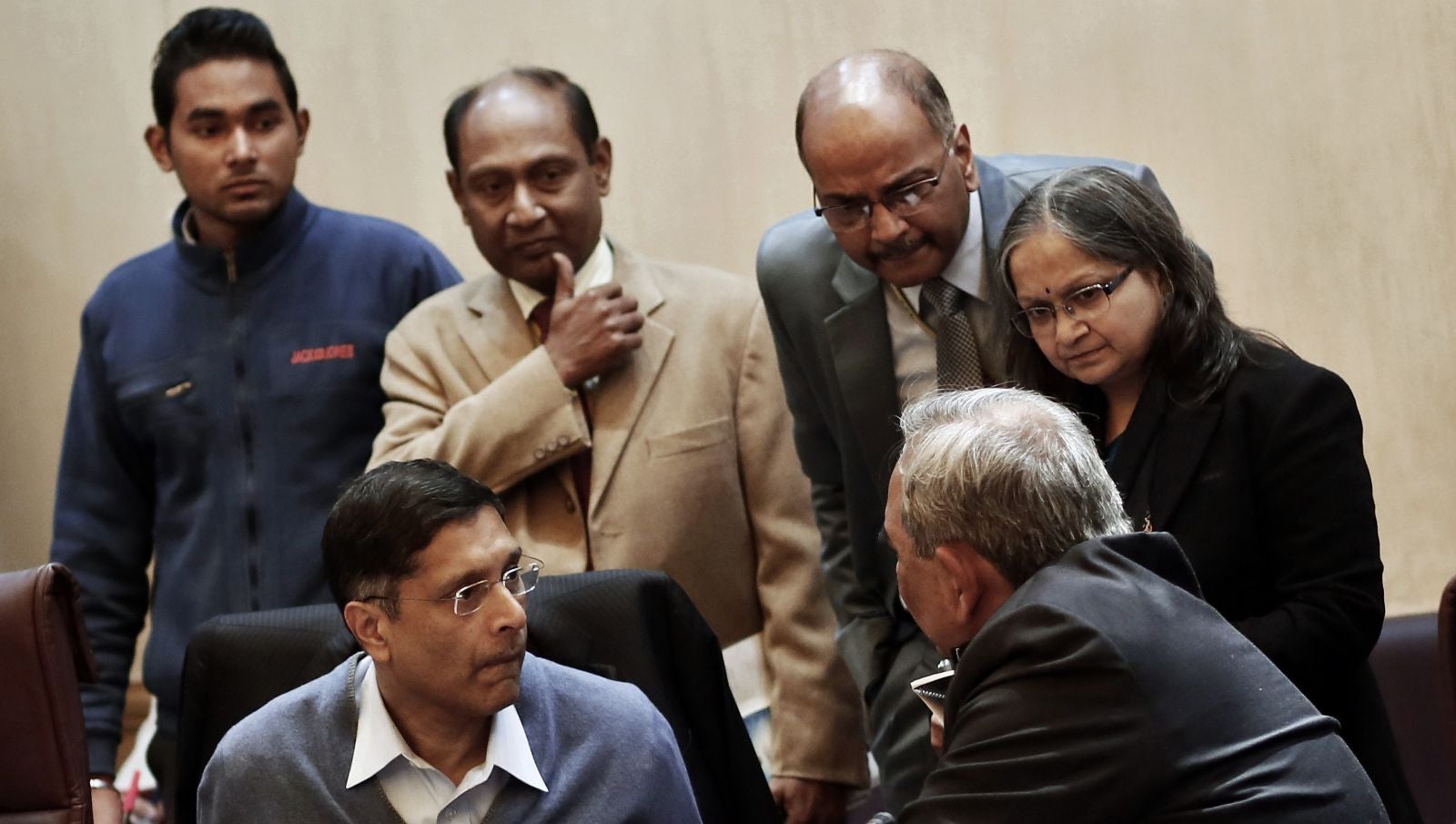
It’s been a spectacular year for the Indian stock markets. But, somehow, corporates aren’t cashing in. This has left India’s chief economic advisor Arvind Subramanian puzzled.
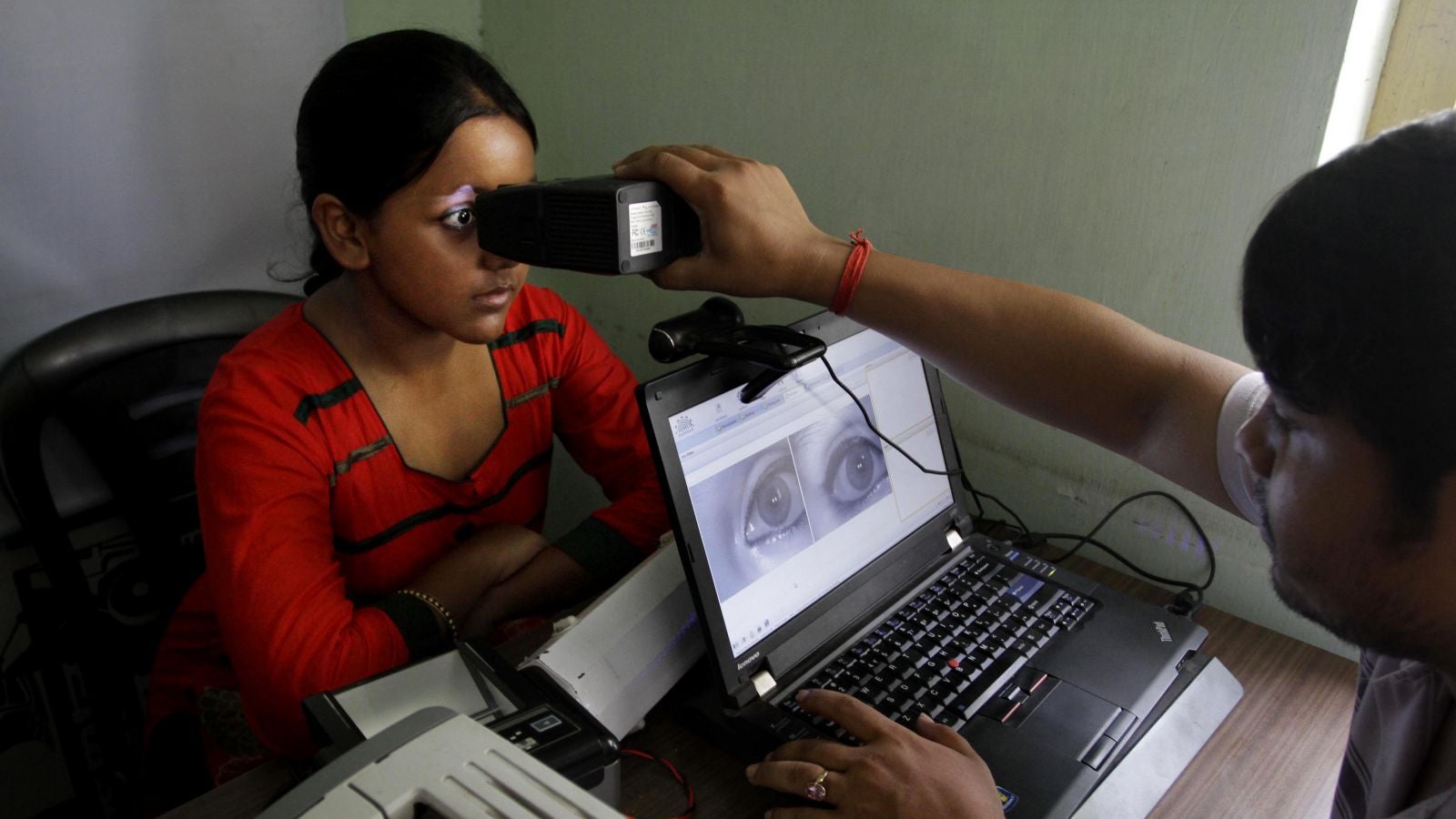
Even as reports of leaks in India’s biometric identity database, Aadhaar, spook those who’d like to keep their finances private, lenders and insurance companies are browbeating customers into linking their bank accounts with it.
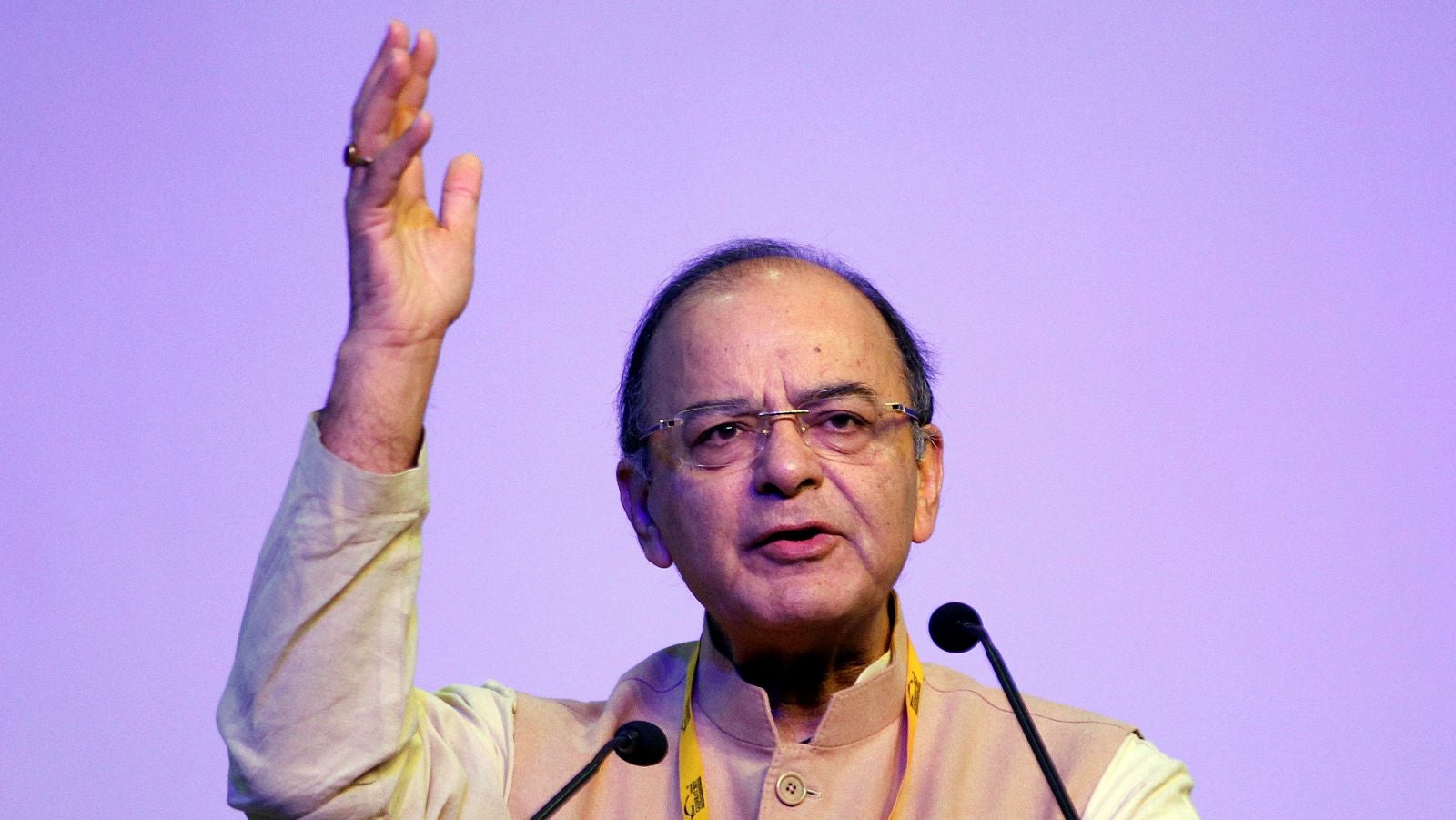
Finance minister Arun Jaitley on Jan. 24 unveiled the fine print of the Indian government’s massive $33 billion rescue plan for the country’s state-owned banks battling a huge pile of toxic debt.
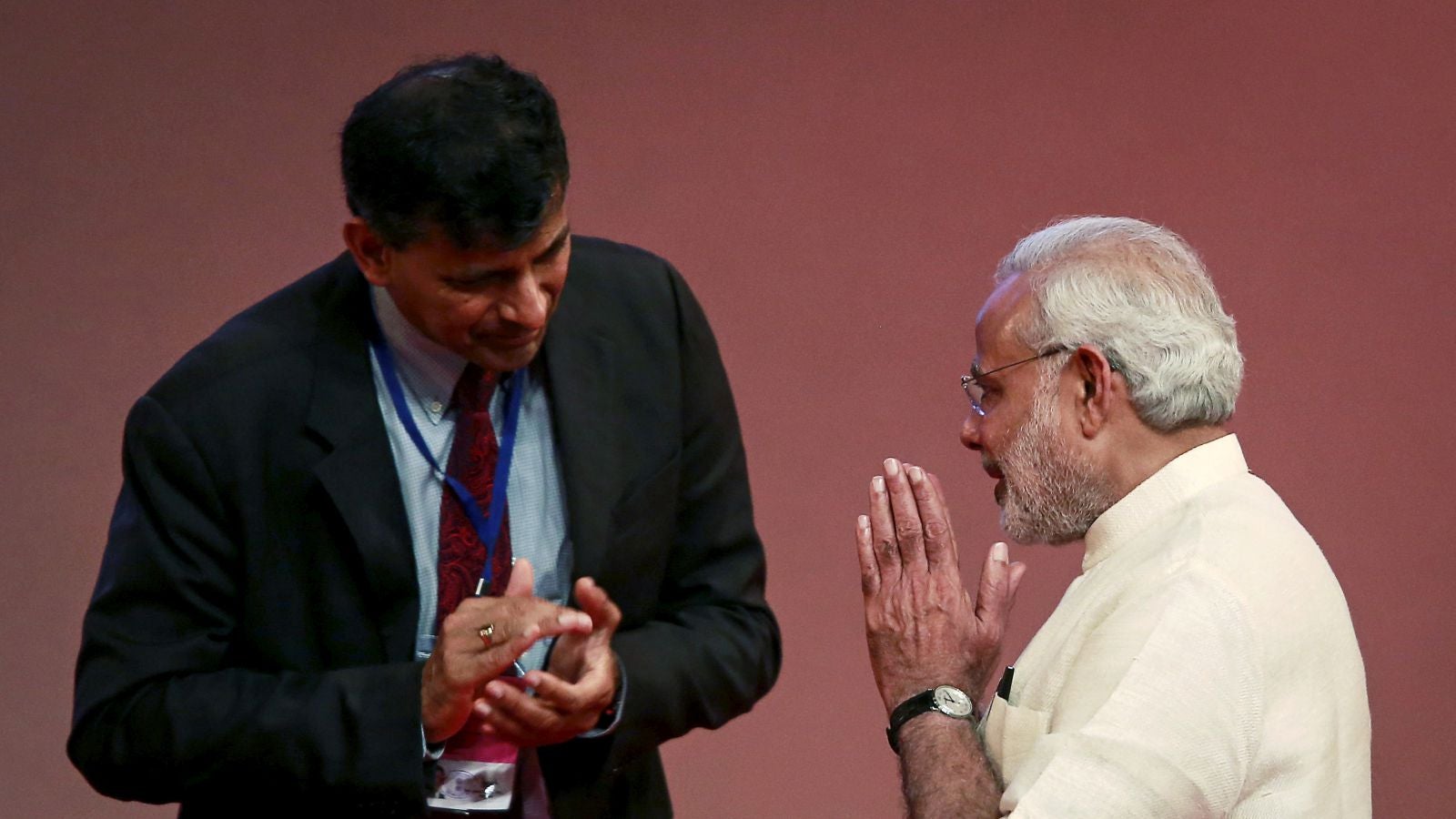
India’s note ban of 2016, which crippled the economy, had no support even from the then central bank chief.
After plummeting to a 60-year low in the last financial year, loan growth for Indian banks is finally reviving.

The Indian government does not like bitcoin, but unlike its Chinese counterpart, it is in no hurry to clamp down heavily on virtual currencies.

In India, bitcoin is the people’s forbidden fantasy.
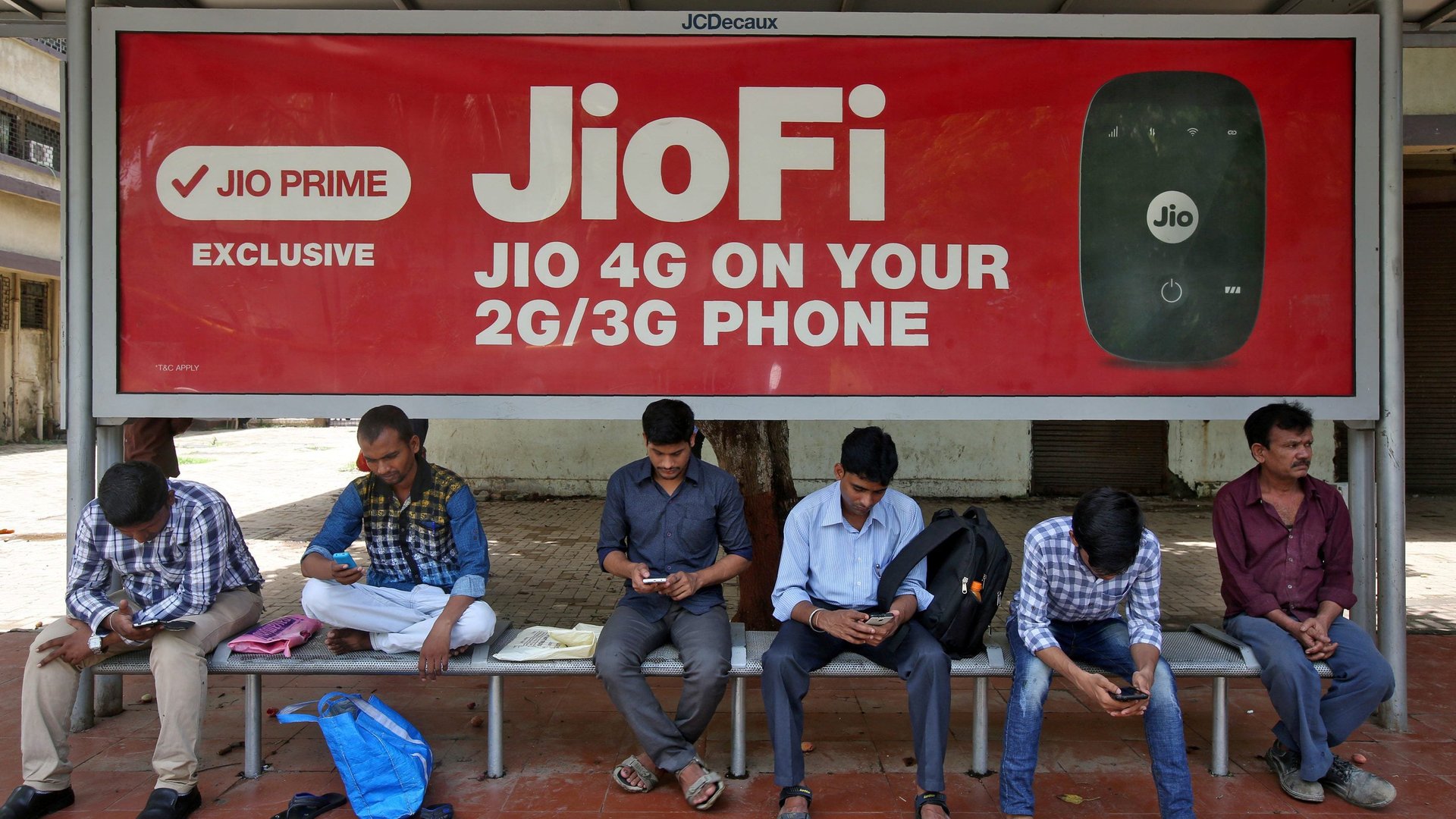
The bloodbath in Indian telecom is set to worsen in 2018, and that may mean more job losses.

India’s industrial production (IIP), which measures the country’s factory output, expanded at a rapid clip in November to hit a 17-month high, data released on Jan.12 showed. A month before the budget, these robust numbers could be a sign that the economy is back on track.