Examine the list of high-profile men in media and entertainment accused of sexual harassment or worse, and you’ll find many of them sit at the center of organizations built around their own talents.

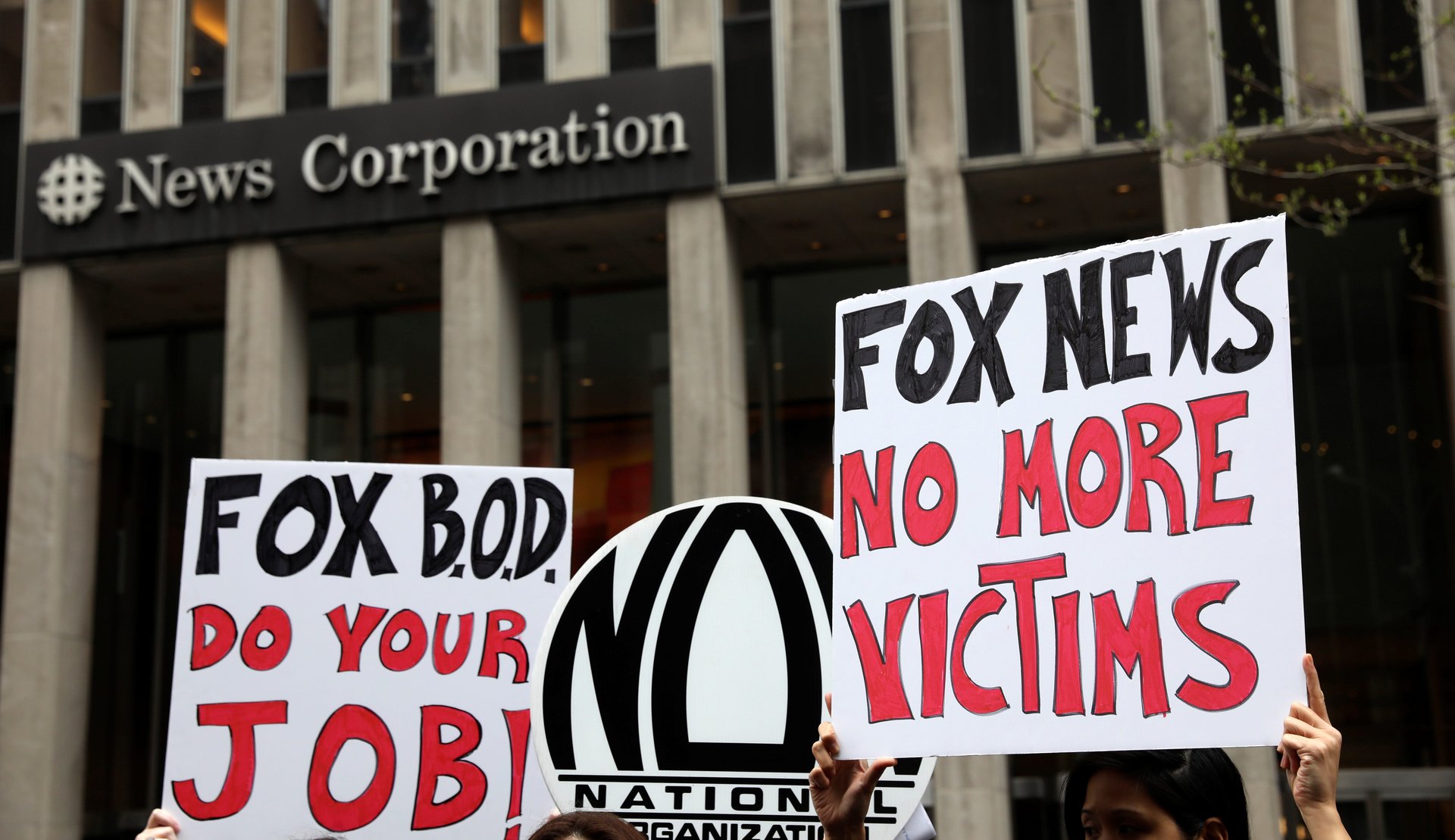
Examine the list of high-profile men in media and entertainment accused of sexual harassment or worse, and you’ll find many of them sit at the center of organizations built around their own talents.

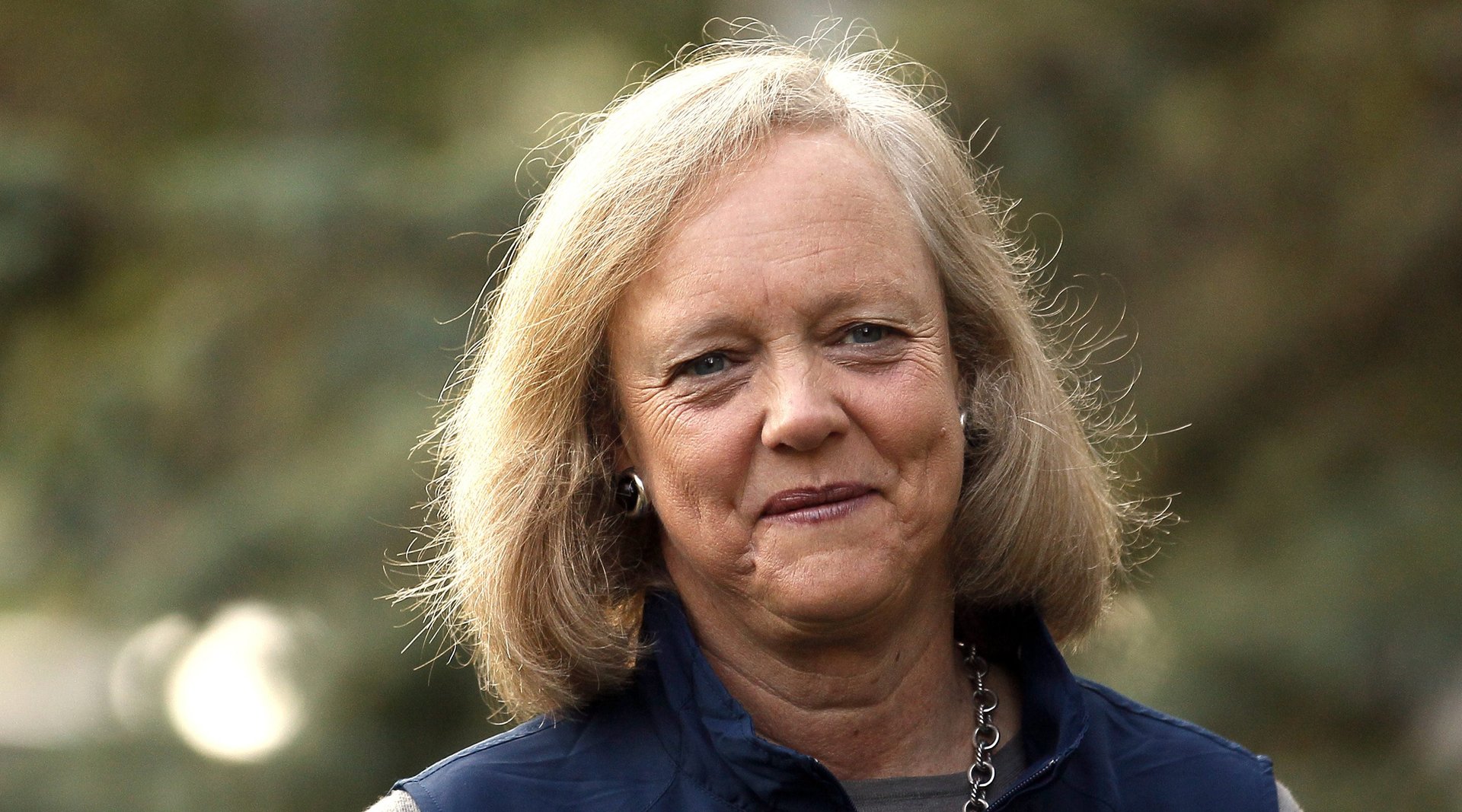
Meg Whitman, the veteran tech executive, is retiring as CEO of Hewlett-Packard Enterprises, and investors are not happy.

In June, General Electric’s board of directors ousted longtime CEO Jeff Immelt, replacing him with John Flannery.

We’re talking, of course, about the Cal-Stanford band play.

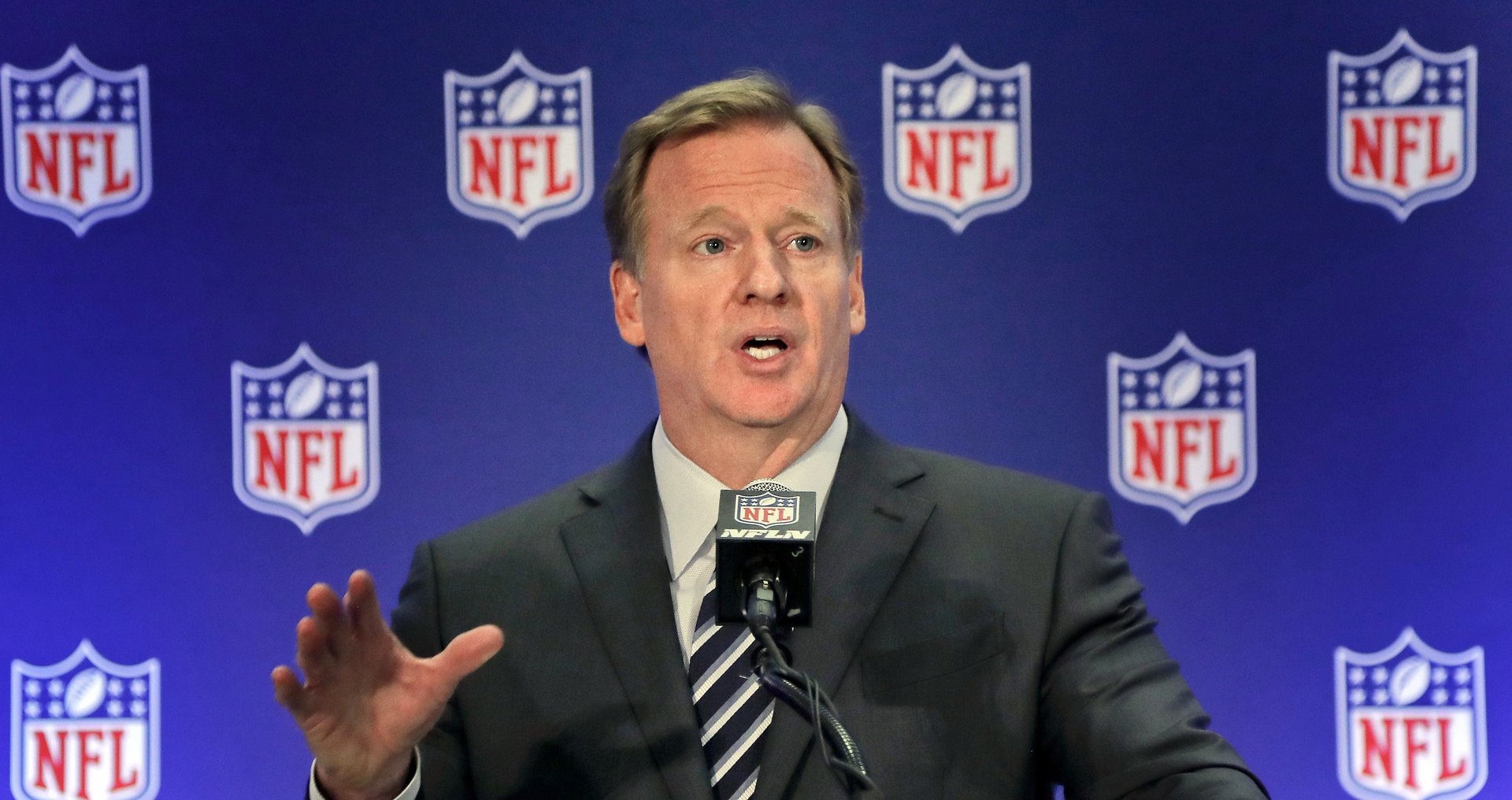
Roger Goodell, the commissioner of the NFL, is reportedly seeking a contract that would pay him $49.5 million per year, and include such perks as the lifetime use of a private jet.

Germany is the nation with the best image internationally according to the Nation Brands Index, an annual ranking produced by GfK, a German market research company. The US, meanwhile, tumbled from first to sixth place.

The US government rarely moves quickly, and seldom responds to cultural currents.

Two years ago, facing moribund sales in its stores and stiff competition online, Walmart committed $2.7 billion to improving employee wages and training. Shares tumbled and analysts scratched their heads; it was not the kind of news Wall Street tends to embrace.

Intelligence isn’t necessarily the most important consideration for every job. Some pharmaceutical companies, for example, find optimism is the most important predictor of success in salespeople.

The giants of Silicon Valley have been under sustained fire for months over a number of perceived sins, none more prominent than their enabling Russia’s manipulation of the 2016 US presidential election.

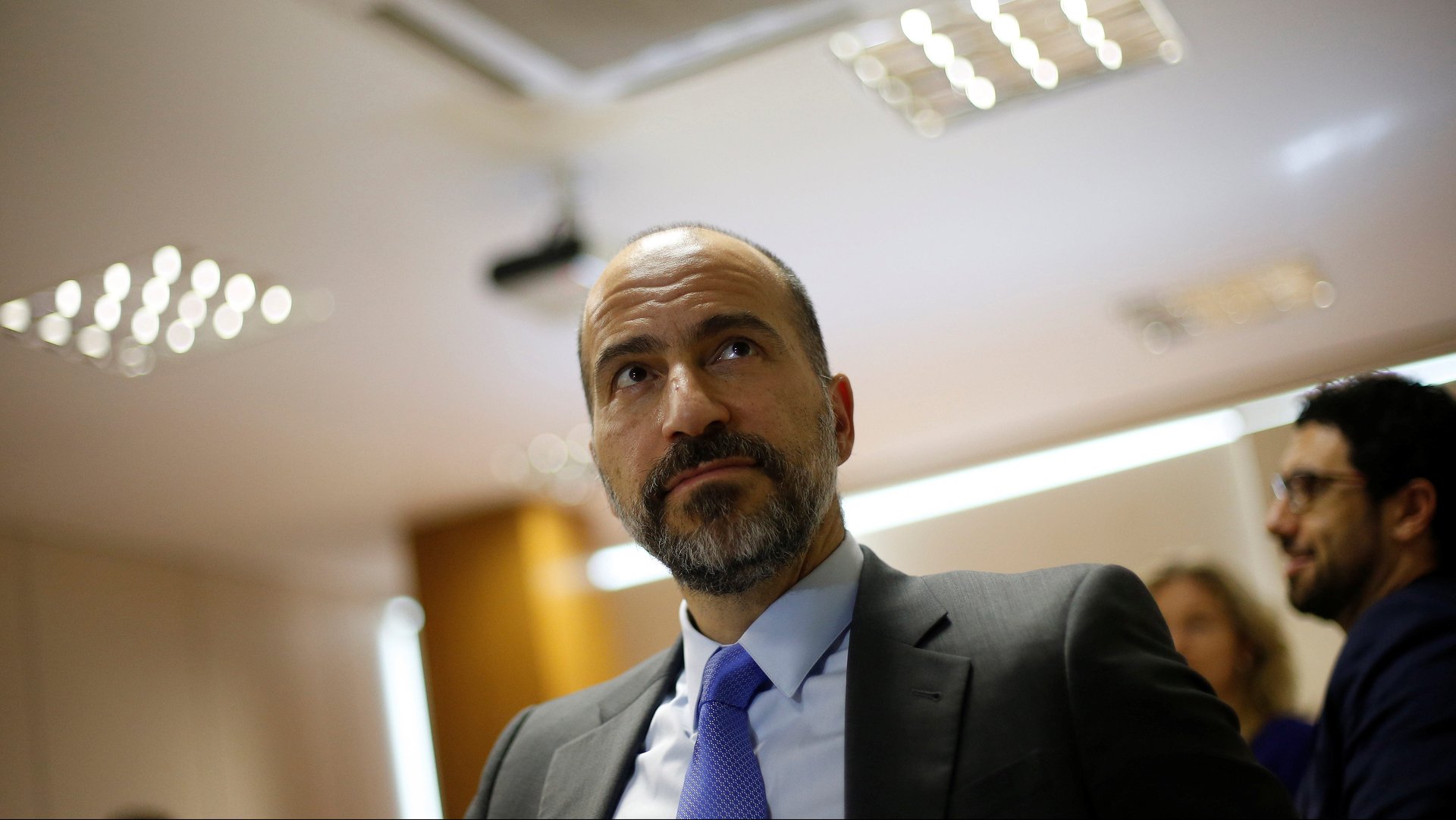
As part of his overhaul of the culture at Uber, new CEO Dara Khosrowshahi announced the ride-sharing company has adopted eight new “cultural norms,” in essence replacing the 14 values first introduced by his predecessor, Travis Kalanick, in 2015.

Anyone who’s led a meeting or given a presentation in the last decade has had the uneasy sensation of looking at a room of heads buried in laptops.

Activist investor funds are shaking up public companies by pushing them to cut costs, hive off under-performing units, and be smarter about strategy. They’re also slowing their progress toward diversifying corporate boards.

If the Houston Astros had been a publicly traded company, there’s a good chance they wouldn’t exist today.

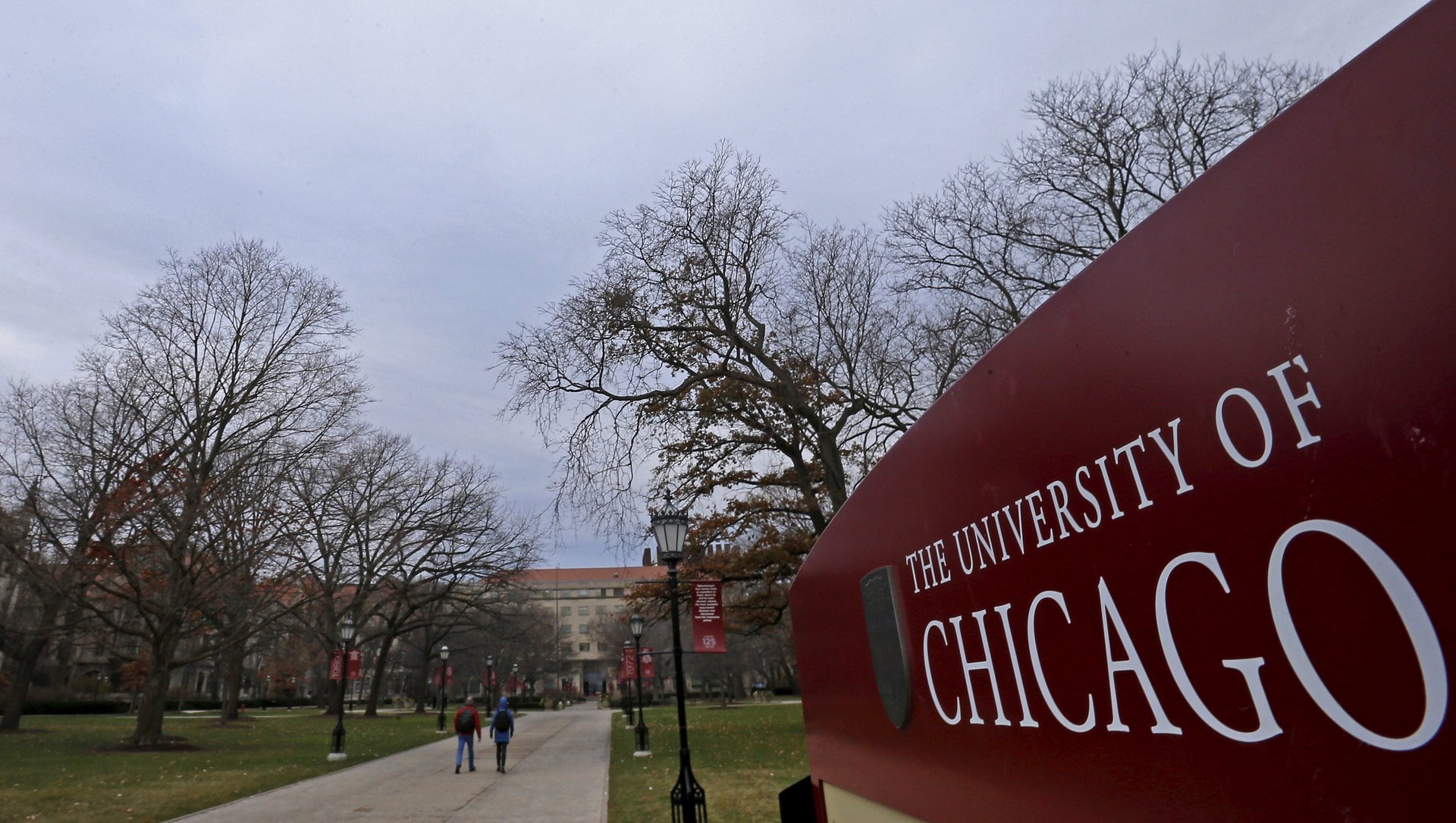
Ken Griffin, the billionaire founder and CEO of the hedge fund giant Citadel, is donating $125 million to fund the study of economics at the University of Chicago, bolstering what already is arguably the most influential economics department in the world.

As part of a professional education course at the London Business School, the students—mainly senior executives and board members—venture across Regent’s Park and visit the London Zoo with an anthropologist.

The New York Yankees decided to part ways with manger Joe Girardi yesterday (Oct. 27) despite his 10 winning seasons, a championship in 2009, and his taking a team laden with young, unproven players to within one game of the World Series last week.

The horrifying scale of sexual harassment in the US workplace is finally coming to light, with each day revealing new accounts of men in power abusing their positions. A few high-profile cases, starting with allegations against Bill Cosby, Roger Ailes, and Bill O’Reilly, have given way to a flood of revelations following accusations against Harvey Weinstein.

IBM today announced an expanded parental-leave policy, increasing paid leave for new mothers from 14 weeks to 20 weeks, and doubling leave for fathers and adoptive parents to 14 weeks.

A four-year college degree, long seen as the ticket to the upper ranks of American society, is increasingly becoming a necessary credential for even a middle-class existence. Dozens of occupations—from bookkeepers to administrative assistants—can now require college degrees when none was required before.

Quarterly earnings calls are a numbing ritual of the corporate business world. Executives recite dry numbers and offer sunny assurances of continued growth. Analysts ask about financial minutiae, to ferret out details to help them predict future earnings.

For a company trying to fend off activist investors targeting bloated corporate spending, General Electric has seemed particularly clueless about how it spends money.

California is set to become the latest—and by the far the largest—US state to prohibit employers from asking job applicants about their salary history.

In the so-called war for talent, US corporations try to lure candidates with cushy new benefits, dazzling work spaces (tree houses, anyone?), and promises of better work-life balance.