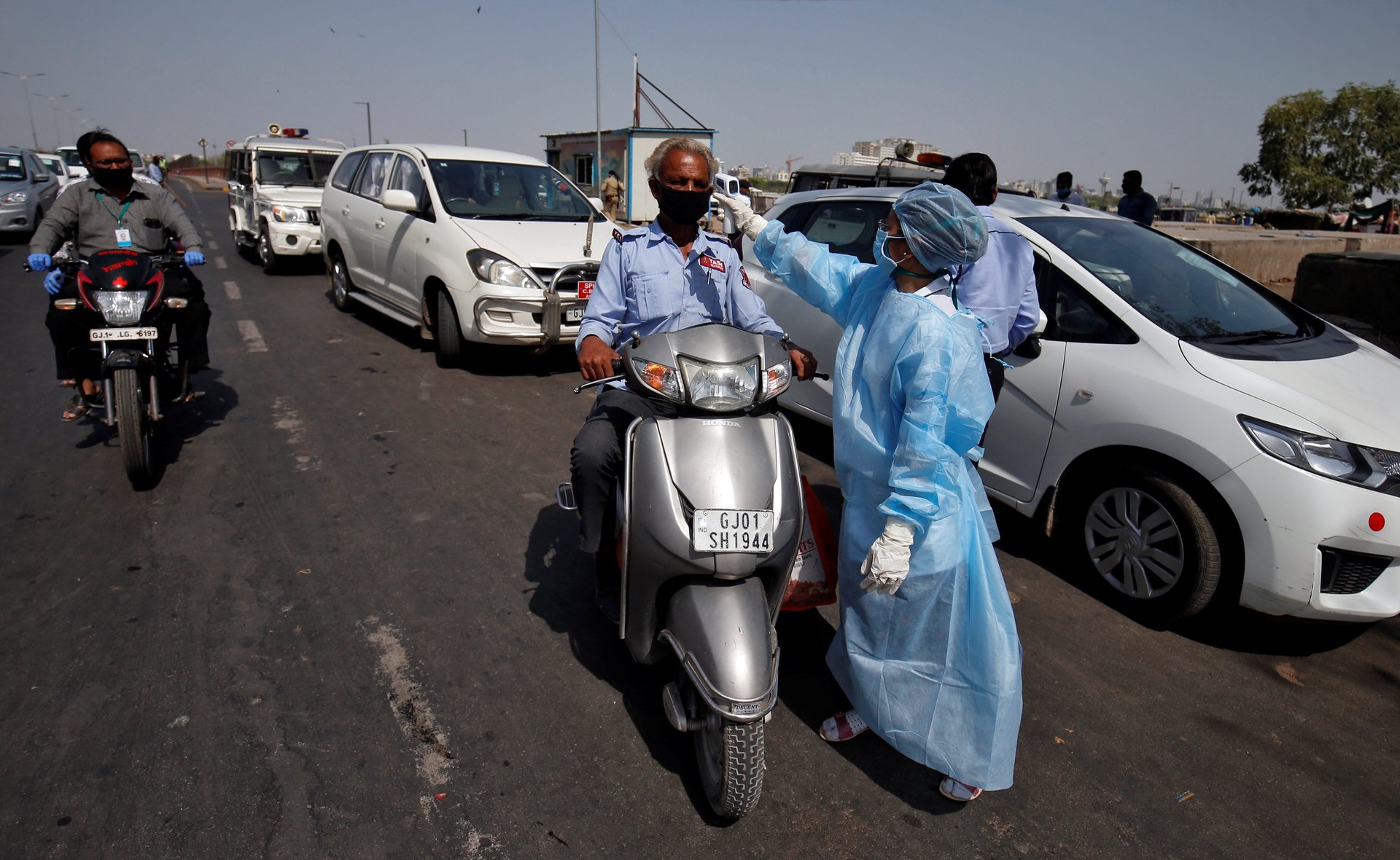
India is four times more populous than the US, but has just 2% the number of cases and only 1.5% of the number of Covid-19 deaths. How has the country, whose per capita income is just tenth of the US, avoided being flattened by the pandemic?

India is four times more populous than the US, but has just 2% the number of cases and only 1.5% of the number of Covid-19 deaths. How has the country, whose per capita income is just tenth of the US, avoided being flattened by the pandemic?

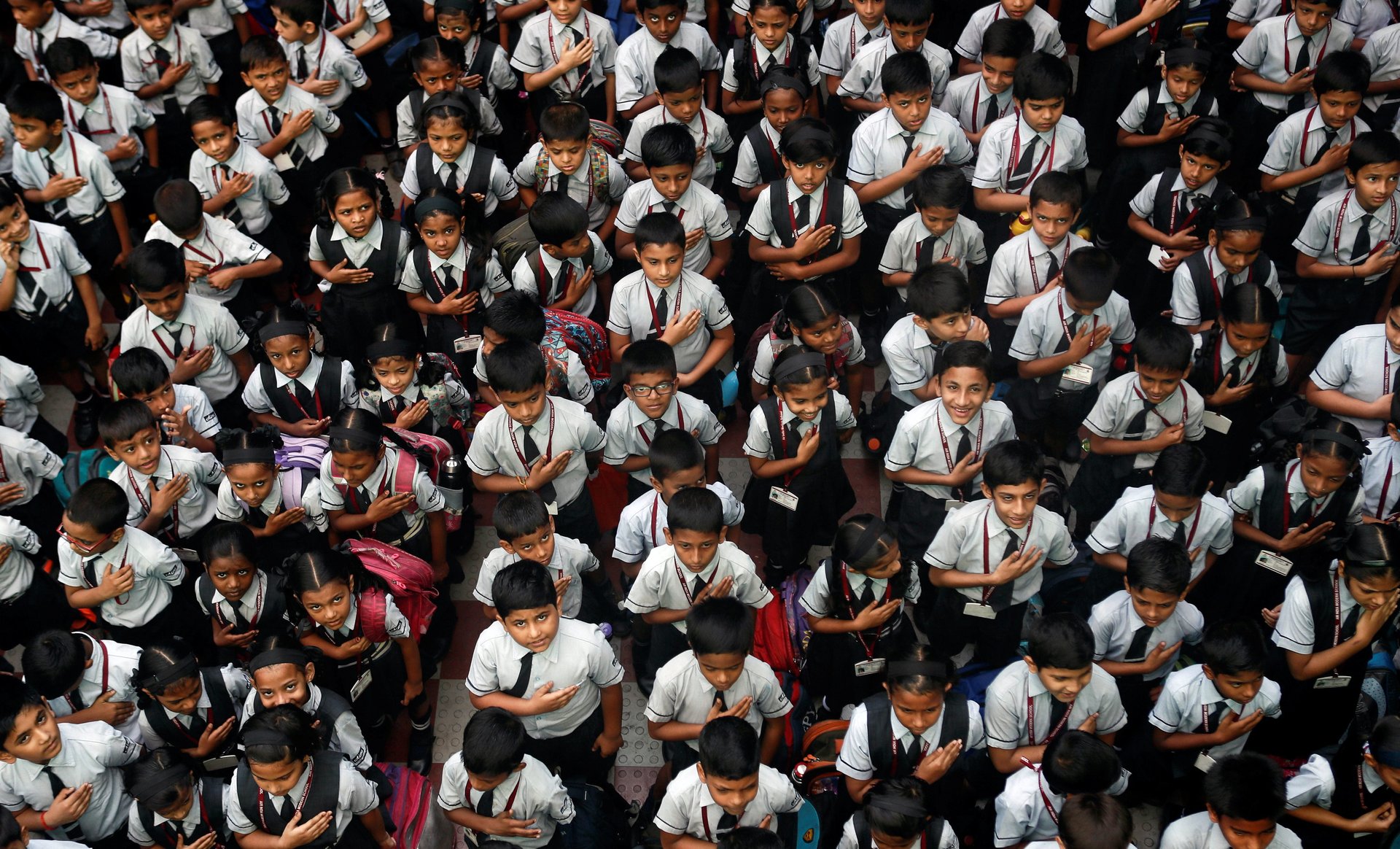
Primary education, in the last decade, has focussed on helping young children learn to read and do basic math. This is indeed critical given that half of India’s children cannot read a Grade 2 text or do subtraction.

The context of war is changing for India too.

Each year, hundreds of thousands of Americans go to jail without being convicted of a crime—simply because they are too poor to make bail. Jurisdictions across the country rely on money bail to determine who goes free before trial. Not only is this system an enormous waste of public resources, it does deep injustice to people who are still presumed innocent.

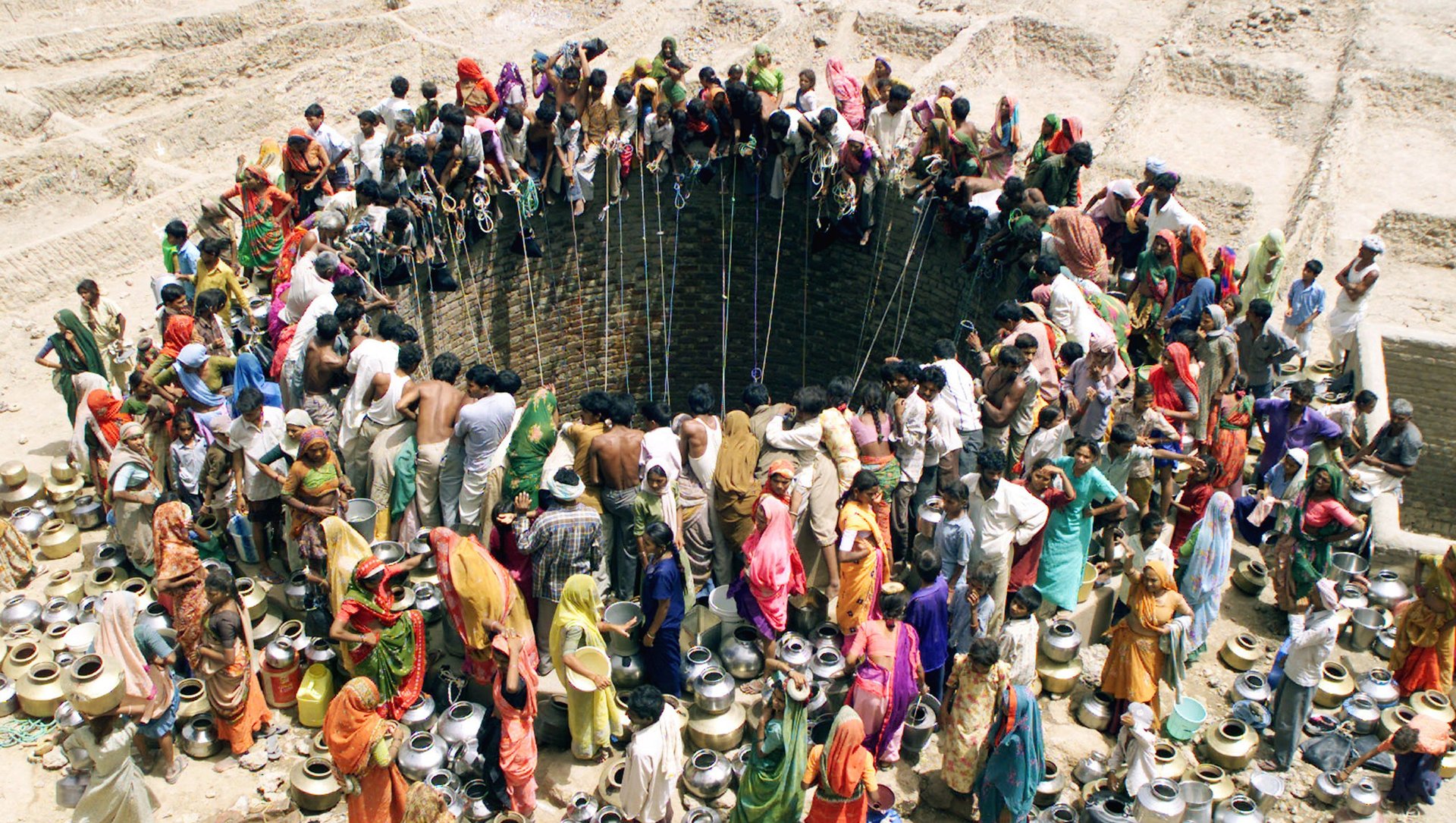
In 2015, NASA’s satellite data revealed that 21 of the world’s 37 large aquifers are severely water-stressed. With growing populations, and increased demands from agriculture and industry, researchers indicated that this crisis is only likely to worsen.

When I graduated from the Indian Institute of Technology (IIT)-Bombay in 2008, turning down a job to start a company was considered “career-suicide.”

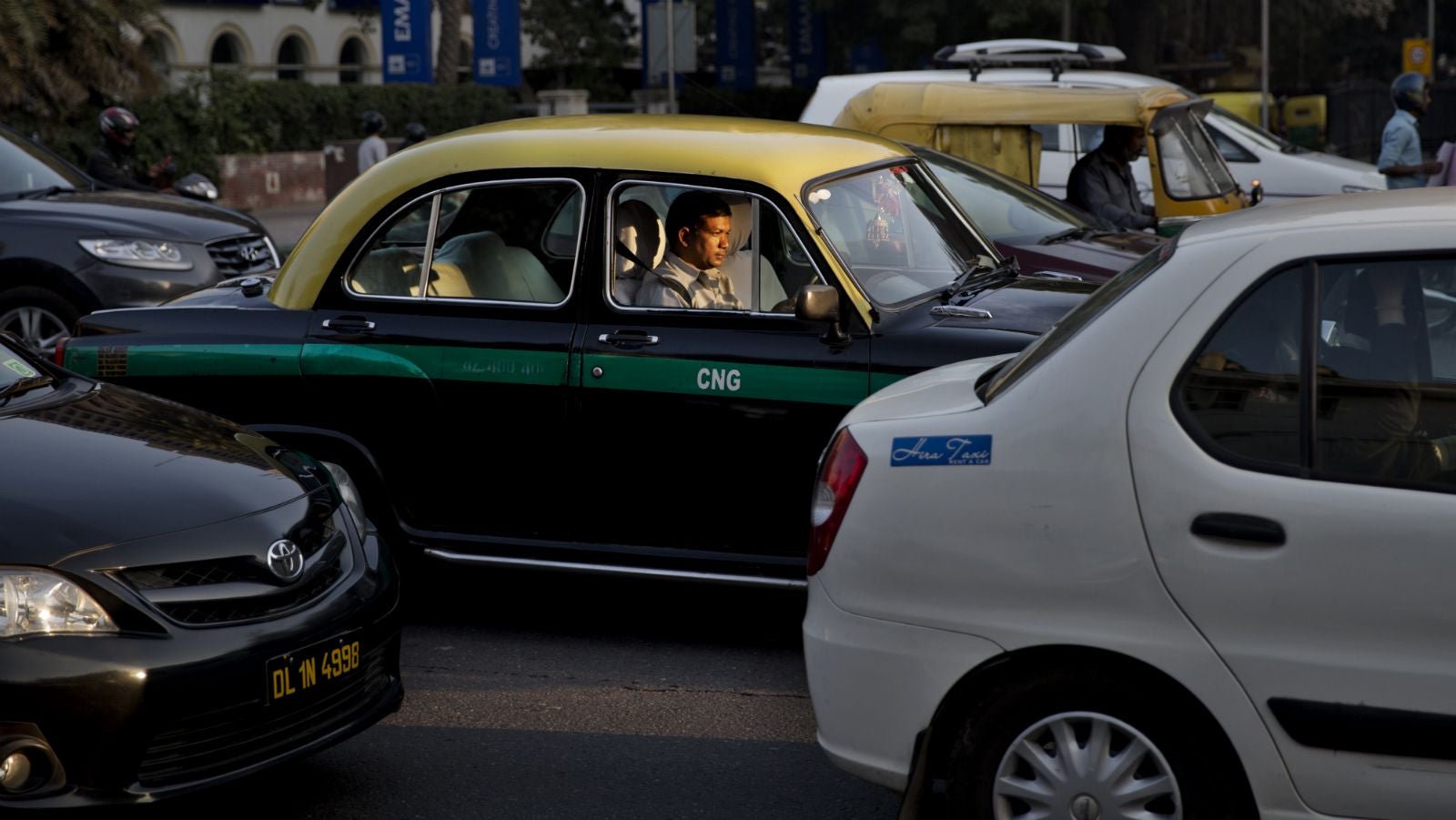
The Delhi transport department’s decision to ban Uber is luddite. It is reminiscent of how the first regulations concerning motor cars sought to ban them, reasoning it would scare the horses which were used to draw carriages.

Coalition has long been the buzzword in Indian politics as no political party since 1996 has won enough seats to form a government on its own. The country has seen so many curious pairs on the political bed that no one even raises eyebrows anymore. Still this time around, no one seems to be in a hurry to align with either of the two major parties, the Indian National Congress and the Bharatiya Janata Party (BJP).

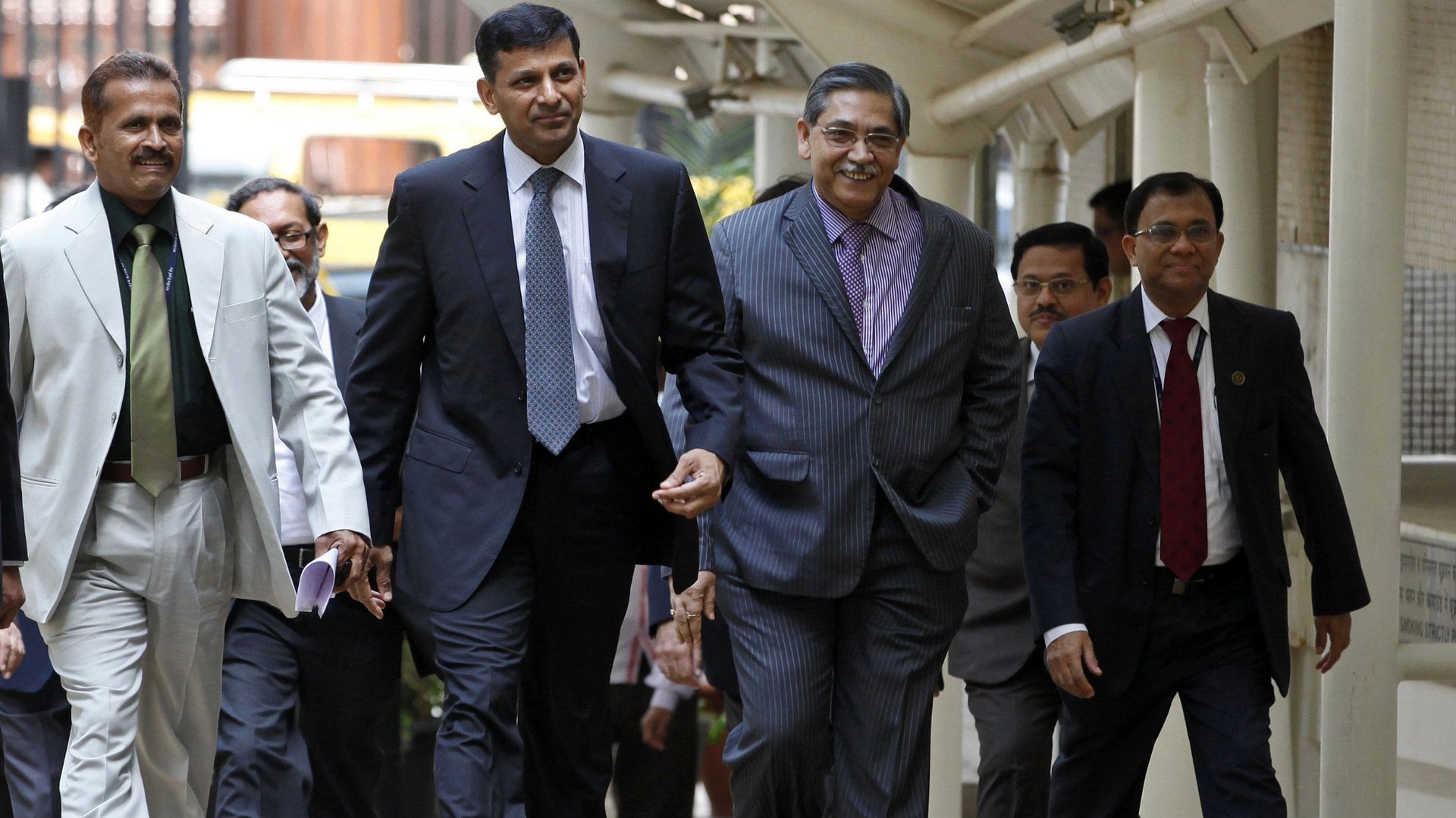
KOLKATA, India—A couple of weeks ago, the ubiquitous socialite Shobhaa De wrote an entire column in a leading business paper gushing over India’s new central banker. She delved deep into the “unbearable hotness of being Raghuram Rajan,” albeit without apology to Milan Kundera.

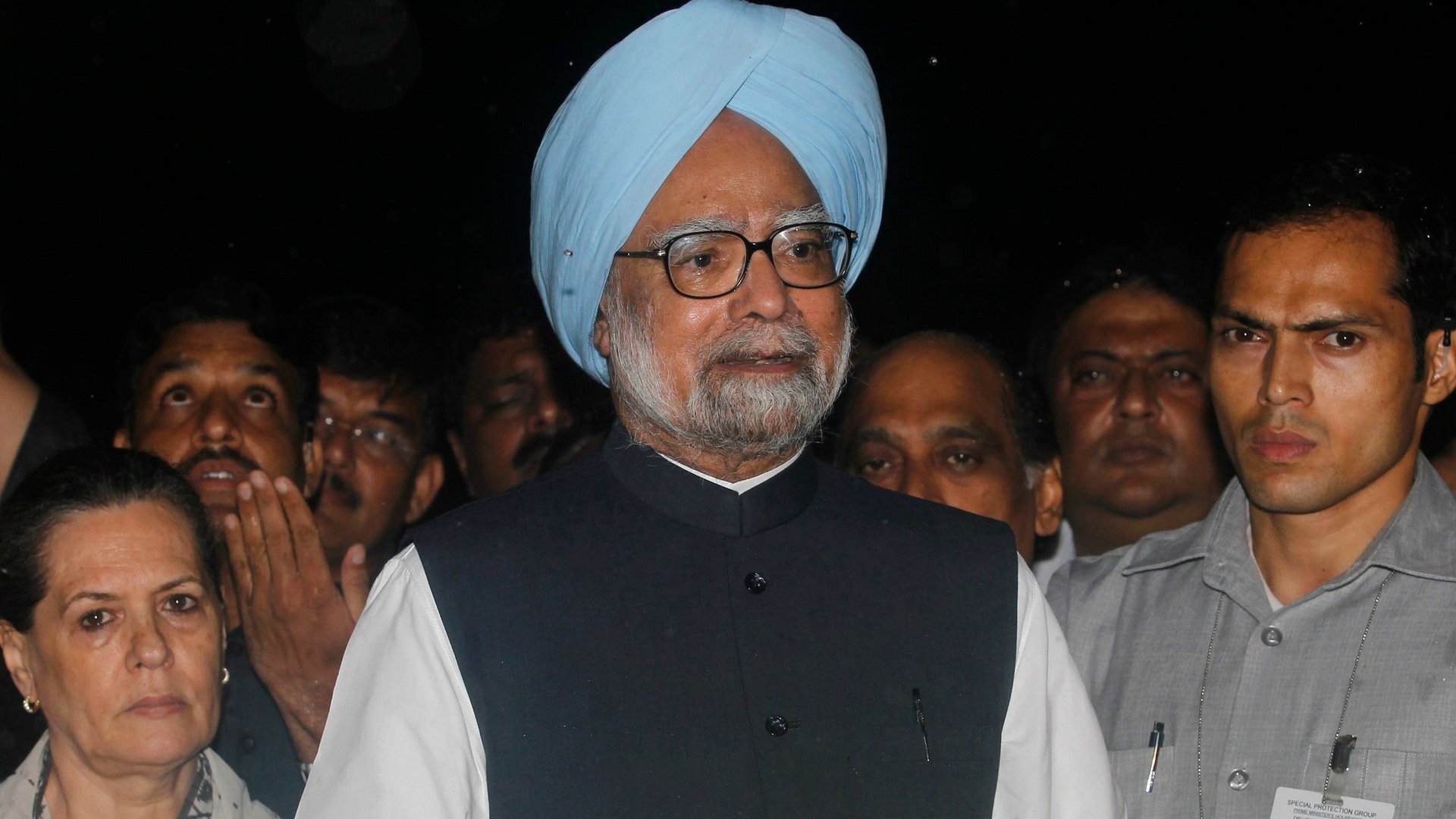
Of late, it has been fashionable to blame Manmohan Singh for everything going wrong in India. And it’s true that all is not well. His studied silence hardly helped matters either. But there’s no denying the fact that he will go down in history as the prime minister who has most changed the rhetoric around development in India. Nor is he paralleled by another prime minister in making good on election promises. Not even severe detractors can deny what he has done for the country by putting the aam aadmi, the proverbial common man of India, at the center of the political economy of development. One could invoke the record of late prime minister Indira Gandhi, and her introduction of government into the development discourse in India. And in his book Lineages of Political Society, Partha Chattopadhyay discusses these policies during the Emergency and their impact on development. But her approach, while effective, was based on benevolence—a distinct difference from the rights-based approach that Singh has taken. This is a paradigm shift.

While the prevailing discussion around our $2.7 trillion health care system has been about deficits and political posturing, a more important message is being overlooked—there is a massive, potentially trillion-dollar opportunity emerging for savvy entrepreneurs in health care.