
Money & Markets
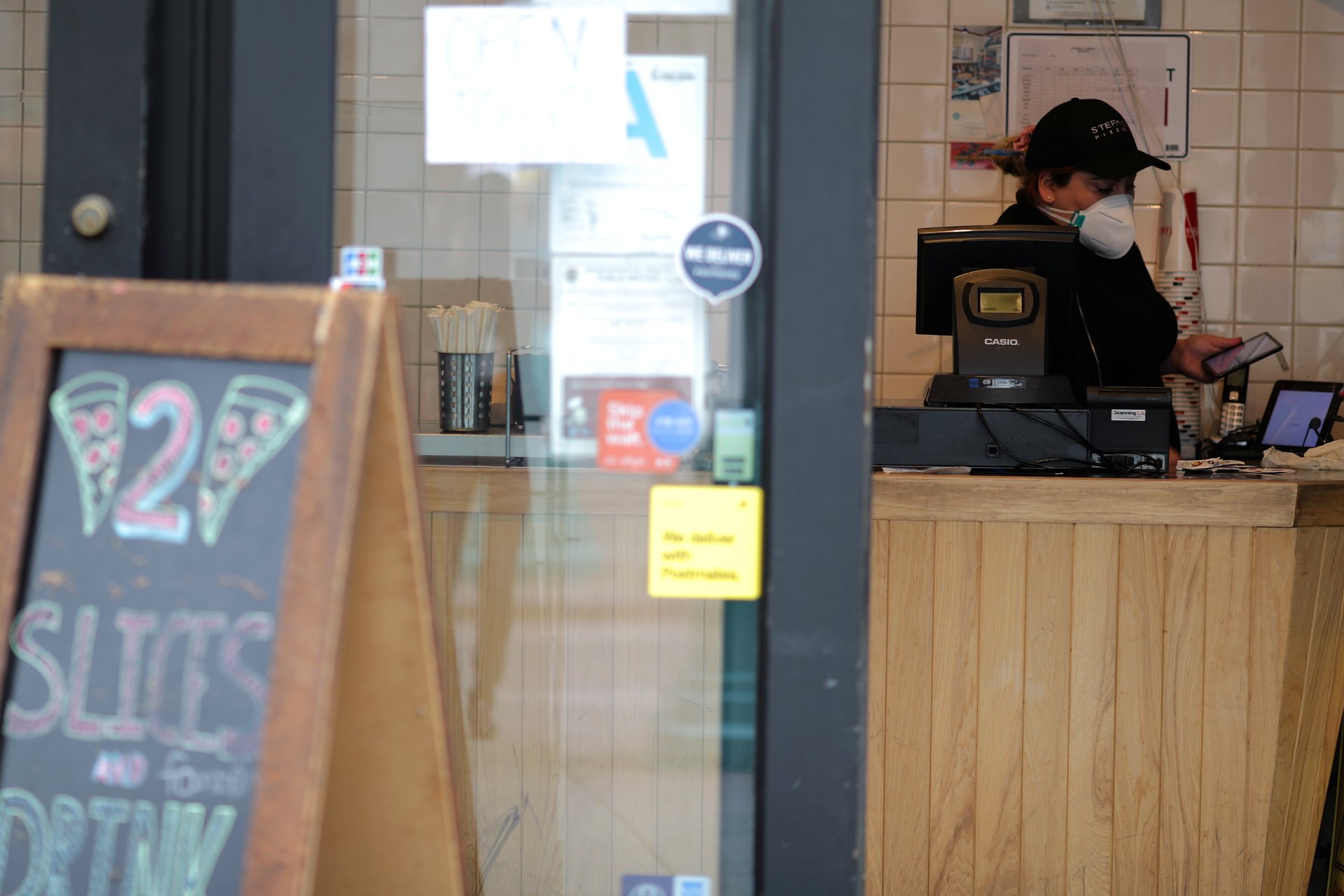
Part-time jobs accounted for 40% of US job growth in MayThe US labor market is growing again after shedding millions of jobs in March and April due to the coronavirus pandemic.
Updated July 21, 20222 min read
The US labor market is growing again after shedding millions of jobs in March and April due to the coronavirus pandemic.
Personal income in the US surged 10.5% in April, the biggest jump since the US Bureau of Economic Analysis starting compiling data in 1959.

Coronavirus has significantly constrained the construction of new homes, according to the most recent housing data from the US government, even while city dwellers rattled by the pandemic are increasingly interested in buying new houses in the suburbs.
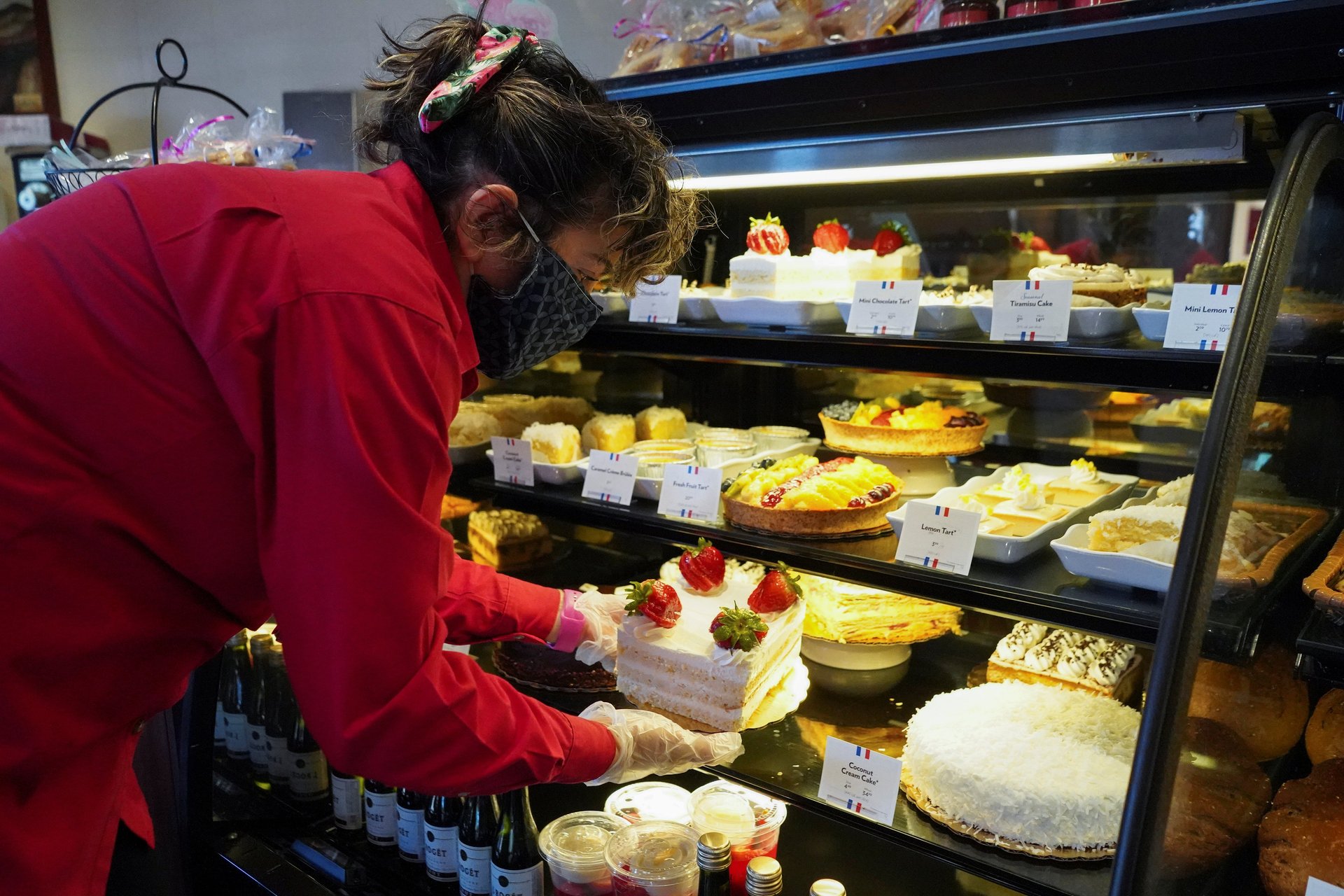
The coronavirus pandemic will significantly change the labor market and be a disaster for the lowest-paid workers in the United States, according to David Autor, an economist at the Massachusetts Institute of Technology.

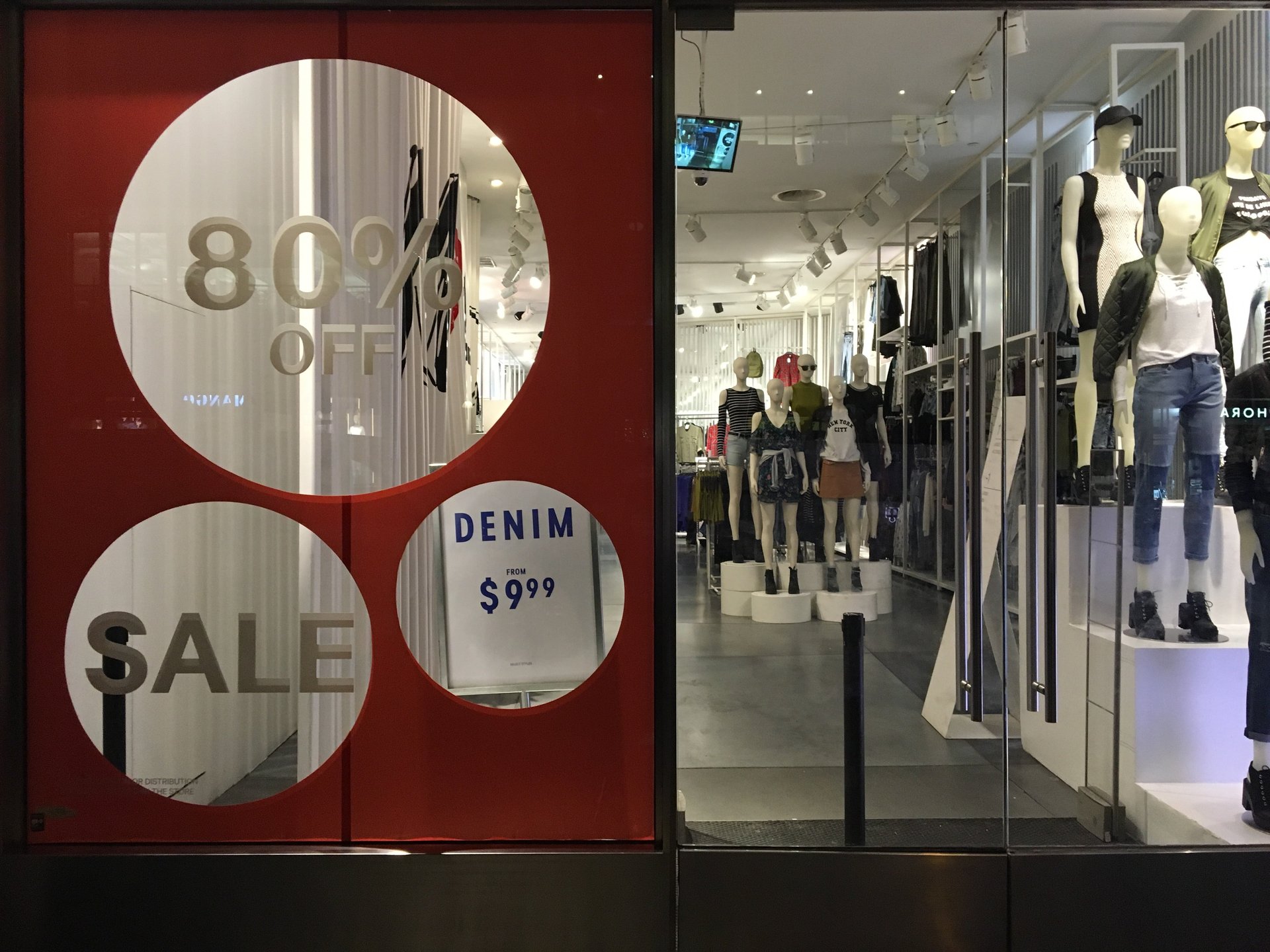
Malls across the United States are feeling the pressure to open as a number of states and municipalities have announced measures encouraging businesses to restart operations.

More than 20 million Americans lost their jobs in April, lifting the unemployment rate to 14.7%, and the impact was disproportionately felt by women and minorities, as well as the youngest, oldest, and lowest-paid workers.
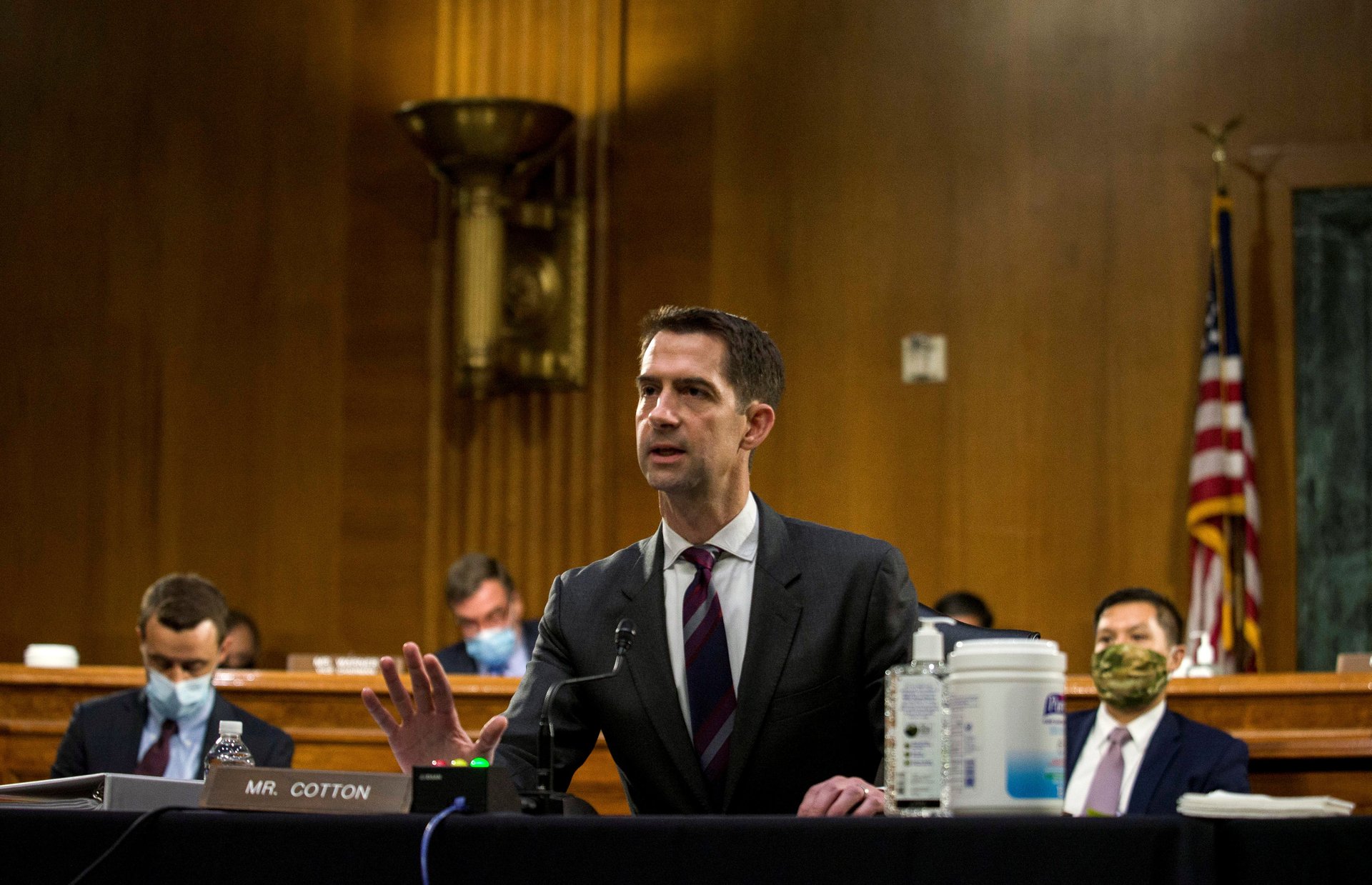
Four Republican senators are pressuring US president Donald Trump to further restrict work visas due to coronavirus job losses, arguing foreign students and specialized workers take jobs away from Americans. However, reports show that restrictive immigration policies like this hurt economic growth, especially in jobs and industries that rely on foreign labor.

Restrictions on shopping, dining, and travel in response to the Covid-19 global pandemic significantly hurt US exports, widening the US trade deficit.

During the first few weeks of stay-at-home orders, there was a slew of advertisements featuring empty streets, somber piano music, and pious language so similar they were lampooned in a viral video compilation titled “Every Covid-19 Commercial is Exactly the Same.” Companies were nervous about appearing insensitive and inappropriate in response to cancelled events and mounting numbers of cases.
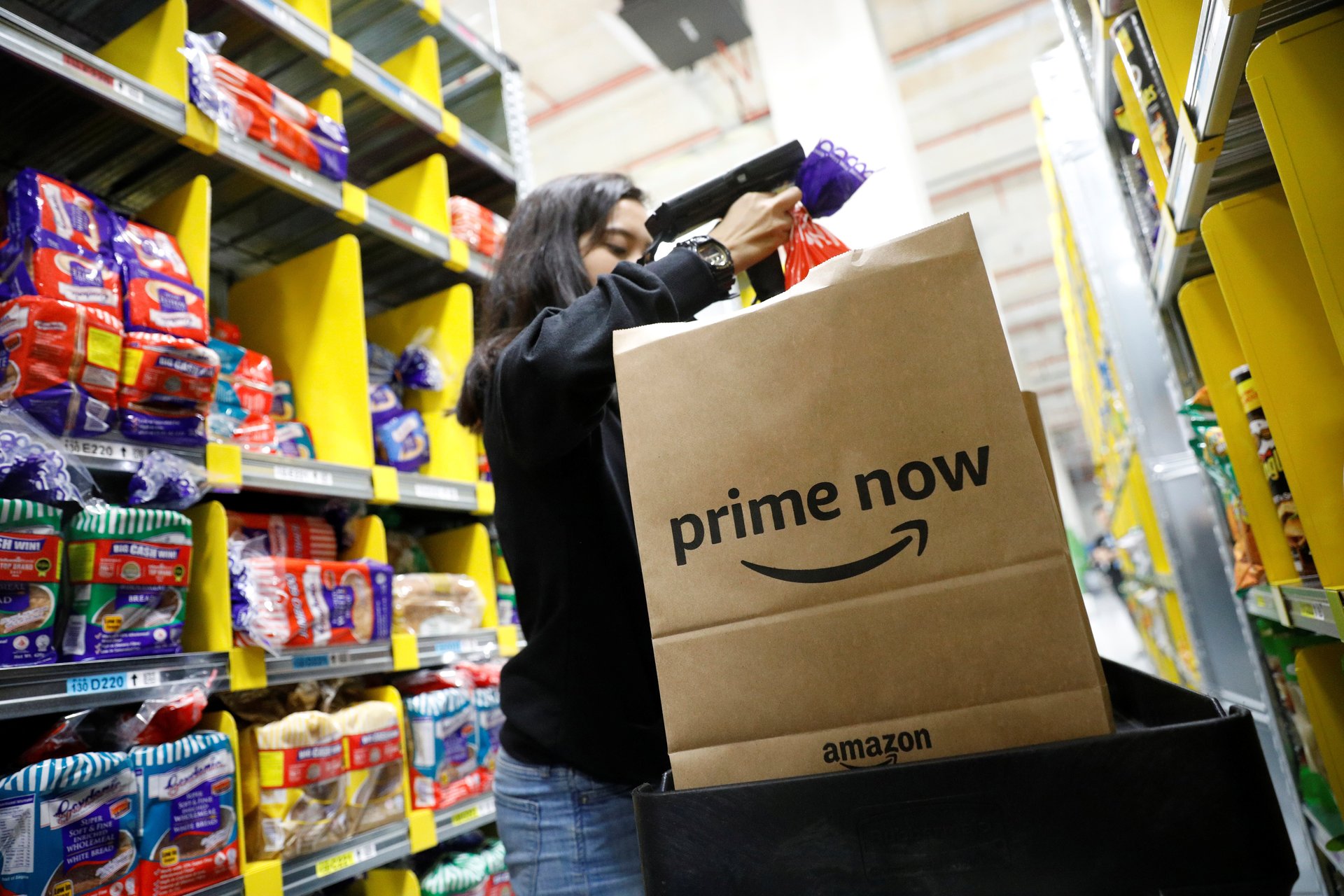
Amazon’s Prime subscription revenue climbed 28% in the first quarter from a year ago as house-bound shoppers are increasingly relying on the tech giant for everything from grocery deliveries to their evening’s entertainment.

Energy demand could fall as much as 6% for the entire year due to shutdowns in response to the novel coronavirus pandemic, according to a new report from the International Energy Agency (IEA).

With the end of the month here, millions of Americans are wondering how they’ll pay their rent or mortgage, especially as companies continue to lay off or furlough staff and the number of unemployment claims continues to rise each week.

Stocks that pay dividends, a popular investment vehicle for investors focused on long-term growth, may be little less appealing as more companies suspend their payments to preserve cash following major declines in sales and business activity.

The US’s domestic meat and fresh vegetable production is at serious risk of shrinking due to the Covid-19 pandemic.

Oil prices fell off a cliff to new lows Monday afternoon after the price for a barrel of West Texas Intermediate (WTI) crude, the benchmark used for pricing, fell to negative $36.20 a barrel—yes, you read that right.

The country’s largest bank, JP Morgan Chase & Co, has raised its qualifications for mortgages in response to a growing number of unemployment claims and reduced economic activity across the US. But the changes, along with similar policies at other financial institutions, will likely increase the wealth gap between white Americans and non-white Americans.
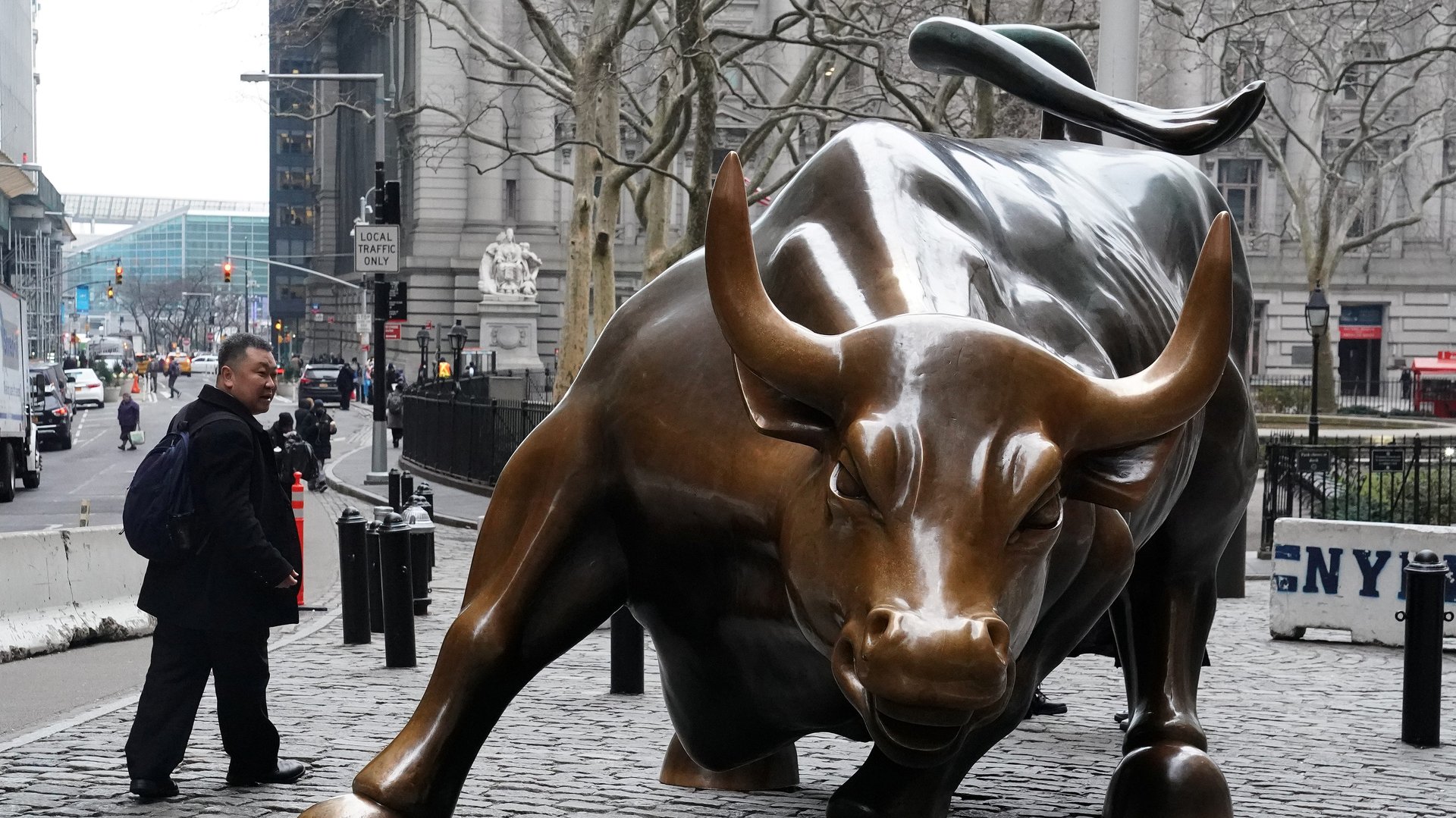
Wall Street has already seen significant losses and stock selloffs as a result of the coronavirus pandemic. Now thousands of interns might have a dramatically different summer than they imagined, as investment banks like JPMorgan Chase consider virtual options in response to stay-at-home orders and reductions in clients.