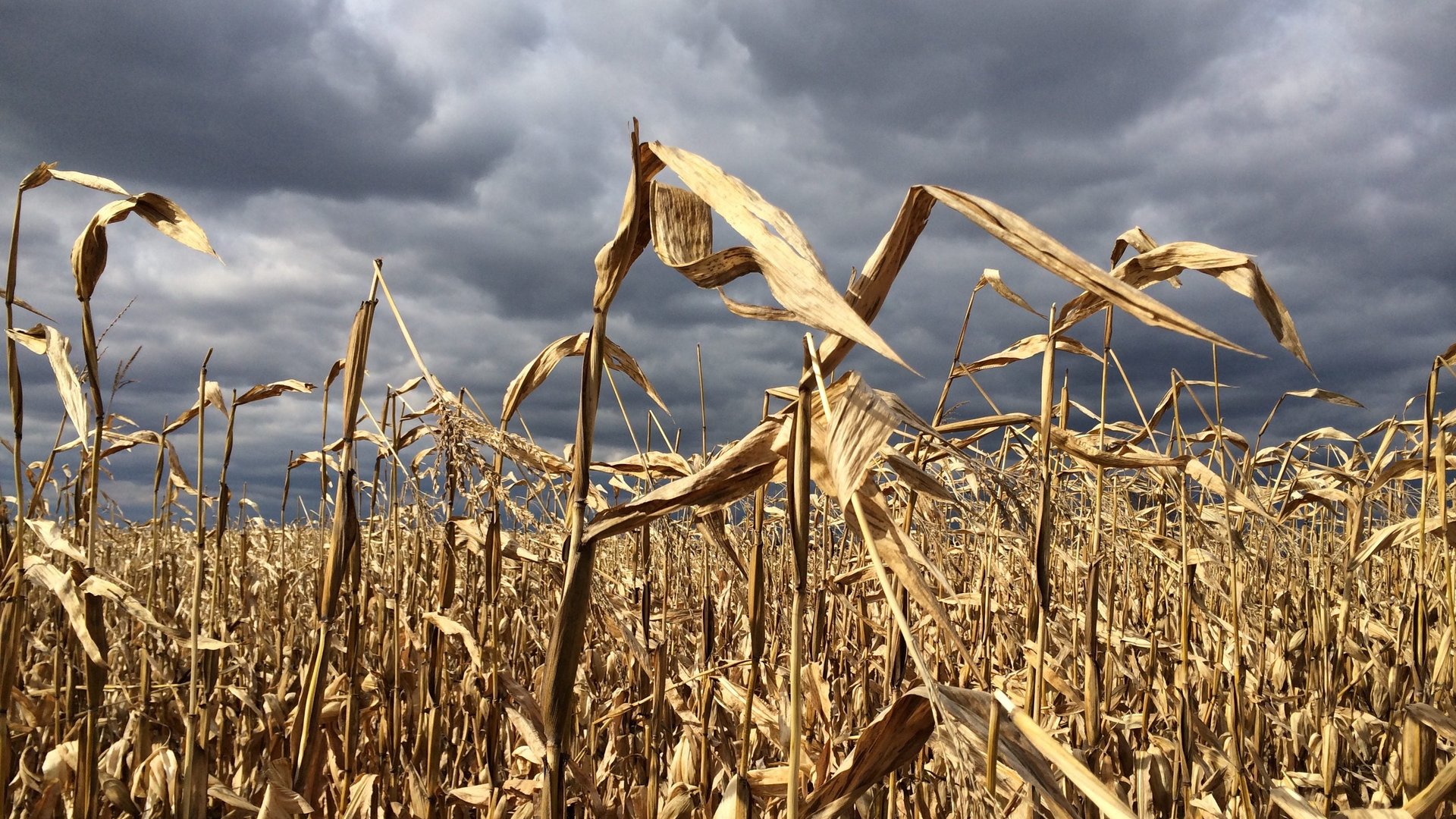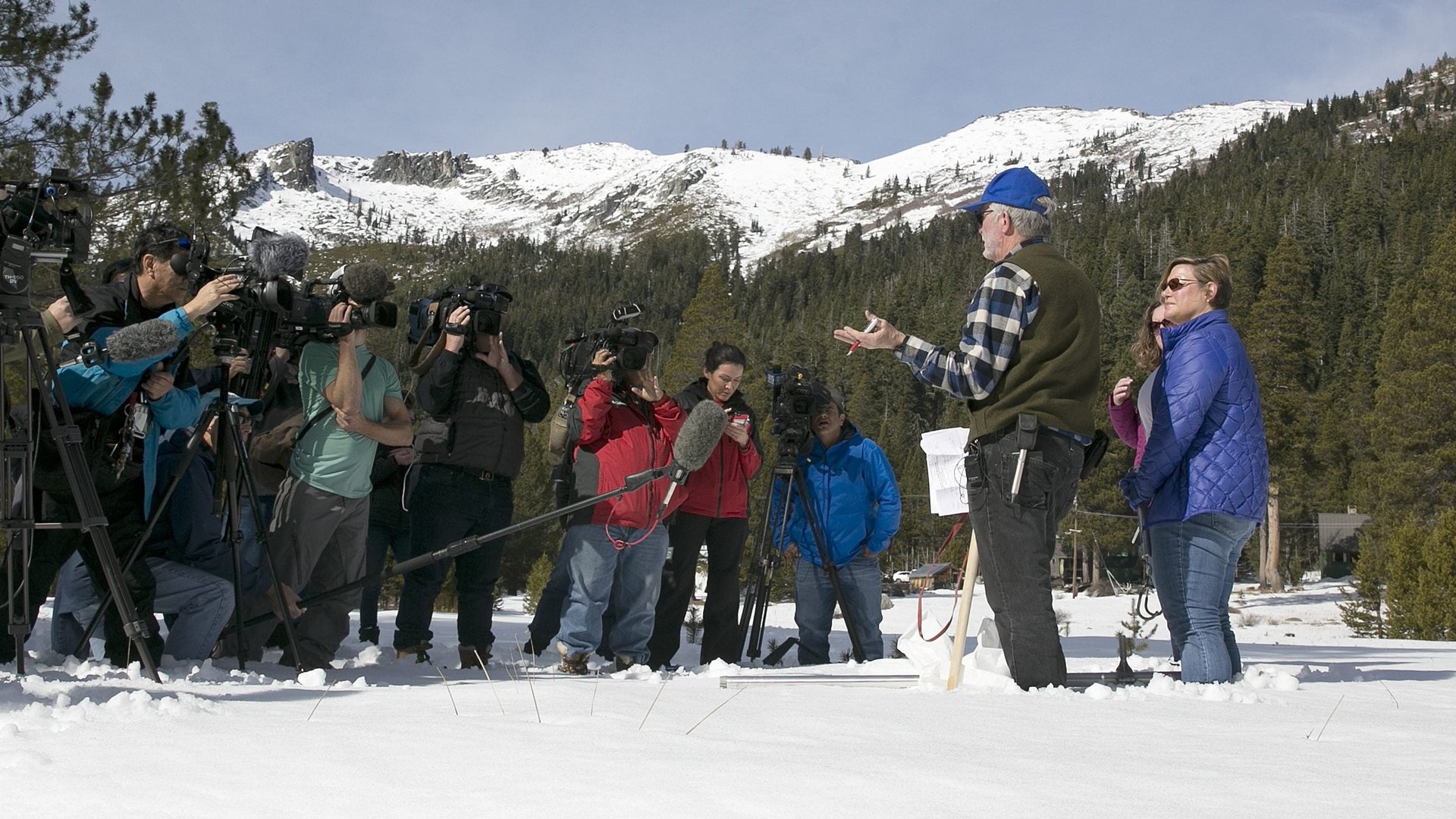
One-third of California’s water supply in summer depends on how much snow falls in the Sierra Nevada mountains in the north of the state in winter. The snowpack—a crucial measure for predicting a coming drought—is at a dire low this year.

One-third of California’s water supply in summer depends on how much snow falls in the Sierra Nevada mountains in the north of the state in winter. The snowpack—a crucial measure for predicting a coming drought—is at a dire low this year.

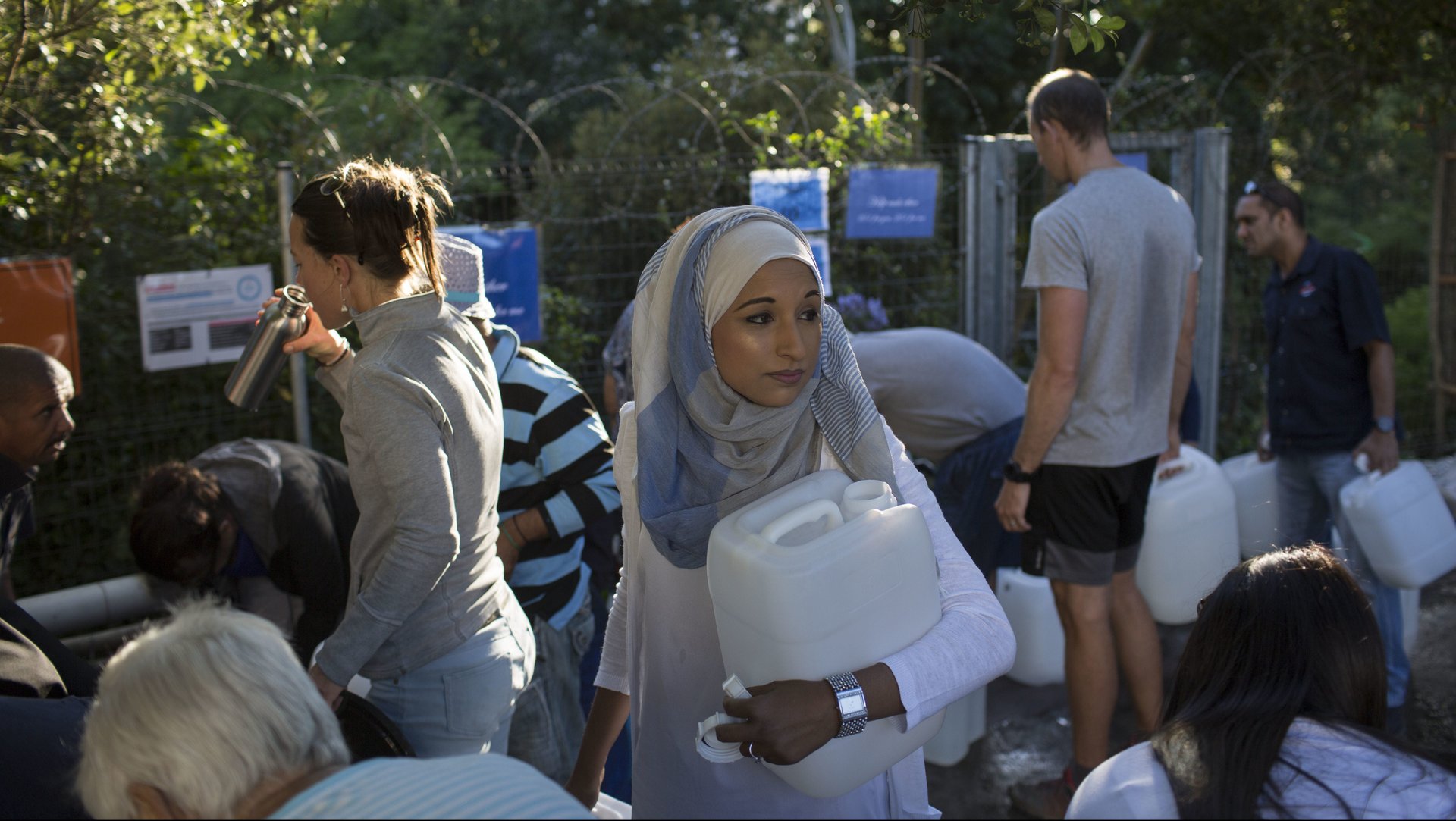
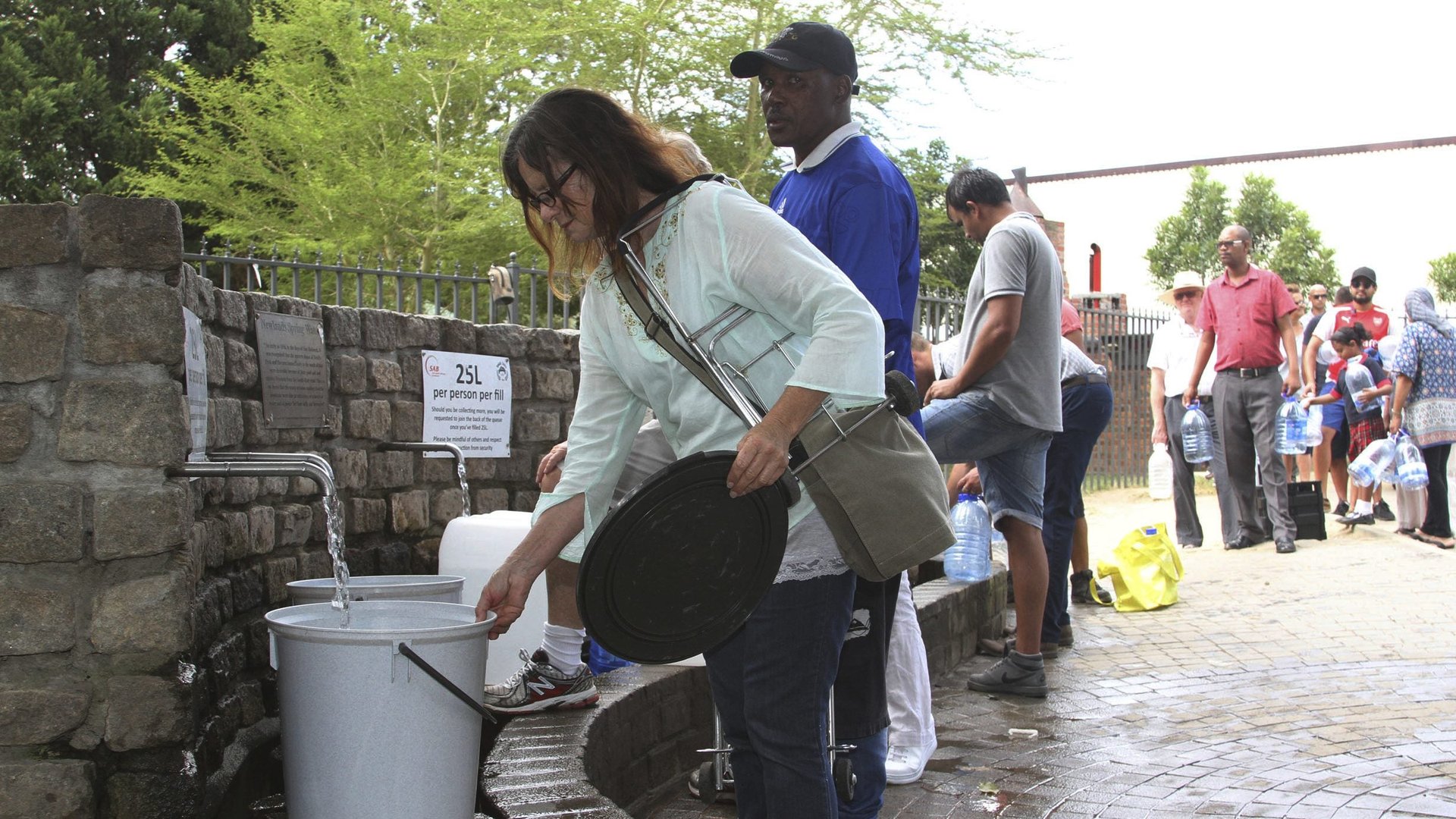
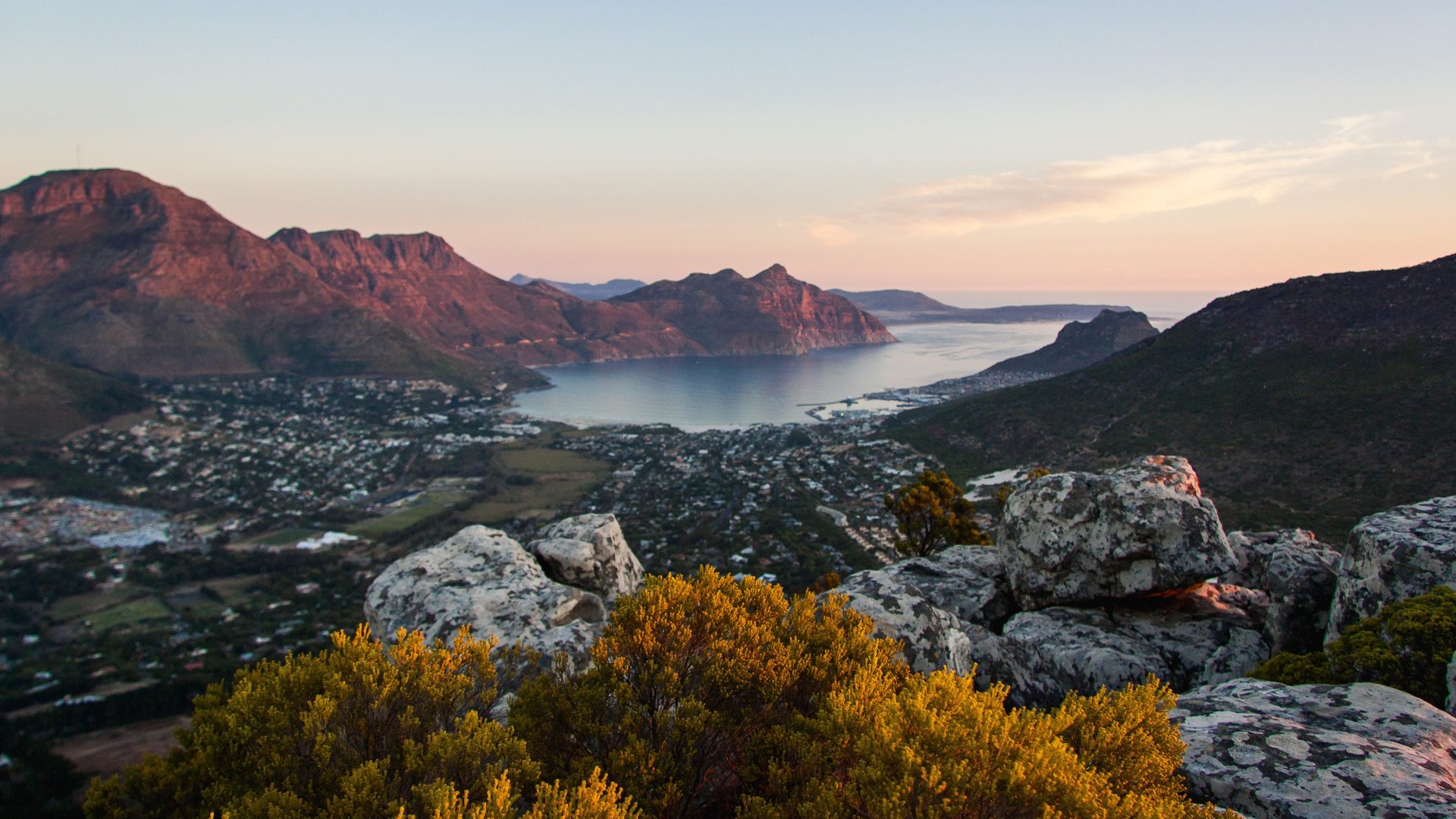
Cape Town is trying to make a little bit of water go a long way. Its reservoirs are down to 26% of capacity and falling; if water levels hit 13.5%, the city will cut off the taps. Right now, it expects to reach the “Day Zero” threshold on April 12, less than two and a half months away.

Nitrogen oxides, known collectively as NOx, are a dangerous group of chemical pollutants most commonly connected to combustion engines used in cars. NOx from car exhaust—especially diesel cars—has been linked to respiratory diseases, cancer, birth defects, and premature death. When Volkswagen and other car companies were busted for cheating on diesel emissions tests, the previously unaccounted-for NOx was calculated to have resulted in 38,000 additional premature deaths per year globally.

According to air monitoring databases, those living in Eastern Europe and the Balkans are typically breathing more toxic particulate air pollution than their neighbors in Western Europe.

Cape Town, a city of 4 million, is set to run out of water on April 12. “We have reached a point of no return,” Cape Town mayor, Patricia de Lille, said in an address last week.

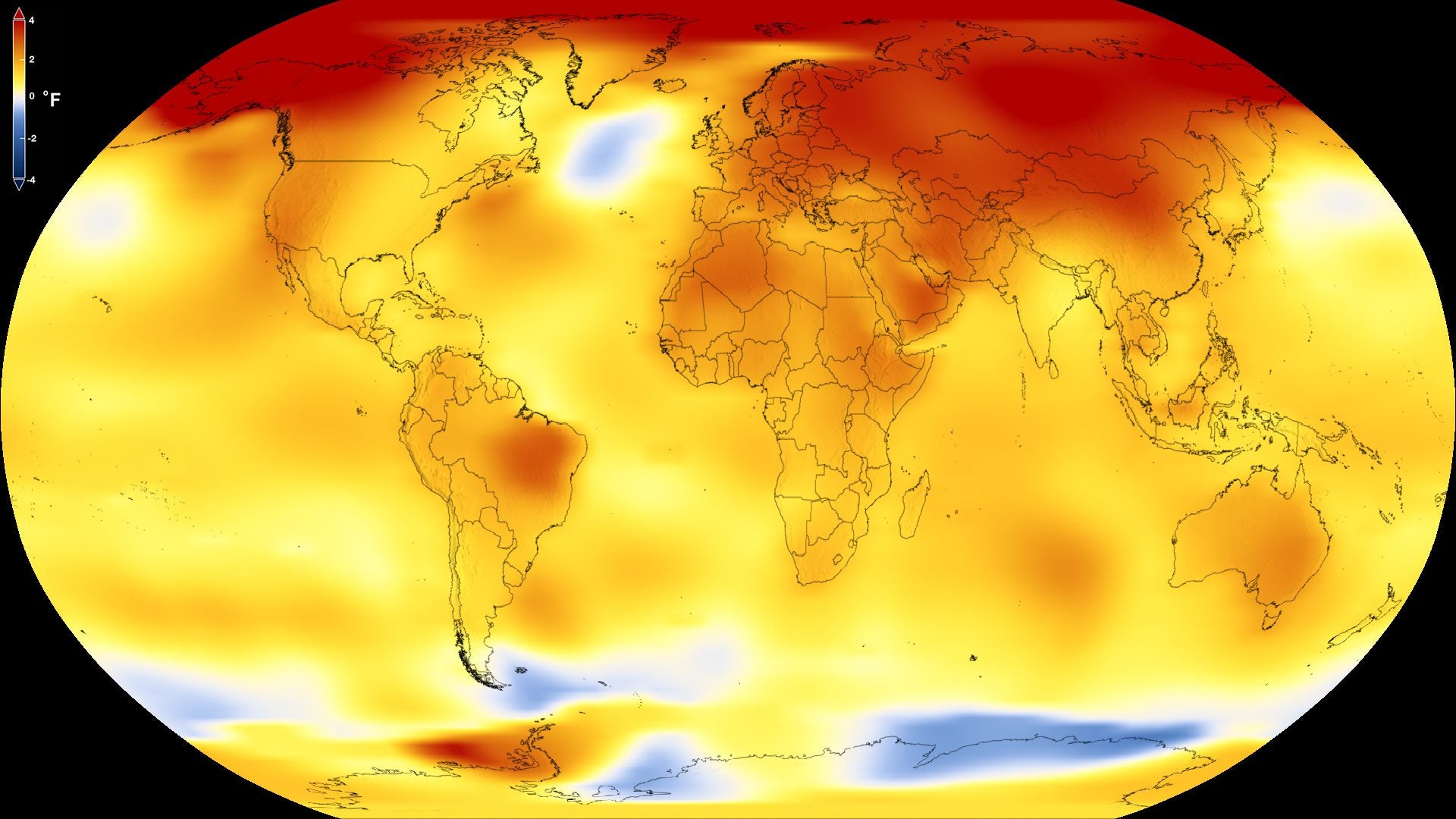
US scientists said today that 2017 was among the hottest years recorded on earth.

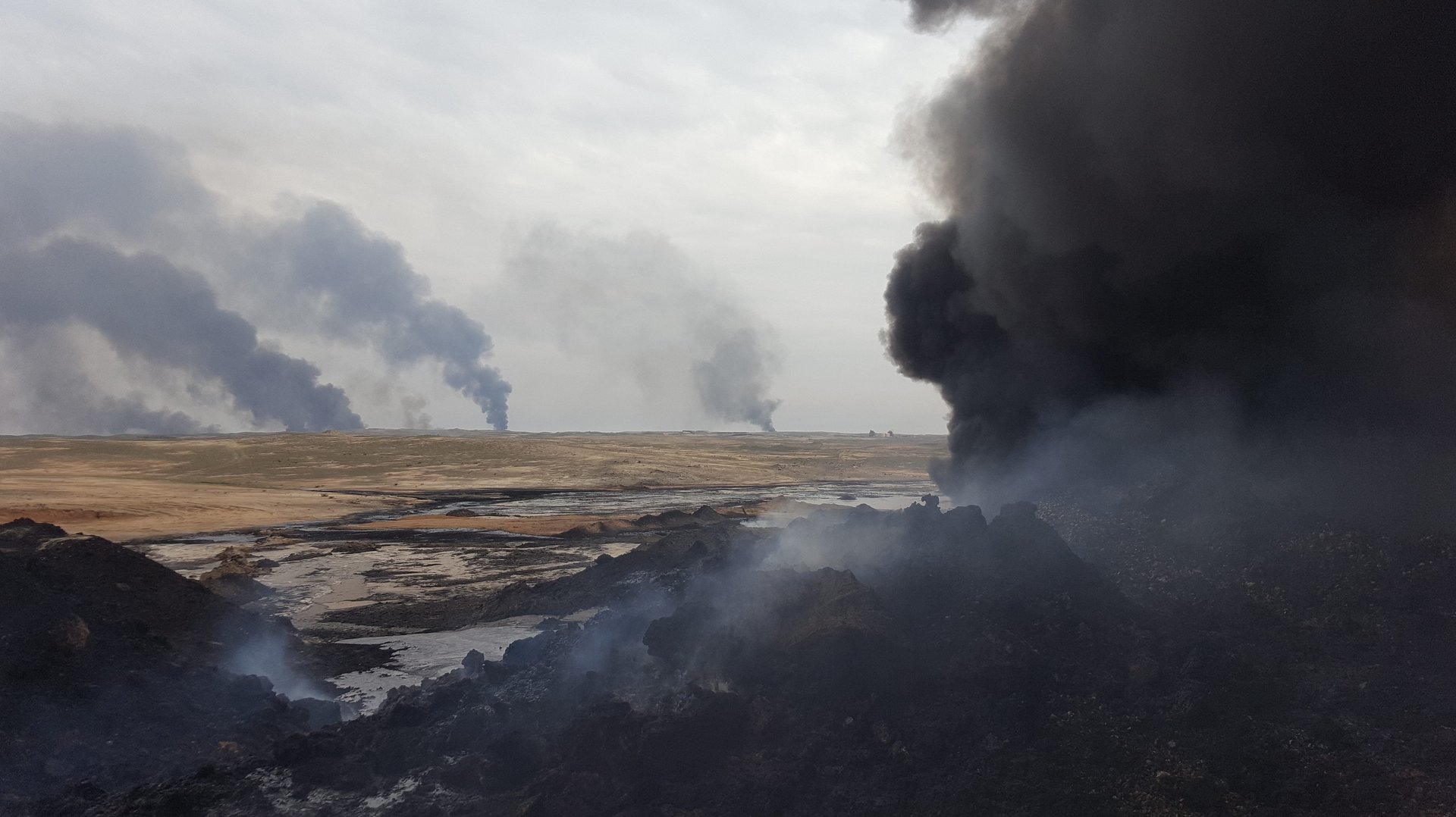
When ISIL retreats from an area in Iraq, they usually bomb anything that supports the local economy. Most of the time, that means they bomb oil fields and refineries.

It’s the height of summer in Cape Town, and the southwesternmost region of South Africa is gripped by a catastrophic water shortage. Unless the city adopts widespread rationing, the government says, the taps “will be turned off” on April 22, 2018, because there will be no more water to deliver.

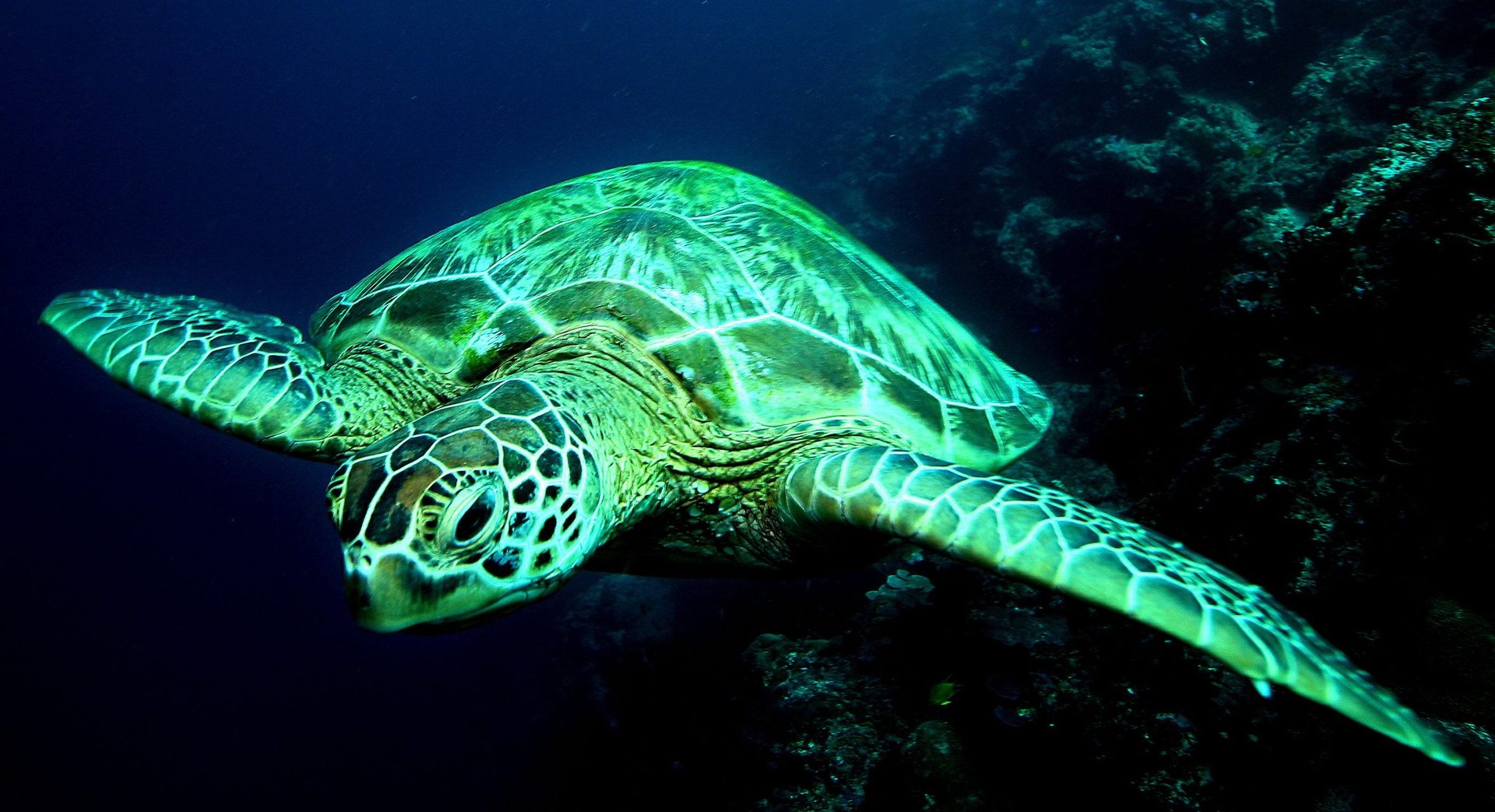
The same rising temperatures that are devastating Australia’s Great Barrier Reef are doing something very dramatic to the green sea turtles that are born alongside it: They’re turning them all into females.

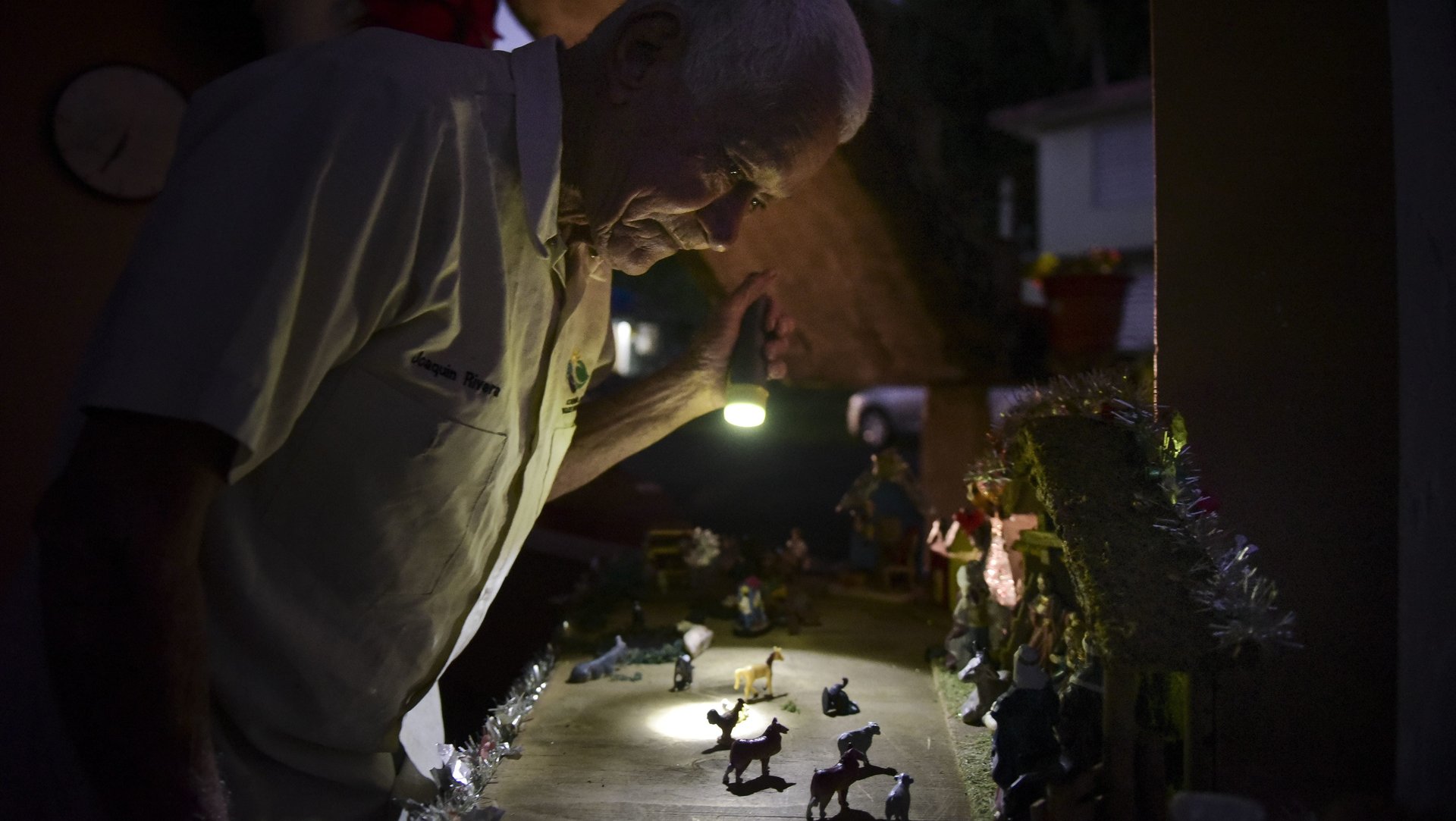
Hurricane Maria made landfall on Puerto Rico more than three months ago. And the latest figures show 45% of electricity customers in Puerto Rico still don’t have power.

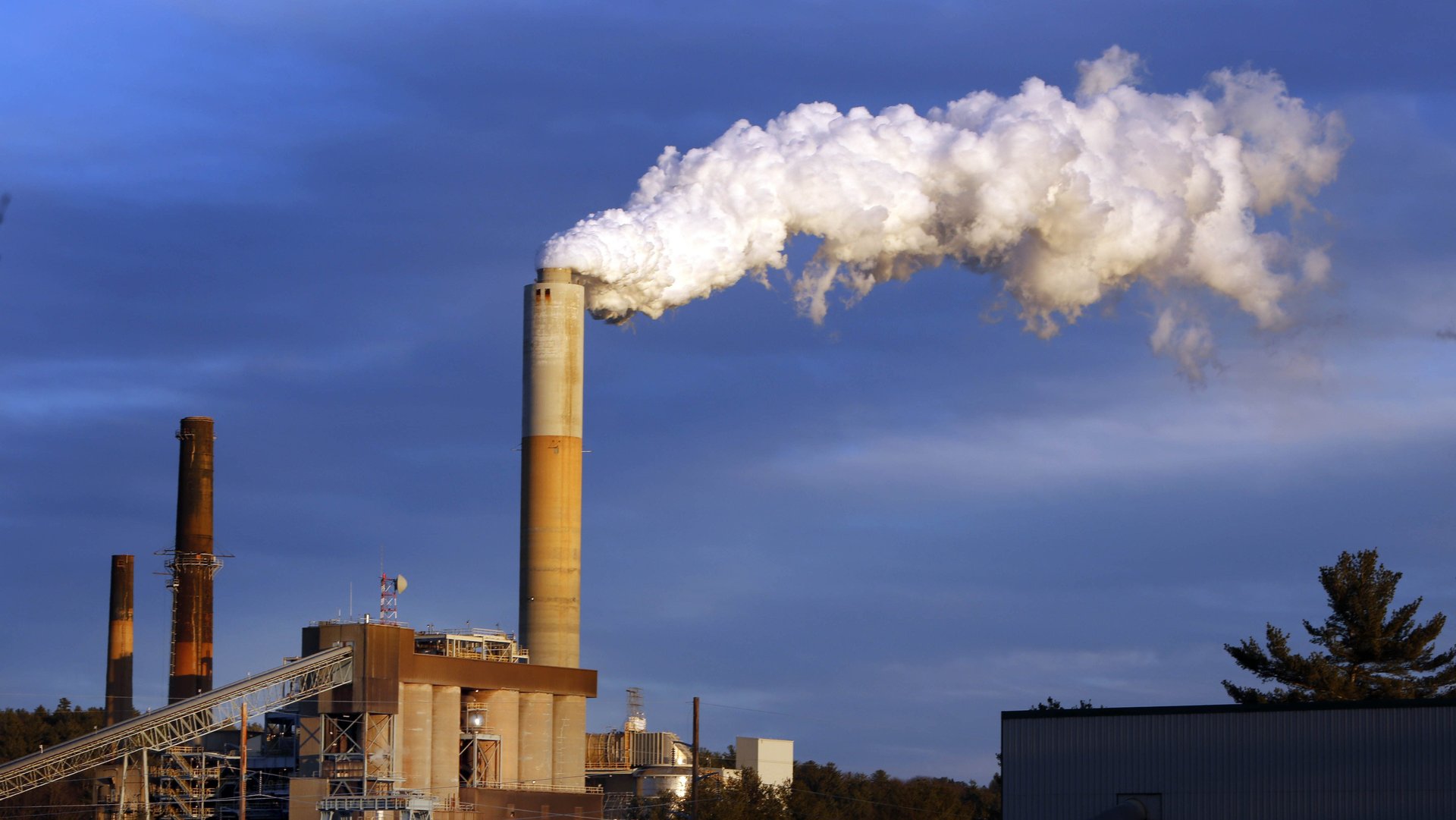
New York City is the ninth-most smog-choked city in America, but it’s not all New Yorkers’ fault. Air pollution travels on the wind, and wind doesn’t concern itself with state borders. In other words: When coal-fired power plants in Appalachian and Rust Belt states belch out smog-forming pollution, some of it ends up in the Big Apple.

Scientists are just beginning to understand that there is no safe level of air pollution exposure. Breathing polluted air has lasting, insidious effects, including asthma, allergies, cognitive delays, developmental disorders, and premature births. All of these can contribute to shorter life spans, and in some cases can abruptly end a life. Countries, including the US, have air-quality standards to presumably prevent the worst of these health effects, but a new body of emerging research shows that people are dying prematurely from breathing the air even in places where air pollution levels were deemed “safe” by the US.

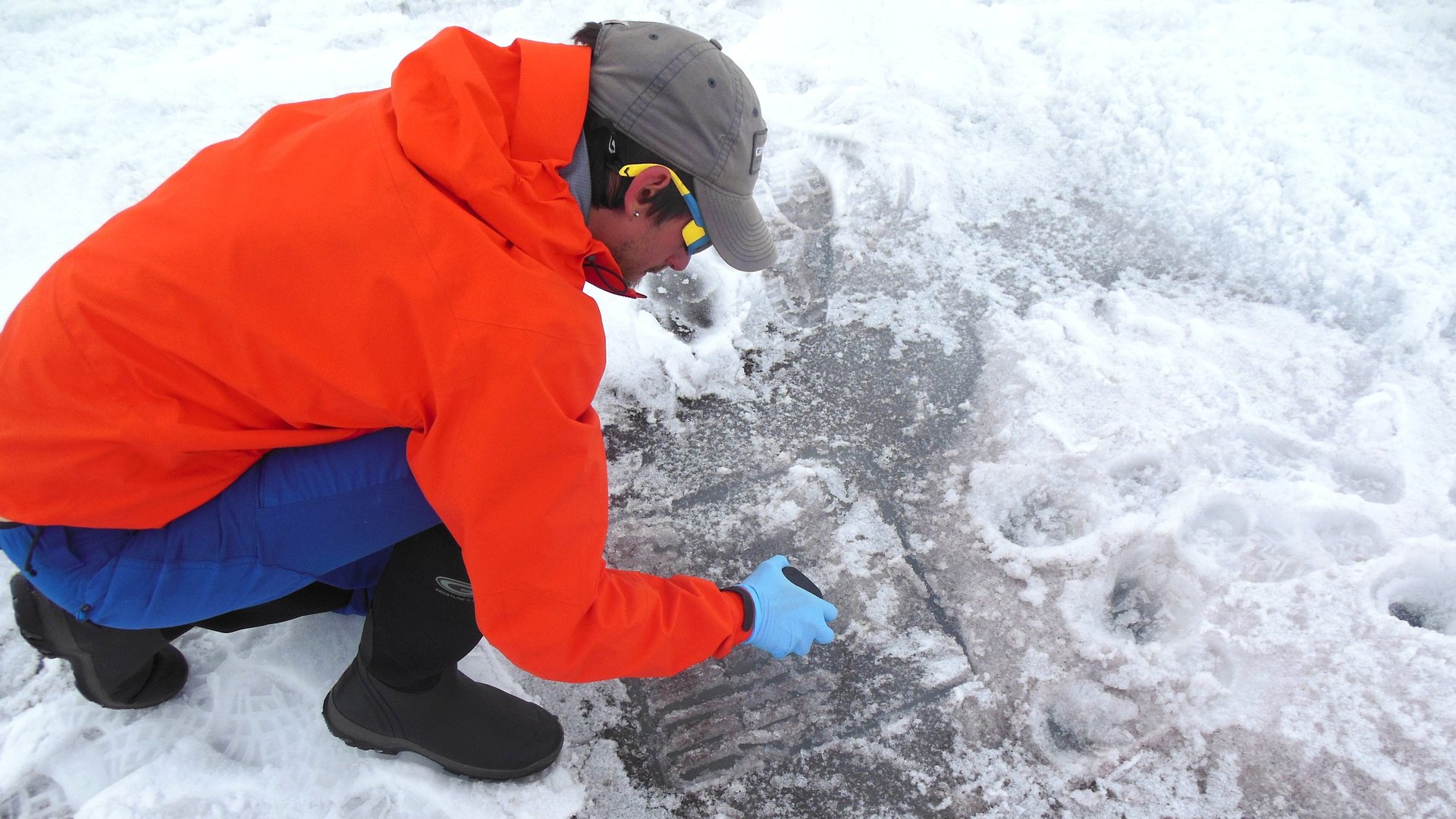
Arctic algae are one life form for whom climate change is great news. They thrive in warmer temperatures, and are flourishing beyond old boundaries as more of the icy far north becomes climatically hospitable.

Earlier this month, the California department of health released guidelines warning residents to avoid putting mobile phones up to their heads.

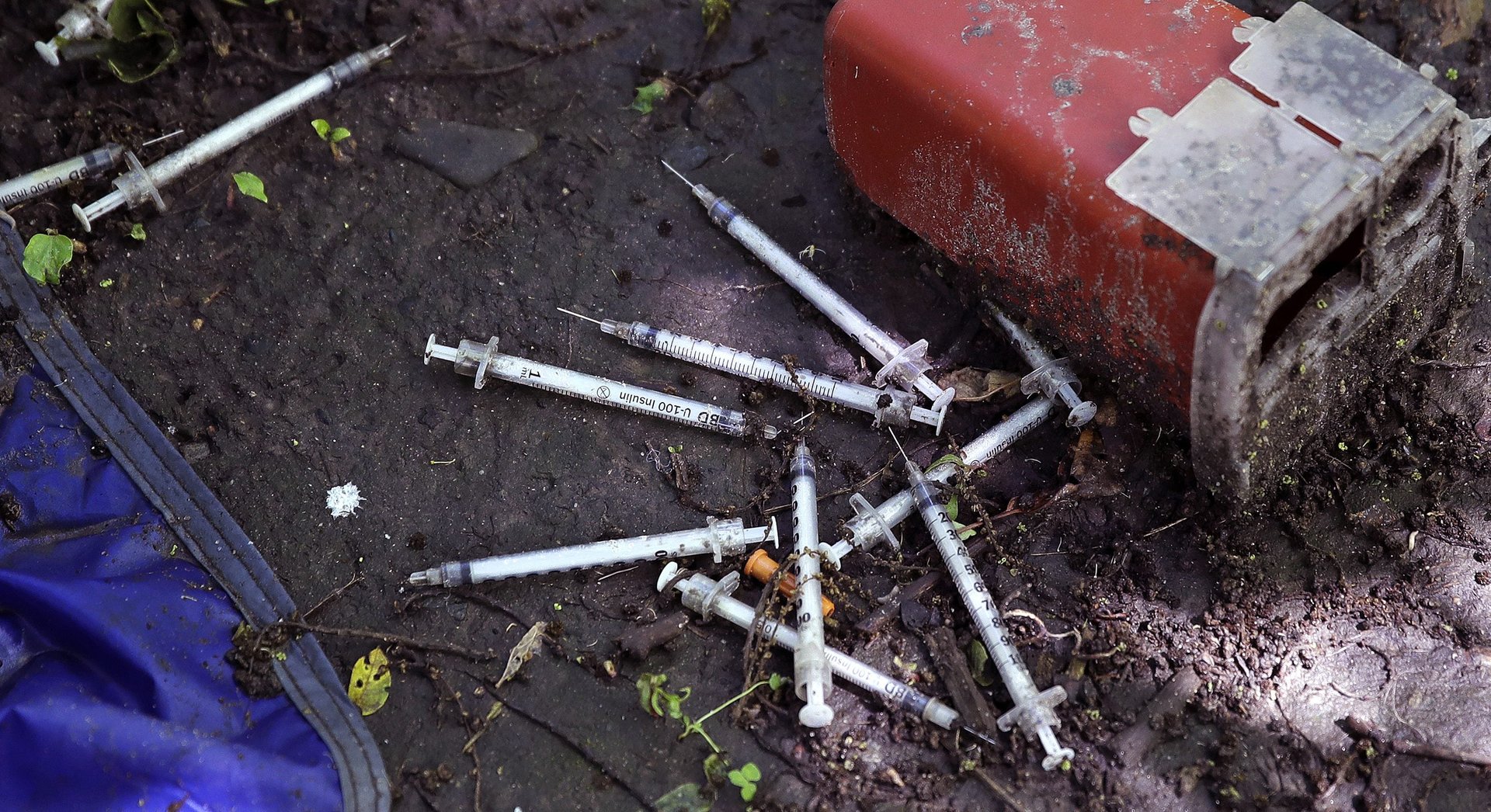
A new US government report (pdf) shows a decline in life expectancy in the country for a second year in a row, influenced significantly by a surge in deaths caused by the nation’s worsening opioid epidemic. The 2016 average life expectancy fell from 78.7 in 2015 to 78.6 in 2016, following a decline from 78.9 in 2014.

The Trump administration published its National Security Strategy today (Dec. 18), omitting climate change entirely. In contrast, climate change was listed as one of eight national security threats to the US in former president Obama’s strategy, last published in 2015.

Mae Jemison likes to point out that when H.G. Wells wrote The First Men on the Moon in 1901, humans could barely fly planes. Less than 100 years later, people were indeed walking on the moon. To Jemison, that leaves humanity with no excuses. We can figure out how to travel to another star in the next 100 years. It’s just a matter of will.

Projections of how high oceans will rise in the future just got an update for the worse.

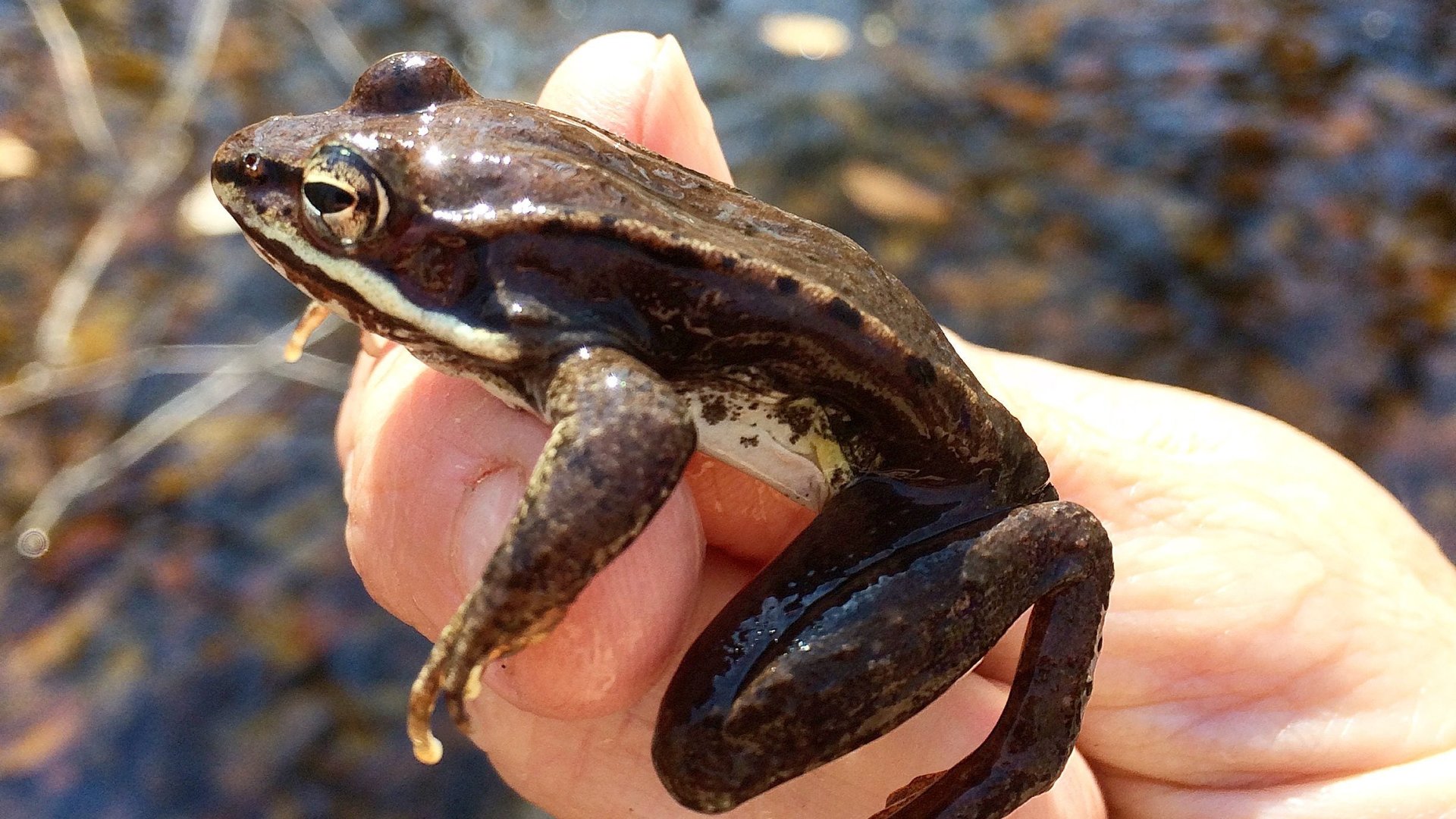
My suburban childhood in the US northeast featured a small pond in the nearby woods. I remember the frogs at the pond in spring looking normal enough. A paper published this week in the Canadian Journal of Fisheries and Aquatic Sciences suggests there was likely something a bit off about them, though. They were probably raised on human poop.

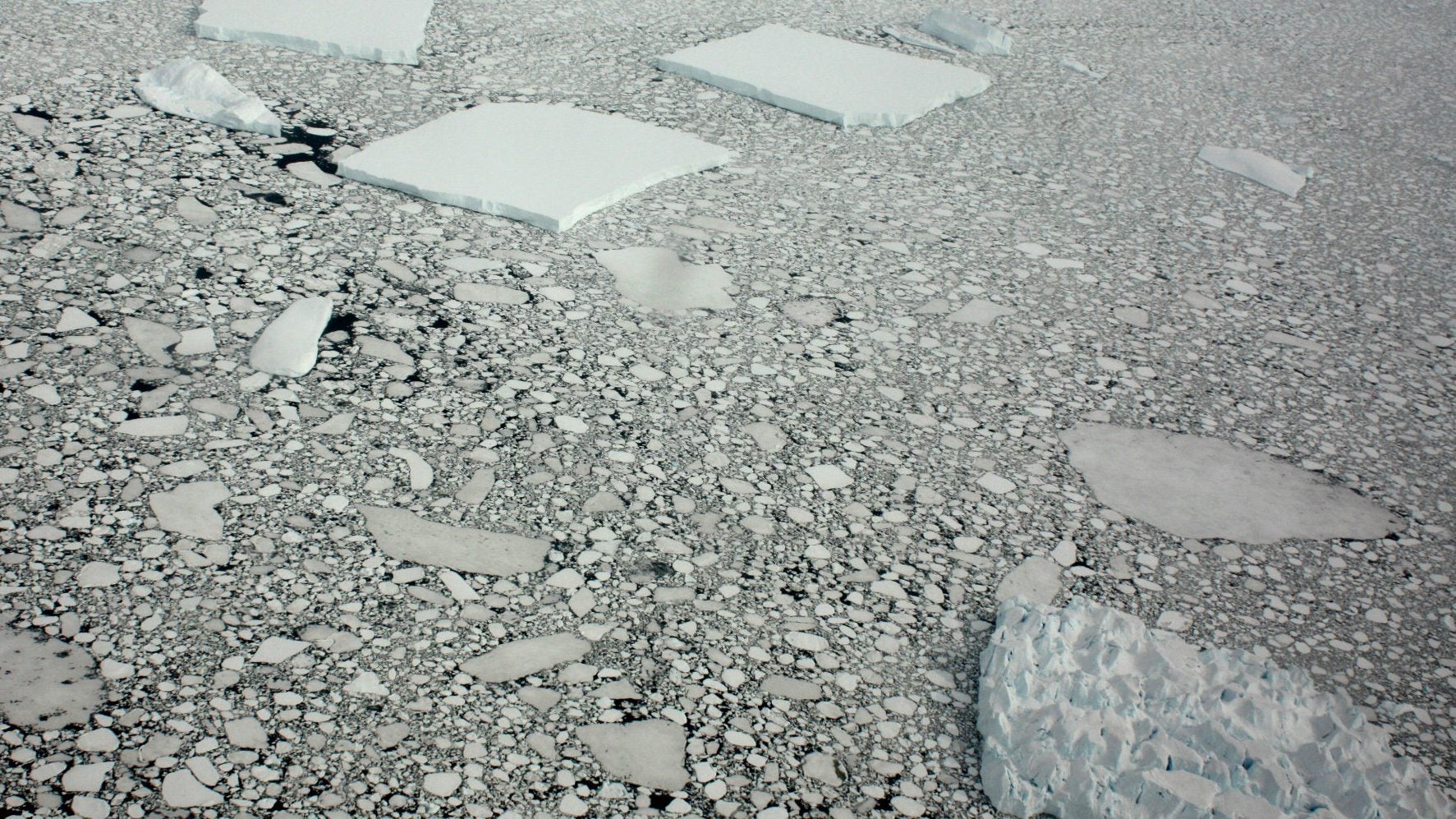
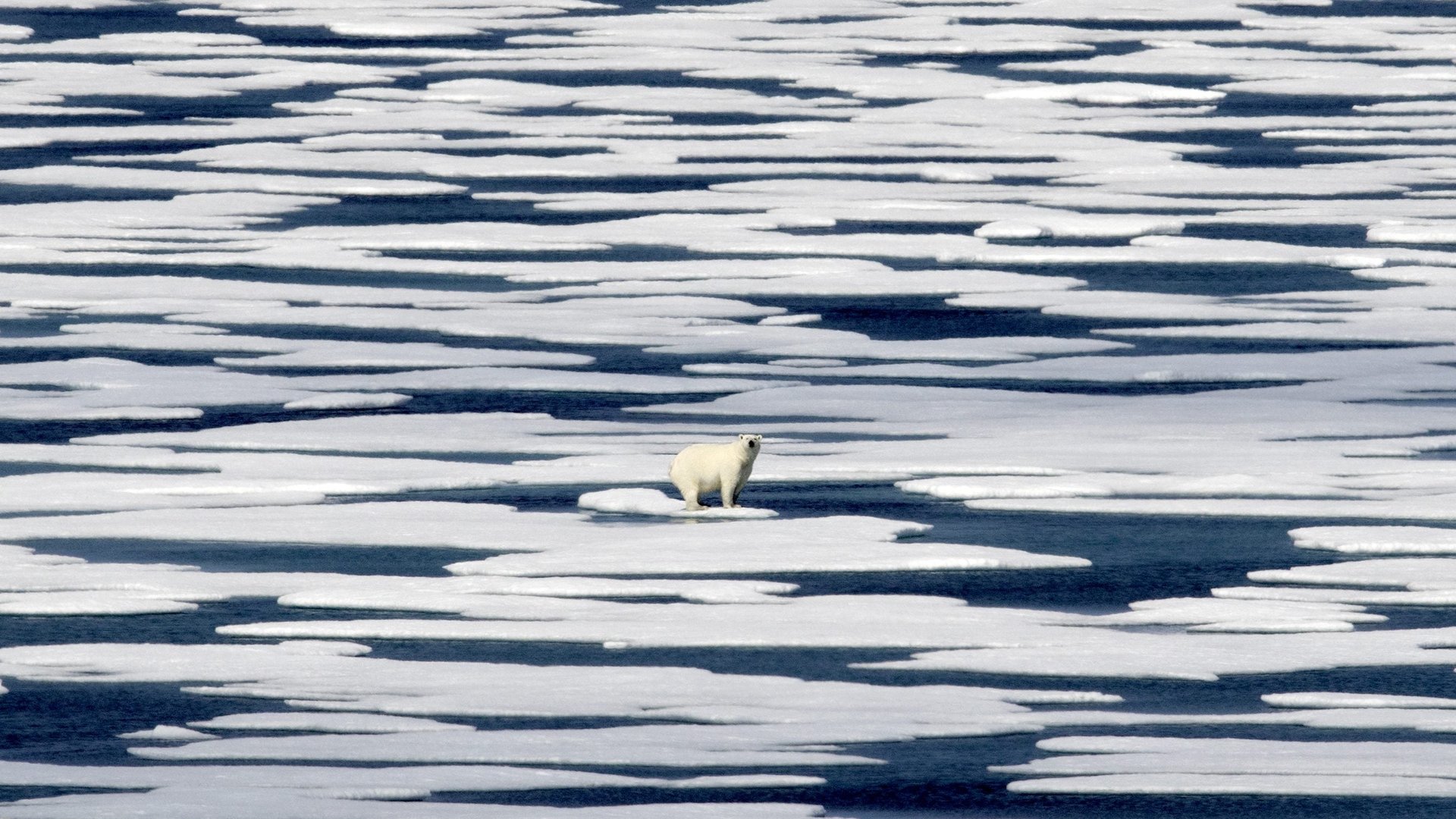
The Arctic’s report card is in, and it’s getting a failing grade in freezing.

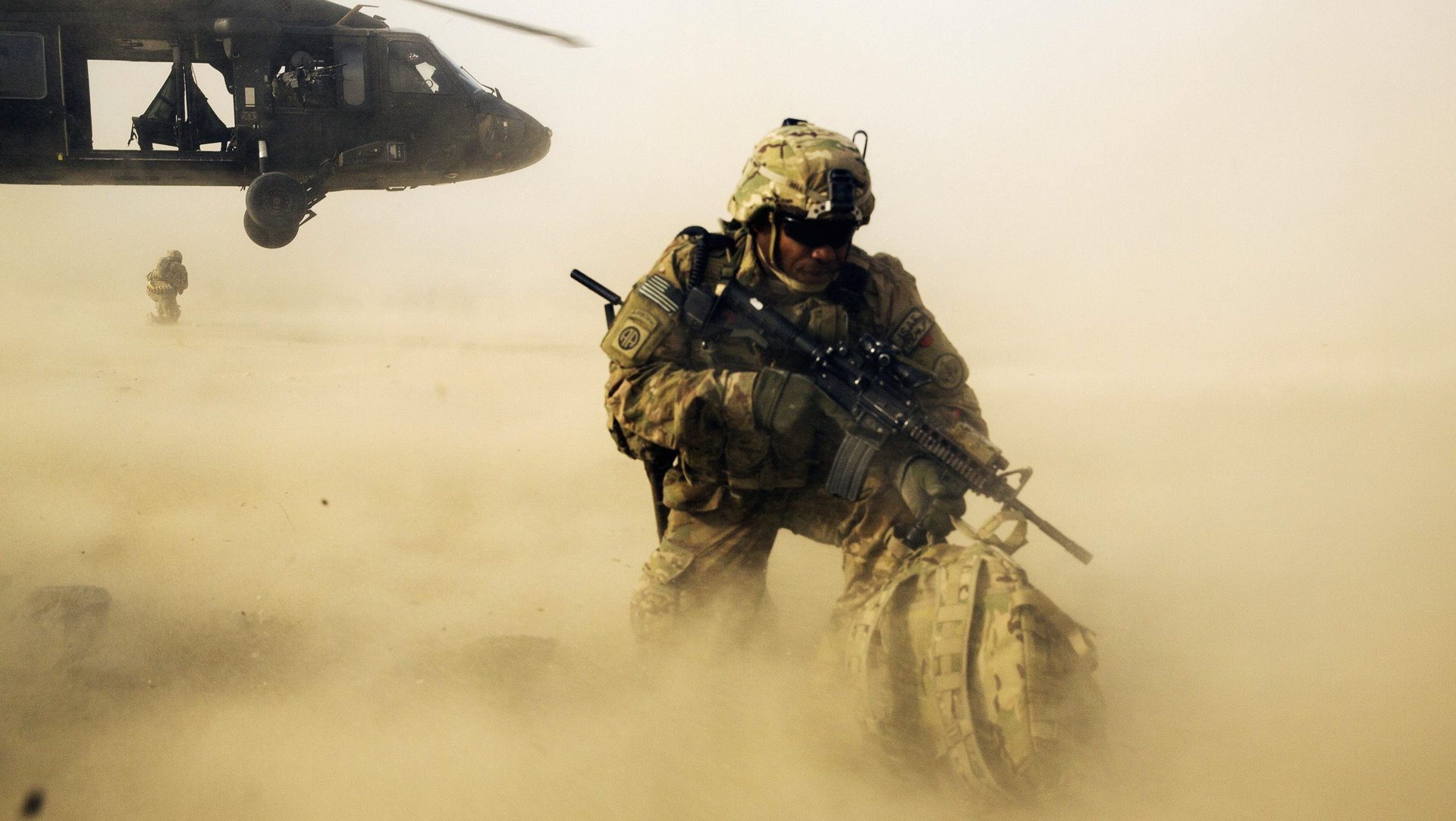
US president Donald Trump signed the National Defense Authorization Act on Tuesday (Dec 13), a bill that sets policy for the US military for the coming fiscal year. Surprisingly, the bill contains a sizable discussion of climate change.

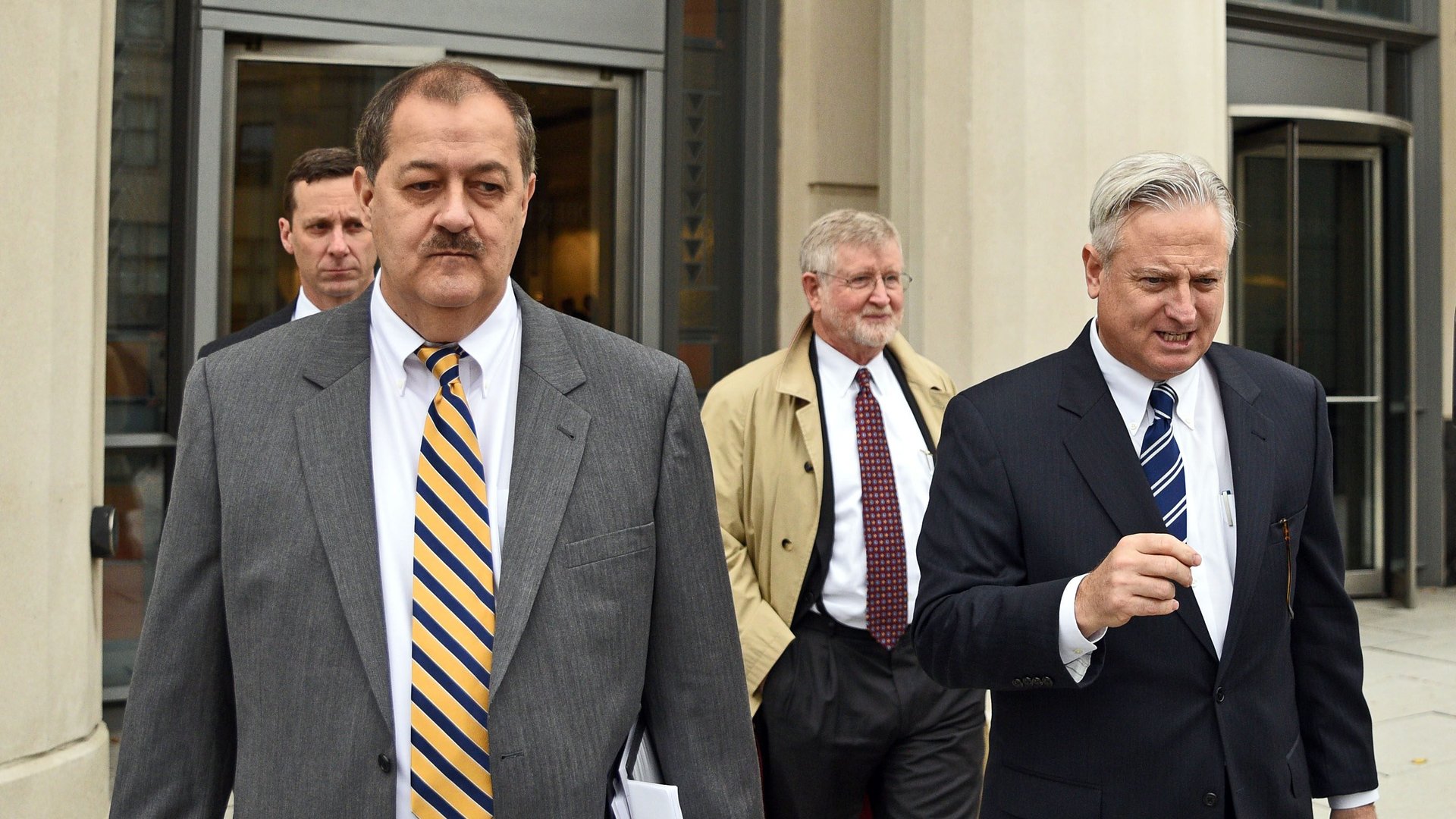
The CEO of a coal mine who served a year in jail for the worst coal-mining disaster in nearly four decades is running for US Senate in West Virginia, Eyewitness News first reported.

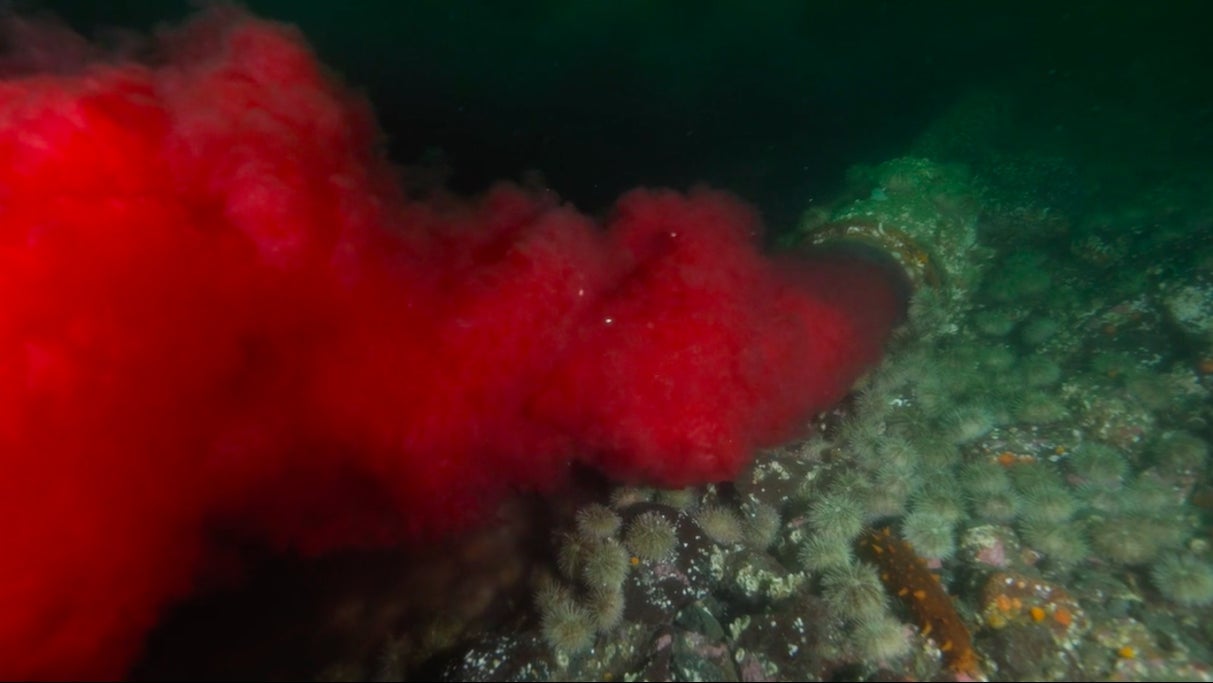
When Tavish Campbell went for a dive to investigate a wastewater pipe in Brown’s Bay on Canada’s Vancouver Island, he wasn’t expecting a bloodbath.

Microbeads, those tiny plastic environmental disasters in your face wash, have become such a menace to waterways that the UK will ban them beginning next year, following a similar move by the US in 2015.