
Meetings between Chinese authorities and leading technology companies over the past month have focused on whether to limit foreign access to the country's most capable AI models, according to Reuters.
Chinese authorities have met with Alibaba, ByteDance, and Z.ai over the past month to discuss curbing foreign access to frontier models
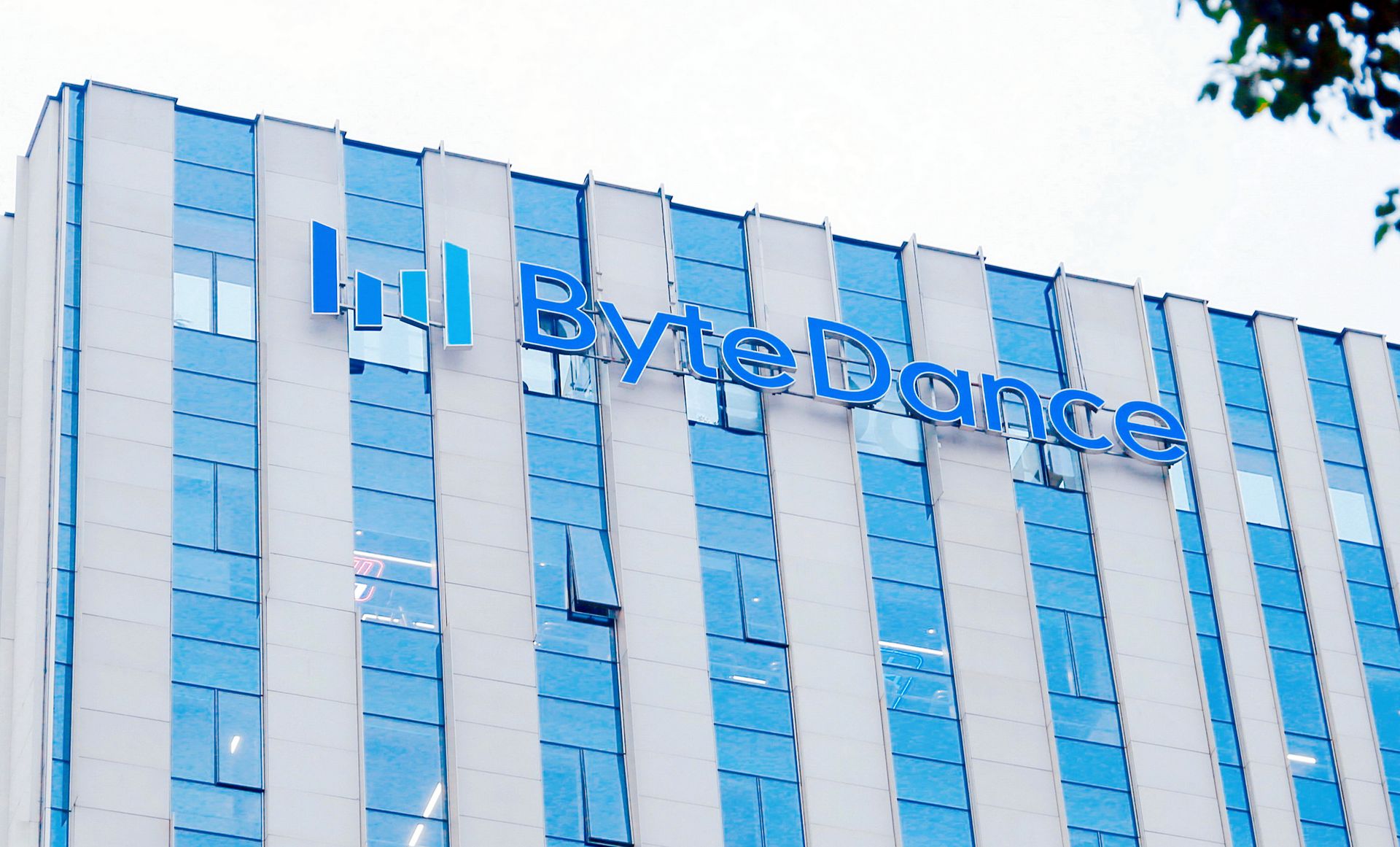
NurPhoto / Getty Images
Meetings between Chinese authorities and leading technology companies over the past month have focused on whether to limit foreign access to the country's most capable AI models, according to Reuters.
China's Ministry of Commerce convened the sessions, with Alibaba, ByteDance, and startup Z.ai among the participants. Among the topics was whether to impose curbs on top-tier models, covering both proprietary systems and those released as open-weight, Reuters reports.
One avenue raised during the talks was classifying unauthorized disclosure or theft of proprietary AI as a violation of national security law. Separately, participants weighed potential limits on which investors would be permitted to back homegrown AI companies, according to Reuters
A window into what such a framework might look like comes from a May gathering of legal scholars whose conclusions were published in a Supreme People's Court journal: the group recommended sorting AI by sensitivity level, with routine open-source software requiring only registration, intermediate tools undergoing security vetting, and the most powerful frontier systems either kept entirely domestic or withheld from public release.
On the other side of the equation, officials in Beijing have grown alarmed that Anthropic's Mythos — a cybersecurity tool the Trump administration restricted in June — could be turned against Chinese systems to exploit software weaknesses. State media outlets and Zhou Hongyi, who founded cybersecurity company 360, have made similar arguments publicly, with Zhou calling for China to build a comparable capability.
The potential restrictions reflect a broader pattern of Beijing moving to protect homegrown AI. Earlier this year, Beijing's state planning agency forced Meta $META to reverse its $2 billion deal for AI startup Manus, while regulators separately opened inquiries into Manus and other Chinese AI firms that had relocated overseas to determine whether they violated export control rules, the outlet reported. A broader regulatory package released in early June extended government scrutiny to cross-border transactions touching Chinese capital, proprietary technology, and data.
The discussions come as Chinese AI models have expanded rapidly in global markets, driven by low costs and competitive capabilities. Alibaba's Qwen series has amassed a substantial following on Hugging Face, while ByteDance's Doubao has become one of the dominant AI products inside China. Z.ai's GLM-5.2 has generated buzz among U.S. researchers, with its benchmark results approaching those of top American models while carrying a significantly lower price tag.
Any decision to limit overseas access to those products could raise costs for businesses that have come to rely on Chinese models as affordable alternatives to U.S. frontier systems. Beijing previously told several top AI companies, including Moonshot AI and StepFun, that they must obtain government approval before accepting U.S. capital in funding rounds, according to earlier reporting.
Join 500,000+ readers who start their day with Quartz.
By subscribing, you agree to our Terms of Service and Privacy Policy.