
6 alternatives to Thailand that don't feel like a compromise
Same beaches, same street food culture, same laid-back backpacker infrastructure — at prices Thailand hasn't offered in years
Frank Barning / Pexels
Thailand earned its reputation as the default budget-friendly Southeast Asian destination fairly: decades of tourism infrastructure development, a reliable backpacker trail connecting its major destinations, and prices that made it possible to travel for months on a modest budget. That reputation has become less accurate over the past decade. Bangkok, Chiang Mai, and the more developed islands (Koh Phi Phi, Koh Samui) have seen sustained price increases as tourism infrastructure has matured and international arrivals have grown, and travelers who visited a decade ago and return today consistently report that Thailand no longer offers the specific value proposition that built its reputation.
The countries in this list are not lesser versions of Thailand; each has its own distinct culture, cuisine, and history that make it a destination worth visiting on its own terms rather than merely as a Thailand substitute. What they share with Thailand's earlier era is the specific combination of qualities that made Thailand attractive in the first place: warm hospitality, a developed but still affordable tourism infrastructure, genuinely excellent and inexpensive food, and enough of a backpacker trail that solo travelers can move through the country meeting other travelers without extensive advance planning.
Each entry covers what the destination offers, the specific price advantage relative to contemporary Thailand, and the practical logistics of visiting.
Laos
Ian Taylor / Pexels
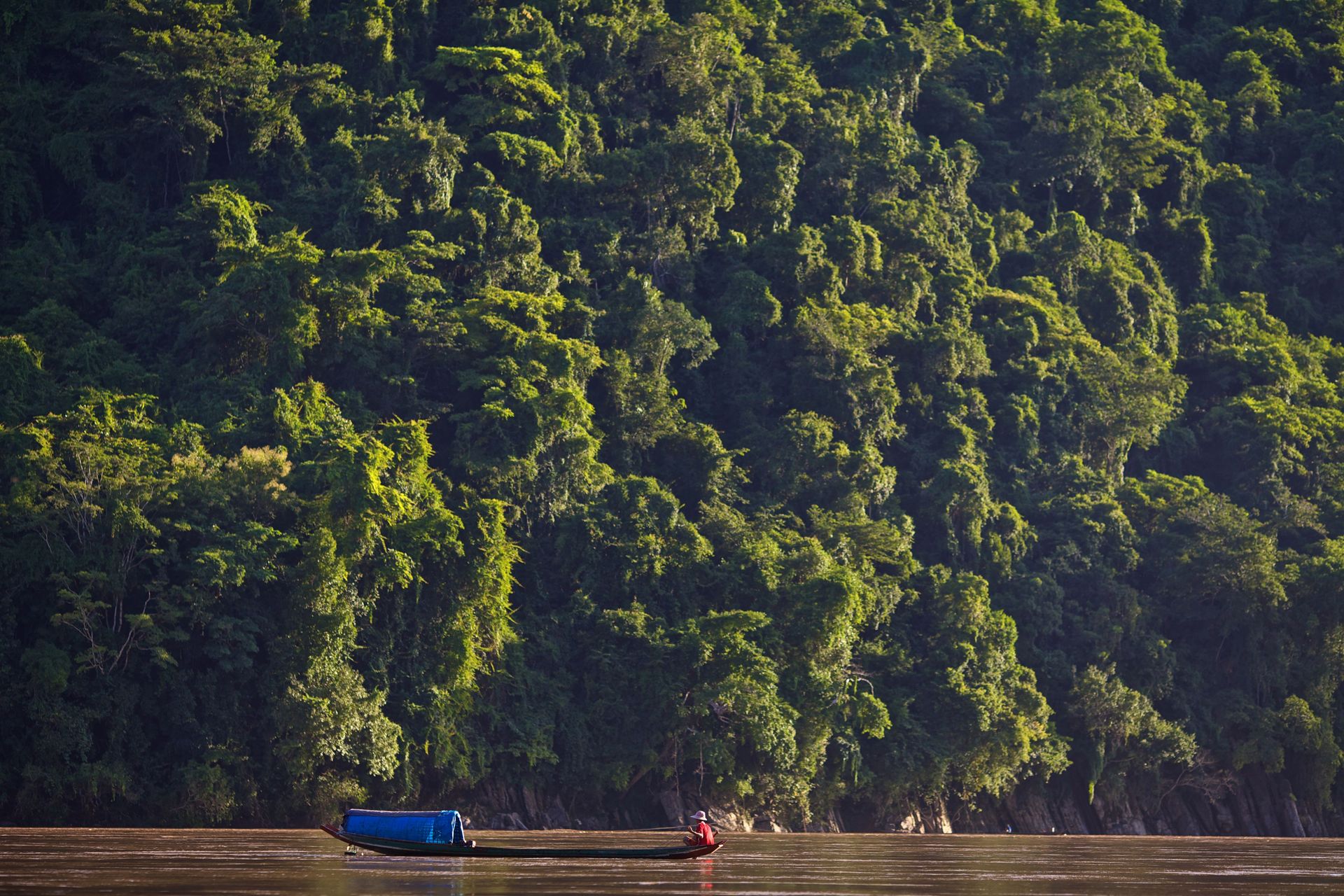
Laos, landlocked and considerably less developed for tourism than its neighbors Thailand and Vietnam, offers a genuinely different pace of travel — slower, quieter, and less built around organized tourist infrastructure — at prices that remain among the lowest in mainland Southeast Asia. A backpacker in Laos can commonly find guesthouse accommodation for $5 to $10 per night and full meals for $2 to $4, pricing that Thailand's more developed circuit has not offered for years.
Luang Prabang, the former royal capital and a UNESCO World Heritage Site, combines French colonial architecture with Buddhist temple culture in a way that produces one of the most atmospheric small cities in the region, while Vang Vieng offers a karst limestone landscape along the Nam Song River that has become a specific draw for travelers seeking the dramatic scenery associated with Southeast Asian river towns without the crowds of comparable Thai destinations.
The 4,000 Islands region in southern Laos, along the Mekong River near the Cambodian border, offers a specific slow-travel experience — hammocks, river views, minimal infrastructure — that recreates the atmosphere many travelers associate with Thailand's islands two decades ago, before development transformed places like Koh Phi Phi into significantly more built-up and expensive destinations.
Cambodia
Serg Alesenko / Pexels
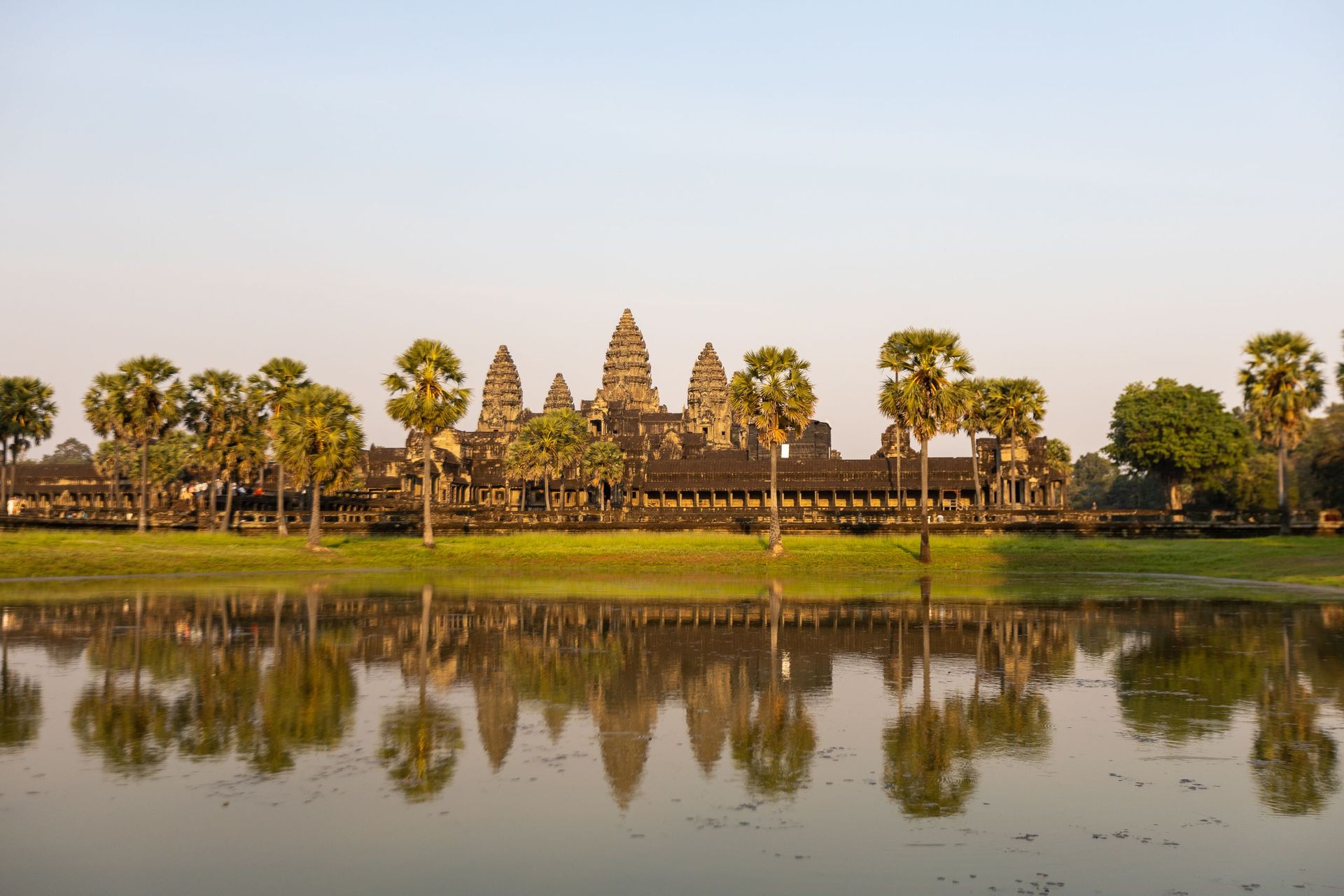
Cambodia offers Angkor Wat — one of the largest religious monuments in the world and arguably the single most impressive historical site in Southeast Asia — combined with a coastline along the Gulf of Thailand that includes genuinely excellent, still-developing beach destinations, at prices that remain meaningfully below Thailand's comparable offerings.
Siem Reap, the gateway to Angkor Wat, has developed a sophisticated but still affordable tourism infrastructure: a multi-day Angkor Wat temple pass costs $37 for one day or $62 for three days (as of recent pricing, though this should be verified before travel), and accommodation, food, and local transport around Siem Reap remain considerably cheaper than comparable infrastructure in Thailand's major tourist centers.
Koh Rong and Koh Rong Samloem, islands off Cambodia's southern coast near Sihanoukville, offer white sand beaches and clear water comparable to Thailand's more famous islands at a fraction of the accommodation cost, though development has begun accelerating on parts of Koh Rong specifically, making Koh Rong Samloem — quieter and less developed — currently the stronger value and atmosphere option for travelers seeking the undeveloped island experience that Thailand's most famous beaches offered a generation ago.
The Philippines
Leon Macapagal / Pexels
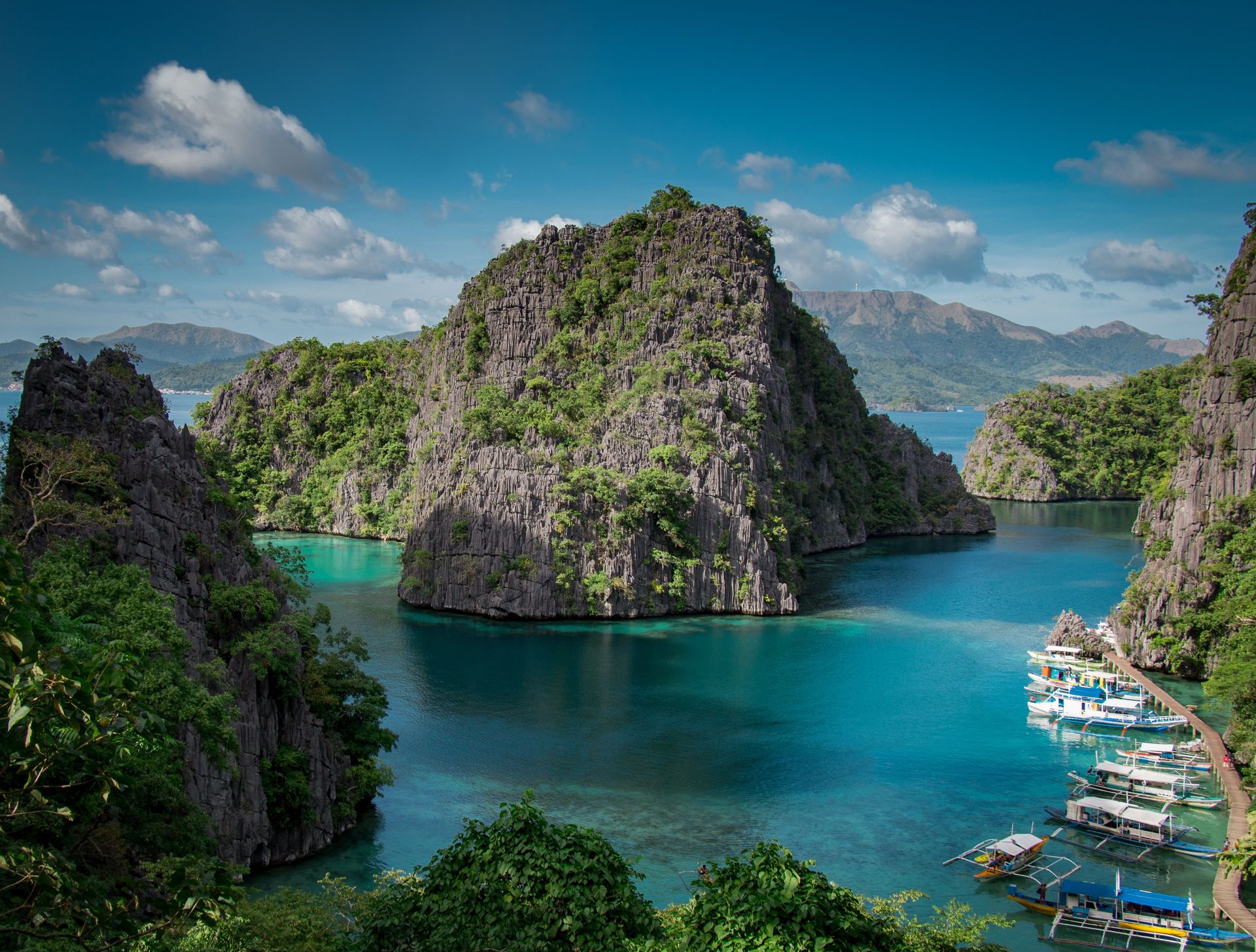
The Philippines offers over 7,000 islands, a coastline widely regarded among the most beautiful in the world, and a specific value proposition distinct from mainland Southeast Asia: island-hopping and diving infrastructure that rivals or exceeds Thailand's in specific locations, combined with English-language proficiency that simplifies independent travel logistics for English-speaking visitors more than almost anywhere else in the region.
Palawan, consistently rated among the best islands in the world by international travel publications, offers El Nido and Coron as diving and island-hopping bases whose limestone karst scenery and lagoon systems are frequently compared favorably to Thailand's Phi Phi Islands, at accommodation and tour prices that remain lower than Thailand's most famous island destinations despite the Philippines' own significant tourism growth in recent years.
Siargao, known primarily as a surfing destination, has developed a specific backpacker and digital nomad culture that offers the same laid-back, community-oriented travel atmosphere that built Thailand's original backpacker reputation, with guesthouse and hostel pricing that remains competitive with or below comparable Thai beach towns, though the island has been experiencing rapid tourism growth that travelers should expect to affect pricing and crowding over the coming years.
Vietnam
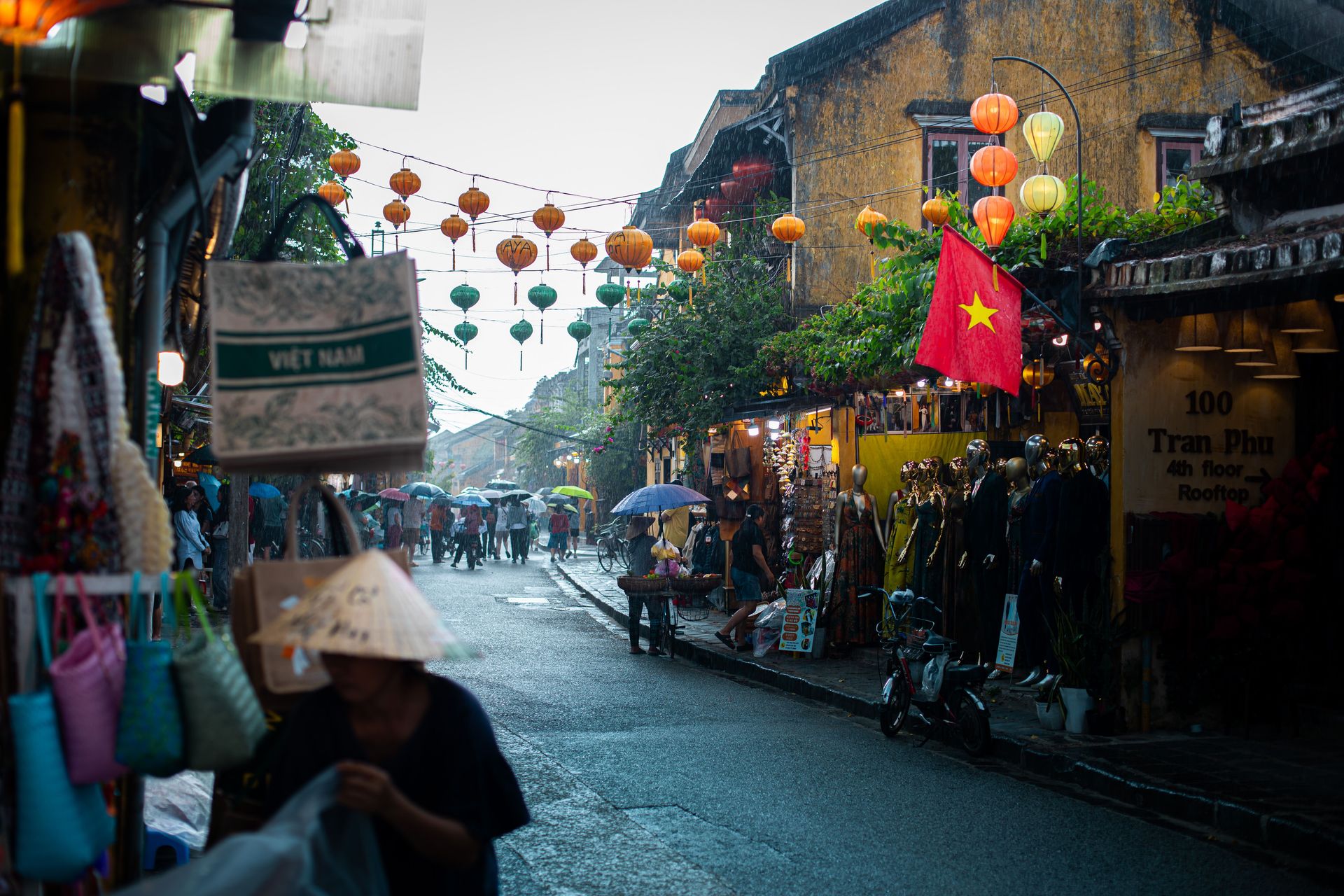
Sachith Ravishka Kodikara / Pexels
Vietnam offers one of the most consistently praised food cultures in Asia, a coastline stretching the full length of the country with beach destinations at multiple price points, and a well-developed but still affordable backpacker infrastructure connecting Hanoi in the north to Ho Chi Minh City in the south — a route with enough established tourism infrastructure to travel easily while retaining meaningfully lower prices than Thailand's equivalent circuit.
Hoi An, a UNESCO World Heritage former trading port, combines historic architecture, a renowned tailoring industry (custom clothing made within 24 to 48 hours at prices well below equivalent Western costs), and a food scene specific to the central Vietnamese region that many food-focused travelers rate above Thailand's more internationally famous cuisine, at accommodation prices considerably below Thailand's comparable historic towns.
Halong Bay and the less-visited but equally dramatic Ninh Binh region offer limestone karst seascape and landscape scenery frequently compared to Thailand's most photographed coastal scenery, with overnight boat cruises through Halong Bay available at a wide range of price points that undercut comparable Thai boat tour and island experiences at the budget end of the market specifically.
Sri Lanka
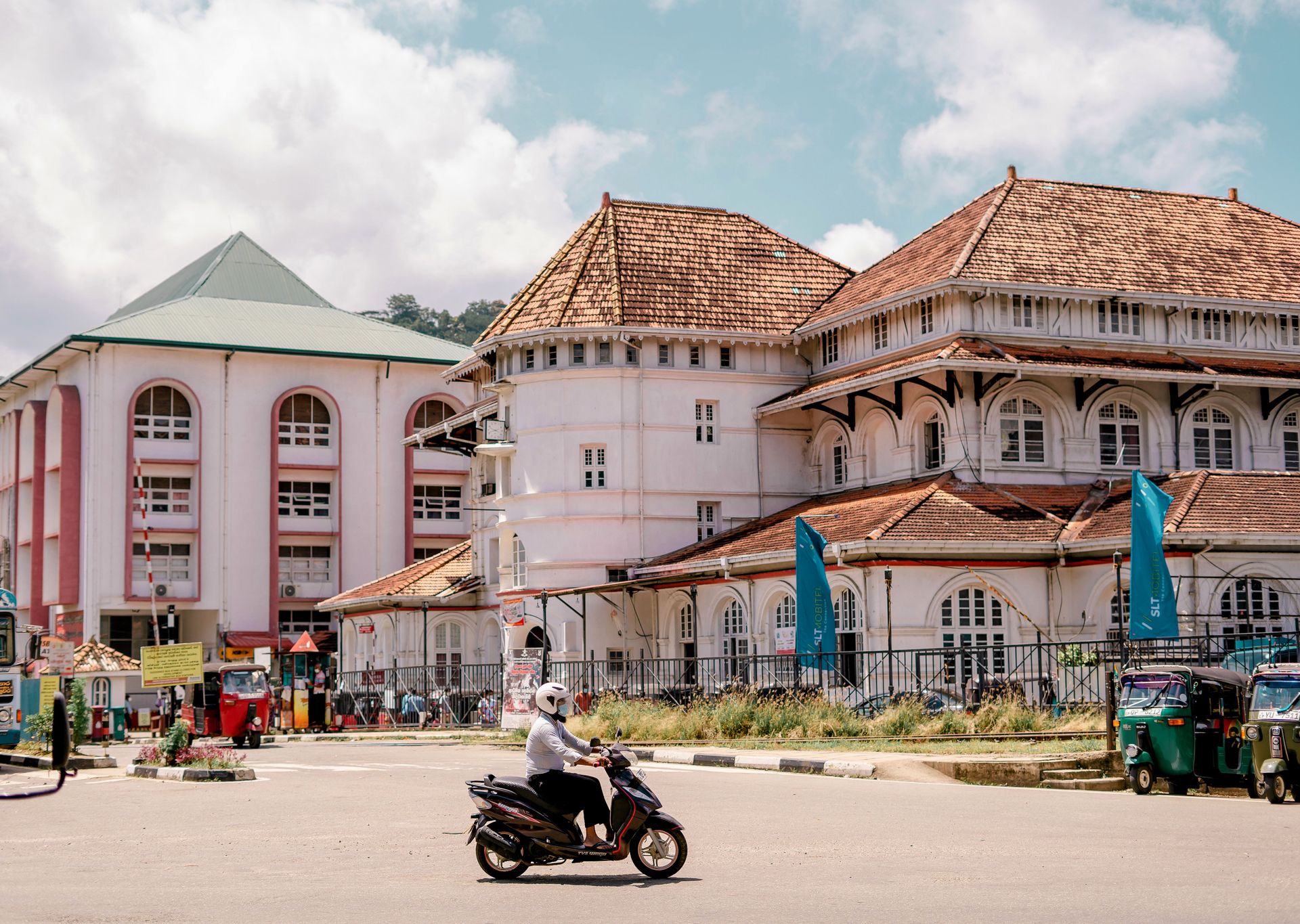
Gihan Bandara / Pexels
Sri Lanka offers a specific combination that few Southeast Asian alternatives can match: beaches, ancient Buddhist and Hindu temple complexes, tea plantation highlands, and wildlife safari opportunities (including leopards and elephants) within a single, relatively compact island, allowing a single trip to cover a breadth of experience that would require visiting multiple countries in mainland Southeast Asia to replicate.
The country's tourism industry, while growing significantly in recent years, remains less internationally saturated than Thailand's, and accommodation, food, and domestic transport (including the country's famous scenic train routes through the tea highlands) remain considerably cheaper than comparable Thai infrastructure, particularly outside the small number of most internationally famous destinations (Ella, Mirissa, Sigiriya) where prices have begun to rise toward levels closer to Southeast Asian norms.
The south coast beach towns — Mirissa, Weligama, and Hikkaduwa among the most established — offer a specific surf and beach culture with guesthouse and hostel accommodation at prices below Thailand's comparable beach towns, and the country's compact size means that beach time can be easily combined with the cultural triangle (Sigiriya, Kandy, Anuradhapura) and highland tea country in a single, geographically efficient itinerary.
Indonesia (beyond Bali)
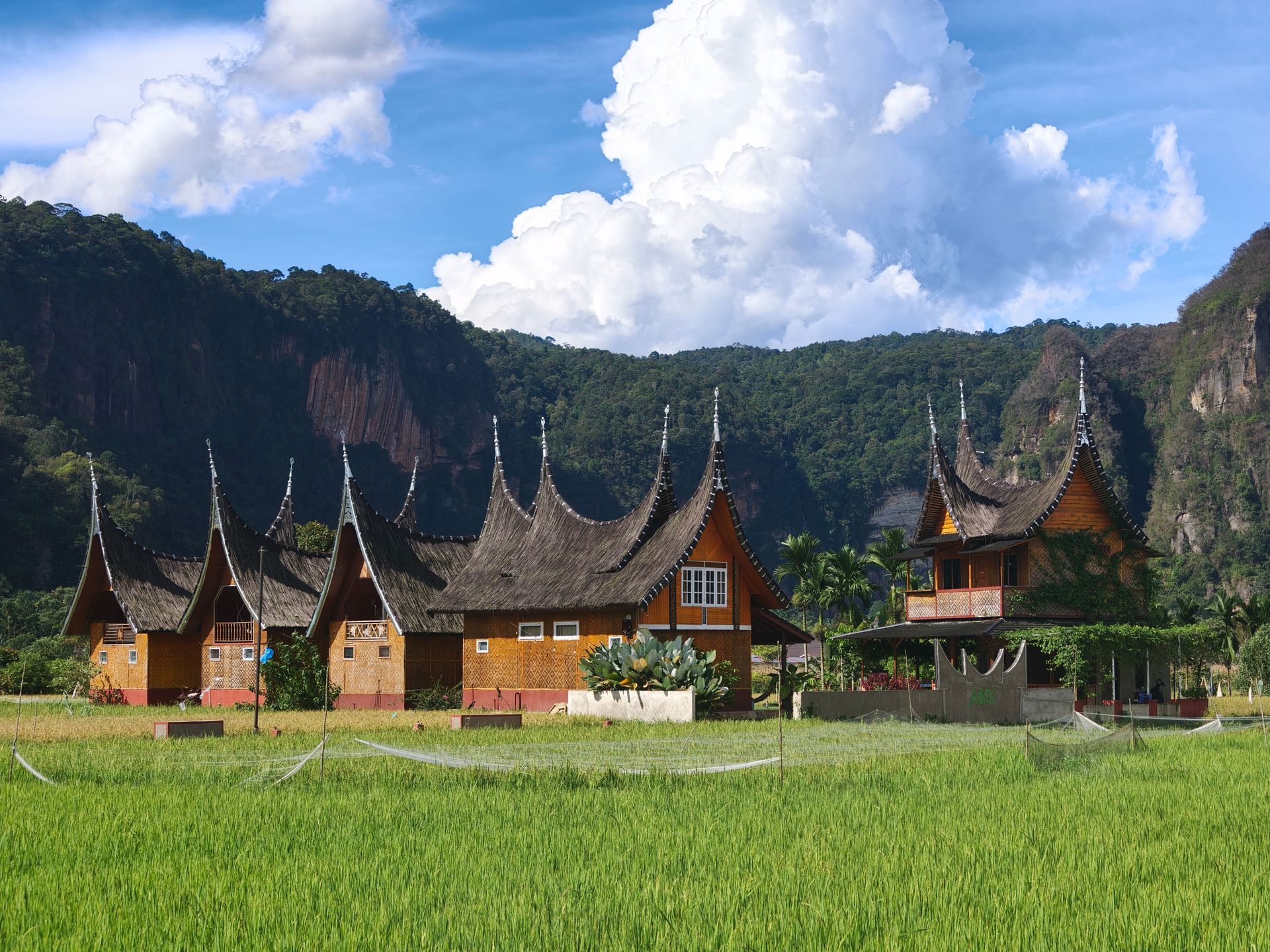
Haris / Pexels
Indonesia, and Bali specifically, has followed a price trajectory similar to Thailand's most developed destinations over the past decade, with Bali's most famous areas (Seminyak, Canggu, Ubud) now commanding prices that rival or exceed comparable Thai destinations. The value proposition in this entry is specifically Indonesia beyond Bali: the Gili Islands, Lombok, Flores, and Sumatra offer the archipelago's characteristic beach and diving quality at prices considerably below Bali's most developed areas and below Thailand's comparable offerings.
The Gili Islands, off Lombok's northwest coast, offer a car-free island experience (transport is by foot, bicycle, or horse-drawn cart) with diving and snorkeling quality comparable to Thailand's best island destinations, at accommodation prices that, while rising, remain below Bali's most developed tourist areas and below comparable Thai islands during peak season.
Flores, home to the Komodo National Park and its famous dragons, combined with dramatic volcanic landscape and the multi-colored crater lakes of Kelimutu, offers an adventure travel experience distinct from beach-focused destinations, at a level of tourism development still considerably less saturated than Thailand's most visited national parks and natural attractions, making it a destination that rewards travelers specifically seeking the less-developed, more exploratory experience that Thailand's most famous natural attractions no longer consistently offer.