
The best American dishes so good they're worth traveling for
From Maine lobster rolls steps from the Atlantic to New Mexico's green chile burger, America's most iconic regional dishes
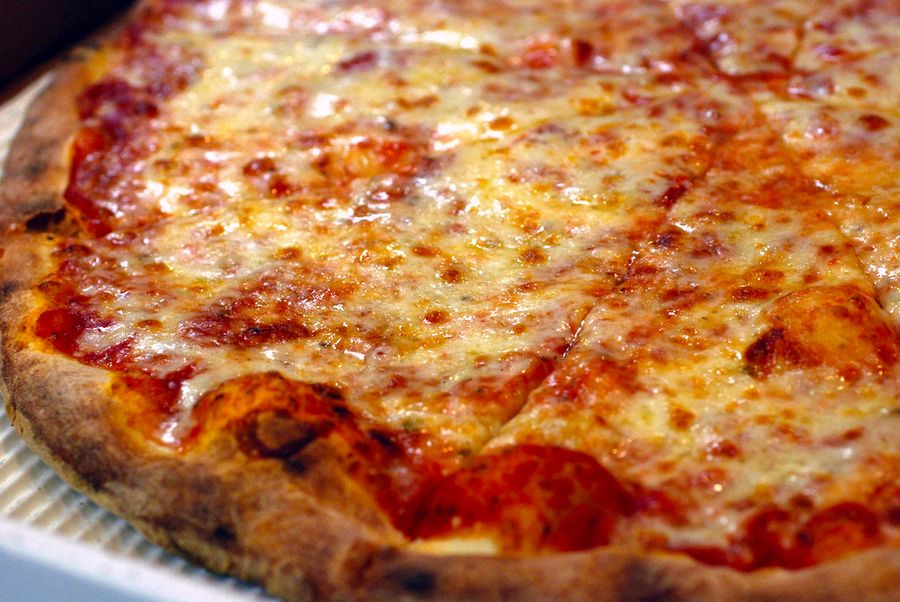
Hungrydudes / Wikimedia Commons (CC BY 2.0)
Regional American food is among the most convincing arguments for domestic travel. A lobster roll eaten steps from the Atlantic in Maine tastes different from one served in a landlocked restaurant, and not just because the lobster is fresher. The experience of eating a dish in the place where it was created, surrounded by the landscape and culture that shaped its ingredients and preparation, adds a dimension that no amount of culinary technique can reproduce elsewhere. The lobster was pulled from the same water visible over the picnic table. The maple syrup in the Vermont creemee came from a hillside 30 miles up the road. The Hatch green chiles on the New Mexico burger were grown in the soil whose specific mineral composition produces a flavor that the same seed planted elsewhere does not.
American regional food also serves as a guide to American geography and history in a way that other forms of tourism do not. Nashville hot chicken encodes a specific story about spice, Southern cooking, and a particular moment in the city’s culinary history that a visit to the original Prince’s Hot Chicken Shack delivers more directly than any written account. Maryland blue crab culture, with its Old Bay seasoning and its crab cake orthodoxy about minimal filler, reflects the Chesapeake Bay’s ecological and culinary history across more than a century of institutional knowledge concentrated at a market stand that has operated since 1886. New Orleans beignets, sold at the same café in the French Quarter since 1862, connect visitors to Louisiana's French colonial history through a piece of fried dough and a cloud of powdered sugar.
The 10 dishes below appear in Travel + Leisure, each tied to a specific region or state and each accompanied by recommendations from chefs and food producers who know their subject from the inside. The list spans desserts, sandwiches, shellfish, and hot chicken, covering the country from the Pacific Northwest to the Florida Keys.
1. Maine lobster roll tastes best steps from the Atlantic
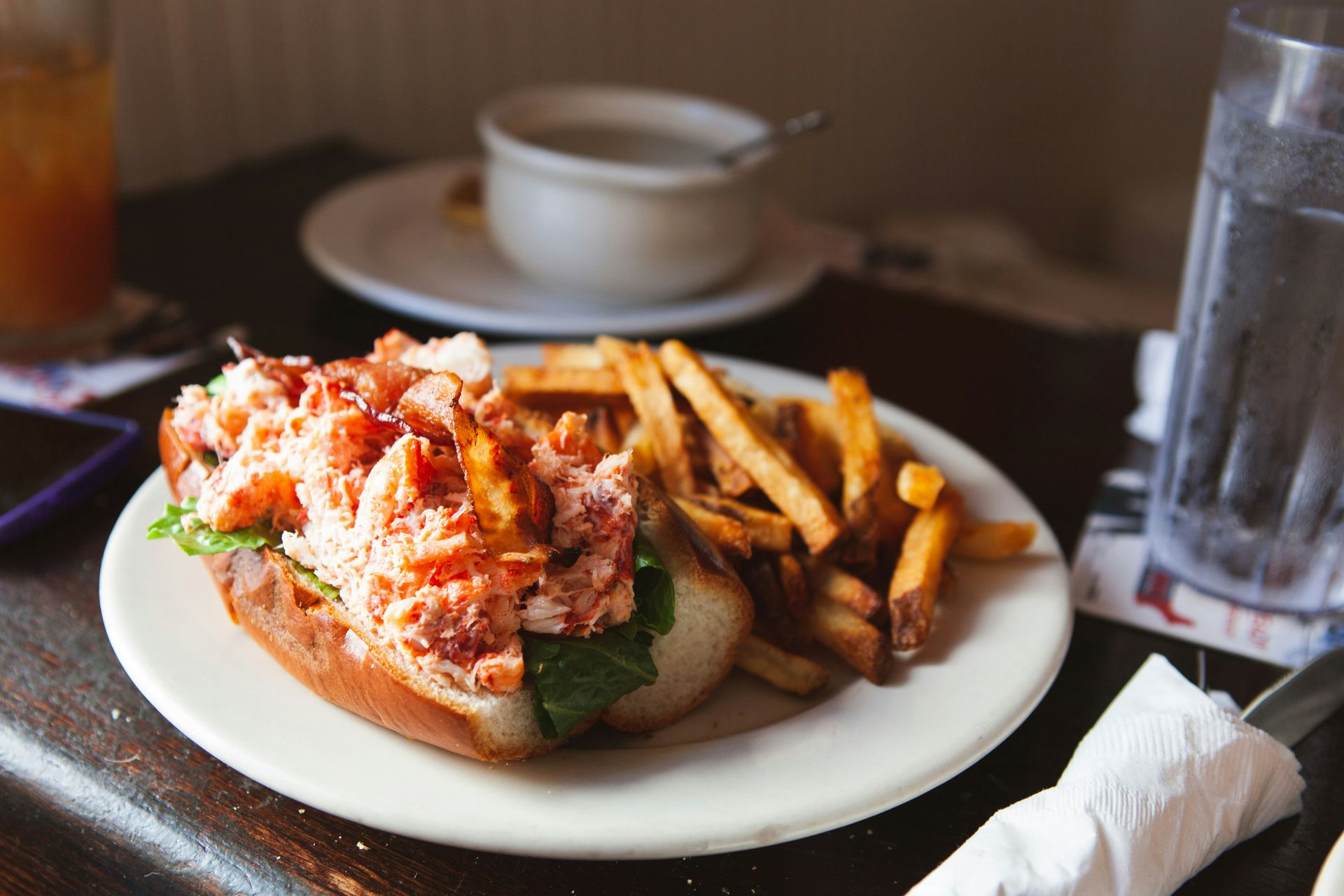
Steve Wrzeszczynski / Unsplash
Fresh Maine lobster is difficult and expensive to source anywhere else, which makes the best version of the lobster roll almost always the one eaten in Maine itself. Baxter Key, co-founder of Highroller Lobster Co. in Portland, specifies claw and knuckle meat over tail meat, describing the former as more tender and better suited to the sandwich as a whole. The preparation debate in Maine is long-running: the classic Maine style serves chilled lobster meat with mayonnaise in a split-top hot dog bun, toasted in butter, while the Connecticut style serves the meat warm, dunked in butter, without mayonnaise. Both styles have devoted adherents who hold their position with the conviction reserved for matters of genuine regional pride.
Key uses a freshly baked brioche bun at Highroller, letting the butter do double duty during toasting and in the richness of the finished sandwich. The specificity of his preference, claw and knuckle over tail, reflects the knowledge of someone who has made and eaten more lobster rolls than most people will encounter across a lifetime of vacation seafood. The tail meat’s firmness gives it a texture that pulls the sandwich apart when bitten, while the claw and knuckle meat’s tenderness holds together throughout the eating experience as a cohesive filling.
The coastal Maine setting amplifies what the lobster roll delivers on its own terms. Eating the sandwich on a dock, at a picnic table with the ocean visible, or in line at a shack where lobsters arrived that morning gives the meal a directness of sourcing that no restaurant in a landlocked city can manufacture. Key puts the rest down to personal preference, but his framing of the ideal experience as “the world is your lobster” reflects the specific quality of a place where the main ingredient is caught locally, prepared simply, and served where it was caught. The version available anywhere else is a reasonable approximation of this. The Maine version is the original.
2. Vermont’s maple creemee surpasses standard soft-serve
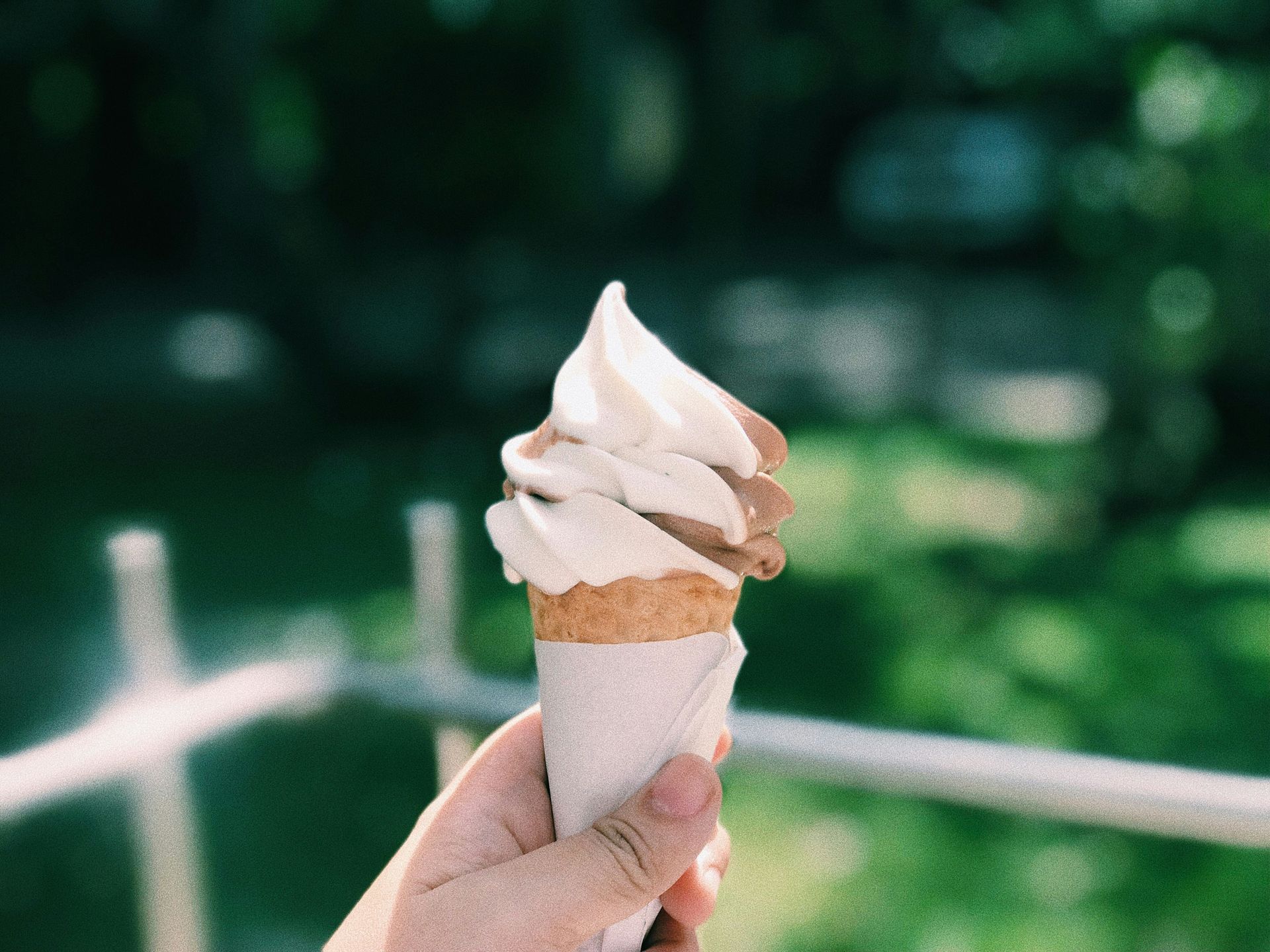
PTMP / Unsplash
The maple creemee is soft-serve ice cream with higher milk fat and real maple syrup, giving it a richness and smoothness that standard soft-serve does not approach. Traditional soft-serve runs about 4 percent milk fat. Creemees typically land closer to 10 percent. The higher fat content coats the palate in a way that lower-fat versions do not, and the real maple syrup, which lowers the freezing point of the mix, keeps the texture smooth through every bite in a way that artificial maple flavoring cannot replicate because it lacks the sugar and acid structure of the real ingredient.
Chef Matt Jennings, founder of MAJC.ai, frames the specific quality of a Vermont maple creemee in geographic terms: the maple syrup likely came from trees tapped on a hillside 30 miles away, and no shortcut produces that flavor. The terroir of the syrup, the specific mineral content of the sap, and the climate conditions of the sugaring season are present in the creemee in a form the palate recognizes even without being able to name it precisely.
Jennings is particular about the physical structure of the creemee, describing a proper one as having architecture: it stands up without collapsing immediately under the weight of the swirl. His specific picks for where to find one are Cookie Love in Ferrisburgh, Palmer Lane Maple in Jericho, and Bragg Farm in East Montpelier, which he singles out as the most old-school Vermont of the group, with a sugarhouse operating on the property. The sugarhouse detail matters because it places syrup production in the same physical space as its consumption, collapsing the distance between ingredient and finished dish in the most direct way possible. No imported maple products and no artificial maple flavoring produce the specific flavor that fresh, local syrup from a working farm sugarhouse gives the creemee at these three Vermont stops. The sugarhouse’s physical presence on the farm grounds makes the sourcing of the main ingredient visible in a way that most food tourism experiences only describe.
3. New York pizza slice outdoes its own ingredient list
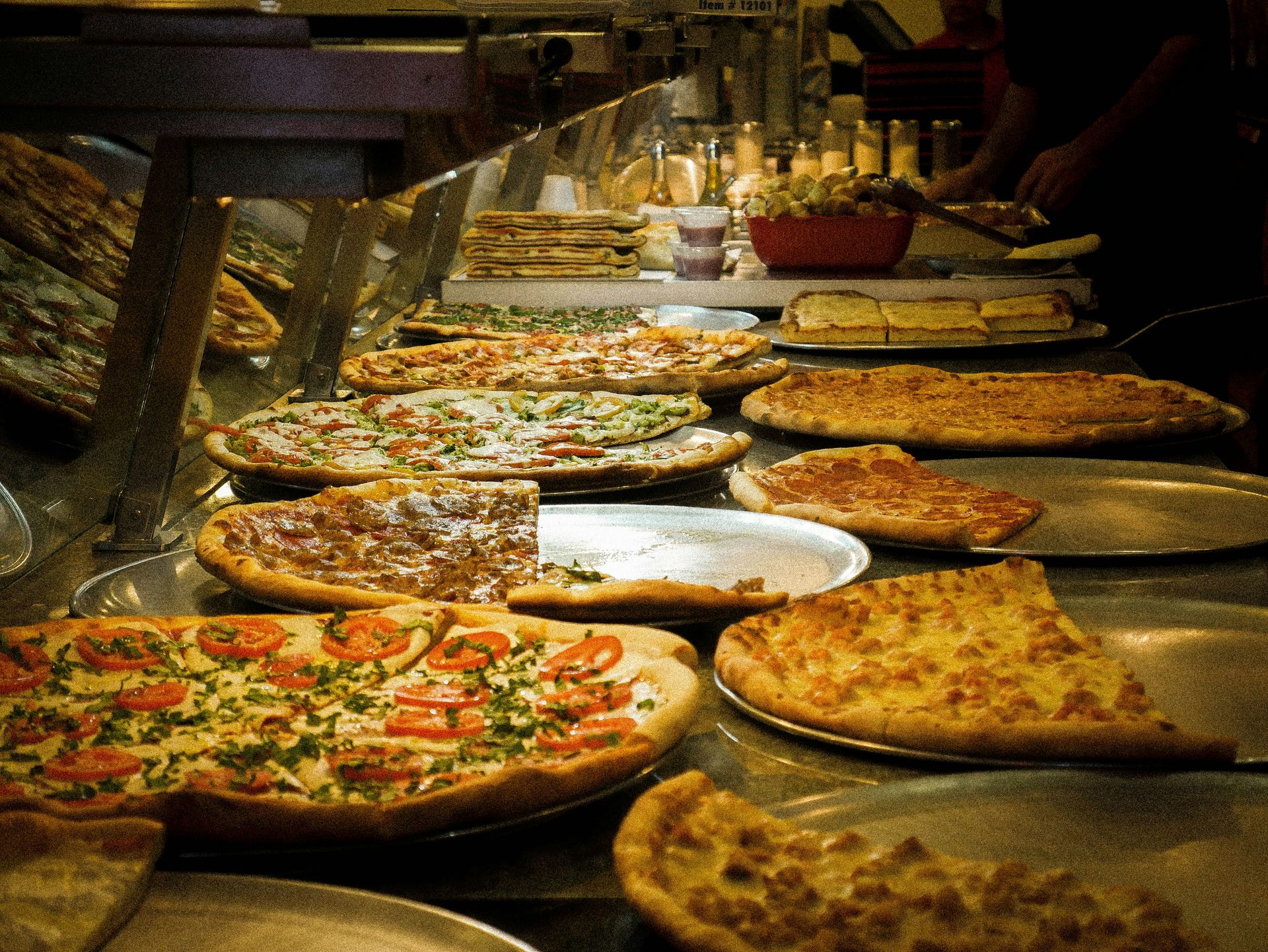
Diego Marin / Unsplash
A New York pizza slice is more than the sum of its three basic parts of dough, cheese, and sauce, according to Jared Forman, chef and owner of Deadhorse Hill in Worcester, Massachusetts. His assessment is that only the New York slice transforms those basic components into something transcendent, functioning as a handheld weapon against hunger that transports the eater back to childhood. The specific qualities producing this effect come down to texture and balance: a crust crispy at the bottom yet light inside, cooked through without overdoing, and sauce and cheese in the precise ratio that keeps neither element overwhelming the other.
Forman’s top pick is New Park Pizza in Howard Beach, where he orders it a little crispy and eats it at the beach with a fountain Coke while planes descend to John F. Kennedy International Airport overhead. The specificity of the setting, the beach, the fountain, Coke, and the planes, is the point: the slice at New Park Pizza is inseparable from the experience of eating it there, and Forman’s recommendation encodes the whole scenario, not the pizza as an isolated object to be evaluated on a plate.
The mechanics of the New York slice are also specific. A slice requires structural integrity to be folded and eaten while walking, which is the native way of consuming it. A crust that goes too far toward crispiness breaks on the fold. One that stays too soft collapses under the weight of the toppings. The engineering of the ideal slice is precise in ways the casual eater absorbs without articulating, and the best New York pizzerias have calibrated their ovens, dough hydration, and cheese quantities over decades to hit the target consistently. The version available anywhere else, regardless of the quality of the ingredients, lacks this accumulated institutional knowledge. The New York slice also requires the specific New York tap water, whose mineral content affects gluten development in ways that pizza makers in other cities have documented but cannot replicate without the source.
4. Washington oysters peak in Puget Sound’s coldest months
Meg von Haartman / Unsplash
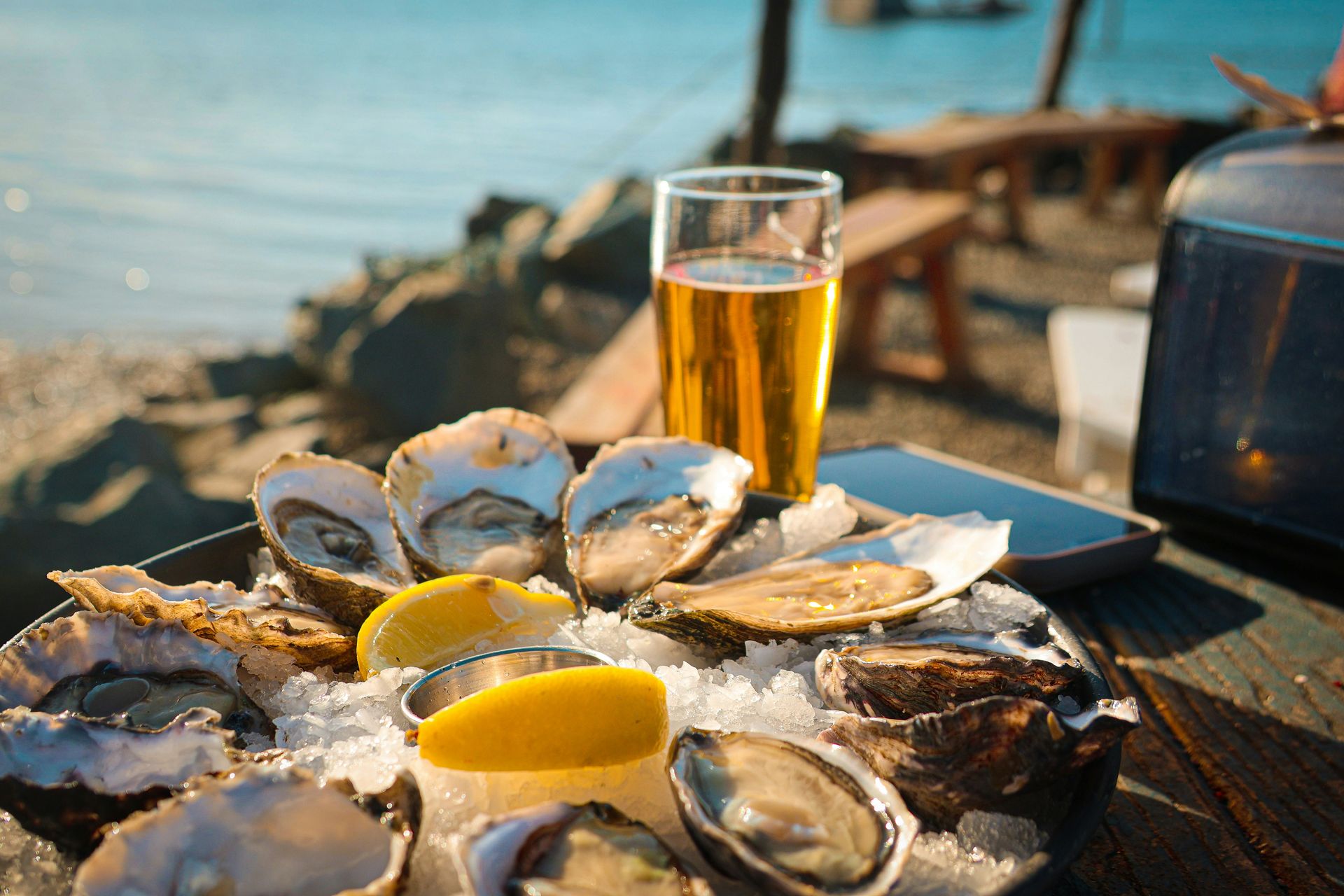
The Pacific Northwest produces some of the finest oysters in the world, and the specific quality of the water is the reason. The Puget Sound’s mix of fresh and salt water gives local oysters a plump, firm texture and a clean, briny finish that cold-water, mineral-rich growing conditions produce and that warmer-water alternatives cannot replicate. Alex Jackson, chef and owner of the soon-to-launch Ruby’s in Seattle, is categorical about freshness: straight out of the water, hit with lemon and hot sauce, is the way to go. Every step between harvest and plate costs the oyster something in flavor and texture, and the closer to the source, the better the eating.
Timing matters in ways the summer-patio image of oyster consumption obscures. Jackson specifically identifies late October through March, when the water is at its coldest, as the best season for Pacific Northwest oysters. Cold water causes oysters to store glycogen, which is converted to sugars, intensifying the sweetness that makes the flavor distinctive. Summer oysters in warm water are milkier and less tightly textured, a condition that dedicated oyster eaters in the region recognize and avoid.
Jackson’s top picks for where to eat them are The Walrus and the Carpenter in Seattle and Kingfisher on Bainbridge Island, both of which have built their reputations on the quality of the Puget Sound’s cold, clean water. The ferry crossing to Bainbridge Island is itself a form of engagement with the water that produces the oyster, giving the Kingfisher visit a journey whose maritime character prepares the palate for what arrives on ice. Eating Pacific Northwest oysters in winter, at the right restaurant, with the right sourcing, is one of the cleaner sensory arguments for regional American food travel. The Bainbridge Island ferry crossing gives the Kingfisher visit a preparatory encounter with the water that produces the oyster, a kind of geographic immersion that makes the eating experience feel earned.
5. Florida key lime pie needs fresh fruit; most states lack it
Takuya Nagaoka / Unsplash
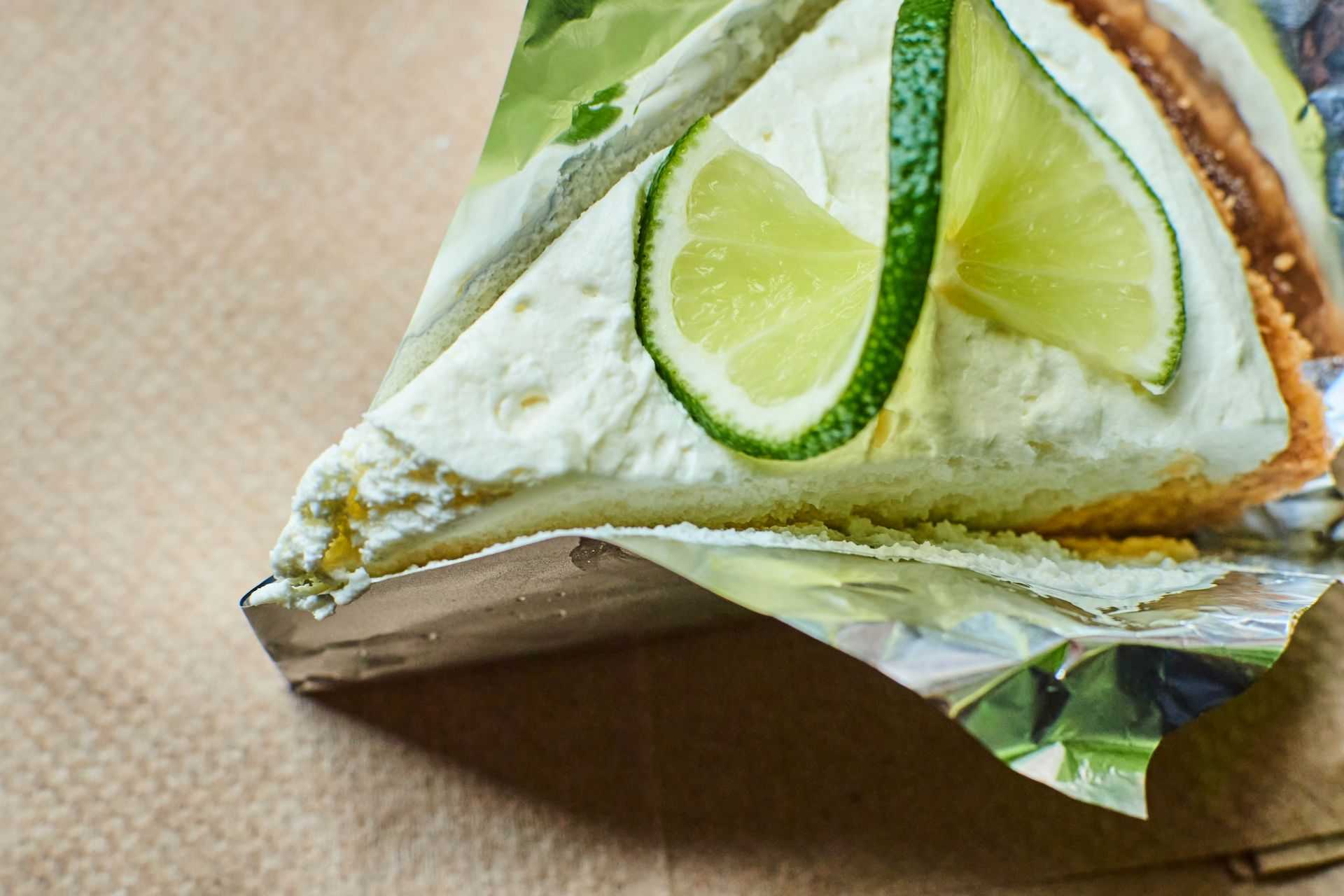
Key lime pie is Florida’s signature dessert, and the difference from imitations made elsewhere starts with the limes themselves. Key limes are smaller and more tart than the Persian limes available in most grocery stores, and their juice gives the pie a brightness that other citrus cannot replicate. Evette Rahman, owner and baker at Sister Honey’s in Orlando, is direct about the substitution problem: genuine key limes are often unavailable outside Florida, and what passes for key lime pie in most of the country uses substitute ingredients that produce a different result in flavor, acidity, and aroma.
The filling of a properly made key lime pie should be dense and custardy, made with freshly squeezed juice and zest. Rahman specifies fresh juice and zest, never bottled, as the distinction between truly great pie and everything else. Bottled key lime juice loses the volatile aromatic compounds that give fresh juice its brightness, and the zest adds an oil- and fragrance-rich dimension that bottled products lack. The dense, custardy texture comes from the reaction between the egg yolks and condensed milk and the acid in the juice. The balance of those elements determines whether the filling sets firmly or collapses.
The color of an authentic key lime pie is pale yellow, not green. The green color common in tourist-area versions comes from artificial coloring added to signal lime identity to buyers who expect it. Natural key lime juice produces no green color whatsoever. Kermit’s Key West Key Lime Shoppe is the classic Keys destination for the pie, while Sister Honey’s in Orlando is the recommended Central Florida stop. Both use fresh-squeezed juice and authentic key limes, the two specifications that set the version worth traveling for apart from the one available at any chain restaurant in the country. The pale yellow color of a genuine key lime pie is itself a useful guide: any pie that looks green has been artificially colored, which is a reliable indicator that the juice inside came from a bottle.
6. Nashville hot chicken at Prince’s keeps its 1940s formula
Credit: Prince's Hot Chicken
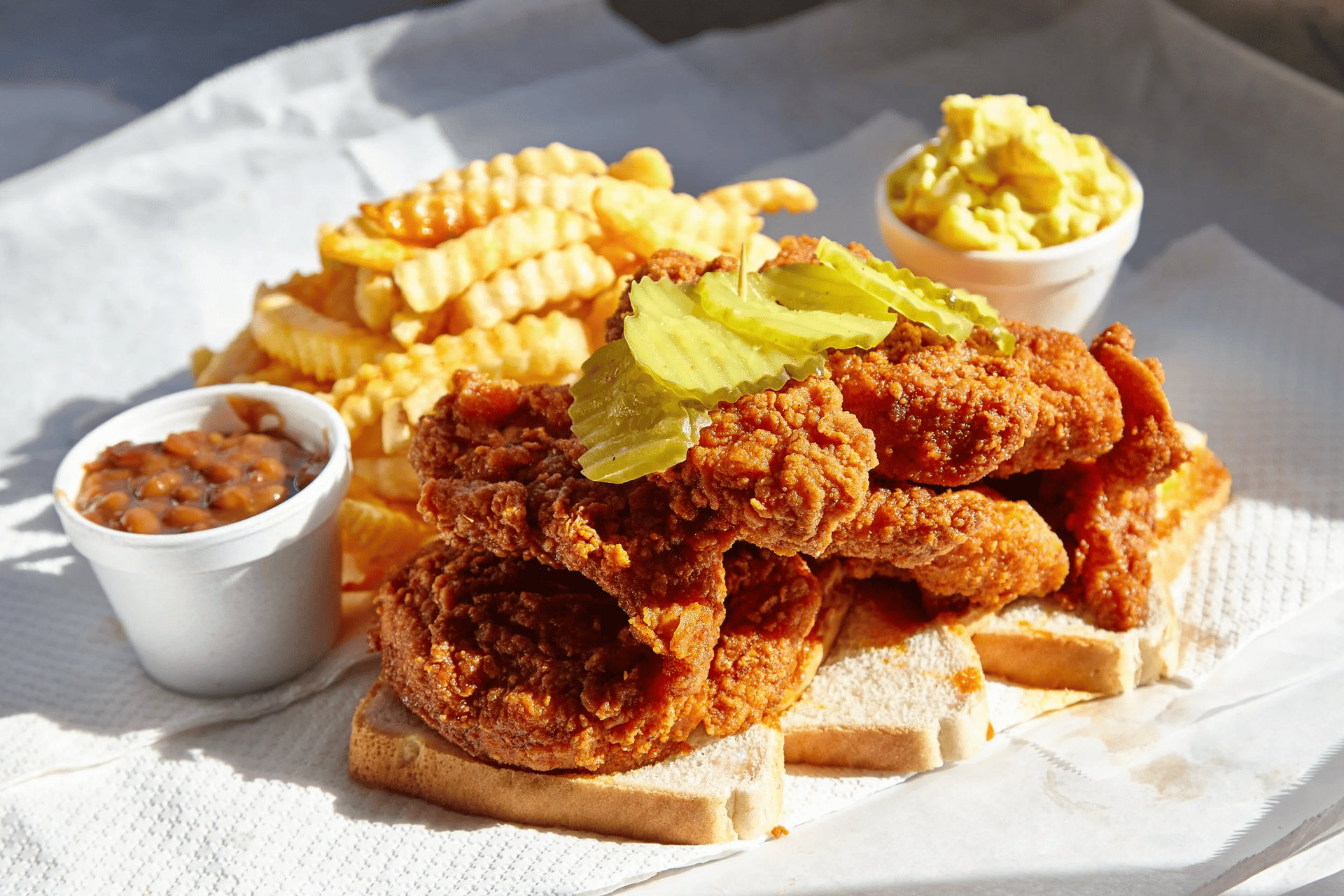
Nashville hot chicken is fried chicken coated in a cayenne-heavy paste after frying, served on white bread with pickle chips whose sole purpose is to temper the heat between bites. The combination is precise and intentional: the white bread absorbs the oil from the paste and the chicken, and the pickle’s acidity cuts through the fat and spice in a way that no other accompaniment manages in the same terms. What appears on menus elsewhere in the country as Nashville hot chicken is usually a version of the heat and the frying, but without the full structural logic of the original dish.
Prince’s Hot Chicken Shack is the original and remains the benchmark, serving a version that has changed little since the 1940s, when Thornton Prince’s former girlfriend reportedly added the cayenne paste to his fried chicken as revenge for his infidelity, producing one of American food history’s more consequential acts of culinary creativity. The dish Prince’s serves today maintains the specific preparation that built the original reputation: perfectly crisp frying followed by the paste coating, served with the white bread and pickles whose role in the eating experience is structural, not decorative.
Hattie B’s offers a wider range of heat levels, making it the recommended first stop for visitors whose cayenne tolerance has not yet been tested against Prince’s hottest preparations. The range from mild to “Shut the Cluck Up” gives first-timers a calibrated introduction to the dish before committing to the heat levels the original regulars eat without discussion. The two restaurants represent different relationships to the dish. Prince’s is the original, unchanged, and non-negotiable. Hattie B’s is the accessible version that has expanded the dish's audience without altering the fundamental logic that makes it work. Visiting both on the same trip gives the Nashville hot chicken experience its fullest scope: the historical original and the version calibrated for a broader audience, which together define the dish’s range.
7. New Orleans beignets must be eaten hot from the fryer
Pburka / Wikimedia Commons (CC BY-SA 4.0)
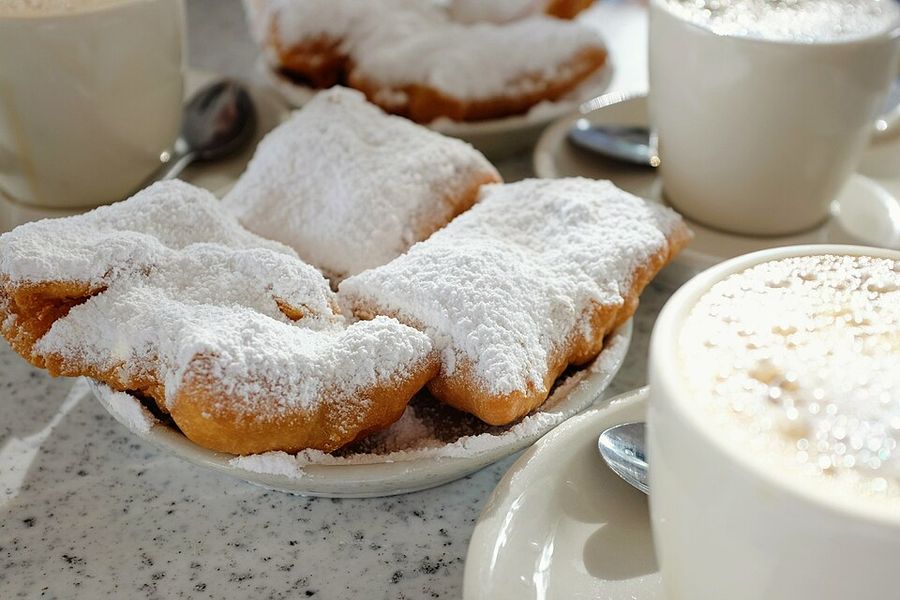
New Orleans beignets are square, hole-less, and blanketed in powdered sugar, made from a yeasted dough that yields a texture that is simultaneously chewy, dense, and pillow-soft when fried. The yeasted dough distinguishes them from cake doughnuts or other fried dough preparations: the yeast creates air pockets during proofing that collapse into pockets of steam when the dough is fried, giving the interior its specific texture. The result is lighter than a standard doughnut in the sense of being less cake-like, but denser than a French beignet in the sense of having more chew and substance.
Café Du Monde has served beignets in the French Quarter since 1862, operating continuously through the Civil War, Reconstruction, two World Wars, and multiple hurricanes, and its specific version of the beignet is the one that most visitors to New Orleans encounter first and remember most distinctly. The café’s outdoor seating along Decatur Street, within view of Jackson Square $SQ and the Mississippi River levee, gives the beignet its most characteristic context: powdered sugar coating the table, the fingers, and often the shirt, while café au lait made with chicory coffee provides the counter-bitterness that balances the sweetness of the sugar.
The instruction that beignets must be eaten immediately is not hyperbole. The yeast structure that gives them their texture begins to deflate within minutes of leaving the oil, and the crispy exterior produced by frying softens quickly as steam from the interior migrates outward. The version consumed at the table while still audibly crackling is categorically different from the one that sat under a heat lamp. The wait at Café Du Monde, which the source describes as worth it regardless of length, is the appropriate relationship to a dish whose quality depends on the timing between fryer and consumption. Ordering café au lait alongside the beignets is not optional: the chicory coffee’s bitterness functions as a flavor counterpoint to the powdered sugar that the sweetness of the beignets alone cannot provide.
8. Philadelphia cheesesteak needs personal testing to settle
Snappr / Unsplash
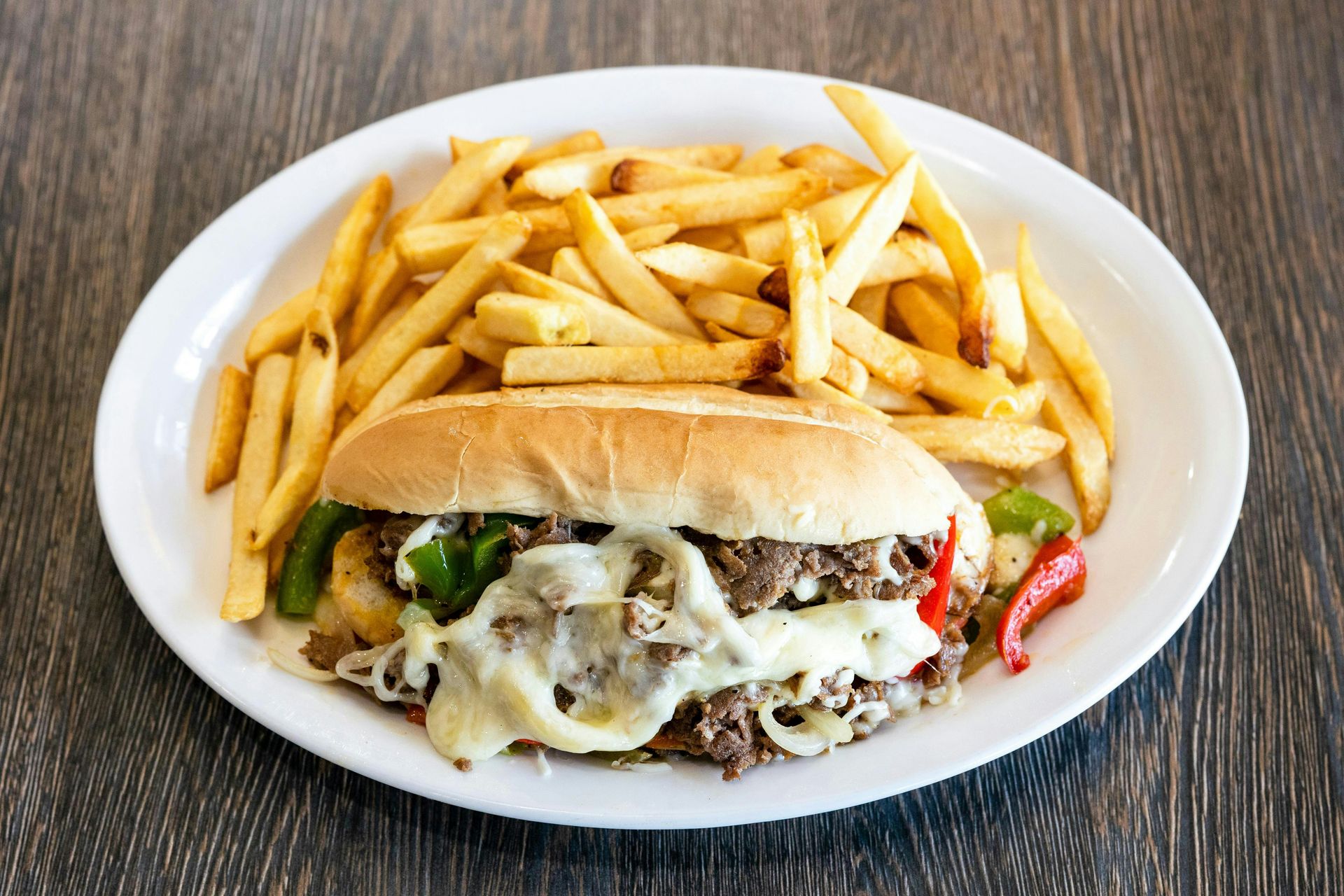
Philadelphia’s cheesesteak is one of the great unsettled arguments in American food, and the simplicity of the ingredient list, thinly shaved steak, a hoagie roll, and the choice of Cheese Whiz, American, or provolone, is precisely what makes the debate so durable. When a dish has three primary ingredients, every element becomes a matter of strong opinion, and Philadelphia has been generating those opinions in concentrated form since the sandwich’s invention in the early 20th century. The roll must be Amoroso’s or a comparable Philadelphia-baked hoagie roll, whose crust and crumb give it the right balance of chew and structural integrity for the meat and cheese.
Pat’s King of Steaks and Geno’s Steaks have faced off across the same South Philly intersection for decades, each claiming the original and best version, and each attracting loyalists who have decided the debate in their own favor. The ritual of ordering correctly at Pat’s, which requires specifying your cheese before the meat, is a social performance that regulars enforce on first-timers with cheerful severity. Getting the order wrong at the window is a rite of passage that the city uses to separate the initiated from the visitors.
Dalessandro’s, operating since 1960, offers a version that many serious eaters consider the best in the city, with a meat-to-roll ratio and a fattier, more heavily marbled cut of ribeye that produces a richer result than the leaner shaved beef at the tourist-famous spots. Del Rossi’s represents the newer creative approach, adding chipotle sauce to the classic structure. The source’s recommendation to conduct personal research reflects the honest truth about the cheesesteak debate: the only version that settles it for any individual is the one they prefer after eating enough of them in Philadelphia to have a position worth holding. Dedicating a full day in South Philly to the sandwich, beginning with Pat’s and Geno’s before moving to Dalessandro’s, gives the research the geographic and comparative depth the debate’s complexity requires.
9. Maryland crab cake at Faidley Seafood uses mostly crab
Credit: Faidley Seafood
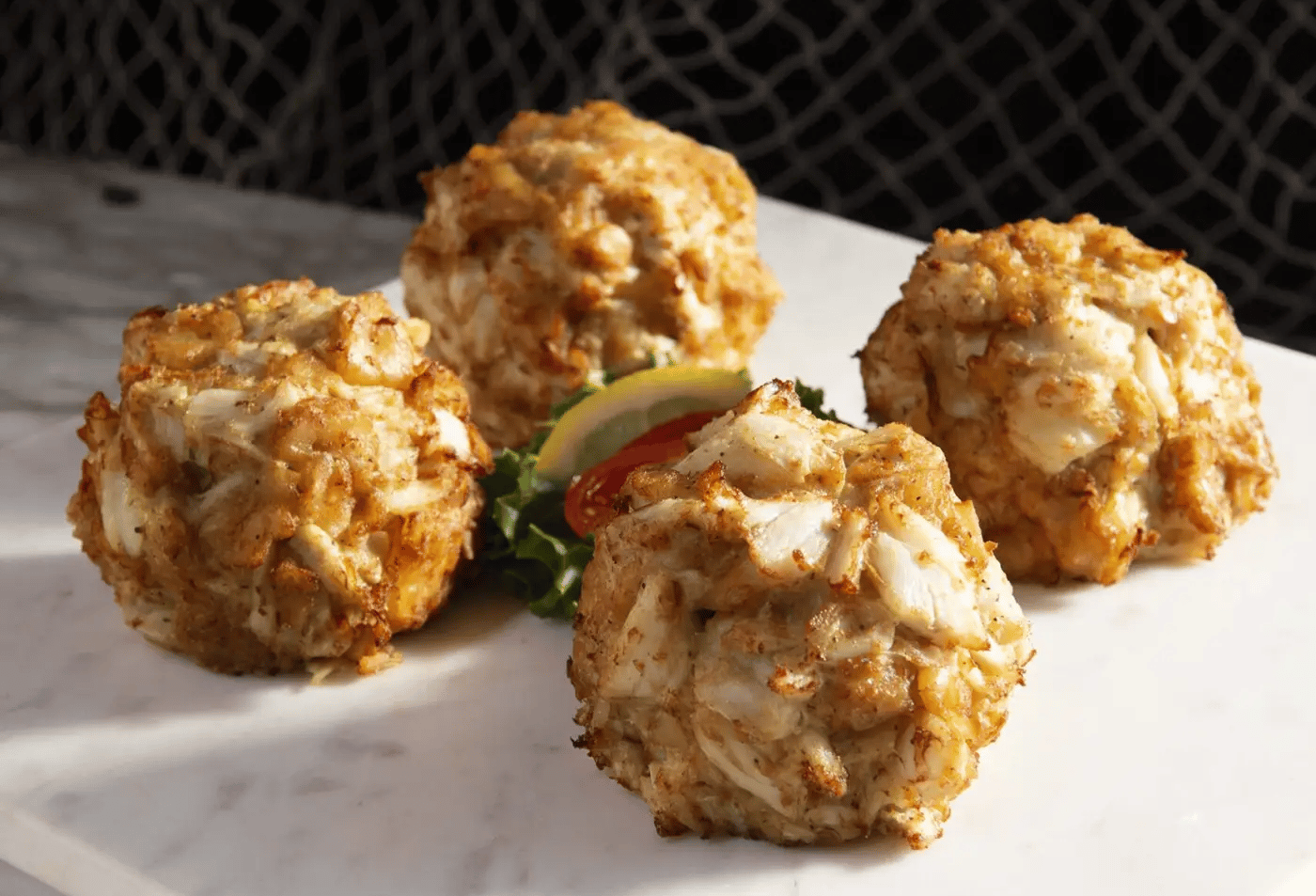
Maryland takes blue crab seriously, and the crab cake is its most direct culinary expression: mostly crab, bound together with just enough filler to hold the cake’s shape and nothing more. In Baltimore, the orthodoxy is minimal breadcrumbs, Old Bay seasoning in moderate quantity, and a light hand with every other ingredient. The restraint is the point. A crab cake in which the crab is the dominant presence is a different dish from one in which breadcrumbs and mayonnaise have diluted the crab to a cameo role in its own preparation, and Maryland’s crab cake tradition is built on the conviction that the former version is worth the higher cost of more crab per cake.
Faidley Seafood in Baltimore’s Lexington Market has set the standard since 1886 and is the first stop on any serious crab cake pilgrimage to the city. The cakes are jumbo lump blue crab with enough binding to hold together through frying and plating, cooked until crispy on the exterior and dense with sweet crab on the inside. The cooking method, broiling or pan-frying, is another variable that devotees debate, but Faidley’s baked version produces the crispy exterior without the oil absorption that deep-frying introduces.
The Chesapeake Bay blue crab’s specific flavor, sweeter and more delicate than Dungeness or stone crab, is what makes the Maryland crab cake a regional dish worth traveling for. The same crab cake made with substitute crab from outside the bay produces a result that the Maryland crab cake devotee recognizes immediately as a different dish in the same form. The blue crab’s availability is seasonal, with the peak harvest running from May through October, which gives spring and summer visitors the best access to the fresh crab that Faidley’s and other serious Baltimore crab houses use without substitution. The Lexington Market that surrounds Faidley’s has operated in various forms since 1782, which gives the crab cake visit a historical setting appropriate to a dish whose institutional seriousness is reflected in Faidley’s 1886 founding date.
10. New Mexico’s green chile burger depends on Hatch chiles
Credit: New Mexico Tourism Department
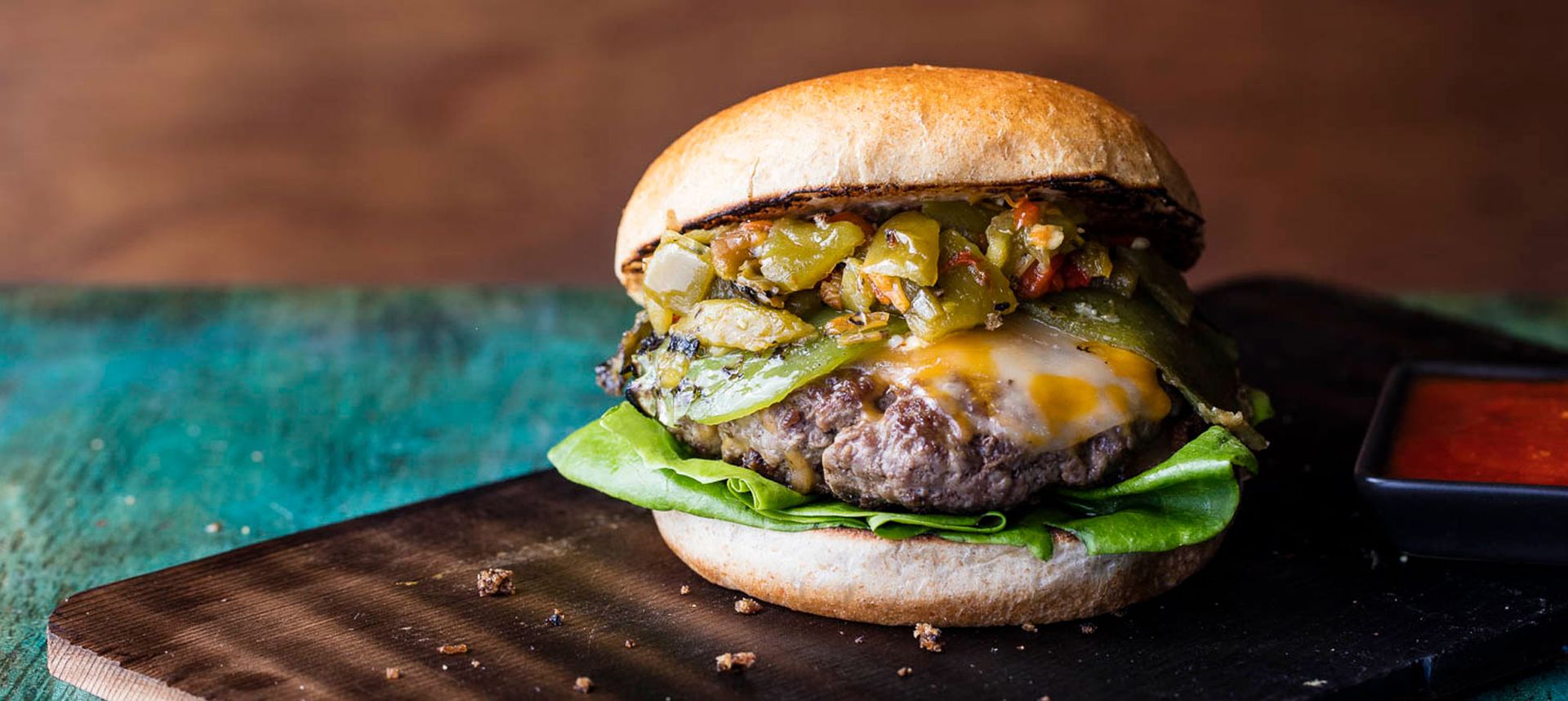
New Mexico’s green chile cheeseburger is built around a single defining ingredient: Hatch green chiles, grown in the Hatch Valley of southern New Mexico and harvested in the late-summer season when the pods reach their peak flavor and heat. The region’s high desert altitude, intense sunlight, and Rio Grande alluvial soil mineral content give the pepper a flavor profile that the same chile variety grown elsewhere does not replicate: smoky, slightly sweet, and capable of ranging from mild to deeply spicy depending on growing conditions and harvest timing.
The chile’s presence on the burger is not merely a topping addition. Roasted Hatch green chiles layered over a well-seared, juicy beef patty, with soft melted cheese between them, create a flavor integration in which the smokiness of the roasted chile and the char of the meat reinforce each other. The heat of the chile cuts through the richness of the beef and cheese in a way that other chile varieties, which lack the same smoke-and-sweetness balance, do not achieve with the same precision. The dish took shape in mid-20th-century roadside diners and drive-ins, where fresh local chiles added to burgers already on the grill produced a regional staple specific to New Mexico’s agricultural calendar.
Blake’s Lotaburger is the classic introduction to the green chile cheeseburger for visitors new to the dish: the chain is specific to New Mexico and the surrounding region, and its version of the burger uses fresh-roasted Hatch chiles with the straightforwardness that makes it the appropriate reference point for understanding what the dish is before exploring more idiosyncratic versions. The Owl Bar and Cafe in San Antonio, New Mexico, a small town in the Hatch Valley itself, has earned a cult following among dedicated green chile cheeseburger travelers who make the drive specifically for the proximity to the chile’s source. Late August and September, when the fresh Hatch chile harvest is at its peak, and the roadside roasting operations throughout New Mexico fill the air with the smell of roasting chiles, is the best time to make the drive.