From a Kia Telluride with eight seats and 87 cubic feet of cargo to a Mazda CX-90 PHEV with the top performance scores
Credit: BMW
All-wheel drive is one of the most requested features in new vehicles, and the demand makes sense. Front-wheel drive and rear-wheel drive each have a designated axle doing all the work of converting engine power into forward motion, which creates situations where traction runs out before grip arrives: on wet pavement, on ice, on snow, or in the mud. All-wheel drive distributes power to all four wheels, allowing each wheel to contribute. The additional grip that results changes the everyday driving experience in anything but ideal conditions, and for families who commute through northern winters or occasionally venture off the main road, AWD changes the practicality calculus of which SUV makes sense.
SUVs are by far the most popular vehicle type in the U.S., and most SUV buyers prioritize practical family utility over pure driving performance. All-wheel drive reinforces that utility by addressing the conditions that matter most to families: school runs in early winter, weekend trips to ski resorts, and highway driving in heavy rain. The upgrade is not free, and it typically costs a few miles per gallon in fuel economy relative to two-wheel-drive versions of the same vehicle. For buyers who regularly encounter challenging road conditions, that trade-off is straightforward.
The 10 SUVs below come from U.S. News & World Report, which ranked AWD SUVs using U.S. News Ratings on a 10-point scale alongside performance scores that measure handling capability. Vehicles appear from highest to lowest rating, with performance score as the tiebreaker when ratings are equal. Every model on the full list achieves a rating of at least 9.0. The selection spans subcompact, compact, and midsize SUVs across conventional gasoline, hybrid, plug-in hybrid, and electric powertrains — a range that reflects how widely AWD is available across body styles and drivetrain types.
Credit: Kia
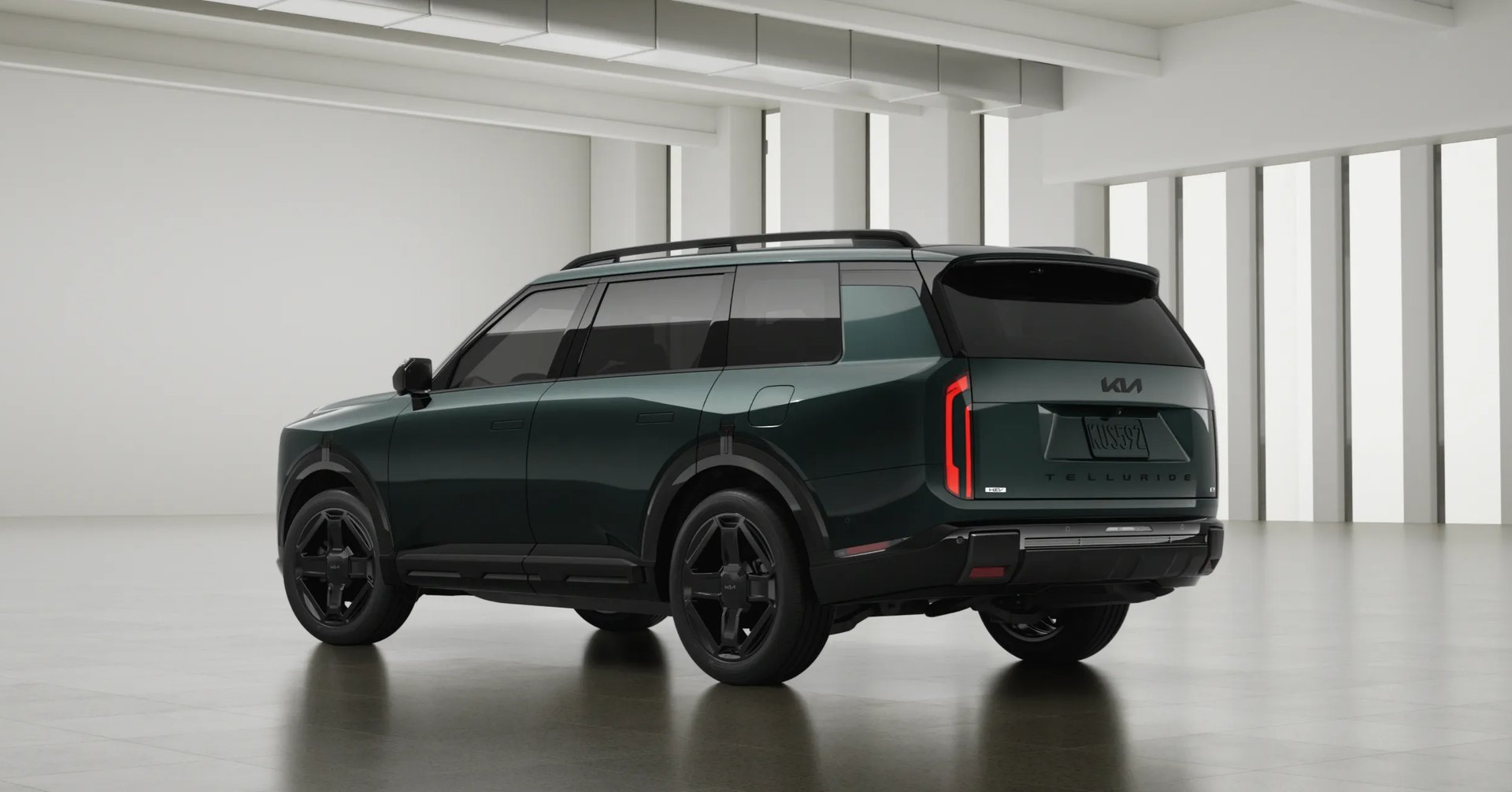
The 2025 Kia Telluride earns the top U.S. News Rating of 9.5 out of 10 on this list, backed by a performance score of 7.5 out of 10, and sits at the head of the large midsize SUV class that the source describes as highly competitive. The Telluride wins the 2025 Best 3-Row SUV for the Money and the 2025 Best 3-Row SUV for Families awards, giving it the most award recognition of any vehicle on this list. The cabin accommodates eight occupants and provides 87 cubic feet of cargo space behind the front seats, figures that establish the Telluride as the most spacious vehicle on this list by a meaningful margin.
The cabin’s premium styling gives the Telluride an interior character that the source describes as spacious and well-appointed. Passengers in all three rows ride in adult-sized seats, a claim that most three-row SUVs cannot make for the rearmost positions. A genuine eight-seat layout and 87 cubic feet of cargo space give the Telluride a practical ceiling that genuinely functions for large families, sports teams, and any other use case that requires moving multiple adults and significant gear in a single trip.
All-wheel drive is standard on the top trim level and available as an option on all other configurations. The availability across the trim ladder gives buyers who want the Telluride’s award-winning practicality and the AWD traction upgrade the flexibility to reach the configuration they want. The Telluride’s consistent performance across the “best of” categories, the source tracks — money value, family suitability, and now AWD — reflects a vehicle that the source characterizes as capable of doing nearly everything well, which gives it a broader appeal than vehicles that excel in one category while making significant compromises in others. The Telluride’s consistent presence across multiple best-of rankings reflects a design that addresses the full range of what family SUV buyers evaluate, from seating to cargo to value to AWD capability.
Credit: Hyundai
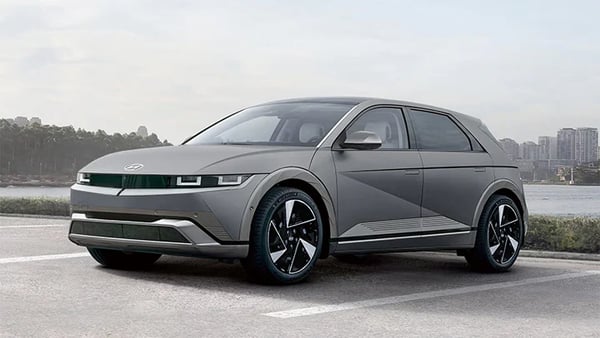
The 2026 Hyundai Ioniq 5 has a U.S. News Rating of 9.4 out of 10 and a performance score of 8.3, the highest among non-PHEV models on this list. Hyundai lowered the Ioniq 5’s trim prices by up to a substantial amount for 2026, making it more accessible across the lineup while adding a Tesla $TSLA-style NACS charging port to the performance-oriented Ioniq 5 N model. The broader NACS port compatibility gives Ioniq 5 N owners access to the Tesla Supercharger network, significantly expanding charging options.
The AWD configuration of the Ioniq 5 delivers 290 miles of range, a competitive figure for a compact electric SUV. The rear-wheel-drive version extends range to 318 miles, clearly establishing the AWD trade-off: buyers gain traction at the cost of about 28 miles of range per charge. The standard driver-assistance suite is comprehensive, covering forward and side collision warning, blind-spot monitoring, rear cross-traffic alert, and front and rear parking sensors without requiring an upgrade.
The Ioniq 5’s cabin prioritizes occupant comfort, with the source describing the seats as well-suited for long drives. The interior space accommodates passengers without the cabin-size constraints common in compact electric vehicles, where battery packaging can reduce available space. The Ioniq 5’s positioning on this list with the second-highest overall rating and the highest performance score among conventional-drivetrain models reflects a vehicle that succeeds across both the performance dimension — where the electric powertrain’s immediate torque and the high performance score are consistent — and the practical dimension of range, space, and everyday usability. The Ioniq 5’s 2026 price reduction also makes it a more competitive option relative to the growing field of AWD electric SUVs that have entered the market since the Ioniq 5 launched, reinforcing its value case in a segment where competitive pressure and consumer familiarity with electric vehicles have increased substantially.
Credit: Hyundai
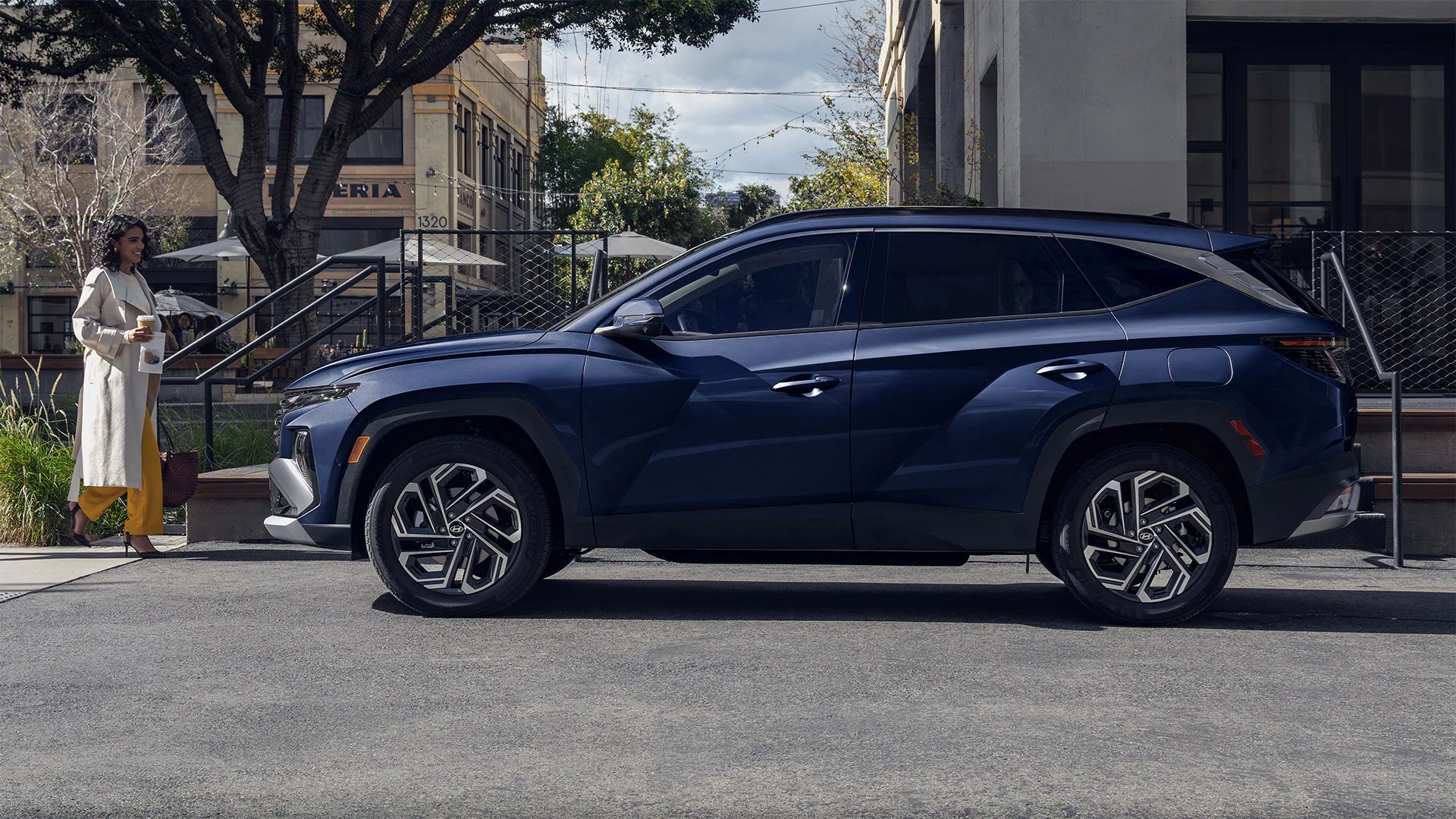
The 2026 Hyundai Tucson Hybrid earns a U.S. News Rating of 9.4 out of 10 and a performance score of 8.0, making it the highest-rated hybrid SUV on this list, tied with the Ioniq 5 in overall score. The 2025 model year brought a comprehensive interior and exterior refresh, and the 2026 update introduces a new base trim that lowers the Tucson Hybrid’s entry point. The new base trim requires accepting the removal of previously standard features, including heated front seats and a hands-free power liftgate. Buyers considering the base configuration should carefully evaluate those trade-offs.
The driving experience is a consistent strength. The source describes the Tucson Hybrid’s acceleration as lively, a characterization that distinguishes it from hybrid SUVs that prioritize efficiency to the point that the powertrain feels sluggish during merging and passing. The source describes the cabin quality as high, giving occupants a premium environment that the trim level and segment positioning might not lead buyers to expect.
Standard equipment includes a 12.3-inch touchscreen, wireless Apple $AAPL CarPlay and Android Auto, a six-speaker stereo, and four USB ports. The six-speaker stereo and the four USB ports — more ports than some competitors offer at the base level — reflect an attention to practical everyday needs over showcase technology. The source notes that the Tucson Hybrid’s fuel economy, while improved over the gas-only version, does not lead the rival hybrid segment, which is the primary competitive limitation to flag for efficiency-first buyers. Buyers who want Hyundai’s hybrid SUV with the most complete cabin experience will find stepping up from the new base trim the most defensible approach, given the features it restores. The Tucson Hybrid’s award-winning 9.4 rating and its fuel-economy credentials give it a strong overall case as a compact hybrid AWD SUV, regardless of which configuration a buyer ultimately selects from the updated 2026 lineup.
Credit: Kia
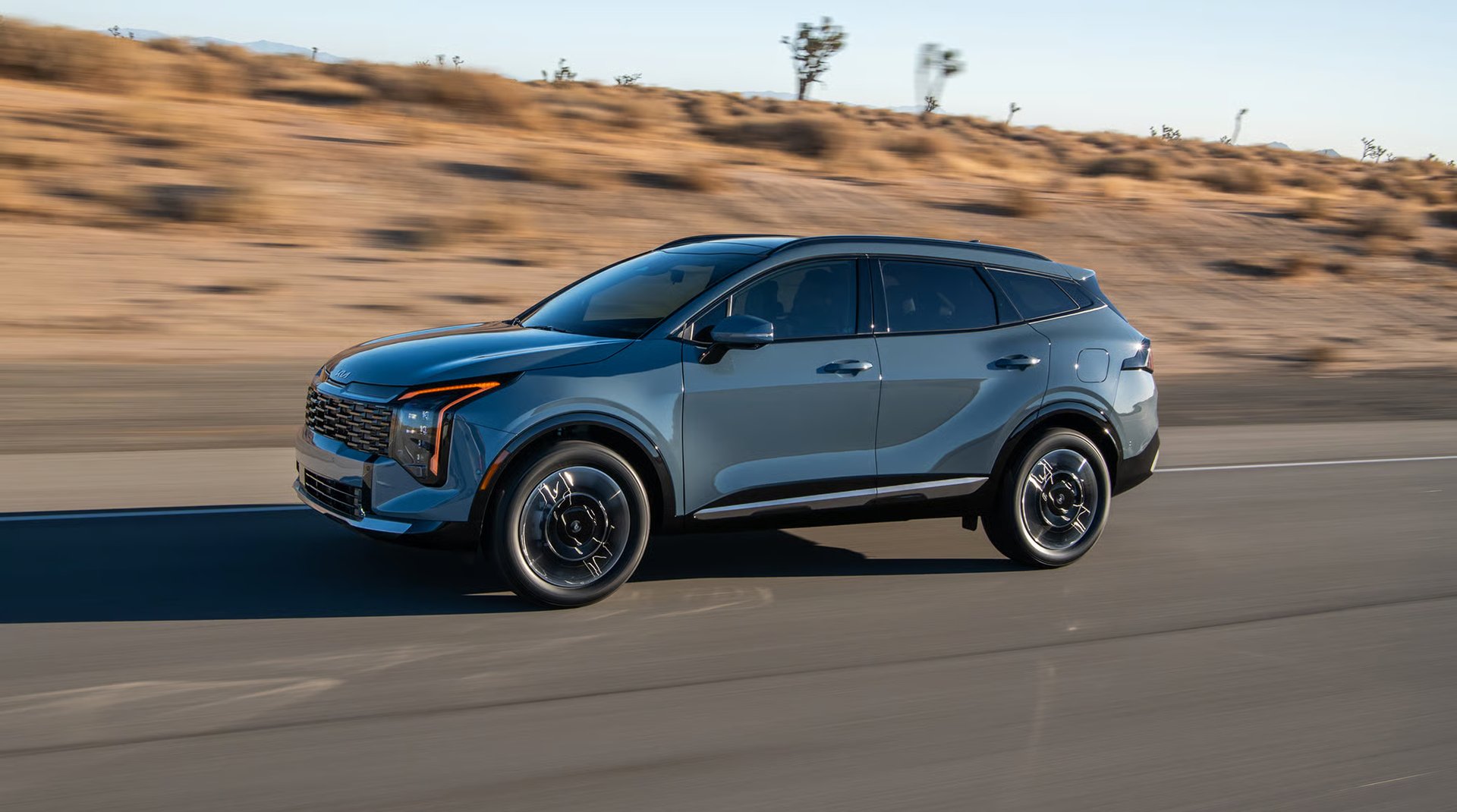
The 2026 Kia Sportage Hybrid earns a U.S. News Rating of 9.3 out of 10 and a performance score of 7.6, supported by a 2026 refresh that updated the grille, headlights, bumpers, wheels, dashboard, and steering wheel while also increasing output slightly. The refresh gives the 2026 Sportage Hybrid both a fresher exterior and improved performance numbers, which the source credits alongside the vehicle’s gentle ride and roomy cabin as the factors behind its 2026 Best Hybrid SUV for the Money award. The source also named it a finalist for the 2026 Best Compact Hybrid SUV for Families award.
All-wheel drive is standard on every Sportage Hybrid trim except the base configuration. The AWD-standard approach on most trims means buyers who want all four wheels engaged by default can get that without paying an upgrade fee on the majority of the lineup. The trade-off the source identifies is that adding AWD reduces fuel economy figures relative to the front-wheel-drive configuration. The efficiency penalty is a standard feature shared by the Sportage Hybrid and competitors.
Standard features across the AWD-equipped trims include wireless smartphone integration, dual-zone automatic climate control, a leather-wrapped steering wheel, and forward automatic emergency braking. The automatic emergency braking system, as standard equipment, gives the Sportage Hybrid a safety baseline that adds value to the budget case the money award recognizes. The Sportage Hybrid’s award recognition, the 2026 refresh’s visual and performance improvements, the standard AWD availability across most trims, and the competitive pricing that drives the value award together position it as the most compelling compact hybrid AWD SUV on this list for buyers who want the hybrid efficiency story without sacrificing AWD capability. The 2026 refresh’s improvements across the exterior and interior also give buyers a vehicle that looks current alongside its award-winning value credentials. The Sportage Hybrid’s consistent award recognition across value and family categories makes it one of the most decorated compact hybrid SUVs in the segment for 2026.
Credit: Mazda
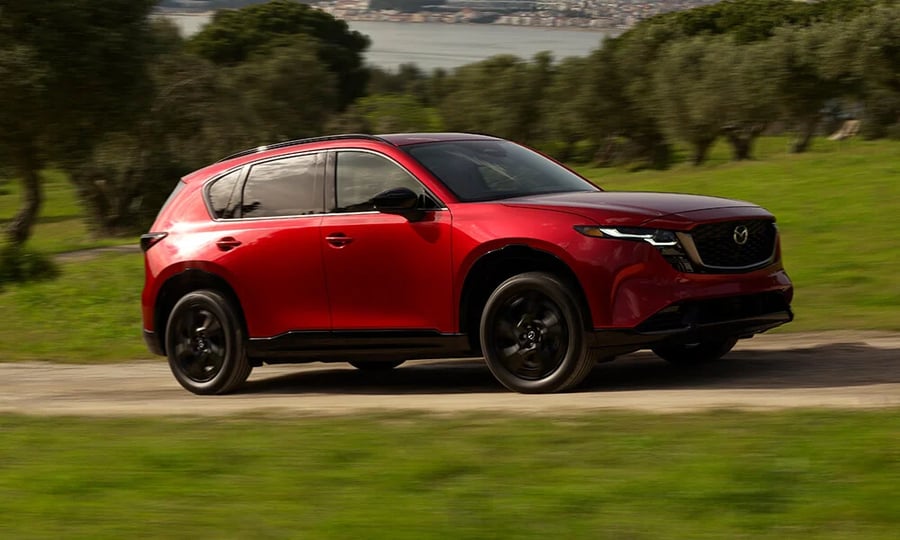
The 2026 Mazda CX-5 arrives as a complete redesign, carrying a U.S. News Rating of 9.3 out of 10 and a performance score of 7.4. The redesign gives the CX-5 an updated exterior, a larger interior, and a new touchscreen infotainment system that replaces the previous generation’s rotary command dial with a direct-touch interface. All-wheel drive is standard across the CX-5 lineup, making every configuration an AWD vehicle regardless of trim or budget, a policy that removes the traction upgrade calculation from the buying decision entirely.
The handling character is a consistent CX-5 strength that the 2026 redesign preserves. The source describes the driving experience as bringing a level of engagement to daily commuting that most competitors in the compact SUV segment do not match. The source describes the interior quality as near-luxury, offering occupants materials and finishes that the CX-5’s competitive price would not always predict.
The 2026 CX-5 has two limitations worth noting. Cargo capacity still lags rivals despite the interior expansion, which matters for buyers who need to carry significant gear. The powertrain remains a naturally aspirated 2.5-liter four-cylinder, with no turbocharged or hybrid options, meaning buyers who want either more performance or more efficiency will need to look at other models. The standard features list includes a 12.9-inch touchscreen, Apple $AAPL CarPlay, Android Auto, dual-zone automatic climate control, and rain-sensing windshield wipers. The 2026 CX-5’s full redesign, universally standard AWD, near-luxury interior quality, and engaging handling together give it the strongest value proposition for buyers who prioritize the driving experience in the compact AWD SUV segment. The standard AWD policy and the near-luxury interior together address the two dimensions — traction capability and material quality — that most compact SUV buyers trade off against each other, and the CX-5 resolves both without requiring an upgrade across any trim level. The 2026 redesign also eliminates the command dial interface that some buyers found less intuitive than direct touchscreen control.
Credit: Hyundai
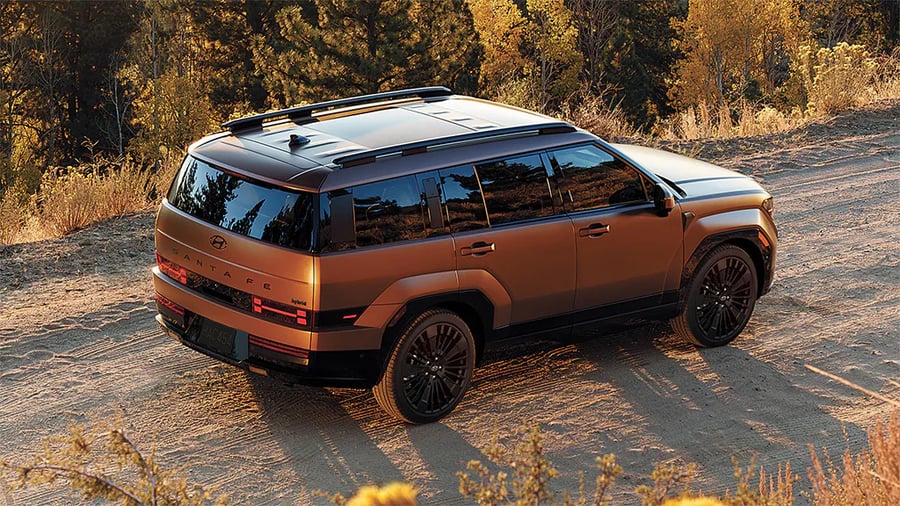
The 2026 Hyundai Santa Fe earns a U.S. News Rating of 9.3 out of 10 and a performance score of 7.3, and represents the midsize option on this list that the source positions as a top choice for family duty. The exterior design takes a deliberately boxy approach that the source describes as stylish and premium-looking, a visual identity that distinguishes the Santa Fe from the rounded crossover aesthetic that most competitors share. The interior carries an upscale character with ample cargo space that matches the premium exterior impression.
The Santa Fe seats up to seven occupants, with the third row representing the expected space limitation of a midsize seven-seat layout. The source flags the third row as limited in space, a characteristic common to midsize three-row SUVs of this size. Buyers who plan to use the third row regularly for adults should note this limitation. The first two rows provide the generous space and upscale appointments that make the Santa Fe a comfortable daily vehicle for a smaller family.
All-wheel drive is available as an upgrade across most trim levels. The standard features list includes a 12.3-inch touchscreen, wireless Apple $AAPL CarPlay and Android Auto, satellite radio, and a hands-free power liftgate. The Santa Fe retains the hands-free liftgate across its lineup, unlike the Tucson Hybrid’s new base trim, which removed it to reduce costs. The Santa Fe’s positioning as a top midsize family SUV with boxy premium styling, seven-seat capacity, and the standard hands-free liftgate gives it a practical utility and visual character that the other midsize options on this list do not replicate in the same form. The Santa Fe’s boxy styling and the hands-free liftgate, standard equipment, also distinguish its feature-value proposition from the Tucson and Tucson Hybrid, both of which are smaller and more compact in overall footprint and do not offer the same boxy visual identity that defines the Santa Fe’s distinctive presence.
Credit: Hyundai
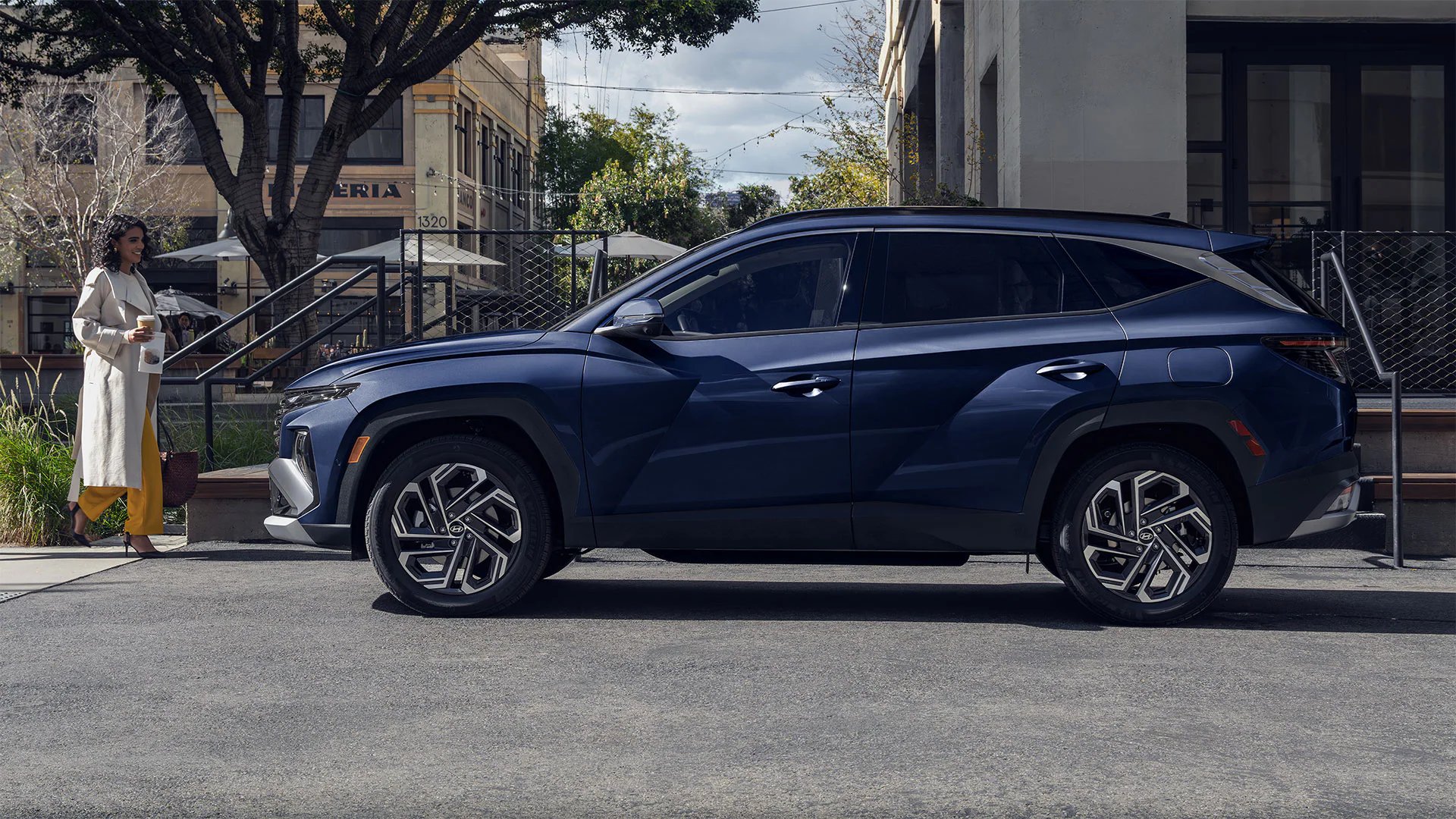
The 2026 Hyundai Tucson earns a U.S. News Rating of 9.3 out of 10 and a performance score of 6.6 — the lowest performance score of the 9.3-rated vehicles on this list, a difference that reflects the Tucson’s calibration toward ride comfort over driving engagement. The source describes the ride as smooth and the cabin as spacious, characteristics that underpin both of the Tucson’s 2026 award wins: Best Compact SUV for the Money and Best Compact SUV for Families. The dual award recognition on two distinct evaluation dimensions — value and family suitability — is unique to Tucson among compact SUVs on this list.
All-wheel drive is available as an upgrade on every Tucson trim. The source does not identify a trim where AWD is standard, so all AWD buyers must factor the upgrade cost into their planning, regardless of which trim level they choose. The flat AWD pricing approach simplifies that calculation.
The standard feature list is comprehensive across the Tucson lineup. All configurations include wireless smartphone integration, driver-attention monitoring, blind-spot monitoring, and rear cross-traffic alert. Driver-attention monitoring — which tracks signs of driver fatigue or inattention — is a safety feature that some competitors offer only at higher trim levels or as a paid option, and its presence as standard equipment on every Tucson reinforces the family-safety story that both awards affirm. The Tucson’s smooth ride, spacious cabin, dual award status, and comprehensive standard safety equipment give it the strongest value and family case of any compact SUV on this list for buyers whose priorities center on everyday usability and predictable AWD upgrade economics. Tucson’s driver-attention monitoring standard across all trims also addresses a safety priority that many families with new or teenage drivers will find particularly relevant, and its presence at the base level reinforces the family-safety positioning recognized by the Best Compact SUV for Families award.
Credit: Genesis
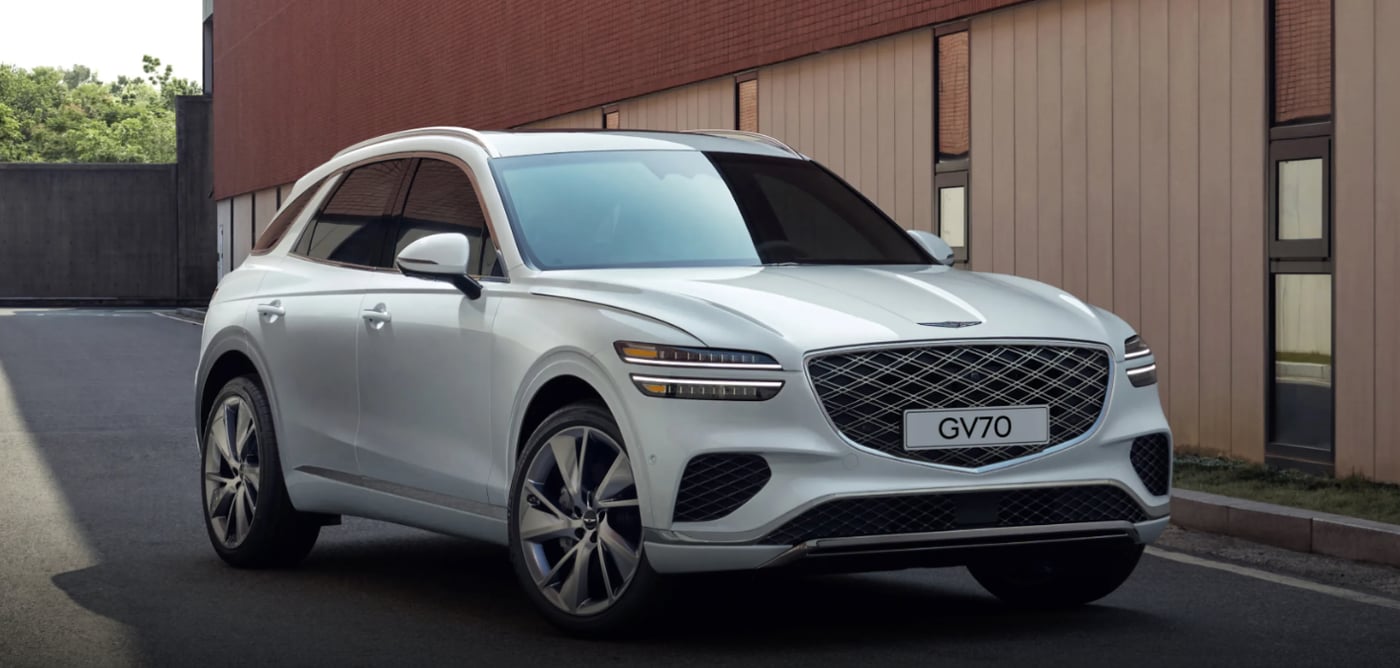
The 2026 Genesis GV70 earns a U.S. News Rating of 9.2 out of 10 and a performance score of 8.1, the highest score among the 9.2-rated models on this list, and comes with all-wheel drive standard across every configuration without exception. The 2026 model brings exterior restyling that updates the grille, headlights, exhaust tip design, and wheel options, and the cabin gains a new 27-inch widescreen display, positioning the GV70’s interior technology at a current standard relative to luxury compact SUV competitors. The updated exterior and the new display give the 2026 GV70 a refreshed visual presence inside and out.
The driving dynamics balance a comfortable ride with genuinely engaging performance. The source describes the powertrain options — both gasoline variants — as capable of brisk acceleration from a standstill, and the overall driving character gives the GV70 a dynamic quality that most luxury compact SUVs at its price level either sacrifice for ride quality or simply do not prioritize. The performance score of 8.1 is the highest among the 9.2-rated vehicles on this list and reflects the handling capability the source identifies.
Every GV70 comes standard with heated front seats, wireless smartphone integration, and a nine-speaker audio system. The standard heated seats across the lineup — including the base configuration — reflect Genesis’s approach to standard equipment, prioritizing comfort without requiring buyers to upgrade to access commonly expected features. The standard AWD policy eliminates the need for a traction upgrade decision for GV70 buyers. The GV70’s luxury design character, the updated 2026 exterior and interior technology, and the strongest performance score among the 9.2-rated vehicles together make it the most driver-focused luxury compact option on this list. The standard heated seats and nine-speaker audio system across all GV70 configurations also ensure that buyers who choose the base trim do not sacrifice the comfort equipment that defines the luxury SUV ownership experience.
Credit: BMW
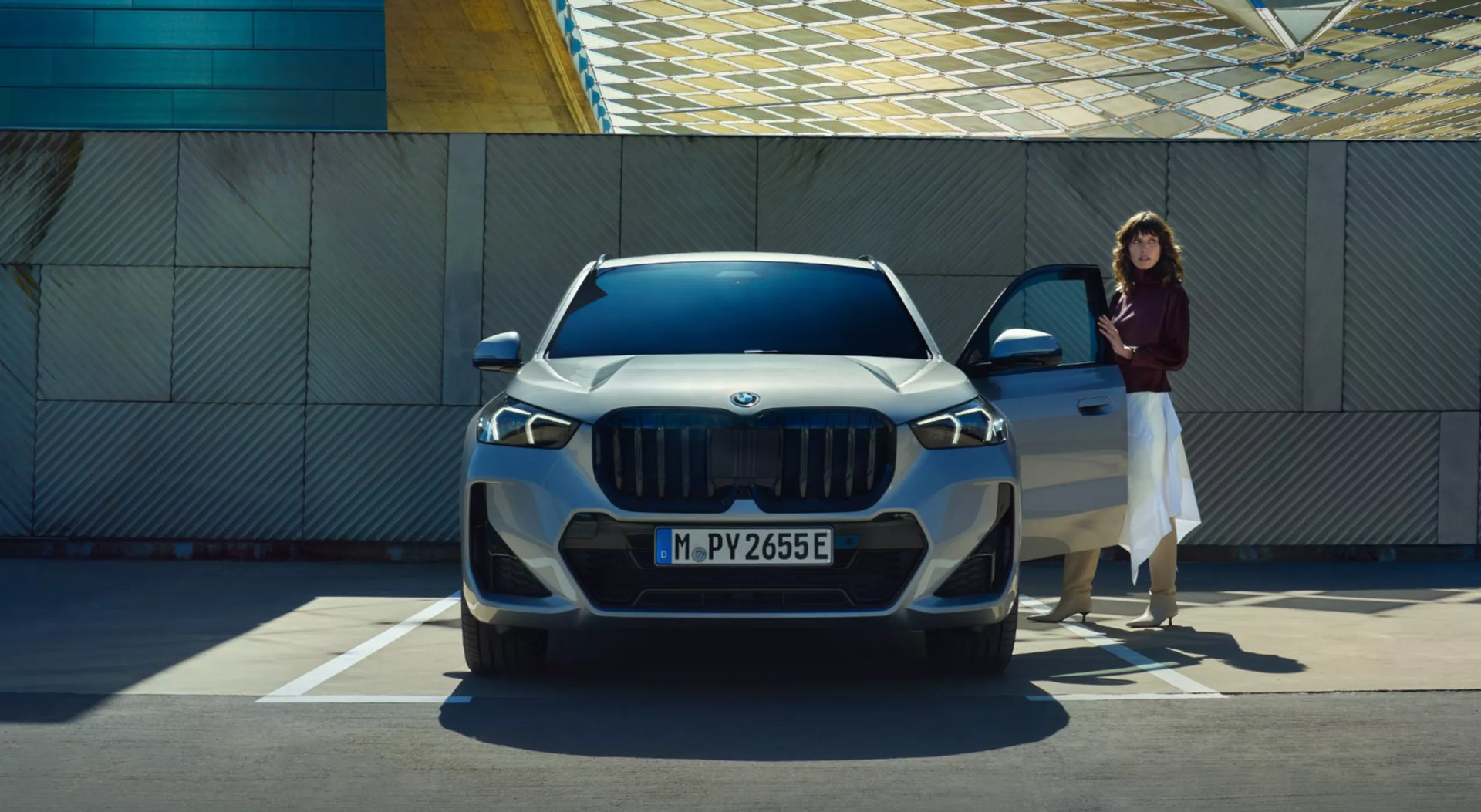
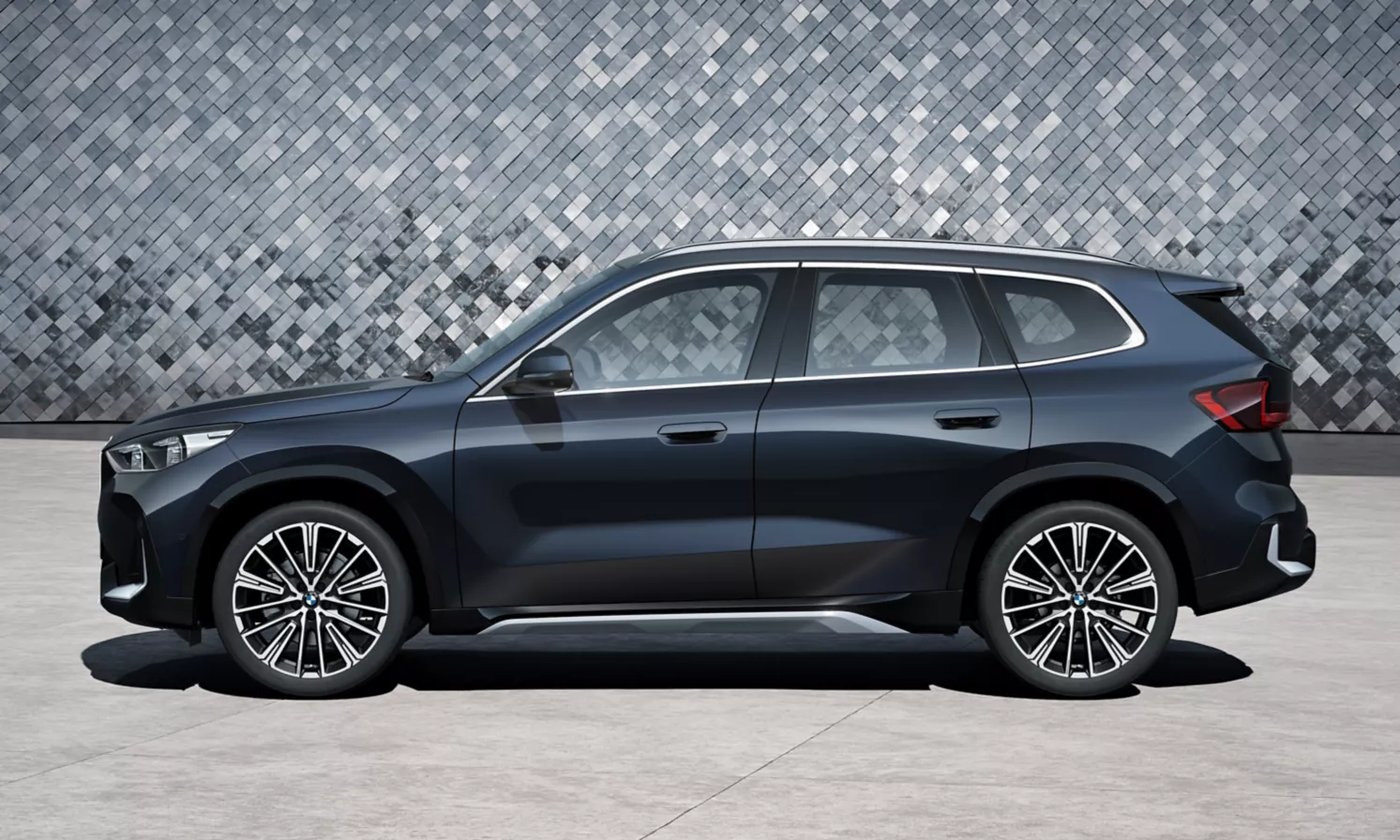
The 2025 BMW X1 earns a U.S. News Rating of 9.2 out of 10 and a performance score of 7.9, and represents the luxury subcompact category on this list as one of the segment’s top performers. All-wheel drive is standard on the X1, which BMW equips uniformly, treating AWD as a standard feature across the lineup. The source describes the X1 as occupying the premium tier of the luxury subcompact SUV market, with a cabin characterized by stylish design and high-quality construction.
The fuel economy credentials are the X1’s most distinctive quantitative advantage on this list: the source reports up to 24 mpg in city driving and 33 mpg on the highway. No other vehicle on this list achieves 33 mpg highway in its AWD configuration, making the X1 the most fuel-efficient AWD SUV here by a clear margin. The turbocharged engine that enables this efficiency introduces some turbo lag — a delay between pressing the accelerator and the full power response — that the source flags as a limitation to the otherwise solid power and nimble handling.
Standard features include all-wheel drive, heated front seats, lane-keep assist, and front and rear parking sensors. The standard lane-keep assist and the standard heated seats reinforce the X1’s value proposition for buyers who would otherwise need to pay for these features as options in competing luxury subcompact SUVs. Standard AWD, the class-leading 33 mpg highway figure, the luxury subcompact positioning, and the nimble handling character together give the X1 the strongest fuel-economy argument of any all-wheel-drive SUV on this list for buyers who want premium-brand quality with meaningful day-to-day efficiency. The X1’s fuel-economy leadership on this list is particularly relevant for buyers whose daily driving involves stop-and-go traffic in urban environments, where the 24 mpg city figure means the efficiency advantage extends beyond highway cruising.
Credit: Mazda
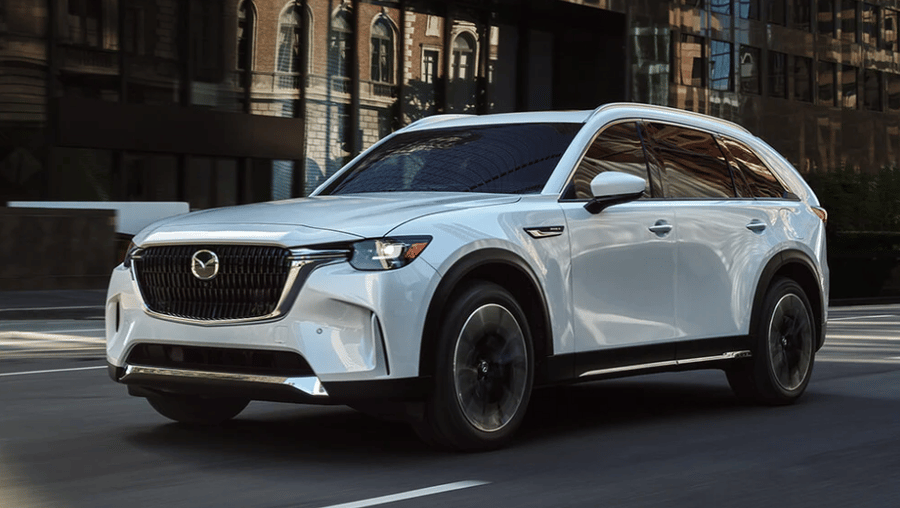
The 2026 Mazda CX-90 PHEV carries a U.S. News Rating of 9.1 out of 10 and a performance score of 8.9, the highest performance score on this list, including vehicles with higher overall ratings. The source cites the CX-90 PHEV’s handling and agility as exceptional for a three-row SUV, giving it a dynamic character that typically disappears when manufacturers prioritize the ride quality and cargo capacity that three-row buyers expect. All-wheel drive is standard across the CX-90 PHEV lineup, and the plug-in hybrid powertrain provides 27 miles of all-electric driving range for everyday commutes.
The source identifies two meaningful limitations. The CX-90 PHEV’s efficiency, despite the plug-in hybrid system, falls short of some competing plug-in hybrids' fuel economy figures. The charging infrastructure has an additional constraint: the CX-90 PHEV does not support DC fast charging, which means public rapid-charging stations are not an option. Drivers who rely on public charging networks for topping up will find the CX-90 PHEV more dependent on home charging than fast-charging-capable competitors.
The standard equipment list is among the most generous. Heated and ventilated eight-way power-adjustable front seats, a heated steering wheel, heated second-row seats, wireless device charging, tri-zone automatic climate control, and automatic high-beam headlights all come standard. The ventilated front seats and, in particular, the heated second-row seats reflect a comfort investment that most competitors at this price point reserve for higher trims. The CX-90 PHEV’s highest on-list performance score, standard AWD, the 27-mile EV range for daily driving, and the comprehensive standard comfort equipment give it the most compelling case for buyers who want a three-row SUV that genuinely handles well without surrendering the practicality and comfort that make three-row vehicles worth buying. The CX-90 PHEV’s standard AWD policy also ensures that buyers who prioritize the three-row layout for family use get AWD traction without a separate upgrade.
