
From Pacific Northwest tide pools to Hawaiian surf breaks and mid-Atlantic beaches where wild ponies roam, the best beaches in the US
rod m / Unsplash
From coast to coast, the beaches and lakeshores across the United States hold as much diversity as they do beauty. Alongside the popular, expected spots that deservedly draw a spotlight, plenty of less-crowded small-town gems offer the perfect setting for a relaxing, restorative beach day well away from the busiest crowds.
The selections that follow trace back to Lonely Planet’s Best Beaches book, a deep dive into 100 of the world’s most incredible shores. Busy shores where the party never stops sit alongside shallow waters and golden sands ideal for the whole family, and serene, romantic stretches of coastline reward travelers roaming solo or arm-in-arm along the same shoreline.
The 10 beaches below appear in Lonely Planet, covering the best beaches in the United States. They range from Pacific Northwest tide pools to Hawaiian surf breaks and mid-Atlantic wild pony habitats, offering beachgoers considerable variety in climate, activities and overall atmosphere. Several destinations also sit within protected parks or wildlife refuges, meaning access rules, seasonal hours and dog policies vary considerably from one beach to the next, so checking current regulations before arrival helps avoid an unwelcome surprise. Parking and amenities also range widely across this list, from beaches with full facilities and lifeguards to remote stretches reachable only by boat, giving travelers real range depending on how much infrastructure they actually want alongside the natural scenery. Timing a visit around the right season matters just as much as picking the right beach, since several destinations on this list reward specific windows of the year over any other stretch of the calendar, whether that means a rare seasonal light phenomenon, a distinctive wildlife migration pattern, a breeding season or simply a considerably quieter overall crowd well before peak summer season arrives in full force.
Karsten Winegeart / Unsplash
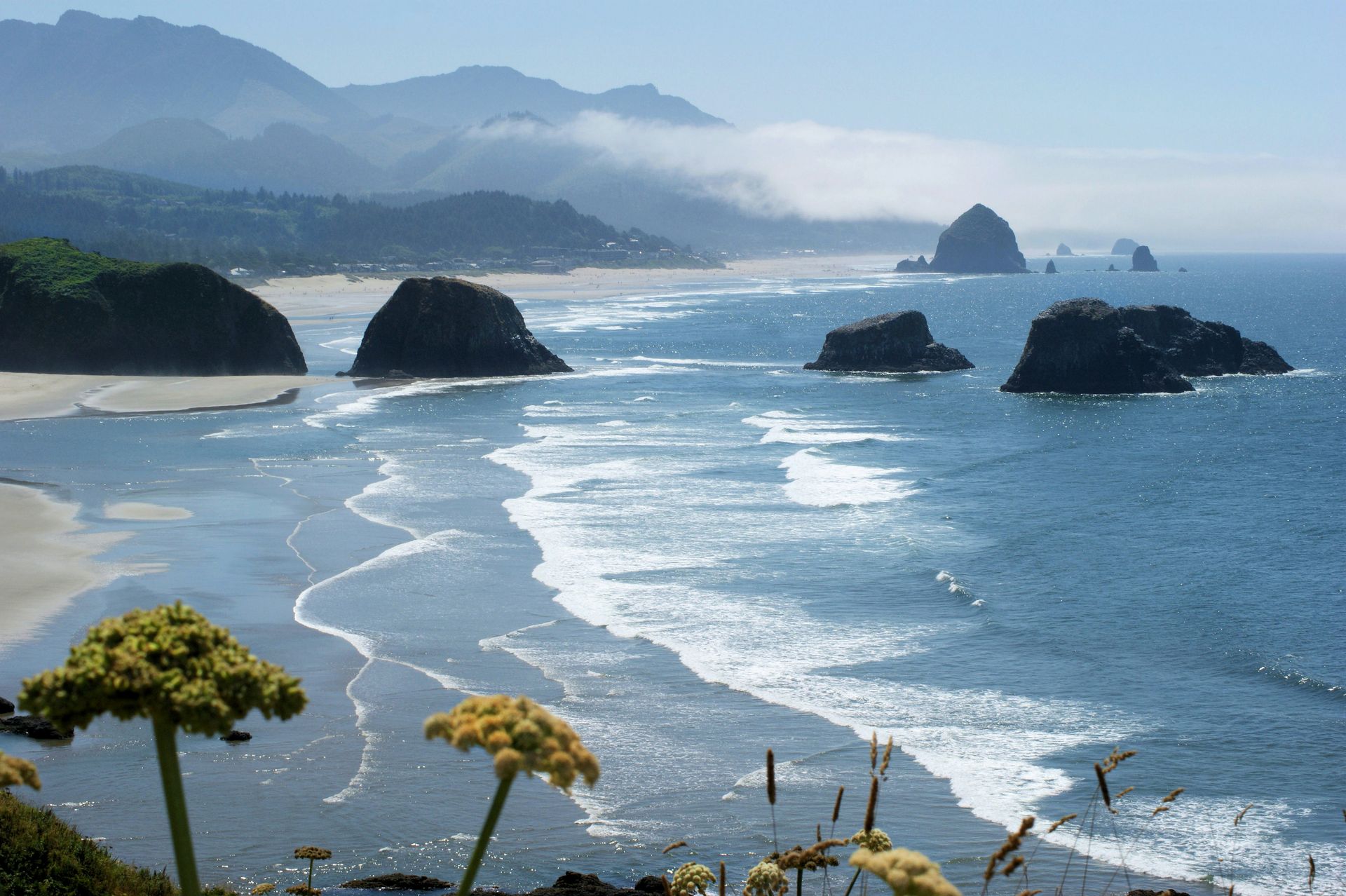
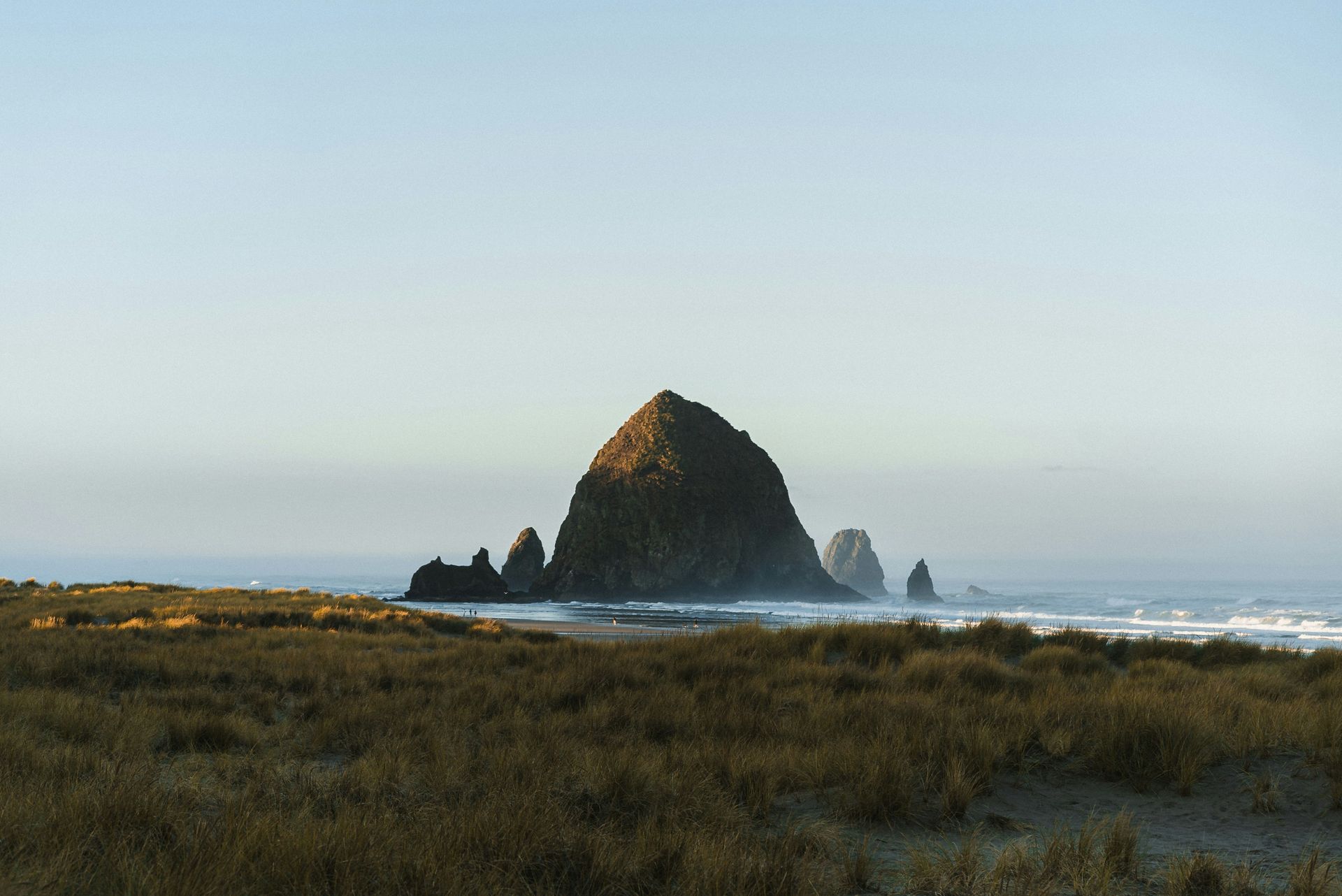
Haystack Rock has a genuine presence along Cannon Beach, a volcanic remnant formed over 17 million years of uplift and erosion that rises 235 feet above the sand. The basalt monolith would have been a familiar sight to the Clatsop and Chinook peoples and to the Lewis and Clark Expedition, which wintered nearby in 1805 and 1806, and today the formation draws beachgoers seeking wildlife encounters and considerable sunset views.
Sitting within the Oregon Islands National Wildlife Refuge along the northern Oregon coast, Haystack Rock functions as a sanctuary for tufted puffins, seals and sea lions. At low tide, beachcombers can walk to its base and explore tide pools holding sea stars and anemones, and gray whales and humpback whales migrate along this stretch of coast during winter and again in spring.
The Cannon Beach Sandcastle Contest, held each June, delivers a fittingly temporary spectacle, since every entry washes away within roughly five hours once high tide rolls back in. The beach sits about 25 miles south of Astoria, with several nearby parking lots and on-street parking in town, and dogs stay welcome throughout as long as they remain leashed.
Public restrooms are near the beach, and bars and restaurants cluster just a short walk away, giving visitors considerable convenience without leaving the immediate area for basic amenities. Federal protections covering the surrounding wildlife refuge restrict climbing on Haystack Rock itself, keeping the fragile nesting habitat undisturbed even as considerable numbers of visitors gather along the beach below each day. Visitors should bring binoculars for the best chance of spotting puffins nesting on the rock’s upper ledges during their brief spring and summer breeding season. Checking a current tide chart before arrival helps visitors time a walk out to the base of the rock properly. This small step avoids arriving at the wrong hour and missing the walkable window entirely. A short buffer before and after low tide gives the widest safe window for exploring the base.
Peggy Paulson / Unsplash
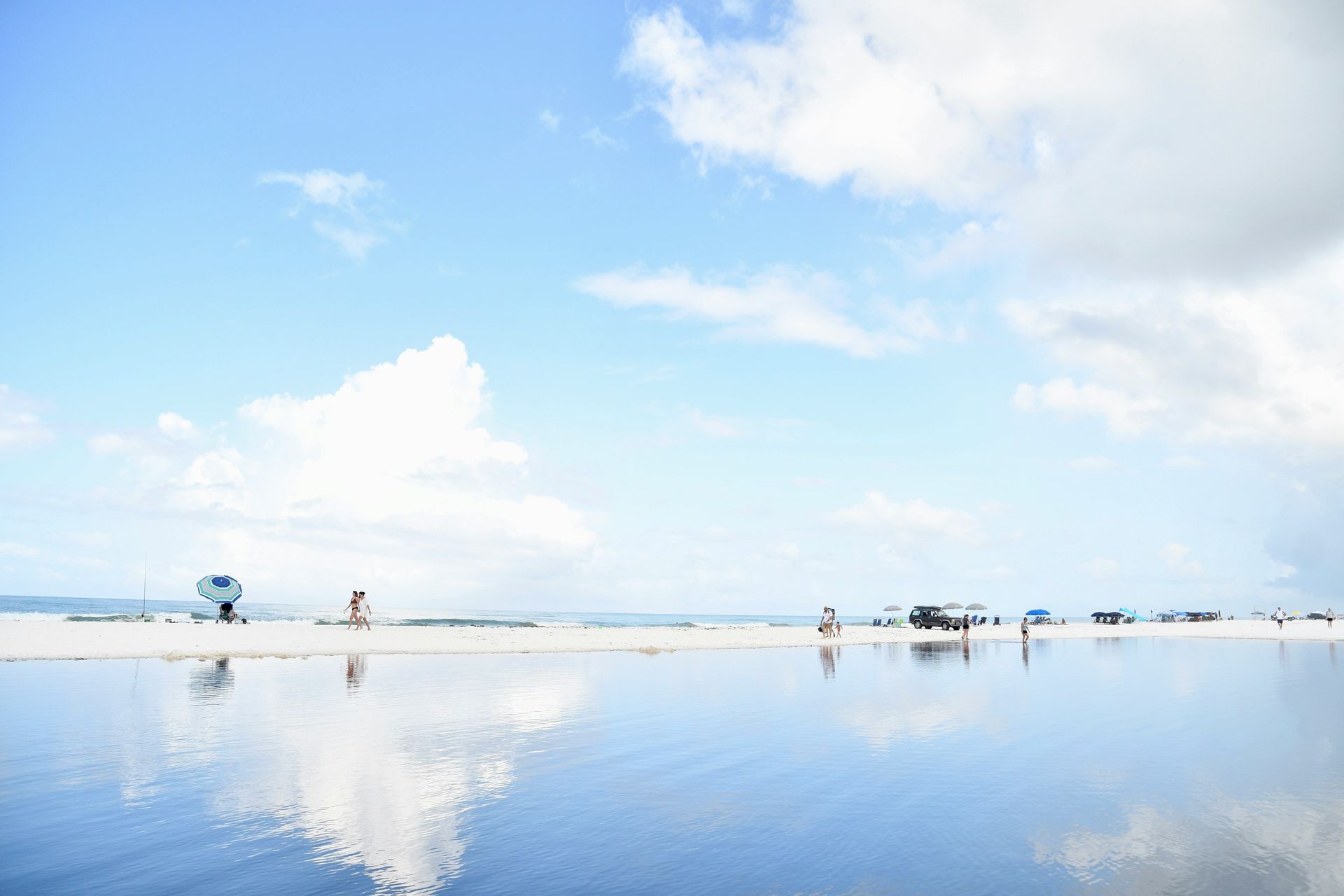
The sugar-white sands of Grayton Beach billow like delicate frosting, their ephemeral shape ever-shifting thanks to winds and waves along the Florida panhandle, creating a striking contrast against the clear waters of the Gulf of Mexico lapping the shore. This mile-long strip of pristine sand, part of Grayton Beach State Park, holds considerably more than simply pretty scenery, since the beach’s dunes protect three coastal dune lakes, an unusually rare natural phenomenon found in only four countries worldwide.
A 4.5-mile multi-use trail winds through the surrounding woods and along the 100-acre Western Lake, the largest of the park’s coastal dune lakes, and its dazzling blue waters stay open for kayaking, canoeing and stand-up paddleboarding throughout the year. Local artists have also created the Dog Wall, sometimes called the New Dogs of Grayton, a mural featuring portraits of their own four-legged companions along a nearby stretch of wall.
Grayton Beach sits along Florida’s northwest coast between Destin and Panama City, with public parking available nearby and toilets and picnic tables on-site. Dogs aren’t permitted on the beach itself, a policy worth noting for travelers hoping to bring a pet along for the visit.
This particular pairing of striking sand formations and considerably rare dune lakes gives Grayton Beach real standing among Florida’s more ecologically distinctive coastal parks. Coastal dune lakes form when dunes trap freshwater runoff close to the ocean, occasionally connecting to the sea during storms in a process locally known as outfall, a dynamic exchange that shapes the lakes’ unusual ecology over time. Visitors should bring their own kayak or rent one nearby, since Western Lake’s considerable size rewards a full afternoon of paddling instead of a quick look from shore. Comparing rental prices across a few different local shops also helps travelers find the best available rate. A few dollars saved on gear rental adds up over a full day spent exploring the water. This small comparison often pays for itself many times over throughout the afternoon.
Joel de Vriend / Unsplash
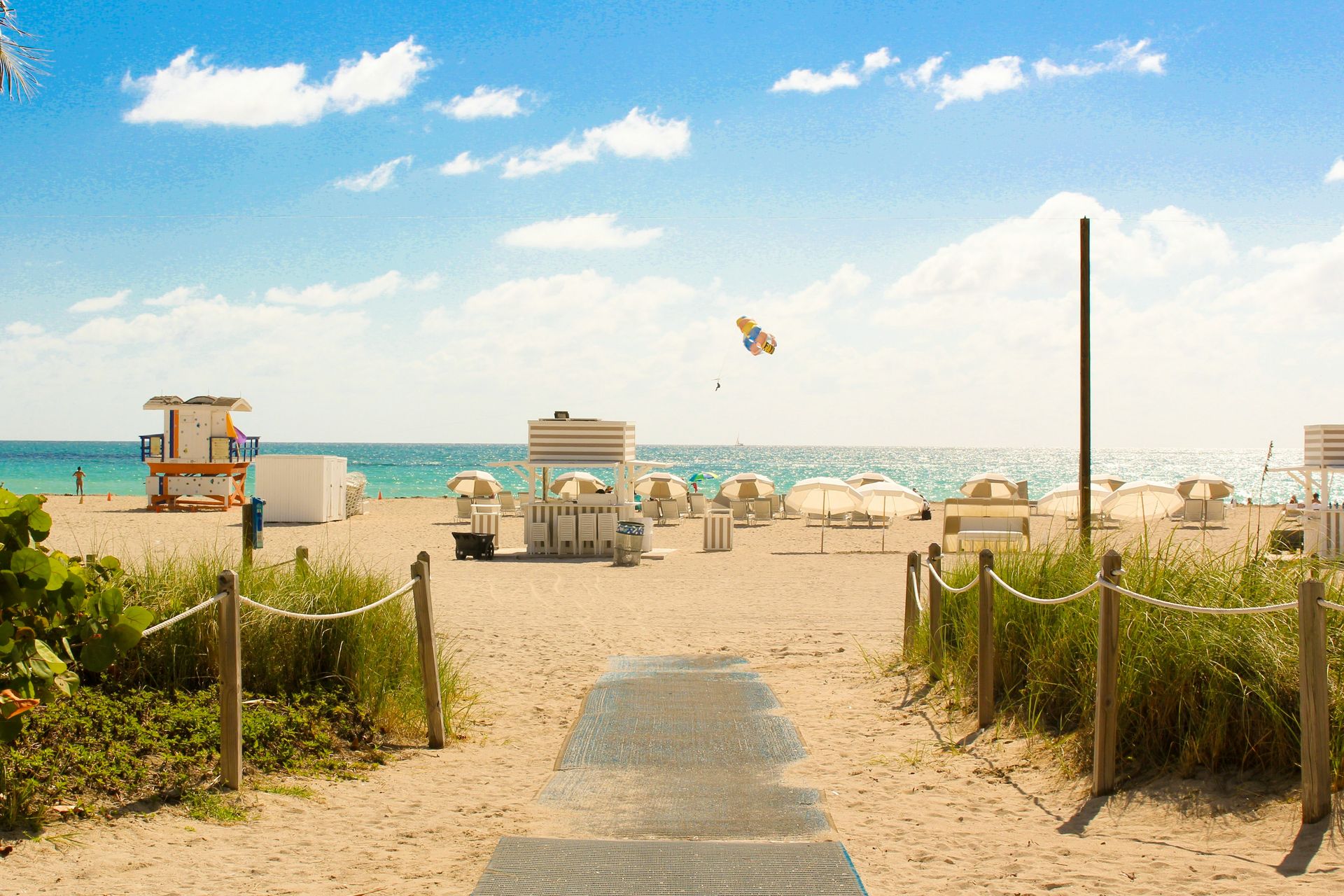
A sparkling confection of sunshine, style and considerable glamour, South Beach embodies the good life just east of downtown Miami. Aquamarine waters lap luxurious white sands while the tidy greenery of Lummus Park and the Promenade unfurls to the west, and candy-colored lifeguard towers line the sand, hinting at the vivid facades found throughout Miami’s Art Deco Historic District nearby.
Caribbean flourishes and soaring palm trees add further visual character, while neon signage and nightclubs bring late-night energy in contrast to the more laid-back yet still vibrant North Beach further up the coast. Chic beachfront hotels line the boardwalk, giving visitors a genuine home base directly along Ocean Drive at the southern end of Miami Beach.
Numerous parking lots line the beach alongside on-street parking, and amenities include playgrounds, chair and umbrella rentals, toilets and showers. There are also a considerable number of bars and restaurants right next to the beach and throughout the surrounding neighborhood. Dogs are welcome within designated bark parks scattered along the beach.
This particular blend of Art Deco architecture, considerable nightlife and distinctly upscale beachfront hotels gives South Beach real standing as one of Florida’s most recognizable stretches of coastline. Preservationists successfully fought to protect the neighborhood’s Art Deco buildings during the 1970s and 1980s, when many similar structures elsewhere in Florida faced demolition in favor of newer, less distinctive development. Walking tours focused on the district’s architecture give visitors genuine context for the pastel facades that might otherwise blend during a casual stroll. Comparing a couple of different tour operators beforehand helps visitors find a guide suited to their own pace. A relaxed pace lets everyone actually absorb the details instead of rushing block to block. Comparing morning and evening walking tours also helps travelers pick the lighting and crowd level they prefer most. This small planning step turns a casual walk into a considerably richer architectural outing overall, especially for visitors hoping to understand the neighborhood’s preservation history.
Guillaume Bassem / Unsplash
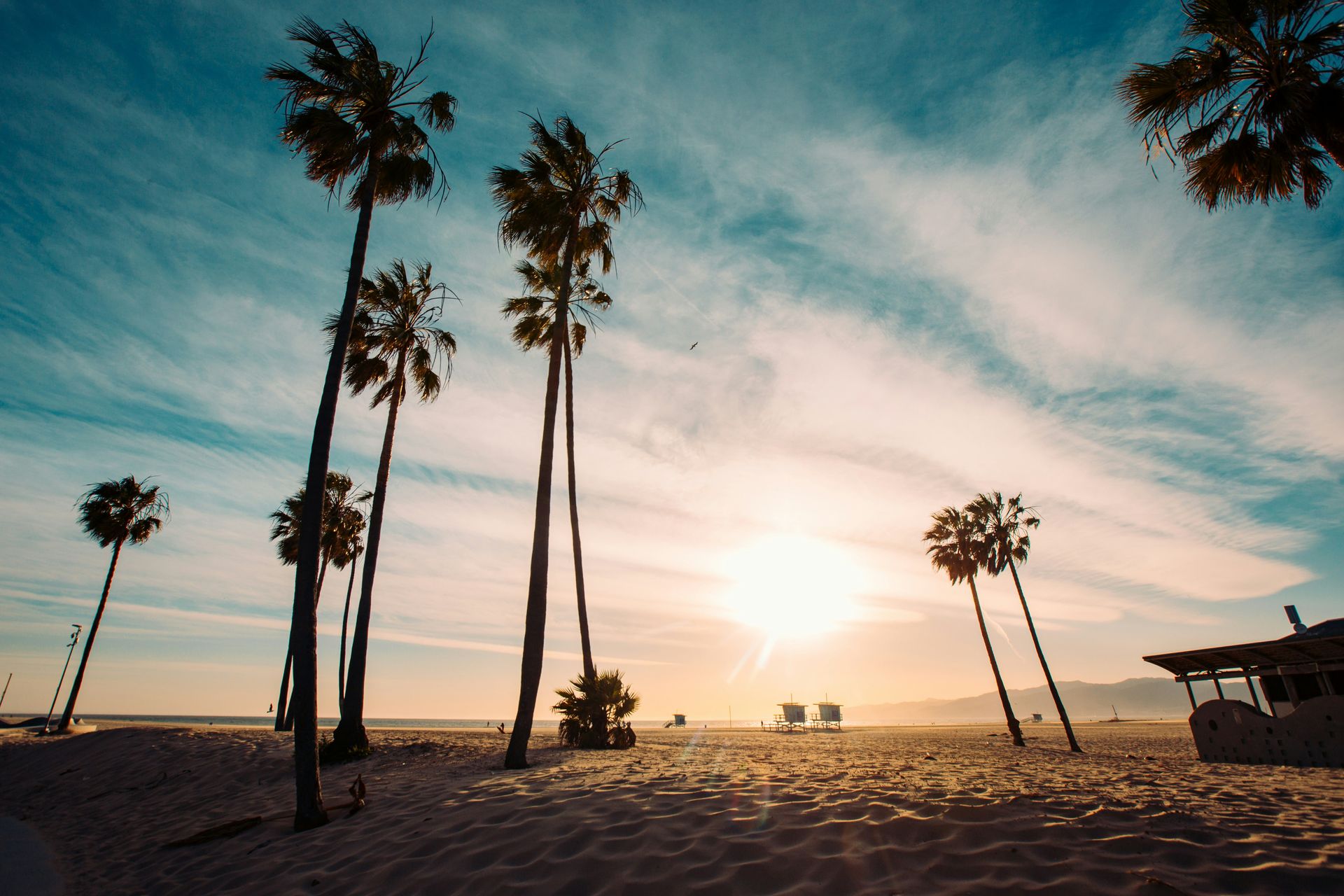
Cheap sunglasses sell in every direction along the Venice Beach Boardwalk, a two-mile strip of creativity hugged by weed dispensaries, T-shirt shops and French-fry joints on the inland side alone. On the ocean side, palm trees frame the sandy beach and the Pacific, with views interrupted by bodybuilders pumping iron at Muscle Beach, basketball players working busy courts and skateboarders gliding through the shiny skateboard park.
Jugglers, gymnasts and street artists all vie for attention, and a few dollars, from passersby throughout the boardwalk, giving people-watchers genuine entertainment without needing to spend money on a single attraction. The beach sits on the west side of Los Angeles between Santa Monica and Marina del Rey, with numerous parking lots and on-street parking available throughout the surrounding neighborhood.
Amenities include a gym, skatepark, chair and umbrella rentals, toilets and showers, alongside numerous bars, restaurants and shops lining the boardwalk itself. Dogs aren’t permitted on this particular stretch of sand, a detail worth noting for travelers planning to bring a pet along.
This particular density of street performers, athletes and passing characters gives Venice Beach real standing as one of the country’s most reliably entertaining beaches for pure people-watching alone. Muscle Beach traces its origins back to the 1930s, when the outdoor gym first opened and helped establish Southern California’s broader bodybuilding culture well before the activity became mainstream nationwide. Visitors should bring cash for street performers and artists, since many rely on tips instead of card payments for the bulk of their daily income. Small bills work best for quick tips, since performers rarely carry change for larger denominations. Keeping a few extra dollars on hand also encourages generosity toward the boardwalk’s considerable talent. This small habit costs little and considerably brightens the day for the artists involved. Bringing a reusable water bottle also helps, since the boardwalk stretches considerably farther than most visitors initially expect on foot. A hat and sunscreen round out the essentials well for a full afternoon spent along the boardwalk.
Nathan Dumlao / Unsplash
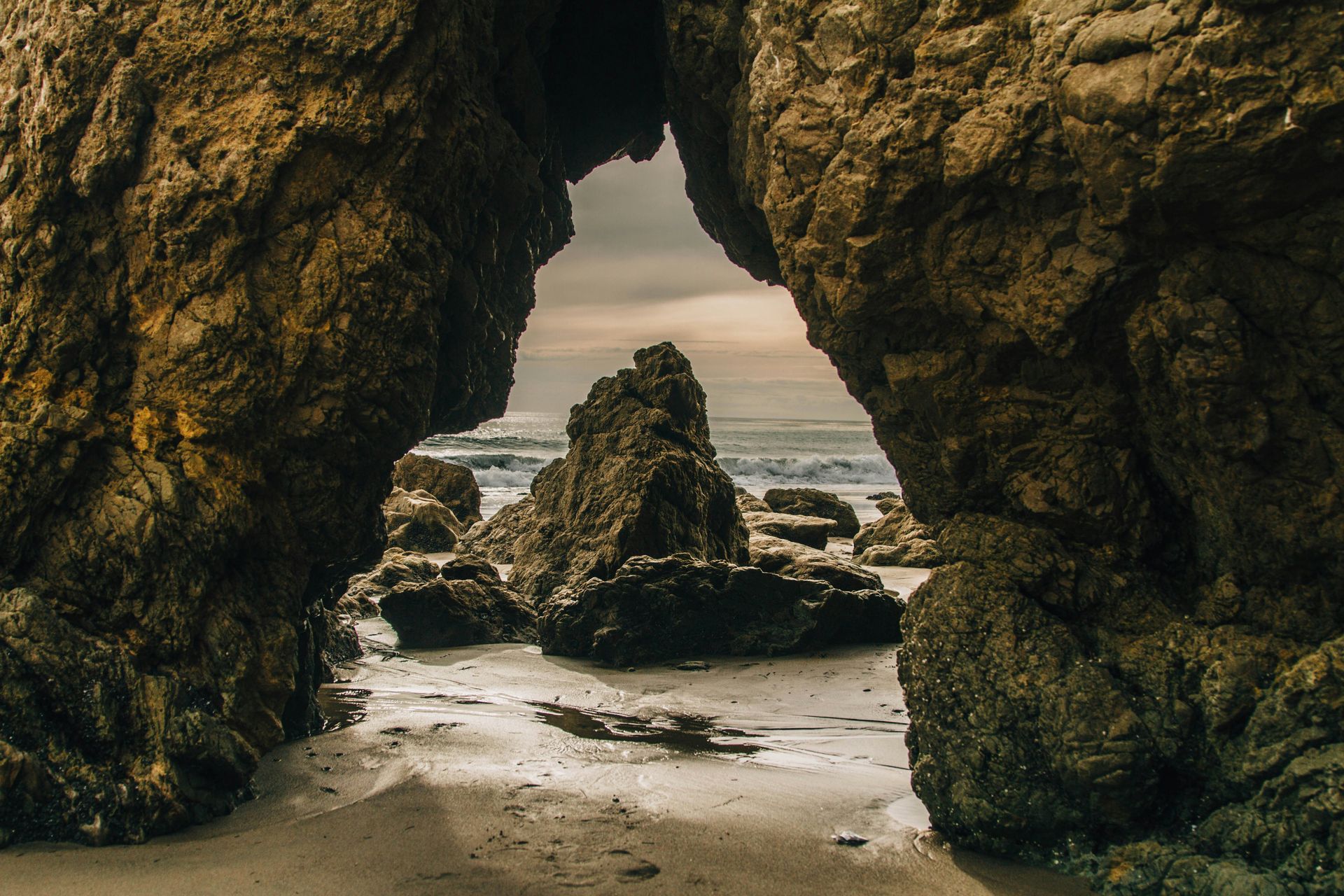
A pocket beach in western Malibu, El Matador stays tiny in size yet packs a truly oversized visual punch. One of three small beaches making up Robert H. Meyer Memorial State Beach, alongside El Pescador and La Piedra, El Matador hugs the base of craggy bluffs overlooking the Pacific Ocean beside the Pacific Coast Highway.
A dirt path drops down the rugged cliffside to a set of stairs descending toward the soft sand, where the real visual feast begins. A cluster of rocks and sea stacks extends from the cliffs edging the cove into the sea, and the largest formations hide arches and caves, offering prime opportunities for exploration and photography, alongside tide pools filled with abundant marine life.
The setting sun illuminates the rocks with a golden glow, casting shadows and revealing new details as light shifts across the formations, and on a quiet afternoon the effect borders on the notably sublime. El Matador sits about 10 miles northwest of Malibu just off Pacific Coast Highway, with a small parking lot next to the beach and on-street parking nearby, though amenities stay minimal and dogs aren’t permitted.
The beach stays open from 8 a.m. until sunset, giving photographers a clear window to plan a visit around the day’s best available light. The considerable erosion shaping El Matador’s sea stacks continues today, meaning the exact formations visitors photograph now will look somewhat different decades from now as the Pacific keeps reshaping the coastline. Visitors should check tide tables before heading down, as the stairs and beach access can be flooded during unusually high tides year-round. Checking conditions the morning of a visit also helps, since local tide patterns can shift slightly day to day. This small precaution avoids getting caught on the stairs as water rises unexpectedly. Checking a tide app the morning of a visit takes only a minute and adds real peace of mind. Bringing sturdy shoes also helps on the stairs, since the wooden steps can turn slippery after recent rain.
Zetong Li / Unsplash
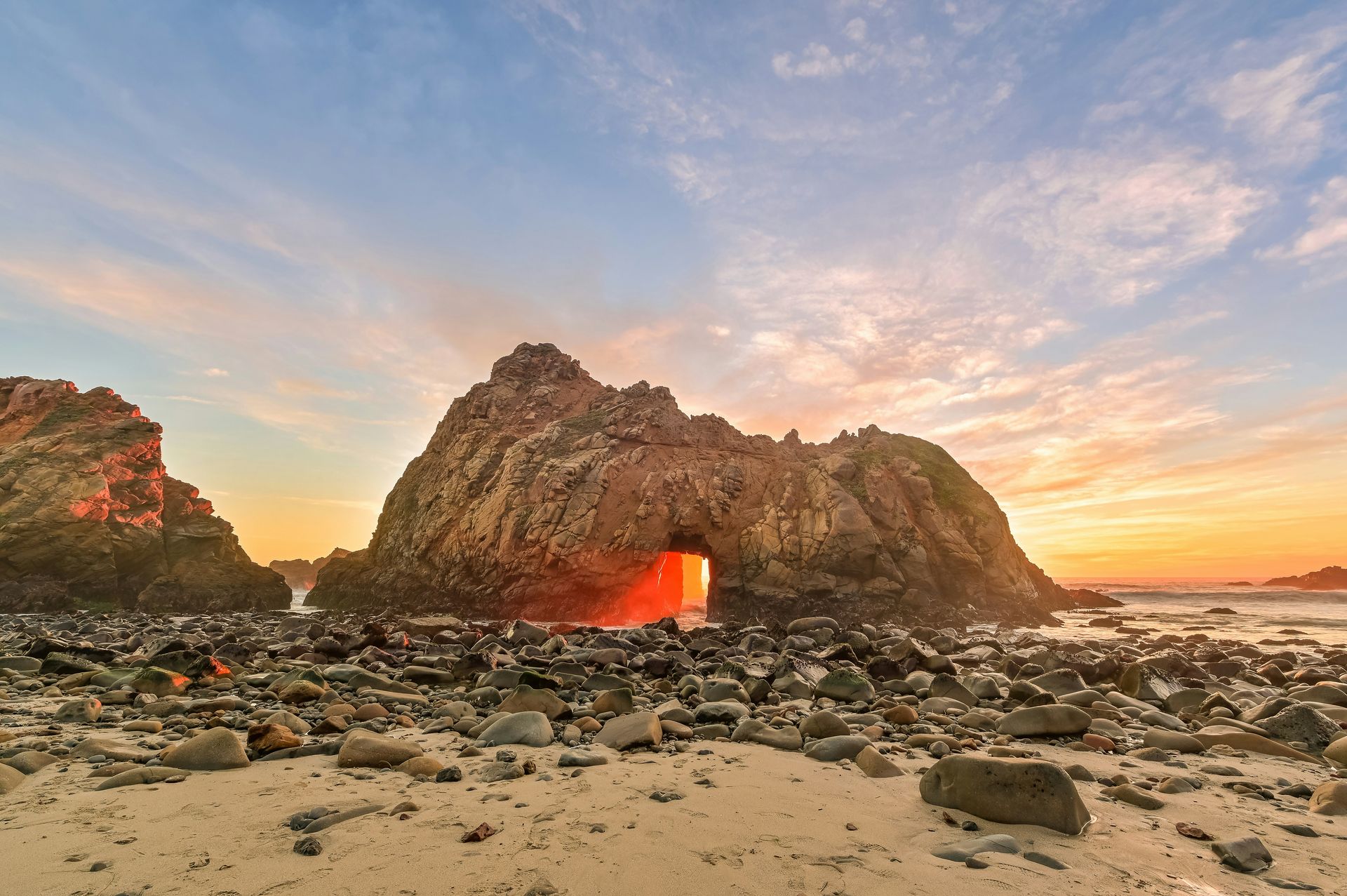
During several weeks in late December, coinciding with the winter solstice, the setting sun pierces Keyhole Arch with a luminous golden light along Big Sur’s rugged coastline. The spectacle becomes truly sublime when a wave crashes within the arch itself, its spray aglow with the same ethereal light illuminating the formation from behind.
After rainstorms, the crescent-shaped beach can turn purple in spots due to manganese garnet washed down from the coastline’s crumbly bluffs, adding an unusual visual layer beyond the arch itself. Dangerous waves make Pfeiffer Beach unsuitable for swimming, and conditions can turn notably windy. However, walking, beachcombing, and admiring the sunset all remain superb ways to spend time along the shore.
Nepenthe, an oceanfront restaurant perched high on a cliff along Highway 1 between Pfeiffer Canyon Bridge and Castro Canyon, offers sweeping views alongside its well-regarded Ambrosia burgers, making it a worthwhile stop before or after a beach visit. Pfeiffer Beach is located at 9101 Sycamore Canyon Road, with a small parking lot next to the beach, picnic tables on-site, and hours from 9 a.m. to 8 p.m., with dogs permitted as long as they stay leashed.
This particular pairing of a truly rare seasonal light phenomenon and dramatic natural rock formations gives Pfeiffer Beach real standing among California’s most photographed stretches of coastline. Photographers often camp out for considerable stretches of time waiting for the precise alignment between the arch and the setting sun, since cloud cover or fog can obscure the effect on any given evening. Visitors hoping to catch the solstice alignment should arrive well before sunset, since parking fills quickly during the narrow window when the phenomenon actually occurs. Checking a weather forecast the day before also helps set realistic expectations about visibility that evening. A backup plan for a cloudy evening also helps, since the effect depends entirely on clear skies. Having a second activity in mind helps turn a cloudy evening into a still-worthwhile trip.
Zach Reiner / Unsplash
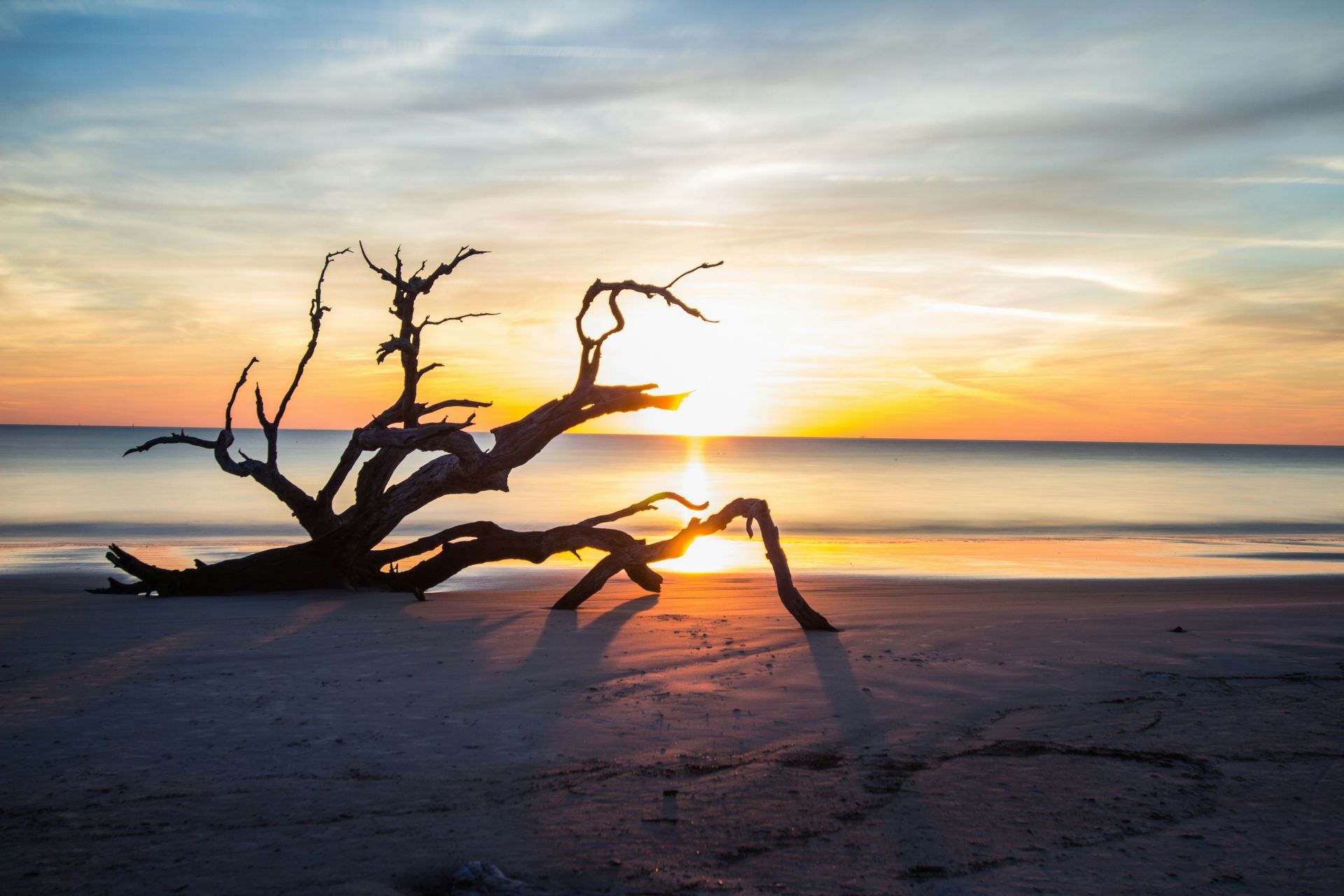
The spider-like branches of gnarled oaks draping the golden sands of Jekyll Island carry a notably haunting quality, pulling visitors in for a closer look at mysteries spanning centuries past. The setting made a fitting backdrop for “The Walking Dead,” which filmed scenes for its seventh and tenth seasons directly among these branches.
Despite its eerie reputation, the location stays far from morbid in practice. Kids can safely explore tide pools and climb onto sun-bleached tree trunks without any real danger, and a steady stream of brides and grooms pose for wedding photos among the branches at sunset, drawn by the brightly colored backdrop the setting provides. Once part of a maritime forest, the trees fell as the beach eroded and their roots became exposed to sun and salt, with some specimens standing more than 500 years old. In contrast, others collapsed more recently due to storms and the Atlantic’s relentless encroachment.
Driftwood Beach sits on the northeast coast of Jekyll Island just off Beach View Drive, with public parking available nearby, no on-site amenities, and 24-hour access. Dogs are welcome throughout as long as they remain leashed at all times.
This particular pairing of eerie visual atmosphere and notably family-friendly tide pools gives Driftwood Beach real range for both photographers and casual beachgoers within a single stretch of shoreline. Jekyll Island’s considerable coastal erosion rate means Driftwood Beach continues losing more trees to the encroaching Atlantic each year, giving the landscape a slowly but steadily shifting character across successive visits. Visitors should bring a camera with a wide lens, since capturing the full scale of the fallen trees against the horizon rewards a broader field of view. Arriving during golden hour also rewards patient photographers with considerably warmer, more dramatic lighting. Golden hour light also flatters the silvery driftwood considerably more than harsh midday sun ever could. Arriving roughly an hour before sunset gives photographers time to scout compositions before the light peaks.
Stephen Crane / Unsplash
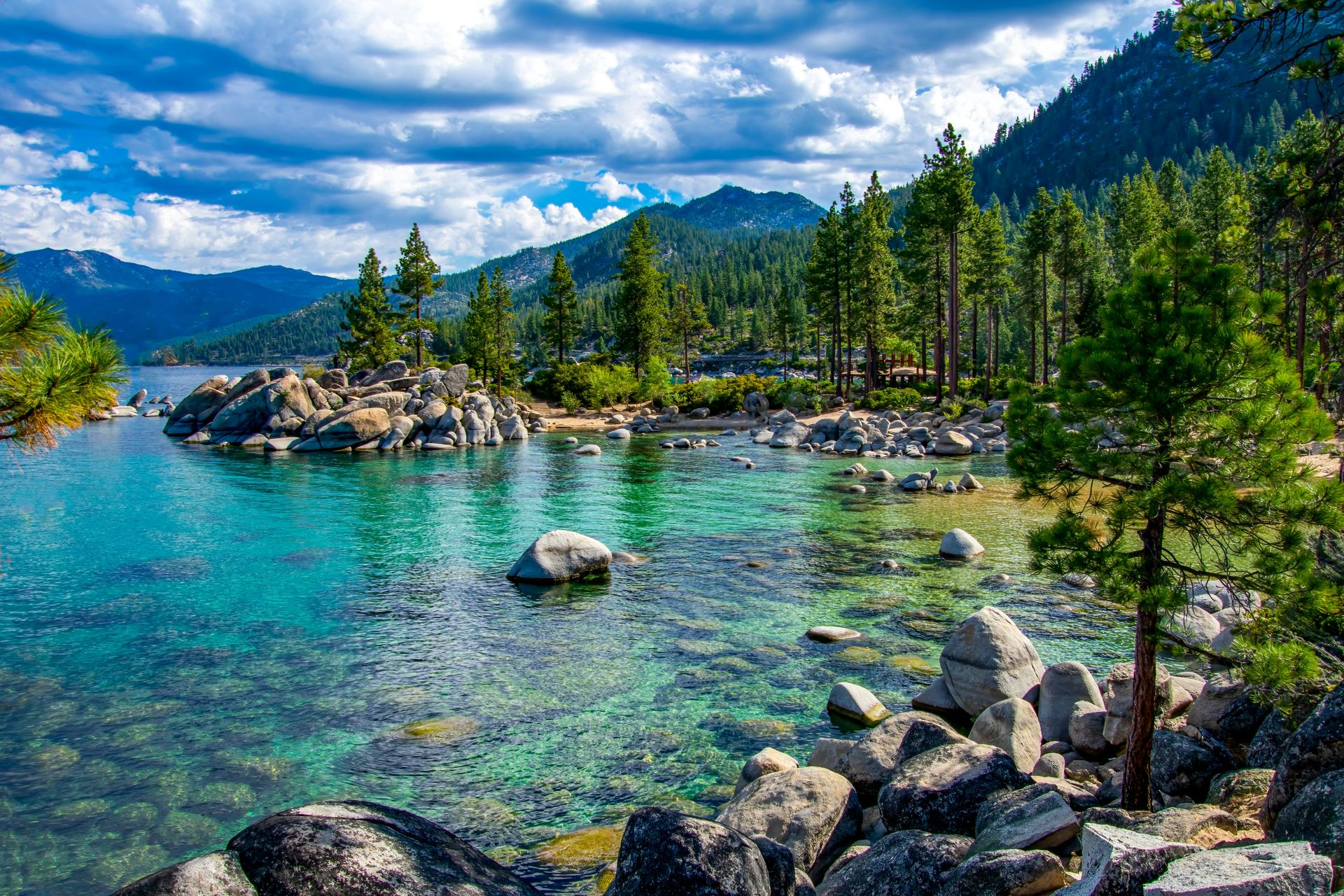
On a spring day, when crowds stay light and snow still tops the surrounding Sierra Nevada mountains, Sand Harbor and its lakefront boulders evoke a land that time seems to have forgotten. Crystal blue waters, ancient white sand beaches and towering Jefferson pines overhead give the setting a truly ageless tranquility, at least until summer, when beach umbrellas and stand-up paddleboards disrupt the spell as crowds roll in.
Lake Tahoe, straddling the California and Nevada state line, ranks as the largest alpine lake in the country and the second-deepest, and water clarity stays remarkable enough that visitors can sometimes see objects as far as 70 feet below the surface. Travelers $TRV hoping to swap some of the lake’s considerable tranquility for bright lights and late nights can take a short trip to nearby Reno.
Sand Harbor sits along the northeast shore of Lake Tahoe, with several parking lots around the park and shuttle buses running to the shore during peak times. Amenities include toilets, picnic areas, water fountains, watersports rentals and a gift shop, and hours run from 8 a.m. until an hour after sunset. Dogs must stay leashed and are only permitted during the off-season.
This particular contrast between springtime stillness and considerable summer crowds gives Sand Harbor real appeal for travelers hoping to time a visit around the quieter shoulder seasons. The lake’s considerable clarity stems partly from the absence of significant algal growth. This quality has made Lake Tahoe a frequent subject of ongoing environmental monitoring, given how sensitive the ecosystem remains to pollution. Visitors should check current water temperatures before planning a swim, since even summer visits can feel considerably colder than expected given the lake’s high elevation. Packing a wetsuit also helps visitors hoping to swim rather than simply wade along the shoreline. A wetsuit also extends comfortable time in the water considerably beyond what bare skin alone could handle. Renting gear locally also spares visitors the hassle of hauling bulky equipment on a longer road trip.
Sara Cottle / Unsplash
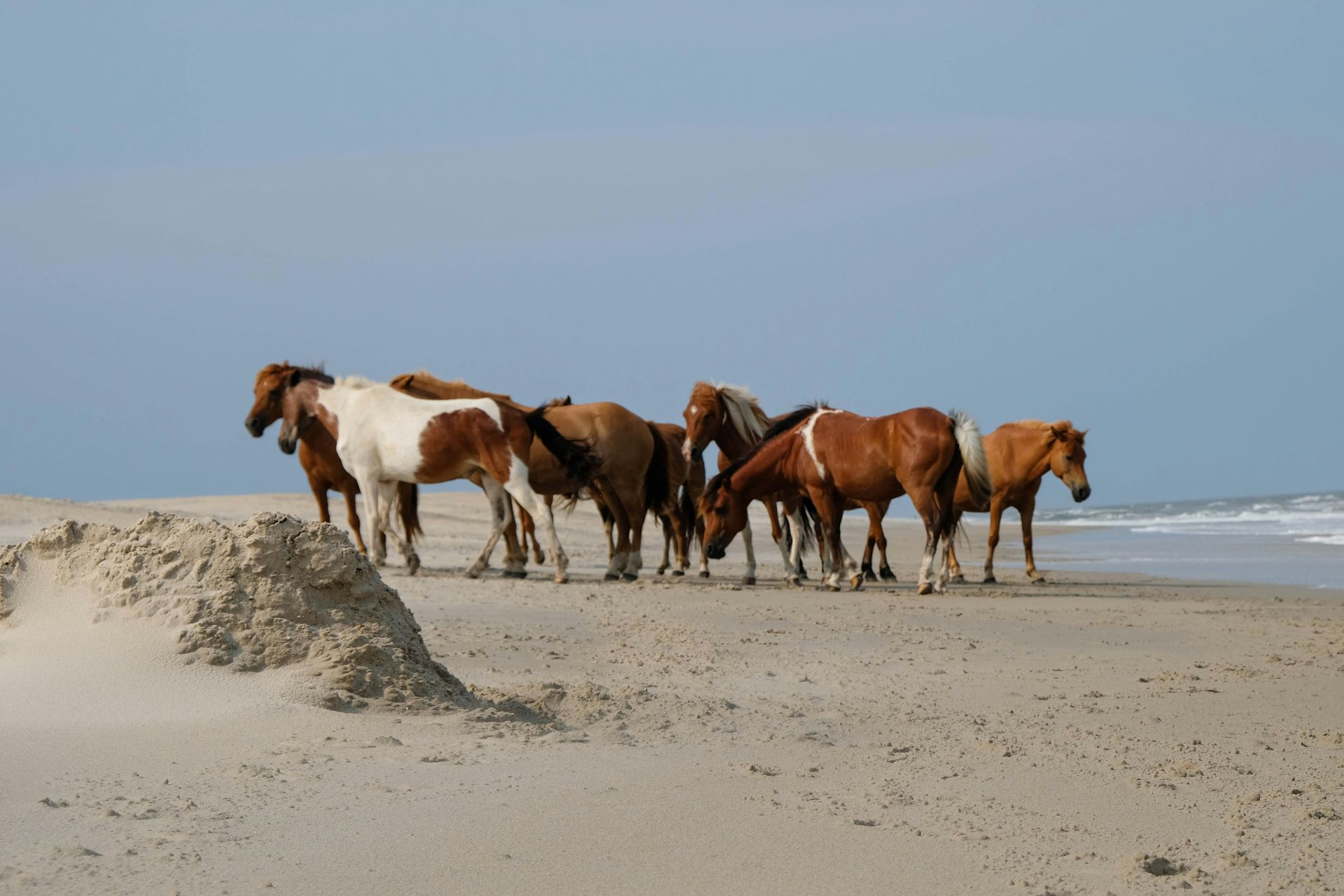
With wild horses galloping across its windswept beaches, Assateague Island National Seashore carries a surprisingly feral quality, a genuine rarity along the highly developed shores of the mid-Atlantic. Thick maritime forests and rugged dunes round out the dramatic scene, and this barrier island hugs the coast of Maryland and Virginia along the Eastern Shore, roughly a three-hour drive from Washington, D.C. Beach camping stays permitted throughout, letting city dwellers pitch a tent for the night and wake up to considerable sunrise views.
The park’s 37 miles of beachfront split across the Maryland and Virginia state line, and the Maryland side favors low-key adventuring, including hiking on nature trails, kayaking through bayside marshes and four miles of road cycling along Bayberry Drive. Maryland’s Assateague State Park, tucked inside the broader national seashore, holds a bathhouse and, during summer, lifeguards on duty.
More than 300 wild ponies roam the beaches and salt marshes. While notably beautiful, visitors should stay at least 40 feet away from the horses, since they don’t appreciate direct human interaction. Parking is fee-based at the respective visitor centers, and toilets and nature displays are available at each location, with hours varying by season and state. Dogs are permitted on a leash only within certain sections of the Maryland seashore.
This particular pairing of wild pony sightings and considerable low-key outdoor recreation gives Assateague Island real standing as one of the mid-Atlantic’s most distinctive coastal destinations. Local legend holds that the wild ponies descend from horses that survived a Spanish shipwreck centuries ago. However, historians consider it more likely that early colonial settlers released domesticated horses onto the island. Visitors should bring insect repellent regardless of season, since the island’s considerable marsh habitat supports notably persistent mosquito populations throughout much of the year. Applying repellent before setting out also helps, since reapplying partway through a hike proves considerably less effective. A long-sleeve shirt also helps in marshy areas, since exposed skin draws considerably more attention from biting insects.
Macauly Addesso / Unsplash
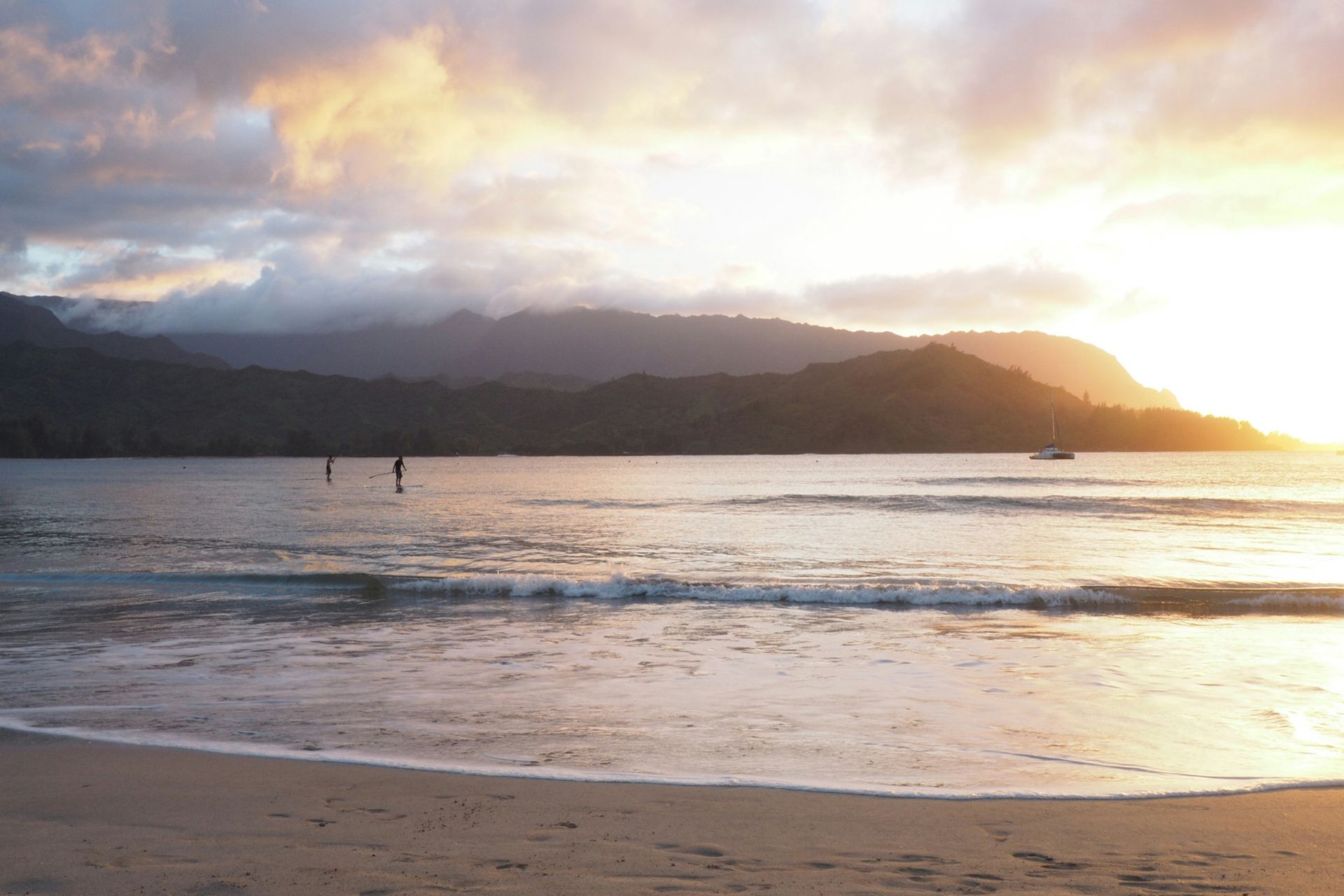
At Hanalei Bay on Kaua’i, a two-mile crescent of golden sand carves into the northernmost island of the Hawaiian archipelago, ranking among the best beaches found anywhere in Hawaii. Just west of Black Pot Beach Park, the photogenic Hanalei Pier juts into the blue waters of the bay, framed by rumpled green mountains and skies brushed with clouds, giving this North Shore setting a distinctly dramatic backdrop.
The beach splits into four named sections, and kayakers and novice surfers flock to the area around the pier, where the water typically stays calm, with surf lessons offered just to the west. Big swells draw experienced surfers to Wai’oli Beach Park near the middle of the beach during winter. At the same time, swimming conditions vary by location and season, but typically peak in summer, when popular sunbathing and snorkeling are available throughout the bay.
A short drive from Hanalei Bay leads to Smith’s Fern Grotto, where boarding a boat for a two-mile ride along the Wailua River reveals a lush tropical landscape, with performers in traditional dress sharing stories and singing traditional Hawaiian songs. Parking is available along the shore but can get distinctly busy at peak times, and amenities include toilets, showers, lifeguards, and picnic tables, with bars and restaurants nearby. Dogs must stay leashed and are only permitted in certain sections of the beach.
This particular pairing of world-class surfing, considerable scenic drama and a notably accessible cultural excursion nearby gives Hanalei Bay real standing among Hawaii’s most complete single-beach destinations. Hanalei Bay’s considerable role in Hollywood history includes appearances in several films, and the bay’s dramatic mountain backdrop has made it a recurring filming location for productions seeking a lush, tropical setting. Visitors should book surf lessons well ahead during peak winter months, since instructors throughout the area stay considerably busier once the season’s biggest swells begin arriving. Checking current swell forecasts also helps surfers of all skill levels choose the section best suited to conditions that day.