
The 8 best budget travel tips for saving money on your next trip
Save money without sacrificing comfort with smart budget travel tips covering planning, timing, food, packing, and more

Felix Rostig / Unsplash
Imagining travel on a current salary or bank balance can feel genuinely daunting, though where there’s a will, there’s certainly a way. Seeing the world no longer stays reserved purely for the wealthy, nor does it require a backpacker’s situation where comfort must get sacrificed entirely for affordability throughout an entire trip.
Extensive travel across dozens of countries, much of it done comfortably in the middle instead of at either extreme, comes down largely to genuine preparation and staying savvy once actually on the ground, regardless of a destination’s cost of living. Whether planning a trip through the notoriously expensive Scandinavian region or stretching an adventure through Southeast Asia for as long as possible, these strategies genuinely help travelers avoid draining their savings unnecessarily. None of these tips requires giving up comfort entirely, and combining several of them throughout a single trip compounds the savings considerably more than relying on just one approach alone. Booking timing, accommodation choice, food strategy, and daily transportation all add up independently, and stacking smart decisions across each of these categories often makes the difference between a trip that feels genuinely comfortable and one that quietly drains a bank account faster than expected. Even travelers who adopt only two or three of these approaches consistently notice a meaningful difference in how far their money stretches by the end of a trip, especially on longer itineraries covering multiple destinations. None of these strategies demands sacrificing the quality of a trip, and many travelers report that the more budget-conscious choices, such as staying with a local host family or eating where residents actually eat, end up producing the most memorable moments of the entire journey.
The eight tips below appear in Lonely Planet, covering standout budget travel strategies recommended for stretching any trip further.
1. Outlining a trip early opens the door to deals

Jakub Żerdzicki / Unsplash
At the concept stage, no bookings need to happen yet, and simply outlining roughly where to go and how to get there gives travelers genuine room to keep an eye out for opportunities over the following months. This might mean monitoring holiday deals with a select few airlines, or gathering intel from friends that leads to switching specific locations within the broader itinerary.
This waiting game before big-ticket items get solidified genuinely allows travelers to take advantage of offers and exercise flexibility to make cost-saving changes throughout the research process. Rushing straight into bookings before exploring the full range of options often means missing out on considerably better prices that surface only with patience.
Even when specific dates stay fixed, planning far ahead still lets travelers track flight prices over time and strike when a fare dips genuinely below average. This approach works because extra time consistently allows the best pricing and situations to surface naturally instead of forcing a decision under time pressure.
Travelers $TRV should set specific price alerts or calendar reminders to check fares periodically throughout this planning window, since manually remembering to check prices every few days often falls by the wayside once other daily responsibilities take over. Travelers should also follow a handful of specific airlines and destinations on social media or newsletters, since many deals get announced first through these direct channels before appearing on broader comparison sites. Checking multiple booking sites side by side also helps, since prices for the same flight or hotel can vary meaningfully between different platforms. Building in a bit of buffer time before locking in dates also helps, since fares often fluctuate considerably in the weeks leading up to a planned departure. A dedicated notes app also helps considerably for tracking price changes across several destinations at once. A little patience genuinely pays off throughout the entire trip-planning process. Setting a rough overall budget from the very start also helps considerably, since knowing the ceiling makes every subsequent decision genuinely easier to evaluate.
2. Skipping peak season trims both crowds and prices

hyeok Eom / Unsplash
Peak season doesn’t always mean the best time to visit a destination, since it simply means that stretch happens to be the busiest. Traveling during shoulder times instead genuinely helps avoid crowds while still securing considerably better prices throughout a trip. Off-peak travel often proves less punishing than expected too, since some so-called rainy seasons involve just an hour or two of downpour, with sunny skies filling the remainder of most days.
Peak-season summer temperatures can also turn genuinely brutal in certain destinations, and anyone who has visited New York City or Rome in July knows exactly this kind of heat-related torture firsthand. Avoiding these peak windows genuinely improves comfort well beyond simply saving money on the trip itself.
November, for example, ranks among the genuinely best times to visit Japan, when autumn leaves turn the landscape golden throughout much of the country. Cherry blossom season, by contrast, has grown considerably more crowded and expensive than it used to be, making the quieter autumn alternative genuinely appealing for budget-conscious travelers.
This strategy works because businesses stay open well after peak season ends, though they charge considerably less given the reduced demand throughout these quieter months. Travelers $TRV willing to trade a small amount of crowd-driven energy for genuine savings and comfort should seriously consider shifting their trip dates accordingly. Travelers should research a destination’s specific shoulder season dates before booking, since the exact window varies considerably depending on location and can shift somewhat from year to year. Checking a destination’s specific holiday calendar also helps, since local celebrations can create unexpected mini peak periods outside the obvious main season. Comparing photos from different months for a given destination also helps, since shoulder-season scenery sometimes rivals peak-season views without the accompanying crowds. A flexible return date also helps considerably for catching genuinely better fares outside the busiest travel days. A little flexibility genuinely pays off throughout the entire trip. Talking to locals or recent visitors about their own experience also helps considerably, since firsthand accounts often reveal genuinely useful details that generic travel guides miss.
3. Staying in the suburbs stretches a travel budget

Jakub Żerdzicki / Unsplash
Central locations offer genuine convenience, though travelers really just need a decent place to sleep at the end of each day. Rented accommodation gives visitors a genuine chance to live as locals do, taking advantage of local business prices well outside the more expensive tourist core. Most rentals come with their own kitchens and laundry facilities, letting travelers enjoy home-cooked meals while lightening their overall luggage load.
Booking through a platform offering a wider variety of accommodation types, free cancellation for genuine flexibility, and a loyalty program with real perks gives budget travelers considerably more value than sticking purely to one specific booking service. Comparing options across multiple platforms before committing genuinely pays off over the course of a longer trip.
Rental owners often offer discounts on longer stays specifically, and a month spent somewhere off-peak can run considerably less than the usual nightly rate, sometimes by 30% or more depending on the specific location and season. This kind of extended-stay discount rewards travelers willing to slow down and settle into one place instead of constantly moving between short bookings.
This strategy works because commuting into town daily, a habit familiar to nearly everyone at home, genuinely saves a fortune when replicated abroad instead of paying premium prices to stay directly in a city’s most central, expensive district. Travelers $TRV should confirm public transport access from any suburban rental before booking, since savings on accommodation can quickly disappear if daily commuting into the city center proves genuinely difficult or expensive. Reading recent guest reviews also helps considerably, since a listing’s photos alone don’t always reveal a neighborhood’s actual noise level or walkability. Mapping out grocery stores near a rental also helps considerably, since easy access to affordable food shopping makes the self-catering approach genuinely worthwhile. A local SIM card also helps considerably for navigating unfamiliar suburban streets with confidence. A little upfront research genuinely pays off here before booking anything at all.
4. Traveling with a companion halves the total cost

Min(Felix) Xu / Unsplash
Traveling solo can cost just as much as traveling as a pair, a pattern often called the single supplement, so sharing the journey with a loved one genuinely cuts costs literally in half. This arrangement proves not only cheaper but potentially richer in company, turning a trip into a genuinely shared experience instead of a purely solitary one.
Even travelers heading out solo can pair up with another solo traveler on excursions, taxis, and meals, saving both people money along the way. Being open to this kind of spontaneous partnership, instead of staying shy about suggesting it, genuinely opens up meaningful savings that solo travelers might otherwise miss entirely.
Traveling with a partner through Southeast Asia, for instance, has proven significantly cheaper than traveling completely alone on separate extended trips, and this cost-sharing approach can even eliminate the need to stay in hostels purely to save money. This flexibility gives paired travelers genuine access to more comfortable accommodation options than a strict solo budget might otherwise allow.
This strategy works because heading in the same direction or planning the same activities as someone else genuinely makes splitting the cost the logical choice, whether that partner is a longtime travel companion or someone met along the way. Travelers $TRV pairing up with a stranger for cost-sharing should still exercise reasonable caution, since splitting costs works best with someone whose travel style and comfort level genuinely align with one’s own. Agreeing on a shared budget upfront also helps considerably, since mismatched spending expectations can create genuine tension partway through a trip. Discussing pace and preferred activities in advance also helps considerably, since two travelers with very different interests can struggle to enjoy a shared itinerary. A shared expense-tracking app also helps keep costs transparent throughout the trip. A little honest communication genuinely pays off here well before actual departure. Splitting specific tasks such as booking research and itinerary planning also helps considerably, since dividing the workload keeps trip preparation from falling entirely on one person.
5. Local eateries reward diners with authentic, cheap meals

Zhen Yao / Unsplash
Older women throughout Southeast Asia, Eastern Europe, and Latin America seem to consistently know the best places to eat, congregating at hole-in-the-wall eateries serving authentic, local food at prices genuinely surprising in the best possible way. These specific spots may not have an obvious name or any presence on a listicle or TikTok account, but trusting this pattern rewards travelers with genuinely delicious, bargain-priced meals.
This approach reflects a broader truth about tourist-driven food pricing, since businesses catering specifically to influencers and viral attention tend to charge considerably more than the small, unassuming spots favored by longtime local residents. Following this pattern in a neighborhood such as Dongdaemun in Seoul, for example, can lead travelers to some of the most memorable bulgogi and kimchi-guksu available anywhere in the city, all without the inflated price tag attached to more viral, heavily marketed spots.
This strategy works because businesses catering to influencers charge accordingly, while the small eateries favored by longtime local elders simply serve genuinely good food at fair, unpretentious prices reflecting real local costs instead of tourist markup.
Travelers $TRV should watch for these specific patterns during their own trips, since following genuinely local crowds, instead of online recommendations alone, consistently leads to both better prices and more authentic culinary experiences. Travelers unsure about food safety at unmarked local spots should look for places with a consistently busy crowd of regulars, since high turnover generally indicates fresh ingredients and reliable quality. Learning a few basic food-related phrases also helps considerably, since pointing at a menu item doesn’t always work at the smallest, least touristy spots. Carrying small bills for these smaller establishments also helps considerably, since many hole-in-the-wall spots don’t accept cards or large denomination notes. A translation app also helps considerably for reading menus written entirely in the local language. A little genuine curiosity pays off here during the ongoing search for food. Trying a small portion first at an unfamiliar spot also helps considerably, since sampling before committing to a full meal reduces the risk of an unwanted surprise.
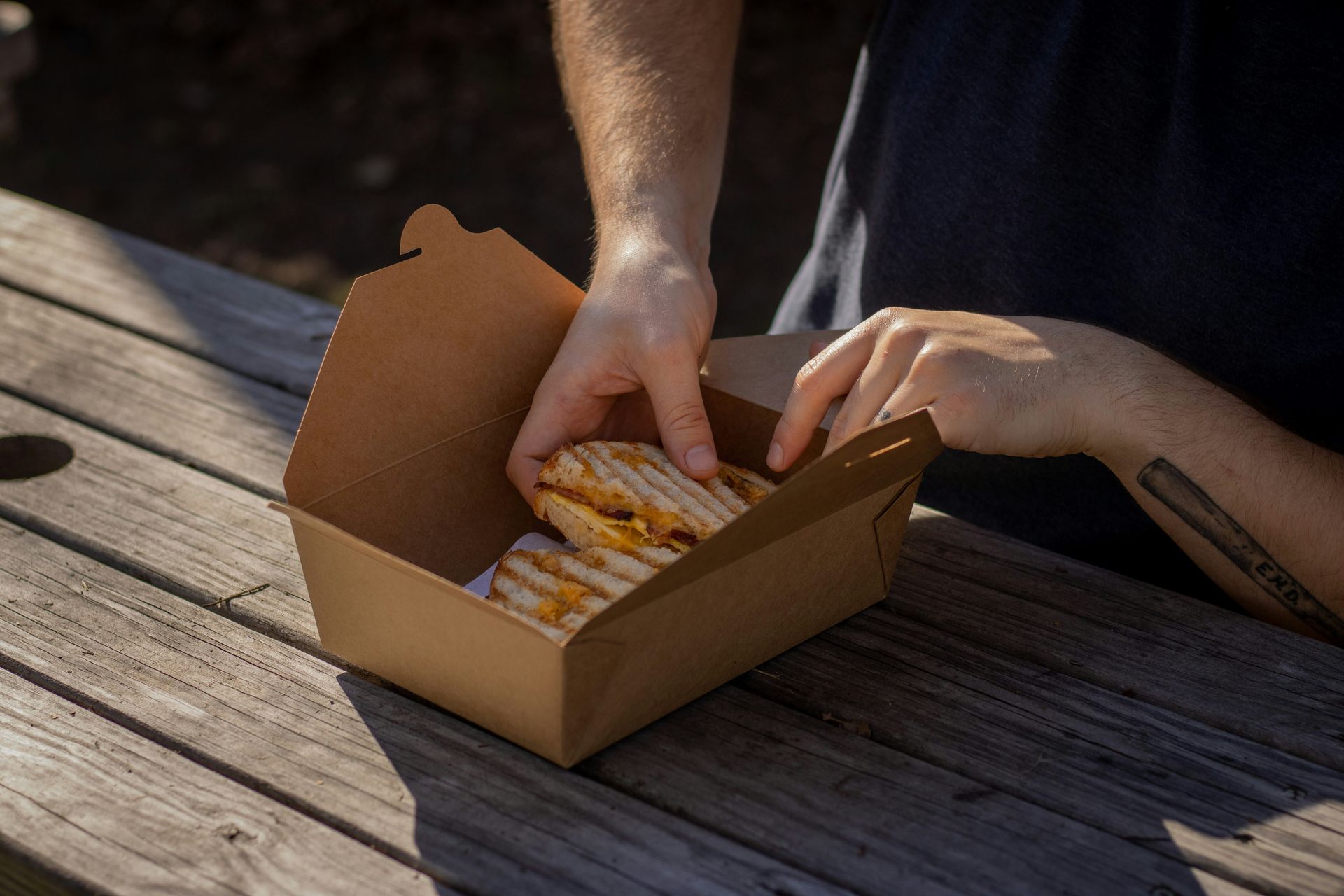
6. To-go breakfast boxes save money on day trips
Conor Brown / Unsplash
Skipping breakfast makes little financial sense whenever it comes included in a room rate, so loading up on this most important meal of the day, or asking for a box to take along, genuinely pays off throughout a trip. This proves especially handy on a day excursion where the only lunch options might otherwise involve stale gas station sandwiches purchased out of sheer necessity.
The Too Good To Go app offers another genuinely useful option, partnering with local hotels to sell leftover breakfast items for as little as five US dollars, giving budget travelers access to considerably discounted food that might otherwise simply go to waste. This kind of app-based solution gives travelers genuine flexibility beyond simply relying on their own hotel’s breakfast service.
Requesting a breakfast box specifically to save time before an early excursion, then enjoying it later after resting during a long coach ride, gives travelers a genuinely convenient way to handle lunch without needing to seek out food mid-journey. This small habit removes considerable stress from days built around early departures and long stretches of travel time.
This strategy works because a free sausage wrap from a hotel buffet will never compare unfavorably to a ten-dollar gas station sandwich, both in terms of genuine cost savings and overall food quality throughout the day. Travelers $TRV should check whether their specific accommodation allows breakfast boxes before assuming this option exists, since not every hotel or guesthouse offers this particular service as standard. Checking a specific hotel’s policy on takeaway breakfast items also helps, since some properties restrict this practice more than others depending on local rules. Packing a reusable container specifically for leftovers also helps considerably, since not every property provides disposable to-go boxes as standard. A small cooler bag also helps keep perishable items fresh until lunchtime. A little advance planning genuinely pays off here before an early morning excursion begins. Checking a day trip’s actual itinerary for meal stops also helps considerably, since some excursions already include lunch, making the extra prep genuinely unnecessary.
7. A single carry-on bag dodges checked-bag fees

Taylor Beach / Unsplash
Budget airlines charge genuinely hefty fees for checked baggage, sometimes running as much as the flight itself once all costs get added together. Sticking to a carry-on for an entire trip, especially when laundry facilities exist at the destination, genuinely eliminates this considerable expense across a multi-flight itinerary.
Choosing neutral colors and packing a pair of versatile shoes helps travelers maximize the limited space a carry-on allows, since fewer specialized outfits and pairs of shoes stretch further when mixed and matched creatively throughout a trip. This approach to packing rewards genuine planning over simply throwing items into a bag at the last minute.
The bonus benefits extend beyond cost savings alone, since travelers sticking to a carry-on don’t need to wait for checked luggage upon arrival, and no risk exists of that luggage getting lost since it stays with the traveler for the entire journey. Traveling through Eastern Europe for three full weeks using only a carry-on, for instance, has proven entirely manageable without any genuine issues arising.
This strategy works because fees exceeding fifty US dollars per checked bag on a multi-route trip add up considerably faster than most travelers initially expect, especially across itineraries involving several separate budget-airline flights. Travelers $TRV should check their specific airline’s exact carry-on size and weight limits before packing, since these restrictions vary meaningfully between different budget carriers and can result in unexpected gate fees. Weighing a packed bag before heading to the airport also helps considerably, since even a slightly overweight carry-on can trigger unexpected fees at the gate. Choosing quick-dry fabrics also helps, since laundry done mid-trip dries faster and frees up packing space sooner. A packing list also helps avoid last-minute additions that push a bag over the limit. A little discipline pays off here when packing for the entire trip. Rolling clothes instead of folding them also helps considerably, since this packing method typically saves meaningful space compared with traditional folding techniques.
8. Public transport keeps travel costs genuinely low

Nick Fewings / Unsplash
Taxis, rideshares and rental cars quickly eat into a travel budget, while public transport throughout most developed big cities outside America stays fast, reliable and genuinely inexpensive by comparison. Various map apps now available make navigating unfamiliar transit systems considerably easier, removing much of the old dependence on asking strangers for directions.
Reading up on a specific city’s public transit system before arrival helps travelers stay genuinely ready from the airport onward, and relying on public transport for longer distances between major cities often proves considerably cheaper than flying or driving for comparable routes. This preparation pays off almost immediately upon arrival, letting travelers move confidently instead of fumbling with an unfamiliar system on the first day.
Copying local commuting habits, choosing whichever mode of transport residents themselves clearly prefer, consistently leads travelers toward the most efficient and cost-effective option available in a given city. This approach works considerably better than assuming a rental car or constant rideshare use will prove more convenient than it actually turns out to be.
This strategy works because public transport usually costs just a fraction of an equivalent car journey, and these savings compound considerably across a longer trip involving frequent movement between neighborhoods, attractions, and transit hubs throughout each day. Travelers $TRV should research whether a specific city offers a multi-day or weekly transit pass, since these passes often save considerable money compared with purchasing individual tickets for every single ride. Downloading a specific city’s transit app before arrival also helps considerably, since real-time schedules make navigating an unfamiliar system considerably less stressful. Keeping small change on hand also helps considerably, since some transit systems still rely on exact fare or coin-operated ticket machines. A portable charger also helps keep a transit app running throughout a long day. A little advance preparation genuinely pays off here before arrival. Asking hotel staff for specific route recommendations also helps considerably, since locals working in hospitality often know genuinely useful shortcuts that apps sometimes miss.