
PixeloneStocker / Getty Images
Sticking to a budget isn’t easy. A recent WalletHub survey found almost three in four Americans are having trouble with overspending thanks to inflation. And one in five people admit they aren’t entirely honest with themselves when setting a budget.
“Not having a budget sets you up for financial failure,” said WalletHub analyst Chip Lupo. “If you don’t carefully plan out and track how much of your income you can dedicate toward each of your expenses and other financial priorities each month, it’s easy for frivolous spending to get out of hand and prevent you from saving money, investing or even keeping up with your bills.”
To see which states manage their money best, WalletHub analyzed all 50 states across three main categories: spending and debt, credit, and savings. Within those categories, the study evaluated 12 different factors, ranging from bankruptcy and foreclosure rates to average credit scores, delinquency levels, and the share of residents with rainy-day funds.
The results reveal which states excel at balancing expenses and building financial resilience — and which ones struggle most to stay on track. Continue reading to see the best and the worst.
1 / 10
Tony Shi Photography / Getty Images
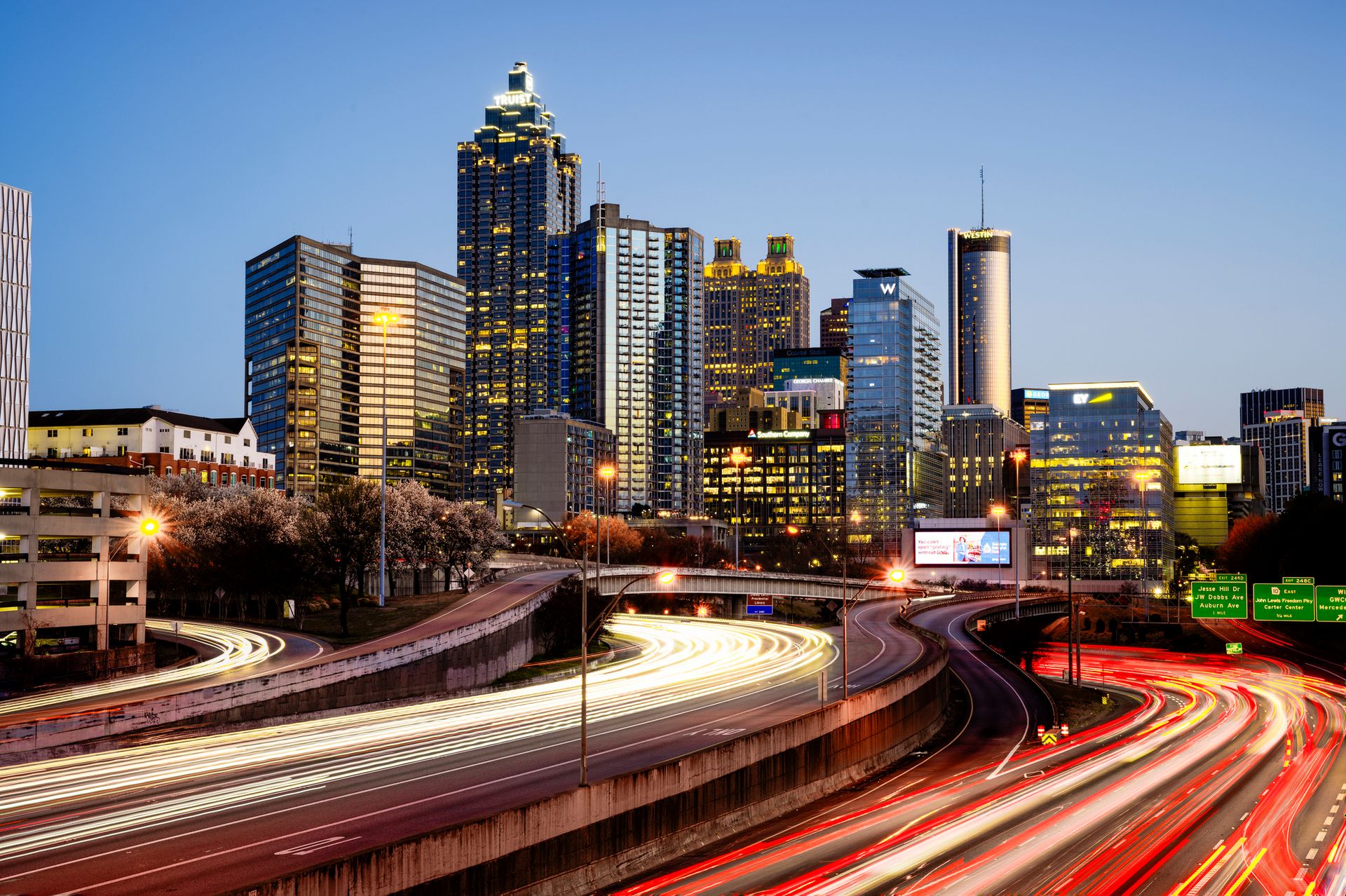
Georgia ranks near the bottom at 46th, with financial pressures across multiple categories. The state has one of the lowest average credit scores in the country at 682, along with a high bankruptcy rate and limited household savings. A large share of residents also pay only the minimum on credit cards, showing challenges in managing debt.
2 / 10
Morgan Wallace / 500px / Getty Images
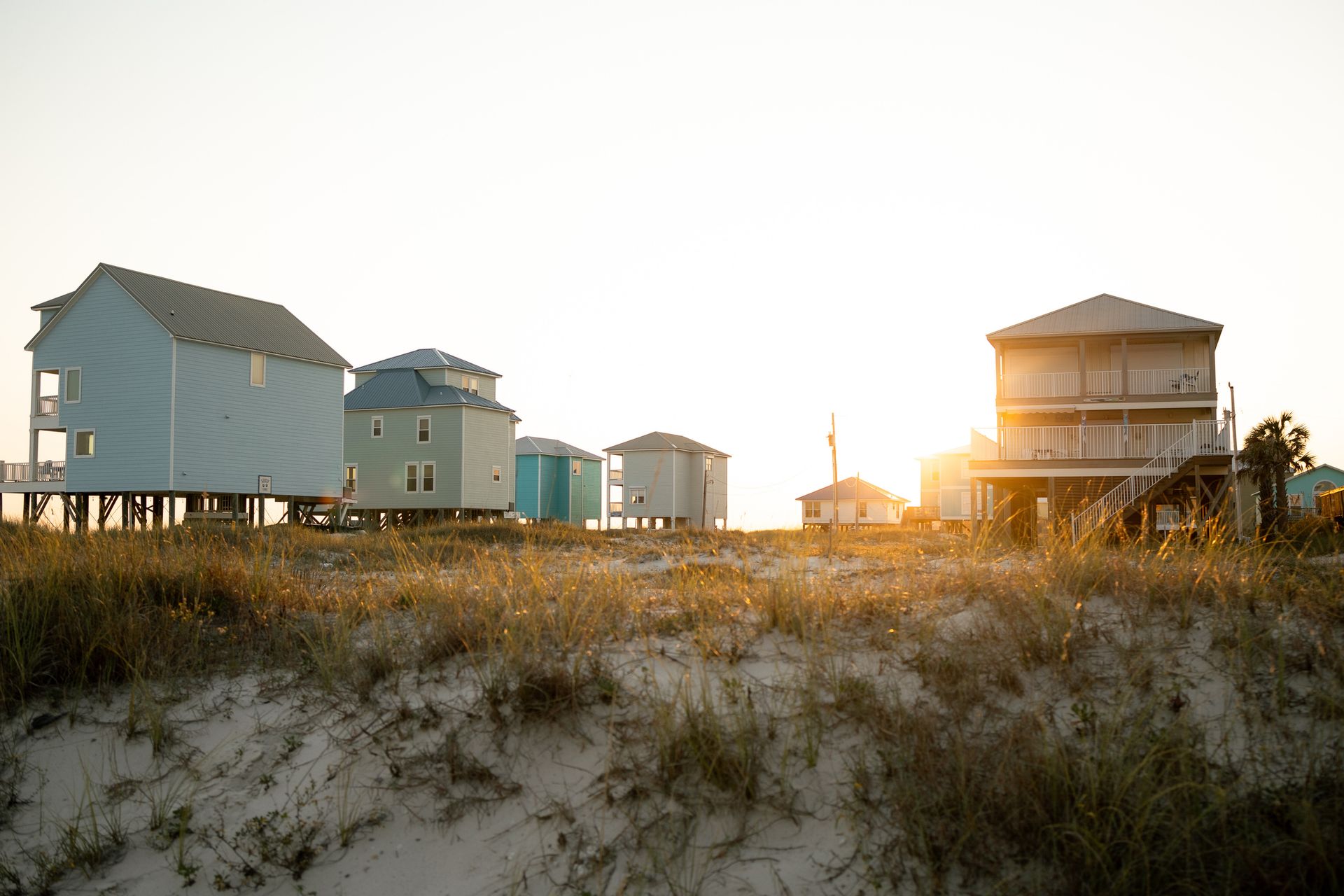
Alabama sits at 47th overall, with households facing steep financial strains. The state has the highest bankruptcy rate in the nation and ranks poorly on credit health, with an average score of 677. Only 47.8% of residents have rainy-day savings, and delinquency rates are among the worst nationally. Alabama’s housing and non-housing expenses also consume a large share of income, leaving households with limited flexibility to manage debt or unexpected costs.
3 / 10

Gary Kemp Photography / Getty Images
Oklahoma ranks 48th, weighed down by poor credit health and limited savings. Residents post an average credit score of just 680, with delinquency rates ranking near the bottom nationally. More than 42% of the population spends more than they make, and nearly half report paying only the minimum on credit cards. To make matters worse: only 45% of households have rainy-day funds.
4 / 10

Photo by Mike Kline (notkalvin) / Getty Images
Louisiana comes in 49th, with some of the weakest financial indicators nationwide. The state has one of the lowest average credit scores at 675, high delinquency rates, and limited rainy-day savings, with just 47.4% of residents having emergency funds. Louisiana also faces high housing burdens and a large share of the population overspends.
5 / 10
-1920x1280.jpg)
Feifei Cui-Paoluzzo / Getty Images
Mississippi ranks dead last at 50th, struggling across nearly every financial measure. It has the lowest average credit score in the country at 670 and the highest share of residents overspending and relying on minimum credit card payments. Only 42.7% of households report having rainy-day savings, the second-worst nationally, and delinquency rates are among the very highest.
6 / 10

Matt Anderson Photography / Getty Images
Minnesota rounds out the top five best budgeters, achieving the highest average credit score in the country at 752. It also ranks first in the share of the population avoiding overspending, with Minnesotans least likely to spend more than they make. The state maintains relatively low delinquency rates and strong credit practices.
7 / 10

Rebecca Dunn-Levert / 500px / Getty Images
Wisconsin ranks fourth overall, with a particularly high average credit score of 746 — the fourth-best in the nation. The state also has one of the lowest foreclosure rates and a solid delinquency ranking, indicating borrowers generally keep up with payments. While Wisconsin struggles with housing costs, residents show discipline in managing credit card spending and keeping utilization levels in check.
8 / 10
-1920x1280.jpg)
joe daniel price / Getty Images
Massachusetts secures the third spot overall, with standout rankings in credit and debt management. It has the lowest bankruptcy rate in the nation and maintains one of the top credit utilization rates. The state’s residents also demonstrate discipline in avoiding delinquency and maintaining a high average credit score of 742.
9 / 10

DaveAlan / Getty Images
Washington comes in second place, combining strong credit performance with disciplined spending. Residents hold an average credit score of 743, ranking fifth nationally, and have relatively low rates of overspending compared with income. Washingtonians also maintain solid rainy-day savings, at nearly 60% of the population, and show lower-than-average delinquency across mortgages, auto loans, student loans, and credit cards.
10 / 10

Warren Ishii / 500px / Getty Images
Hawaii ranks as the state with the best budgeters in the country. It has the lowest housing expenses relative to median home prices and Hawaiians score well with the highest rainy-day fund rate at 64.4%. While the state is midrange on some debt measures, residents are least likely in the nation to pay only the minimum on credit cards and have an average credit score of 737.
