From a 57-mpg Prius with sportier styling than its reputation suggests to a Ford Maverick that brings hybrid efficiency to a compact pickup truck
Credit: Toyota
Gas prices may be unpredictable, but the strategy for minimizing how much you spend at the pump is straightforward: buy a car with better fuel economy than you currently drive. Every car on this list tops 33 mpg in combined driving, and most of them are hybrids rated well into the 40s and 50s. The savings compound over time. A car rated at 54 mpg combined versus one rated at 27 mpg will cost roughly half as much to fuel over the same distance. That math becomes more persuasive as prices rise.
Hybrids dominate the top of this list for a simple reason: they’re genuinely more efficient than gas-only cars at every price point. The gap has grown significantly in the past few years as manufacturers have refined hybrid technology to the point where the efficiency benefits no longer come with meaningful driving compromises. Several of the hybrids listed here are more engaging to drive than their non-hybrid counterparts, not less.
The 10 cars below come from U.S. News & World Report, ranked by EPA combined fuel economy rating. Non-hybrid models appear toward the bottom. You can also check out a similar list with the most affordable car models for 2026. The EPA ratings cited are the most favorable available for each model. Most buyers will see real-world numbers somewhat lower, and the gap between EPA estimate and real-world result varies significantly by driving style and conditions. Highway driving at steady speeds typically produces numbers closer to the EPA estimate. Stop-and-go city driving often underperforms them for gas-only cars, but can actually meet or exceed them for hybrids, since the electric motor handles low-speed situations most efficiently. Hybrid buyers in particular tend to see the strongest efficiency numbers in urban stop-and-go driving where the electric motor takes over, and the regenerative braking system recovers energy that would otherwise be lost as heat in a gas-only car.
Credit: Toyota
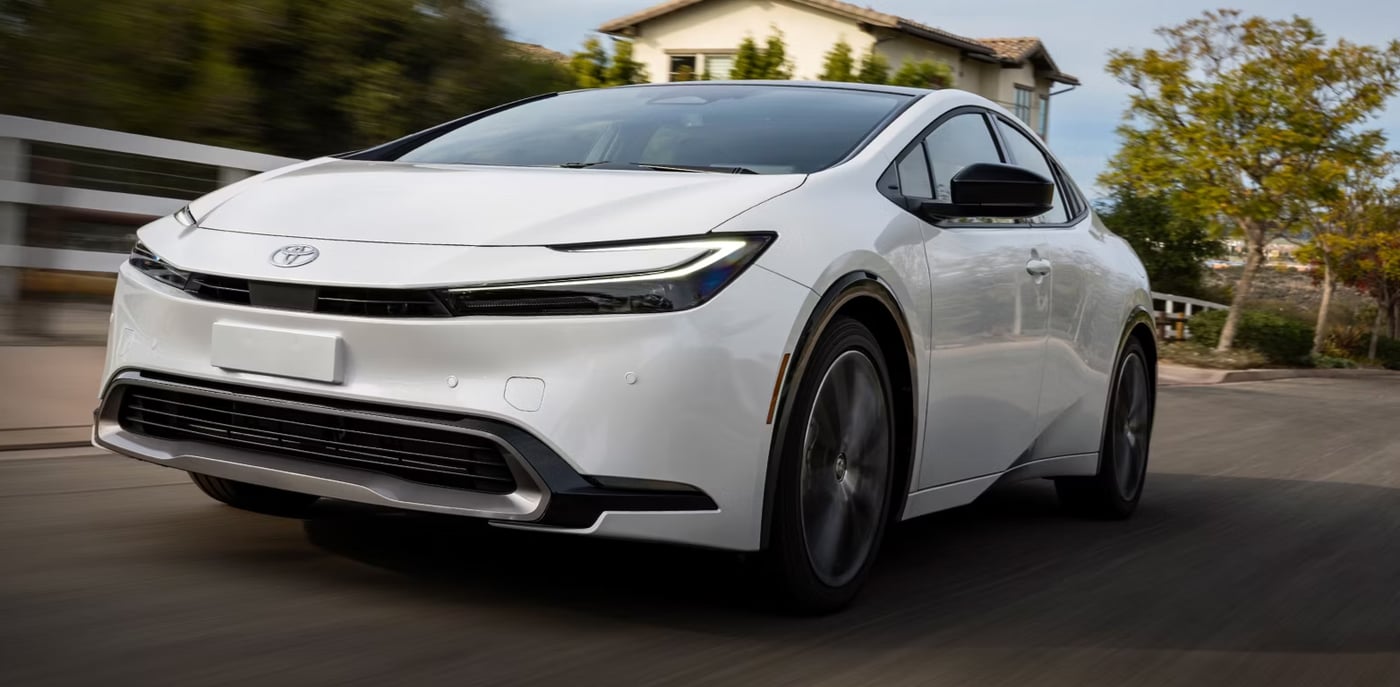
The Toyota $TM Prius is the most fuel-efficient non-plug-in car you can buy in 2026, and the gap between it and the next contender is meaningful: the closest competitor trails by several mpg. It’s also a genuinely different car from the Priuses that spent years earning a reputation for frumpiness. The 2023 redesign changed all of that: the current Prius is sleek, reasonably quick (0-60 in 7.2 seconds), and notably more enjoyable to drive than its predecessors. It pairs a four-cylinder engine with a single electric motor, and front-wheel drive comes standard. All-wheel drive is available for an additional $1,400.
The powertrain can run loud when pushed hard, particularly at highway speeds, and it’s more rewarding for its agility in corners than for outright acceleration. But as a daily driver focused on fuel economy, it’s in a class of its own. The Prius is also available as a plug-in hybrid, which U.S. News reviews separately and can travel meaningful distances on electricity alone before reverting to hybrid operation.
Prius pricing starts around $29,000 for the base LE trim, which is reasonable given the fuel savings over time. Buyers who want the best possible efficiency should note that AWD slightly reduces the combined mpg rating, and the plug-in Prius Prime costs more but can cover shorter daily commutes on electricity alone before the hybrid system kicks in. For pure pump-avoidance at the lowest upfront cost, the standard Prius LE is the strongest argument on the market. The Prius also holds up well on resale, partly because its hybrid system has a long-established reliability track record and partly because high-efficiency cars tend to hold value better when gas prices rise. Buyers who drive significant annual mileage will see the fuel savings add up faster than those who drive fewer miles per year. Industry-leading mpg paired with Toyota’s hybrid reliability record makes the Prius the default recommendation for buyers whose primary criterion is spending as little as possible on fuel over the life of the car without sacrificing dependability to do it.
Credit: Hyundai
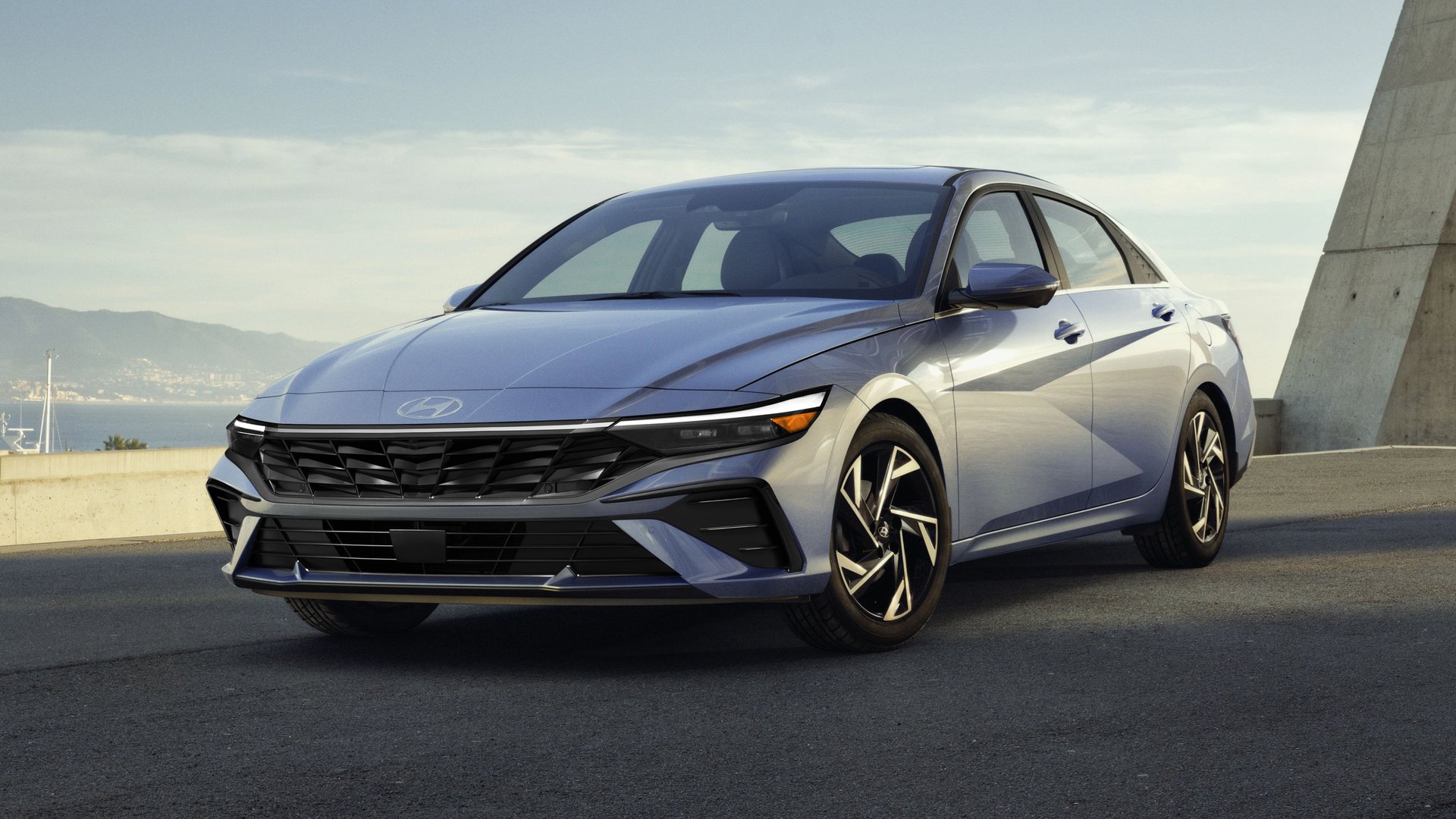
The Elantra Hybrid starts at $25,540 for the base Blue trim and delivers up to 54 mpg in combined driving, making it the most efficient compact hybrid sedan you can buy that doesn’t carry a Toyota $TM badge. Managing Editor Alex Kwanten saw 51.9 mpg in real-world testing, which is a strong result for a car that costs this little. Hyundai won the 2026 Best Compact Hybrid Car for the Money award with this model, and the pricing justifies that recognition: it costs only slightly more than the gas-only Elantra while delivering better fuel economy meaningfully.
The driving experience is easy and comfortable. The 139-horsepower powertrain, shared between a four-cylinder engine and a single electric motor, doesn’t feel underpowered for everyday use because the electric motor’s torque compensates at low speeds. The base Blue trim is somewhat light on features, and the Elantra Hybrid looks nearly identical to the gas version, which some buyers prefer, and others find disappointing. Hyundai has also been offering competitive lease deals on this model for buyers who’d rather not purchase outright.
The Elantra Hybrid’s value case is particularly compelling for budget-conscious buyers who’d normally default to a gas-only compact. The fuel cost difference between 35 mpg and 54 mpg adds up quickly over three to five years of typical ownership, often exceeding the price premium over a gas-only Elantra. Higher trims add features and comfort, though the Blue’s efficiency numbers remain the same across trim levels. Hyundai has also noticeably improved the Elantra Hybrid’s overall refinement in recent model years, addressing earlier criticisms of interior materials and highway-road noise. The 2026 model is a more complete car than its predecessors, and its low price paired with high efficiency is genuinely difficult to match in the compact hybrid segment. Hyundai backs the Elantra Hybrid with a 10-year, 100,000-mile powertrain warranty, one of the best in the industry, which gives buyers additional protection against the cost concern that sometimes accompanies hybrid ownership.
Credit: Kia
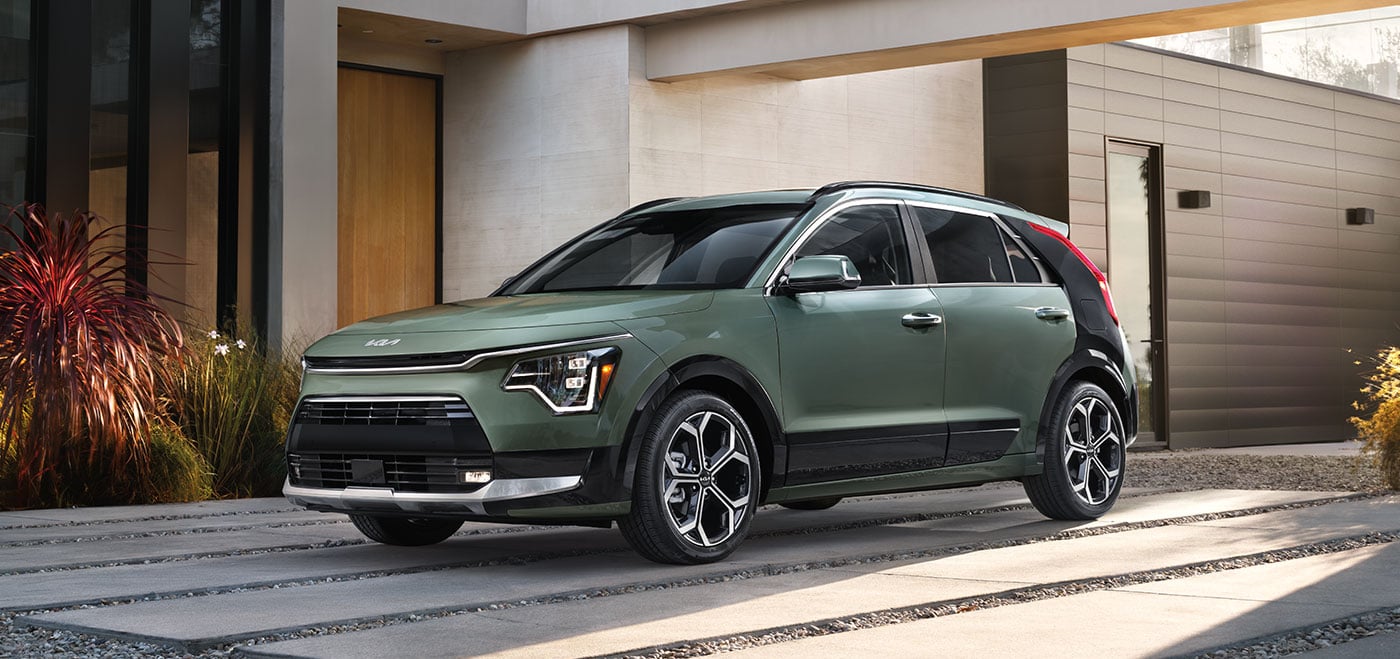
The Kia Niro occupies a slightly awkward spot in the market: Kia calls it an SUV, but it drives and proportions itself more like a tall hatchback. That distinction matters less once you’re inside, where the Niro delivers what Kwanten calls one of the best overall small hybrid packages available. The base trim has a basic infotainment system and still requires a physical key, which may frustrate buyers used to more modern setups, but the fuel economy holds across the lineup regardless of trim level.
In real-world testing, Kwanten recorded 48.4 mpg, which exceeded the mpg of any other SUV-categorized vehicle he tested. The four-cylinder engine and electric motor produce 139 horsepower and drive the front wheels. Performance is average in every measurable sense: the Niro isn’t quick, isn’t sporty, and doesn’t pretend to be either. What it consistently is is efficient and comfortable enough to make a long commute feel unremarkable, which is precisely what many buyers in this segment are shopping for. The Niro also won the 2026 Best Subcompact Hybrid SUV for the Money award. An EV version exists but is reviewed separately.
The Niro’s value case is strong at its price point. It undercuts many crossovers on fuel costs while providing the slightly elevated seating position and hatchback cargo flexibility that buyers switching from traditional compact SUVs typically want to keep. The base trim’s physical key and simpler infotainment system are genuine drawbacks by current standards, but higher trims address both while maintaining identical fuel economy. The Niro’s 2026 award reflects how effectively it threads the needle between size, efficiency, and price. The Niro’s cargo capacity in hatchback form is one of its genuine practical advantages over compact sedans at similar price points, and buyers who regularly haul gear, groceries, or sports equipment will appreciate the flexibility the body style provides without the step up to a larger, less efficient crossover.
Credit: Toyota
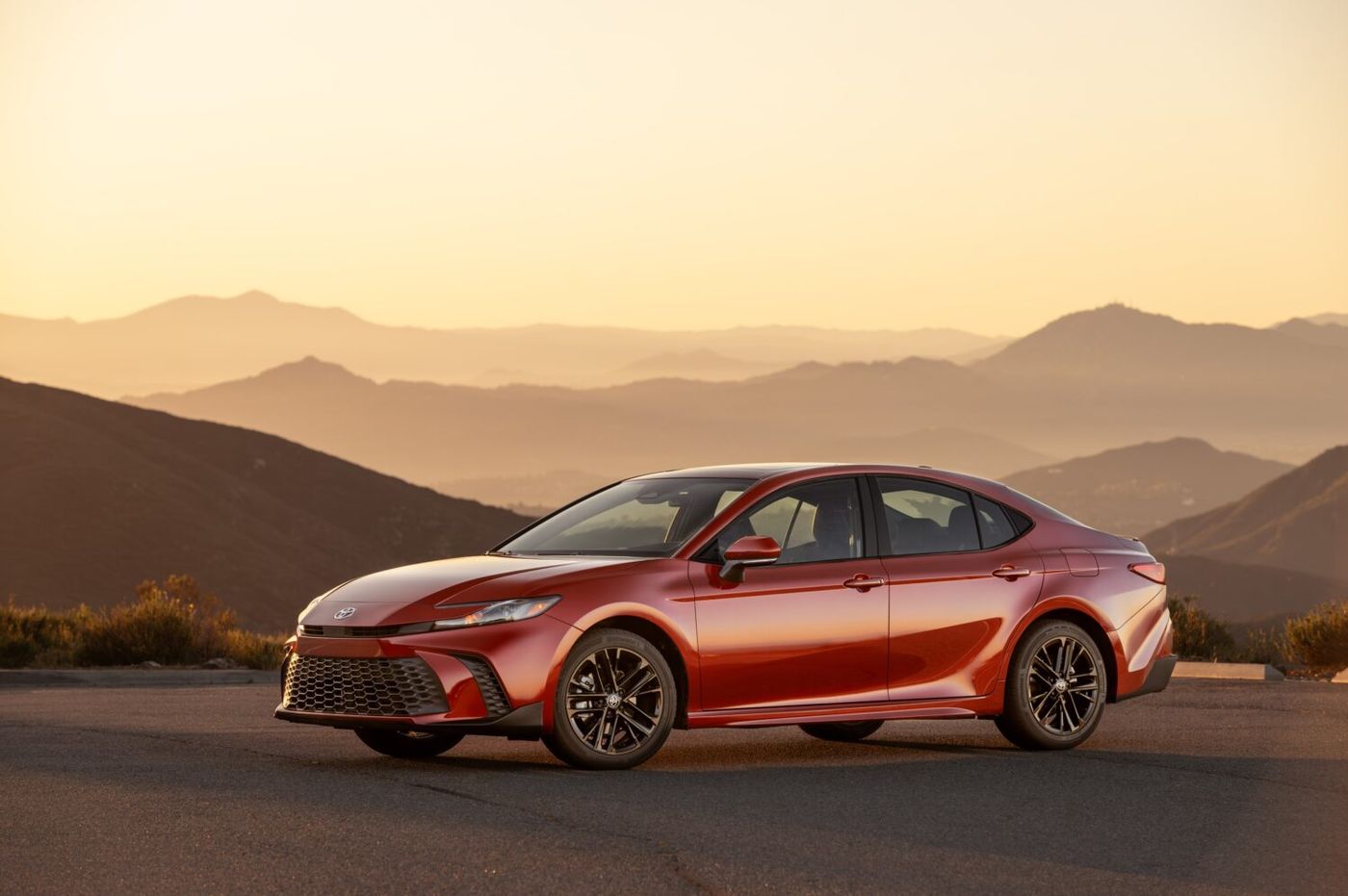
Every 2026 Camry is now a hybrid by default. Toyota $TM dropped the gas-only version after the full 2025 redesign, and the result is a midsize sedan with exceptional fuel economy that doesn’t require any compromise on space or refinement. Expert reviewer Robert Duffer calls the fuel economy “exceptional” despite what he describes as eager acceleration, which gives the Camry a real advantage over competitors that feel sluggish in pursuit of efficiency. The most frugal version hits 51 mpg combined, and most trim levels land between 43 and 46.
The Camry earned a U.S. News safety score of 9.9 out of 10, the highest on this list, built on strong crash-test results and a comprehensive standard safety technology package. Duffer compares the interior space to that of a full-size sedan, despite the Camry’s midsize classification, making it a practical choice for buyers who need more room than a compact can provide. The 2026 model also won Best Midsize Hybrid Car for the Money, taking into account both purchase price and estimated ownership costs.
The Camry’s shift to hybrid-only is significant for the market more broadly: it signals Toyota’s confidence that hybrid pricing has normalized enough to position it as the standard, not the premium, option. Most Camry buyers won’t reach 51 mpg consistently, since that rating applies to the most efficient configuration, but landing between 43 and 46 mpg in a full-size-feeling midsize sedan represents a meaningful real-world improvement over most competitors in this segment. The Camry’s long reliability record and Toyota’s strong dealer network give buyers additional confidence in a car that already justifies its purchase on fuel economy and safety alone. Toyota consistently ranks among the top brands for long-term ownership costs, making the Camry’s already competitive pricing even more favorable when projected over a full ownership cycle. The Camry’s interior space puts it in a different practical category from the compact hybrids on this list, and buyers who genuinely need a midsize sedan, not a compact, will find the fuel economy premium over a gas-only midsize particularly worthwhile given how few non-hybrid midsize sedans can approach these numbers.
Credit: Toyota
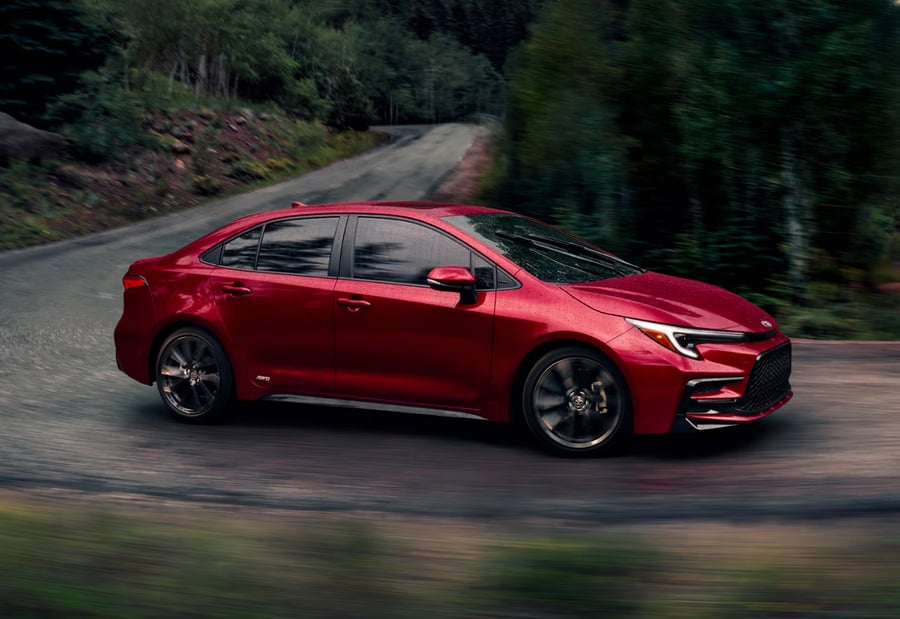
The Corolla Hybrid costs only slightly more than the gas-only Corolla yet delivers better fuel economy, meaningfully. Reviewer Mike Hagerty calls it “utterly conventional” and “very frugal,” which, in this context, are genuine compliments. It’s a finalist for the 2026 Best Compact Hybrid Car for the Money award, and the case for choosing it over the gas version is hard to argue against, given how close the price gap has become.
Hagerty is direct about one limitation: the Corolla Hybrid isn’t for people who enjoy driving. Its acceleration is slower than most other compact hybrids, and there’s nothing sporty about how it moves. For buyers prioritizing fuel savings, reliability, and a practical daily commute, those aren’t dealbreakers. All-wheel drive is available as an option for $1,400, which is relatively rare among small hybrids and meaningfully broadens the Corolla Hybrid’s appeal in colder-weather markets where winter traction matters.
Buyers deciding between the Corolla and Corolla Hybrid face a clear calculation: the hybrid costs somewhat more upfront but delivers substantially better fuel economy. Over a typical ownership period, the fuel savings generally offset or exceed the price difference. For buyers who prioritize predictable, low-cost operation over driving excitement, the Corolla Hybrid is among the best value propositions in any segment. The Corolla Hybrid’s reliability track record mirrors that of the gas-only Corolla, which ranks among the most dependable compact cars available, giving buyers confidence that the fuel savings won’t be offset by higher-than-expected maintenance costs over time. Toyota $TM’s hybrid technology is well proven and requires no special charging infrastructure. All-wheel-drive availability at a reasonable premium broadens the Corolla Hybrid’s appeal in cold-weather markets where compact SUVs with AWD often dominate, making it a direct alternative for buyers who need winter traction but don’t require the additional cargo space or ride height a crossover provides. The Corolla Hybrid’s resale value also tends to hold well relative to gas-only competitors in its segment, which factors into the total ownership cost calculation for buyers who plan to sell or trade in after a few years.
Credit: Hyundai
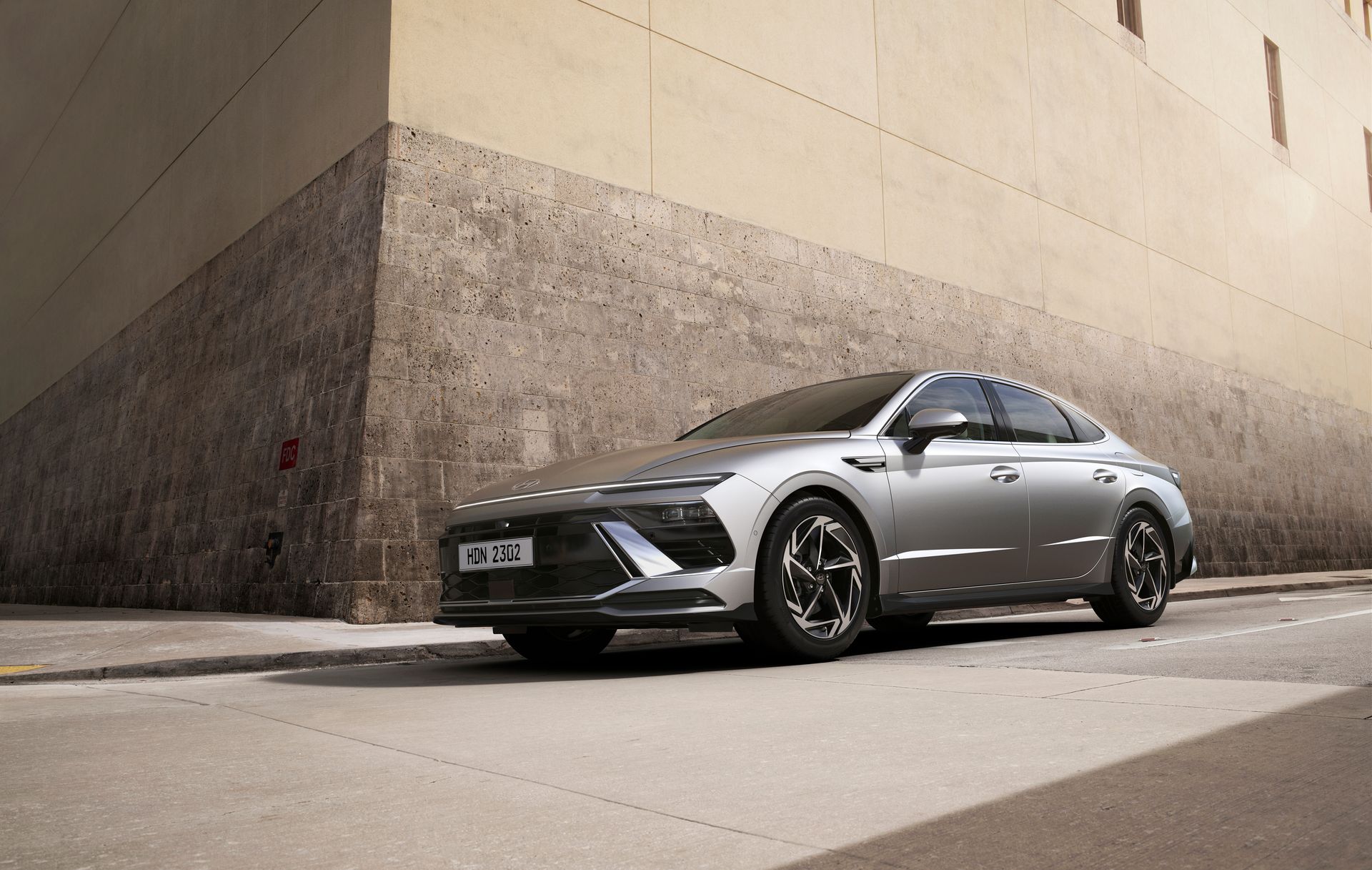
The Sonata Hybrid is among the most well-rounded midsize hybrid sedans available, and Senior Editor Nick Spagnoli considers it a better choice than the gas-only Sonata for most buyers despite its front-wheel-drive-only drivetrain. The cabin is spacious and feels upscale, with generous seating proportions and a notably large trunk that gives it the feel of a practical all-purpose daily driver. Standard equipment is generous across the lineup.
The powertrain produces 192 system horsepower from a four-cylinder engine and a single electric motor, just one horsepower more than the gas model. The transition between gas and electric power isn’t quite as seamless as Honda $HMC’s hybrid system, but the ride is smooth, and the car is easy to live with. The base Blue trim reaches 51 mpg combined, though the other trims top out at 47. For buyers who want the Sonata’s interior quality and driving refinement alongside meaningful fuel savings, the hybrid version makes the straightforward case.
The Sonata Hybrid’s front-wheel-drive limitation is worth noting for buyers in snowy climates who specifically need AWD, but for everyone else, it delivers one of the most livable and well-appointed midsize hybrid sedans available at its price. Hyundai’s broader Sonata lineup faces an increasingly competitive midsize sedan market, and the hybrid variant’s fuel economy advantage is one of the clearest reasons to choose it over the gas-only version without paying a premium that’s hard to recover. The Sonata Hybrid competes primarily against the Toyota $TM Camry in this segment, and the comparison is worth making directly: the Camry has a slight fuel economy edge in some configurations and a higher safety rating, but the Sonata Hybrid’s interior quality and feature content are competitive, and Hyundai’s pricing and lease deals have historically been aggressive. Hyundai’s 10-year, 100,000-mile powertrain warranty applies to the Sonata Hybrid as well, giving buyers in this segment a level of long-term coverage that Toyota and Honda don’t currently match at comparable price points.
Credit: Honda
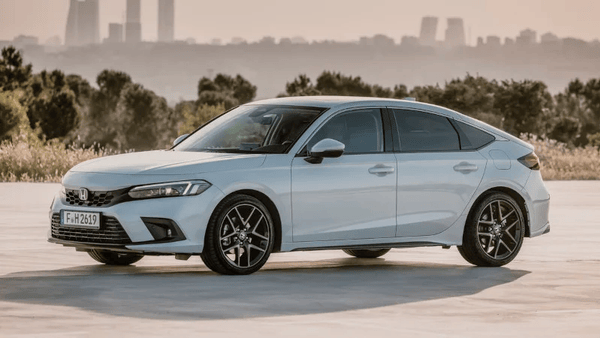
The Civic Hybrid came back to showrooms in 2025 after a nearly decade-long absence, and Kwanten found it “definitely more fun and engaging than comparable hybrids from Toyota $TM and Hyundai.” The Civic Hybrid’s 2.0-liter four-cylinder and two electric motors produce 200 system horsepower, matching the sporty gas-only Civic Si, and the handling is equally sharp. This is a rare hybrid that doesn’t ask buyers to trade driving enjoyment for efficiency.
Two significant caveats apply. Reaching the EPA-rated 49 mpg combined in real-world driving is difficult: Kwanten averaged 44 mpg in mixed testing, though he reached 53 mpg on shorter trips. The other issue is price: the Civic Hybrid costs noticeably more than the Elantra Hybrid or Corolla Hybrid. The extra cost buys a meaningfully more enjoyable driving experience, but buyers focused purely on fuel savings per dollar spent may find the math doesn’t favor the Civic Hybrid as strongly as its efficiency numbers alone suggest.
For buyers who want a genuinely enjoyable compact hybrid and not a purely utilitarian one, the Civic Hybrid is the most compelling option on this list. The 200-horsepower output and Civic Si-derived handling make it feel like a legitimate driver’s car that also returns excellent fuel economy when driven gently. The pricing premium over the Elantra and Corolla Hybrids is real, but so is the driving quality difference. Buyers who commute primarily on highways, where steady cruising gives the Civic Hybrid its best efficiency, will find it easier to approach the EPA estimate than those with stop-and-go urban commutes. The Civic Hybrid also holds strong resale value, which partially offsets its higher purchase price compared to the Elantra and Corolla Hybrids when calculated over a full ownership period. The Civic Hybrid also remains one of the more complete compact cars in terms of interior quality, feature content, and safety technology, which means buyers who choose it primarily for driving enjoyment still end up with a well-rounded car whose efficiency is a bonus, not its only selling point.
Credit: Honda
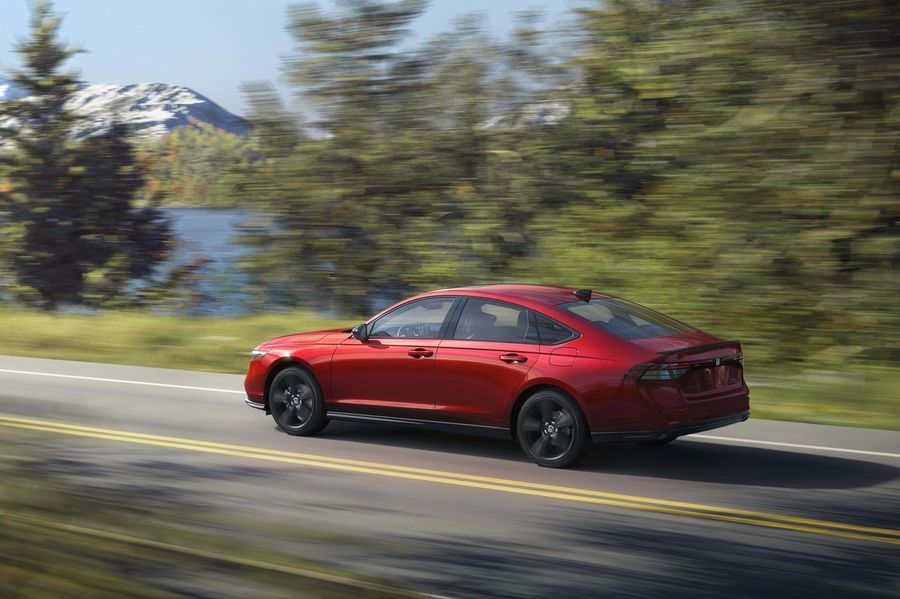
Reviewer Emme Hall describes the Accord Hybrid as “easy to drive, light on the wallet and a pleasure to look at,” and the 2026 model backs that up with a U.S. News Best Hybrid Car for Families award. The Sport trim starts at $33,795, and Hall singles it out as a standout value for what it includes at that price. The Accord Hybrid runs front-wheel drive only with no all-wheel-drive option, but it returns up to 48 mpg combined and delivers more power and smoother acceleration than the gas-only Accord.
The powertrain uses a four-cylinder engine and two electric motors, each serving a different role: one handles most of the driving at lower speeds and assists the engine at higher loads, while the other functions as a generator for the battery. The result is an acceleration that feels smooth and adequately powerful for a family sedan, without the hesitation that less-refined hybrid systems produce. Cabin space is generous throughout, and the Accord Hybrid’s size, comfort, and fuel economy together make it the most practical all-around choice for buyers who need to move a family regularly.
The lack of AWD is the Accord Hybrid’s most obvious limitation compared with competitors, and buyers in regions with significant winter weather should weigh it carefully. For everyone else, the Accord Hybrid’s spacious interior, smooth powertrain, and 48 mpg rating in a genuinely full-featured package make it one of the strongest arguments for choosing a hybrid midsize sedan. Its family-focused award reflects that the car’s proportions suit real-world family use, not just on paper. Honda $HMC’s hybrid system in the Accord is one of the more refined in the mainstream segment, with a powertrain transition between gas and electric operation that’s noticeably smoother than some competitors'. That refinement makes the Accord Hybrid a more relaxing car to drive on longer trips, which matters for families who regularly cover significant distances.
Credit: Honda
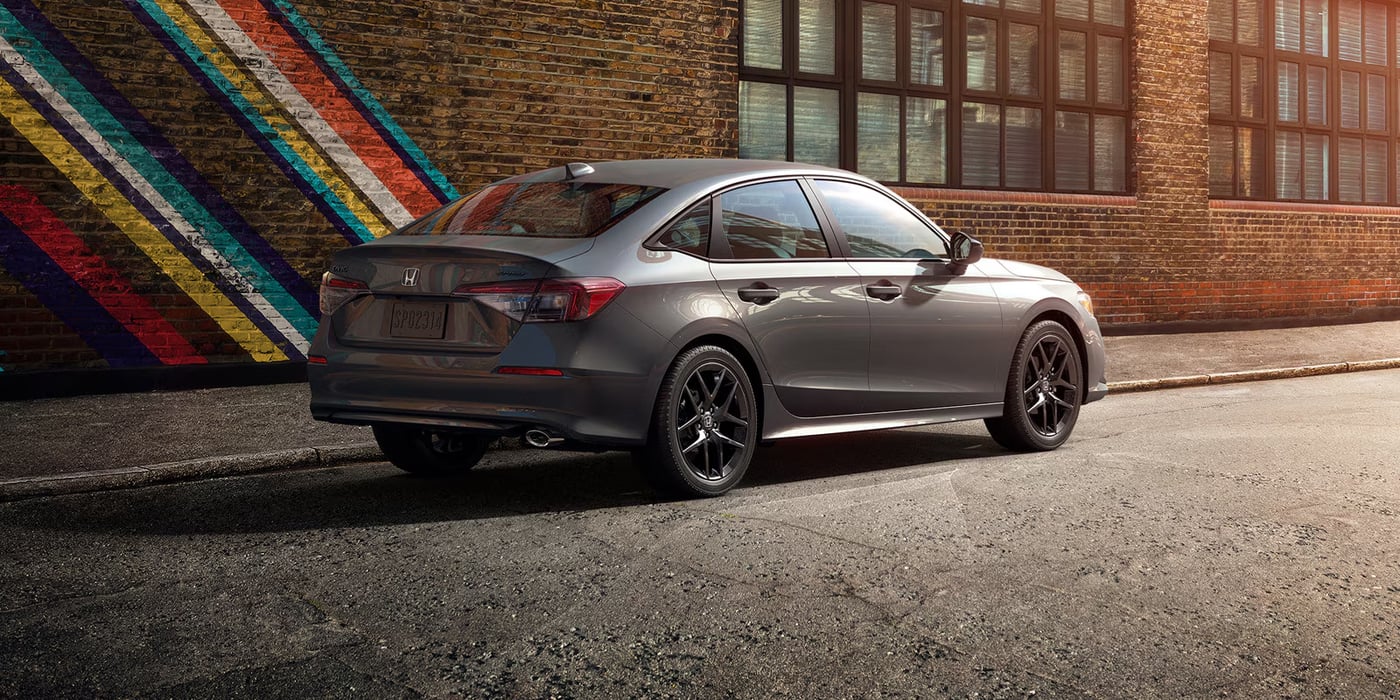
The regular Civic, without any hybrid assistance, returns up to 36 mpg combined, making it the highest-rated non-hybrid on this list. Most versions land at 34 mpg, and even the sporty, manual-transmission Civic Si manages 31 mpg combined, a strong result for a performance-oriented variant. Reviewer Perry Stern points to an upscale interior and a strong safety technology package as additional selling points beyond the fuel economy.
The most fuel-efficient version, the LX Sedan, starts at $24,695, which undercuts the Civic Hybrid by a meaningful margin. Buyers who don’t need the extra efficiency of the hybrid but still want a competent, well-built compact sedan that won’t punish them at the pump will find the regular Civic a straightforward choice. Power in the non-Si models comes from a 2.0-liter four-cylinder with 150 horsepower, enough for everyday driving without being particularly exciting. Stern notes the handling is engaging and the ride is smooth, which makes the Civic a better daily driver than its mpg-focused positioning might suggest.
The Civic’s reputation for durability and strong resale value factor into the total cost of ownership calculation in ways that mpg numbers alone don’t capture. Long-term Honda $HMC Civic owners consistently report low maintenance costs and high reliability, which makes the $24,695 starting price look even more reasonable when amortized across a typical five-to-eight-year ownership period. The Civic Hybrid offers greater efficiency and performance for a higher price. Whether that trade-off makes sense depends on how much the buyer actually drives. The Civic also comes in a hatchback body style for buyers who want more cargo flexibility, though the sedan returns slightly higher mpg numbers. The full model lineup, including the sporty Type R and the Hybrid, shares the same underlying platform and engineering DNA, which keeps the base Civic’s long-term reliability prospects strong across all trim levels. The non-hybrid Civic’s 9.4 U.S. News score matches the Camry as the highest on this list, reflecting how comprehensive its overall package is relative to what buyers typically pay for it at the base and mid-range trims.
Credit: Toyota
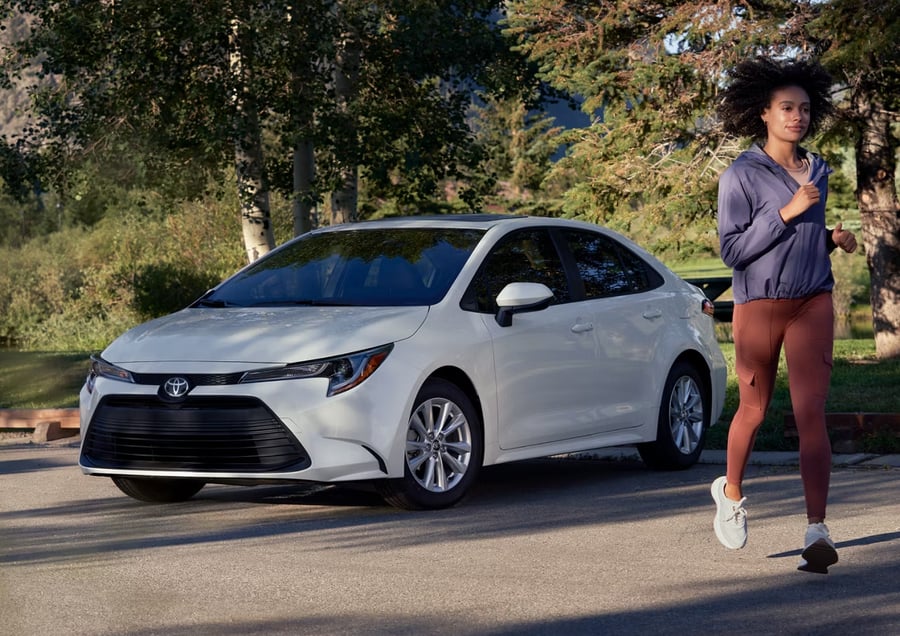
The Corolla starts at $23,125, the lowest of any car here, and editor Zach Doell says the base model delivers meaningful safety features and solid fuel economy without making buyers feel they compromised to get there. The interior is plain, and the back seat and trunk are both on the smaller side, but for a buyer whose priority is affordable, efficient, reliable transportation, the Corolla remains one of the clearest-cut decisions in the compact segment.
Every Corolla runs a 169-horsepower four-cylinder engine paired with a continuously variable transmission driving the front wheels. Acceleration is adequate, not quick, and the ride is smooth. Doell notes a few new standard features for 2026 that bring the base model in line with competitors' standard equipment, closing a noticeable gap. The Corolla Hybrid, reviewed earlier on this list, costs more but delivers significantly better fuel economy. For buyers who want to spend as little as possible up front and still end up with a reliable, efficient car, the gas-only Corolla makes the budget case effectively.
The 2026 Corolla’s new standard features include updated safety technology that brings the base model closer to what competitors include at similar price points, addressing a common criticism of previous model years. For buyers on tight budgets who need reliable transportation and want to minimize fuel costs without paying the hybrid premium, the base Corolla LE is one of the more defensible new car purchases available. It won’t impress anyone, but it won’t disappoint them either. Toyota $TM’s reliability record with the Corolla spans multiple generations and consistently earns top marks in long-term ownership surveys, which means buyers choosing the base gas model on budget grounds can do so with confidence that they’re getting a car that will perform as expected for a long time without significant unplanned repair costs. For buyers comparing the Corolla to the Corolla Hybrid, the decision comes down largely to how many miles they drive annually. High-mileage drivers will find the hybrid’s fuel savings offset its higher purchase price relatively quickly. Lower-mileage drivers may find the gas Corolla’s lower upfront cost more difficult to recover through fuel savings alone over a typical ownership period.
