From a $36,390 Kia Telluride to a supercharged Genesis G90 sedan, the best V6 vehicles you can buy across every segment
Brandon Woyshnis / Getty Images
A V6 engine once lived under the hoods of family sedans, minivans, and mid-range trucks across the automotive market, a standard choice that balanced power with acceptable fuel costs. The category has since contracted sharply. Turbocharged four-cylinder engines have grown powerful enough to make V6 displacement unnecessary for many applications, and electrification has replaced the engine discussion entirely for a growing number of buyers. Today’s V6 lineup reflects that narrowing: the configuration survives primarily in premium vehicles and body styles where its specific character — smooth power delivery, linear response, and an effortless feeling at highway speeds — still earns its place against the alternatives.
The reasons to seek out a V6 in 2026 are genuine, not sentimental. Turbocharged four-cylinders deliver strong peak power, but their torque characteristics differ from a larger engine in ways some drivers notice. A V6 often feels more relaxed at sustained highway speeds because it produces its torque across a broader range without the boost-dependent surge that defines the four-cylinder’s power band. In trucks, the V6’s inherent towing and hauling capability suits the job without requiring a larger displacement engine. In luxury vehicles, the engine’s refinement contributes to the cabin experience in ways the buyer is paying for. These are functional reasons, not purely emotional ones.
The nine vehicles below come from U.S. News & World Report, which evaluated V6-powered vehicles across categories using U.S. News ratings, performance scores, and the specific merits of each model’s powertrain and overall package. The list spans luxury sedans, full-size trucks, midsize SUVs, minivans, a compact luxury SUV, and a midsize pickup. Prices reflect the most affordable trim level of each model. The full lineup covered includes vehicles rated as high as 9.6 out of 10 by U.S. News reviewers.
jetcityimage / Getty Images
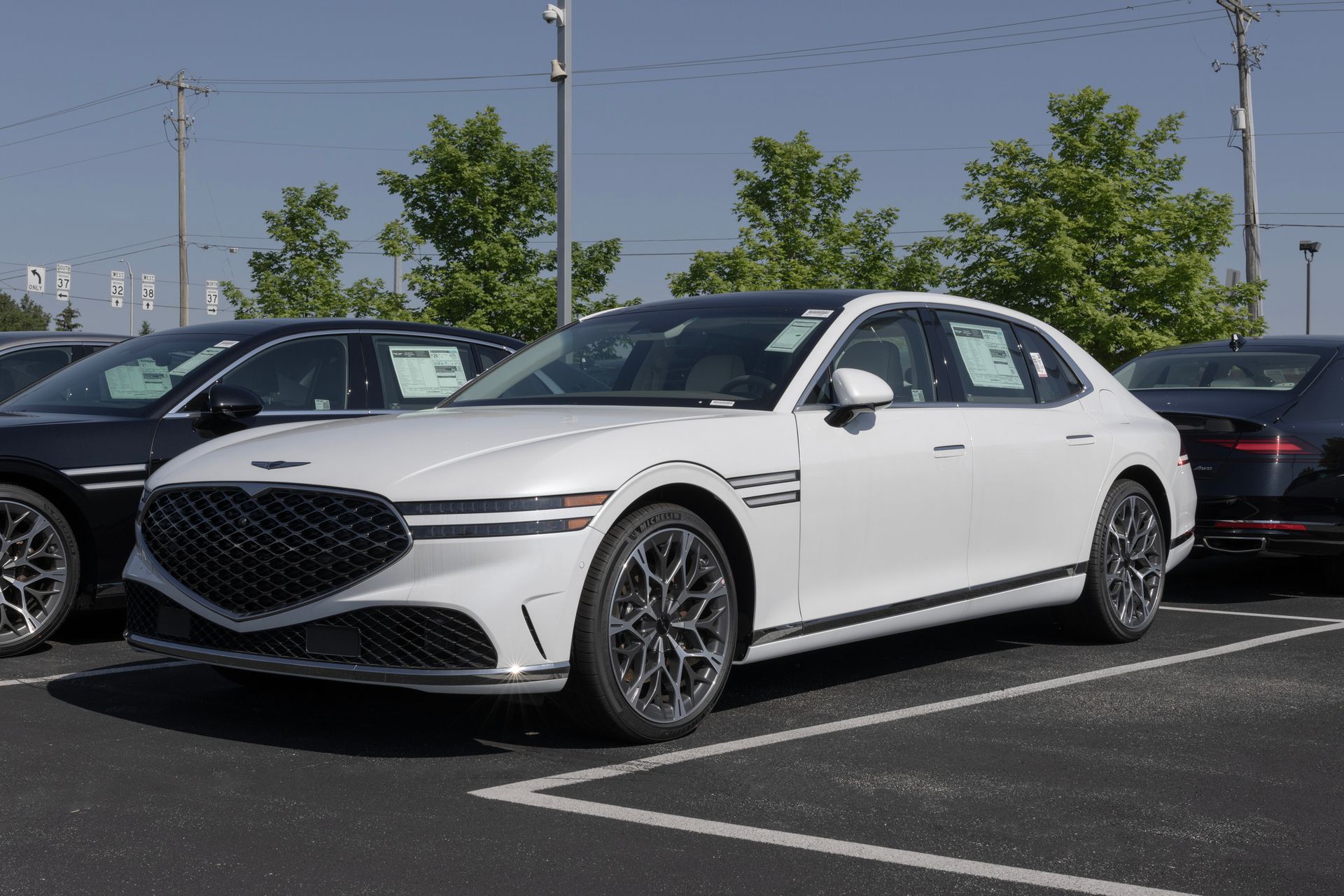
The 2025 Genesis G90 earns a U.S. News rating of 9.6 out of 10 and starts at $89,700, making it a luxury large sedan with two distinct V6 powertrain configurations. The standard engine is a twin-turbocharged 3.5-liter V6 producing 375 horsepower and 391 pound-feet of torque, paired with an eight-speed automatic transmission and all-wheel drive. Buyers who want more can spend approximately $10,000 more to upgrade to a mild-hybrid version of the same engine that adds a supercharger, lifting total output to 409 horsepower and 405 pound-feet of torque. Both configurations use the same transmission and drivetrain layout.
The G90’s character leans toward smooth composure over sporting dynamics. The source describes it as more reminiscent of a land yacht than a sports sedan, but emphasizes that it handles the role with considerable polish. Air suspension delivers exceptionally smooth ride quality, and acceleration remains linear and uninterrupted across the power range. The G90 does not accelerate with urgency or corner with agility, but it covers ground with a refinement that makes long-distance driving feel effortless.
The cabin quality matches the powertrain’s ambition. The source describes the G90’s interior as matching the opulence of German luxury rivals, setting a high standard given the competitors in the luxury large car segment. The performance score of 8.6 out of 10 reflects a vehicle that prioritizes the experience of being in the car as much as the experience of driving it. The two-tier powertrain structure gives buyers a choice between the base V6’s already-substantial output and a supercharged version that brings the G90 close to V8 territory, all while maintaining the smooth, quiet character that defines the model. The air suspension’s contribution to ride quality makes the G90’s smoothness more than just an engine characteristic. The whole vehicle conspires to minimize mechanical intrusion, making the G90 one of the most serene-feeling luxury sedans available with a V6 under the hood.
Tramino / Getty Images
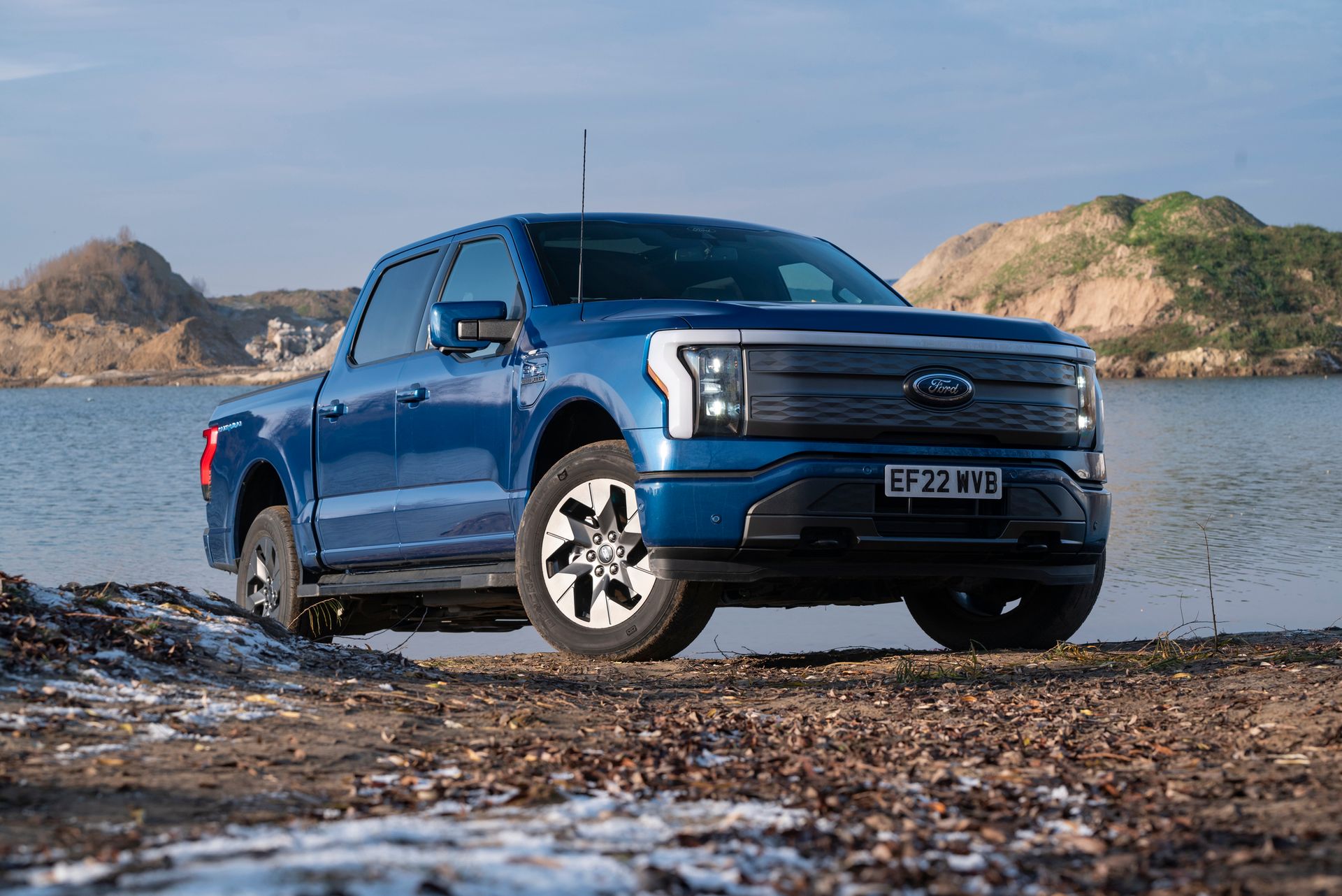
The 2026 Ford $F F-150 earns a U.S. News rating of 9.6 out of 10 and starts at $37,290 as the best-selling full-size pickup in the U.S. market. Ford offers the F-150 with a V6 as the standard engine and also offers several more powerful V6 options, including versions that exceed what most V8 trucks produce. The base engine is a twin-turbocharged 2.7-liter EcoBoost V6 rated for 325 horsepower and 400 pound-feet of torque. From there, buyers can choose among three 3.5-liter EcoBoost V6 variants: a 382-horsepower standard version, a 420-horsepower hybrid version that is the quickest off the line, and a 450-horsepower version fitted to the off-road Raptor trim.
The performance score of 8.4 out of 10 reflects the F-150’s broad capability across the lineup. A 10-speed automatic transmission is available across all configurations, and both rear-wheel drive and four-wheel drive are available, with the latter common among buyers who use the truck for work or off-road use. The twin-turbocharged architecture across all four V6 variants gives each version a different personality while sharing the basic configuration that makes Ford’s EcoBoost engines recognizable.
The context that makes these figures meaningful: the entry-level 2.7-liter delivers 400 pound-feet of torque, while the 3.5-liter versions reach 500 or 570 pound-feet, depending on specification. Torque, more than horsepower, governs a truck’s towing and hauling capability, and these figures give the F-150’s V6 lineup the capability to handle serious working-truck applications without a larger displacement engine. Buyers who associate V6 powertrains with compromise relative to V8 alternatives will find the F-150’s lineup reverses that assumption. The 10-speed automatic transmission available across the F-150 V6 lineup gives each engine enough gear ratios to operate efficiently across the full range of driving conditions, from city crawls to highway cruising to trailer-pulling at the maximum tow rating. The breadth of engine choice also means buyers can calibrate precisely to their needs: the 2.7-liter for maximum daily efficiency, the standard 3.5-liter for more output, the hybrid 3.5-liter for the quickest launches, or the Raptor’s 3.5-liter for off-road performance.
photosvit / Getty Images
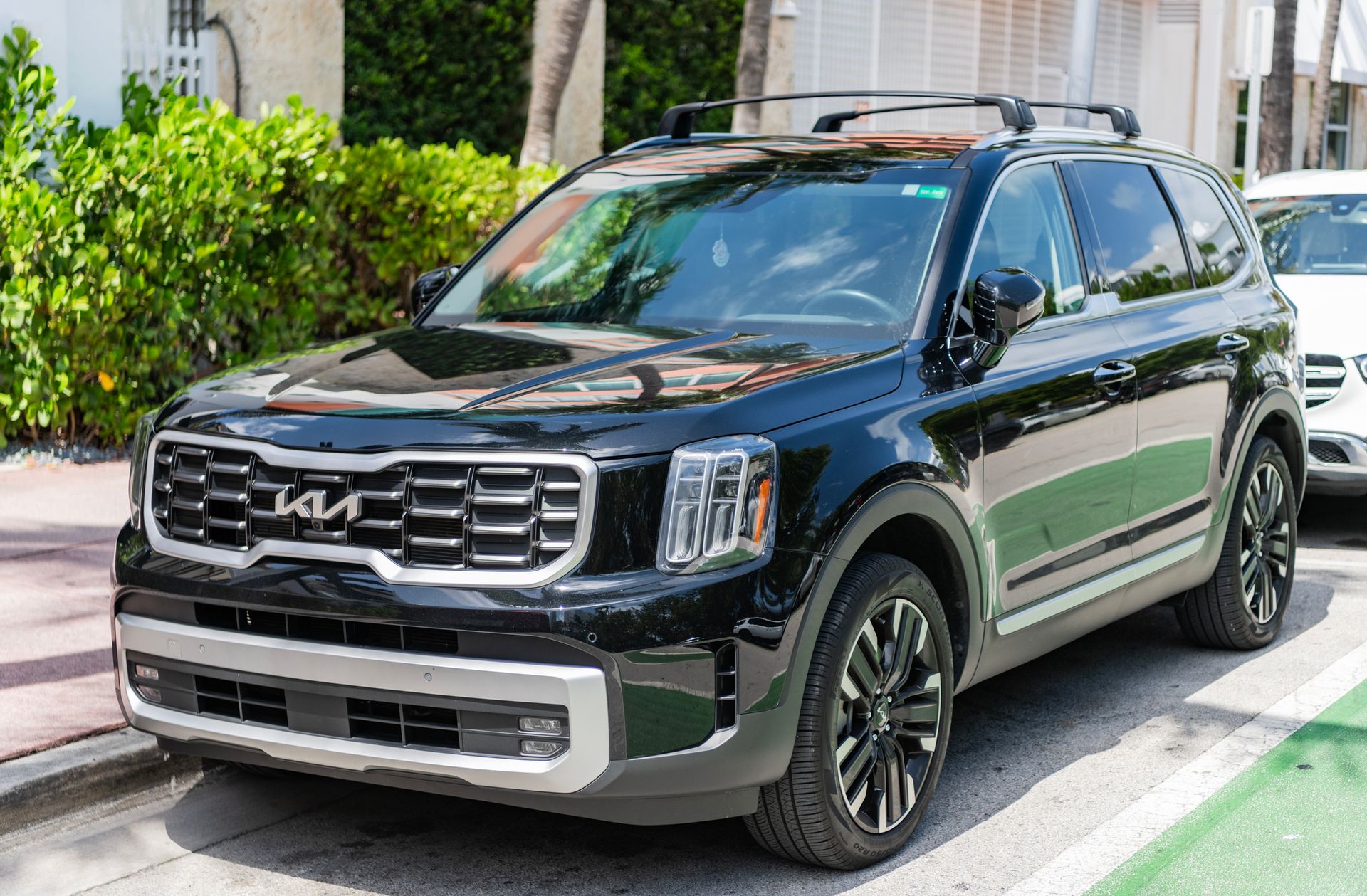
The 2025 Kia Telluride earns a U.S. News rating of 9.5 out of 10 and starts at $36,390 as a midsize three-row SUV. Every Telluride uses the same powertrain regardless of trim level: a 3.8-liter V6 producing 291 horsepower and 262 pound-feet of torque, paired with an eight-speed automatic transmission. The consistent powertrain structure means buyers do not need to step up to a higher trim to access the engine, and front-wheel drive or all-wheel drive is available across the lineup.
The powertrain delivers enough power for typical driving conditions. The source notes that aggressive highway passing might not produce the desired response, acknowledging that 291 horsepower in a vehicle of this size leaves little reserve at the top of its power range. In city driving and normal highway travel, however, the engine performs without complaint. The eight-speed automatic shifts smoothly through its range, contributing to the composed character that makes the Telluride a comfortable family vehicle.
The Telluride’s standing in the value-oriented family SUV market is well established: the model won two of Kia’s awards for the 2025 model year, Best 3-Row SUV for the Money and Best 3-Row SUV for Families. The performance score of 7.5 out of 10 reflects a vehicle that prioritizes family practicality over driving dynamics, which aligns with what the Telluride buyers typically want in their purchase. Buyers who want a three-row V6 SUV at a competitive starting price and do not need sports-car-level acceleration will find the Telluride the most straightforward choice among the vehicles on this list. The consistent powertrain across all trim levels means every dollar spent moving up the trim ladder improves features, materials, or comfort, not the engine. The 3.8-liter V6’s naturally aspirated configuration also gives it a different character from turbocharged alternatives: it rewards pressing the engine harder and delivers power in a linear way that turbocharged units only approximate at the top of their rev range.
ollo / Getty Images
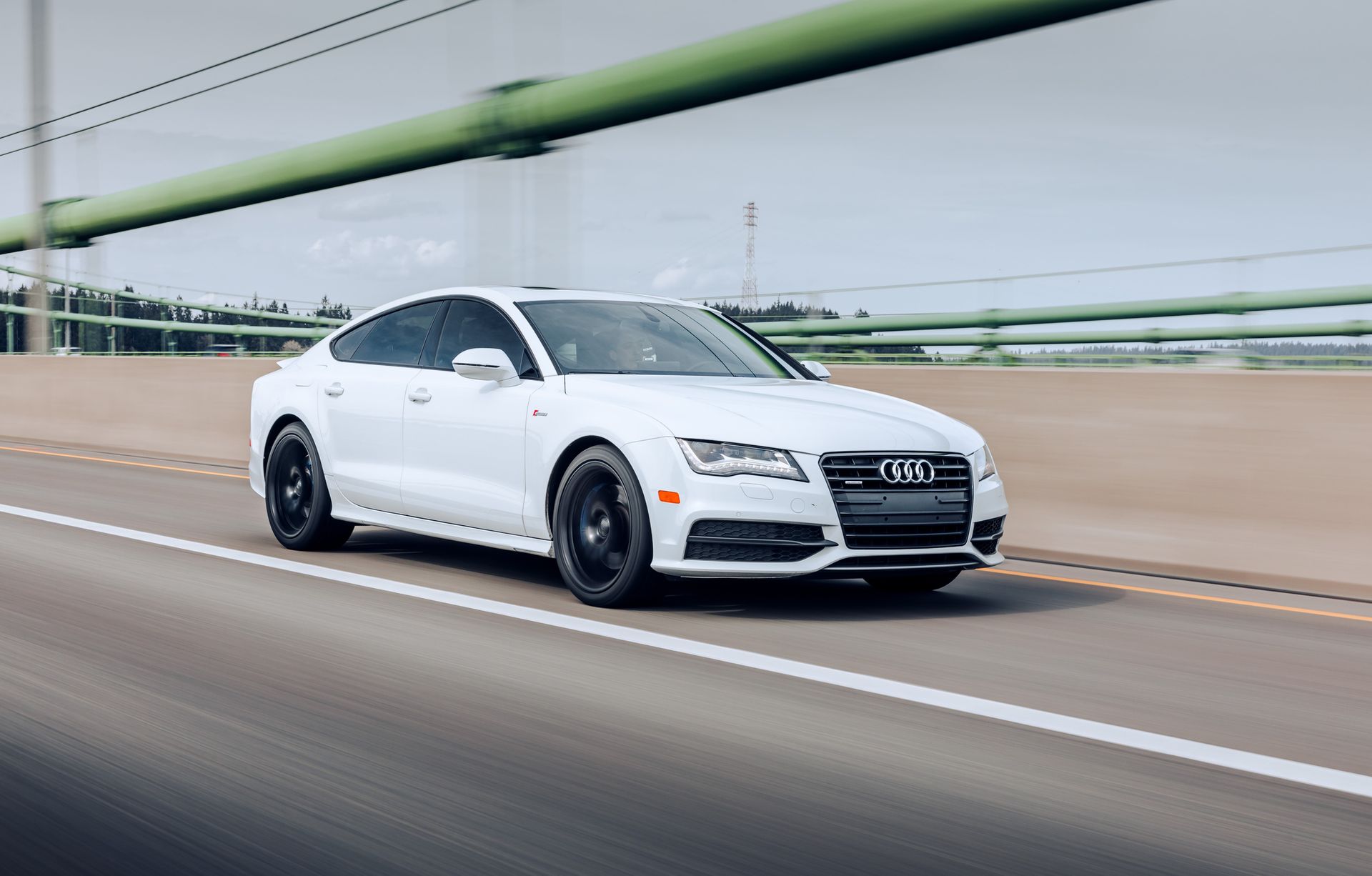
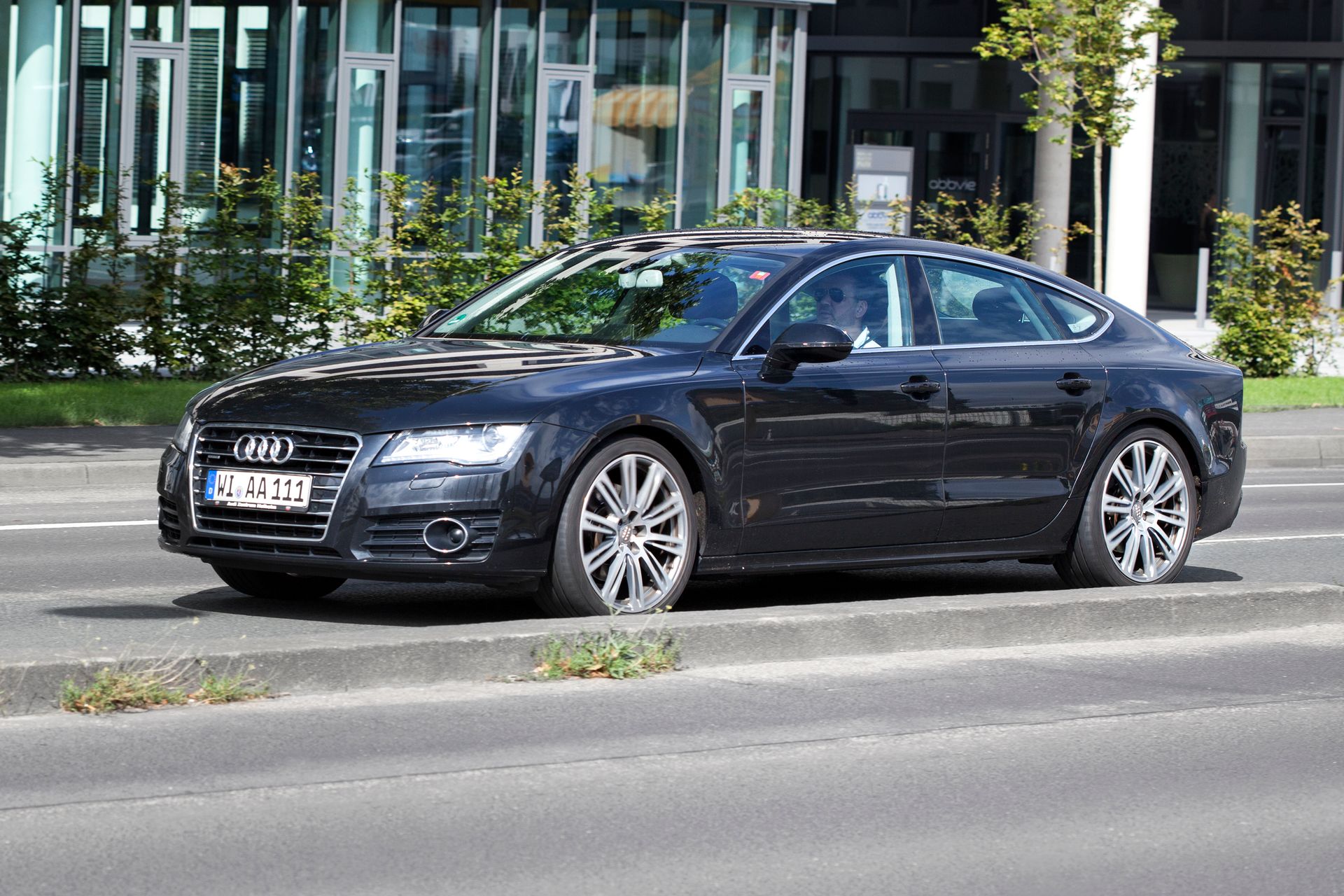
The 2025 Audi A7 earns a U.S. News rating of 9.4 out of 10 and starts at $72,000, making it a long, lean luxury sedan with coupe-inspired proportions. Its turbocharged 3.0-liter V6 produces 335 horsepower and 369 pound-feet of torque, figures that allow the large luxury car to accelerate with urgency. The seven-speed dual-clutch automatic transmission handles power delivery and enables the 0-to-60 mph time of approximately 5 seconds, the source cites. Audi’s quattro all-wheel-drive system comes standard, keeping the car planted regardless of how the driver is using the powertrain’s output.
The performance score of 8.6 out of 10 reflects a vehicle that delivers on its sporty styling promises. The source describes the A7 as fun to drive, with steering, chassis tuning, and braking calibrated for engaged, responsive behavior. The dual-clutch transmission contributes to the A7’s character by delivering gear changes more quickly and with less interruption than a conventional torque converter automatic. The all-wheel-drive system’s stability at the limits of the powertrain’s output gives confident drivers the ability to use the engine fully without anxiety about traction.
The A7 also functions as a legitimate luxury car, alongside its performance. The source identifies plush ride quality and Audi’s standard upscale interior appointments — supportive seating and crisp displays among them — as defining features of the cabin experience. The A7’s coupe-inspired styling gives it a visual distinctiveness that sets it apart from the more conventional proportions of most luxury sedans in its class, making the vehicle notable on aesthetic grounds independent of its performance credentials. Buyers who want a V6 luxury vehicle that drives with genuine engagement alongside proper luxury credentials will find the A7 delivers both without meaningful compromise. The coupe-inspired roofline does reduce rear headroom relative to a conventional sedan, but the driving character and the interior quality make the A7 a compelling case for buyers who want a V6 that feels as good as it looks.
DarthArt / Getty Images
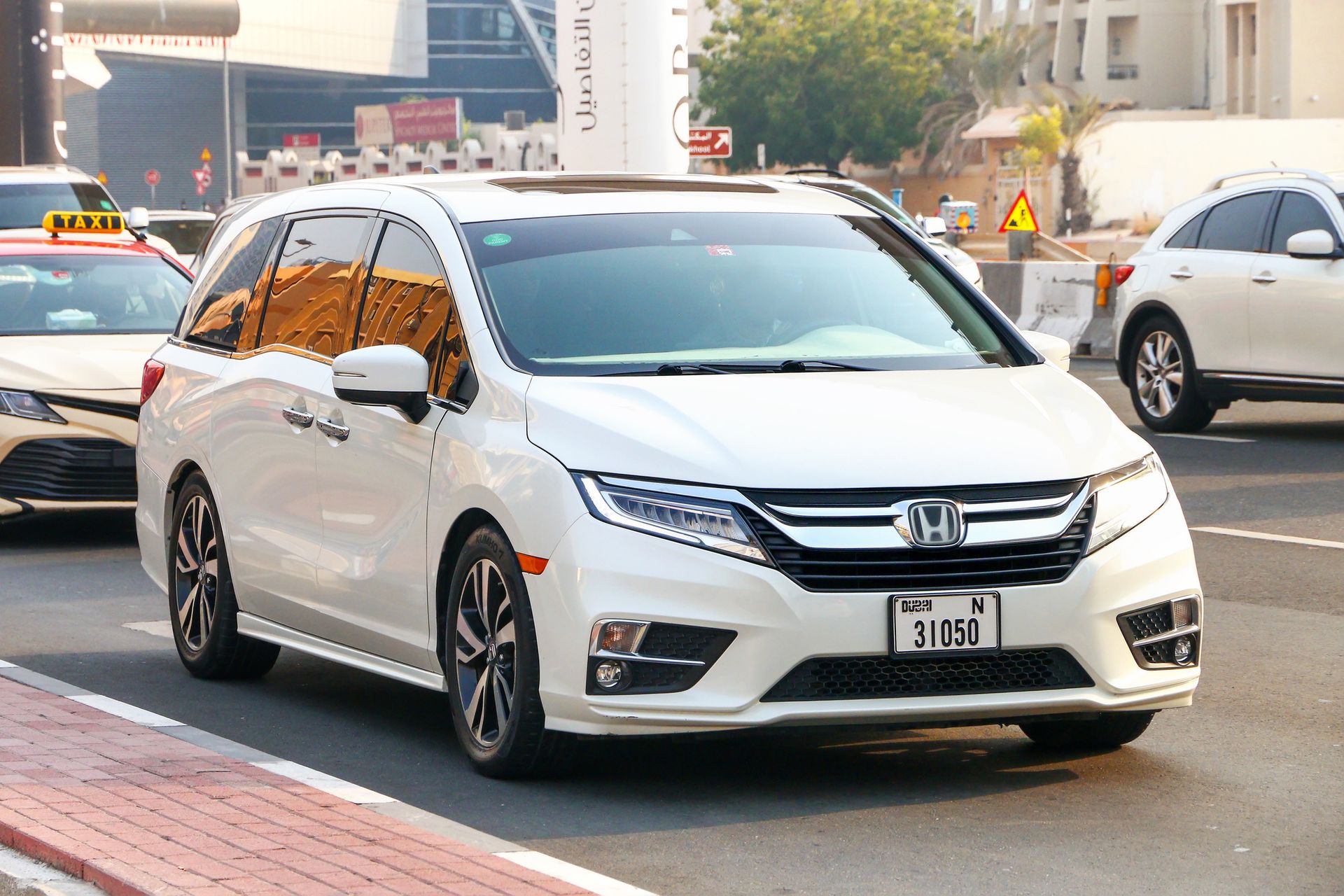
The 2025 Honda $HMC Odyssey earns a U.S. News rating of 9.3 out of 10 and starts at $42,220 as a family minivan powered by a 3.5-liter V6 producing 280 horsepower and 262 pound-feet of torque. A 10-speed automatic transmission sends power to the front wheels. No one approaches a minivan expecting sports-car dynamics, and the Odyssey does not pretend otherwise. The source notes its corners better than the segment typically produces, and that its powertrain handles city-to-highway transitions without hesitation or roughness. The performance score of 8.5 out of 10 reflects a vehicle that delivers more than its category requires.
The smoothness of the powertrain extends to the overall driving character. The Odyssey’s V6 moves the vehicle with enough composure that the mechanical experience fades into the background, which is precisely what a family vehicle used primarily for routine transportation should do. The engine does not call attention to itself through noise or vibration, and the 10-speed transmission’s broad gear spread keeps the V6 operating in its most efficient range across a wide variety of driving conditions.
Practical family features accompany the powertrain. Sliding second-row seats improve access to the third row, removing one of the persistent inconveniences of three-row family vehicles. The Odyssey seats up to eight passengers. An available intercom system lets the driver communicate with the rear passengers without raising a voice over road noise or turning around. The source frames the Odyssey as practical and clever, with these features reinforcing the argument that the Odyssey’s V6 performance and thoughtful design together represent strong value for families who can set aside concerns about the format’s image. The Odyssey’s 9.3 rating confirms that its practical excellence extends well beyond the powertrain alone. The V6’s 280 horsepower moves a vehicle that can carry eight passengers and their belongings without straining under load, giving family road trips a relaxed, confident pace that a smaller engine would compromise. The 10-speed transmission’s wide gear range keeps the engine quiet at highway speeds, reinforcing the Odyssey's overall sense of calm.
Hyundai Motor Group / Unsplash
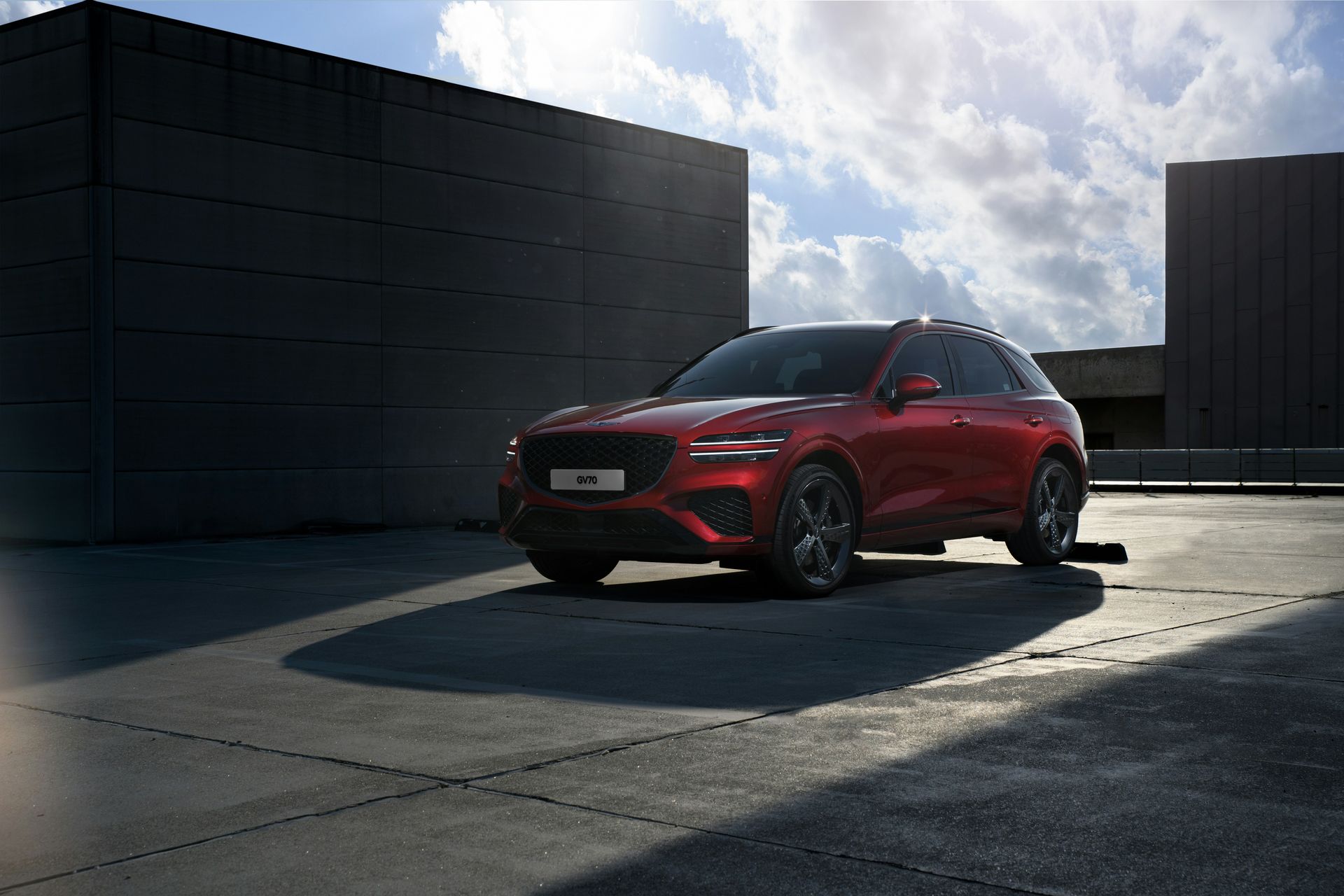
The 2026 Genesis GV70 earns a U.S. News rating of 9.2 out of 10 and starts at $64,415 in its 3.5T configuration, which includes the twin-turbocharged V6. Buyers need to bypass lower trim levels to reach the V6 option, but the engine’s output — 375 horsepower and 391 pound-feet of torque through an eight-speed automatic and all-wheel drive — justifies the step up. The source describes the driving experience as lovely, with good acceleration and a balanced ride that makes the GV70 feel more effortless at speed than its compact SUV classification might suggest.
The performance score of 8.1 out of 10 reflects a vehicle that handles well but doesn't match the sportiest competitors in the luxury compact SUV segment. The GV70’s balance between performance and comfort leans toward comfort, delivering a composed and pleasant driving experience across a range of road conditions without the firm tuning that sportier rivals use to maximize handling limits. The all-wheel-drive system contributes to the stability that makes the GV70 feel planted, even when the V6’s output is at work.
The GV70 distinguishes itself aesthetically within its class. The source describes the interior and exterior design as genuinely unique and independent of the German luxury norms that define much of the segment, with interior materials that the source characterizes as lovely. Genesis has established a design identity that occupies a different visual space from the established luxury SUV alternatives, making the GV70 notable for buyers who want a distinctive-looking vehicle alongside strong performance. The 3.5T powertrain’s 375 horsepower places the GV70’s V6 output at the same level as the G90’s base engine, a figure that demonstrates Genesis’s commitment to genuine performance across its V6 lineup. Buyers who want the GV70’s V6 should confirm their trim selection before purchase, since the engine is available only on specific configurations and not across the full lineup.
Credit: Honda
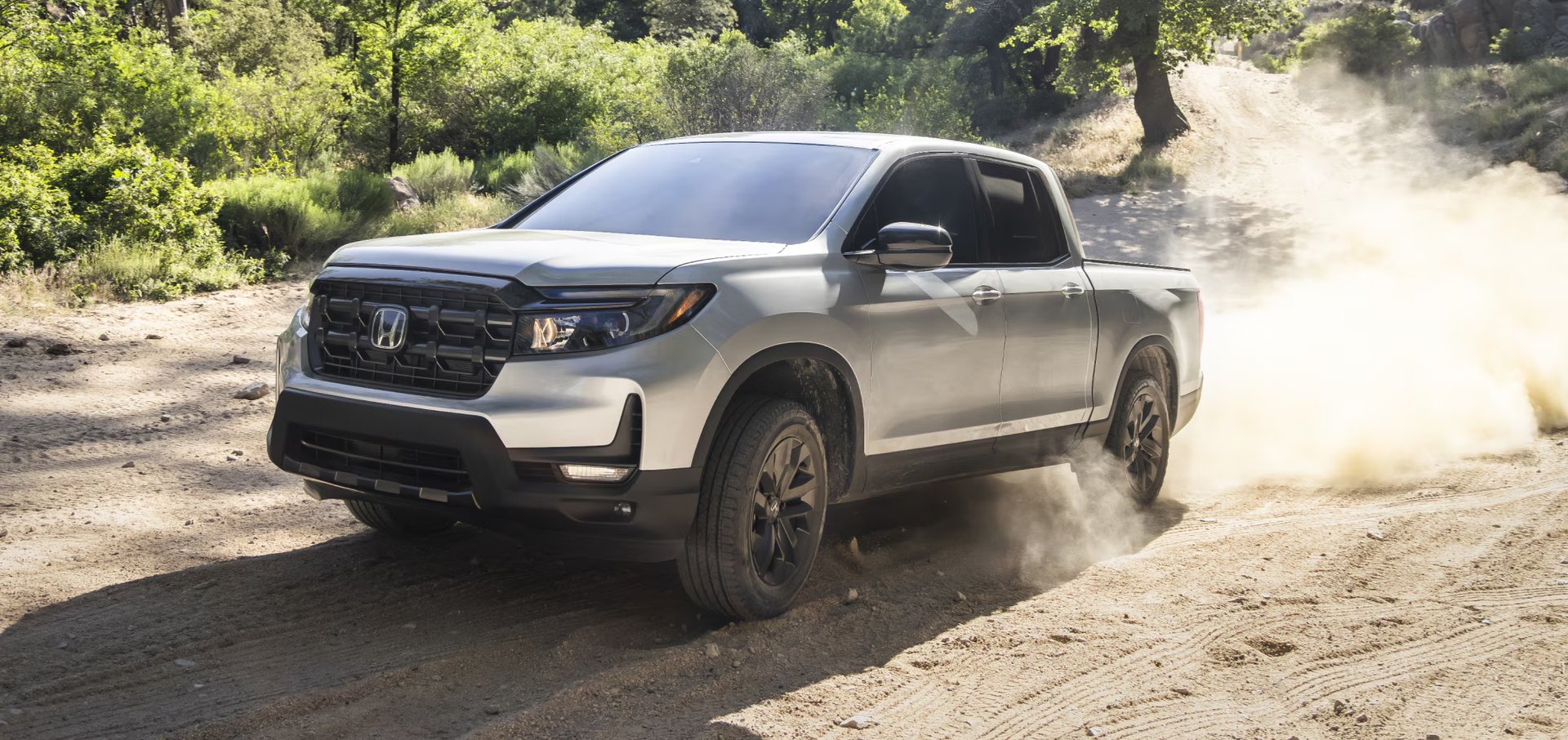
The 2026 Honda $HMC Ridgeline earns a U.S. News rating of 9.1 out of 10 and starts at $40,795 as a midsize pickup truck built on a unibody platform. Honda uses a 3.5-liter V6 producing 280 horsepower and 262 pound-feet of torque, paired with a nine-speed automatic transmission and all-wheel drive. The unibody construction, which the Ridgeline shares with Honda’s SUV lineup, produces a ride quality the source describes as more like an SUV than a conventional truck. The performance score of 7.7 out of 10 reflects a vehicle built around versatility and everyday usability.
The V6’s fit in the Ridgeline’s package is natural in a way that body-on-frame truck V6 applications are not. The unibody structure keeps weight lower than that of a traditional truck of similar size, which means the 280-horsepower V6 propels the vehicle with more enthusiasm than the raw output figure suggests for a heavier body-on-frame truck. The engine handles the Ridgeline’s towing capacity of up to 5,000 pounds when the truck is appropriately configured, giving it practical capability alongside the comfort-oriented driving character.
The bed design reflects the same practical intelligence the V6 brings to the rest of the vehicle. The source describes it as versatile with clever storage options that expand the bed’s functionality beyond a flat floor. The cabin offers user-friendly technology that prioritizes ease of operation over feature density for its own sake. The Ridgeline’s approach to the pickup format targets buyers who want truck capability without the ride harshness and size compromises that traditional body-on-frame trucks require. The V6 supports that positioning by delivering smooth, adequate power without the larger displacement that body-on-frame trucks need to compensate for their greater mass. The 5,000-pound towing capacity is lower than full-size truck figures, but it covers most recreational and light-duty towing applications that Ridgeline buyers are likely to need. The nine-speed automatic’s gear count gives the engine a broad operating range, maintaining the relaxed character that defines the Ridgeline’s approach to the pickup category.
Credit: Crysler
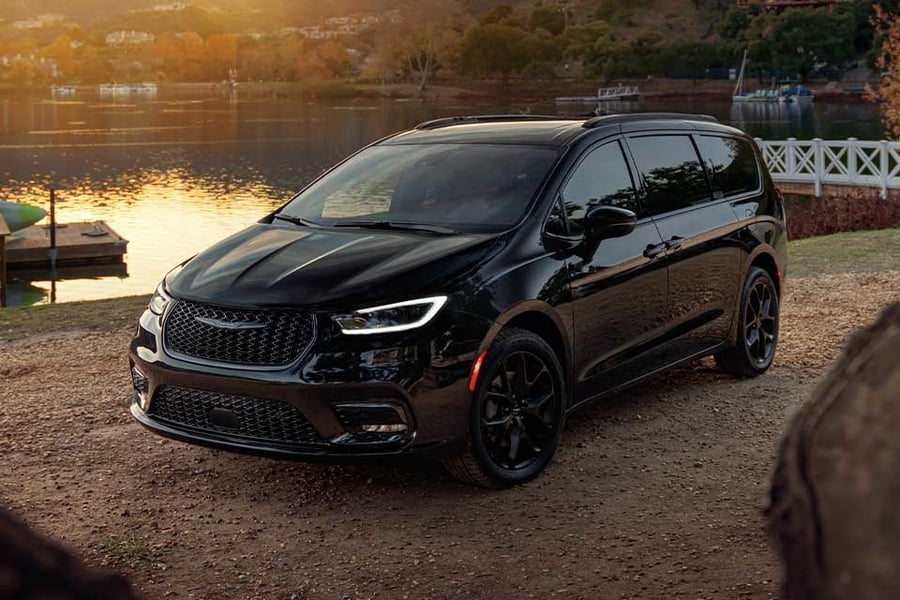
The 2026 Chrysler Pacifica earns a U.S. News rating of 9.0 out of 10 and starts at $43,645 as a minivan powered by a 3.6-liter V6 producing 287 horsepower and 262 pound-feet of torque. A nine-speed automatic transmission handles power delivery, with front-wheel drive standard and all-wheel drive available. The V6 gives the Pacifica a maximum towing capacity of up to 3,600 pounds, a capability that minivans rarely advertise but that makes the Pacifica a more versatile family vehicle than its category suggests. The performance score of 7.8 out of 10 reflects a vehicle that prioritizes practical capability over driving engagement.
The transmission exhibits occasional inconsistency. The source characterizes it as fussy at times, though overall acceleration is smooth and quiet. The nine-speed unit’s behavior is not a defining characteristic of the ownership experience in typical driving, but buyers who drive in conditions that require frequent gear changes — stop-and-go city traffic, steep hills — may notice the inconsistency more than those who spend most of their time at highway speeds. The V6 itself is straightforward and capable, delivering its output in a linear fashion that makes the Pacifica feel relaxed.
Practical features extend the Pacifica’s utility beyond the powertrain. Configurable seating arrangements give the Pacifica flexibility that fixed-seat minivans cannot match, and its maximum cargo capacity is excellent for the segment. The Stow 'n Go seating that folds the second- and third-row seats into the floor remains a significant practical advantage, removing the need to store seats separately when carrying large loads. The towing capacity, combined with the seating flexibility and cargo volume, makes the Pacifica a genuinely multi-purpose vehicle for families whose needs extend beyond passenger transport. The 3,600-pound maximum towing capacity is the highest among the two minivans on this list, giving the Pacifica a specific practical advantage over the Odyssey for buyers who need to pull a small trailer or boat alongside the family’s passenger-carrying duties.
Credit: Hyundai
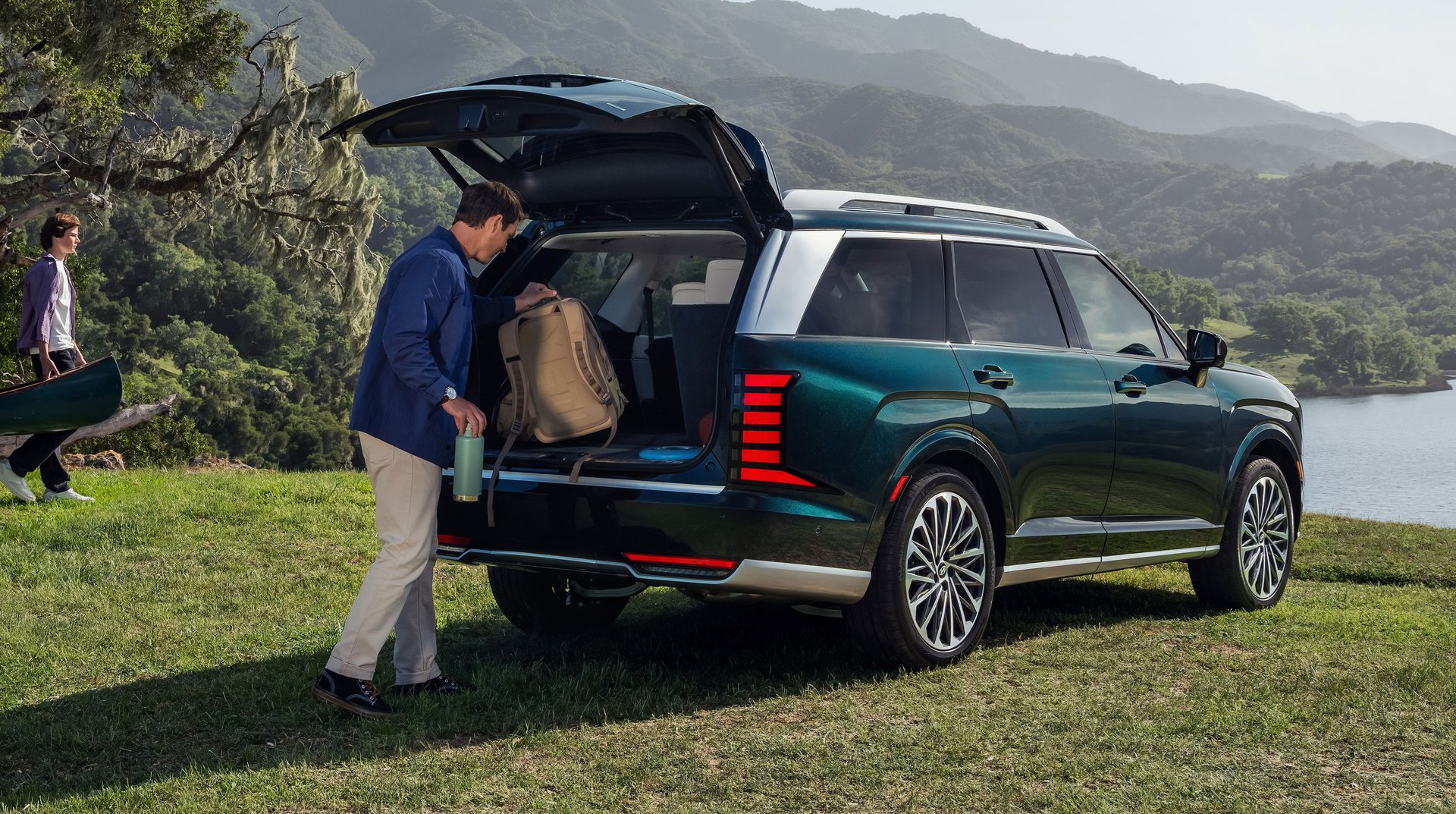
The 2026 Hyundai Palisade earns a U.S. News rating of 9.0 out of 10 and starts at $39,435 as a midsize three-row SUV sharing its 3.5-liter V6 powertrain with the closely related Kia Telluride. The engine produces 287 horsepower and 260 pound-feet of torque — very similar to, but slightly different from, the Telluride’s output — through an eight-speed automatic transmission. Front-wheel drive comes standard, with all-wheel drive available. The source describes the powertrain as vibrant and smooth, and the transmission as slick.
The performance score of 6.2 out of 10 is the lowest on this list and reflects the Palisade’s priorities. The source acknowledges that faster alternatives exist, but frames the Palisade’s powertrain as adequate for the SUV’s family-oriented mission. The smooth transmission behavior and the V6’s wide power band give the Palisade a relaxed highway character that families covering long distances will appreciate more than the performance score suggests. The Palisade will not disappoint in typical driving conditions, which represents the honest standard for this category.
The value available at the base trim level distinguishes the Palisade within the three-row midsize SUV segment. The source notes that the base configuration checks most family boxes with strong standard equipment, and that higher trim levels bring serious luxury touches — upscale design and premium materials — that elevate the Palisade toward territory it might not appear to occupy from the outside. The 2026 model year brings a total redesign, giving the Palisade a fresh look both inside and out. Buyers who start at the base price and work up through the trims will find the Palisade scales its luxury content in ways that reward the investment at each step. The 2026 redesign updates both the interior and exterior, which gives the Palisade a current-generation identity that the previous design’s aging was beginning to undermine. At $39,435, the Palisade starts below the Telluride on this list by roughly $3,000, giving it a price advantage at the entry level while sharing the same fundamental powertrain architecture.
