Affordable alternatives to Bali span Southeast Asia and beyond, offering the same rice terraces, surf breaks and wellness retreats without the summer crowds or rising prices
Credit: Cris Tagupa / Unsplash
Affordable alternatives to Bali exist across nearly every corner of South and Southeast Asia, and many of them look remarkably similar to the island a decade ago: quiet beaches, terraced rice paddies, cheap guesthouses and a slower pace of life. Bali earned its reputation for good reason, with surf breaks in Uluwatu, wellness retreats in Ubud and sunset bars in Canggu, but two decades of rapid tourism growth have reshaped the island. Traffic now clogs the roads between Canggu and Seminyak during peak season. Villa and hotel rates in the most popular neighborhoods have climbed well past backpacker-era prices. Overtourism debates around water use and construction on former rice fields have become a regular feature of Indonesian news coverage.
None of this means the appeal of Bali has disappeared. It means that appeal has spread. The same conditions that made Bali famous, including warm water, cheap food, a strong surf and yoga culture and dramatic landscapes, exist in dozens of other places that have not yet been reshaped by mass tourism. Some are a short flight from Bali itself, within the same Indonesian archipelago. Others are entirely different countries, from the hill country of Sri Lanka to the pepper farms of Cambodia to the tea plantations of Kerala, India.
This list gathers 10 of the strongest options, chosen for a specific reason: each one offers a genuine substitute for something travelers go to Bali for, at a lower cost, with fewer crowds, or both. Some are built around surf culture. Others center on wellness, rice terraces or diving. None require the multi-flight, high-season prices that Bali now commands during its busiest months.
Every destination here can be researched, booked and reached using standard budget travel routes, with no obscure connections and no unreliable local transport. Readers looking for a break from Bali's traffic and rising prices will find a genuine alternative somewhere on this list, not a compromise.
Credit: Canva Images
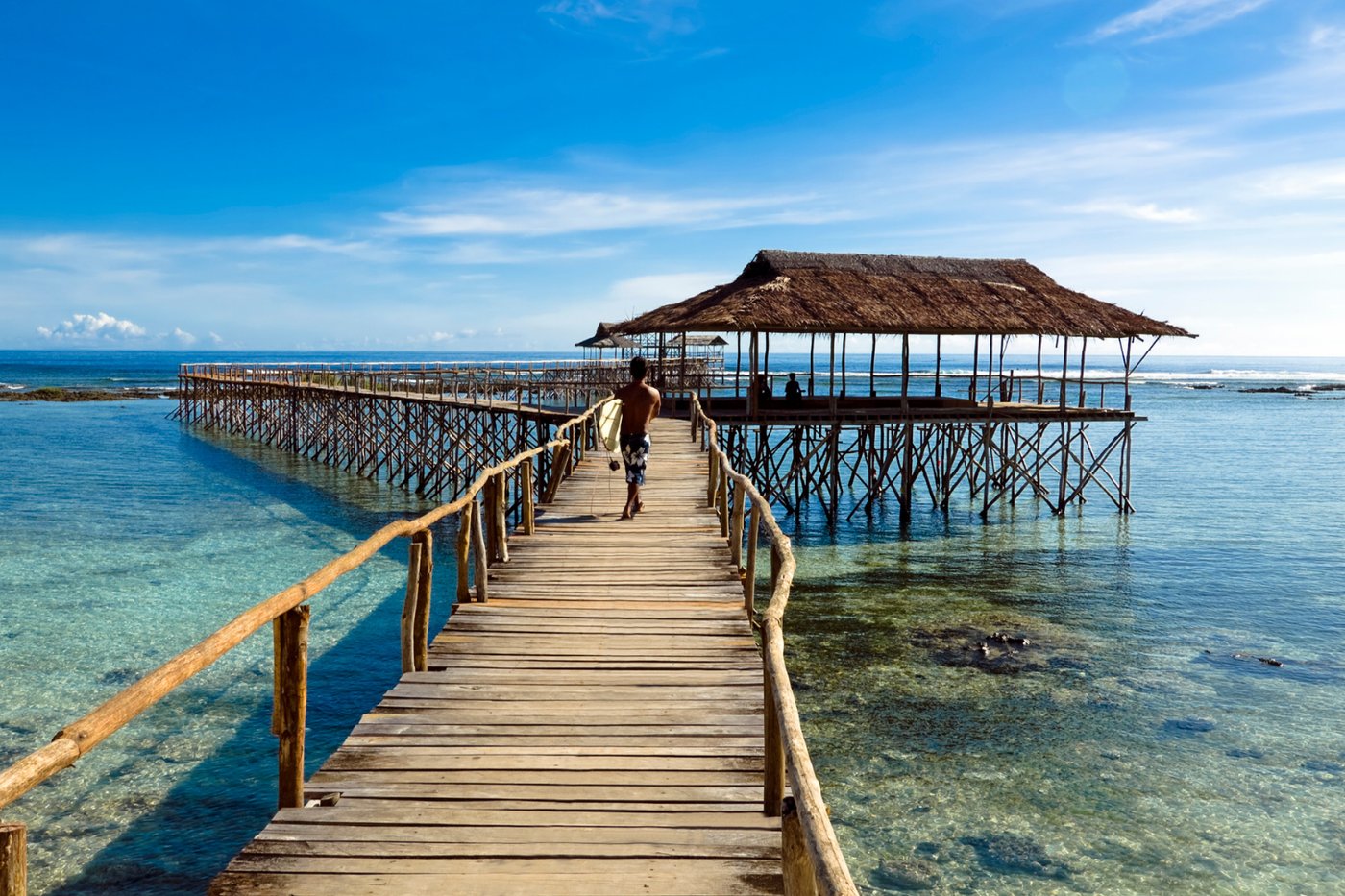
Siargao delivers the surf-town energy that made Bali famous, at a fraction of the cost and with far fewer visitors. This teardrop-shaped island in the eastern Philippines has built its entire identity around Cloud Nine, a hollow reef break that draws surfers from around the world, but the island offers dozens of other breaks suited to beginners and intermediate riders alike.
The town of General Luna functions as Siargao's hub, with guesthouses, surf schools and beachfront restaurants lining a stretch of coast that still feels more fishing village than resort strip. Motorbikes and tricycles remain the main way to get around, and prices for food, accommodation and surf lessons sit well below what a visitor would pay in Bali's surf zones of Canggu or Uluwatu.
Beyond surfing, Siargao's island-hopping circuit is one of the best in Southeast Asia. Naked Island, Daku Island and Guyam Island form a standard day-trip loop, each a small sandbar ringed with palm trees and little else. Sugba Lagoon, further south, offers calm turquoise water for swimming and stand-up paddleboarding, framed by limestone cliffs and mangrove forest.
Siargao also has a rock-pool formation called Magpupungko, only accessible at low tide, where seawater collects in natural pools carved into volcanic rock. The island's interior includes coconut plantations that stretch for miles, giving the place its nickname among Filipinos: the Coconut Island.
Getting there requires a short flight from Manila or Cebu into Sayak Airport, avoiding the long-haul international connections that Bali often demands from travelers outside Asia. The dry season runs roughly from March through October, with the best and most consistent surf swells arriving between August and November, driven by typhoon activity in the wider Pacific.
Siargao has grown quickly in recent years, and General Luna now has more restaurants, co-working spaces and boutique hotels than it did even five years ago. Development has not reached the scale seen in Canggu or Seminyak, and much of the island beyond the main town remains rural, with rice paddies and coconut groves stretching to the coastline.
Credit: Alexander Heiß / Pexels
Lombok sits just east of Bali across the Lombok Strait, sharing the same currency, the same Indonesian language and a similar volcanic landscape, but with a fraction of the traffic and tourist development. A fast boat from Bali's Padang Bai harbor reaches Lombok in under two hours, making it one of the easiest Bali alternatives to combine with a Bali trip rather than replace it entirely.
Mount Rinjani dominates the island's north, an active volcano and the second highest peak in Indonesia after Sumatra's Kerinci. Multi-day treks to the crater rim and the crater lake, Segara Anak, draw hikers who want a serious climb without the crowds found on Bali's more accessible volcanoes, Batur and Agung.
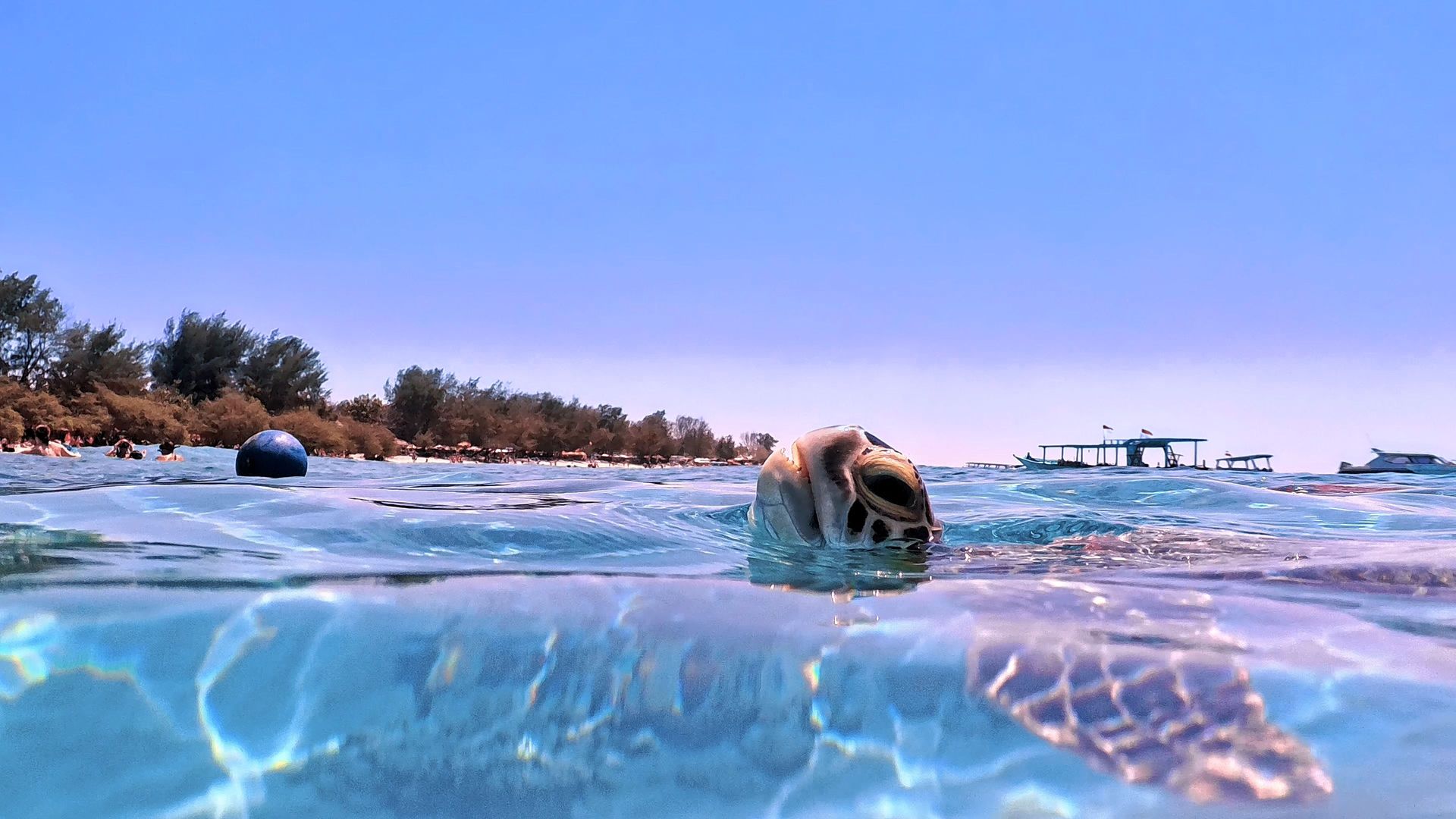
Just off Lombok's northwest coast, the three Gili Islands, Gili Trawangan, Gili Meno and Gili Air, offer a car-free, motorbike-free version of the beach experience Bali built its reputation on. Bicycles and horse-drawn carts called cidomo handle transport instead. Gili Trawangan has the liveliest nightlife of the three, Gili Air sits in the middle in terms of development, and Gili Meno remains the quietest, best suited to travelers who want empty beaches over bars.
Lombok's south coast has its own surf scene, centered on Kuta Lombok, a beach town with breaks suited to intermediate and advanced surfers and a noticeably slower pace than Bali's Kuta. Selong Belanak, a wide crescent bay nearby, has gentler waves better suited to beginners.
Because Lombok shares Bali's currency, language and general cost of living, prices for food and guesthouses run similar to or slightly below Bali's less touristed areas, without the markup found in Bali's most developed neighborhoods. Rice terraces around Sembalun, near Rinjani's base, offer the same green, terraced scenery found around Ubud, with far fewer visitors and no entrance queues.
Sendang Gile and Tiu Kelep, two waterfalls near the village of Senaru, make an easy add-on for travelers based near Rinjani's northern trailhead. A short guided walk through rainforest connects the two, and local guides typically double as trekking porters for visitors continuing up the volcano the following day.
Credit: Genine Alyssa Pedreno-Andrada / Pexels
Ella replaces Bali's rice terraces with tea plantations, set in the cool hill country of central Sri Lanka rather than the tropical lowlands. The town sits at roughly 1,000 meters elevation, which keeps daytime temperatures noticeably cooler than Bali's year-round heat and humidity.
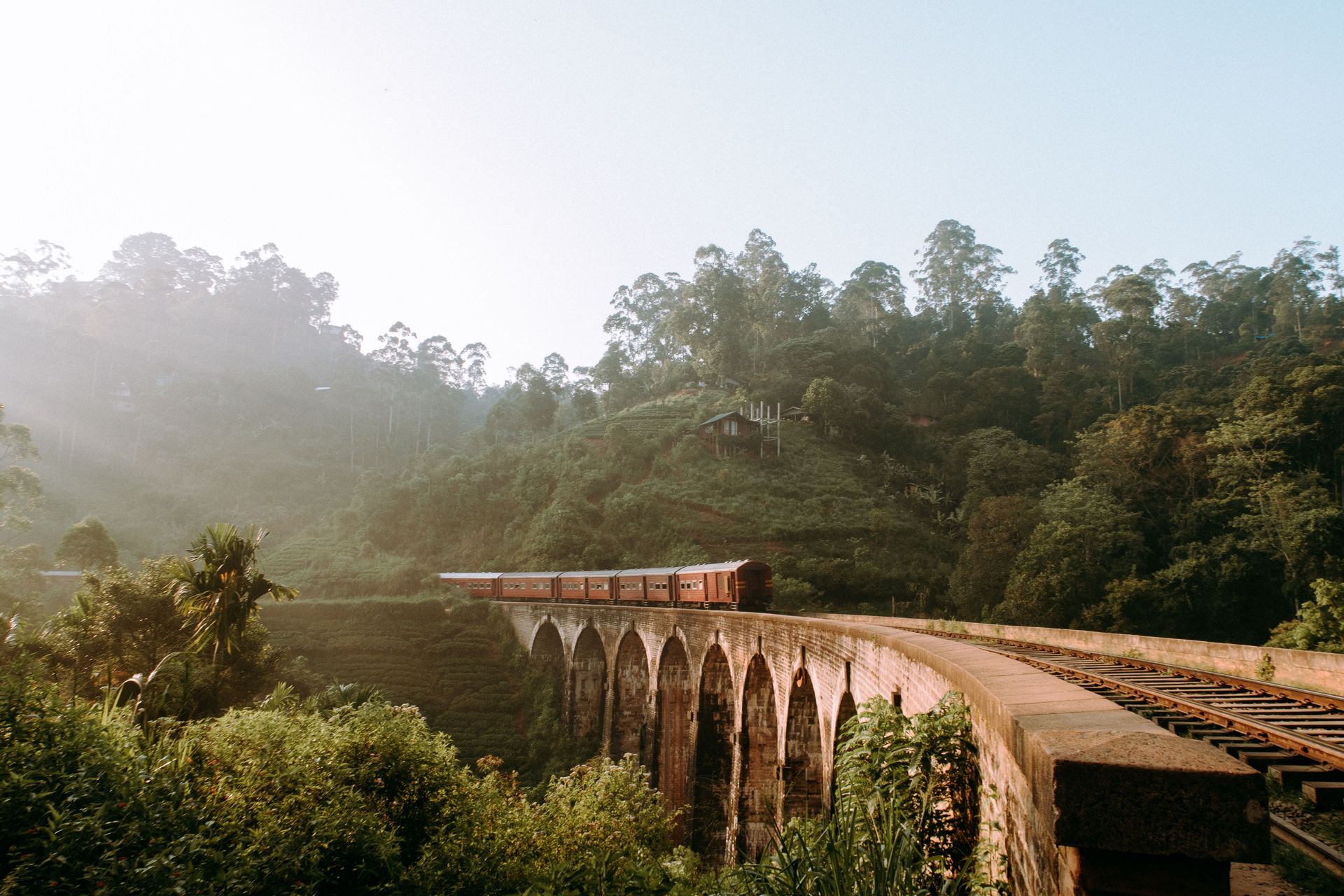
The most photographed spot in town is Nine Arches Bridge, a colonial-era railway viaduct built from stone, brick and cement, according to accounts passed down since its construction under British rule. Trains still cross it several times a day, and travelers gather on the tracks and surrounding hillsides to watch.
Ella's hiking options rival Ubud's rice paddy walks in scenery, if not in flatness. Little Adam's Peak is a short, manageable climb with views over the tea-covered valleys below, suitable for most fitness levels. Ella Rock is a longer, steeper alternative that takes most hikers three to four hours round trip and rewards them with a wider panorama of the surrounding hill country.
The train journey to reach Ella, particularly the stretch from Kandy or Nuwara Eliya, is considered one of the most scenic rail routes in Asia, winding through tea estates, tunnels and misty mountain passes. Sri Lankan Railways runs both ordinary and reserved-seat carriages, and the ordinary class remains inexpensive by any standard.
Sri Lanka's broader appeal as a Bali alternative extends beyond Ella. The island offers surf breaks along its south and east coasts, its own wellness and yoga retreat scene, and Buddhist and colonial historical sites that Bali does not offer in the same form. Food centers on rice and curry, with coconut, cinnamon and black pepper used heavily, all grown domestically. Accommodation in Ella ranges from basic guesthouses to boutique hillside hotels, and prices across the board sit below Bali's equivalent tiers, particularly in Ubud.
Many of Ella's small guesthouses double as working tea shops, giving visitors a direct look at how the surrounding estates process leaves for export. Diyaluma Falls, roughly an hour outside town, ranks among Sri Lanka's tallest waterfalls and makes a common half-day trip for travelers staying in the area.
Credit: Cris Tagupa / Unsplash
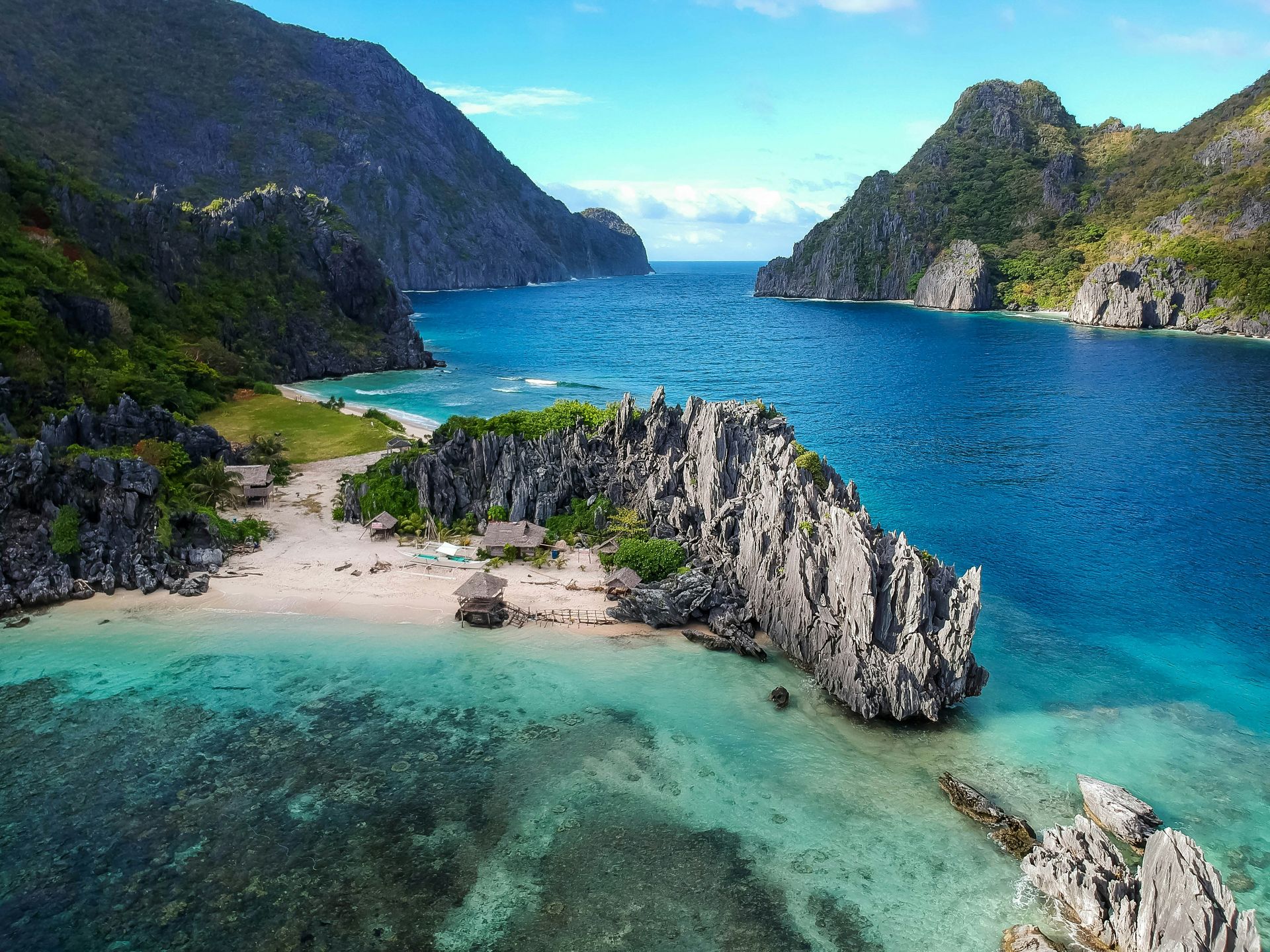
El Nido swaps Bali's beach club scene for limestone karst cliffs and hidden lagoons, on an island widely regarded as one of the most scenically dramatic in the Philippines. The town sits at the northern tip of Palawan, facing Bacuit Bay, where sheer rock formations rise directly out of turquoise water.
Island-hopping tours are the main activity, typically organized into four standard routes labeled A through D, each visiting a different combination of lagoons, beaches and snorkeling spots. Big Lagoon and Small Lagoon, both accessed by kayak through narrow rock openings, are the most requested stops and can get crowded at midday, though early morning departures avoid the bulk of the boat traffic.
Beyond the lagoons, Palawan offers Coron further north, reachable by ferry, known for World War Two shipwrecks that now function as accessible wreck-diving sites in relatively shallow water. Coron also has Kayangan Lake, frequently cited as one of the cleanest bodies of water in the Philippines, set inside a limestone basin.
El Nido town itself remains modest in scale compared to Bali's tourist hubs, with guesthouses and small resorts lining a beach that faces the sunset directly. Restaurants serve Filipino staples alongside fresh seafood bought straight off local boats. Electricity and water supply can still be less consistent than in more developed destinations, a trade-off for the relative lack of large-scale construction.
Getting to El Nido usually means flying into Puerto Princesa, Palawan's main airport, then continuing overland or by direct flight to El Nido's smaller airstrip. The dry season, from roughly November through May, offers the calmest seas for island hopping, while the wet season brings more unpredictable weather and rougher boat conditions.
Prices for boat tours, food and accommodation in El Nido remain lower than Bali's comparable coastal destinations, and the absence of large resort chains keeps much of the town in local hands rather than international ownership.
Credit: Vietnam Hidden Light / Pexels
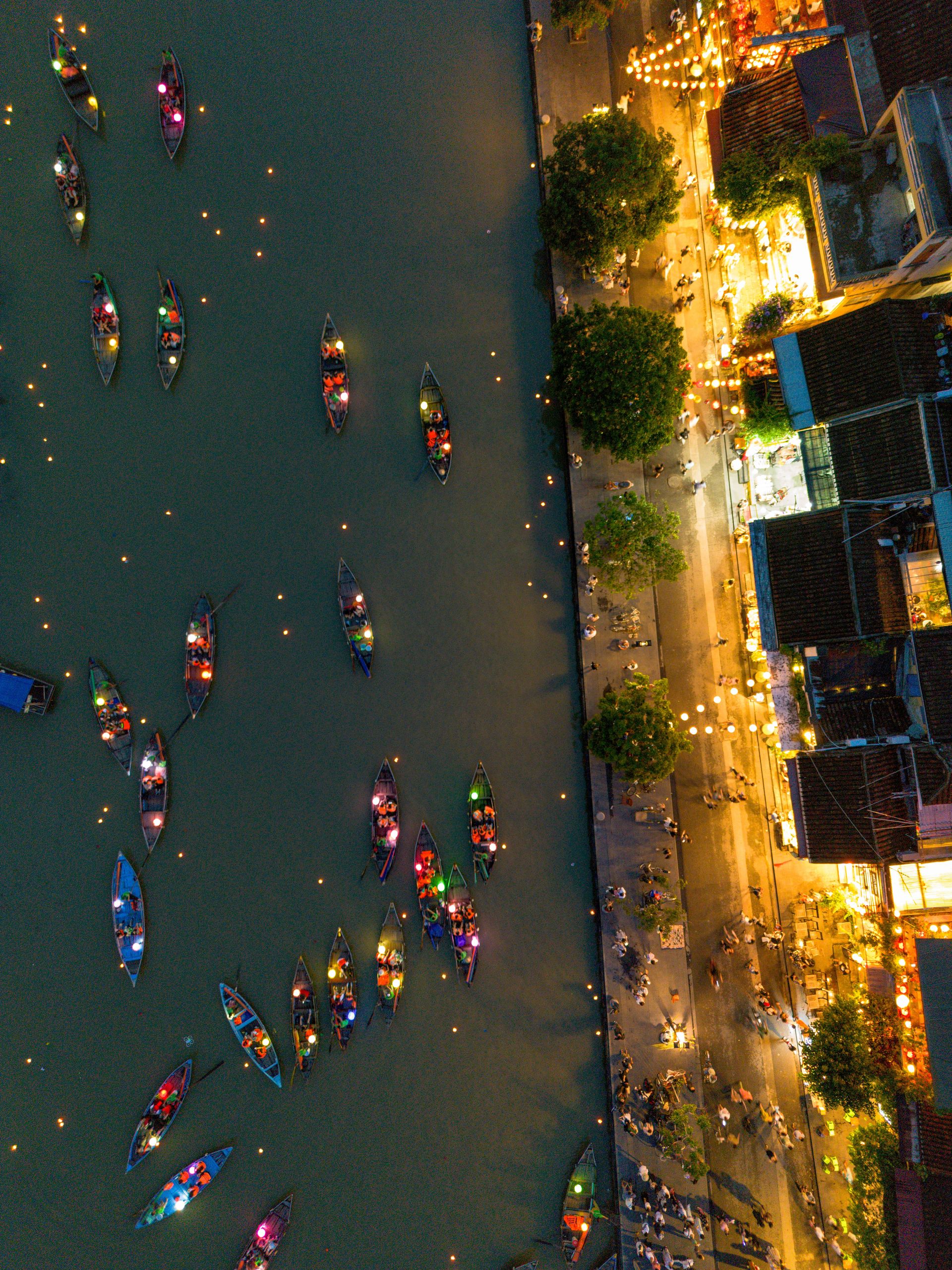
Hoi An pairs Bali's rice paddy scenery with a UNESCO World Heritage old town, something Bali's tourist centers do not offer in comparable form. The ancient trading port, built up through Chinese, Japanese and later French influence between the 15th and 19th centuries, still stands largely intact along the Thu Bon River in central Vietnam.
At night, the old town's streets fill with paper lanterns hung outside every shopfront, a tradition tied to the monthly full moon lantern festival but visible in some form every evening. Wooden lanterns released onto the river have become one of the most recognized images of Vietnamese tourism, and boat operators offer short river trips for visitors to release their own.
Hoi An's tailoring industry gives it an economic identity separate from anything Bali offers. Hundreds of tailor shops around the old town produce custom clothing, from suits to dresses, often finished within 24 hours, at prices well below custom tailoring in most Western cities.
Just outside the old town, rice paddies stretch toward An Bang Beach, a stretch of coastline with a more relaxed, less developed feel than Bali's Kuta or Seminyak. Bicycle tours through the surrounding countryside pass working rice farms, water buffalo and the Tra Que vegetable village, where farmers still use traditional organic methods.
Vietnamese food adds another layer of appeal. Hoi An has its own regional specialties, including cao lau, a noodle dish found almost nowhere else in Vietnam because it reportedly requires water from a specific local well, and banh mi variations considered among the country's best.
Vietnam's currency, the dong, keeps daily costs low even by Southeast Asian standards. A meal at a local restaurant, a hotel room in the old town and a custom tailored shirt together typically cost less than a single night in one of Bali's mid-range Seminyak hotels.
Credit: Petra Nesti / Pexels
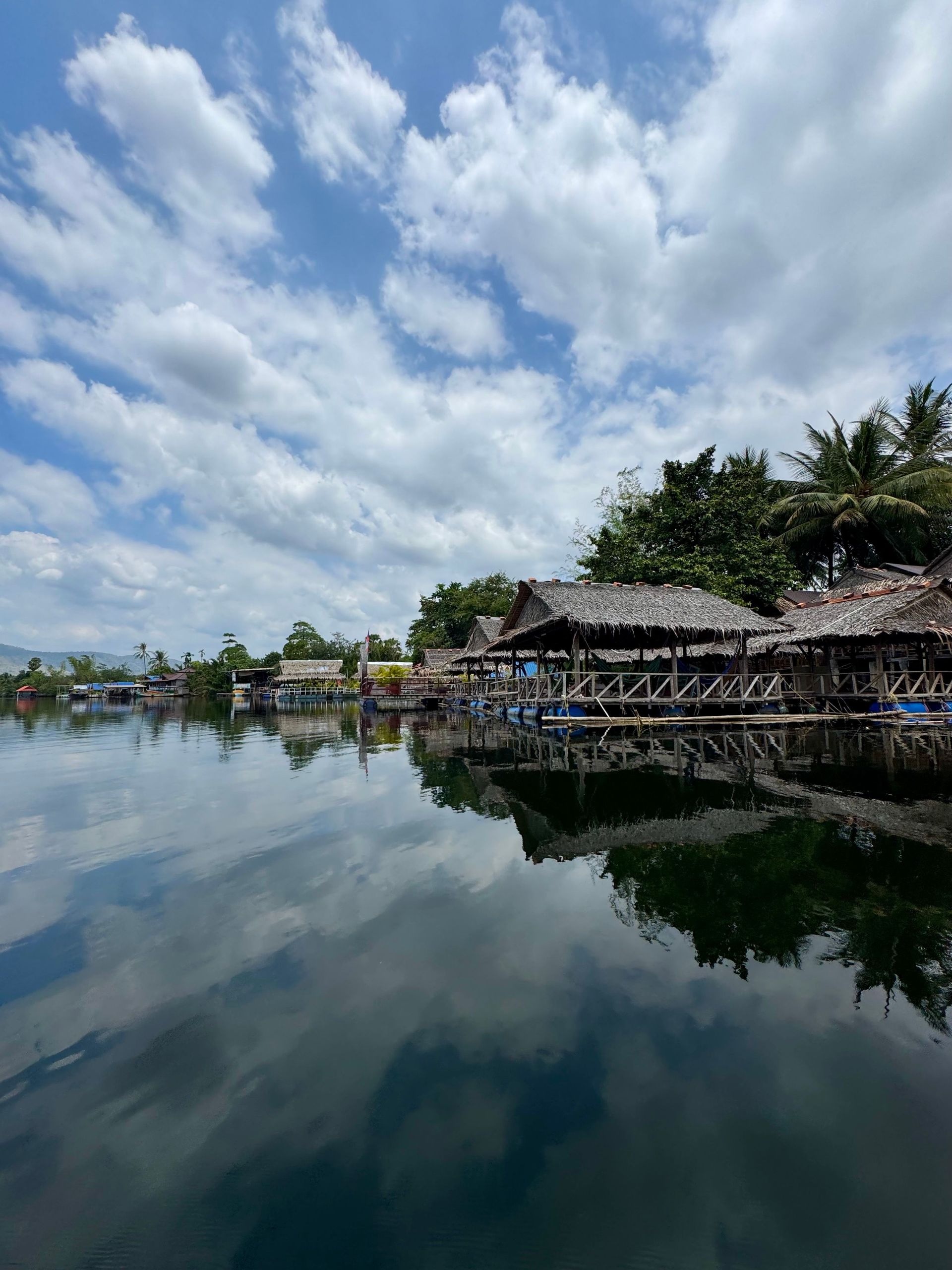
Kampot offers a version of Bali's laid-back river towns without any of the built-up tourist infrastructure, centered on a slow-moving river and a reputation built on pepper rather than surf. This small town in southern Cambodia sits along the Praek Tuek Chhu River, with French colonial-era shophouses lining several central streets.
Kampot pepper has an international reputation among chefs, protected under a geographical indication similar to Champagne or Parmesan cheese, and pepper farms outside town offer tours explaining the growing and drying process. Some farms sell direct to visitors, at prices well below what the same pepper costs once exported and sold abroad.
Bokor National Park, in the mountains above Kampot, includes the ruins of a French colonial hill station abandoned after Cambodia's civil war, along with a working casino and hotel built more recently at the summit. The drive up passes through cloud forest, and temperatures at the top run noticeably cooler than the lowland heat below.
Salt fields stretch along the coast between Kampot and the smaller town of Kep, where seawater evaporates in shallow pools to produce sea salt, visible from the road during the dry season harvest months. Kep itself is known for its crab market, where vendors sell fresh crab caught that morning, served with the same Kampot pepper grown nearby.
Kampot's riverside guesthouses and restaurants cater to a mix of backpackers and slower-paced travelers, with sunset boat cruises a popular evening activity. Fireflies gather in the mangrove trees along the river after dark, visible on quiet, moonless nights.
Cambodia's economy runs largely on U.S. dollars alongside the local riel, and prices for food, accommodation and pepper farm tours remain low by regional standards. Kampot has none of Bali's nightlife scene or beach clubs, making it a better fit for travelers seeking quiet over activity.
Credit: Anna Zviahina 🇺🇦 / Pexels
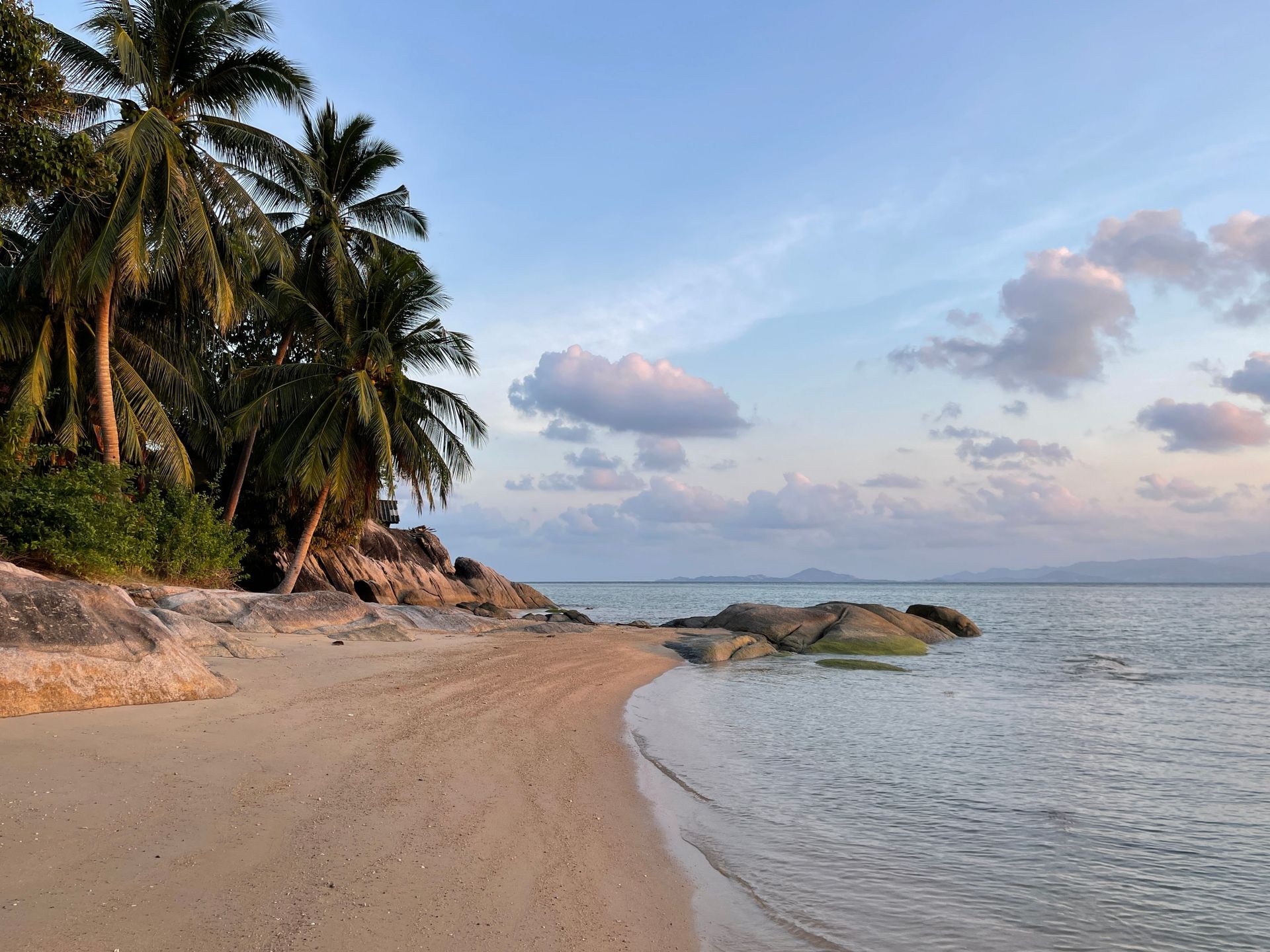
Koh Phangan built its early reputation on the Full Moon Party at Haad Rin, but the island has grown into one of Southeast Asia's strongest wellness and yoga destinations, offering something closer to Ubud's retreat culture than its party-town origins suggest. Studios and retreat centers now operate across the island, many offering multi-week yoga teacher training courses alongside shorter drop-in classes.
The island sits in the Gulf of Thailand, reachable by ferry from Koh Samui or the mainland port of Surat Thani. Its interior includes jungle and waterfalls, with Phaeng Waterfall and Than Sadet among the most visited, both requiring a short hike from the nearest road.
Away from Haad Rin's party beaches, the island's north and west coasts offer a quieter alternative. Haad Salad and Mae Haad have calmer water and smaller crowds, with coral reef close enough to shore for snorkeling without a boat trip. Bottle Beach, accessible only by boat or a steep jungle trail, remains one of the least developed beaches on the island.
Koh Phangan's wellness scene extends beyond yoga into detox retreats, ecstatic dance events and sound healing sessions, drawing a similar crowd to the ones Ubud attracts, often at lower retreat and accommodation prices. Vegan and vegetarian restaurants have multiplied across the island to serve this crowd, alongside standard Thai street food stalls selling pad thai and som tam.
The Full Moon Party itself still happens monthly at Haad Rin, drawing a younger backpacker crowd for an all-night beach event with music, body paint and buckets of mixed drinks. Travelers $TRV seeking the wellness side of the island generally base themselves away from Haad Rin, particularly around the quieter northern coast.
Thailand's baht keeps daily costs low, and Koh Phangan's guesthouses, bungalows and retreat centers span a wide price range, from basic backpacker rooms to higher-end wellness resorts, most still priced below Bali's Ubud equivalents.
Credit: Sayan Samanta / Pexels
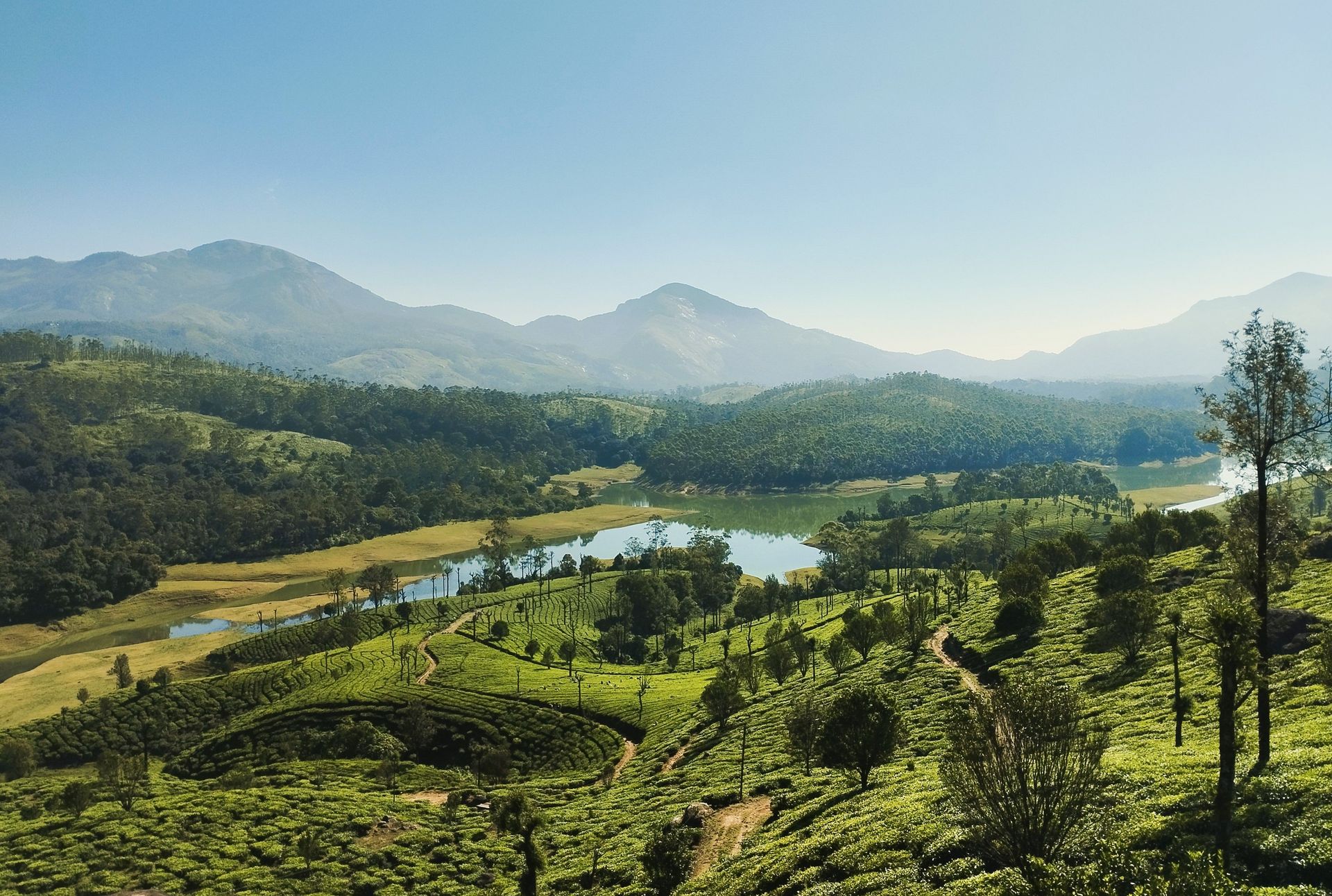
Tea plantations cover the hillsides around Munnar in place of Bali's rice terraces, set within Kerala's Western Ghats mountain range in southern India. The hill station sits at an elevation of roughly 1,600 meters, giving it a cool climate that stands in sharp contrast to the tropical heat of Bali or the Indian coast.
Tea has been grown commercially in the region since the late 19th century, when British planters established estates across the hillsides. The Kannan Devan Hills tea estates still operate today, and several offer factory tours explaining how leaves move from picking to packaged tea, along with tastings at the end.
Eravikulam National Park, a short drive from Munnar town, protects the Nilgiri tahr, a mountain goat species found only in this stretch of the Western Ghats. The park's rolling grasslands, known as shola grasslands, offer a very different landscape from Bali's beaches or rice paddies, closer to alpine meadow than tropical island.
Kerala's Ayurvedic tradition gives Munnar and the surrounding region a wellness identity distinct from Bali's yoga-centered retreats. Ayurveda is a traditional Indian medical system built around herbal treatments, oil massage and dietary guidance, and licensed Ayurvedic centers across Kerala offer everything from single treatments to multi-week detox programs.
Munnar sits within a few hours of Kerala's backwaters around Alleppey, houseboat-lined canals that offer a slower-paced complement to the hill station's cooler climate. Together, the two regions cover much of what draws travelers to Bali: green terraced landscapes, wellness tourism and water-based scenery, within a single Indian state.
India's rupee keeps costs low relative to Bali, particularly for wellness treatments, which often cost a fraction of comparable retreats in Ubud. Munnar's accommodation ranges from basic homestays to plantation-set boutique hotels, with food centered on Kerala's coconut-heavy, rice-based cuisine.
Spice plantations around Munnar grow cardamom, pepper and cinnamon alongside the tea, and short guided walks through these gardens are a common add-on to a tea estate tour. Many small growers sell spices directly to visitors at prices well below what the same goods cost once packaged and exported.
Credit: Sayan Samanta / Pexels
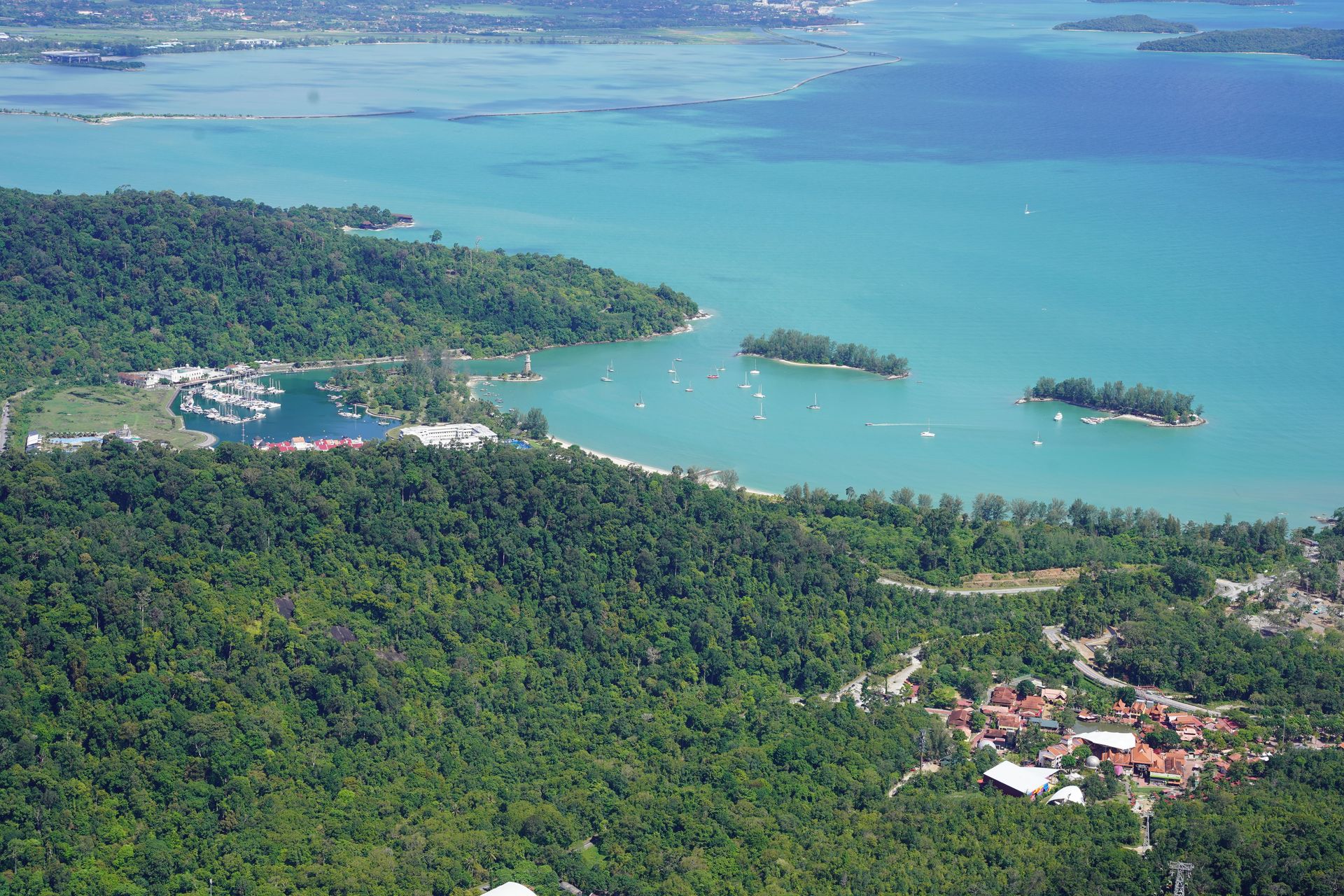
An archipelago of more than 100 islands in the Andaman Sea gives Langkawi Bali's island beach appeal with a distinctly Malaysian twist, including a duty-free status Bali cannot match. The main island sits near Malaysia's border with Thailand, and duty-free prices on alcohol, chocolate and electronics run noticeably lower than on mainland Malaysia or in Bali.
The Langkawi Sky Bridge, a curved pedestrian bridge suspended 700 meters above sea level, sits near the summit of Gunung Mat Cincang and is reached by cable car from the base. Views from the bridge stretch across the surrounding islands and, on clear days, toward the Thai coastline to the north.
Kilim Geoforest Park protects a stretch of mangrove forest along the island's northeast coast, explored by small boat rather than on foot. Guides on these tours typically point out eagles, monkeys and monitor lizards along the waterways, and some trips stop at a floating fish farm restaurant partway through.
Langkawi holds UNESCO Global Geopark status, awarded for its geological formations, including some of the oldest exposed rock in Southeast Asia, dating back roughly 550 million years. Pantai Cenang, the island's main tourist beach, offers a calmer, less crowded version of Bali's Kuta or Seminyak, with a similar mix of beach bars and water sports.
Getting to Langkawi is straightforward from within Malaysia, with direct flights from Kuala Lumpur taking roughly one hour, and ferries connecting to the mainland port of Kuah as well as to Thailand's Koh Lipe for travelers combining both countries in one trip.
Malaysia's ringgit keeps overall costs low, and Langkawi's duty-free status gives it a specific cost advantage Bali cannot match. Resort prices span a wide range, from budget guesthouses to higher-end beachfront properties, most sitting below equivalent Bali options during peak season.
Night markets rotate through different villages on a set weekly schedule, each one setting up food stalls selling Malaysian staples such as satay, roti and grilled fish at prices far below any restaurant on the island. Locals shop alongside visitors, making the markets one of the more authentic stops on Langkawi.
Credit: Fajruddin Mudzakkir / Unsplash
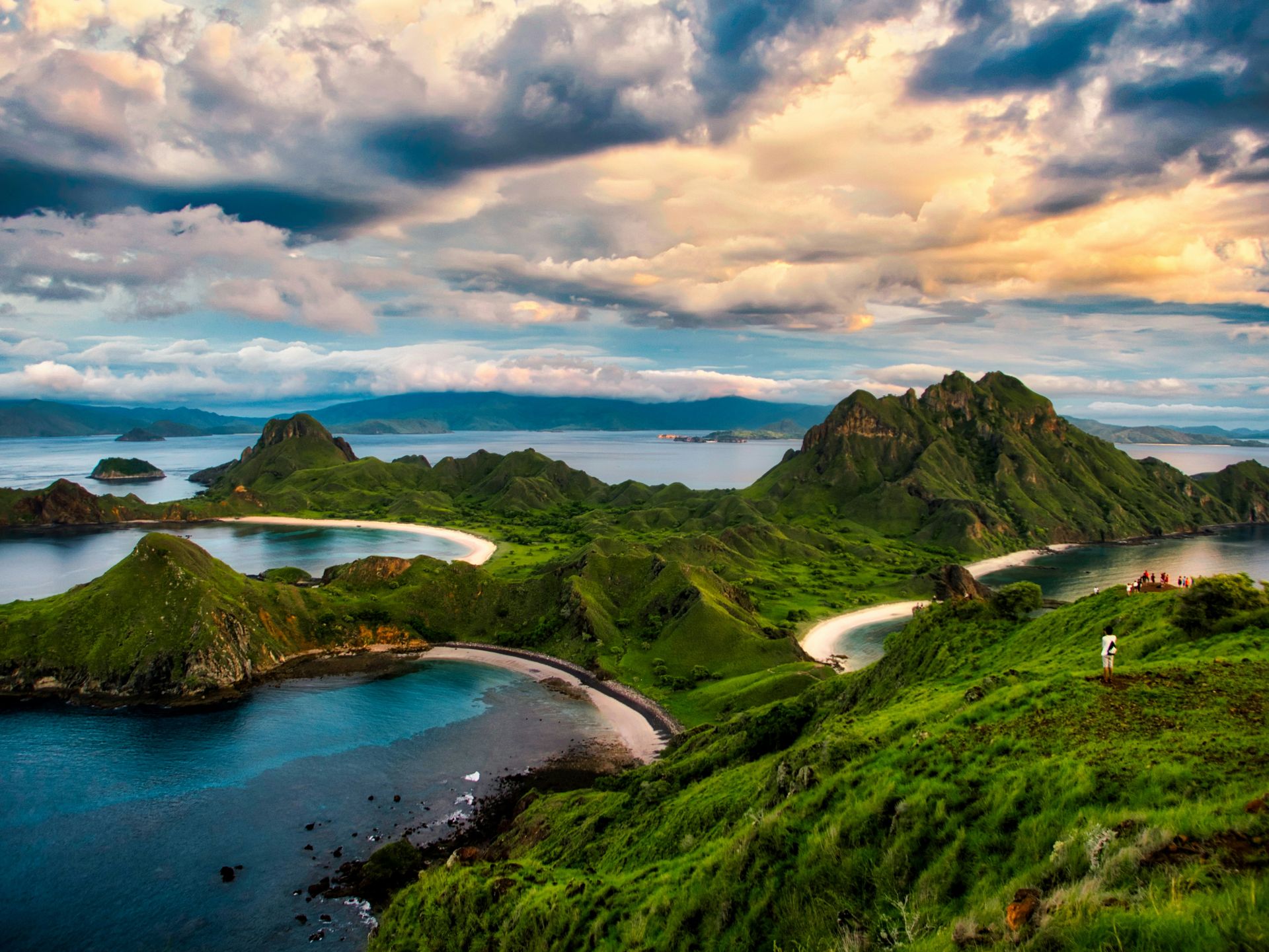
Labuan Bajo offers an Indonesian alternative to Bali built around wildlife and diving rather than surf or nightlife, serving as the main gateway to Komodo National Park. The park protects the Komodo dragon, the largest living lizard species, found in the wild only on a handful of Indonesian islands within the park's boundaries.
Multi-day liveaboard boat trips remain the most common way to see the park properly, combining dragon-viewing treks on Komodo and Rinca islands with snorkeling and diving stops along the way. Shorter day trips from Labuan Bajo cover the same highlights in a single day for travelers with less time.
Padar Island has become one of the most photographed spots in Indonesia, a short, steep climb rewarding hikers with a view over three separate colored bays. Nearby, Pink Beach gets its color from red coral fragments mixed into the white sand, visible clearly at the shoreline.
The waters around Komodo National Park sit within the Coral Triangle, a region recognized for exceptionally high marine biodiversity, and diving here regularly includes manta rays, reef sharks and dense coral coverage rarely matched elsewhere in Indonesia. Manta Point, near Karang Makassar, is one of the most reliable manta ray sighting spots in the park.
Labuan Bajo town itself has grown quickly as an entry point but remains far smaller in scale than Bali's tourist hubs, with most infrastructure built specifically to support boat trips and diving operations rather than nightlife or shopping. Flights connect Labuan Bajo directly to Bali's Denpasar airport in under one hour, making it an easy add-on rather than a separate trip.
Indonesia's rupiah applies here as it does in Bali, keeping food and basic accommodation costs low, though liveaboard boat trips and diving packages can add up depending on trip length and boat quality. Travelers $TRV on a tighter budget can still see the park's highlights through single-day tours from Labuan Bajo.
