jimfeng / Getty Images
Summer is simultaneously the most popular and most expensive time to travel. School schedules and longer daylight hours concentrate demand into the same three-month window, driving up prices across accommodations, flights, and tourist attractions in destinations that benefit most from warm weather. Travelers $TRV who want to take advantage of summer conditions — the heat, the outdoor access, the extended days — face a real cost challenge that does not apply to shoulder-season travel. Finding a summer destination that delivers genuine experience without a summer price premium is more difficult than it sounds.
The misconception that cheap summer travel means compromising on quality compounds the problem. Travelers often assume the lowest-cost destinations lack the scenery or activities that make a trip worth taking, or that budget travel means enduring discomfort. The destinations on this list disprove both assumptions. Some of the most spectacular landscapes in the U.S. and North America are accessible through national park fees measured in dollars per day per vehicle. A stretch of coastline regarded as among the world’s most beautiful charges visitors with nothing but their own two feet. A major international city becomes significantly more affordable the moment a traveler converts dollars to Canadian currency. The gap between cheap and genuinely good is far narrower than most summer pricing pressures suggest.
The 10 destinations below are from U.S. News & World Report, which evaluated summer vacation destinations on affordability and traveler appeal, among other factors. The full list spans national parks, barrier islands, mountain towns, a Canadian city, and a famous waterfall, covering a range of destination types that show budget-friendly summer travel does not require a single type of geography or activity. Entry fees, camping rates, and specific cost-saving strategies are drawn from the source’s reporting.
1 / 10
Josh Miller Photography & Aurora Photos / Getty Images
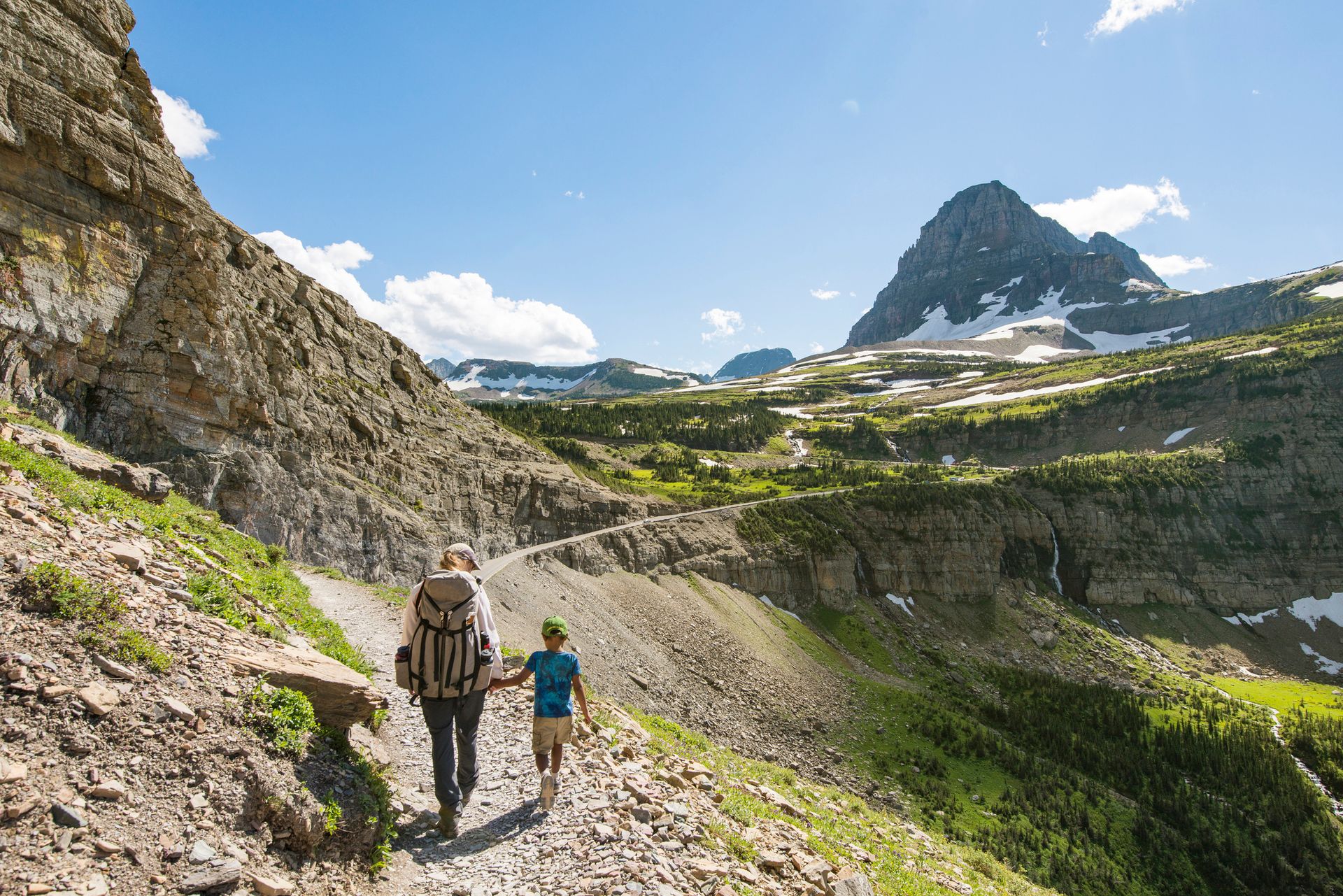
Glacier National Park in northwest Montana charges $35 per vehicle, which covers seven days of entry. The fee works out to $5 per day for a family that fills the car. The park is one of the country’s most photographed landscapes, and the Going-to-the-Sun Road, a 50-mile route through the park’s alpine terrain, is one of the most scenic drives in the U.S. Summer opens the full length of the road, which typically reaches its accessible peak by early July. The views along the route justify the entry fee on their own, and the road functions as the park’s primary scenic corridor for visitors who want the spectacle without extensive hiking.
Camping within the park costs between $15 and $30 per night, depending on the campground, giving visitors the option to stay inside the park at a price substantially below what nearby lodging charges. The $35 vehicle entry fee and the $30 maximum camping rate together mean a couple could spend a week at Glacier for roughly $50 per person in entry and lodging costs before food and transportation. The Apgar Nature Center, located near the park’s west entrance, provides free educational programming about Glacier’s flora and fauna, adding a structured activity that requires no additional spending.
Beyond the road, the park’s hiking trail network extends to features such as Grinnell Glacier and Lake McDonald. Grinnell Glacier is one of the park’s most celebrated destinations, reached by a trail that passes through mountain scenery typical of the park’s high-elevation landscape. Lake McDonald, the largest lake in the park, sits near the west entrance and offers swimming access during summer’s warmer weeks. A scenic driving route, accessible hiking, lake swimming, and free educational programming together deliver a summer vacation with strong activity depth at an entry cost that national park pricing makes genuinely affordable. Glacier’s position at the affordable end of major national park destinations makes it a natural anchor for a budget-focused Western U.S. road trip itinerary.
2 / 10
Kevin Fleming / Getty Images
Assateague Island charges $25 per vehicle for a full week of access to its 37-mile barrier island shared between Maryland and Virginia, making it one of the most explicitly value-oriented beach destinations on this list. The island’s protected beaches, dunes, and wetlands fall within Assateague Island National Seashore, and the $25 fee covers all of it for seven days. The island operates without hotels, which means camping is the only way to stay — sites cost $40 per night — and the absence of resort infrastructure keeps the overall atmosphere quiet and the crowds well below what typical beach towns attract.
The source frames Assateague as the deliberate alternative to Ocean City, the heavily developed resort destination on the Maryland coast just across the inlet. The contrast is intentional: where Ocean City concentrates entertainment, dining, and commercial activity, Assateague strips those elements away and returns the beach to its essential form. Travelers $TRV who find resort beach culture expensive and crowded will find Assateague’s simplicity a feature, not a limitation. The protected status of the beaches and dunes gives the natural environment a quality that commercial beach development typically degrades.
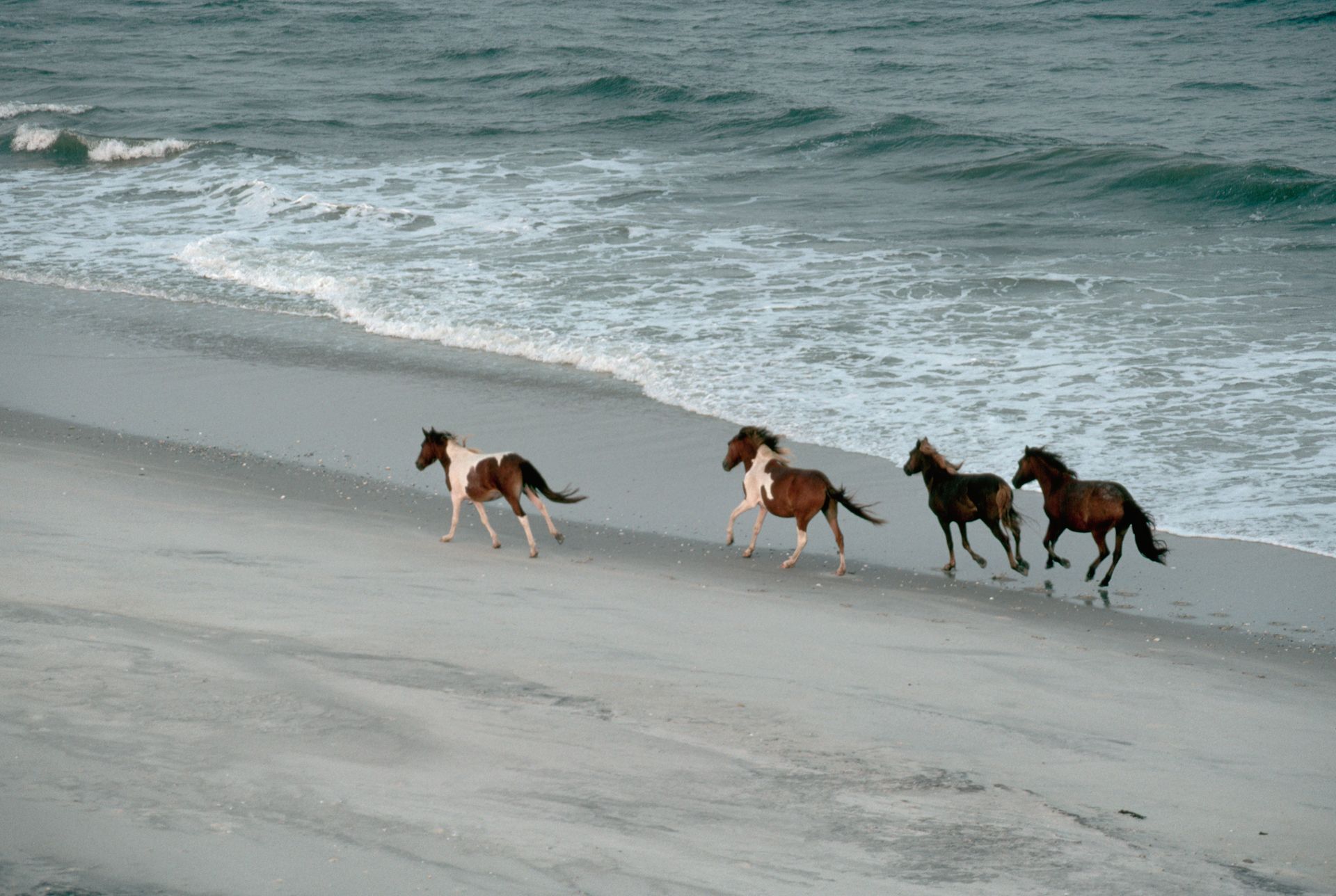
Ocean temperatures at Assateague become genuinely warm through July and August, making activities including surfing and shelling comfortable and appealing. The wild horses that roam the island freely add an element that no other destination on this list can match. A population of feral horses has lived on the island for centuries, and visitors can observe them from close range on the beach and in the dunes. Sightings are common and unpredictable, giving the island a wildlife encounter that transforms a routine beach day into something more memorable. The $25 weekly vehicle pass, the $40 camping rate, and the horse population together make Assateague one of the most distinctive and specific budget beach destinations on the East Coast, with no close equivalent among comparable barrier island parks.
3 / 10
sri ram / Getty Images
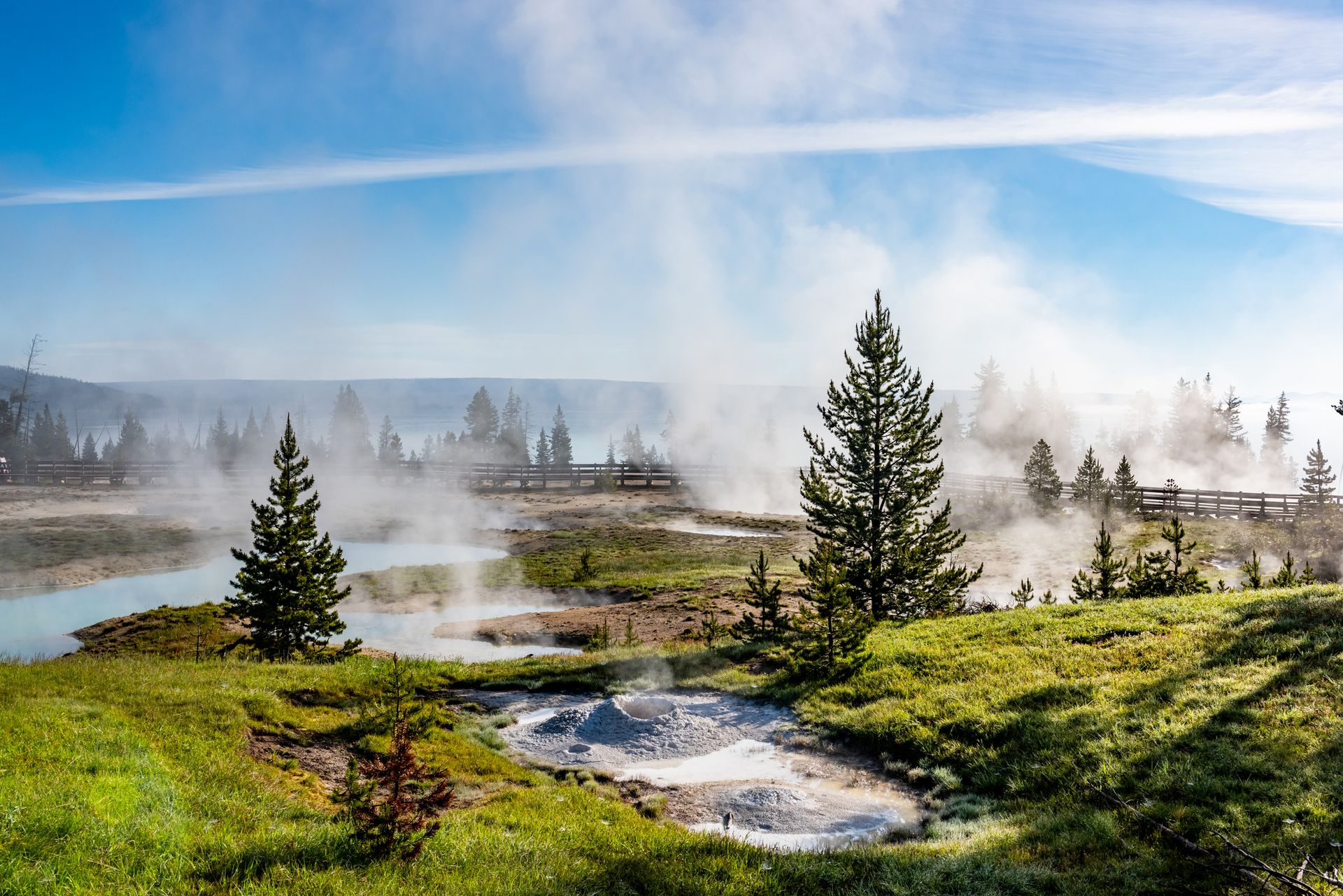
Yellowstone National Park spans more than 2.2 million acres across Wyoming, Montana, and Idaho, making it the largest national park in the contiguous U.S. by a substantial margin. It charges $35 per vehicle for seven days of access. The park’s scale means the entry fee covers access to an environment that ranges from the famous geysers and thermal features of the Old Faithful area to mountain lakes, canyon overlooks, and backcountry wilderness. The breadth of what a single fee purchases is one of Yellowstone’s primary value characteristics.
Campsite rates within the park start at $20 per night, allowing visitors to anchor a multi-day stay in the park at a cost that, combined with the entry fee, produces an affordable base for daily exploration. The park’s hiking trails connect its most famous thermal features to its less-visited corners: routes lead from colorful thermal basins to large alpine lakes, and the trail network reaches destinations that road access alone cannot reach. Bison roam throughout the park and are visible from roads and trails at close range, alongside other wildlife, including elk, bears, and wolves, that give Yellowstone a wildlife-viewing reputation matched by very few destinations in North America.
The geysers and thermal features represent the park’s most concentrated visitor attractions. Old Faithful erupts on a predictable schedule, drawing crowds at each eruption cycle, while the broader geyser basins contain dozens of active thermal features that visitors can observe from boardwalk paths without additional charge. The Grand Prismatic Spring, one of the world’s largest hot springs, produces the vivid colors that define Yellowstone’s visual identity. A week-long Yellowstone trip built on the $35 entry fee and the campsite rates gives travelers access to all of these features at a per-day cost that would be difficult to replicate at any destination of comparable scale and ecological significance.
4 / 10
Gary Yeowell / Getty Images
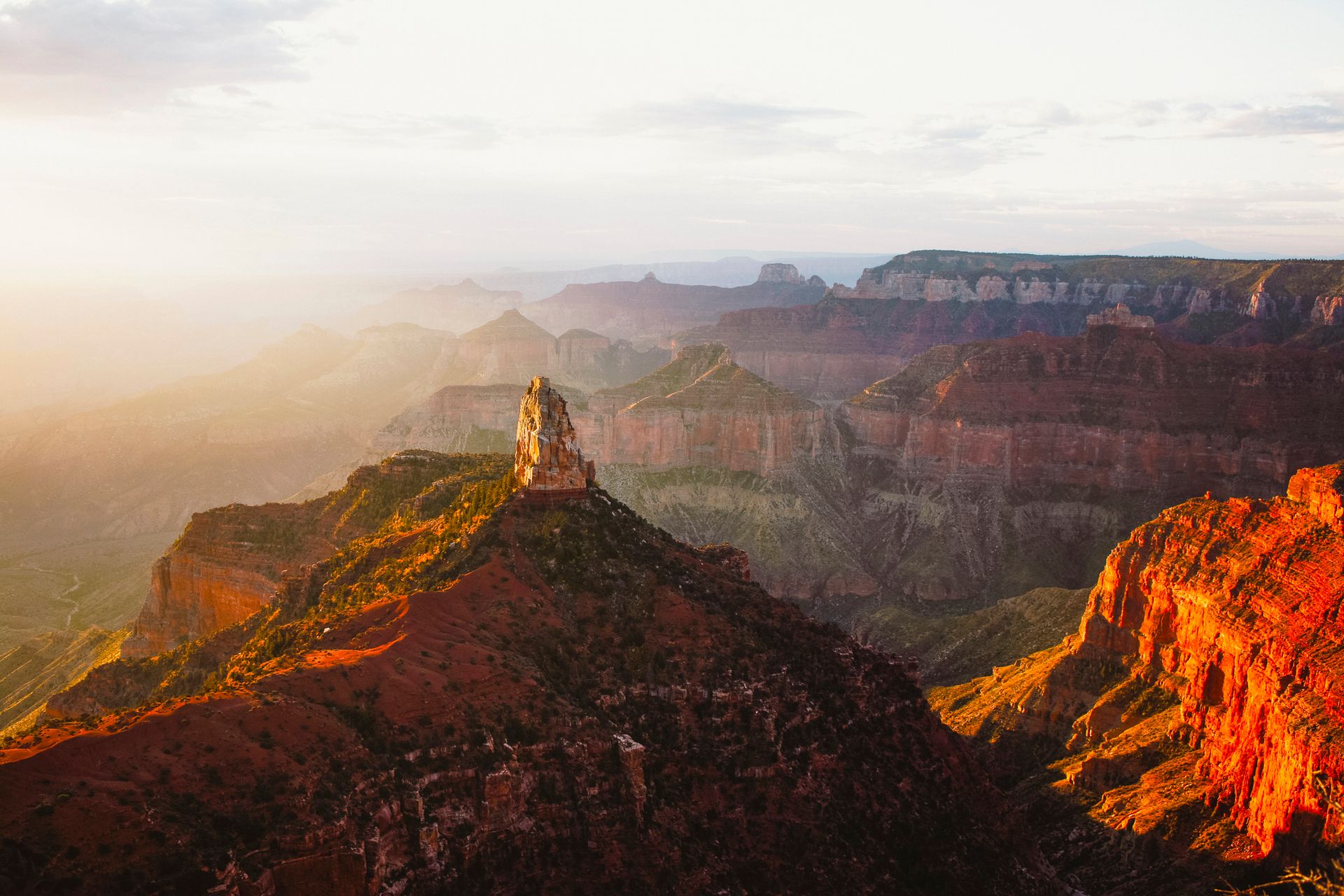
The Grand Canyon in Arizona is a UNESCO World Heritage Site that charges $35 per vehicle for seven days of entry and offers campsites starting at $18 per night during summer months, making it one of the few places on this list where the most consequential activity — standing at the rim and looking at one of the natural world’s most arresting views — costs nothing beyond the entry fee. The South Rim, the most visited section of the park, gathers the park's most popular viewpoints and trails in a compact area, and the summer crowds it draws are a consistent feature visitors should factor into their planning.
The source identifies the photo possibilities along the South Rim as a significant draw that justifies the congestion. The canyon’s depth, scale, and color variation across different light conditions give photographers near-inexhaustible subject matter, and the viewpoints accessible from the South Rim’s rim trail provide a range of perspectives without requiring technical hiking. The crowd density does compress the available personal space at the most popular overlooks, but the South Rim trail extends far enough that visitors who walk beyond the busiest spots find less crowded sections.
Travelers $TRV who want to further reduce accommodation costs can stay in gateway communities outside the park. Tusayan, approximately seven miles from the south entrance, offers a range of lodging and dining options that undercut park lodge prices. Grand Canyon Junction, about 30 miles from the entrance, offers even more affordable options for visitors willing to drive into the park daily. The flexibility between camping inside the park and lodging in gateway towns gives Grand Canyon visitors more budgeting options than most national parks on this list offer, making the destination workable across a range of trip structures, group sizes, and comfort preferences, from tent camping to motel stays.
5 / 10
Rebecca Hickey / Getty Images
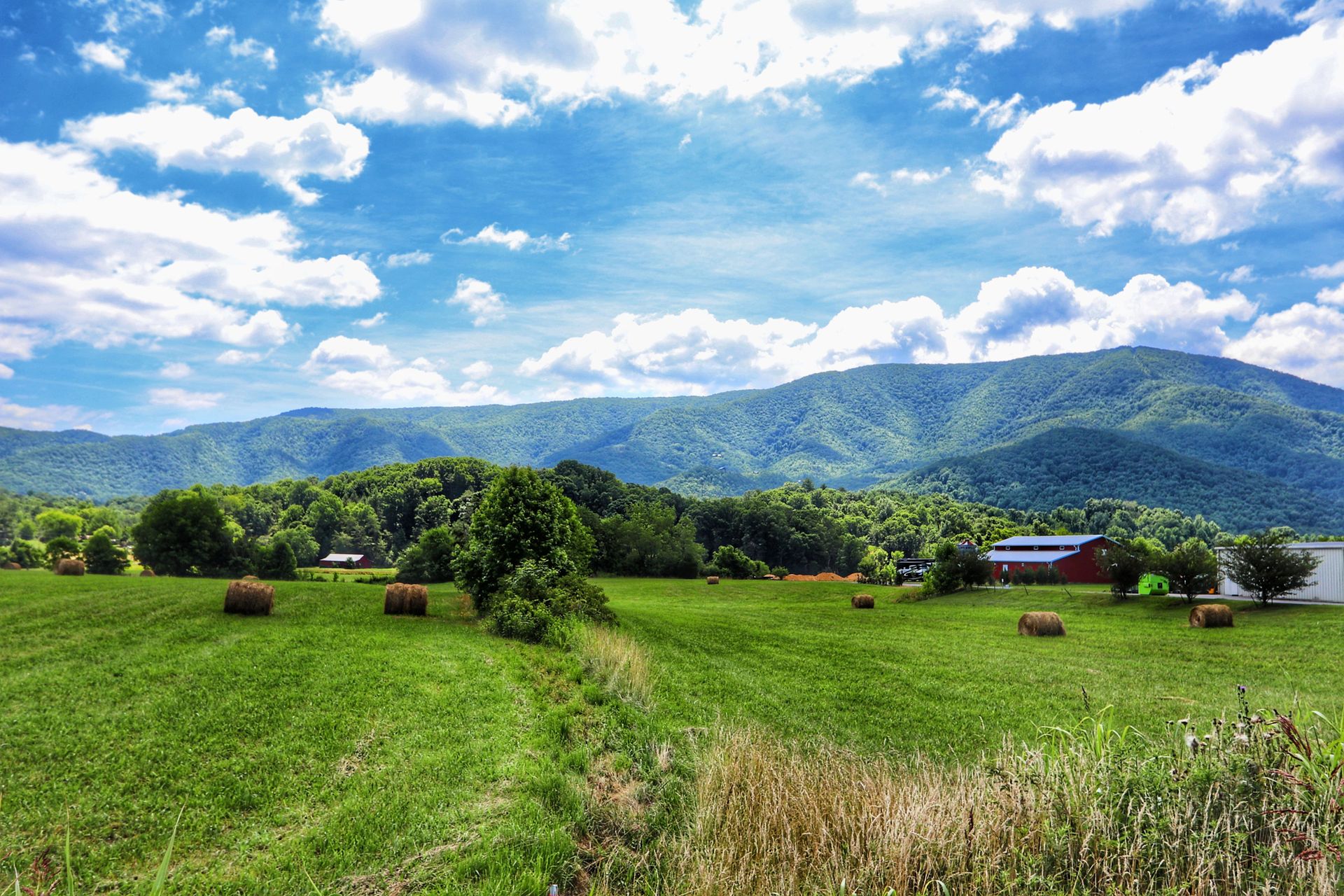
Gatlinburg, Tennessee, sits at the gateway to Great Smoky Mountains National Park, an 800-plus-square-mile park that charges no entry fee — the only major national park on this list to do so — and instead levies a nominal daily parking fee of $5 per vehicle. The absence of a standard entry fee makes the Great Smoky Mountains one of the most financially accessible national park destinations in the country, and Gatlinburg’s position at the park’s entrance gives the town a relationship with the park that shapes the entire visitor experience. Travelers $TRV based in Gatlinburg can walk into the park from town in minutes.
The park’s trail network reaches overlooks and waterfalls throughout its terrain, giving hikers a range of difficulty levels and destinations across both the Tennessee and North Carolina sides of the Smokies. The park encompasses two states and a significant elevation range, which produces the biodiversity that makes it one of the most species-rich temperate ecosystems in the world. Accessible trails, no entry fee, and the $5 daily parking charge together mean a family can spend a full day hiking in one of the Eastern U.S.'s most ecologically rich national parks for $5 total.
Gatlinburg also offers attractions within the town for visitors who want breaks from the park. The Great Smoky Arts & Crafts Community, a loop of working studios and galleries established by local artisans, gives visitors exposure to regional craft traditions at no charge beyond what they choose to purchase. Mini-golf courses and family entertainment venues provide lower-key options for evenings or rest days. The town’s commercial strip includes budget-friendly dining and lodging that caters to the large family visitor market the park attracts, giving the destination an accommodations infrastructure that reflects the budget-conscious traveler base it serves. The $5 daily parking fee’s structure also rewards visitors who plan to spend multiple days in the park. Five days of parking costs $25 total, a figure comparable to a single meal at a mid-range restaurant.
6 / 10
Yehuda Bernstein / Getty Images
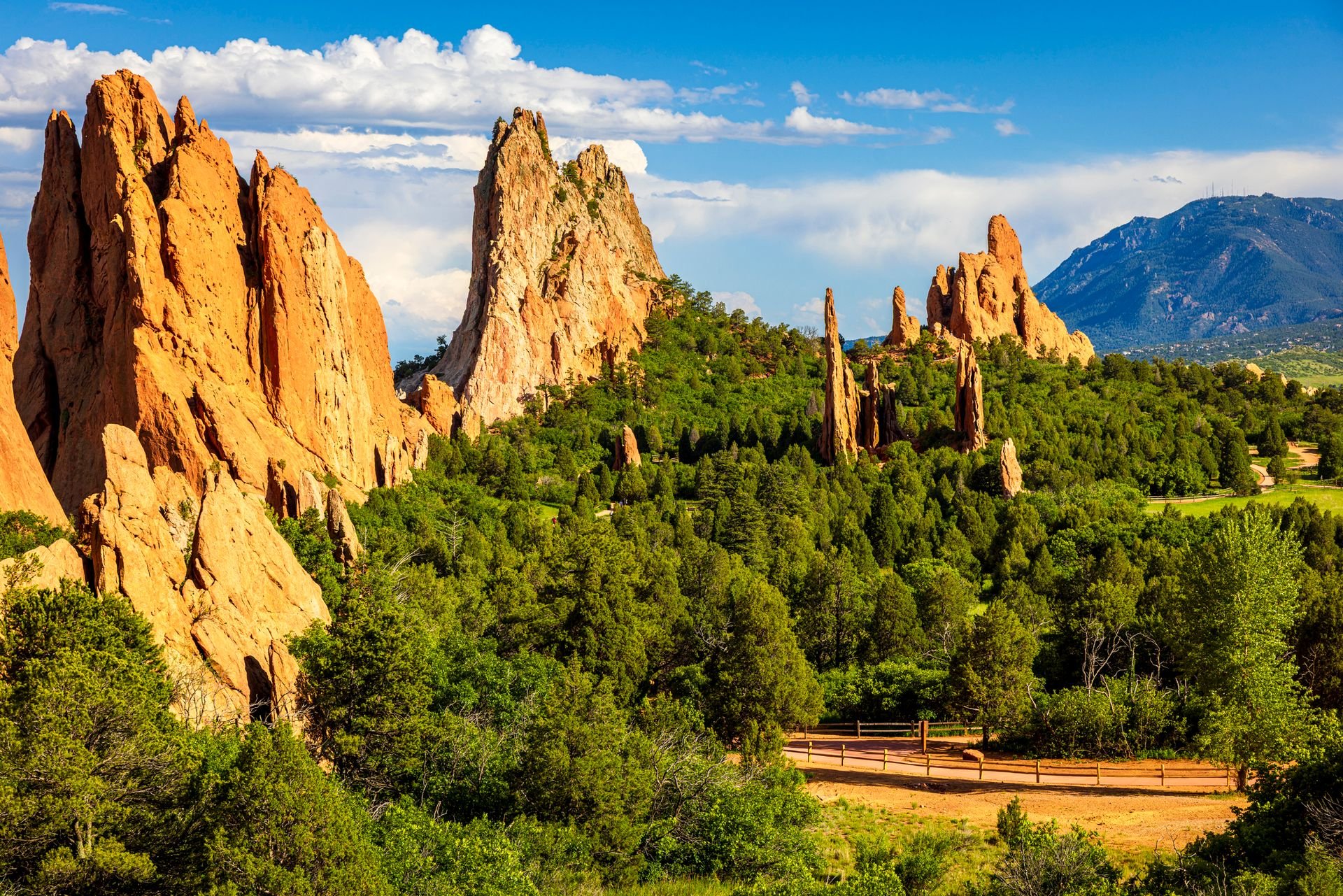
Colorado Springs offers a range of outdoor attractions that cost nothing to enter, starting with Garden of the Gods, a park featuring dramatic sandstone formations that rise from the ground in shapes that have made the park a landmark of the Southern Rockies. The formations are accessible via trails and roads within the park, and the free access extends to a visitor center that provides context on the park’s geology and natural history. Pikes Peak, the 14,000-foot summit that towers above the city, is drivable to the top for free, offering visitors the experience of a high-altitude summit without the physical demands of a serious climb.
Old Colorado City, a historic neighborhood along the western edge of the city, offers pedestrian-friendly streets lined with shops, galleries, and restaurants in a preserved 19th-century commercial district. The neighborhood’s walkability and its mix of free browsing and affordable dining give visitors a full-afternoon itinerary that requires minimal spending. The contrast between the outdoor landscapes at Garden of the Gods and Pikes Peak and the historic street character of Old Colorado City gives Colorado Springs a destination variety that few cities of its size can match at comparable price levels.
Manitou Springs, a small town adjacent to Colorado Springs, provides access to healing mineral water springs that visitors can sample from public fountains at no charge. The mineral springs have drawn visitors to Manitou since the 19th century, and the springs remain free and accessible throughout the summer months. Lodging in Colorado Springs during summer peak season stays at the affordable end of the pricing spectrum, with a selection of budget hotels and motels that the source describes as available during the peak season without the price escalation that higher-profile destinations typically experience. The free outdoor attractions, the historic commercial district, and the mineral springs give Colorado Springs more free activities than any other destination on this list.
7 / 10
Cavan Images & Paul Giamou / Getty Images
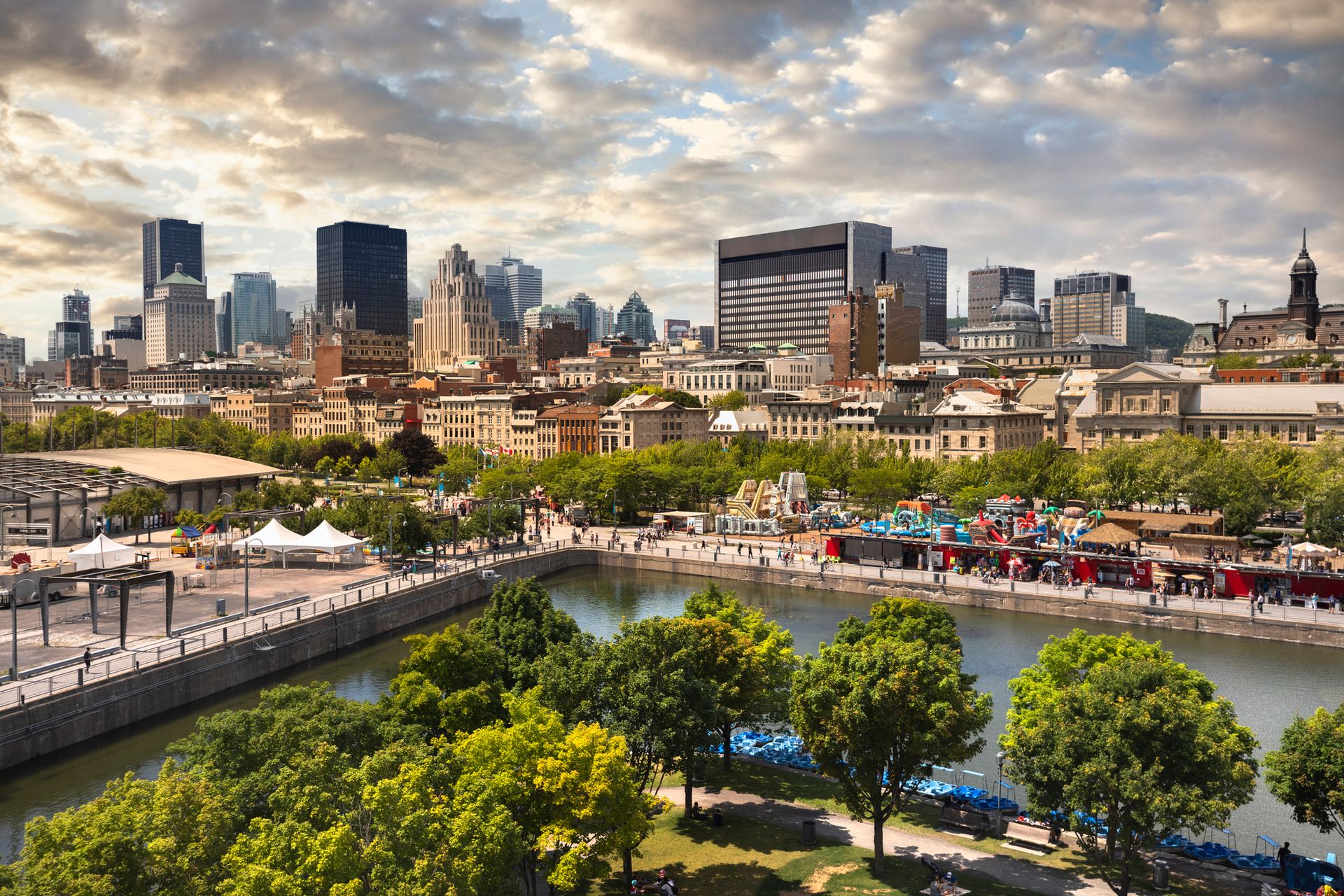
Montreal reaches daytime temperatures in the 60s and 70s during summer, creating a pleasant outdoor environment for the street festivals that define the season in the Canadian city. The Montreal Jazz Festival and the Mural Urban Art Festival both run in summer and offer free public programming, giving visitors access to live music and large-scale outdoor artwork without ticket prices. The festivals take place on the streets and in public spaces, not in ticketed venues, so travelers can engage with the programming as much or as little as their itinerary allows.
The Canadian dollar’s exchange rate provides a structural price advantage for American travelers. At approximately CA$1 to 70 U.S. cents, every purchase in Montreal costs American visitors roughly 30% less than the nominal price in Canadian dollars suggests. Restaurant meals, transit fares, accommodations, and admission fees all benefit from the exchange advantage, compounding the savings across an extended visit. Travelers $TRV who convert a meaningful amount of currency before spending will find Montreal’s effective price level substantially lower than in comparable U.S. cities.
The city’s infrastructure supports low-cost movement between its attractions. The metro system provides affordable and efficient access across Montreal’s neighborhoods, and the BIXI public bike-share program offers visitors a cycling option that costs less than taxis and provides a more complete urban experience than the subway alone. The Old World streets of Old Montreal, the Montréal Botanical Garden, and Mount Royal Park are all accessible via transit or bike for travelers who want to avoid transportation spending. Free festival programming, the exchange rate advantage, and the affordable transit infrastructure together make Montreal one of the more complete budget summer destinations on this list for travelers comfortable with an international city. The city’s walkable neighborhoods and the Montréal Botanical Garden’s free access during festival weeks add more zero-cost activities to a destination that already rewards the budget traveler across multiple spending categories.
8 / 10
no_limit_pictures / Getty Images
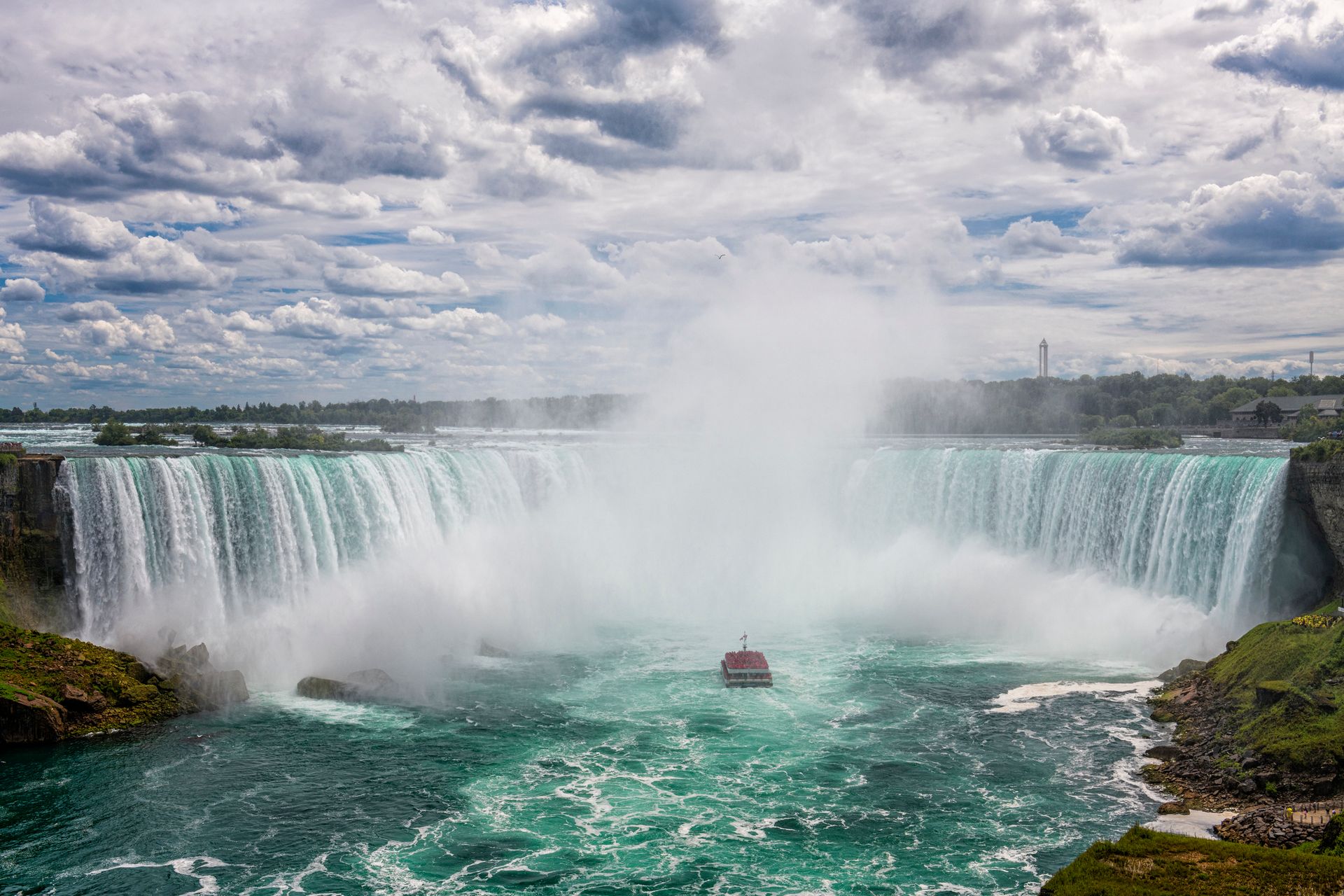
Niagara Falls straddles the border between New York and Ontario, and both the American and Canadian sides offer a concentrated cluster of attractions that become substantially more affordable when visitors purchase bundled access passes covering multiple activities in a single transaction. The source identifies the Journey Behind the Falls tour, a self-guided walkthrough of tunnels and observation decks carved into the rock beneath the falls, and the Butterfly Conservatory as examples of attractions that bundled passes can cover. The flexibility of the pass structure allows travelers to tailor their spending to the activities they want, rather than paying full price for each one separately.
The falls themselves are free to observe from the public viewpoints on both sides of the border, which means that the core experience of the destination — standing close enough to Niagara Falls to feel the mist on an 80-degree summer day — costs nothing. The commercial attractions, casinos, and dining options in the surrounding areas represent the category of spending, the source flags as capable of sharply driving costs up. Travelers $TRV who identify the falls as the primary reason to visit and treat the surrounding attractions as optional additions can construct a very affordable trip around the free viewpoints and a selective bundled pass for two or three paid attractions.
Booking accommodations several months in advance reduces lodging costs meaningfully at Niagara Falls, where summer demand concentrates heavily in July and August. The source identifies advance booking as the primary lever for cutting accommodation costs at a destination where the summer season brings dense tourist volume. Early reservations on both the New York and Ontario sides give visitors access to the lower pricing tier before rooms fill and prices rise. The full Niagara Falls experience — the free waterfall viewpoints, the mist, the bundled-pass attractions, and the advance-booked lodging — delivers a summer vacation with a distinctive natural spectacle at a price point that rewards planning.
9 / 10
benedek / Getty Images
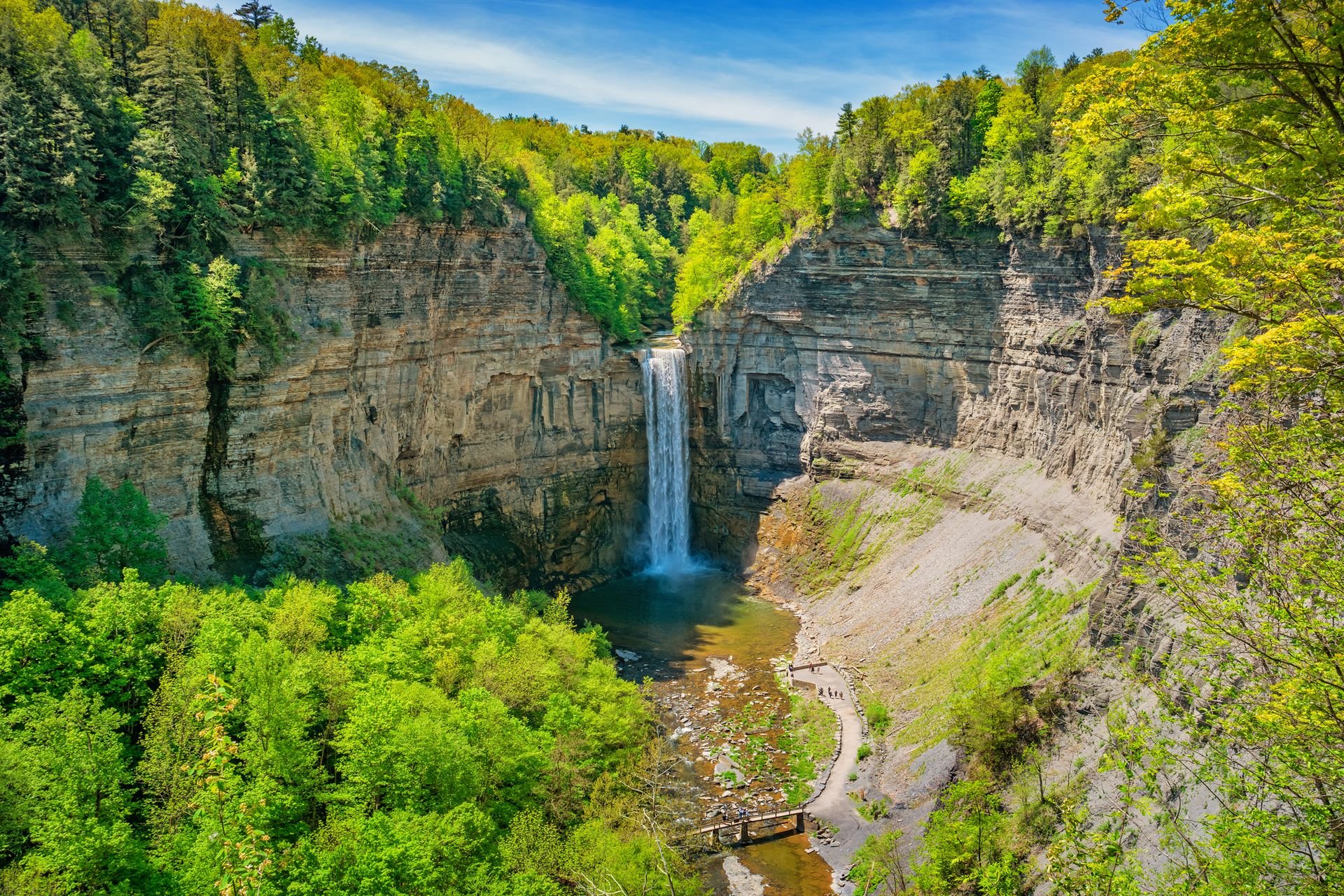
The Finger Lakes region of New York offers a range of affordable activities across its 11 lakes, giving visitors multiple days of low-cost outdoor recreation before they exhaust the options available. Boating, fishing, swimming, and water sports are accessible across the lakes during summer, and hiking trails connect the scenic areas between the lakes without entry fees. The variety of water-based and land-based activities means the region suits travelers with different physical interests and energy levels, making it a strong choice for mixed-group trips that need to accommodate multiple preferences.
Wine tastings at local vineyards start at $10 per person, giving visitors access to the region’s wine culture at a price point that treats the tasting as an activity rather than a luxury expense. The Finger Lakes is one of the most productive wine regions in New York, and the concentration of vineyards around Seneca, Cayuga, Keuka, and other lakes gives wine-focused travelers enough variety to fill multiple days of tasting visits without repeating a producer. The $10 entry point allows budget-conscious travelers to sample several vineyards across a multi-day stay without the tasting fees becoming a dominant line item in the trip’s cost.
The Women’s Rights National Historical Park in Seneca Falls provides a full historical and cultural experience at no charge. The park commemorates the first women’s rights convention held in 1848 and includes the Wesleyan Chapel, where the convention took place, the Elizabeth Cady Stanton house, and the M’Clintock house, giving visitors a substantive historical site to explore on a zero-cost afternoon. The free park, the $10 wine tastings, and the outdoor recreation across 11 lakes together give the Finger Lakes an activity breadth and value density that few destinations on this list match at comparable cost levels. The region’s scale across 11 lakes also means that a multi-day trip can explore genuinely different environments without repeating the same activity, giving the Finger Lakes more sustained variety than destinations built around a single attraction or park.
10 / 10
Jena Ardell / Getty Images
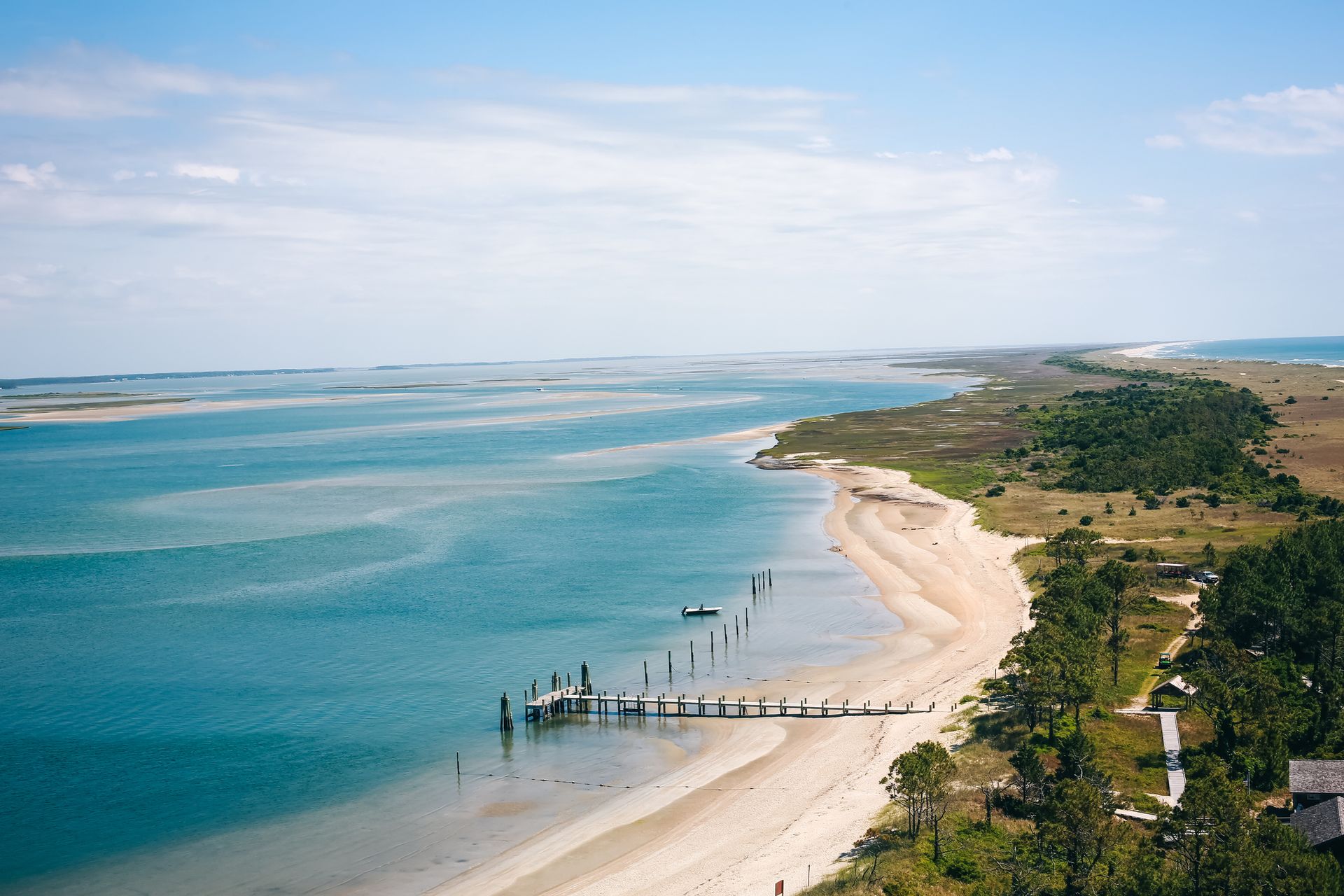
The Outer Banks in North Carolina draws summer visitors to barrier island beaches whose expansive length and natural character give the destination its core appeal. The beaches are the primary attraction, and access to them is free, so travelers who spend the bulk of their time on the sand spend very little on the activity that defines the trip. The source frames this self-reinforcing value logic explicitly: the destination’s main appeal costs nothing, so a trip spent primarily at the beach is a trip spent primarily for free.
Advance booking is the primary cost management strategy the source recommends for Outer Banks accommodations. Summer is the destination’s peak season, and low-cost hotels and vacation rentals exist across the area, but the best-priced options fill early. Travelers $TRV who commit to the trip and book several months in advance have access to lower-tier accommodation before demand pushes prices up. The vacation rental market in the Outer Banks is particularly extensive relative to the destination’s size, offering visitors more budget options than a purely hotel-based market would.
Visitors who want activities beyond the beach will find inexpensive options within easy reach. Jockey’s Ridge State Park, home to the largest active sand dune system on the East Coast, offers sandboarding at modest cost within the park. Cape Hatteras National Seashore, part of the broader Outer Banks geography, is home to the Ocracoke ponies, a herd of feral horses with a lineage on the island stretching back centuries. Sandboarding and pony sightings give the Outer Banks two specific non-beach activities that match the wild, coastal, naturally driven character of the destination, at costs that preserve the budget-friendly profile the free beaches establish. Cape Hatteras National Seashore’s free admission also means that the pony sighting activity requires no entry payment, making it one of the few wildlife encounters on this list that costs nothing to pursue.
