
From free plazas in Lima to penguin colonies on the Patagonian coast, seven destinations where your dollar stretches furthest
Artur Debat / Getty Images
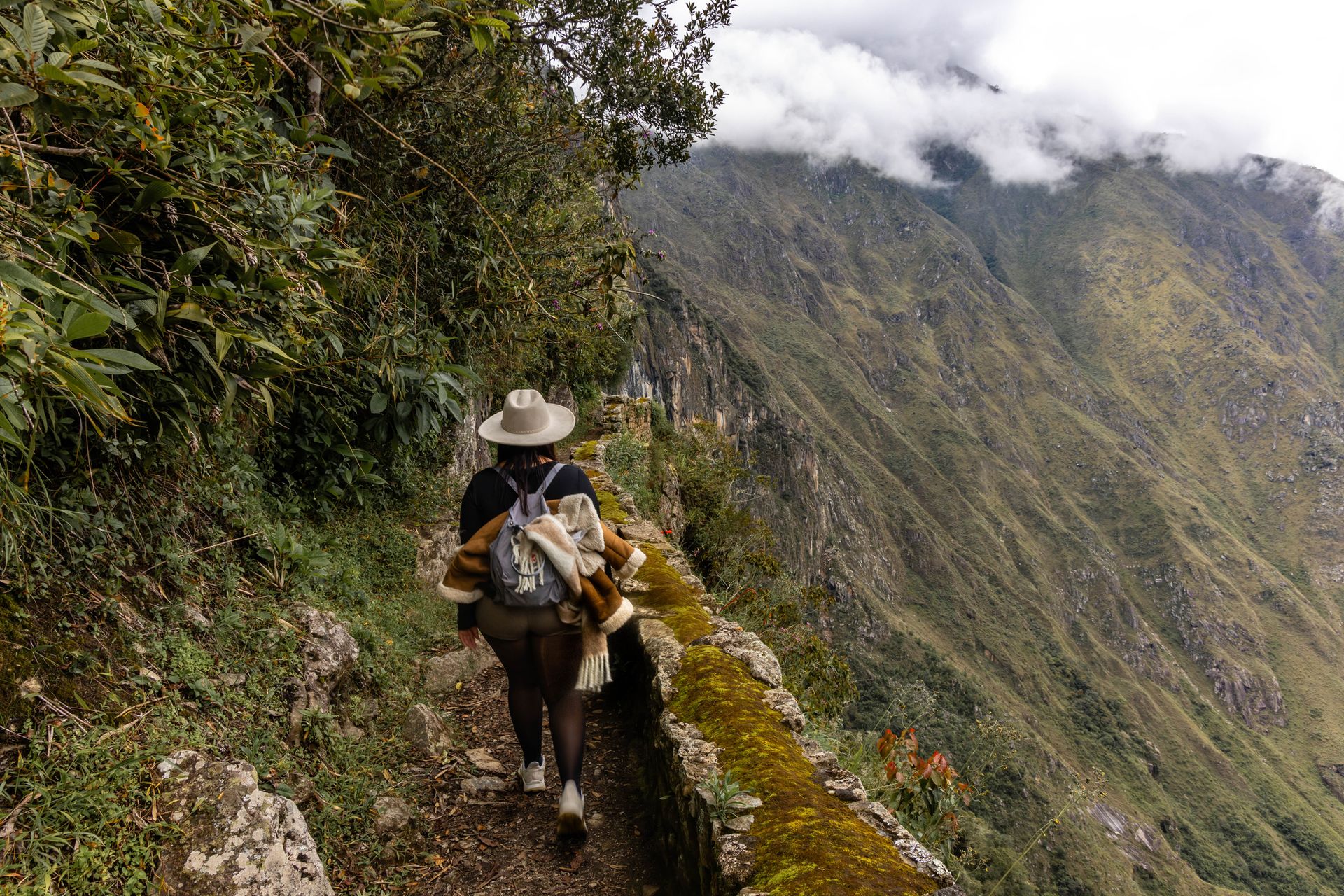
Central and South America occupy an unusual position in the budget travel conversation. The region’s reputation for high airfare from North America and Europe, combined with assumptions about expensive accommodations in its major cities, leads many travelers to exclude it from consideration when planning a trip within a realistic budget. The exclusion is a mistake. Exchange rates in several countries give travelers from the U.S. and Europe purchasing power that does not exist at comparable destinations closer to home, and many of the region’s most significant cultural and natural attractions cost little or nothing to visit. The argument for budget travel in Central and South America is stronger than the airfare concerns suggest.
The region's geographic range amplifies the value case. A single subcontinent encompasses ancient Incan ruins, active surf towns, urban capitals with world-class food scenes, wildlife-rich frontiers, and Andean mountain cities, all within a part of the world where the currency dynamics tilt in favor of the visiting traveler. Budget travel in this context does not mean choosing between an affordable trip and an interesting one. It means choosing which type of extraordinary experience to pursue first, and it often means being pleasantly surprised by how much the money stretches once the airfare is paid.
The seven destinations below come from U.S. News & World Report, which identified the best cheap vacation destinations in Central and South America based on expert opinion and traveler assessments, weighing affordability against the overall quality of each destination’s attractions. The list ranges from Peru’s most iconic sites to Chile’s Andean capital to Argentina’s southern frontier, covering destinations where the value equation strongly favors the budget-conscious visitor willing to plan carefully and take advantage of the exchange rate opportunities the region offers.
Christian Declercq / Getty Images
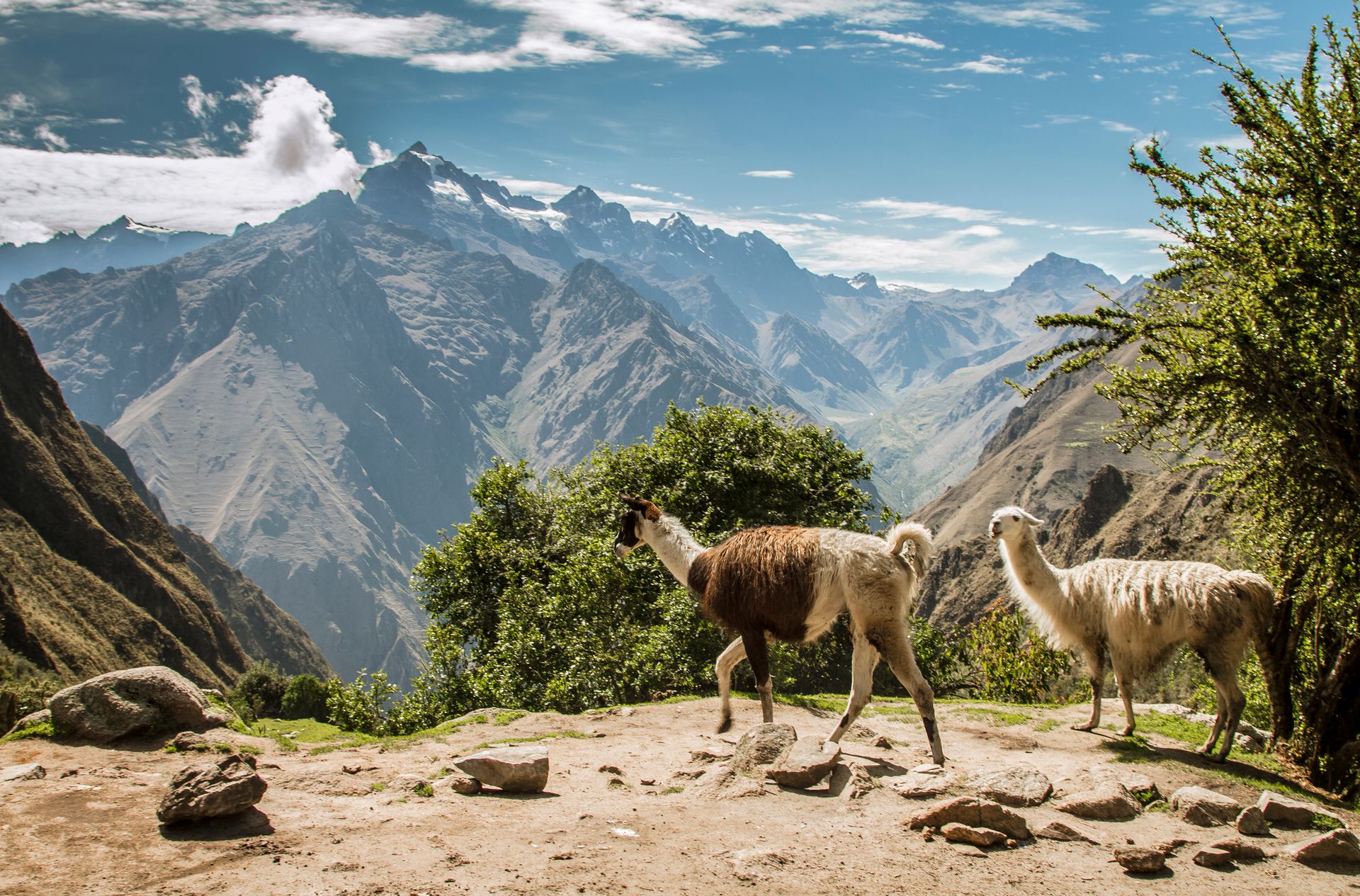
Cusco, Peru, gives travelers access to some of South America’s most significant historical sites at travel costs the source characterizes as relatively low for what the destination delivers. The city itself is home to opulent temples and soaring cathedrals that reflect its layered history as both the capital of the Inca Empire and a colonial Spanish city. The architectural density within the historic center means that a traveler can spend several days moving between significant sites without the per-attraction costs that comparable historical destinations in Europe would impose. The visual quality of what Cusco offers — stone temples built to Incan engineering standards, baroque cathedrals constructed on Incan foundations — gives the destination a depth that its price level does not reflect.
Machu Picchu is accessible from Cusco, making the city the standard base for what is arguably South America’s most famous archaeological site. Cusco’s own considerable attractions, alongside its role as the gateway to Machu Picchu, offer travelers two distinct but complementary experiences within a single trip. Travelers $TRV who plan their visit around Cusco as a base can allocate separate days to the city’s temples and plazas and to the Machu Picchu excursion, covering both without needing to move accommodations mid-trip.
The source specifically recommends spring and fall as the optimal travel windows for Cusco, noting that these seasons are when hotel rates are lower, crowds thin, and temperatures remain pleasant. The cost advantage of shoulder-season timing applies to lodging first, but the reduced visitor volume at the city’s most popular sites also improves the overall experience. Travelers who can schedule their visit outside the peak summer months will find Cusco’s already-favorable value equation further improved by seasonal pricing dynamics. The city’s access to premier Andean and Incan heritage, combined with the cost moderation that non-peak travel provides, makes Cusco the top-ranked value destination in this part of the world.
inigoarza / Getty Images
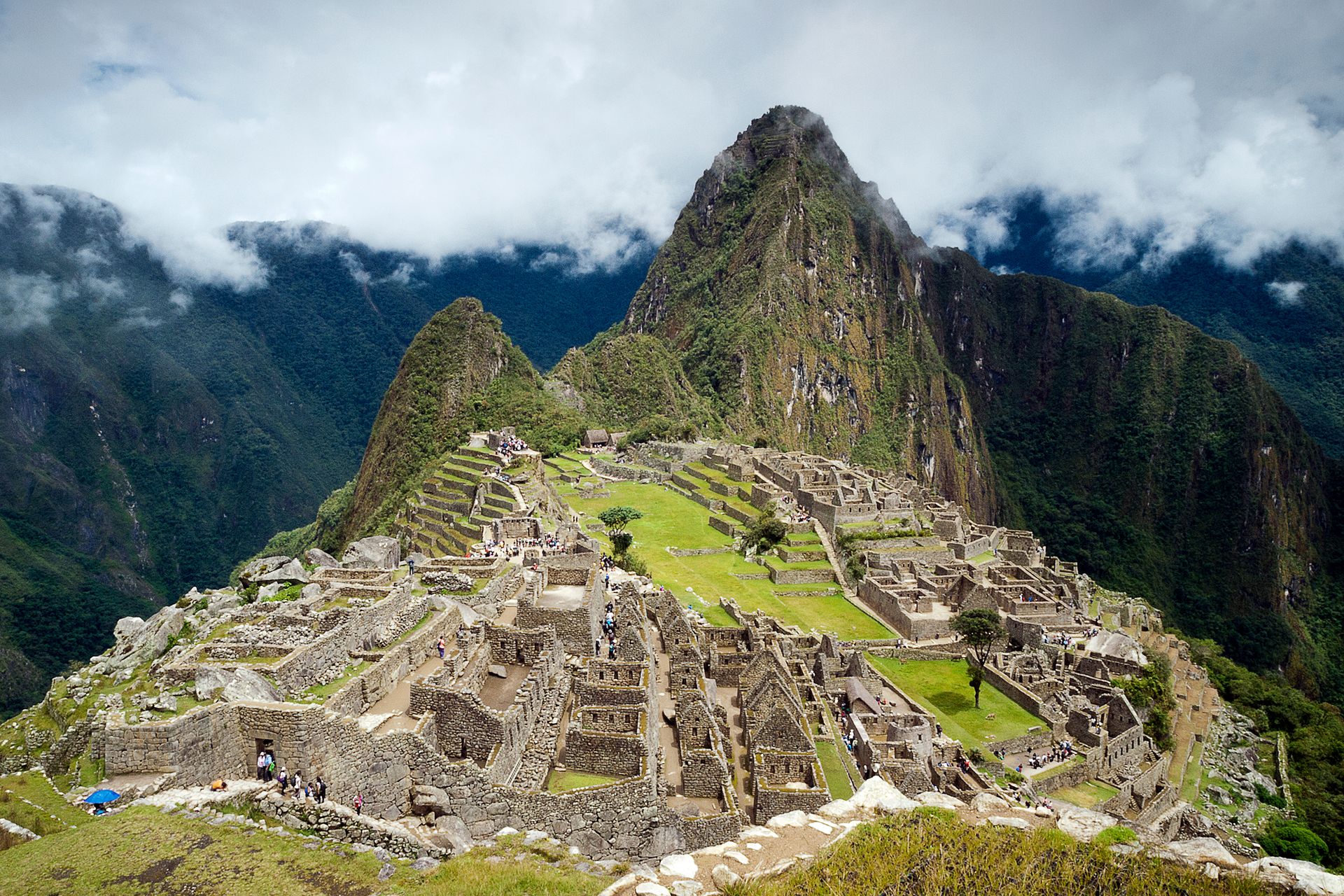
Machu Picchu has drawn visitors since its introduction to the wider world in 1911, and the pilgrimage to see its mystical temples has continued to grow across more than a century. The site’s entry cost and the train fare from Cusco represent the primary expenses for a visit, and neither is negligible. The source acknowledges these costs directly as a factor travelers should account for, distinguishing Machu Picchu from free-to-enter destinations on this list by acknowledging that the site does cost money to visit. What adjusts with timing is not the entry fee itself but the accommodation costs in the area surrounding the site.
Travelers $TRV who visit between September and November will find lodging at more affordable rates than during the peak season. The September-to-November window corresponds to a period when visitor volume decreases relative to the high-demand months, and the accommodation market responds with lower prices. The distinction between fixed costs that stay constant regardless of timing (entry fees, train fare) and costs that flex with timing (lodging) gives travelers a clear lever for managing the overall trip budget. Focusing on accommodation booking flexibility while accepting the site’s fixed costs as a baseline is the most practical approach to visiting Machu Picchu within a budget framework.
The site’s historical significance and the scale of its visual impact justify its costs, which few archaeological destinations can match. The stone structures, set on a ridge above the Urubamba River with forested mountains rising on every side, constitute one of the most dramatic engineered landscapes on the planet. The experience has sustained visitor interest for over a century because what the site delivers exceeds what photographs prepare visitors for. September-to-November lodging rates, alongside the site’s singular character, make this the ideal time for budget travelers who have decided that Machu Picchu belongs on their itinerary and want to manage the total trip cost as effectively as possible.
Artur Debat / Getty Images
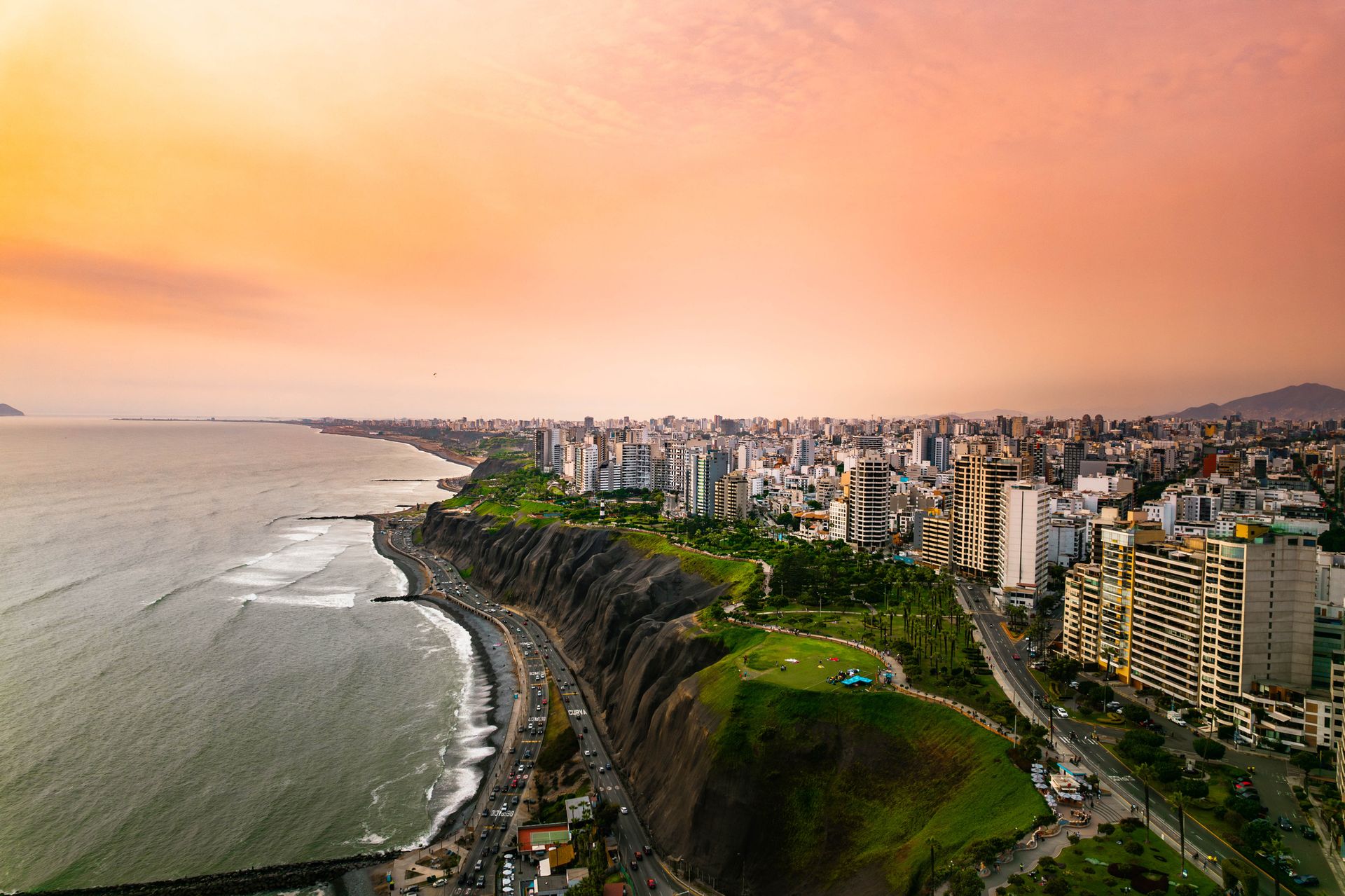
Lima offers visitors free access to its plazas and parks year-round, and the architecture surrounding those public spaces represents some of the finest Spanish colonial architecture in South America. Strolling through Lima’s historic center costs nothing beyond transportation to get there, and the plazas concentrate the city’s most impressive civic and religious buildings in a walkable area. The beach is also accessible at no charge, giving visitors a coastal option alongside the urban and historical attractions. The breadth of what Lima offers for free makes it one of the more practically accessible destinations on this list for travelers who want to minimize per-day spending.
The timing of a Lima visit affects flight and lodging costs meaningfully. The source identifies April, May, September, and October as the months when both airfare and accommodation rates are lowest, offering travelers a four-month window of optimal pricing across two shoulder seasons. The temperature during those same months averages in the 60s, which the source frames as pleasant: a moderate, comfortable climate for walking through the city’s neighborhoods and spending time at the beach without the heat and crowds that peak summer months produce.
The source describes Lima as rich in history and culture, a characterization that positions the city as a destination where the energy of urban life complements the more structured historical attractions without competing with them. The beaches give Lima a coastal dimension that most inland capital cities cannot offer, and the accessibility of the waterfront from the city center makes it a practical daily option, not a day-trip destination. Lima’s free cultural and natural attractions, the seasonal pricing advantage of the four lowest-cost months, and the pleasant shoulder-season temperatures together make the city a value case that holds across different traveler priorities and trip lengths. A capital city that opens its most historically significant plazas and its beach to visitors at no charge is a rare find.
Kryssia Campos / Getty Images
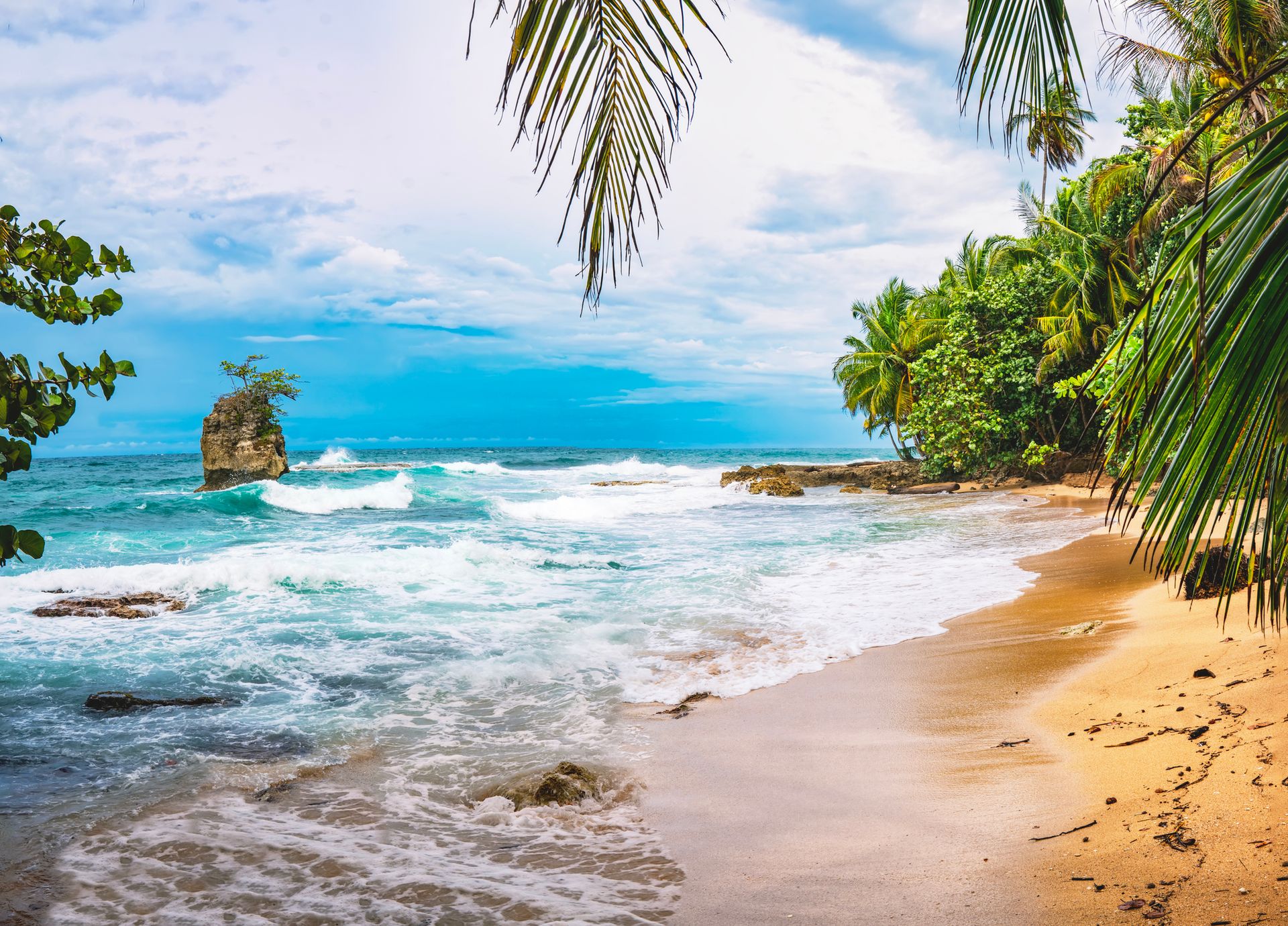
Costa Rica concentrates its budget on a straightforward strategy: the source makes explicit: book early and find a deal. The destination is a tropical hot spot with strong year-round demand, and the accommodations that represent genuine value tend to be claimed well in advance of the dates when budget travelers actually want to visit. Travelers $TRV willing to plan several months ahead will find pricing that the same-week or same-month booking market does not offer. The commitment to advance planning is the primary requirement the source places on budget travel in Costa Rica.
The Nicoya Peninsula offers beaches, the source describes as cream-colored, a specific visual quality that signals a different beach character from the darker volcanic sand that appears at other Central American coastal destinations. The peninsula’s beaches draw travelers who want a conventional tropical shoreline experience — warm water, pale sand, and the Pacific coastline’s reliable surf conditions — in a setting that Costa Rica’s protected natural areas and environmental policies maintain at a quality above what less-regulated beach destinations achieve.
Jacó, a surfing town on Costa Rica’s central Pacific coast, gives travelers a different type of destination within the same country. The town’s relaxed character makes it a lower-key alternative to the beach resort atmosphere of the Nicoya Peninsula, and its location gives visitors easy access to the country’s inland rainforests. Costa Rica’s rainforests represent one of the most biodiverse terrestrial environments on the planet, and access from Jacó provides travelers with the ability to move between beach and forest within a single day’s itinerary. The early-booking strategy that unlocks Costa Rica’s value, applied to a trip structured around the Nicoya beaches and Jacó’s forest access, gives budget travelers a tropical experience that Costa Rica’s natural credentials fully justify. The country’s protected area system, which covers roughly a quarter of the national territory, gives the inland rainforest near Jacó a depth of biodiversity that unprotected areas cannot offer.
F.J. Jimenez / Getty Images
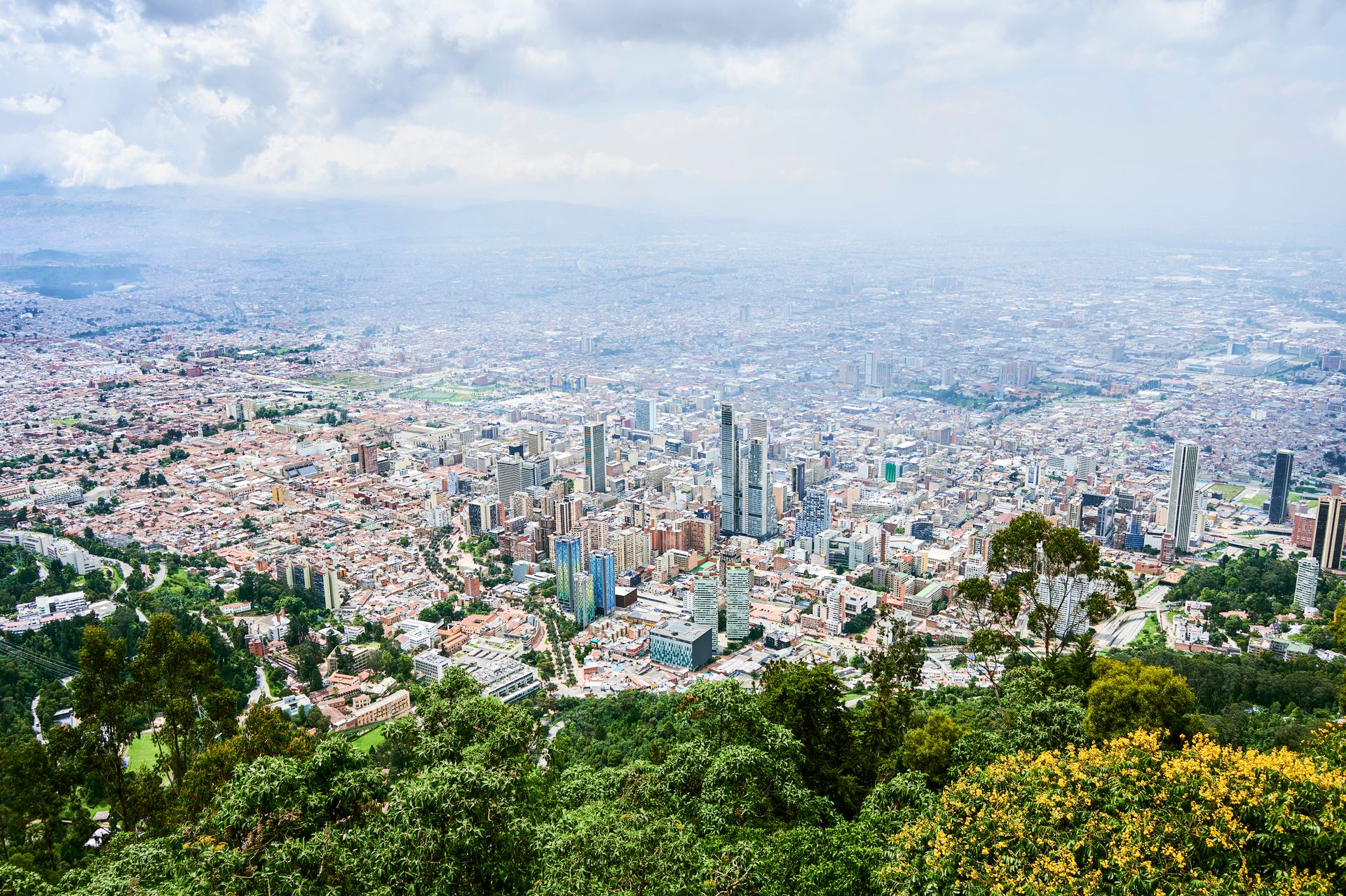
Bogotá occupies a specific moment in its development as a travel destination: the source characterizes it as up-and-coming, a description that carries both financial and cultural implications. Destinations in the process of establishing their international reputation tend to price their accommodations and dining at levels below what comparable quality would command in more established cities. The source explicitly notes that Bogotá may not remain cheap for long, a warning that the window of value-level pricing for a city with this quality of attractions is finite.
The source identifies three qualities that drive Bogotá’s growing appeal: gorgeous architecture, a food scene that the source calls delectable, and a nightlife culture described as raging. Each of these represents a category where the city delivers at a level that established travel destinations charge significantly more to access. A high-quality food scene in a city where favorable exchange rates give visiting travelers increased purchasing power produces a dining experience that costs a fraction of what an equivalent meal would cost in a major European or North American city.
The exchange rate advantage applies across all spending categories in Bogotá, not just dining. Accommodations, transportation, entertainment, and incidental spending all benefit from the same currency dynamic that makes the food scene feel like a splurge within a tight budget. Travelers $TRV, the source describes as free to splurge because of the low exchange rates, are experiencing the purchasing power that the Colombian peso’s exchange rates with the dollar and the euro create. An active food, architecture, and nightlife scene, alongside exchange rate dynamics that reduce every line item in the trip budget, make Bogotá the most time-sensitive value recommendation on this list. The city is worth visiting before the international travel community fully prices in what it has to offer. Bogotá’s trajectory as an up-and-coming destination suggests that the current window of accessible pricing represents the early stage of a recognition curve that has already begun.
Posnov / Getty Images
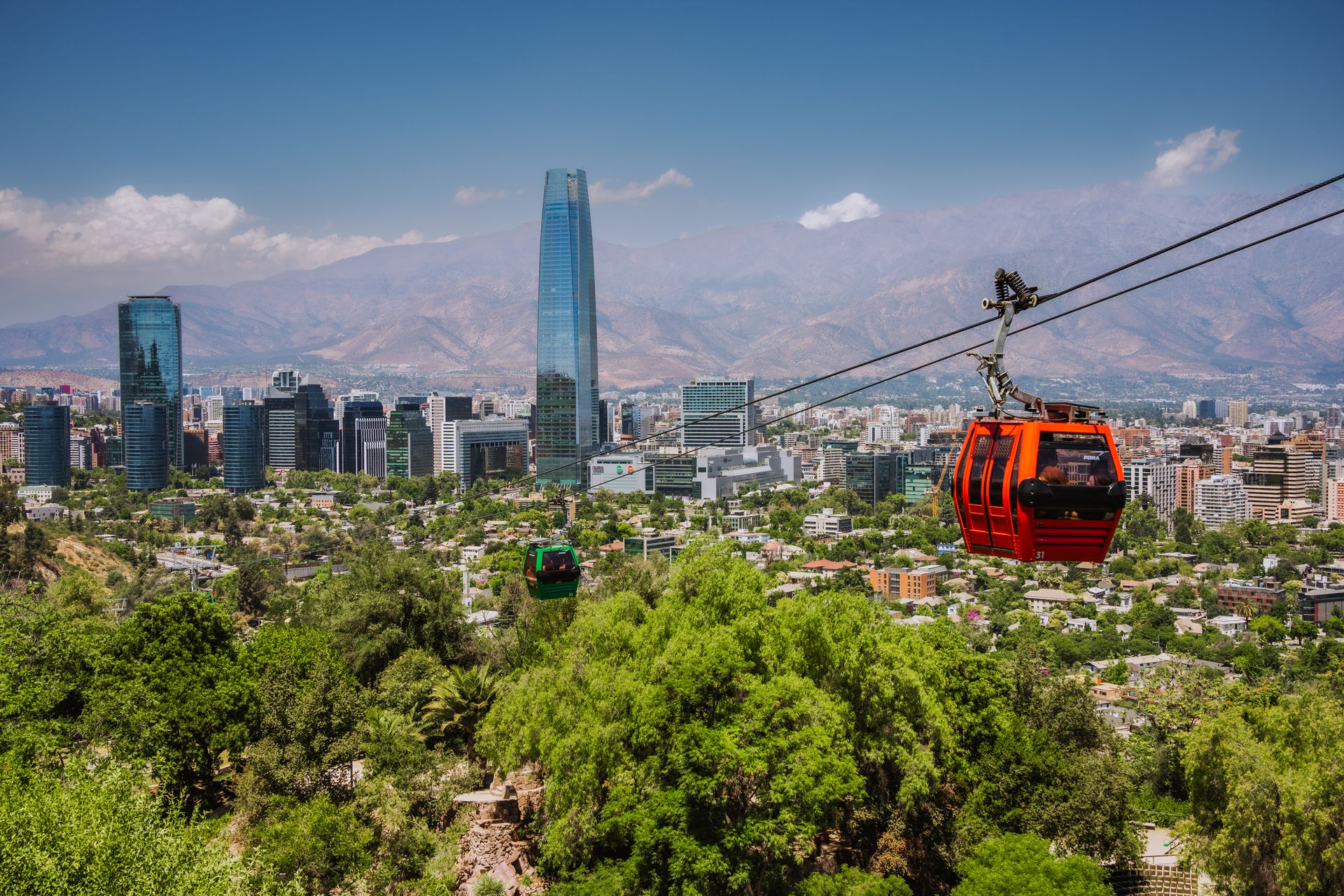
Santiago, Chile’s capital and largest city, sits at the base of the Andes Mountains, giving the urban environment a dramatic mountain backdrop that shapes the city's visual experience at a macro scale. The source describes Santiago as an urban blend of old and new, pointing to the architectural variety of a city that has developed over centuries while incorporating modern construction into its urban fabric. The contrast between colonial and contemporary elements gives the city a visual interest that pure historical cities and pure modern cities lack.
The cost structure of Santiago’s attractions is the source’s primary value argument for the city. Many of the top attractions offer free admission or low entry fees, and the source cites this as making the city an ideal destination for budget-conscious travelers. A city where the most compelling things to see and do cost little or nothing to access has a fundamentally different day-to-day cost profile from one where every significant attraction requires a ticket purchase. Travelers $TRV who build their Santiago itinerary around the free and low-cost options can cover significant ground without a meaningful daily spend on admission fees.
The Andes backdrop adds a dimension no entry fee can replicate: the visual presence of a major mountain range rising behind the city skyline is part of Santiago’s geography, not a ticketed attraction. Travelers who spend time in the city’s public areas will encounter this view repeatedly without paying for it, giving the mountain landscape a constant presence in the urban experience. Santiago’s position as Chile’s largest city also ensures that the infrastructure supporting international visitors — transportation, accommodations, dining, and logistics — operates at a scale and quality appropriate to a major South American capital, giving budget travelers access to the practical conveniences that smaller destinations sometimes lack. The free attractions’ geographic spread across the city also means that a multi-day Santiago visit can cover different neighborhoods without repeating the same sites.
Olga Pankova / Getty Images
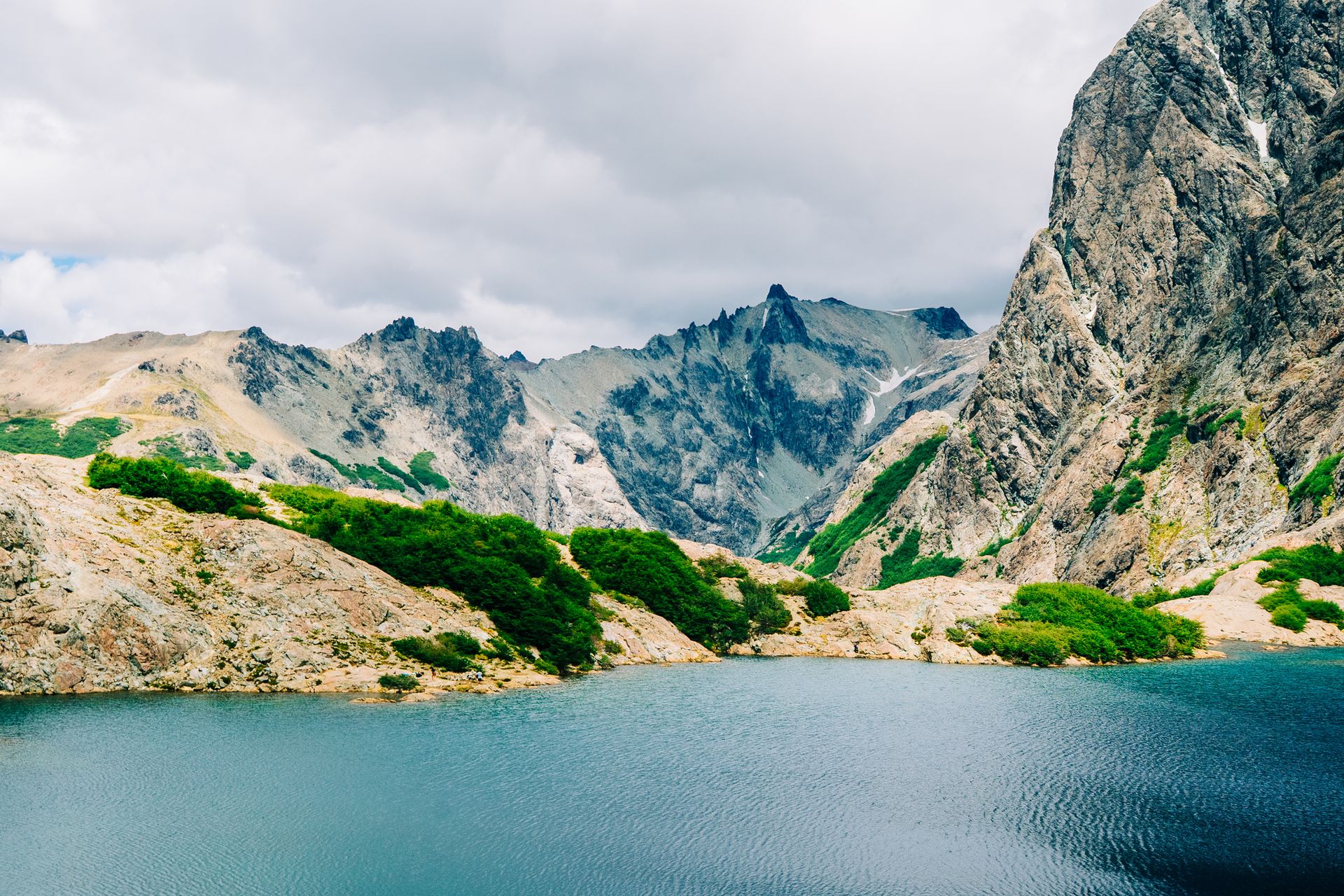
Argentine Patagonia rewards advance planning with affordable accommodation options, and the source identifies planning ahead as the key to finding budget-friendly lodging in a destination whose remoteness and natural character attract travelers willing to pay premium prices if they book late. The frontier quality of Patagonia is part of its appeal, but frontier destinations with strong wildlife and scenery can price their limited accommodation inventory aggressively when demand exceeds supply. Early planning gives budget travelers access to the inventory before that dynamic eliminates the affordable options.
The wildlife that inhabits the Patagonian coastline offers encounters that no other location on this list provides. The source mentions tuxedoed residents — a reference to penguins — and sea lions as the non-human occupants of the frontier that visitors share. Penguin colonies and sea lion populations in the Argentine Patagonia are accessible at a relatively close range, and the experience of watching these animals in their natural habitat against the backdrop of the South Atlantic coastline is the kind of encounter that wildlife-focused travelers travel long distances to experience. The informal framing in the source — “you won’t be fighting (with humans anyway) for a glimpse” — suggests that the wildlife viewing at Patagonia stays uncrowded relative to the quality of what the destination offers.
The natural scenery that the source calls spectacular reinforces Patagonia’s value case for travelers who prioritize landscape over urban amenities. The Patagonian steppe, the coastal cliffs, and the proximity to both glacial landscapes and the South Atlantic give the region a physical environment of extraordinary scale and drama. For travelers who have planned their visit far enough in advance to secure affordable lodging, Argentine Patagonia delivers a wilderness experience of a kind that few destinations anywhere in the world can match at any price, and wildlife encounters with penguins and sea lions add an unpredictable, memorable dimension to an already compelling destination.