
First-time buyers in the U.S. now close at the oldest age on record. Realtor.com ranked communities to find the 10 best markets for 2026
Ninepence / Getty Images
Buying a first home has always required a long runway of saving, planning, and compromise, but the runway has stretched considerably in recent years. The share of first-time buyers in the U.S. fell to a record low of 21% in 2024, and the typical age at which someone closes on their first property climbed to an all-time high of 40 years, according to the National Association of Realtors' 2025 Profile of Home Buyers and Sellers. These are not abstract statistics. They reflect the lived reality of a generation that entered the housing market after prices and mortgage rates moved sharply upward.
The difficulty is not uniform. Housing markets across the country behave differently, and the gap between the hardest and most accessible places to buy a first home is wide enough to determine whether a purchase happens at all. A buyer working with the same income, the same savings, and the same financial profile can reach ownership in one market years before they would in another. The gap has widened as home prices in some parts of the country have continued climbing without a corresponding rise in local wages, particularly among workers in the 25-to-34 age range who represent the largest cohort of potential first-time buyers. Novice buyers face additional structural hurdles. They tend to be earlier in their careers, earn less than older buyers, and lack the advantage of existing home equity when purchasing a starter home.
Realtor.com's 2026 ranking of the best markets for first-time homebuyers identifies the 10 communities where that gap is narrowest. The researchers scored 10,067 Census-Designated Places within the 100 largest U.S. metro areas across five categories: affordability, home availability, local amenities, economic health, and overall housing market strength. Commute times and the concentration of young residents also factored into the scores. Every market that made the final list carries a median listing price below the national median of $415,000 for November 2025 and below the median for its surrounding metro area. The 10 markets span three of the four U.S. regions, with four in the Northeast, three in the Midwest, and three in the South. The West is absent for the second consecutive year.
Sean Pavone / Getty Images
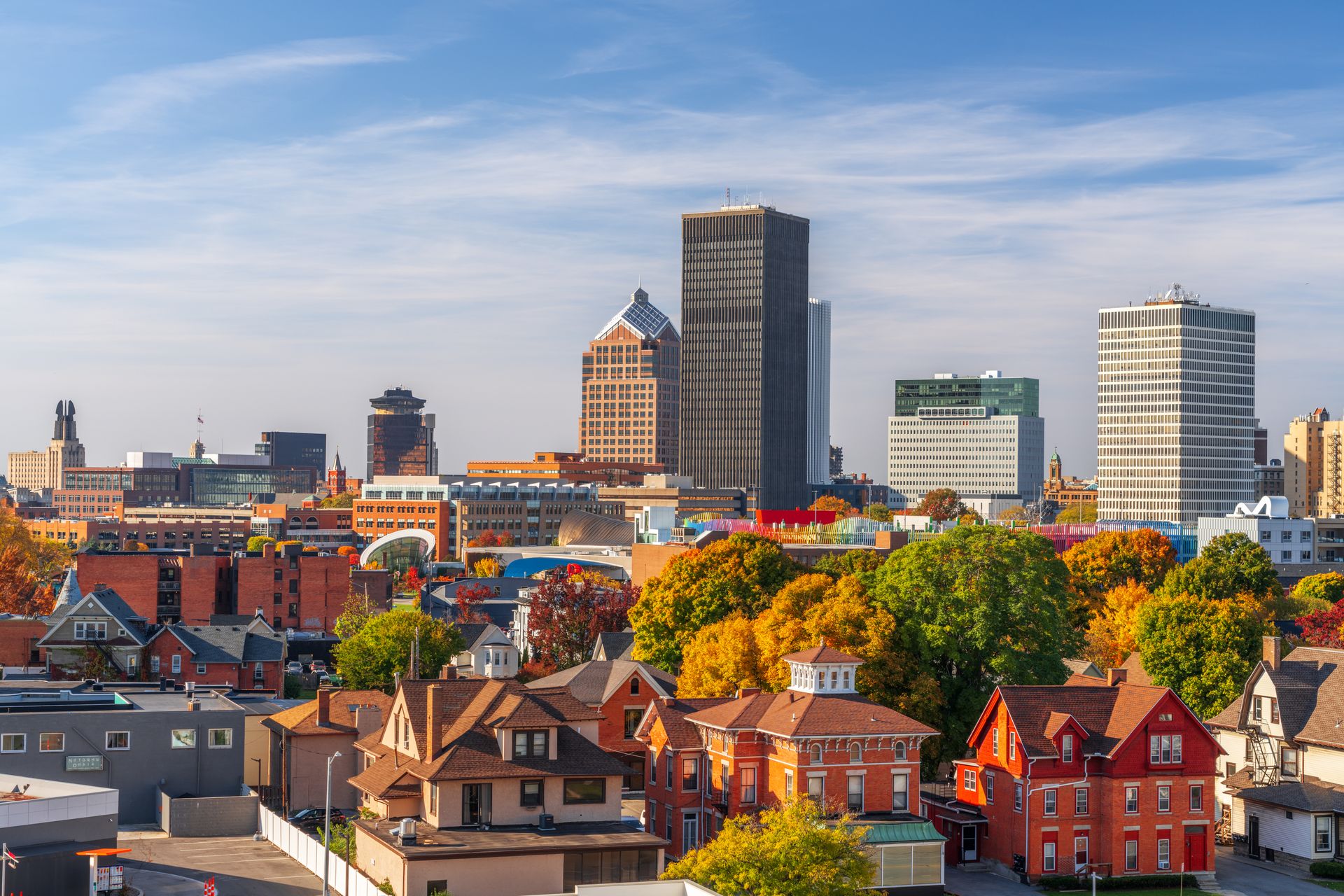
Rochester, N.Y., holds the top spot in 2026, a position it claimed by outperforming last year's leader on two metrics that directly shape a first-time buyer's daily life: travel time to work and near-term market momentum. The city's average commute of 21 minutes is the shortest among all 10 ranked markets, a distinction that carries real financial weight. Shorter commutes reduce transportation costs and free up hours that many younger buyers rely on for secondary income or the kind of focused saving that accelerates a down payment timeline.
The affordability case for Rochester is grounded in the relationship between home prices and local earnings. The median list price sits at $139,900, and the typical 25-to-34-year-old worker in Rochester earns $48,617 a year. The ratio lands at 2.9, meaning the median home costs just under three times the median annual income for buyers in the prime first-time age range. Assuming a 6.25% mortgage rate on a 30-year fixed loan with a 10% down payment, a buyer at that income level can reach the 30% affordability threshold with room to spare. The Realtor.com methodology used that 30% benchmark as its standard for a manageable mortgage.
Rochester also posts the strongest 2026 forecasted sales growth among the 10 cities, at 5.3%. The 5.3% figure matters to first-time buyers not just as a sign of market health but as an indicator of equity-building potential. A market with rising sales activity typically supports price appreciation, which converts a starter home into a financial asset. The city further reduces the barrier to entry through its Home Purchase Assistance Program, which provides grants of up to $8,000 in closing cost assistance to income-eligible first-time buyers. The program directly addresses one of the primary cash-flow obstacles new buyers face. As a result of these overlapping conditions, 21.3% of Rochester homeowners are projected to be aged 25 to 34 in 2026, the highest concentration of young owners in the ranking.
traveler1116 / Getty Images
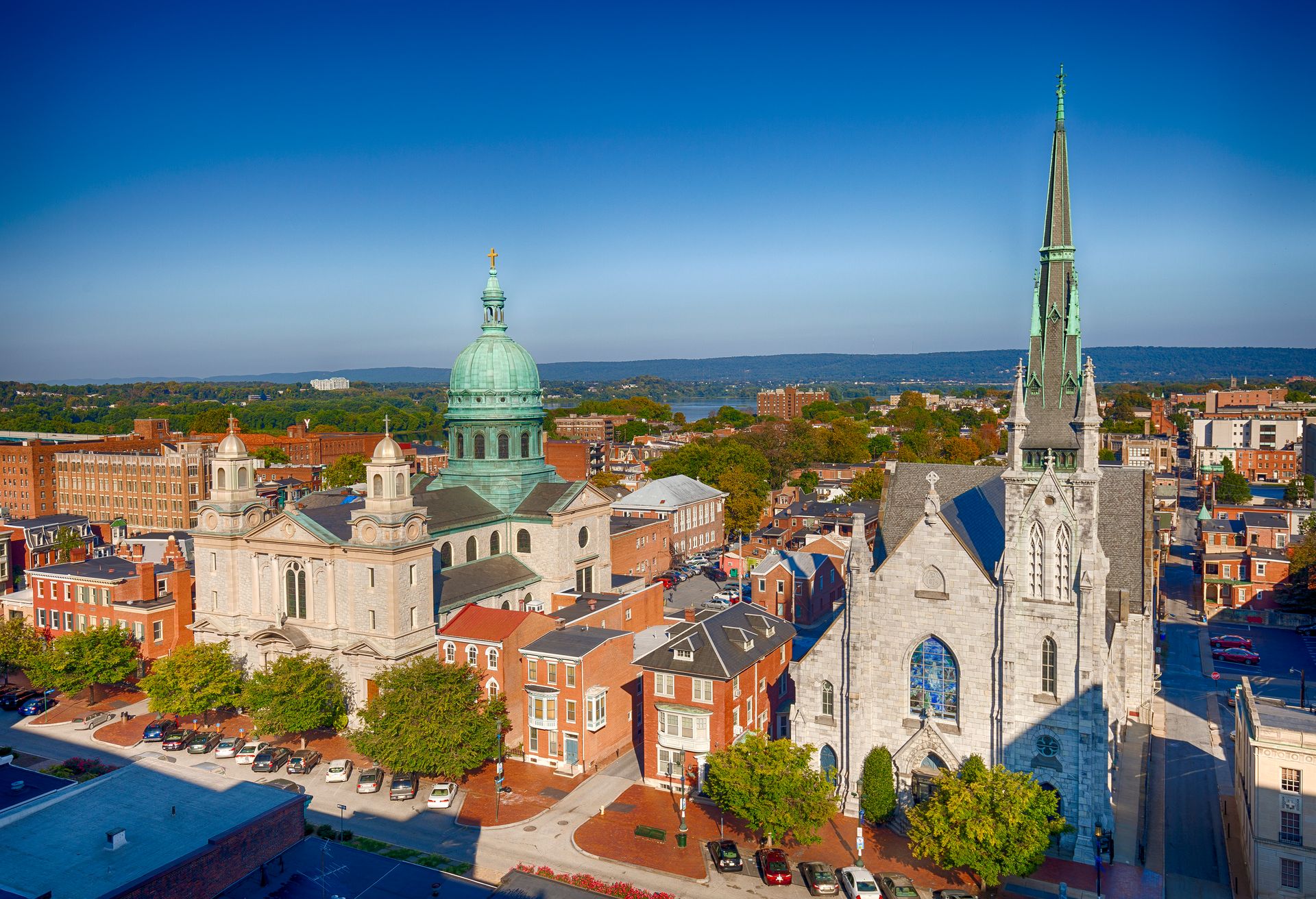
Harrisburg, Pa., finishes second in the 2026 ranking after holding the top position in the 2025 report, a slide in rank driven by Rochester's relative strength on commute and sales growth metrics, not by any deterioration in Harrisburg's own credentials. The Pennsylvania capital carries a median list price of $151,999, placing it in the affordable lower tier of the 10 ranked markets and well below the national median of $415,000.
Harrisburg's continued presence in the top two across consecutive years signals a structural consistency that matters to risk-conscious first-time buyers. Markets that hold their rankings across reporting cycles tend to offer stable conditions, not short-term fluctuations driven by unusual inventory or temporary price suppression. Four of the 10 markets in the 2026 ranking also appeared in last year's report, and Harrisburg's second-place finish confirms it belongs among that durable group, one that delivers reliable conditions and not a single-year anomaly tied to unusual circumstances.
The city's affordability rests on the same foundation as others in the ranking: a median list price that falls below both the national benchmark and the median for its surrounding metro area. That double discount — below national, below local — means buyers in Harrisburg access a market priced for residents of the area, not for buyers pushed out of more expensive nearby communities. The presence of state government employment and associated service industries provides a degree of economic stability that supports consistent housing demand without generating the price pressure seen in high-growth tech or finance centers. A first-time buyer weighing the risks of market timing will find that a city scoring well two years in a row on a rigorous multi-factor index represents a more durable opportunity than one appearing on a single year's list.
Marcia Straub / Getty Images
Granite City, Ill., ranks third overall and posts the lowest median list price among all 10 markets at $119,000, a figure that translates into the most favorable income-to-payment ratio in the ranking. A typical buyer aged 25 to 34 in Granite City earns approximately $62,000 a year and would spend just 12.6% of monthly income on a mortgage payment at the median list price, the smallest housing cost burden among all 10 cities.
That cost relief is further clarified by context. Granite City sits a short drive from St. Louis, MO, and its median list price runs nearly 60% below that metro's median. Buyers who work in or near St. Louis can access the employment base of a large metro while purchasing a home priced at a fraction of what the surrounding area demands. The price-to-income ratio for Granite City stands at 1.9, the lowest in the ranking, meaning the median home costs less than twice the median annual income for buyers in the prime purchasing age group.
First-time buyers carrying student debt, limited savings, or modest down payments benefit most from a market where housing absorbs only 12.6% of income. A 12.6% housing cost ratio creates the financial slack that makes ownership sustainable over time. Property taxes, insurance, maintenance, and emergency reserves all claim a share of monthly income, and buyers who purchase at the outer edge of what their income allows routinely find those expenses difficult to absorb. A 10% down payment on a $119,000 home requires $11,900 in cash, the lowest absolute entry amount on the list, compressing the savings timeline for buyers still accumulating funds. Granite City's position as an affordable satellite of a major metro makes it a structurally sound entry point for buyers who need the earnings opportunities a large city provides without the price premium of living near its core.

uniball / Getty Images
Birmingham, Ala., ranks fourth in the 2026 report with a median list price of $148,950, positioning it among the lowest-priced markets on the list and well below the national median. The city represents the ranking's Southern contingent alongside North Little Rock, AR, and reflects the broader finding that affordable first-time buyer markets in 2026 concentrate in the eastern half of the country, with the South accounting for three of the 10 spots.
The appeal of a market like Birmingham for first-time buyers extends beyond the sticker price on a listing. An entry-level buyer purchasing below the national median in a metro where local incomes among the 25-to-34 cohort align with those prices faces a fundamentally different monthly budget than a buyer in a coastal market where the same income must absorb a much larger mortgage. Birmingham's affordability operates through that ratio: prices are low relative to local earnings in the target buyer age range, not merely low in absolute terms. The Realtor.com scoring methodology was designed to capture precisely that distinction.
Alabama's largest city also offers the amenity infrastructure that first-time buyers, particularly those with or planning families, typically require. The ranking methodology weighted the availability of shops, restaurants, and day care centers, and markets that scored well across those categories alongside price metrics earned their place through that broader livability case. A buyer who moves to a deeply affordable market but finds it lacks accessible services, employment variety, or community infrastructure faces a different set of trade-offs than the financial metrics alone would suggest. Birmingham's fourth-place finish reflects strong performance across multiple dimensions, establishing it as a well-rounded market for buyers who need affordability without sacrificing access to the services that support daily life and long-term residence in a genuine community.

Michael Dean Shelton / Getty Images
North Little Rock, Ark., takes the fifth position in the 2026 ranking with a median list price of $170,000, but the figure that most distinguishes it from the other nine markets is economic, not price-based. The Little Rock, Ark., metro carries the lowest projected 2026 unemployment rate among all 10 cities' surrounding areas, at 3.8%. A market with that kind of labor stability reduces the most common risk that turns a first purchase into a financial crisis: the loss of the income that makes monthly payments possible.
A buyer purchasing their first home accepts a long-term financial commitment that depends on continuous income. Markets where employment is more stable reduce the risk that a buyer will face payment difficulties within the first years of ownership, the period when equity is lowest, the financial cushion is thinnest, and an income disruption can quickly become a missed payment. North Little Rock's position in a metro with the ranking's lowest unemployment rate means buyers entering that market face a labor environment with better-than-average odds of sustained employment through the early years of their loan.
The city's median list price of $170,000 places it in the middle of the 10 ranked markets, above the lower cluster led by Granite City but comfortably below the national median. Combined with the metro's employment stability, that price point creates an affordability condition that is durable across time. Buyers in North Little Rock are not simply benefiting from a temporarily soft market. They are purchasing in a community where the economic fundamentals that support continued homeownership are among the strongest on the list: steady work, manageable prices, and a labor market tighter than most of its peers in the ranking. The unemployment advantage also matters for buyers who may be early in their careers and have not yet established the employment history that lenders typically scrutinize most closely.
Tony Shi Photography / Getty Images
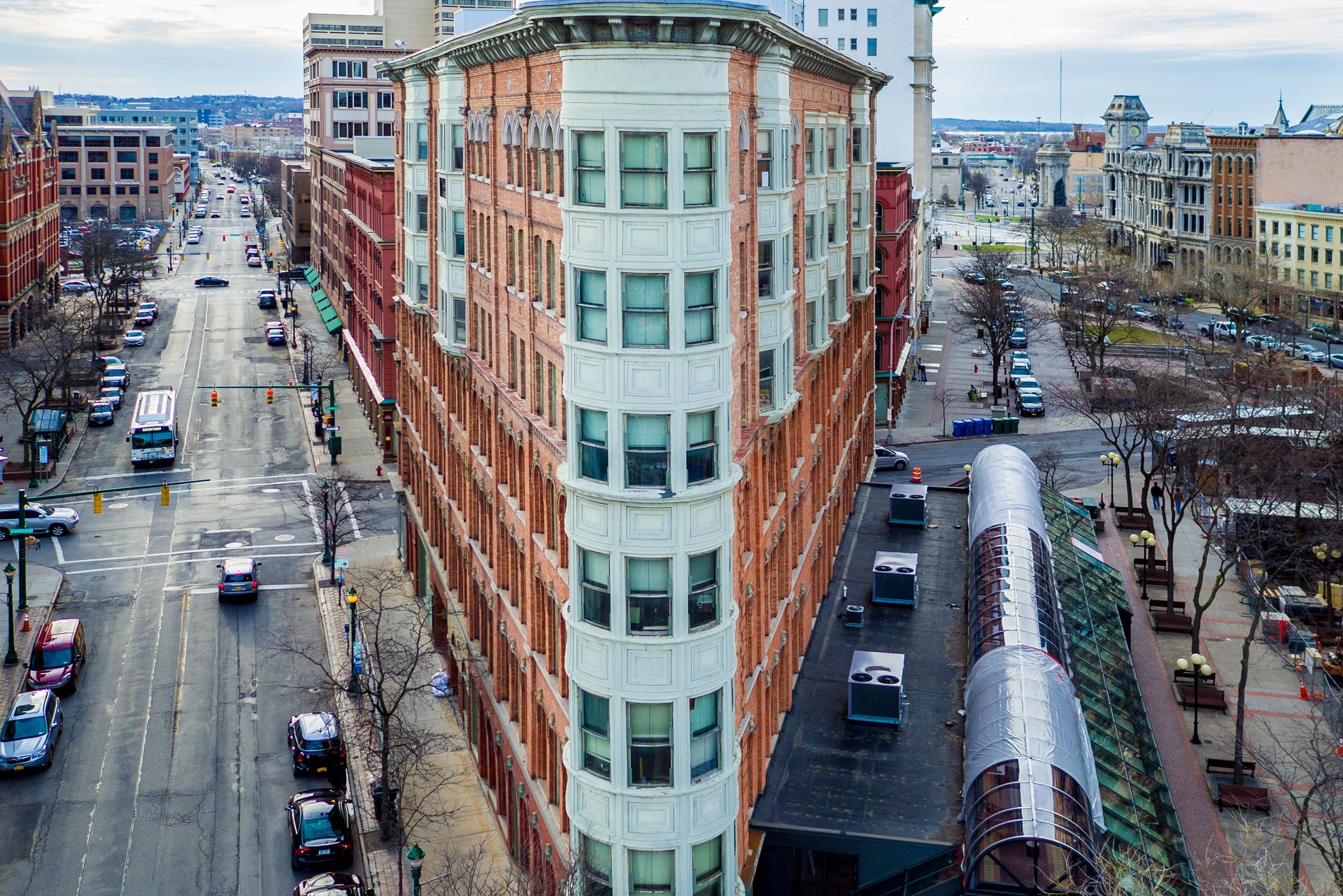
Syracuse, N.Y., ranks sixth in the 2026 report and leads all 10 markets on the metric most relevant to a first-time buyer's long-term financial outcome: forecasted home price growth. The Syracuse metro projects 12.4% price appreciation in 2026, the highest figure in the ranking. A 12.4% appreciation trajectory positions buyers who close in 2026 to build equity at a pace that substantially outpaces inflation and most investment alternatives available to buyers in the 25-to-34 income range.
Equity accumulation is the central financial argument for buying a first home, and the speed of that accumulation shapes the trajectory of a buyer's broader wealth. A property appreciating 12.4% in a single year converts a modest down payment into a meaningful ownership stake quickly, and that stake can later serve as the foundation for a trade-up purchase, a renovation loan, or a financial buffer during periods of income disruption. Buyers entering the market with limited assets gain the most from that dynamic. The compounding effect of early price appreciation in a low-entry-cost market is disproportionately valuable relative to what the same capital would produce in a savings account or other low-risk vehicle.
Syracuse carries a median list price of $169,900, placing it in the affordable middle tier of the 10 ranked markets and below both the national median and the median for its surrounding metro. The city is the second of two New York state markets in the ranking alongside Rochester, reflecting the state's outsized representation in the Northeast's four-market contribution to the list. Buyers who purchase in Syracuse in 2026 are entering a market priced for current residents while forecasts point to price growth exceeding every other ranked market by a wide margin. That combination makes the affordability case and the investment case simultaneously, and it places early buyers in a stronger equity position than the same purchase price would generate in any other city on the list.
peeterv / Getty Images
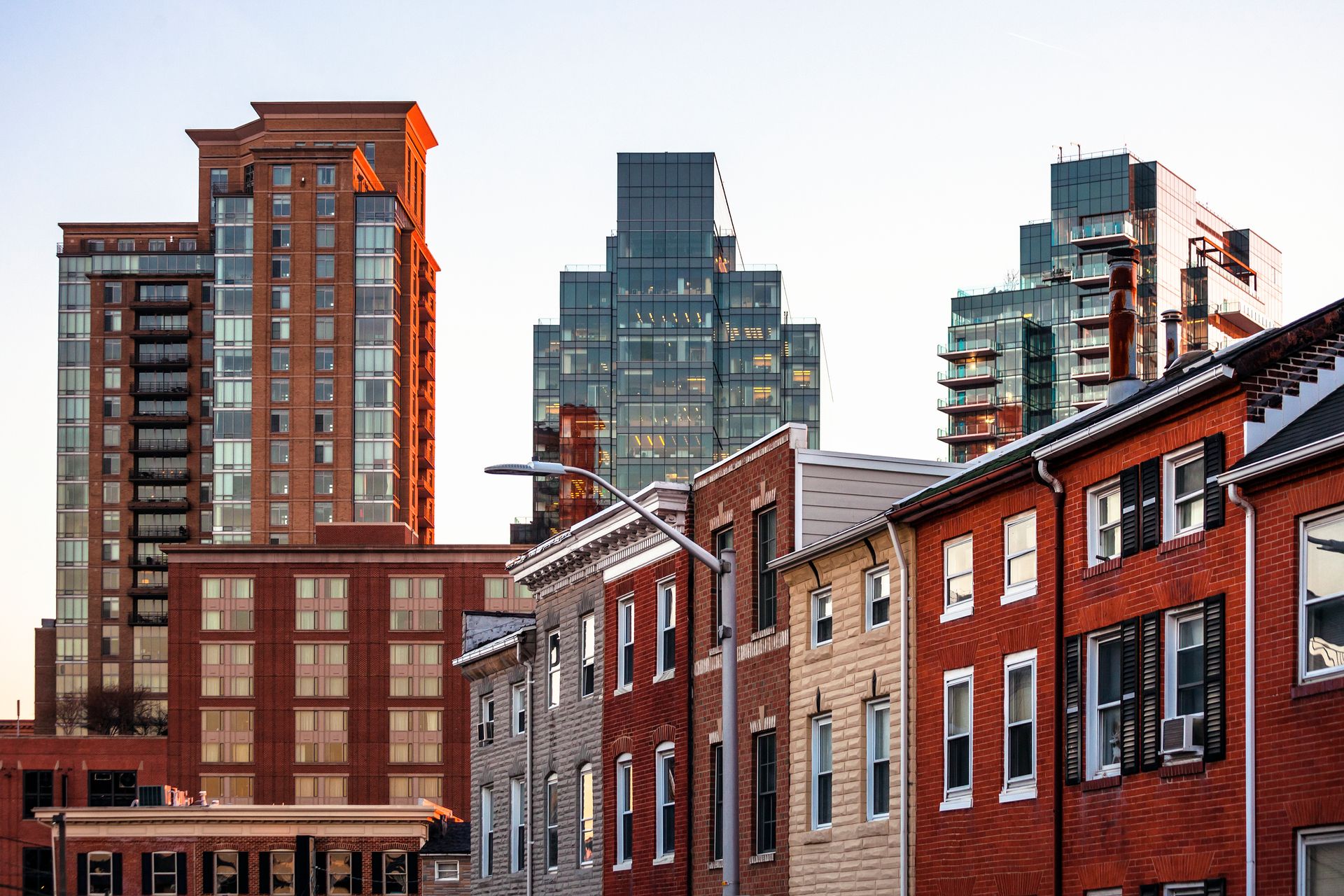
Baltimore claims the seventh spot in the 2026 ranking and holds a distinction no other market on the list shares: it is the only East Coast city in the top 10. The Realtor.com economist behind the ranking noted explicitly that every other market sits far from the shore, making Baltimore's inclusion a meaningful exception to the geographic pattern defining the rest of the list. The West has been absent from the ranking for two consecutive years, and only Baltimore represents anything approaching a maritime location among the 10 qualifying markets.
Baltimore's median list price of $223,900 is higher than the six markets ranked above it but still falls well short of the national median of $415,000, a differential that reflects the city's internal affordability relative to its East Coast peers. Markets along that seaboard tend to carry figures that push first-time buyers in the 25-to-34 range out of contention, but Baltimore's position within that geography is sufficiently differentiated to qualify for a ranking that excluded every other Atlantic market. The listing median also sits below the surrounding metro median, satisfying the threshold every market on the list must clear.
Buyers who need or prefer an East Coast location will find the city's inclusion signals something concrete. The ranking's methodology weighted not just price but commute times, amenity access, economic health, and the share of young homeowners in the community. A city that scores well across those combined dimensions while carrying a sub-national-median list price along the Eastern Seaboard represents a specific kind of value that is geographically rare in 2026. Buyers with ties to the Mid-Atlantic region, or those whose employment is anchored in the Baltimore-Washington corridor, gain access to a market the broader ranking confirms is genuinely reachable by the standards of the current housing environment. Baltimore's status as the lone qualifying market in that part of the country stands out precisely because so few markets there meet those same standards.
halbergman / Getty Images
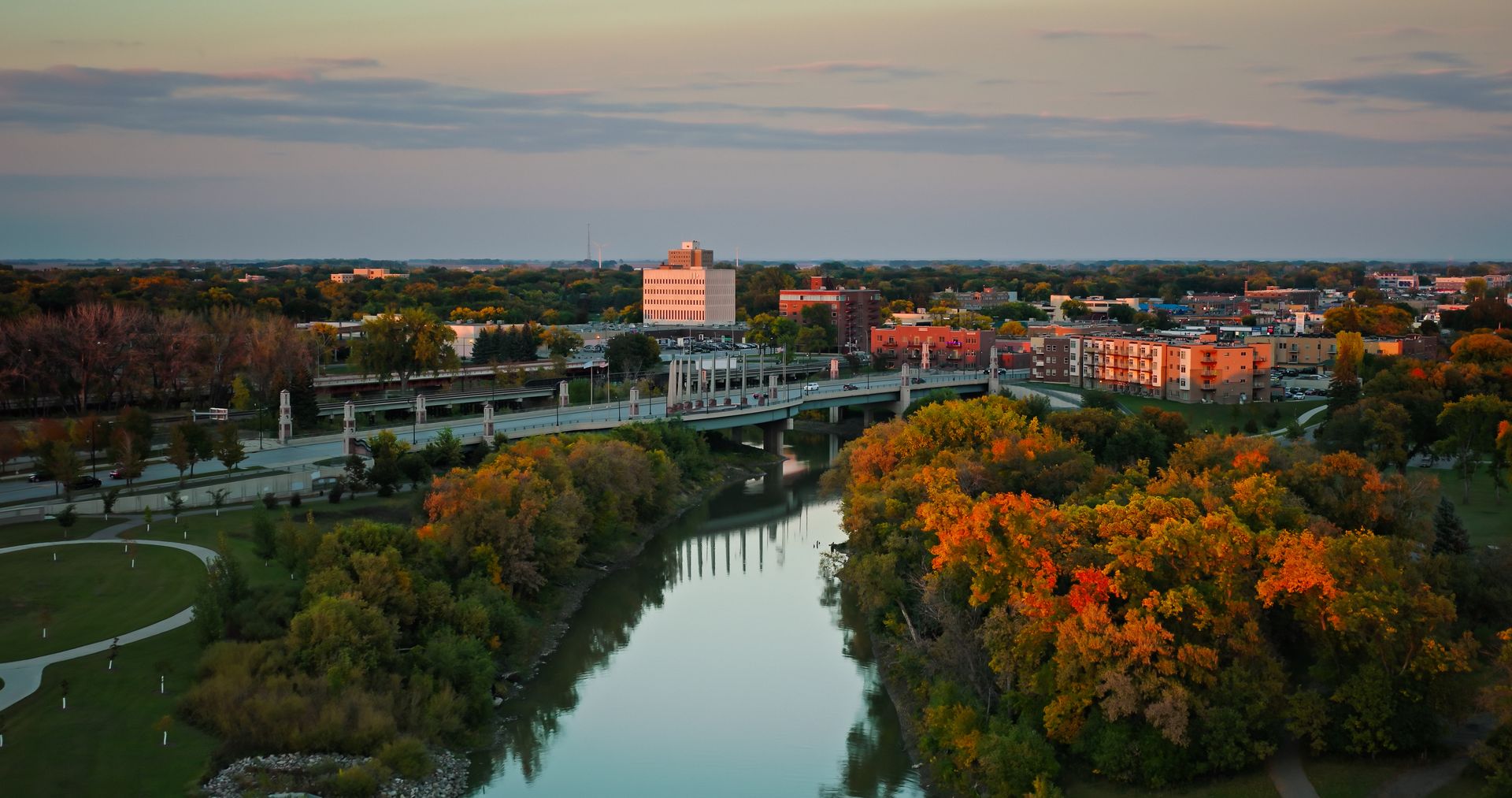
St. Louis Park, Minn., occupies the eighth position in the 2026 ranking and presents a profile distinct from every other market on the list. Its median list price of $375,000 is the highest in the ranking, and the typical 25-to-34-year-old buyer there earns $98,000 annually, the highest income figure among all 10 cities. Those two data points produce the ranking's highest price-to-income ratio, at 3.8, and its largest income share devoted to housing payments, at more than 25%.
The city's qualification for the list rests not on absolute affordability but on relative value within its metro context. St. Louis Park sits in suburban Minneapolis, and its median list price runs 10% below the Minneapolis metro median. A suburb of approximately 50,000 residents priced 10% below its surrounding metro while maintaining access to Minneapolis employment and infrastructure delivers a specific value to buyers who would otherwise face higher prices for a comparable location. The ranking methodology captured that relative positioning, and the city's eighth-place finish reflects performance across the full set of scoring categories, not price alone.
St. Louis Park's appeal to first-time buyers extends beyond the price-to-metro comparison. Its inventory mix of condos, townhomes, and smaller single-family homes provides entry points at multiple price levels, and its proximity to downtown Minneapolis — roughly five to 10 minutes by car — reduces the trade-off between affordability and access that forces many buyers to choose between a livable neighborhood and a manageable payment. St. Louis Park has drawn increased interest from buyers relocating from more expensive markets such as Chicago, Denver, and coastal metros, a pattern driven by the city's ability to absorb demand from buyers seeking urban access without urban prices. Its 2026 ranking confirms that relative affordability holds even against the pressure that increased buyer interest typically generates, making it a durable option for buyers willing to accept the highest price point on the list in exchange for proximity to a major metro center.
tupungato / Getty Images
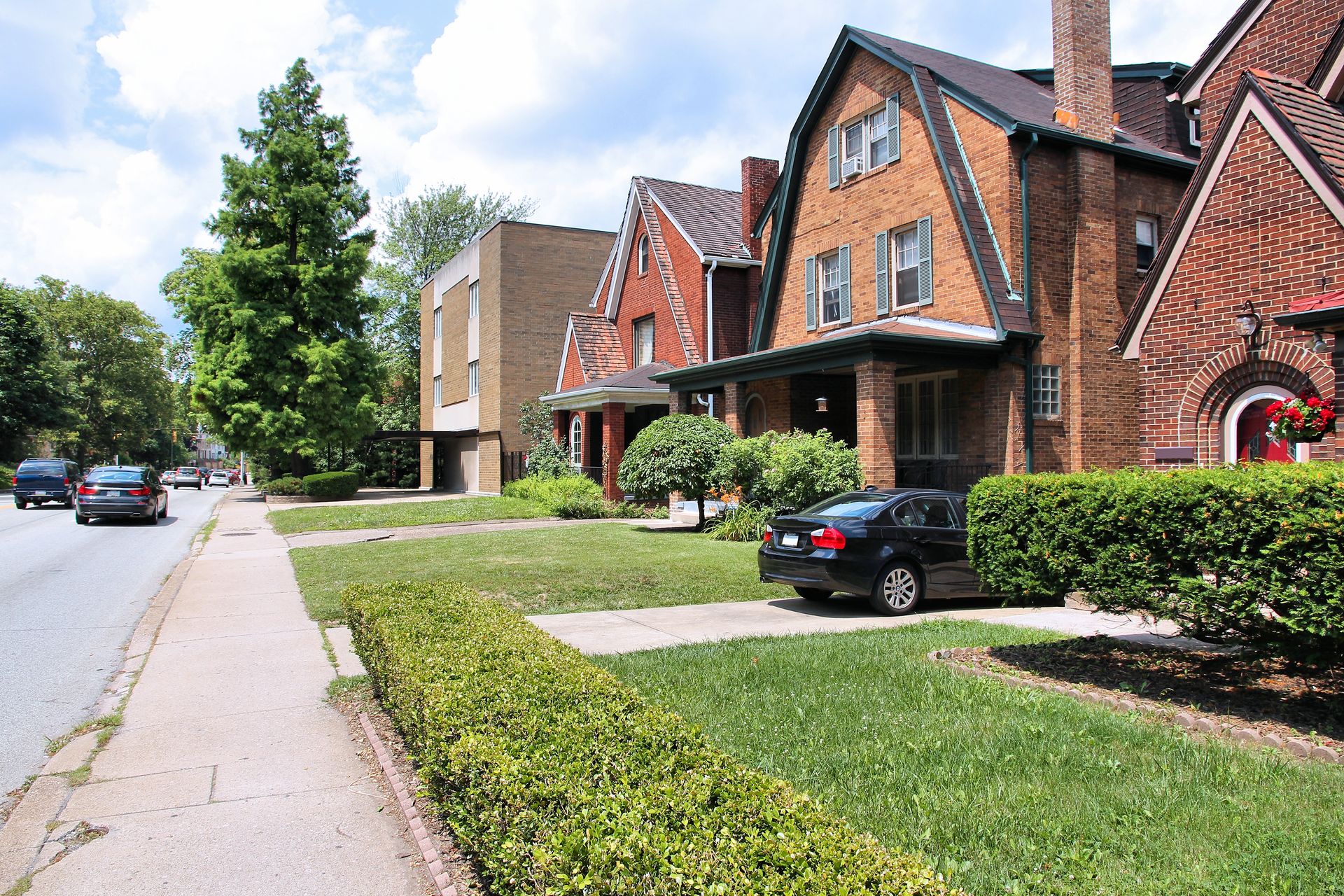
Pittsburgh ranks ninth in the 2026 report with a median list price of $249,000, making it the second Pennsylvania market in the top 10 alongside second-place Harrisburg. Together, the two cities give Pennsylvania the strongest single-state representation in the ranking, reflecting the state's consistent production of markets where home prices remain accessible to buyers in the first-time age range without requiring a move to a small or economically isolated community.
Pittsburgh's $249,000 median positions it in the upper-middle tier of the 10 ranked markets, well below the $415,000 national median and below the median for its surrounding metro area. A double-below position, meaning below the national median and below the surrounding metro median, is the threshold the ranking required of every market, and Pittsburgh's entry confirms that a city with a moderately elevated price among the group can still satisfy that standard when the surrounding metro carries a sufficiently higher median. The ranking captures markets where local prices sit at a discount relative to their geographic context, and Pittsburgh fits that description.
The city's economic infrastructure, anchored by healthcare, technology, and education employers, supports the income stability that makes a mortgage manageable across years. First-time buyers find that a sub-metro-median price, a diversified employment base, and residence in a state with two top-10 markets all point to a housing environment that rewards entry. Pittsburgh's ninth-place finish reflects solid performance across the ranking's multiple dimensions, strong enough to qualify among the 10 best nationally and consistent enough to suggest the underlying conditions that earned it a spot are structural, not tied to a temporary market shift. The city's presence on the list alongside Harrisburg further reinforces Pennsylvania's position as a state where entry-level buyers face fewer barriers than in most other parts of the country.
Dee Liu / Getty Images
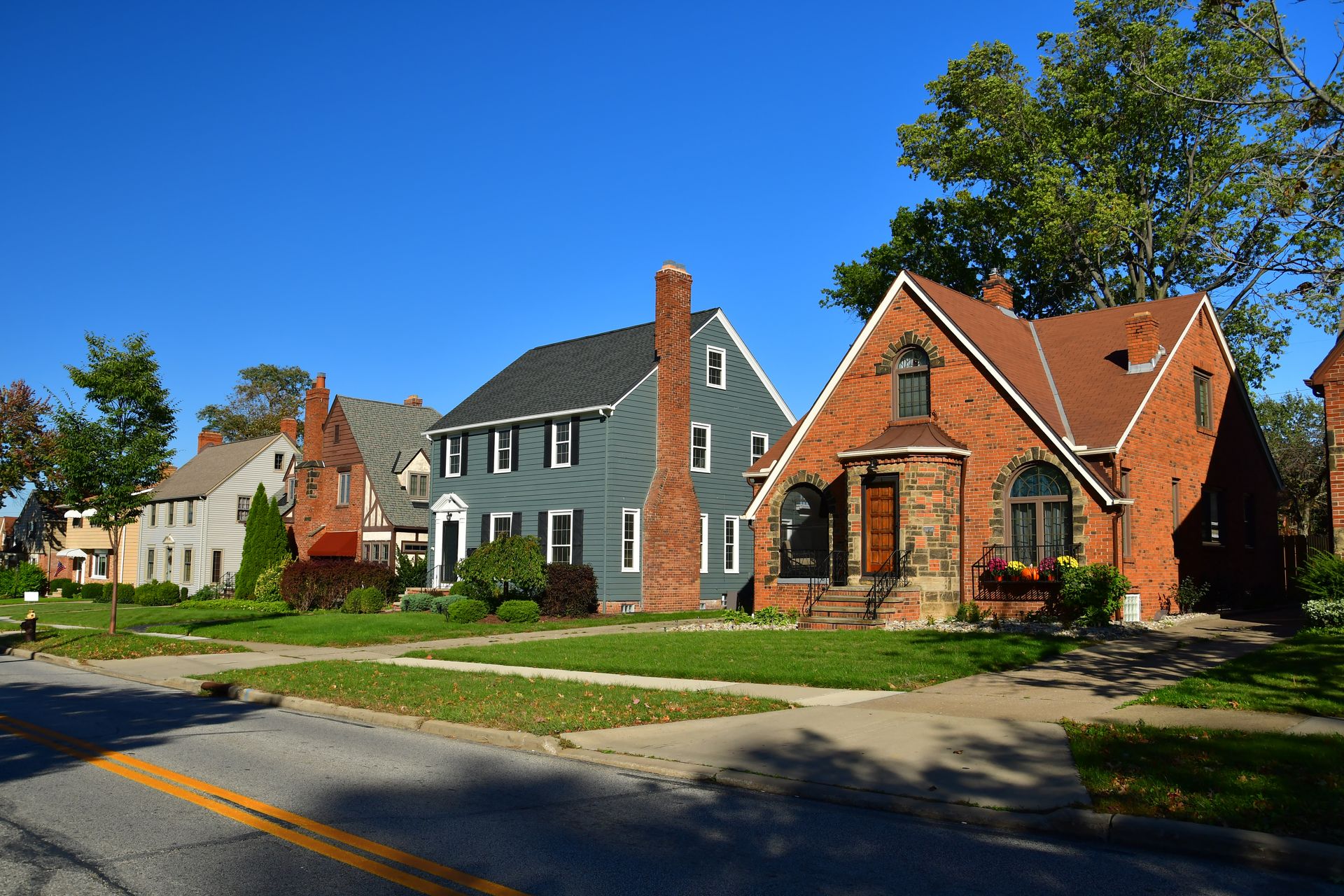
Garfield Heights, Ohio, rounds out the 2026 ranking at 10th place with a median list price of $140,000, the second-lowest among all 10 markets behind only Granite City's $119,000. Its position at the base of the list by rank does not diminish the underlying affordability argument. At $140,000, a buyer in Garfield Heights accesses homeownership at a price point that generates one of the smallest mortgage payments among all ranked markets under the report's assumed financing terms of a 6.25% rate, 30-year fixed loan, and 10% down payment.
Ohio's sole representative in the 2026 ranking, Garfield Heights is a suburb within the Cleveland metro area, a geographic positioning that mirrors the pattern seen in other ranked markets: a community priced below its surrounding metro, offering buyers access to a larger city's employment base at a fraction of the cost of living near its core. The ranking's requirement that every market fall below both the national median and the metro median is a standard Garfield Heights meets decisively at its $140,000 price point, a figure that sits far below the national median of $415,000.
A 10% down payment on a $140,000 home requires $14,000 in cash. Many buyers in the 25-to-34 range can reach that figure within a realistic savings timeline, particularly in a market where the monthly mortgage payment leaves a larger share of income available for continued saving. Compressing the cash-entry barrier alongside the income-relative affordability the ranking measured makes Garfield Heights structurally accessible for buyers still accumulating funds toward their first purchase. The market's presence on a list that required strong scores across affordability, amenities, economic health, and market momentum confirms that its low price reflects genuine livability, not the kind of distress-driven discount that offers a low entry cost at the expense of long-term stability.