
The 10 best cities in America for Gen Z workers
A new analysis reveals the U.S. cities where Gen Z workers can find the best mix of jobs, affordability, and community

Maskot / Getty Images
Gen Z is reshaping the American workforce, bringing new expectations around flexibility, purpose, and quality of life. Checkr, a background check service for businesses, set out to find the best cities for workers aged 18-28.
It examined data from the U.S. Census Bureau and the Bureau of Economic Analysis across seven metrics, including unemployment rate, labor force participation, income-to-rent ratio, the percentage of renters paying less than 30% of their income on rent, and real personal income. It also looked at the Gen Z share of the population and the number of Gen Z residents per entertainment establishment.
Continue reading to see which made the list — and why.
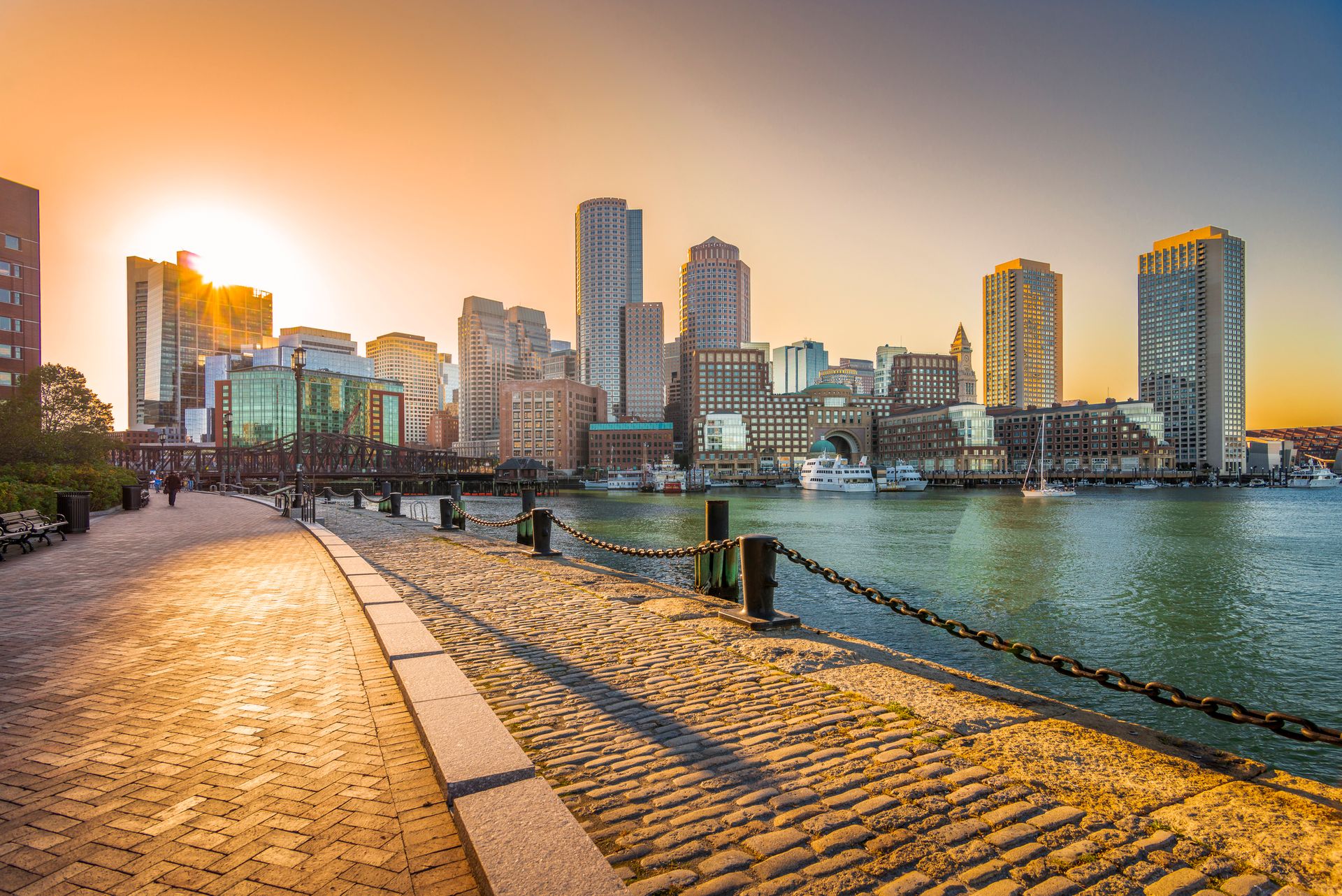
#10: Boston, Massachusetts
Chiara Salvadori / Getty Images
Boston ranks fourth for real personal income and boasts a strong entertainment scene, landing 14th in that category. While affordability is tougher, with a 68th-place rent-to-income ratio and 52nd for rent burden, its economic strength helps offset the high cost of living for Gen Z workers.
#9: Salt Lake City, Utah

O2O Creative / Getty Images
Salt Lake City performs ranks seventh for unemployment and labor force participation. Although housing affordability is weaker, with a 74th-place rent-to-income ratio, its high Gen Z population rank of sixth helped it land in the top 10.
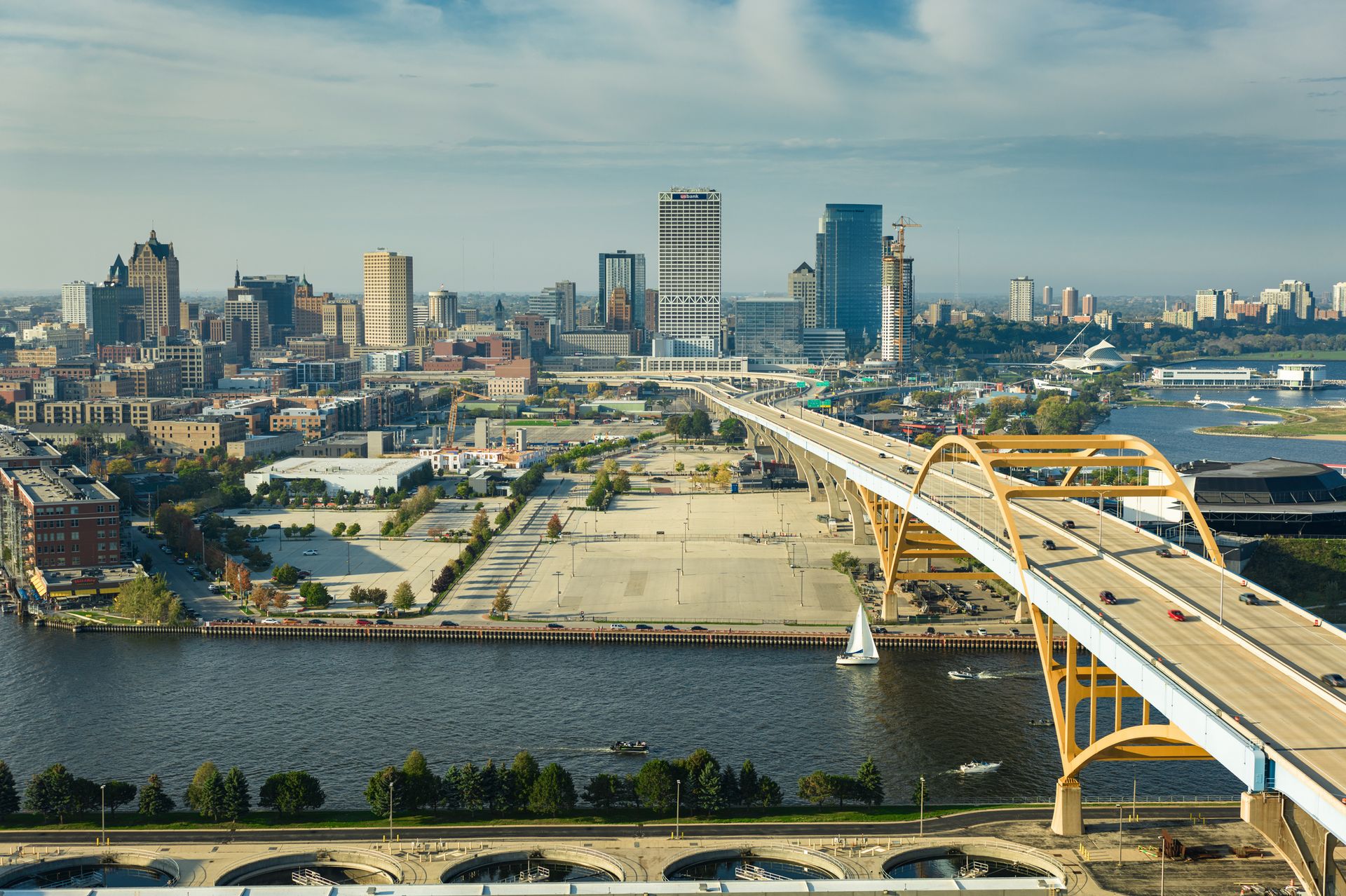
#8: Milwaukee, Wisconsin
halbergman / Getty Images
Milwaukee offers solid economic footing, ranking 30th for real personal income and eighth for rent-to-income ratio. With a 60th-place Gen Z population share and 30th in entertainment establishments, it has a decent mix of affordability and community.
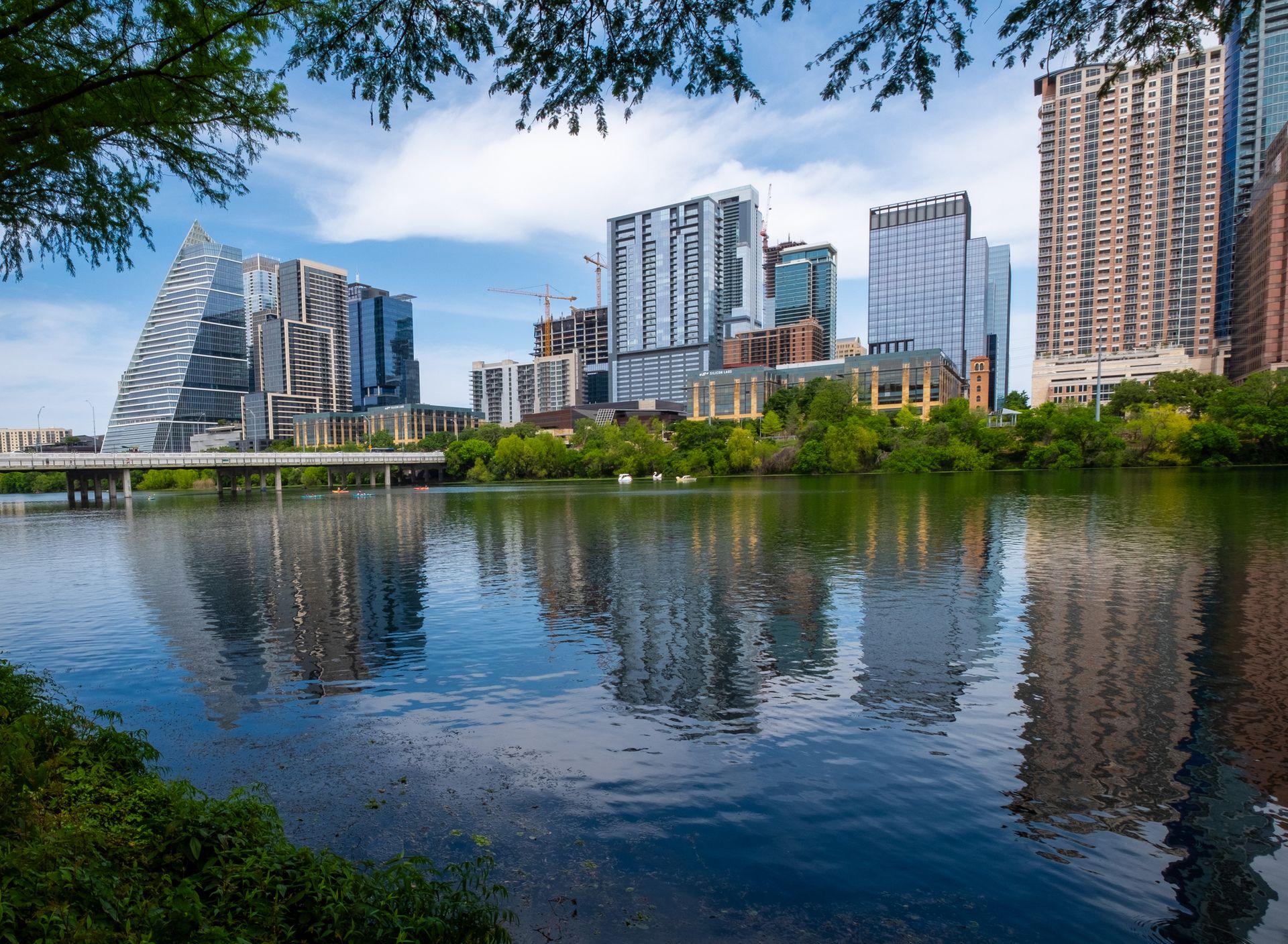
#7: Austin, Texas
Tetra Images / Getty Images
Austin ranks 12th for real income and 63rd for rent burden, meaning residents have high-earning potential but face significant housing costs. Its strong Gen Z footprint, ranking 16th in population share and 27th for entertainment, keeps it attractive to young professionals.
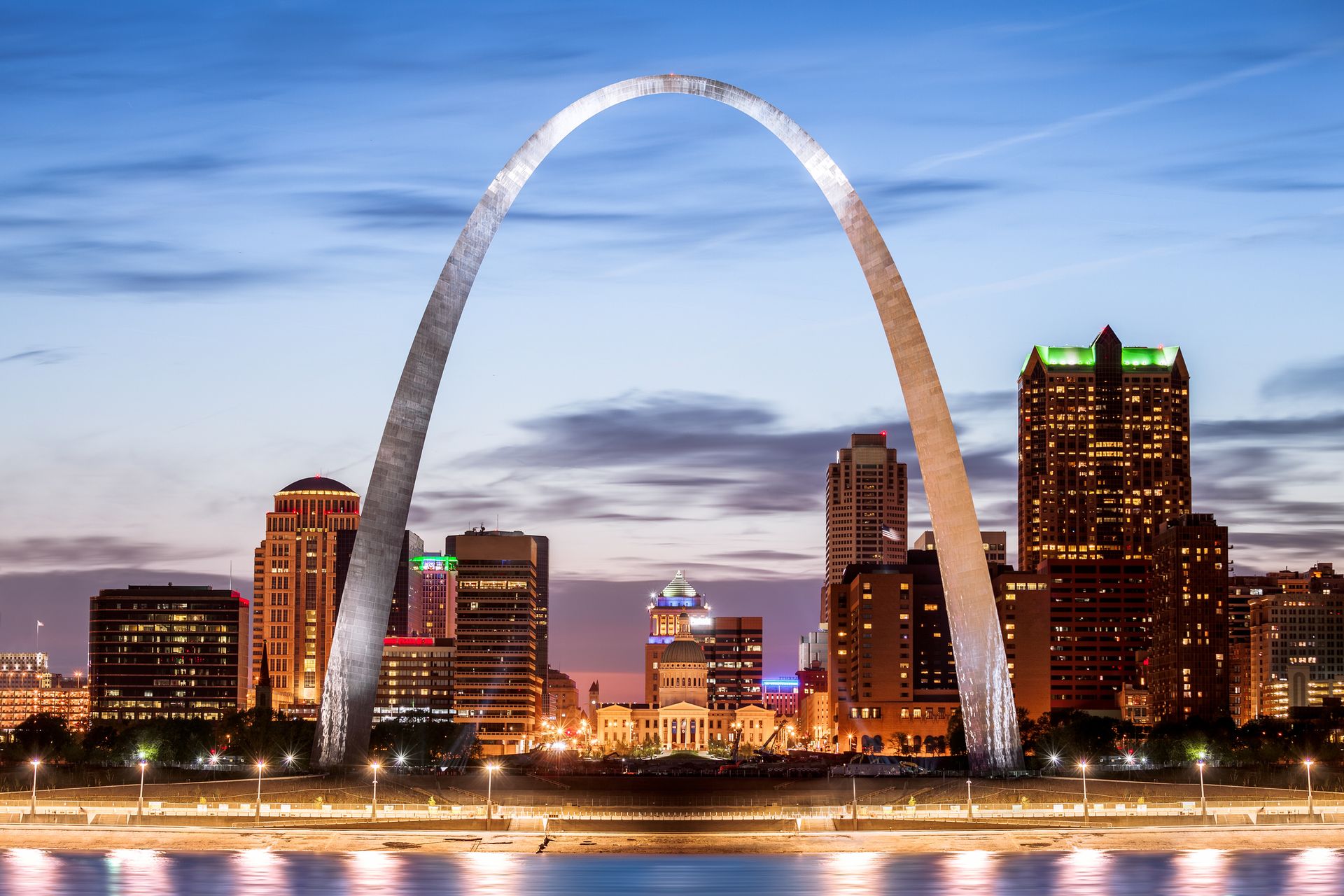
#6: St. Louis, Missouri
joe daniel price / Getty Images
St. Louis excels in affordability, ranking ninth in rent-to-income ratio and eighth in rent burden. With a 21st-place real income ranking and 31st in entertainment access, it offers Gen Z workers a mix of economic opportunity and cultural activity.
#5: Nashville, Tennessee
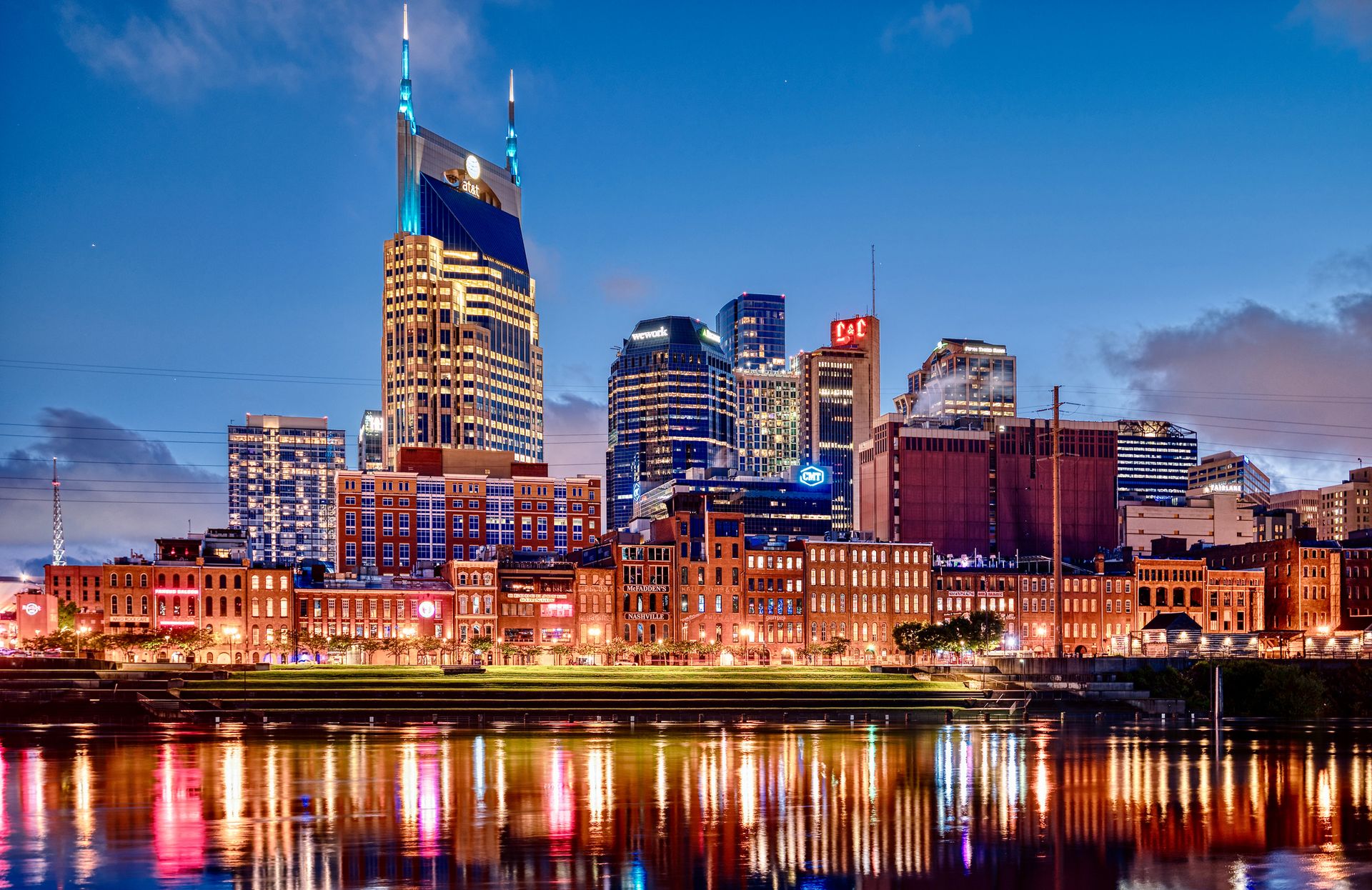
Sky Noir Photography by Bill Dickinson / Getty Images
Nashville delivers strong income potential, ranking 14th for real personal income, and remains competitive on unemployment at 11th. Although it ranks 72nd for rent-to-income ratio, its 26th-place Gen Z population share boosts its social appeal.
#4: Omaha, Nebraska
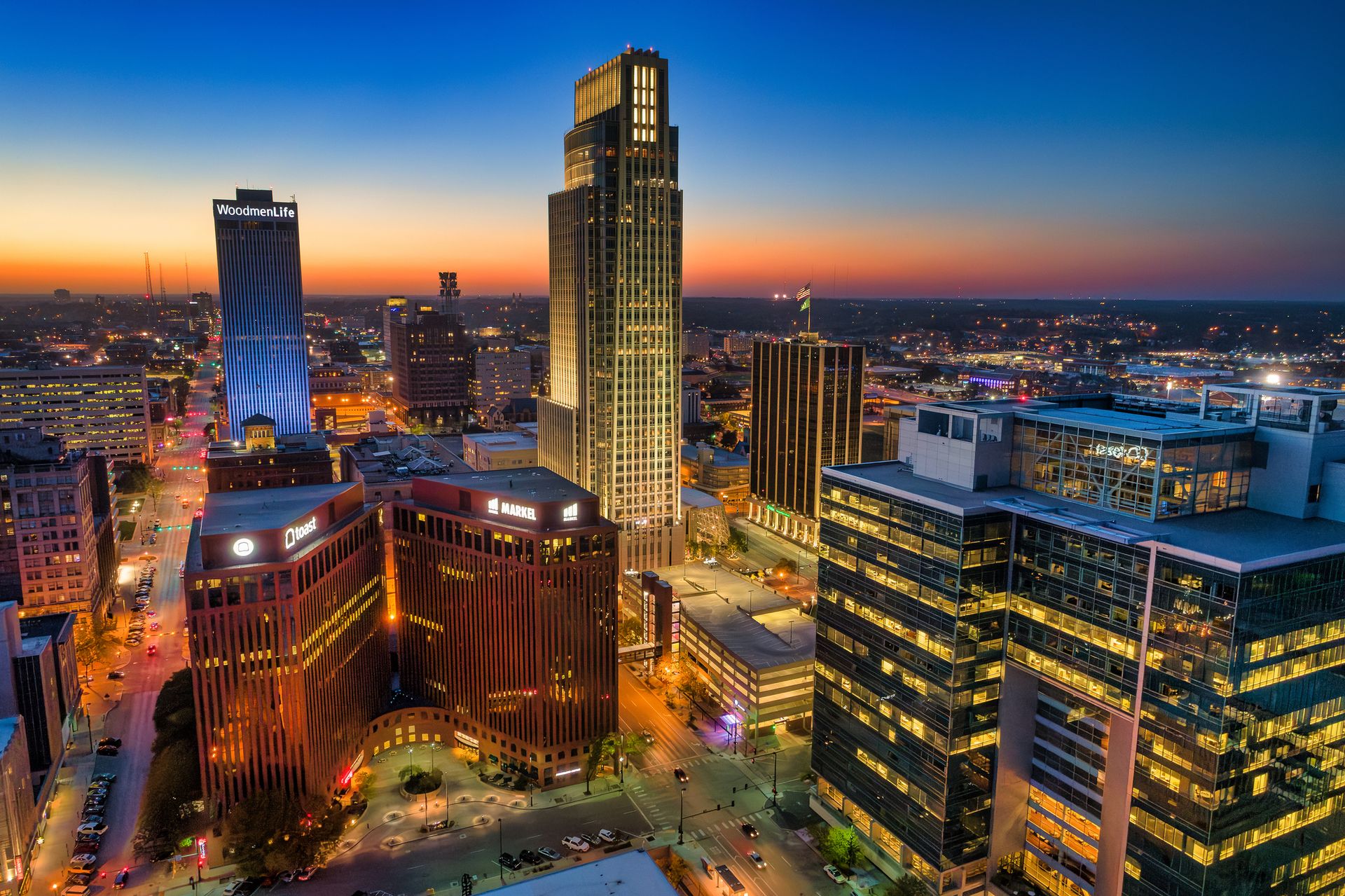
Dee Liu / Getty Images
Omaha ranks fourth for labor force participation and 21st for rent-to-income ratio. Ranking 52nd for Gen Z population but 24th for real income, it offers reliable economic stability with room for social growth.
#3: Des Moines, Iowa
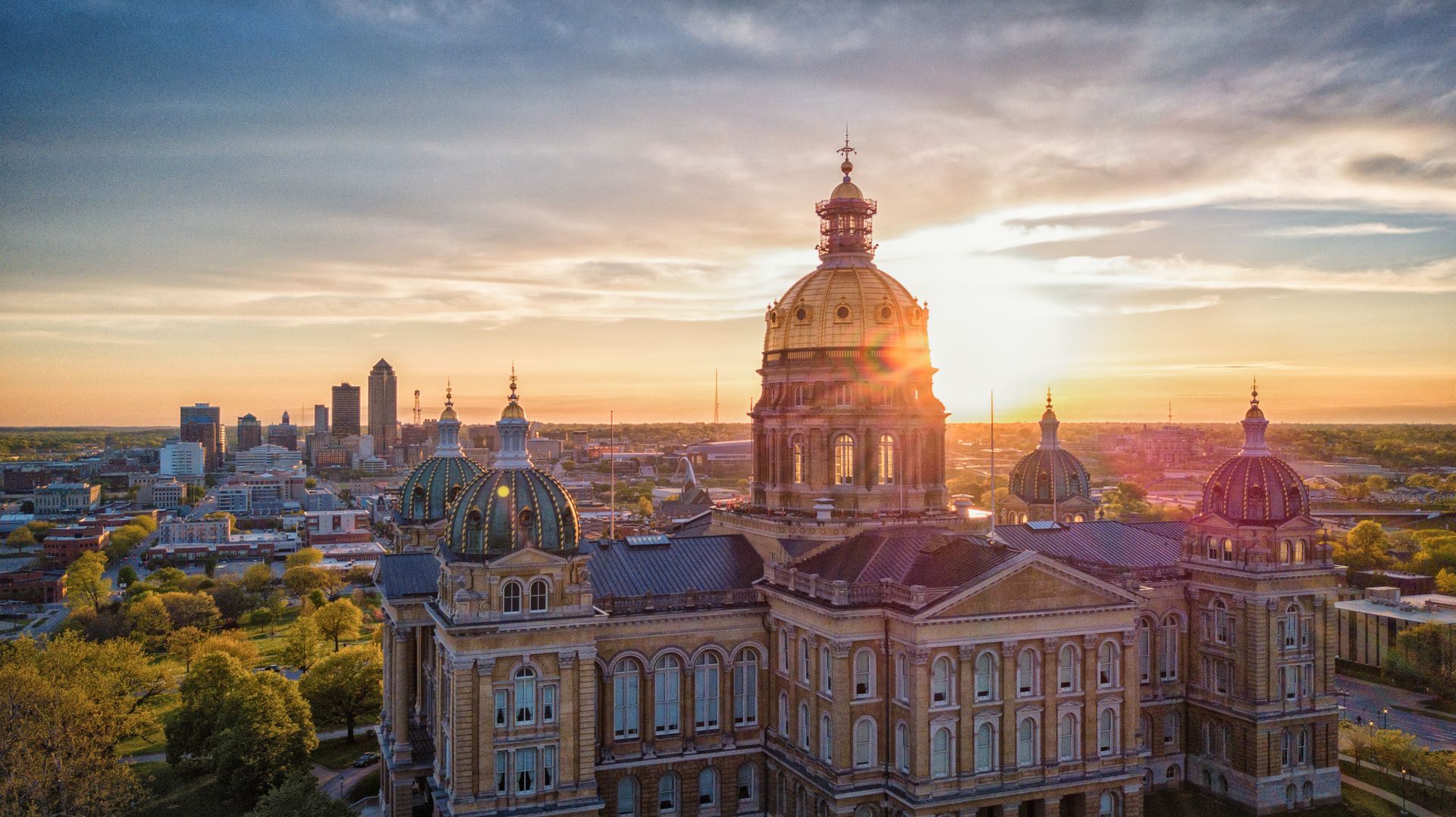
Monte Goodyk / Getty Images
Des Moines ranks second for labor force participation and 11th for rent-to-income ratio, giving it some of the best affordability in the top 10. With a ninth-place unemployment rank and seventh in rent burden, it’s an ideal destination for Gen Z workers seeking financial security.
#2: Minneapolis, Minnesota
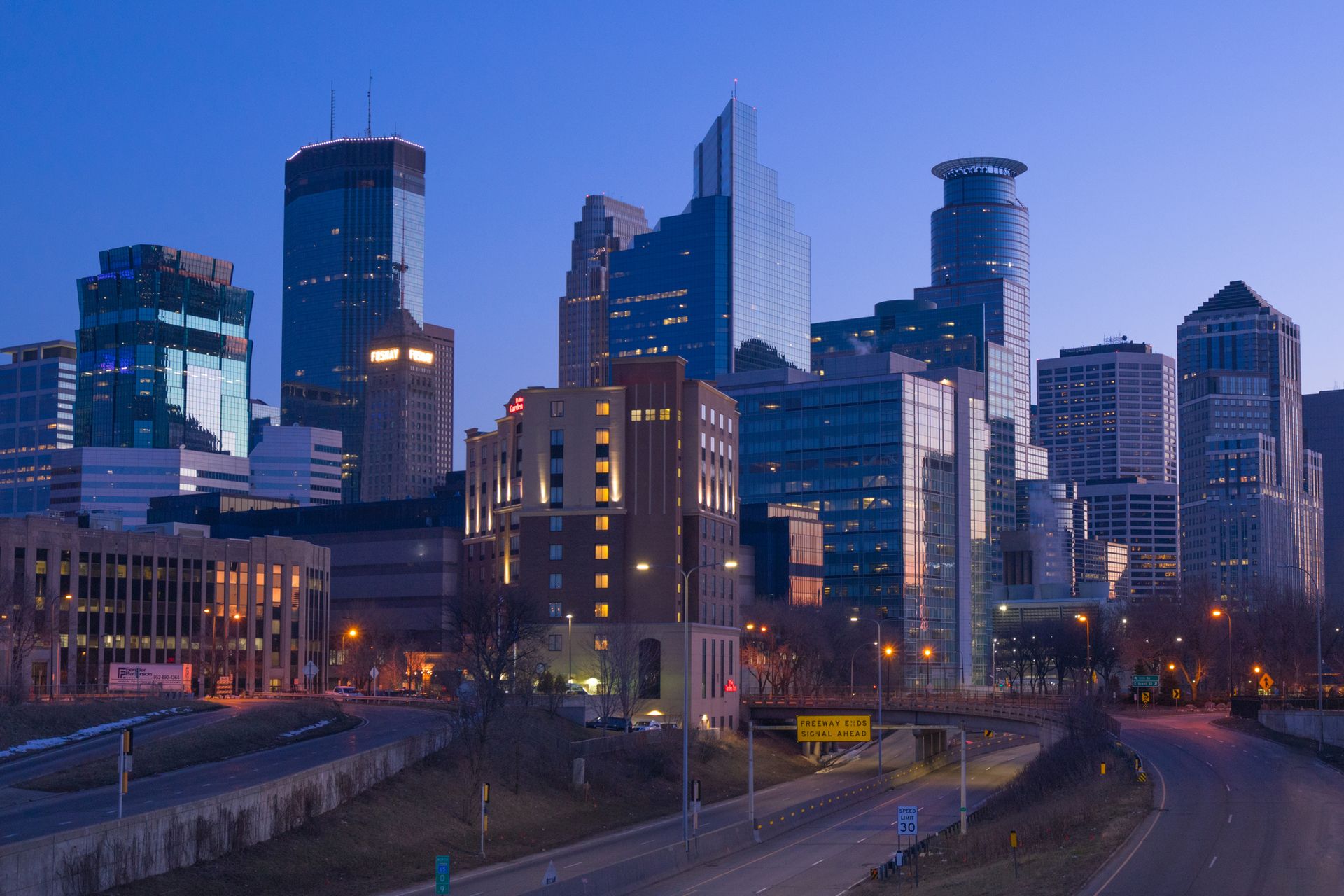
Lightvision, LLC / Getty Images
Minneapolis performs exceptionally well across categories, ranking sixth for labor force participation and 13th for unemployment. A 20th-place rent-to-income ratio and 13th-ranked rent burden highlight its strong affordability, supported by a large Gen Z population that ranked third overall.
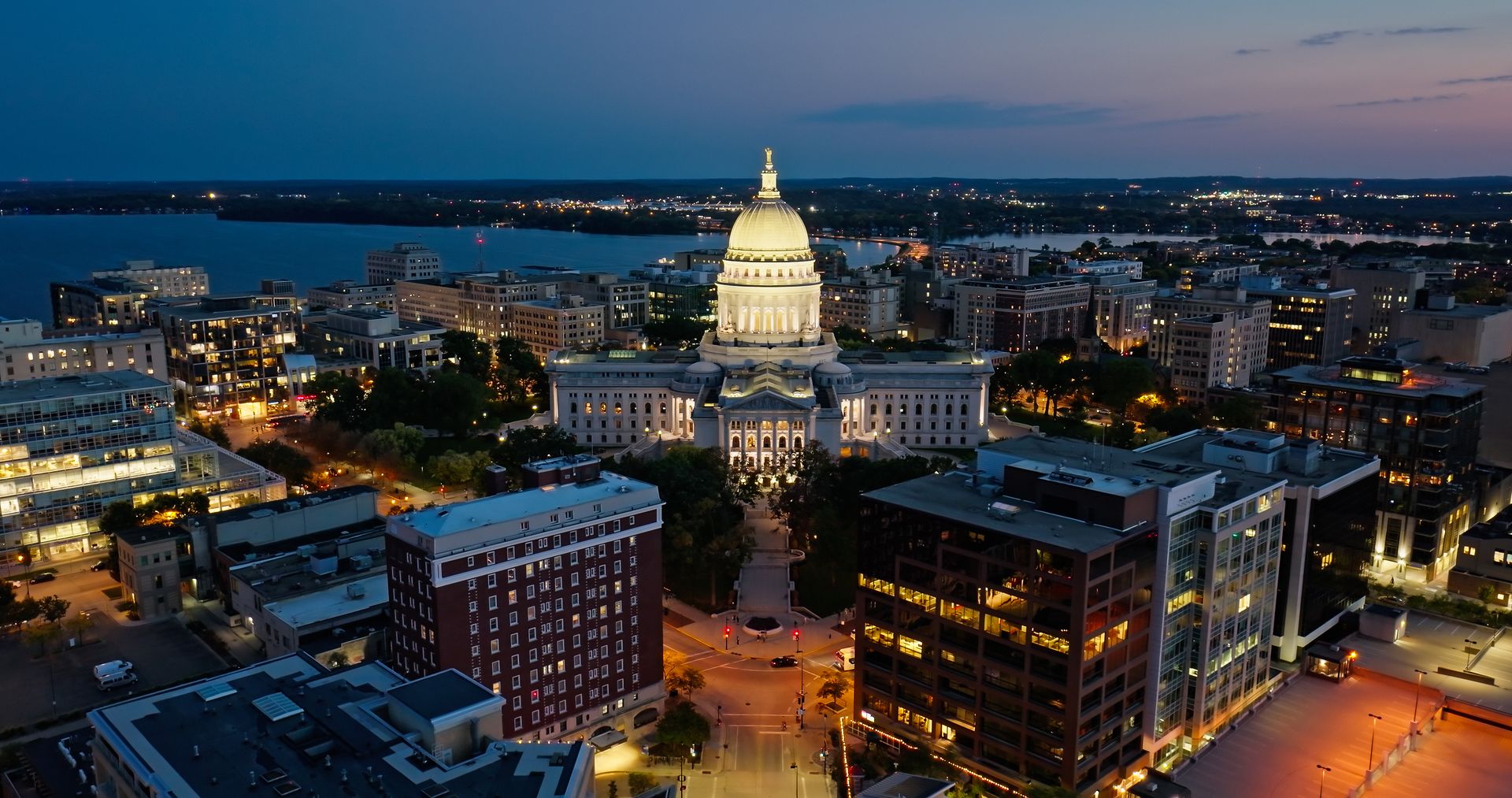
#1: Madison, Wisconsin
halbergman / Getty Images
Madison leads the nation with first-place rankings in both labor force participation and unemployment. Its affordability remains solid at 27th for rent-to-income ratio and 20th for rent burden, and its Gen Z population share ranks third, creating the strongest overall environment for young workers.