
From Austin to Los Angeles, Reader’s Digest highlights six American cities where live music thrives year-round across genres, venues, and scenes
Gio Bartlett / Unsplash
Live music scenes reveal more than nightlife preferences. They show how a city invests in culture, risk, and shared experience.
Some places build ecosystems where musicians can test new material nightly. Others preserve rooms where history still hums through the walls. Across the country, cities cultivate clusters of clubs, festivals, and informal stages that allow multiple genres to coexist. Country overlaps with jazz. Hip-hop shares blocks with punk. Legacy acts brush up against first-time performers.
These environments reward curiosity. They also reward stamina. The best cities make it possible to hear live music any night of the week without planning weeks ahead.
Reader’s Digest’s survey of standout U.S. cities for live music spans regions and styles, from deeply branded music capitals to under-the-radar college towns. Each city earns its place through a mix of venues, artist pipelines, and audience culture.
Here are six of the best cities for live music.
Nashville builds volume and proximity into its music economy
Danny Howe / Unsplash
Nashville remains the benchmark because live music is embedded into daily life, not reserved for ticketed events. Reader’s Digest points to the density of songwriter-driven venues such as The Listening Room Cafe, where established and emerging writers perform in close quarters. Landmark stages such as the Grand Ole Opry and the Ryman Auditorium anchor the city’s reputation while still functioning as working venues.
The scene extends beyond traditional rooms. SongBird Tours turns performance into a mobile format, blending storytelling and access while moving through the city’s music landmarks. Lower Broadway’s Honky Tonk Highway adds another layer. No-cover bars run live sets from morning through the early hours, creating a constant feedback loop between performers and tourists.
Magnus Lunay / Unsplash
Austin’s claim rests on volume and openness. Reader’s Digest highlights more than 100 venues offering live performances on any given night, many without cover charges. That scale allows genres to coexist without crowding each other out.
Festivals such as South by Southwest and Austin City Limits amplify the scene but do not define it. Artists circulate year-round, and audiences expect discovery as part of the routine. Downtown hotels sit within walking distance of multiple stages, reinforcing the idea that live music is infrastructure, not an attraction. Austin earns its reputation by making performance habitual rather than exceptional.
Israel Palacio / Unsplash
Detroit’s music culture draws strength from its history and its crowds. Reader’s Digest emphasizes the city’s Motown roots alongside its range across jazz, metal, hip-hop, and country. The legacy of artists such as Aretha Franklin, Eminem, and the White Stripes still shapes expectations, but the scene does not freeze in nostalgia.
Audience enthusiasm functions as an asset, performers respond to it, and word travels. Detroit’s scene benefits from genre fluidity and emotional investment rather than polish. The result is a city where live shows feel participatory and consequential, even at smaller scales.
Matheus Ferrero / Unsplash
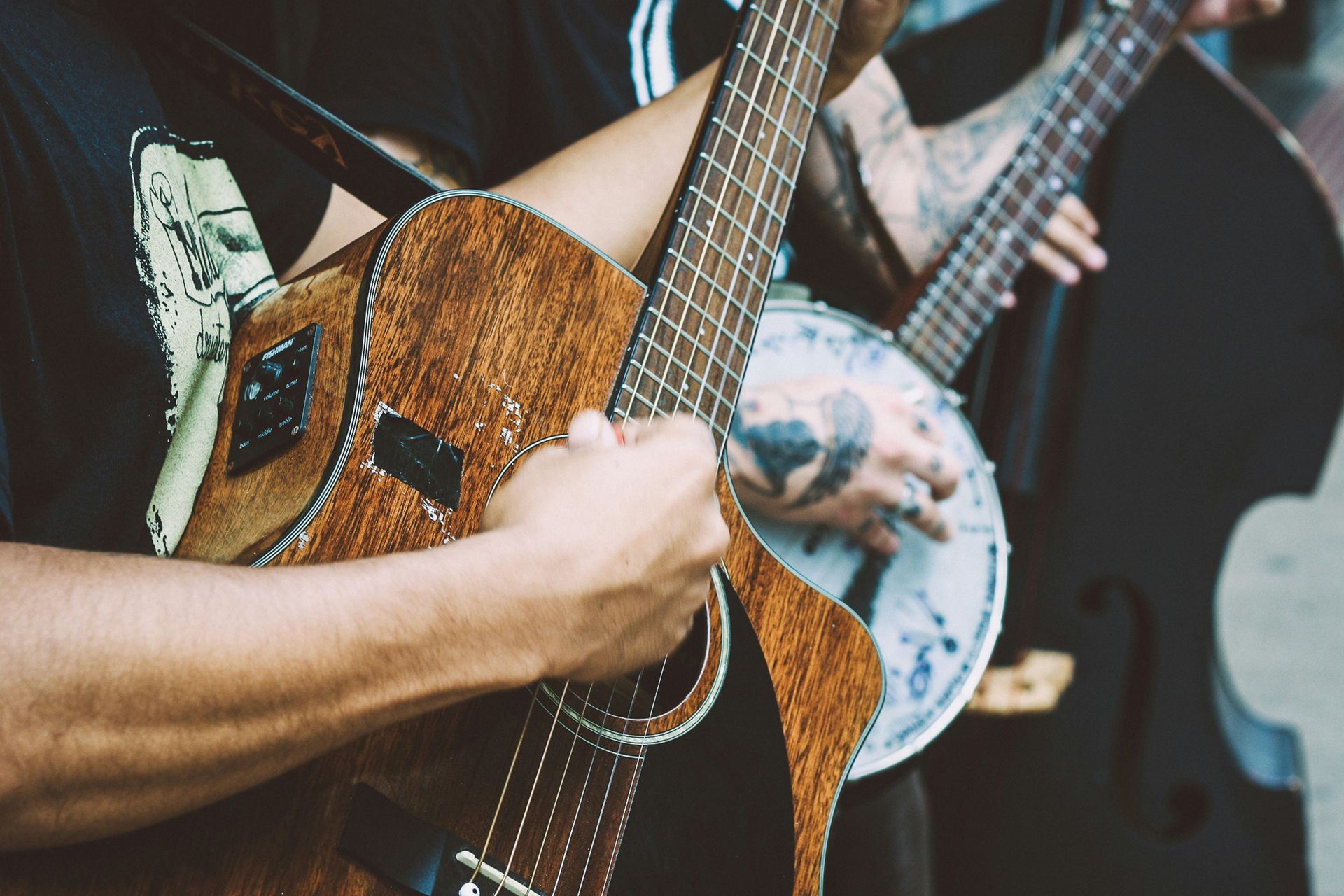
Minneapolis carries a deep musical lineage that still informs its present. Reader’s Digest cites the city’s connection to Prince, Bob Dylan, Lizzo, and multiple influential bands as context rather than conclusion.
The city supports artists across eras without turning rooms into museums. Minneapolis benefits from institutional memory paired with consistent programming. That balance allows new performers to enter a scene already conditioned to listen closely. The city’s reputation rests on continuity. The music did not stop. It evolved in place.
Nikola Duza / Unsplash
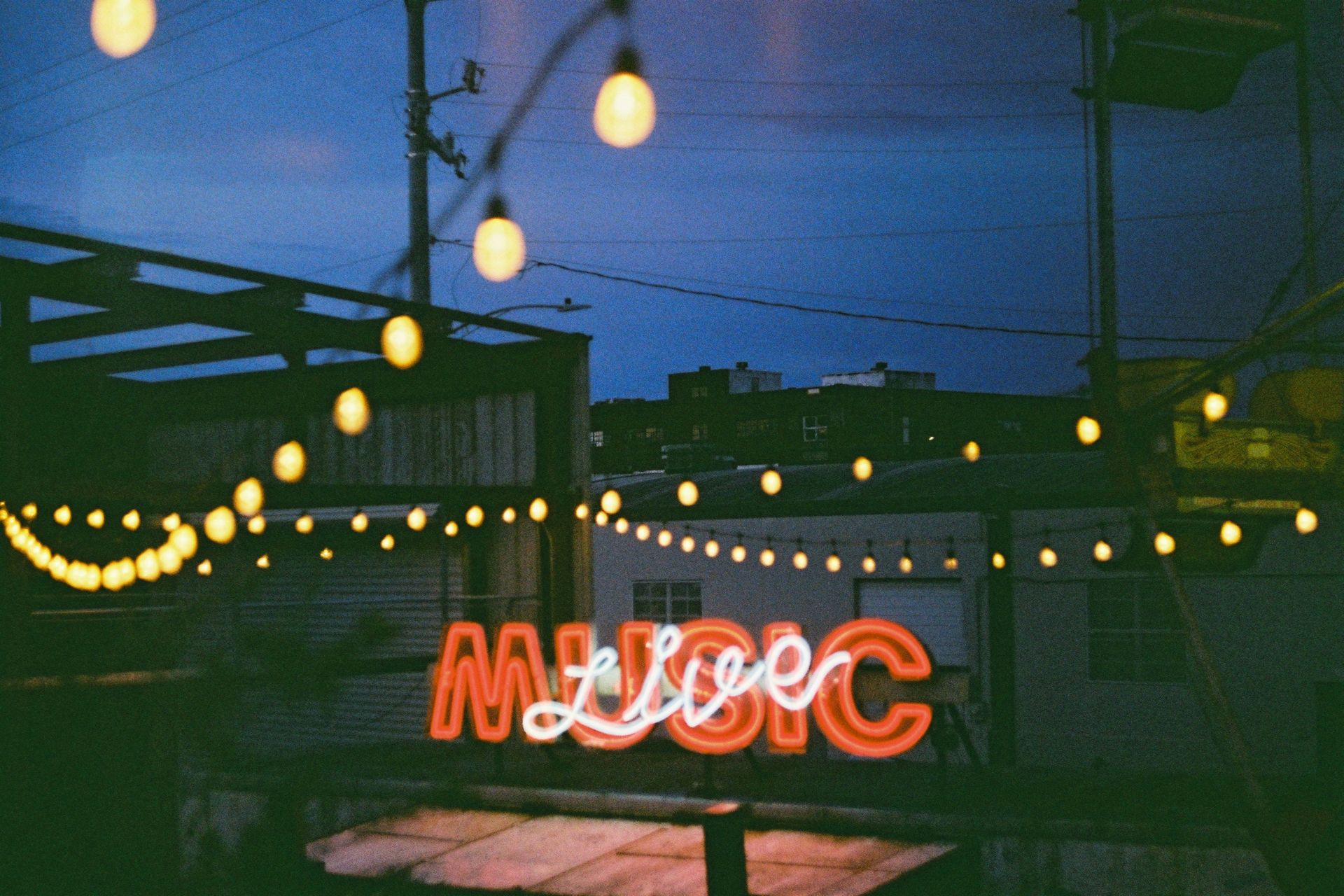
Columbia’s strength lies in its intimacy and openness to new talent. Reader’s Digest frames the city as an under-the-radar hub shaped by its college population and genre diversity. The White Mule operates as an experimental room where artists test material before smaller audiences.
Columbia does not rely on name recognition. It relies on circulation. Venues remain close together, audiences overlap, and artists gain repetition. The result is a scene that rewards exploration without intimidation.
Sebastian Ervi / Unsplash
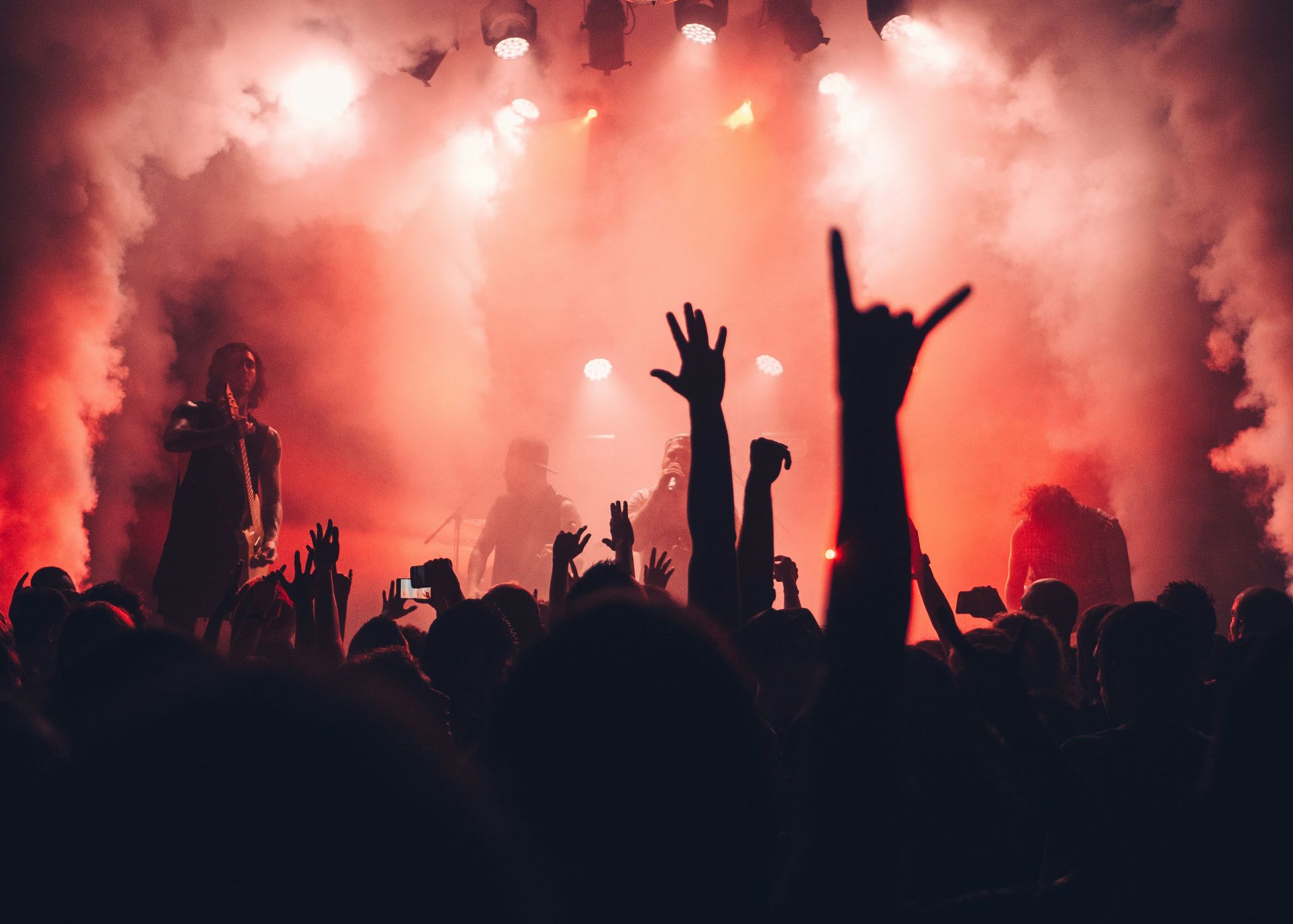
Los Angeles functions as a convergence point rather than a single scene. Reader’s Digest notes a growing do-it-yourself ecosystem where artists collaborate to host shows independent of traditional promoters. Weekly songwriter rounds and jazz residencies create predictable entry points within a sprawling city.
Talent density drives competition and collaboration simultaneously. Artists arrive from across the country, raising the baseline while diversifying sound. Los Angeles succeeds by absorbing ambition at scale. The city’s live music culture remains fragmented yet active, sustained by repetition rather than spectacle.