Credit: Disney Cruise Line
A closed-loop cruise is a specific type of voyage that allows U.S. citizens to visit foreign ports without a passport. The definition is precise: the cruise must depart and return to the same U.S. port, and the international destinations must be in contiguous countries, such as Canada or Mexico, or in countries participating in the Western Hemisphere Travel Initiative, which covers many Caribbean nations. The legal authority is the Western Hemisphere Travel Initiative itself, which carved out this exception to the standard passport requirement for U.S. citizens crossing international borders. Without the closed-loop structure, specifically the requirement to return to the same U.S. departure port, the passport exception does not apply.
The documentation required in place of a passport is specific and non-negotiable: U.S. proof of citizenship such as a birth certificate or naturalization papers, plus a valid government-issued photo ID such as a driver’s license. Travelers $TRV who have changed their birth name through marriage or other means must also carry the relevant supporting documents. Children 15 and under are exempt from the photo ID requirement. The strong practical recommendation is to bring a passport anyway: if a medical emergency or other unforeseen event requires leaving the ship at a foreign port and flying home, a passport will be necessary, and the birth certificate and driver’s license combination will not suffice.
The 5 closed-loop cruise routes below appear in U.S. News and World Report, each with a specific line and itinerary recommendation for travelers who want to experience international ports without the added preparation a passport requires. Note that specific Caribbean ports may still require a passport even on a closed-loop itinerary, and some ports’ requirements can change, so checking directly with the cruise line before departure is the necessary final step in the planning process.
1 / 5
Credit: Princess Cruises
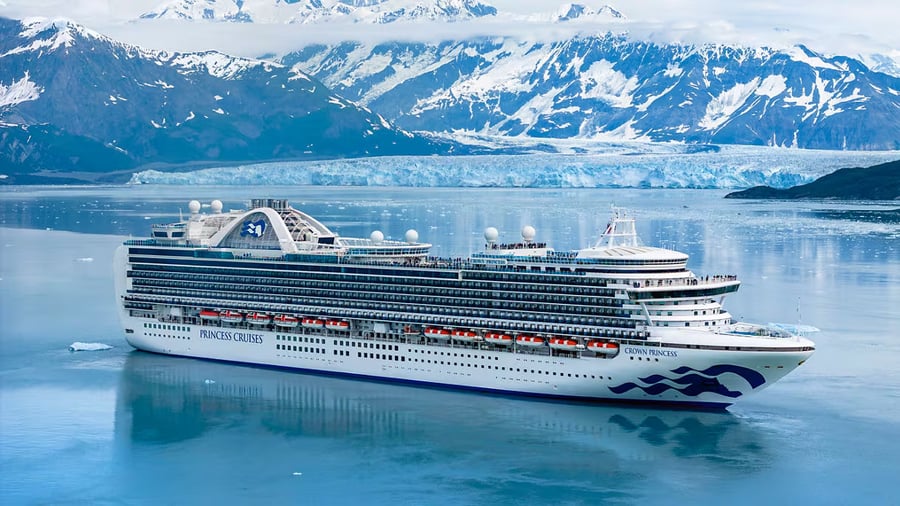
The Pacific Northwest to Alaska route is the most historically established closed-loop cruise corridor in the United States, and the Inside Passage that connects Seattle to the Alaskan panhandle provides the itinerary with a specific natural and cultural program that no Caribbean or Bermuda closed-loop cruise can match. The coastal waterway threading between the mainland coast and the offshore islands of British Columbia and Alaska gives the ship a protected passage whose scenery, ancient temperate rainforest, snow-capped peaks, and the fjords carved by Pleistocene glaciers, gives the scenic cruising days a visual quality specific to the subarctic Pacific coastal environment.
Princess Cruises’ 7-Day Inside Passage sailing departs round-trip from Seattle and calls at Ketchikan, Juneau, and Skagway in Alaska, plus Victoria in British Columbia. Ketchikan gives the itinerary its most concentrated encounter with the Tlingit cultural heritage of the Alaskan coast, whose totem poles and clan house traditions have been maintained through the Alaska Native arts revival. Juneau, accessible only by air or water and sitting beneath the Juneau Icefield, offers the cruise's most dramatically positioned state capital. The Mendenhall Glacier, accessible by shuttle from downtown, offers the visitor a direct encounter with one of North America’s most accessible active glaciers. Skagway gives the itinerary its gold rush history: the town’s false-front Victorian commercial buildings are preserved in the Klondike Gold Rush National Historical Park, and the narrow-gauge White Pass and Yukon Route railway gives the shore excursion its most spectacular mountain scenery.
The scenic cruising day through Endicott Arm to the Dawes Glacier offers the Alaska itinerary its most visually concentrated wildlife and ice experience: the fjord’s glacier-carved walls and ice calving from the glacier face give the forward-deck viewing a drama that the port calls’ shore excursions provide from a different perspective. The Victoria stop gives the itinerary its most civilized contrast to the Alaskan wilderness: the Butchart Gardens, afternoon tea, and the stately Empress Hotel give the British Columbia capital a specifically English-inflected character, while its position on the southern tip of Vancouver Island lends it a geographic logic.
2 / 5
Credit: Crystal Cruises
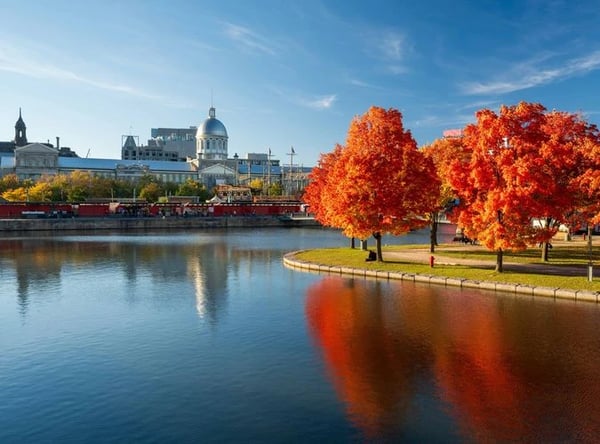
The Canada and New England cruise corridor from New York City is the most seasonally specific closed-loop itinerary in the northeast, and the autumn timing that makes it most popular produces a visual program whose foliage color peaks in the October window that the cruise lines calendar their fall departures around. The coast of Maine, the Bay of Fundy, and the Nova Scotia coastline give the itinerary a specific northeastern character whose fishing villages, lighthouse-studded headlands, and the specific chill of the Atlantic autumn air give the experience a quality specific to this corner of North America that the Caribbean and Bermuda routes do not approach in the same terms.
Crystal’s autumn voyage departs round-trip from New York City and calls at Newport in Rhode Island, Portland and Eastport in Maine, Saint John in New Brunswick, and Halifax in Nova Scotia. Newport gives the itinerary its most American Gilded Age concentration: the mansion district, whose summer cottages were built by the Vanderbilts and Astors in the 1880s and 1890s, provides a specific architectural spectacle, a reflection of the excess of the industrial-era American wealthy. Portland’s Old Port, with its working harbor and the converted brick warehouses that house the city’s restaurant and gallery culture, gives the Maine call its most contemporary food and arts dimension.
Halifax gives the itinerary its Canadian anchor: the Citadel Hill fortress that has guarded the natural harbor since 1749, the Maritime Museum of the Atlantic, whose collection includes artifacts from the RMS Titanic recovered in the waters off Nova Scotia, and the vibrant waterfront boardwalk give the Nova Scotia capital a historical depth and a social energy that the smaller New England calls do not provide at the same scale. The day at sea before returning to New York City gives the voyage its decompression time, a specific logistical quality and psychological buffer that the non-stop port-every-day itinerary format does not provide.
3 / 5
Credit: Disney Cruise Line
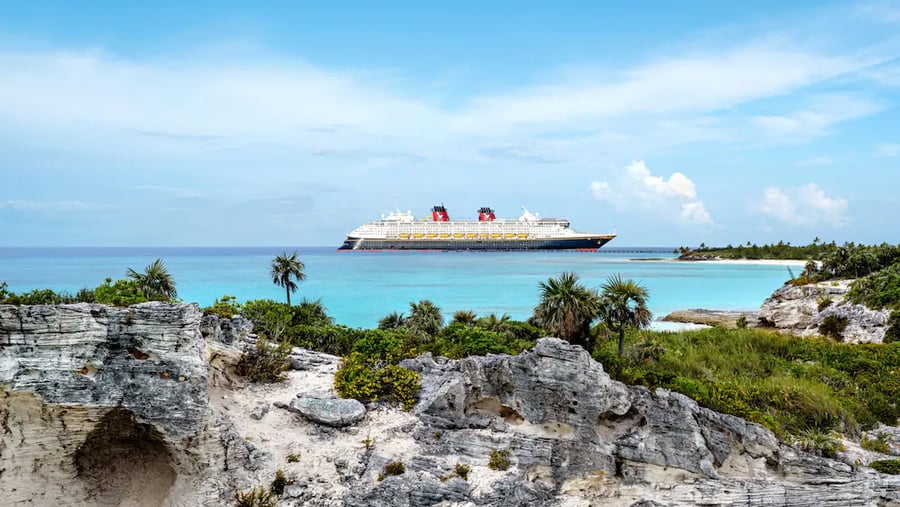
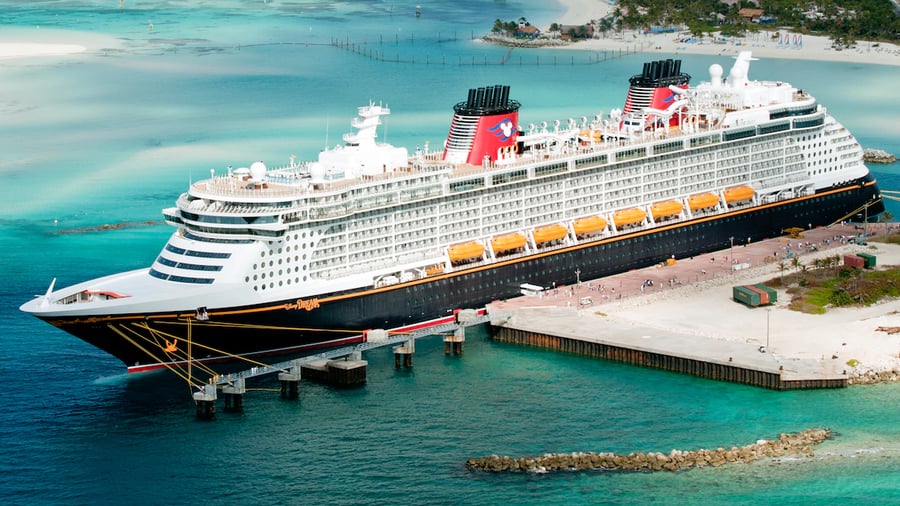
The Bahamas closed-loop cruise from Florida is the most family-oriented corridor on this list, and the Disney $DIS Cruise Line version is the most specifically designed for families with young children who have not yet obtained passports. The five-night itinerary departs from Port Everglades in Fort Lauderdale and calls at Nassau in the Bahamas, plus both of Disney’s private island destinations: Castaway Cay and Lookout Cay at Lighthouse Point. The private island model gives the Disney cruise its most structurally distinctive feature: the beach day experience at Castaway Cay is designed for Disney’s specific passenger demographic and offers the family a beach club environment whose programming, infrastructure, and theming are not replicated by public Bahamian beaches.
Nassau offers the itinerary's only port call in a working Bahamian city, and the British colonial architecture of the historic downtown, the Nassau market, and the beach access at Cable Beach together provide a range of options appropriate to the different interests within a traveling family. The Atlantis resort on Paradise Island, accessible by bridge from downtown Nassau, gives the family that wants a water park and casino environment on their Nassau day a specific destination whose scale and commercial completeness give it a self-contained day-trip program.
Lookout Cay at Lighthouse Point, Disney’s newest private island destination, sits on Great Harbour Cay in the northern Bahamas and offers the itinerary a second private island experience whose more recently developed infrastructure incorporates sustainability commitments, including the preservation of the island’s natural habitat alongside guest facilities. The Florida departure port’s proximity to the Orlando theme parks gives the Disney cruise a logical extension for families who want to combine the sea itinerary with the land-based theme park program that the same family audience uses Disney for. The Port Everglades terminal in Fort Lauderdale provides an embarkation point, with hotels, airports, and ground transportation infrastructure that make the cruise's logistics as straightforward as possible for families traveling from across the country.
4 / 5
Credit: Virgin Voyages
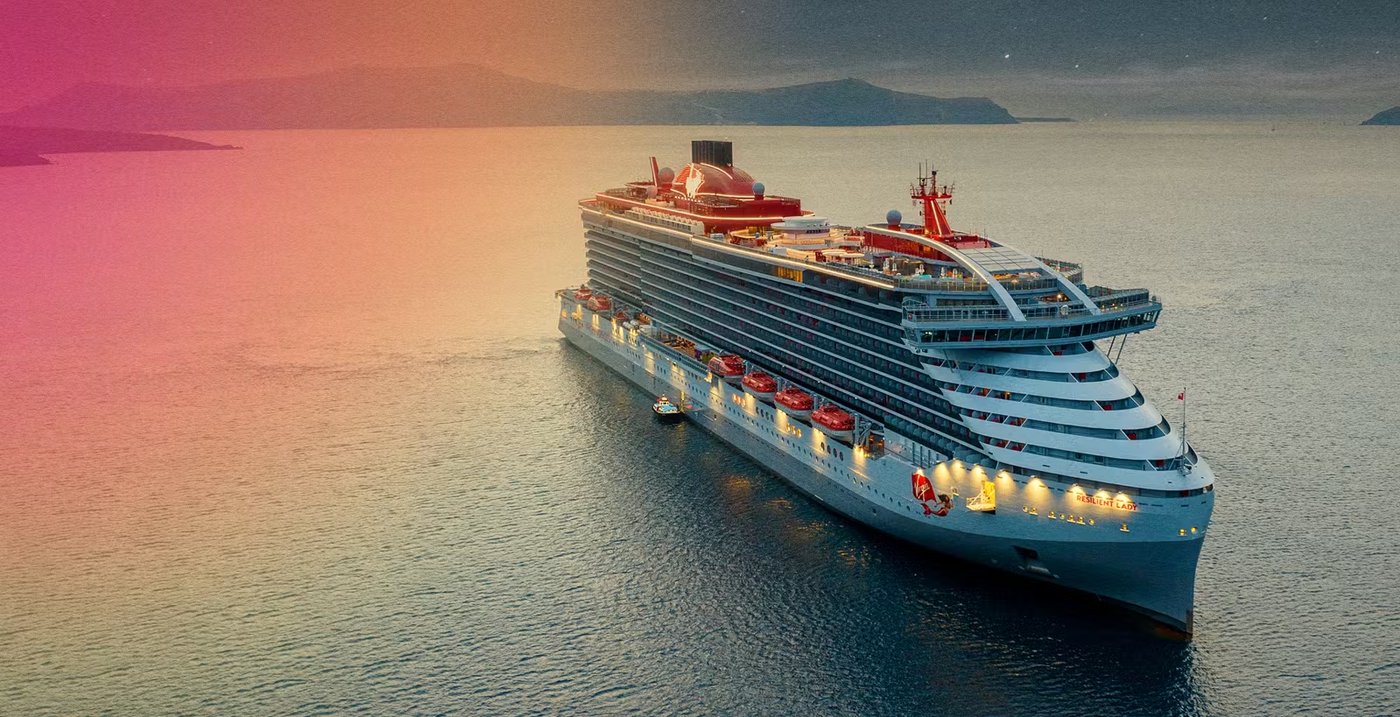
The Southern California to Mexico closed-loop route gives West Coast travelers the closest available international cruise destination from the major Los Angeles metropolitan market, and the Pacific coast of Mexico from Cabo San Lucas to Puerto Vallarta gives the week-long itinerary a geographic range that takes the ship from the desert landscapes of Baja California to the lush tropical coast of Jalisco in a progression that covers more distinct Mexican environments than the Caribbean-focused Florida itineraries provide. The departure from Los Angeles connects the cruise to the country’s largest metropolitan area and the Pacific Coast Highway, giving it a pre- or post-cruise drive option that no other closed-loop departure city provides in the same scenic terms.
Virgin Voyages’ weeklong Mexican Riviera Cruise departs from Los Angeles and includes a day at sea before reaching Cabo San Lucas, then Mazatlán, then Puerto Vallarta, before two sea days on the return. Cabo San Lucas gives the itinerary its most resort-concentrated port: the famous Land’s End rock formation at the tip of the Baja Peninsula, where the Pacific meets the Sea of Cortez, the glass-bottomed boat excursions to the sea arch and the sea lion colony, and the developed Medano Beach resort strip give the Cabo day its range from natural spectacle to tropical beach resort. Mazatlán gives the itinerary its most authentic Mexican city experience: the Malecón waterfront promenade, the Old Town’s colonial architecture and cathedral, and the city’s specific identity as the Pacific’s foremost sport fishing destination give the port a depth that the more resort-dependent Pacific coast ports do not provide in the same community character terms.
Puerto Vallarta, the northernmost port and the itinerary’s furthest point before the return to Los Angeles, gives the voyage its most international dining and arts culture: the town’s Zona Romántica neighborhood, with its independently owned restaurants, galleries, and the specific beach club culture of Los Muertos Beach, gives the Puerto Vallarta day a social and cultural program that the pure resort zone of Nuevo Vallarta up the coast does not provide in the same connected, walkable terms.
5 / 5
Credit: Celebrity Cruises
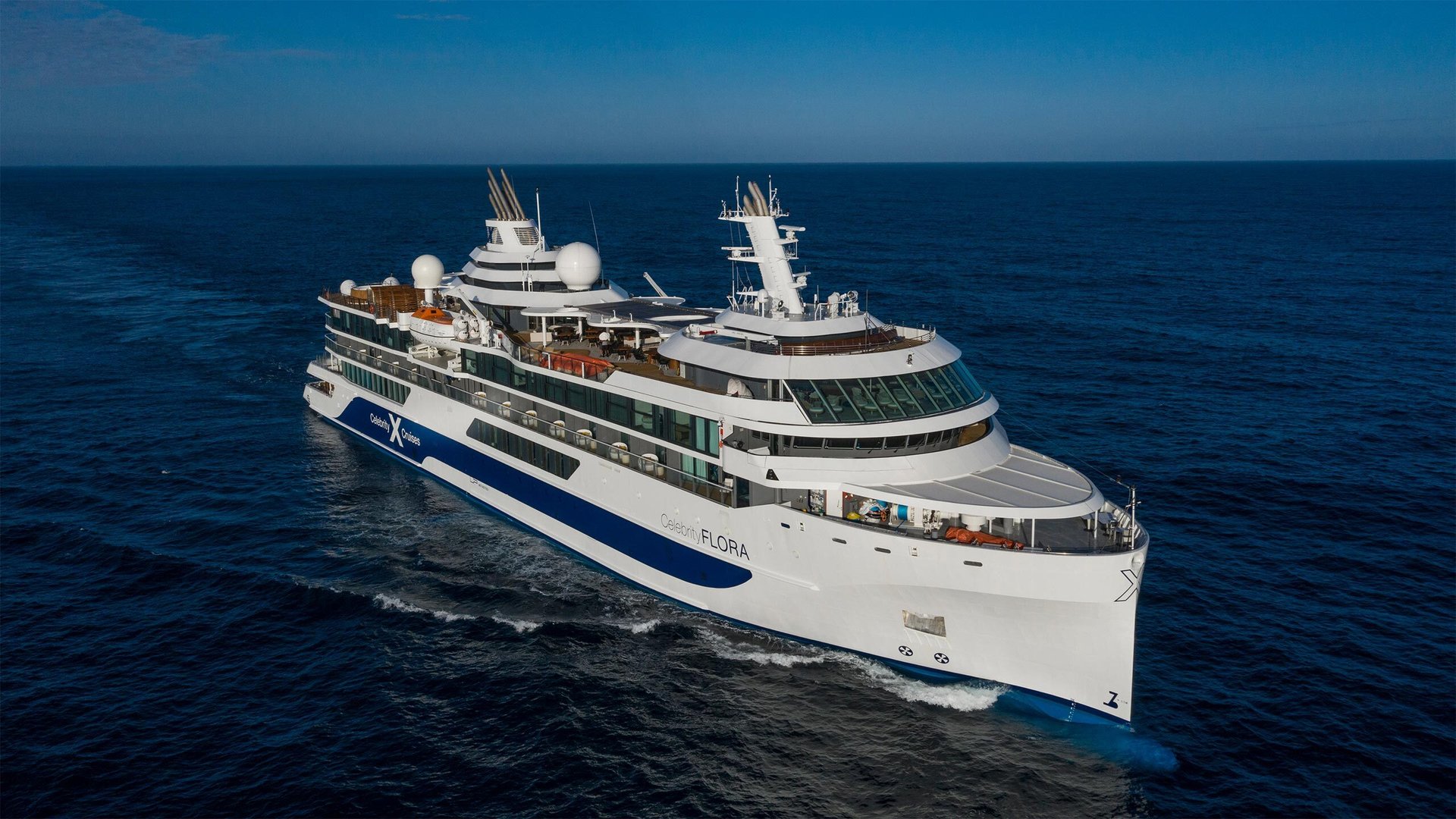
The Bermuda closed-loop cruise from Cape Liberty in New Jersey is the most geographically unusual route on this list: Bermuda is an Atlantic island 1,000 miles from the U.S. East Coast with no land connection to the continental United States or to any Caribbean island, which gives the Bermuda cruise a distinct character from the coastal-cruise experience that the Alaska, New England, and Mexico itineraries provide. The three days that Celebrity Cruises’ weeklong sailing spends at Royal Naval Dockyard in Bermuda give the ship’s passengers more time in port than the typical one-day call that most cruise itineraries allocate to their destinations, and the three days give the visitor time to rent a scooter, explore the island’s full length, and get below the surface of a destination whose charm requires time to reveal itself.
Royal Naval Dockyard at the island’s western end serves as the ship's historic British naval base, with the Commissioner’s House, now a maritime museum, the clockmaker’s workshop, and the arts center providing the immediate dock area with a program that does not require transport. The pink sand beaches that give Bermuda its most internationally recognized single image, particularly Horseshoe Bay on the south shore, are accessible by taxi or scooter from the Dockyard and give the beach day its most classic Bermuda expression. The specific pink color of Bermuda’s sand comes from the crushed shells of foraminifera mixed with the white carbonate sand, giving the beach its color at a specific biological level that no other Atlantic island destination replicates at the same pink saturation.
The scenic Statue of Liberty passage that begins the Celebrity sailing as it leaves Cape Liberty gives the departure its most specifically New York Harbor moment, and the view of the Manhattan skyline receding as the ship heads southeast into the Atlantic gives the outbound journey a visual departure specific to the New Jersey port that the Florida and West Coast closed-loop departures cannot provide in the same iconic terms.
