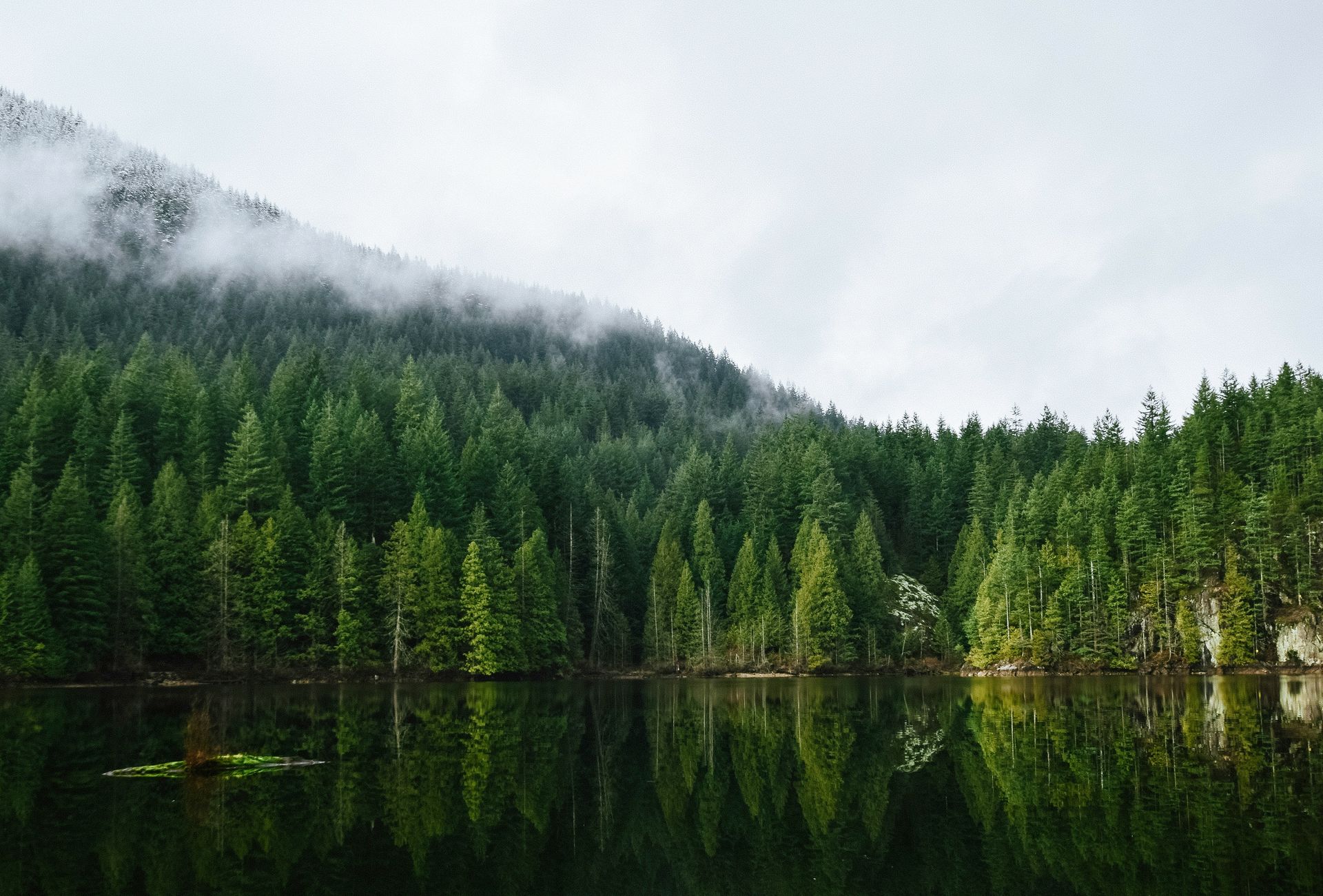
From Aspen's wildflower meadows and alpine festivals to Québec City's cannon-lined fortress walls above the St. Lawrence River
Jeremy Allouche / Unsplash
Coolcations have genuinely caught on in recent years, and with 2023 through 2025 ranking among the three hottest years ever recorded globally, the trend makes considerable sense. As traditionally popular summer destinations such as the Mediterranean experience more frequent heat waves, along with warmer oceans and hotter nights, savvy travelers increasingly shift their focus toward regions with genuinely milder weather, including bucolic mountain towns and windswept coastal cities.
Crisp mountain air and salt-tinged breezes alone aren’t quite enough, though. Beating the heat in genuine style also means finding destinations that pair comfortable temperatures with standout Michelin-awarded restaurants, unforgettable hotels and plenty of outdoor activities to enjoy throughout the pleasant weather.
The six destinations below appear in the Michelin Guide, covering the best cool-weather getaways for summer in the US and Canada. They range from a former mountain mining town to a centuries-old fortified Canadian city, giving travelers considerable variety across both landscape and culture despite sharing the common thread of genuinely comfortable summer temperatures. Elevation and coastal breezes explain most of the cooling effect found throughout this list, whether that means Jackson’s considerable mountain elevation or Monterey and Kennebunkport’s proximity to genuinely cold ocean water. Michelin-recognized dining runs through every destination covered here too, giving food-focused travelers real reason to plan an itinerary around more than simply the weather alone. Even the warmest destinations on this list still call for a light jacket during cooler mornings and evenings, since Jackson, Aspen and Québec City all see nighttime lows drop into the 40s and 50s degrees Fahrenheit even at the height of summer, a genuine departure from the sweltering, genuinely humid nights that many travelers typically associate with a standard summer vacation spent closer to sea level in a considerably warmer climate.
Caleb Kastein / Unsplash
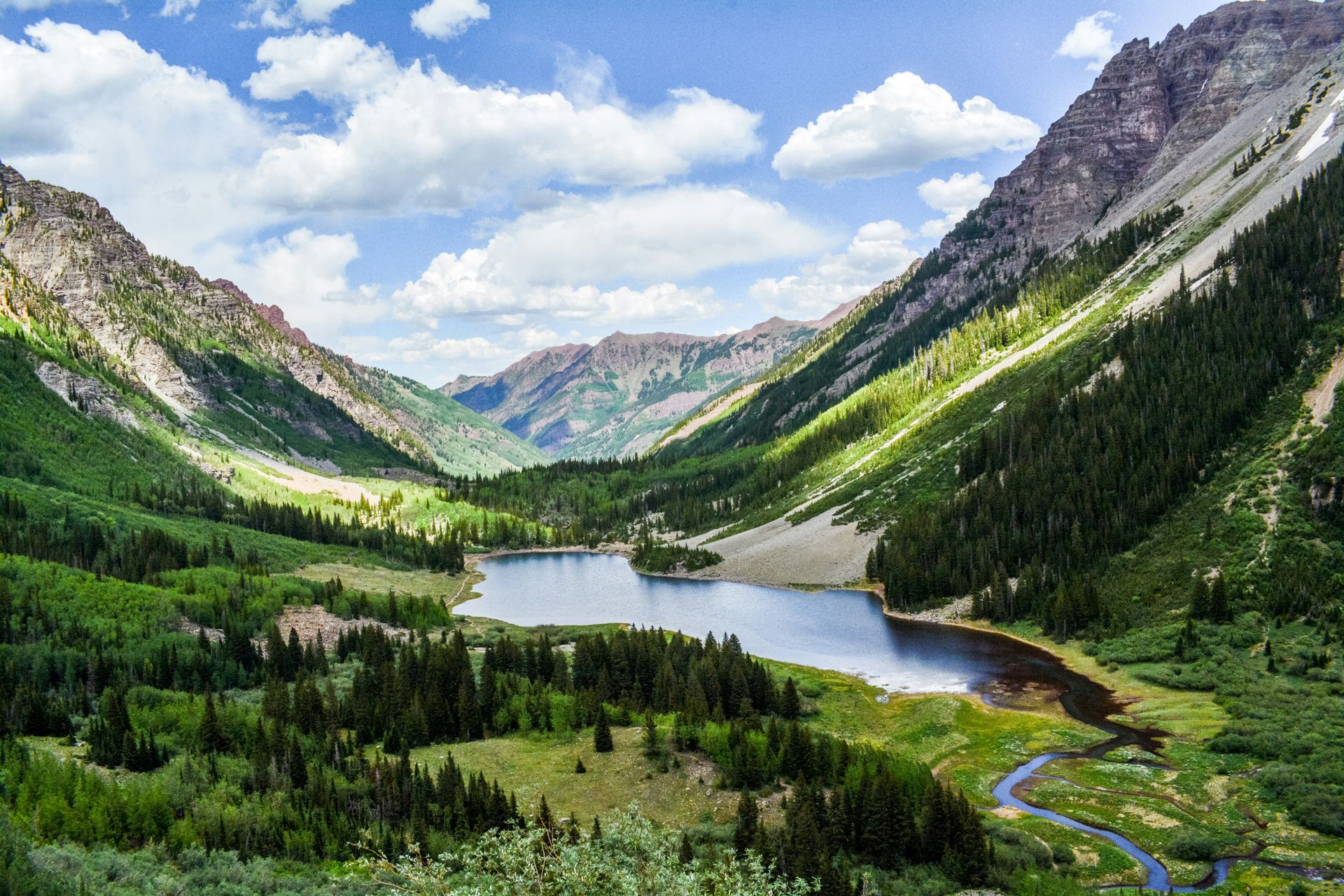
A famously ritzy destination known primarily for its skiing, Aspen beckons in summer with wildflower-blanketed meadows and events such as the Aspen Music Festival and Aspen Ideas Festival. Located among the Rockies’ Elk Mountains, the former silver mining town charms travelers hoping to escape summer heat, with daytime highs typically ranging from the 70s to low 80s degrees Fahrenheit and nights cool enough to warrant a light jacket or sweater, dropping into the 40s and 50s.
Aspen stays equal parts artsy and adventurous, with theaters, galleries and museums such as the Aspen Art Museum and Anderson Ranch Arts Center, alongside plenty of opportunities for hiking, biking and refreshing dips in alpine lakes. Summer visitors can traverse the 3.6-mile trail around Crater Lake, which reflects the Maroon Bells, possibly the most photographed mountains in the country, go whitewater rafting at the class IV Slaughterhouse Falls, or ride up Aspen Mountain on the Silver Queen gondola for a mountaintop yoga class.
As a hotspot for the well-heeled, Aspen holds no shortage of outstanding restaurants. Element 47 inside the Little Nell Hotel offers an approachable but upscale menu of contemporary classics, while moody Bosq focuses on the seasonal, local, foraged, and fermented. Hotel Jerome’s swanky Prospect serves locally sourced American and Mediterranean classics, and Mawa’s Kitchen offers cuisine as eclectic as its dining room décor, with dishes ranging from Greek hummus served alongside plantain chips to signature jerk salmon and Spanish paella.
The Little Nell and Hotel Jerome, both part of the Auberge Collection, remain icons for a genuine reason, since few hotels walk the line between cowboy cool and considerable luxury quite as well as these two. The Little Nell boasts an unrivaled location right at the foot of the gondola, alongside a heated pool and hot tub, plush private decks and an Adventure Center that organizes outdoor activities, while Hotel Jerome has operated as a luxury hotel since 1889, designed to emulate the grand European hotels of that era, and now pairs Old West character with trendy maximalism and high-end comforts such as a spa and outdoor pool.
Chris Jones / Unsplash
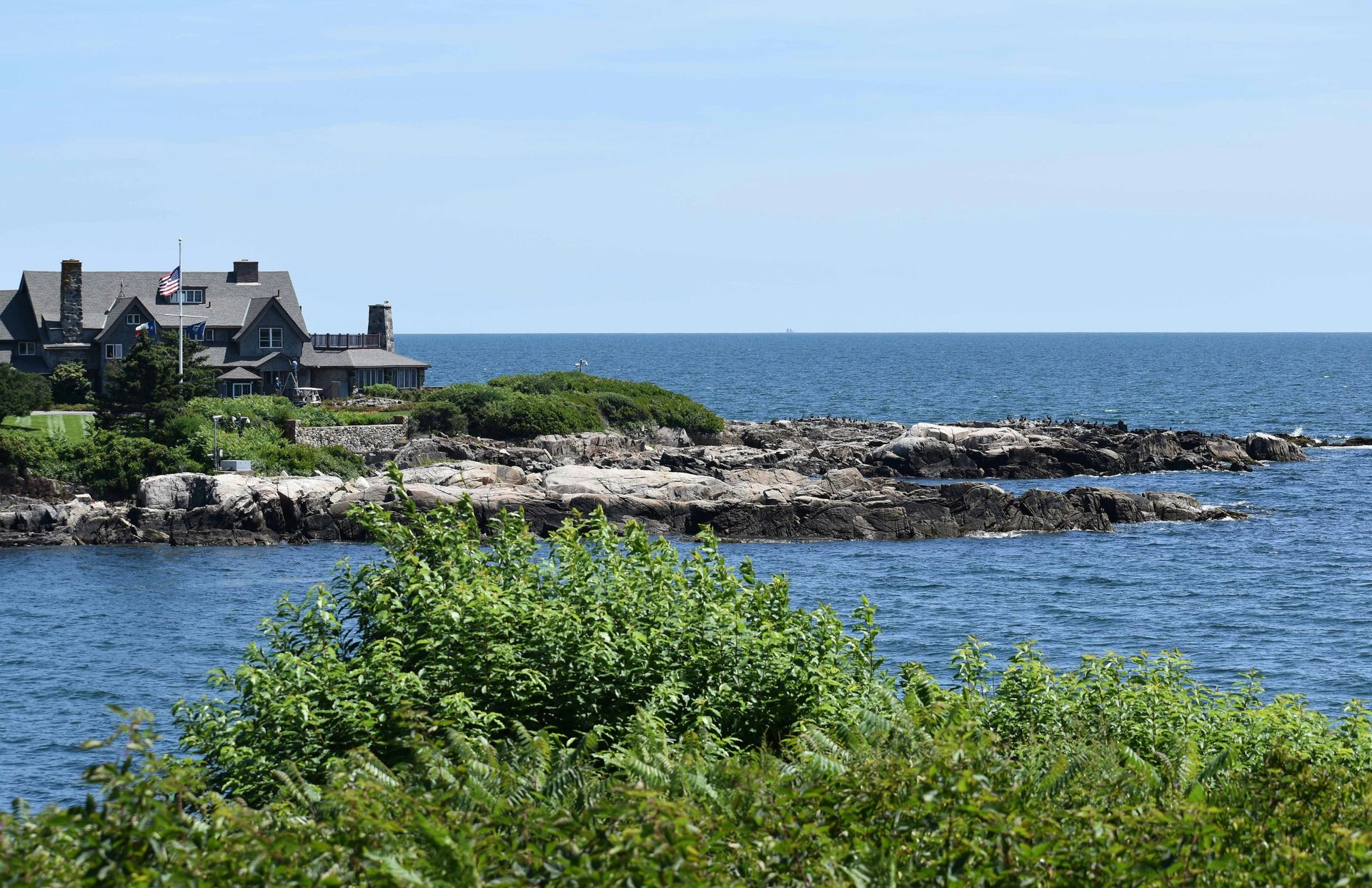
A quintessentially New England seaside town known for being the Bush political dynasty’s holiday playground, Kennebunkport summers stay marked by lobster rolls, picnics on windswept dunes and dips in the always-cool Gulf of Maine, hovering between 63 and 68 degrees Fahrenheit. A shipbuilding community and sailing resort for more than a century, visitors would be remiss not to get out on the water, whether through a whale-watching tour with companies such as First Chance or a sunset cruise aboard Schooner Eleanor.
Travelers $TRV hoping to explore independently can rent a boat or kayak from Kayak Excursions and paddle toward the islands of Cape Porpoise Harbor, and at low tide, walking to Timber Island becomes genuinely possible. Capping off a day browsing the shops in Dock Square $SQ with a treat from one of the many local ice cream shops, such as Rococo with its unexpected flavors including blueberry chipotle and strawberry basil, rounds out a classic Kennebunkport afternoon.
Despite sitting inside a nineteenth-century barn, the White Barn Inn Restaurant offers fine dining in a jacket-and-tie-required setting, with a decadent menu flush with lobster and caviar helmed by a chef who cut her teeth across a variety of Michelin Star environments. Hidden in the woods, romantically rustic Earth at Hidden Pond ranks among Maine’s most lauded restaurants, and the hotel it’s attached to carries a Michelin recommendation, with a hyperlocal menu where most ingredients hail directly from the on-site farm.
A local landmark for more than 150 years along the waterfront in a quiet residential neighborhood, White Barn Inn and Spa, part of the Auberge Collection, comprises antique-filled cottages, restored barns and a main house dating to the 1860s, all radiating genuine New England charm. Despite sitting right on the edge of the town center, the stylish AWOL Kennebunkport feels like a swanky summer camp, with airy cabins scattered across grounds centered around the historical Captain Walker house. The town’s considerable shipbuilding history dates back to the early nineteenth century, when local yards produced schooners and clippers that sailed trade routes stretching well beyond the Gulf of Maine.
Cora Leach / Unsplash
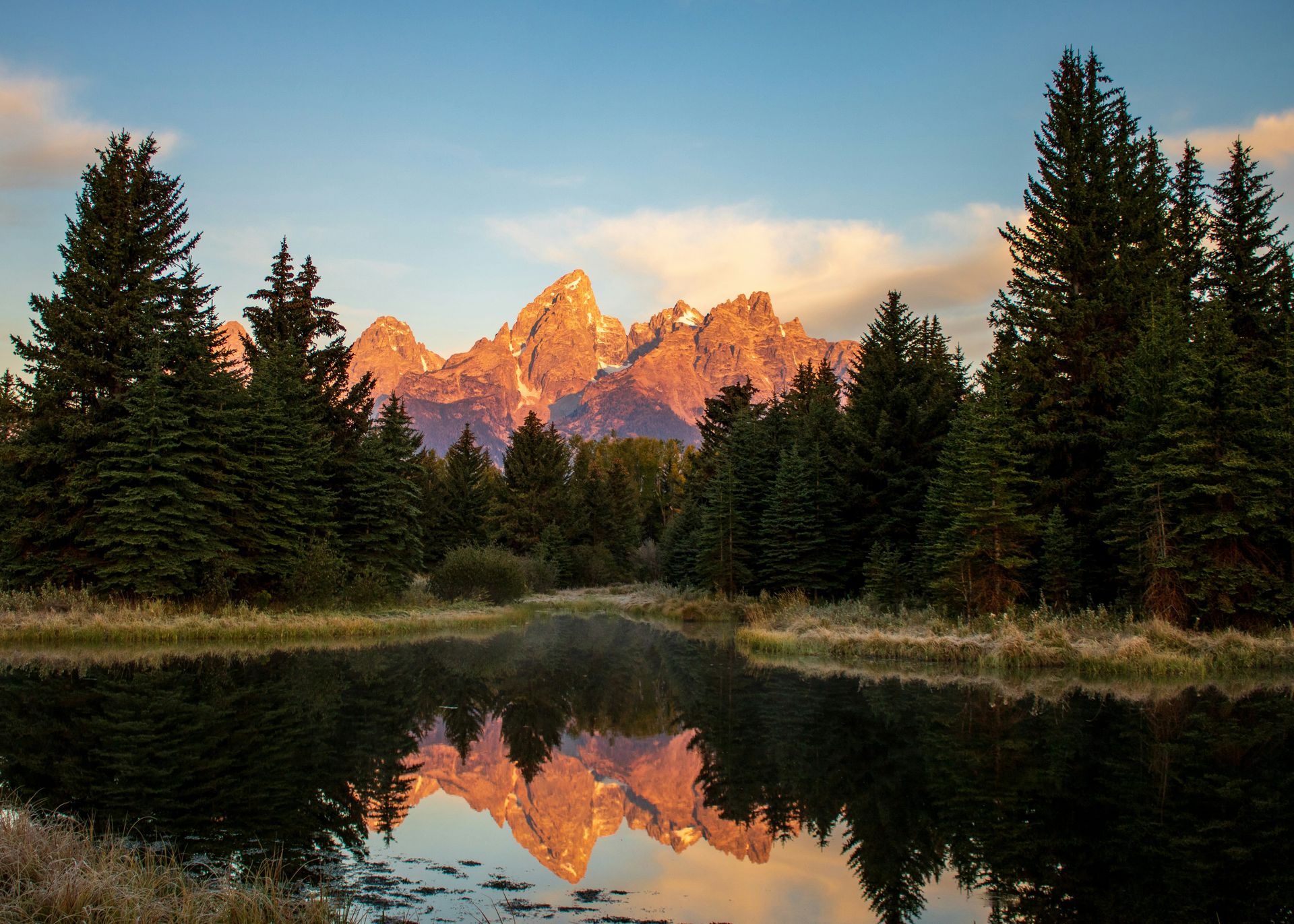
Nestled between the Teton and Gros Ventre mountain ranges at an elevation of 6,200 feet, Jackson summers stay known for brisk mornings and evenings, with nights dropping into the 40s degrees Fahrenheit. In comparison, days rarely exceed the high 70s. This particular temperature swing gives visitors genuinely crisp bookends to otherwise comfortable summer days throughout the valley.
Jackson functions as a genuine place of contrasts, rugged and refined, rustic yet polished. The former frontier town has embraced alpine luxury. However, it remains rooted in historical wooden storefronts, creaky boardwalks, and the iconic elk-antler arches framing the town square, all evoking the Wild West. Uniquely situated between two national parks, Grand Teton and Yellowstone, wildlife viewing, including moose, bison, bears and bald eagles, and enjoying the outdoors through whitewater rafting, fly-fishing on the Snake River, via ferrata climbs and horseback riding, define the local experience.
Stargazing ranks among Jackson’s other genuine draws, since Teton County holds the distinction of being the world’s first county certified as an International Dark Sky Community. Visitors can take in the night sky at the Snow King Observatory and Planetarium atop Snow King Mountain, just minutes from town by gondola.
Inside Caldera House, diners can find Corsa, a restaurant inspired by trattorias in the Italian Alps where thin-crust Neapolitan-style pies genuinely shine. A chef formerly at Capa in Orlando now heads up the locally loved Lebanese-leaning FIGS restaurant at Hotel Jackson. At the base of Jackson Hole Mountain Resort in Teton Village, the alpine-chic Caldera House stands a touch above the rest, both in elevation and comfort, with an on-site gear shop providing everything from stand-up paddleboards to fat bikes. At the same time, The Cloudveil, part of the Autograph Collection, offers a central location and minimalist design modernizing Western heritage, complete with a rooftop terrace featuring fire pits and stargazing. Teton County’s International Dark Sky Community certification, awarded in 2020, reflects considerable local investment in reducing light pollution, including specific lighting ordinances that many other mountain towns have yet to adopt.
Ron Turner / Unsplash
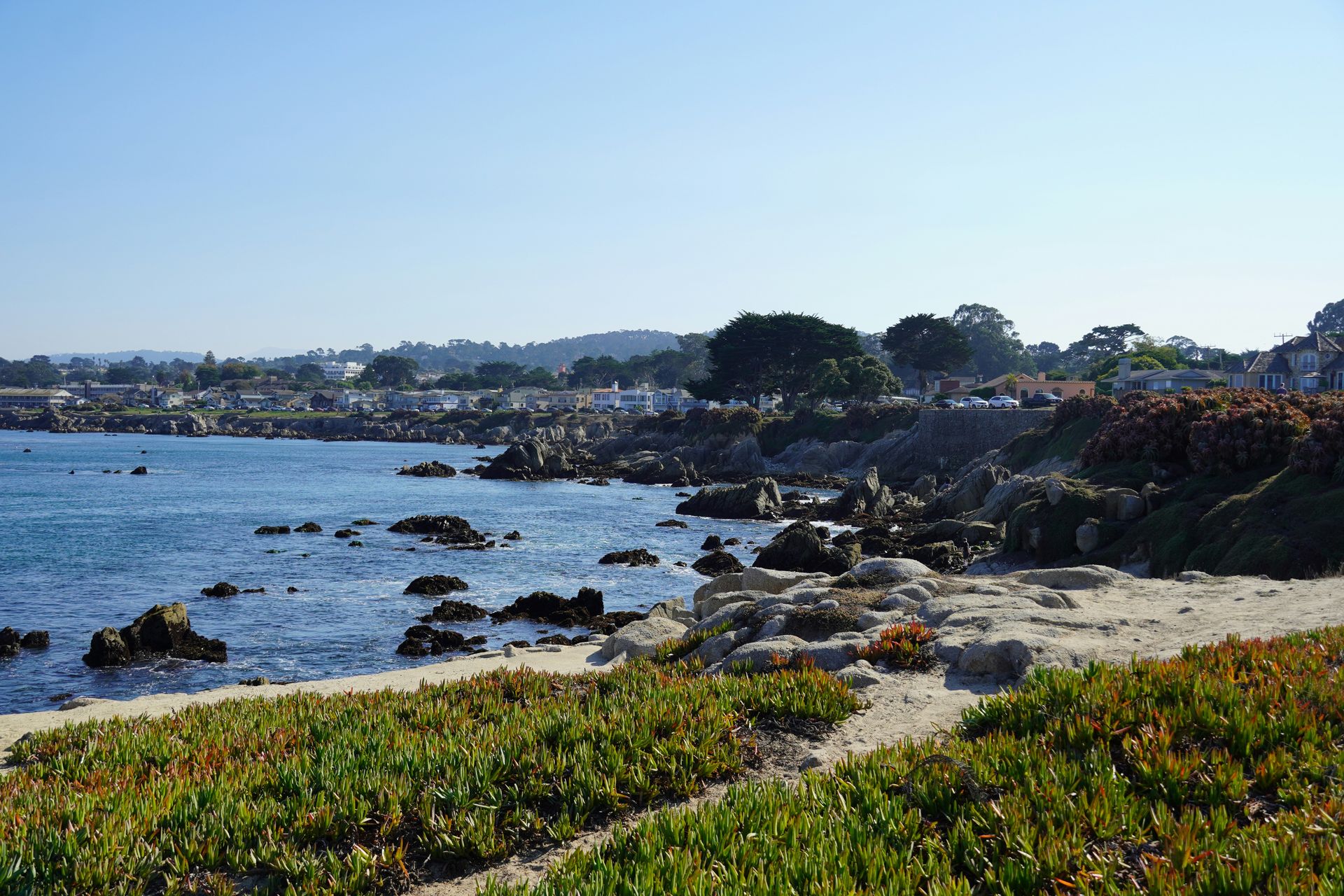
Cool coastal breezes attract visitors to Monterey throughout summer, and the city stays known for a morning marine layer of fog that burns off by afternoon, providing comfortable daytime temperatures between 65 and 70 degrees Fahrenheit with genuinely little humidity throughout the season.
This particular weather gets best enjoyed at uncrowded Pebble Beach, Lovers Point or Marina State Beach, or while eating saltwater taffy at the historical pier, hiking the meandering coastal trails of Point Lobos Natural Reserve, or wine tasting at one of the many newer wineries throughout the area’s fast-growing viticulture region. Fishing, sailing and whale-watching also rank among the area’s genuinely popular activities.
Once known as the Sardine Capital of the World, Monterey now holds Cannery Row, a waterfront district filled with old cannery buildings, most transformed into hotels, restaurants, bars and shops, alongside the world-class Monterey Bay Aquarium. Aubergine’s hyperlocal, nightly changing multicourse tasting menu has placed the restaurant in the global spotlight. At the same time, Chez Noir offers a European-inspired bistro inside the Craftsman-style home of the husband-and-wife team running it, serving a prix-fixe menu of seafood-focused California cuisine.
Sitting directly on Cannery Row, literally built over Monterey Bay’s crashing surf, the Monterey Plaza Hotel and Spa sits so close to the ocean that guests can spot sea otters, seals and dolphins from their own balconies, alongside outdoor hot tubs that jut out over the water. In nearby Carmel-by-the-Sea, the Mediterranean-style, 75-room La Playa Hotel ranks as the closest property to the beach, built in 1905 as a summer home for Angela Ghirardelli of the Ghirardelli chocolate family. Cannery Row’s transformation from an industrial sardine-processing district into a genuine tourist destination reflects the broader collapse of the local fishing industry during the mid-twentieth century, when overfishing considerably depleted the sardine population that once sustained the area’s economy throughout much of the early twentieth century. John Steinbeck’s own novel, set specifically along this same stretch of waterfront, gave Cannery Row its enduring name and considerable literary fame well beyond Monterey’s own borders.
Tejash Shah / Unsplash
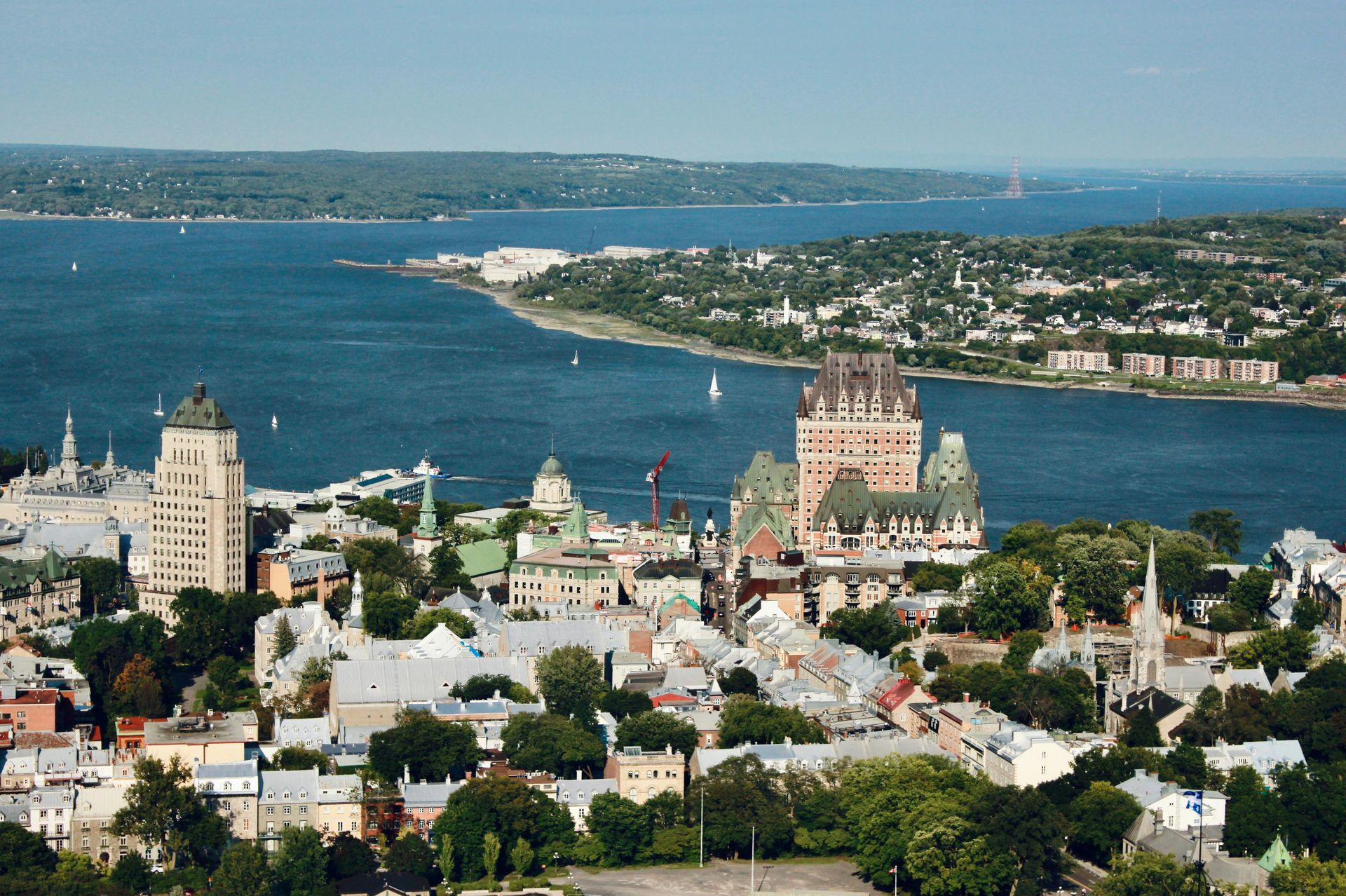
Canadian charm meets French flair in gorgeous Québec City, where cobblestone streets, cannon-clad fortress walls and more than 400 years of colonial history create a wholly European atmosphere. Nestled on a cliff above the St. Lawrence River, the breeze coming off the water cools the city. It ranks among Québec’s defining summer features, since temperatures rarely exceed the mid-70s degrees Fahrenheit throughout the season.
Summer here means people-watching from sidewalk cafés in the UNESCO-recognized Old Québec and the historical Quartier Petit Champlain, strolling down Dufferin Terrace, a 1,395-foot-long boardwalk above the river, and enjoying Canada’s national dish, poutine, made of squeaky cheese curds and gravy over fries, at Pierre-Dugua-De-Mons Terrace for views stretching clear across town.
Outdoorsy travelers can head to nearby Chute Montmorency waterfall, which, at 272 feet high, stands almost 100 feet taller than Niagara Falls, cycle the many miles of bike trails around town, such as the 5.6-mile loop along the banks of the Saint-Charles River, or kayak along the shores of Île d’Orléans, an island just off downtown home to lavender fields and vineyards.
Québec City holds a genuinely sophisticated culinary scene, with several Michelin-starred restaurants. Favorites include Tanière³, offering a locally sourced tasting menu inside a vaulted seventeenth-century cellar, and Kebec Club Privé, a considerably intimate ten-person Québecois dining experience housed inside a former hair salon. Imposing, castle-like and perched dramatically on Cap Diamant, most of Old Québec sits in the shadow of The Fairmont Le Château Frontenac, one of the world’s most photographed hotels. At the same time, the industrial-chic Auberge Saint-Antoine, housed in a 300-year-old building on a former cannon battery, functions as half hotel and half museum. Old Québec’s UNESCO World Heritage designation, granted in 1985, recognizes the neighborhood as the only fortified city north of Mexico still standing with its walls largely intact, giving the district considerable historical significance throughout North America and the broader Western Hemisphere overall. The Fairmont Le Château Frontenac, opened in 1893, takes its name from a former French colonial governor and remains one of Canada’s most recognizable architectural landmarks today.
Jeffery Eisen / Unsplash
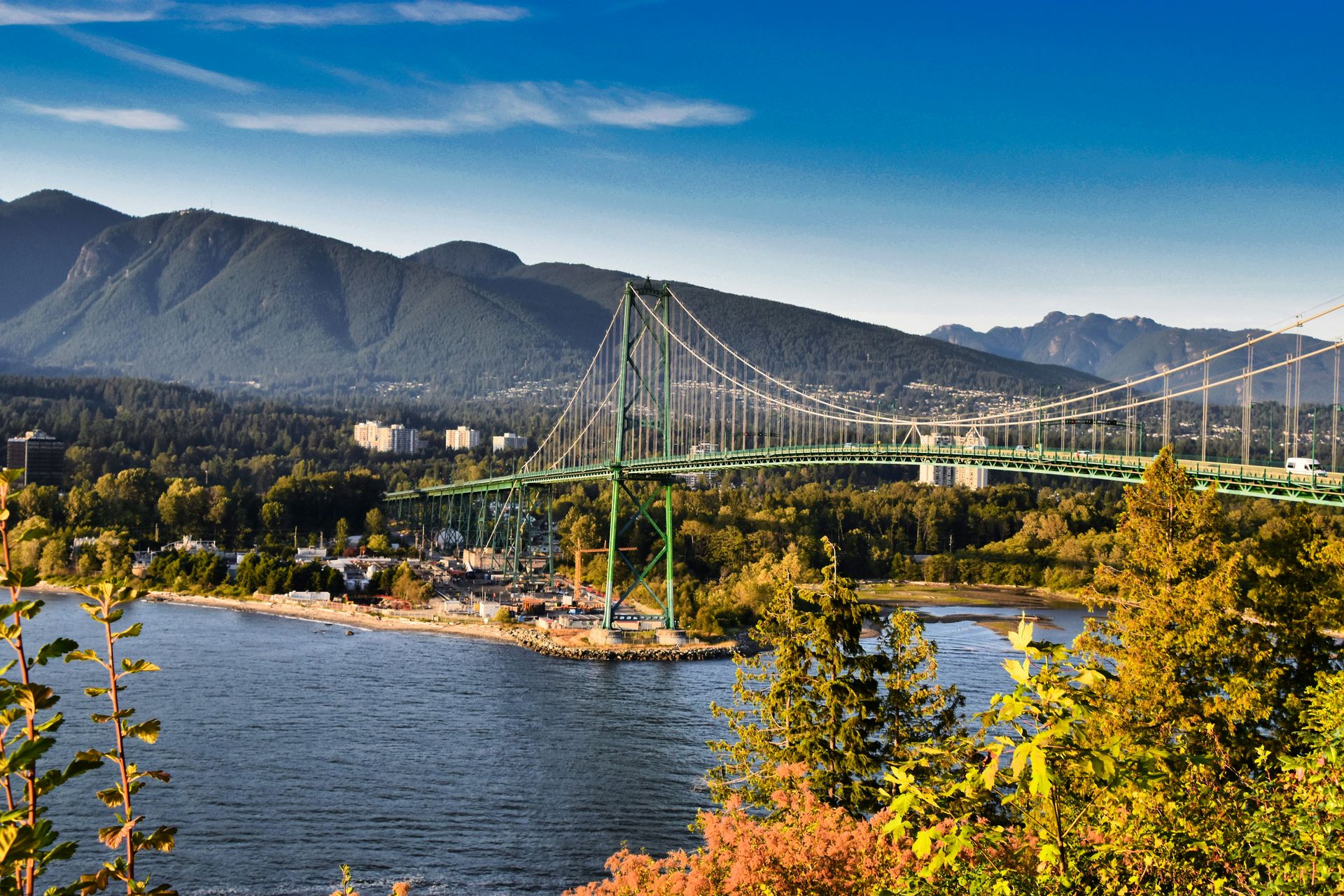
Once described as the little village on the edge of the rainforest, Vancouver now ranks as Canada’s third-largest city, holding a cosmopolitan character that means world-class art and culture alongside a genuinely diverse array of food, including the city’s celebrated Dumpling Trail. Wedged between the Pacific and snow-capped mountains, Vancouver also functions as a year-round outdoor paradise, and despite sometimes being called Raincouver, the city holds one of Canada’s most temperate climates, with June through August ranking as the warmest and driest months, offering temperatures consistently in the low 70s degrees Fahrenheit.
Part of Vancouver’s genuine appeal involves the ability to kayak or paddleboard at the beach, hike or bike through the forest, and ski all within a single day, alongside high-end shops and restaurants. However, visitors don’t need to venture far to enjoy nature. Right downtown, Stanley Park holds more than 1,000 acres of rainforest, scenic trails and beaches, and it’s also home to Canada’s largest aquarium. Visitors can connect with Vancouver’s Indigenous culture by taking a nature walk with First Nations guides through Talaysay Tours.
In the 2025 Michelin Guide, Vancouver held 12 one-star restaurants, alongside another 15 Bib Gourmand picks and 49 recommended spots representing 22 distinct cuisines throughout the city. Newest additions include omakase experiences at Sushi Hyun and Sumibiyaki Arashi, specifically for yakitori skewers, and Good Thief, a playful restaurant offering a creative take on Vietnamese cuisine and cocktails.
Once a home away from home to stars such as Marlene Dietrich, Katharine Hepburn and Elvis, Rosewood Hotel Georgia retains its Old Hollywood glamour, and travelers can splurge for one of the suites featuring a private rooftop terrace, a plunge pool and outdoor fireplace. Stylish Fairmont Pacific Rim offers a modern hotel on Vancouver’s waterfront with unparalleled views of the city skyline, Stanley Park, the Burrard Inlet and the North Shore mountains. In summer, bike butlers provide bicycles, helmets and maps while guests enjoy private cabanas by the pool.
