The best cruise lines for every budget in 2026
From Virgin Voyages' all-inclusive fares to Cunard's old-world elegance from $300 a night, the cruise lines that deliver the most for your money
Georgy Trofimov / Unsplash
A cruise vacation packages several of the most significant travel costs into a single price. Lodging, meals, entertainment, and transportation between ports are bundled in the base fare, and the nightly cost per person on a cruise often falls well below what a comparable hotel stay with separate dining and activity costs would total. The format suits travelers who want to visit multiple destinations without the friction of booking new accommodations at each stop, and the all-in pricing structure makes budgeting for the overall trip more predictable than a comparable land-based journey.
The value a cruise delivers depends heavily on which line a traveler chooses. Different cruise lines structure their fares differently, and the gap between a base fare that includes nearly everything and one that covers only the cabin and a basic buffet can significantly alter what a vacation actually costs. A line with a higher advertised price per night might deliver better overall value than a cheaper competitor if the former’s fare includes Wi-Fi, dining across all venues, and onboard activities, while the latter charges separately for each. Travelers $TRV who compare only the headline fare figure risk underestimating the full cost of the trip.
The 10 cruise lines below come from U.S. News & World Report using a methodology that combines itinerary affordability, what each line includes in its base fare, health and safety ratings, and assessments from travel experts and cruisers who have sailed these lines firsthand. The rankings span a wide range of cruise styles, from budget-friendly megaships to premium lines that would not typically appear on a value-focused list. The source notes that even lines at the premium end of this ranking offer fares that represent strong value relative to comparable land-based travel spending.
1 / 10
1. Virgin Voyages folds dining and Wi-Fi into all base fares
Raget Ri / Unsplash
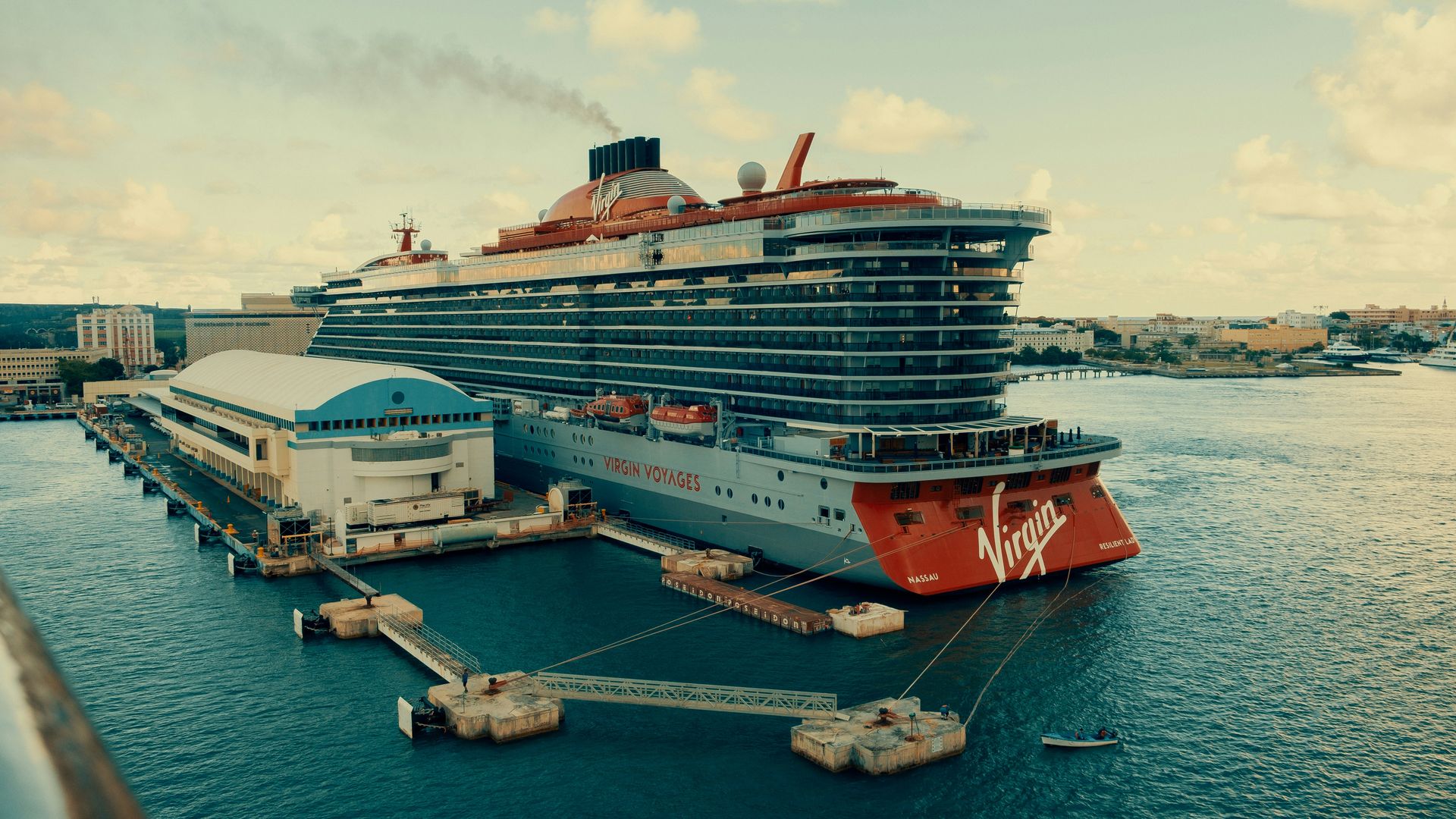
Virgin Voyages holds the top position on this list despite higher average fares than most of its competitors, because its base fare includes a genuinely comprehensive set of onboard services. All dining across the ship’s restaurants, Wi-Fi access, and group fitness classes are included in the standard ticket price, with no surcharges. The source identifies this as the most inclusive offer in the ranking, a designation that explains the premium relative to lines whose lower advertised fares require separate spending on meals and connectivity.
The kid-free policy shapes Virgin’s passenger experience, affecting every aspect of the ship’s atmosphere. The absence of families with young children shapes the onboard environment toward adult travelers who want a quieter, more social sailing experience. The policy is not universal among premium cruise lines, and it represents a deliberate positioning choice that Virgin makes explicit, not a quality buried in marketing subtext. Travelers $TRV who value an adult atmosphere and dislike the noise and scheduling conflicts that family-focused ships sometimes produce will find the policy a feature, not a drawback.
Virgin supplements its inclusive base fare with ongoing promotional sales that further reduce the effective per-night cost. The source frames the all-inclusive structure alongside the sales events as producing a top-notch experience for less than the headline price might suggest, and positions Virgin as an example of a line where the full value calculation requires looking beyond the initial fare number. The ships themselves are new, which typically means more current technology, fresher interiors, and mechanical systems that have not accumulated the maintenance backlogs that older vessels carry. For travelers willing to look past the higher base price to the fuller value picture, Virgin Voyages presents a compelling case at the top of this ranking. The new-ship fleet adds a material benefit: newer vessels carry fewer maintenance concerns and tend to offer more current design sensibilities than older ships at similar price points.
2 / 10
2. Celebrity Cruises ties megaship range to personal service
Nicola Dowie / Unsplash
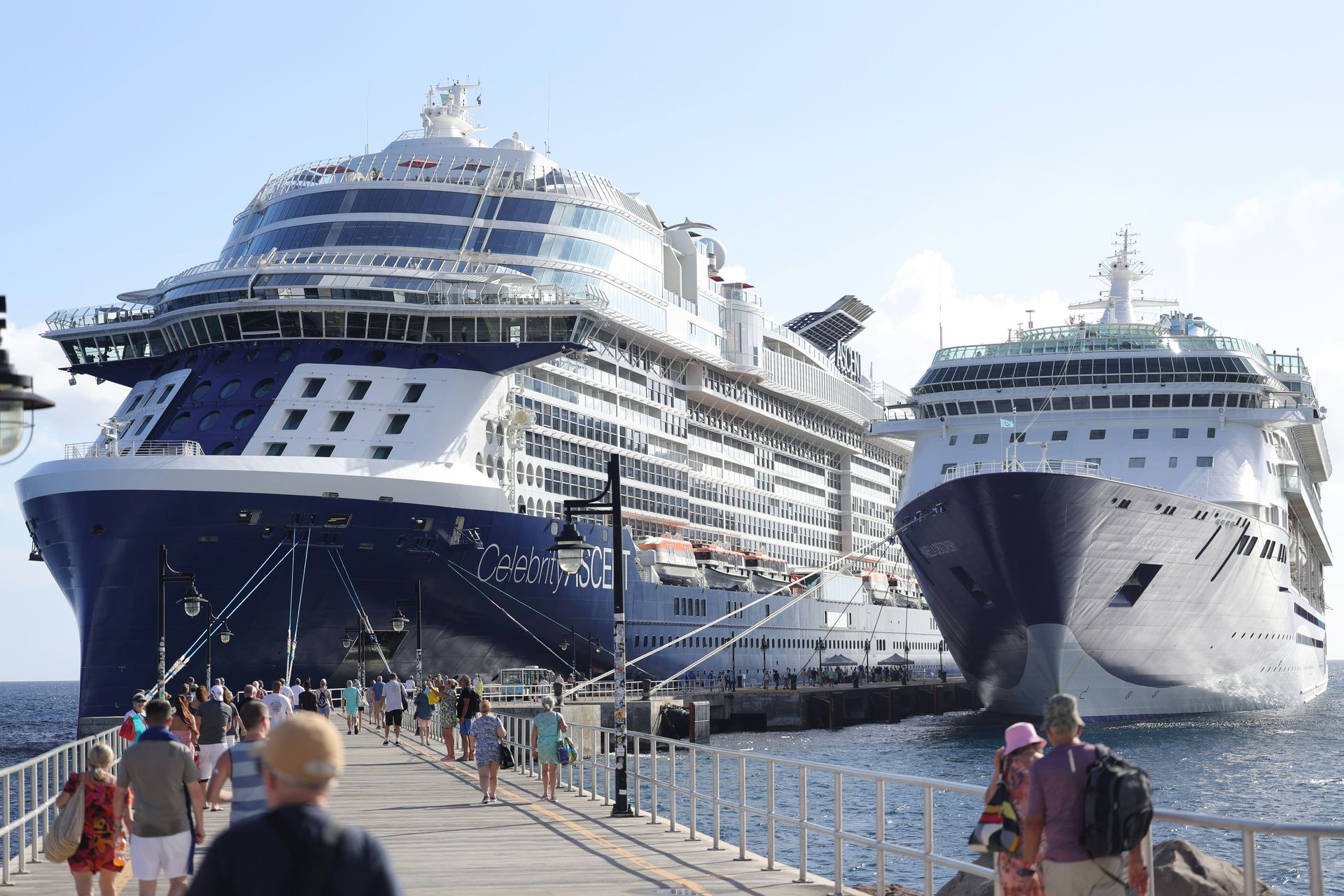
Celebrity Cruises holds the second position in this ranking by delivering the breadth of amenities and buffet options that travelers associate with the industry’s largest ships alongside a service standard that the source describes as characteristic of smaller vessels. The gap between these two qualities is significant in the cruise industry: large ships offer more entertainment venues, dining options, and activity variety, but they can sacrifice the attentive service that smaller ships provide through lower passenger-to-staff ratios. Celebrity’s ranking position reflects its success in bridging that gap.
Base fares on Celebrity’s Caribbean itineraries start at less than $200 per person, a price point that puts the line within reach of travelers who might assume that a service-focused cruise product would carry a premium price. The fares reflect the line’s ability to leverage its megaship scale — which allows more passengers per vessel and correspondingly lower per-passenger operating costs — while maintaining the service standards that define the brand’s reputation. The all-inclusive package option gives travelers who want a fully covered experience an upgrade path beyond the base fare.
Celebrity also extends savings throughout the year through promotional offers, giving travelers who monitor deals the ability to access the line’s service and amenity standards at prices below even the already-competitive base fare. The year-round availability of savings distinguishes Celebrity from lines that concentrate discounts around specific booking windows or travel periods. Travelers $TRV who prioritize service quality among their value criteria and who want the variety of a large ship without the service trade-off that large ships often carry will find Celebrity’s ranking position well-justified by the offering it delivers. The Caribbean base fare of under $200 per person, combined with the all-inclusive package option for travelers who want full coverage, gives Celebrity a price structure that accommodates both frugal and comprehensive travel styles within the same fleet. Year-round savings allow the line’s most value-focused customers to access the premium service standard at prices that undercut the standard fare.
3 / 10
3. Royal Caribbean scales its fleet to keep fares under $200
Stephanie Klepacki / Getty Images
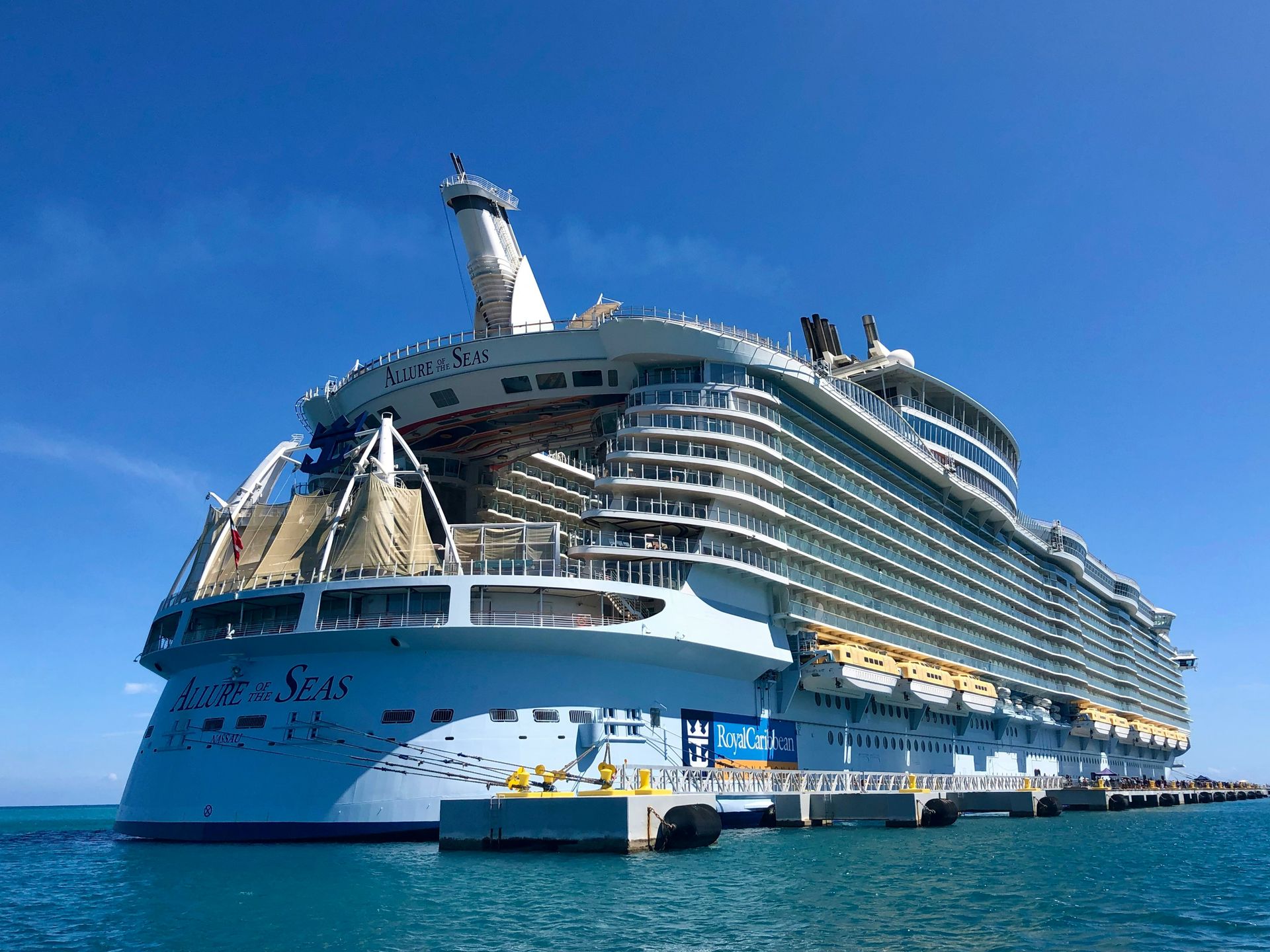
Royal Caribbean $RCL operates 30 cruise ships, making it one of the largest lines currently sailing. The scale of its fleet produces a direct economic benefit for travelers: the line’s ability to fill thousands of berths per ship allows it to spread fixed costs across a larger passenger base, which supports lower per-person fares than smaller lines can sustain. Short itineraries in popular destinations, including the Caribbean, Mexico, the Bahamas, and the Pacific Coast, start at approximately $150 to $200 per person, a price range that positions Royal Caribbean as one of the most accessible entry points in ocean cruising.
The geographic range of those budget-friendly itineraries reflects the breadth of the Royal Caribbean network. A traveler seeking affordable Caribbean sailing has options. One who wants Mexico or the Pacific Coast can find similar pricing. The line’s scale allows it to maintain regular departures across a wide range of routes, giving travelers greater schedule flexibility than smaller fleets can match. The ability to find a sailing that fits a specific budget and travel window without making major compromises on destination is a practical benefit of sailing with one of the largest lines in the industry.
Accessible pricing and a variety of itineraries make Royal Caribbean particularly well-suited to first-time cruisers who want to experience ocean travel without a large financial commitment. A cruise that starts at $150 per person for a short Caribbean itinerary is priced low enough that the format is worth trying for travelers who are uncertain whether they will enjoy the experience. Royal Caribbean’s size also means it offers a wide range of ship types within the fleet, from older vessels with more modest amenities to newer megaships with elaborate onboard features, giving travelers options at multiple price and experience levels. The scale of the fleet also gives Royal Caribbean schedule flexibility that few competitors match, with frequent departures across a broad range of destinations.
4 / 10
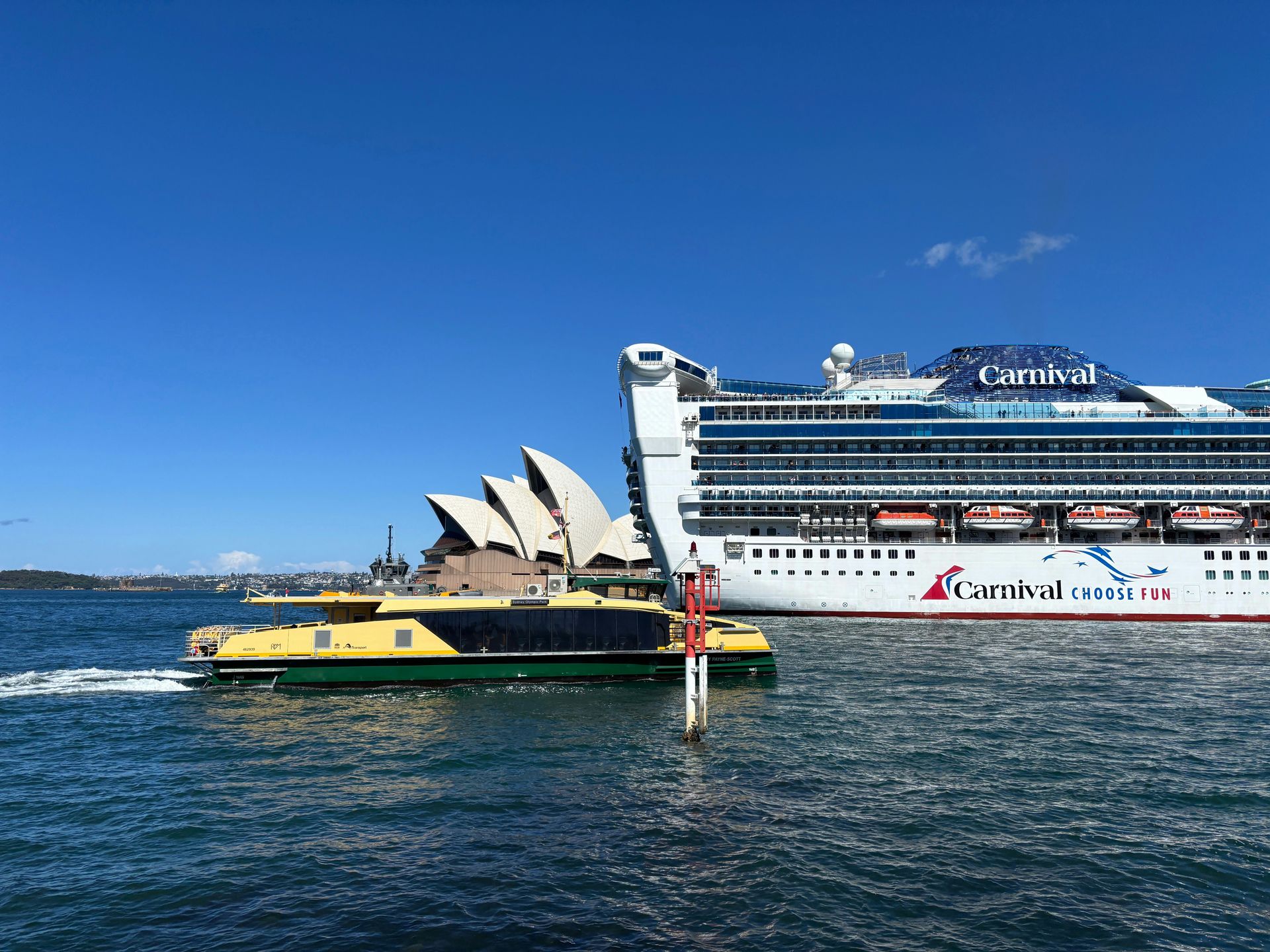
4. Carnival Cruise Line applies frequent deep-discount sales
David T / Getty Images
Carnival Cruise Line specializes in budget-friendly cruising and layers frequent, substantial discounts on top of already low base prices. Five-day itineraries starting at less than $250 per person represent the norm for the line, not an exceptional promotional rate. The source identifies the frequency and depth of Carnival’s discounting as a defining characteristic of the line’s value proposition, distinguishing it from competitors that offer occasional sales on standard-priced fares.
Carnival includes most onboard activities in its fares without additional charge, which gives the base price a broader scope than some competitors at a similar price point offer. The line is transparent about what the fare does not cover: specialty restaurant dining, beverage packages, and certain premium attractions carry separate costs. Travelers $TRV who go in with a clear understanding of what falls within and outside the base fare can plan their total spending accurately, avoiding the sticker shock that can arise when a surprisingly long list of add-ons turns a budget cruise into a significantly more expensive experience than the initial fare suggested.
Carnival’s positioning as a budget-friendly line shapes the passenger mix and the onboard atmosphere in ways that align with its pricing. The ships lean toward lively, social environments and attract travelers who want an active, entertainment-focused cruise experience over a quiet or contemplative one. The line serves a large and loyal customer base that values its low prices, frequent sailings, and consistently energetic onboard culture. For travelers whose primary criterion is maximizing the amount of cruise vacation they can afford for a given budget, Carnival’s frequent discounting on already low fares makes a strong case for the fourth-place position it holds in this ranking. The transparency Carnival brings to what the fare does not cover — specialty dining, beverages, premium attractions — gives budget-minded travelers the information they need to plan their total spending without surprise charges. The five-day format at under $250 per person gives first-time cruisers access to the ocean experience at a price comparable to a single hotel night in a major city.
5 / 10
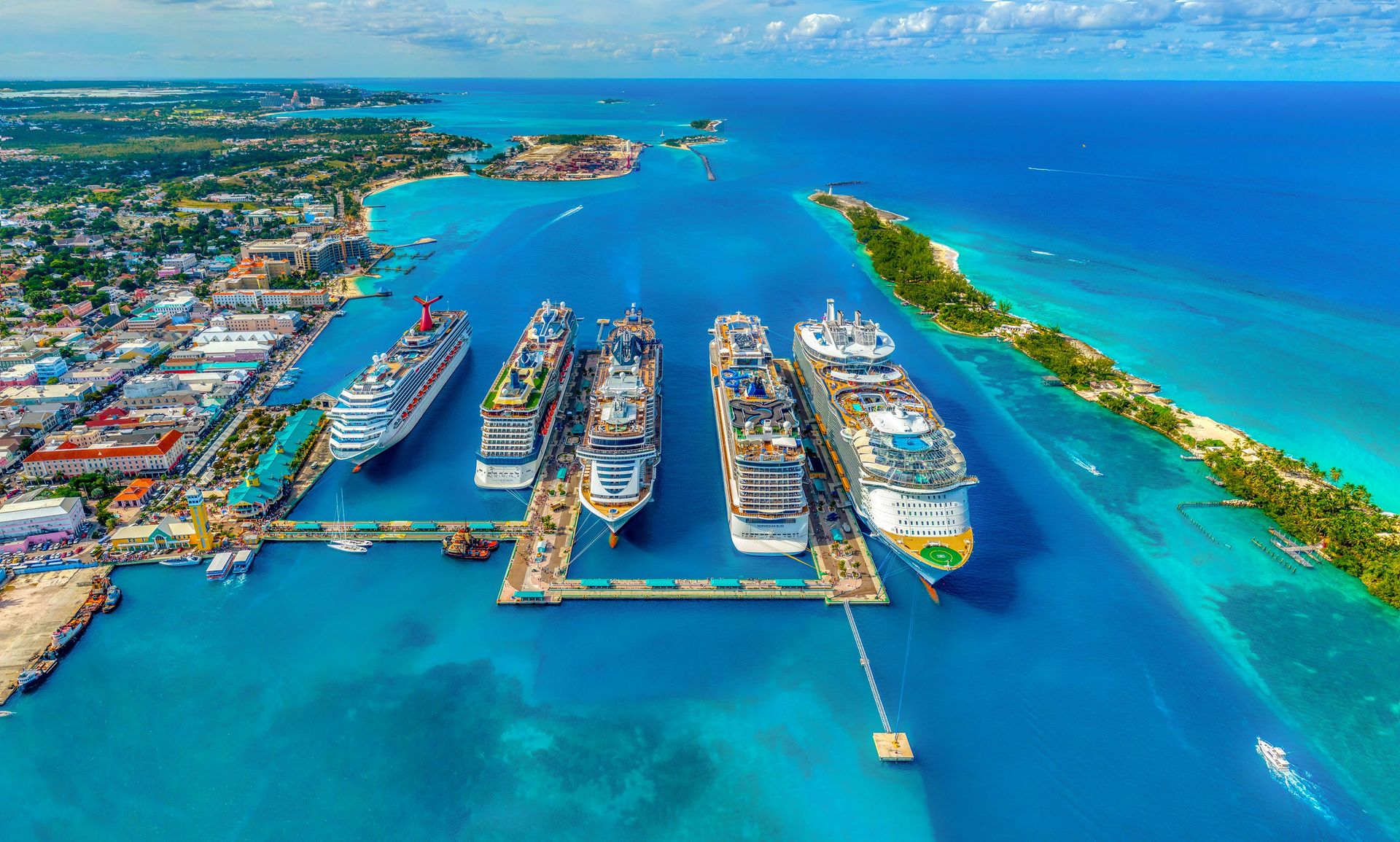
5. MSC Cruises quotes Caribbean and Med fares below $170
Fernando Jorge / Getty Images
MSC Cruises operates primarily from international departure ports, with North American embarkation options from Miami and New York City among a limited number of U.S. ports. Most MSC voyages depart from ports outside North America, so travelers based in the U.S. should factor in potential airfare when calculating the trip cost. The source acknowledges this dynamic while noting that, even with international port fees and airfare included, the overall cost of an MSC sailing typically comes in below that of a comparable land-based vacation abroad.
Caribbean sailings start as low as $150 per person, and Mediterranean itineraries begin at approximately $170 per person, figures that rank among the lowest entry-level fares in this ranking. The Mediterranean pricing is particularly notable for travelers interested in European destinations, where land-based accommodation and dining in the most popular tourist regions can be expensive. A cruise that offers access to Mediterranean ports at $170 per person represents a fundamentally different cost structure than individual hotel stays in Barcelona, Rome, or the Greek islands during peak tourist months.
The international character of MSC’s fleet and passenger base distinguishes the sailing experience from the predominantly American atmosphere of lines like Carnival and Royal Caribbean $RCL. MSC attracts a genuinely diverse passenger mix drawn from its home markets across Europe, South America, and the Middle East, giving the onboard experience a multicultural character that some travelers find preferable to the more homogeneous atmosphere of domestically oriented lines. For travelers open to an international port and comfortable with a departure that may require advance flight booking, MSC’s fare levels make it one of the more compelling value options on this list for destination-focused travelers. The $150 Caribbean starting point and the $170 Mediterranean entry fare give travelers who have already priced out airfare a way to add a multi-destination cruise itinerary without proportionally increasing the trip’s total cost. MSC’s international passenger mix gives the shipboard experience a multicultural character unavailable on North American-focused lines.
6 / 10
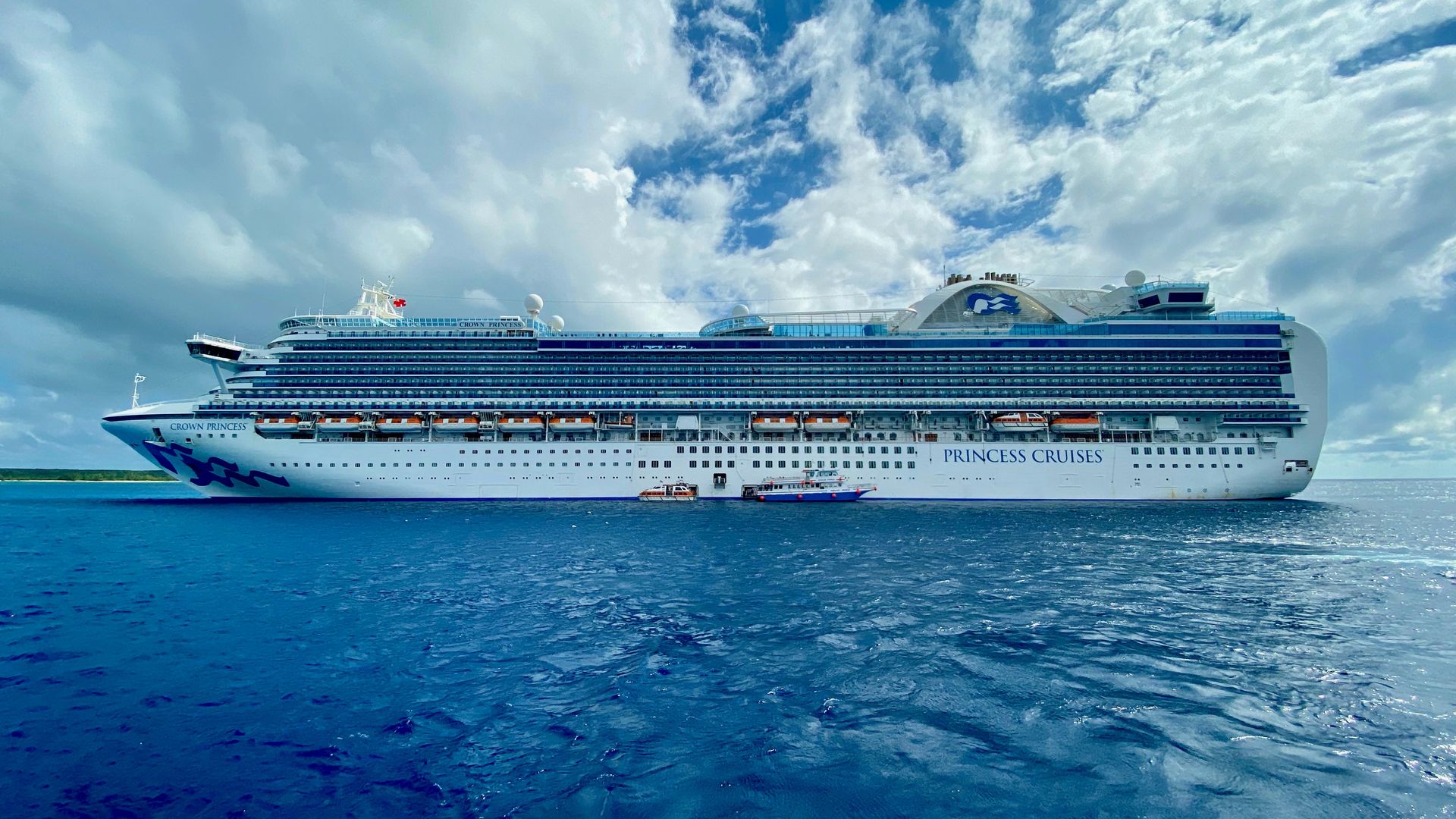
6. Princess Cruises covers shows, demos, and classes in the fare
iSAW Company / Unsplash
Princess Cruises primarily targets adult travelers, particularly on its longer voyages, and positions itself at a price point comparable to family-oriented lines like Carnival and Royal Caribbean $RCL, despite serving a more mature demographic. The base fare covers lodging and select dining, alongside a substantive activities package: cooking demonstrations, live entertainment shows, and dance classes are included at no additional charge. The inclusion of structured programming in the fare gives Princess a specific advantage over lines that restrict the activities budget to passive entertainment.
The promotional calendar at Princess includes last-minute deals and year-round package options, giving flexible travelers access to the line’s full offering at reduced prices. Last-minute deals serve travelers who can book close to departure and want to maximize value by paying below-standard rates for cabins the line needs to fill. Year-round availability distinguishes this from seasonal promotions tied to specific booking windows.
The adult-focused positioning affects the overall passenger experience in ways that matter to travelers who have found family-oriented ships noisy or crowded with activities geared toward younger passengers. Princess does not explicitly exclude families as Virgin Voyages does, but its itineraries and programming focus on travelers who want substantive cultural and culinary engagement alongside standard cruise entertainment. The cooking demonstration format in particular appeals to food-focused travelers who want to learn alongside the passive consumption of meals, and the dance class offering gives active travelers a reason to engage with the entertainment calendar in a participatory way. Travelers $TRV who want a broad activity schedule included in the base fare, at prices comparable to the mass-market lines but with an adult-oriented atmosphere, will find Princess’s sixth-place position reflects a genuine value case. Princess’s last-minute deals give flexible travelers access to full-fare coverage — the shows, the cooking demonstrations, the dance classes — at prices that represent the line’s best value for travelers who can book on short notice.
7 / 10
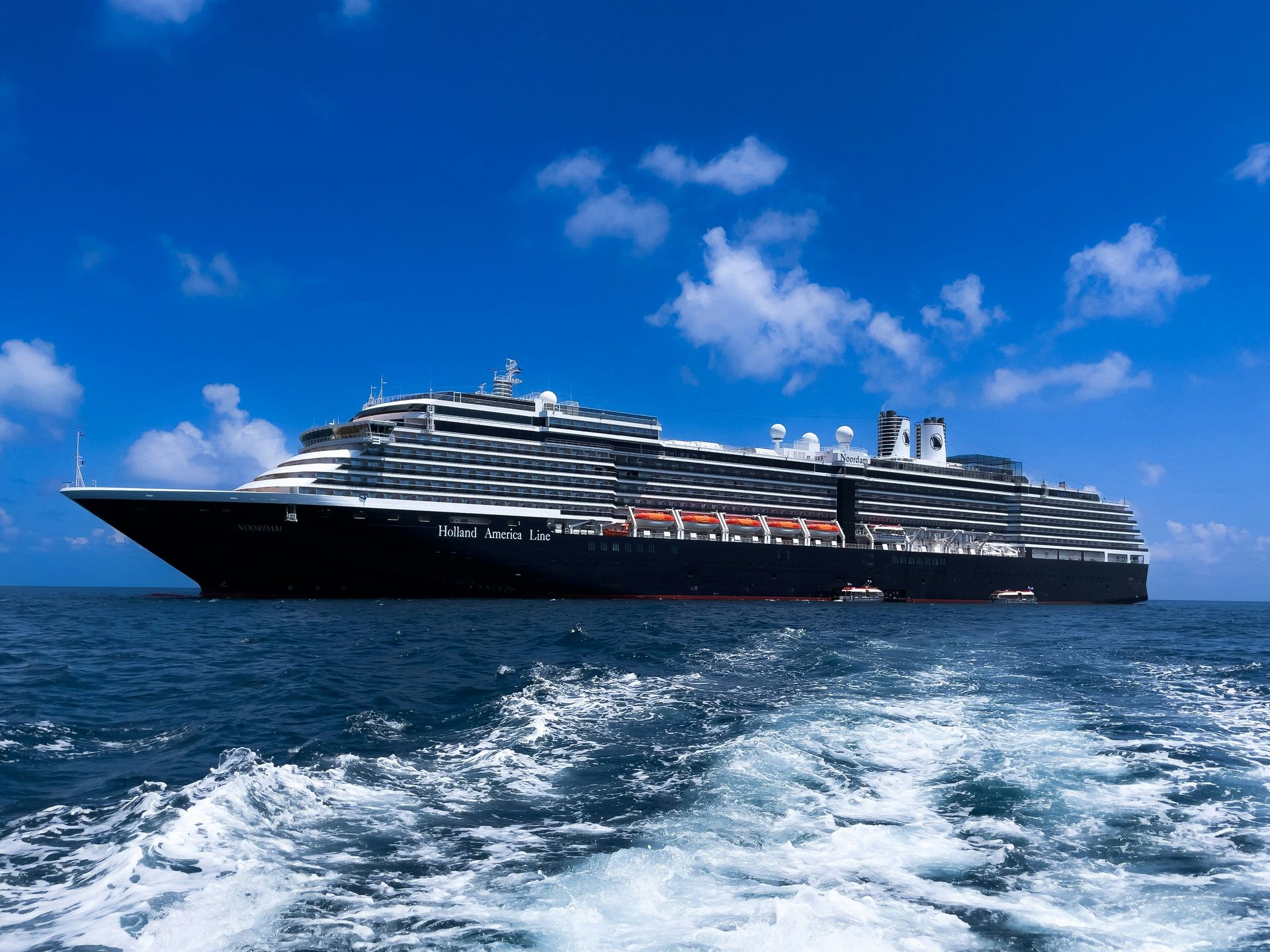
7. Holland America sails the Caribbean weekly for under $400
Tom Donders / Unsplash
Holland America operates as a premium cruise line and would not appear on most budget cruise lists, but weeklong Caribbean sailings starting at less than $400 per person and one-day Pacific Coast voyages starting at less than $150 per person make it a genuine value entry in this ranking. The source frames Holland America as a line where the premium positioning translates into service quality, not merely a higher price, giving travelers access to a higher standard of attention than the mass-market lines provide at comparable or modestly higher per-night costs.
Individualized service represents a specific Holland America distinction. The line’s ships offer attentive personal service at a standard that the source contrasts with the cost-cutting, budget-friendly staffing practices sometimes applied by other lines. Free room service is included in Holland America’s fares, an amenity that most lines at lower price points either exclude entirely or charge for separately. All-inclusive package options are available for travelers who want to cover additional spending categories in a single upfront payment.
Weeklong Caribbean access at under $400 per person and the Pacific Coast one-day option at under $150 per person together give Holland America a price profile that spans different trip lengths and geographic preferences. Travelers $TRV who want a week of Caribbean sailing without the mass-market atmosphere of the largest ships, and who value attentive service as a core part of the value calculation, not a nice-to-have feature, will find Holland America’s pricing more accessible than its premium positioning suggests. The free room service and individualized attention represent real operational costs that the line absorbs into its fare rather than passing them on to passengers as line-item charges. The one-day Pacific Coast sailing at under $150 per person represents a specific entry point for travelers curious about Holland America who want to experience the line’s service standard before committing to a week-long voyage. That introductory price point makes the premium line accessible to value-conscious travelers who would otherwise bypass it.
8 / 10
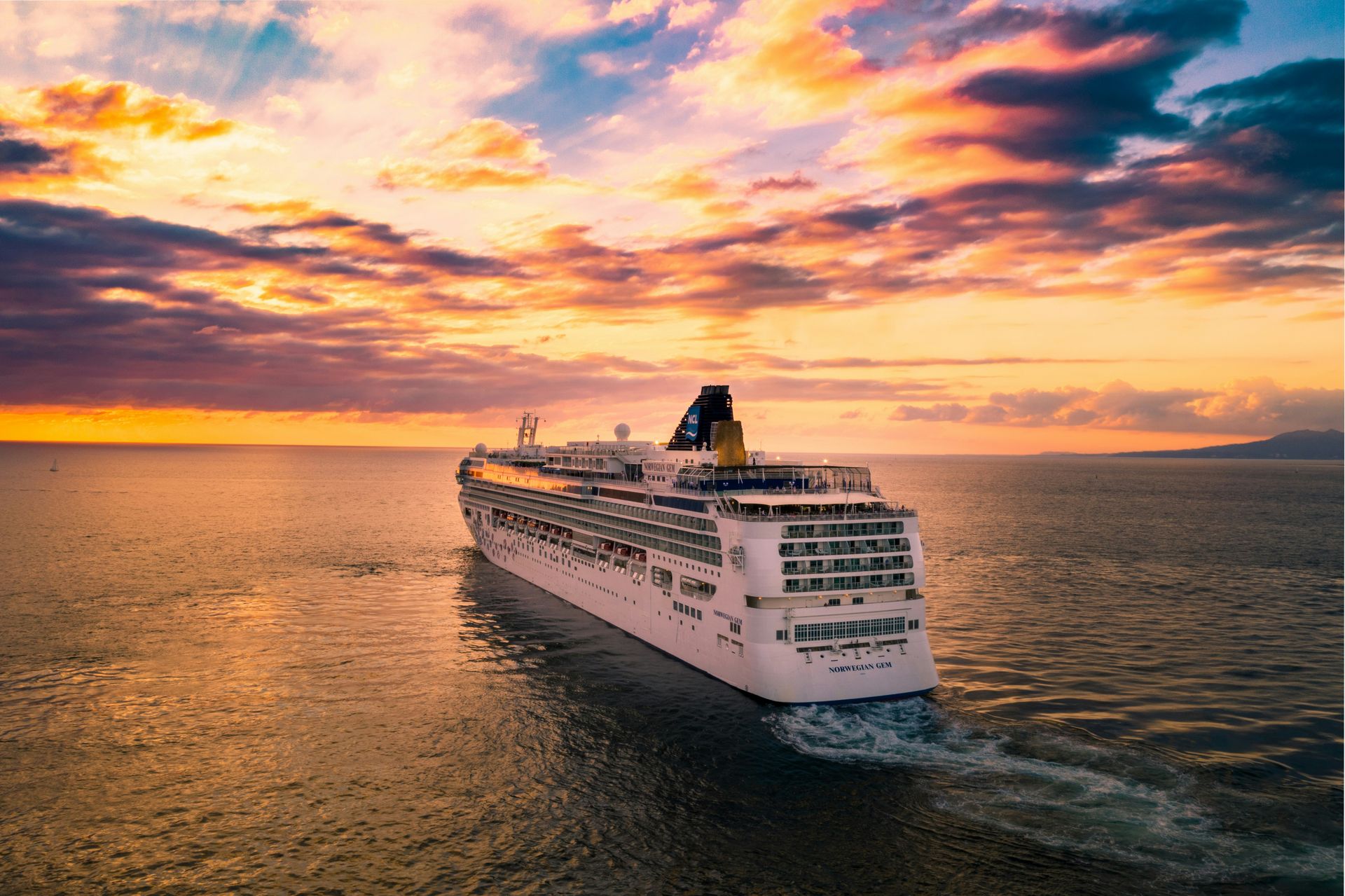
8. Norwegian Cruise Line lowers Wi-Fi and excursion costs
Alonso Reyes / Unsplash
Norwegian Cruise Line $NCLH’s More at Sea program, which replaced its earlier Free at Sea package, extends the base fare’s reach by providing travelers with discounts on Wi-Fi, shore excursions, alcoholic beverages, and airfare on top of the line’s already competitive base prices. The program structure means travelers can predict their overall trip cost more accurately than they could on lines where each of these categories carries a separate and often unpredictable price tag. Wi-Fi in particular has become a significant add-on cost on many cruise lines, and its inclusion as a discounted item through More at Sea reduces one of the most consistently frustrating line-item expenses in cruising.
Norwegian also departs from the fixed dining schedule that governs meal service on many competing lines. The source draws a specific comparison to luxury cruise lines, noting that Norwegian abandons the assigned dining time structure that constrains passengers on mass-market ships while delivering the experience at a fraction of the cost of a luxury cruise. Flexible dining allows travelers to eat when they want, not according to a schedule set at the time of booking, which matters most on active port days when itineraries do not align neatly with fixed meal windows.
The structure of the More at Sea program means the value benefit is most pronounced for travelers who would otherwise spend meaningfully on the categories it covers. A traveler who plans to take shore excursions, maintain Wi-Fi access throughout the voyage, and spend on beverages will extract more value from the program than one who stays primarily on the ship and drinks sparingly. Norwegian’s pricing, combined with the More at Sea discounts and the flexible dining model, positions the line as a strong value choice for travelers seeking a flexible, amenity-forward experience at a price point well below that of the luxury segment. Norwegian’s More at Sea program and flexible dining schedule together give the line a value profile that resembles a luxury cruise without the luxury price.
9 / 10
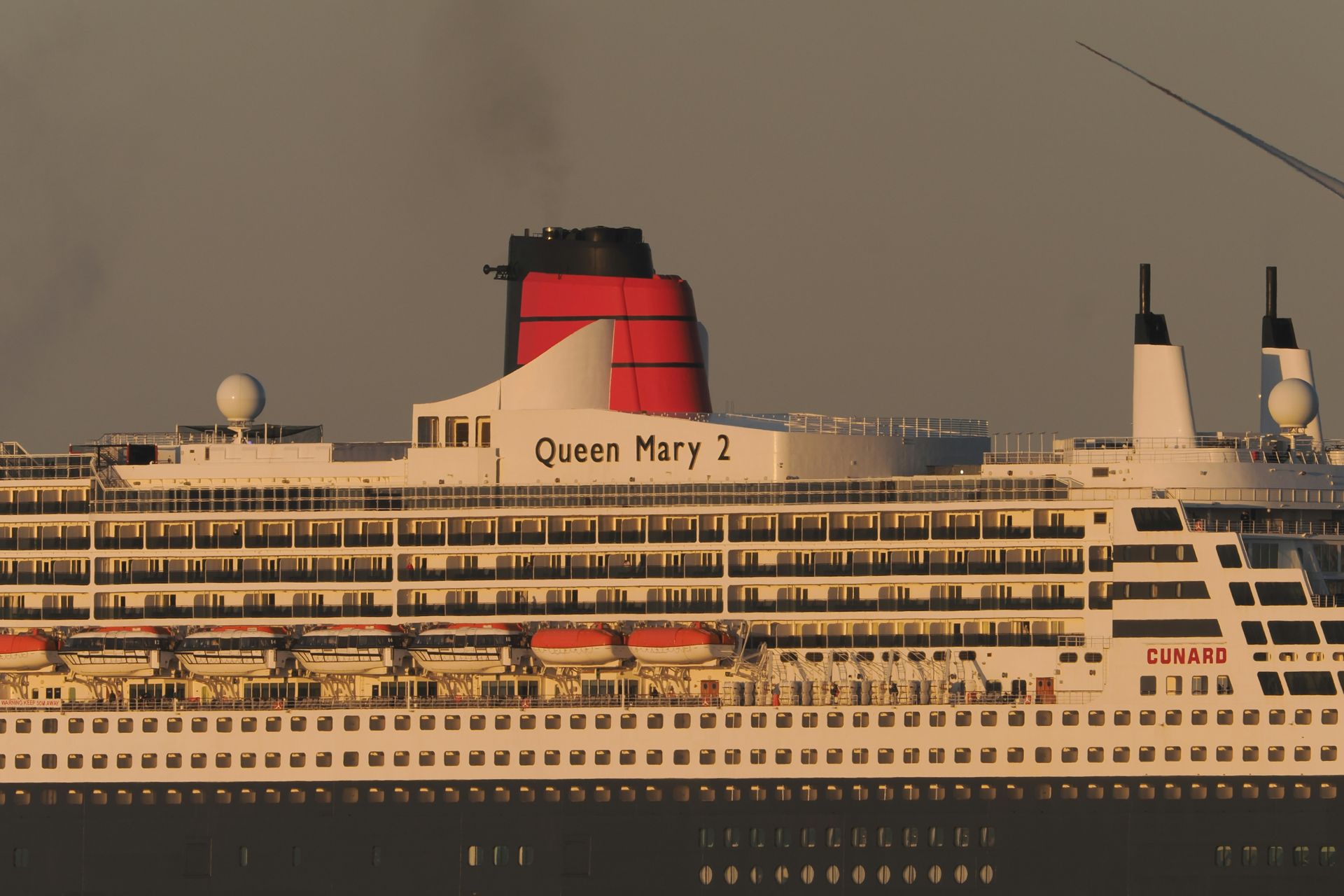
9. Cunard Line delivers old-world elegance from around $300
Thomas Nolte / Unsplash
Cunard Line carries one of the most recognizable names in ocean travel, associated with a formal, heritage-oriented style that the source describes as old-world elegance. Its appearance on a value ranking might surprise travelers who associate the Cunard name with premium pricing, but upcoming sailings start at approximately $300 per person, a figure that puts the line within reach of travelers who have assumed its prices are out of range. The base fare includes room service, onboard activities, and most dining options, giving travelers access to Cunard’s distinctly formal atmosphere at a price that the source characterizes as surprisingly reasonable for what the line offers.
Room service as a base-fare inclusion at Cunard carries a different connotation than on mass-market lines, because the overall service standard of the Cunard product gives the amenity more weight. The line’s formal atmosphere, which includes dress codes for evening dining and a more regimented onboard culture than casual cruise lines maintain, suits travelers who miss the style of earlier ocean travel or who want a cruise experience that feels categorically different from the party atmosphere of budget-friendly mass-market ships. The dining standard and the activity calendar reflect the same heritage positioning that the Cunard name signals.
The approximately $300 per-person starting price represents the entry point into the lineup, not the average fare across all Cunard sailings. Travelers $TRV who want the full Cunard experience on a transatlantic crossing or a more elaborate itinerary will find higher prices for those voyages. But the availability of sailings at the $300 entry level makes Cunard accessible to travelers who want a taste of the line’s distinctive atmosphere without committing to a flagship voyage. For travelers drawn to the formal, heritage character of Cunard’s brand and willing to plan their voyage around the sailings where that entry price is available, the line’s ninth-place position reflects a genuine and distinctive value proposition.
10 / 10
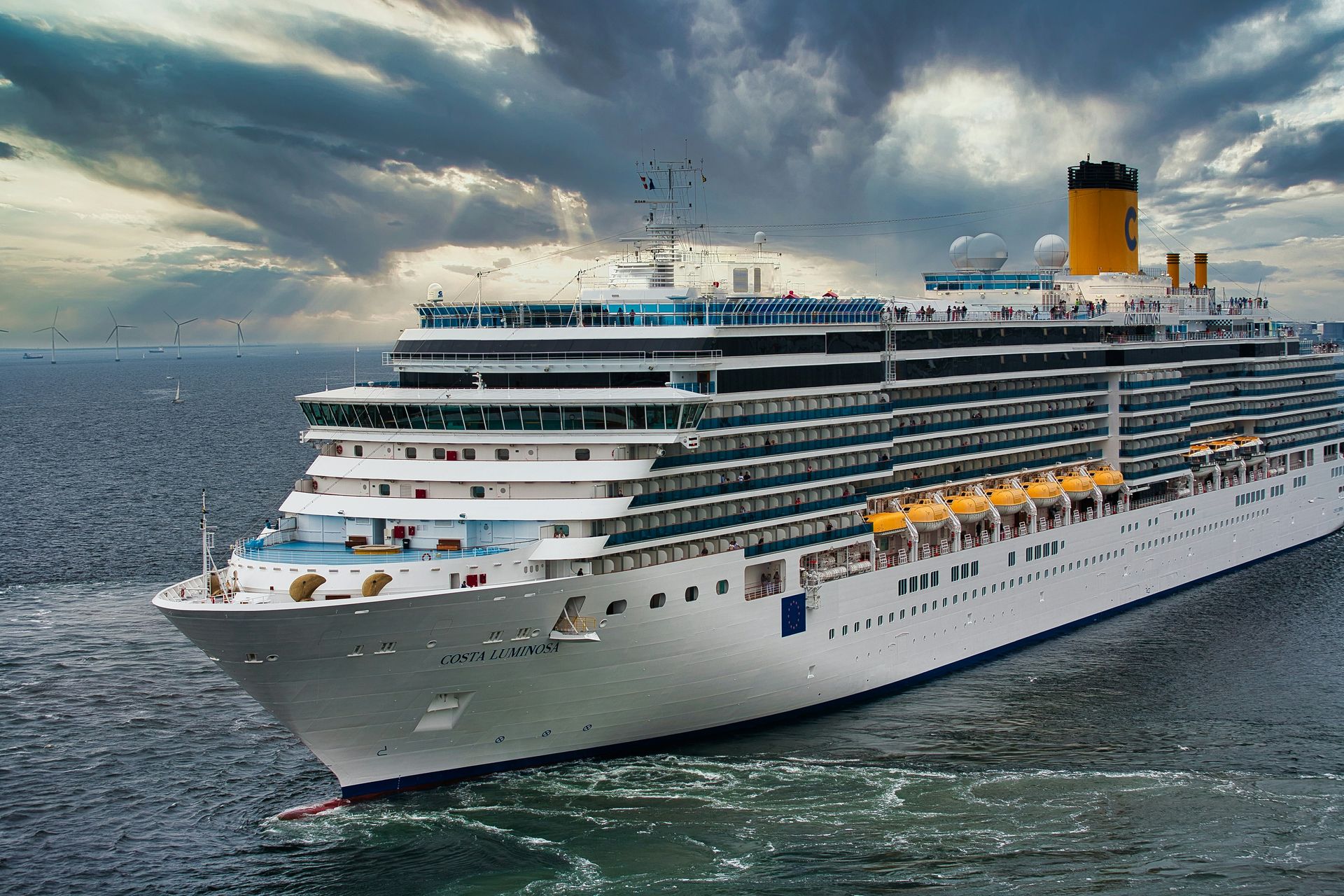
10. Costa Cruises sets Mediterranean fares below $170
Daniele D'Andreti / Unsplash
Costa Cruises operates primarily in Europe as a member of the Carnival family of cruise lines. The fleet’s European base shapes its itinerary network, which concentrates most heavily on Mediterranean sailings, and its fares for those routes start below $170 per person, making Costa one of the most affordable options for travelers specifically interested in Mediterranean destinations. The European positioning also means Costa attracts a predominantly European passenger base, giving the onboard experience a cultural character distinct from the American-facing lines that dominate the top of this ranking.
Costa designs its entertainment and amenity package to serve both family travelers and adults without children. Theater shows and casino access give adult passengers entertainment options that do not depend on children’s programming, while the family-friendly amenities the source identifies make the ships workable for families as well. The dual-audience design reflects Costa’s positioning as a flexible family of ships, not one oriented exclusively toward either demographic.
Costa’s membership in the Carnival family of cruise lines connects it to the same operational infrastructure and economies of scale that allow Carnival to maintain low fares across its own fleet. The European focus means that travelers based in North America who want a Costa sailing will need to factor in transatlantic airfare, which significantly changes the effective cost calculation. For travelers already planning a European trip, or those who want a Mediterranean cruise at the lowest available fares with a distinctly European atmosphere, Costa offers access to that experience at prices the source identifies as below those of comparable European competitors. Low Mediterranean fares, a European cultural atmosphere, and the entertainment variety that comes with the Carnival family’s investment in shipboard facilities together give Costa a clear value case for its target audience, particularly travelers who want Mediterranean access at fares well below the European land-travel alternatives and who already plan to travel to Europe or who find the international flight cost offset by the savings on multiple hotel nights.
