
The most durable decking materials: Consumer Reports
A deck board that flexes or stains ruins a backyard project fast. Consumer Reports tested wood, composite and plastic decking for durability
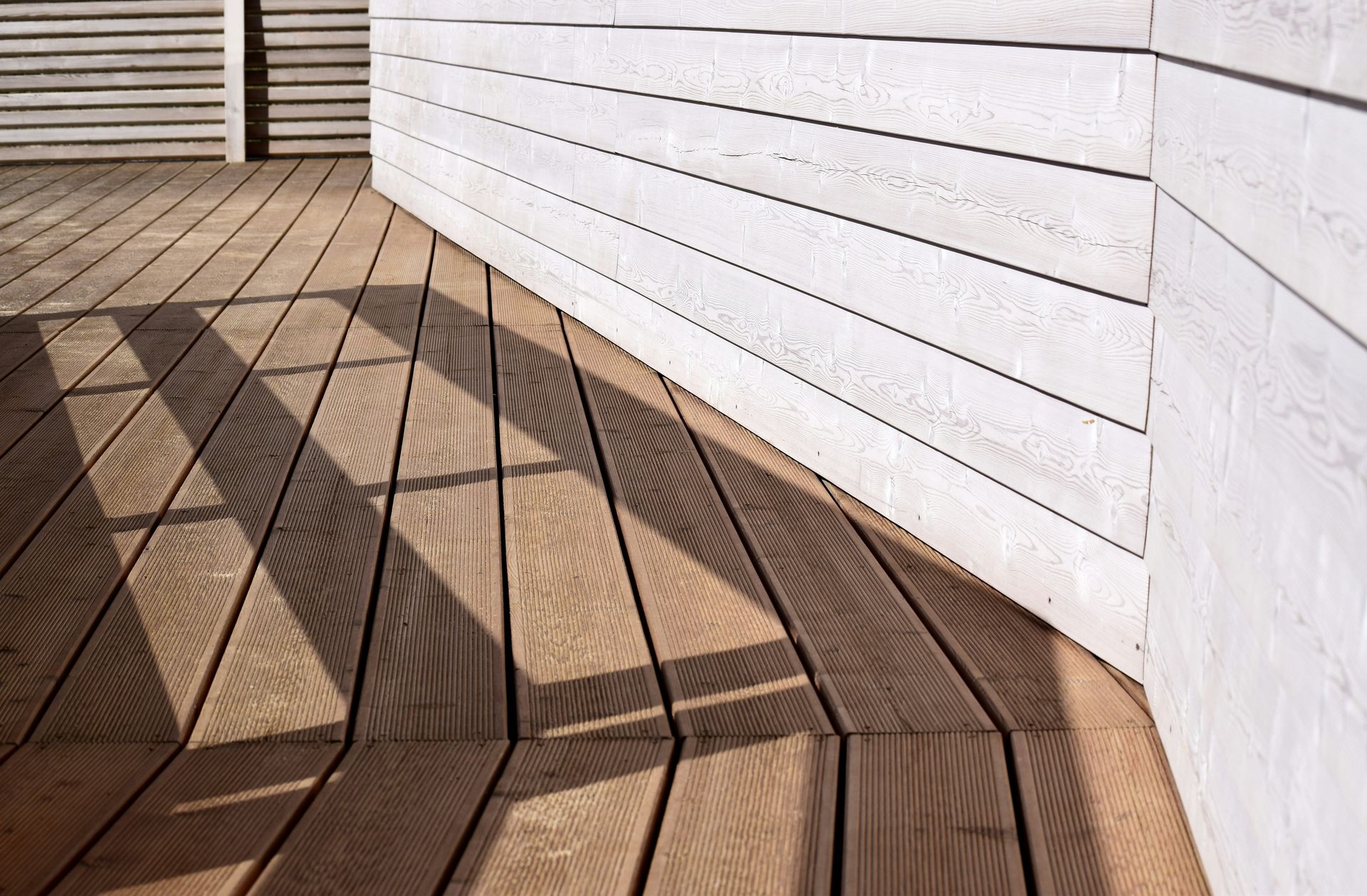
Chris Barbalis / Unsplash
A deck board that stains easily or flexes underfoot can turn a backyard upgrade into a years-long headache, especially once weather and sun exposure start taking their toll. Wood, composite and plastic decking each handle that wear differently, and price alone doesn't predict which one holds up.
Consumer Reports tested decking materials for resistance to flexing, staining and weathering, so homeowners can pick a material suited to their climate and budget.
LockDry Aluminum Decking

Credit: Nexan
LockDry Aluminum Decking costs about $5.50 per linear foot and topped Consumer Reports' overall decking ratings. CR rated its resistance to staining stronger than nearly every other material tested, and found the textured, painted planks resemble wood while combining wood's strength and slip resistance with the stain and weather resistance typical of composites. The planks install over standard wood or metal joists and come in lengths up to 40 feet, letting a large deck go seamless where many rival products cap out around 16 or 20 feet. CR noted the price lands in line with other high-end wood alternatives on the market.
Natural Western Red Cedar

Credit: Real Cedar
Natural Western Red Cedar costs about $3.33 per linear foot and earned Consumer Reports' recommendation among wood decking options. CR rated its weathering performance above average, meaning the boards kept performing well even after three years of exposure to both hot-humid and hot-dry conditions in testing. Cedar typically comes in lengths up to 16 feet and can be found at many lumber yards and home improvement retailers. Even accounting for recent price increases, CR found it usually costs less than many composite decking options.
Natural Ipe

Credit: Brazilian Wood Depot
Natural Ipe costs about $7.42 per linear foot, roughly six times what pressure-treated pine runs, and earned a spot among Consumer Reports' recommended wood decking. CR rated its resistance to flexing excellent, and that strength also explains why contractors report drill bits snapping when working with these dense Brazilian hardwood boards, alongside a solid weathering score as well. Staining resistance came back below average, one tradeoff of this otherwise sturdy material. CR noted ipe is sold mainly through lumber mills, specialty online retailers or contractors, and its installation difficulty means it may not suit every DIY project.
Envision Evergrain

Credit: Envision Outdoor Living
Envision Evergrain costs about $6 per linear foot and earned Consumer Reports' top rating among composite decking materials tested. CR rated it sturdier than nearly every other composite evaluated, highlighting particularly strong resistance to flexing along with excellent resistance to both slipping and staining. That performance comes at a price, since CR found it pricier than many composites in its ratings. It still costs less than premium exotic hardwoods like ipe, though, keeping it competitive within the broader decking market.
TimberTech Harvest Collection

Credit: Timber Tech
The TimberTech Harvest Collection costs about $4 per linear foot, just above the price of natural cedar, making it priced lower than every other line Consumer Reports tested from this manufacturer. CR found it outperformed many other composite materials tested, including pricier TimberTech boards, with particular strength in slip resistance, and noted many manufactured boards generally feel slicker underfoot than natural wood. The boards also resist stains and surface damage well. They come in lengths up to 16 feet and are sold online and at home centers.
Fiberon Horizon

Credit: Fiberon Decking
The Fiberon Horizon line costs about $6 per linear foot, pricing roughly halfway between Fiberon's entry-level and premium boards, though Consumer Reports still rated it toward the higher end compared with other composites tested. CR gave its stain resistance an outstanding rating and found it handles surface damage and flexing fairly well, holding up decently over time. Optional grooved sides simplify installing the boards with hidden fasteners, which helps anyone tackling the project themselves. The boards are sold at 8, 12 and 16 feet long through building supply stores and home center websites.
TimberTech PRO Legacy Collection

Credit: Timber Tech
The TimberTech PRO Legacy Collection costs about $6.30 per linear foot and sits at the premium tier of the company's Pro composite lineup, and Consumer Reports rated it strong on both flexing resistance and staining resistance. CR noted the boards are capped, with protected ends that guard against moisture along with mold and mildew buildup. Each board carries a hand-scraped texture and a blended coloring meant to mimic real wood, available in five color choices. The manufacturer recommends hidden clip fasteners to accommodate the boards' distinct surface texture.
CertainTeed EverNew Vinyl

Credit: Barrette Outdoor Living
CertainTeed EverNew Vinyl costs about $2.75 per linear foot, priced lower than every other material in this lineup, and topped Consumer Reports' ratings for PVC decking. CR rated it strong for resisting flex, stains and surface wear, and confirmed it meets industry recommendations for slip resistance while supporting installation with concealed fasteners. As a PVC material, it brings low maintenance, long life and light weight that simplifies installation. CR noted the tradeoffs include a higher upfront cost, more difficulty repairing a cracked board, and a look some homeowners find too plastic-like.