From Normandy's Camembert museum shaped like a cheese wheel to a Croatian island where the sea wind salts the sheep's milk directly
Bernd Dittrich / Unsplash
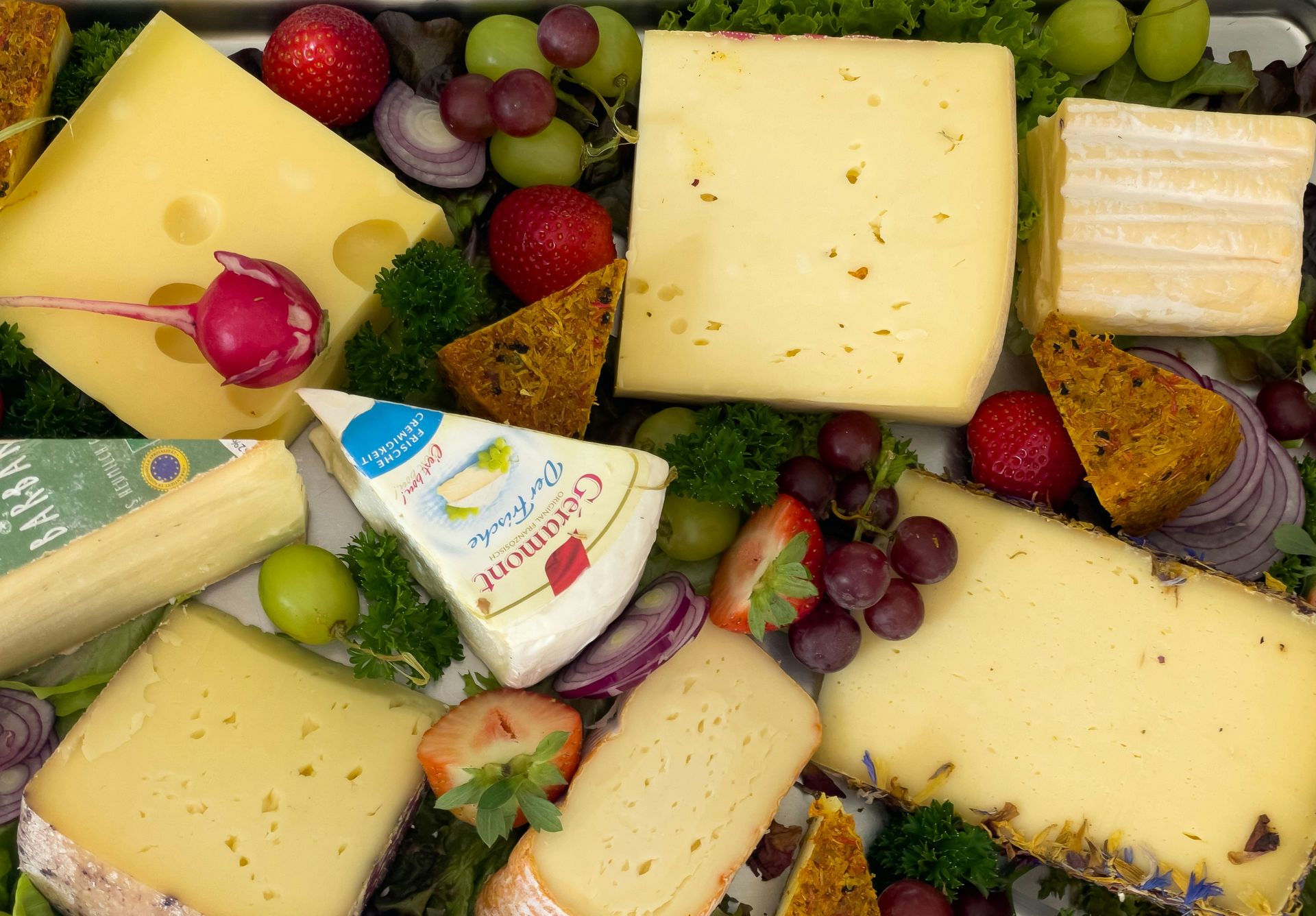
Cheese is one of the few foods for which the place of origin is inseparable from the product itself. Parmigiano-Reggiano must, by law, be produced in a specific set of Italian provinces; Camembert de Normandie carries its geography in its name; Manchego can only be made from the milk of Manchega sheep herded in four specific Spanish provinces. These designations exist because the terroir — the soil, the climate, the specific breed of animal, the traditional methods of a particular region — produces something that cannot be replicated by using the same recipe elsewhere. Visiting the place where a cheese was made is, in this sense, the most direct possible encounter with what the cheese actually is.
The experience of cheese tourism differs from other food travel in its specificity. A wine destination can be visited through dozens of producers across a region. A cheese destination often focuses on a single town, a single dairy, or a single cave where aging conditions and the local bacterial environment have shaped the product over centuries. Standing in the cave where Cabrales develops its blue veins, watching the wheels of Gruyère being turned in a medieval Swiss town, or tasting Parmesan where it was first produced in the Middle Ages gives the familiar taste a physical and historical context that changes the encounter permanently.
The destinations below appear in Travel + Leisure, drawn from a global list of 20 covering Europe, the Americas, and Australia. Each offers something beyond the cheese itself: a landscape, a market culture, a festival, or a historical connection to the food that makes the destination worth visiting on its own terms alongside the eating.
Alyona Yankovska / Unsplash
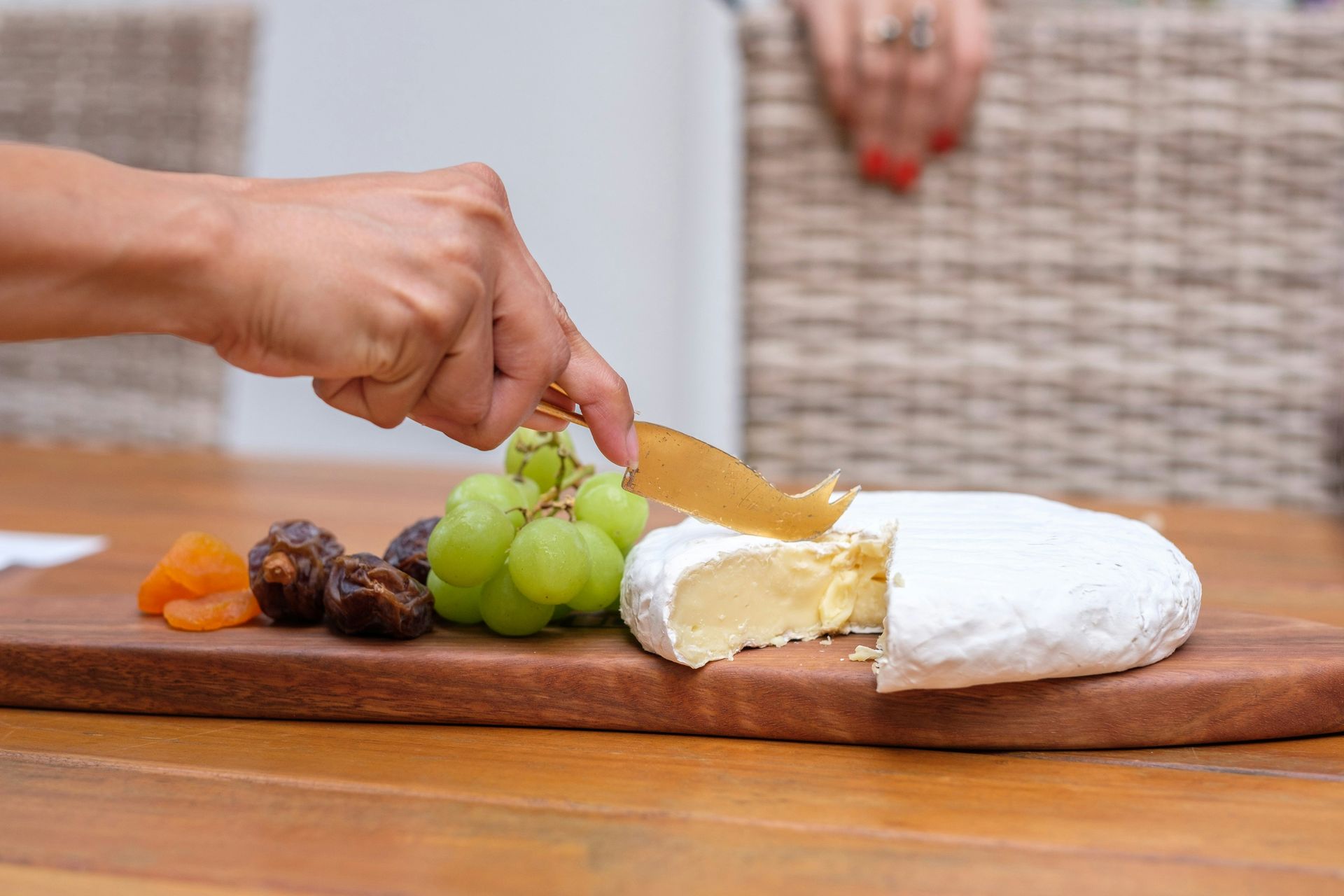
Normandy’s contribution to the world’s cheese vocabulary is Camembert, the soft, creamy cow’s milk cheese that has become one of France’s most recognized exports and one of the most imitated cheeses globally. La Maison du Camembert, a museum in the village of Camembert itself, is built in the shape of a Camembert wheel and covers the cheese’s history from its origins to the production process that the region’s dairy farmers have maintained across generations. The President Farm, another destination within the region, gives visitors the combination of fresh cheese tasting and educational context that cheese tourism at its best provides: the product and the process in the same location.
Normandy’s agricultural landscape — the bocage country of hedged fields and apple orchards, the dairy farms whose Norman cattle produce the rich milk that gives Camembert its butterfat content — gives the cheese a visual and environmental context that supermarket purchase does not supply. The connection between the green, rain-fed pastures and the specific quality of the milk, and between the milk and the finished wheel, is a chain that a Normandy visit makes tangible in a way the product alone cannot.
The broader cheese culture of Normandy extends beyond Camembert to include Livarot, Pont-l’évêque, and Neufchâtel, giving the region a depth of production that a single-cheese destination visit can only partially cover. The Wednesday and Saturday markets in Caen and Rouen offer visitors access to regional cheeses, with producers selling directly alongside other Normandy food products.
Alexander Maasch / Unsplash
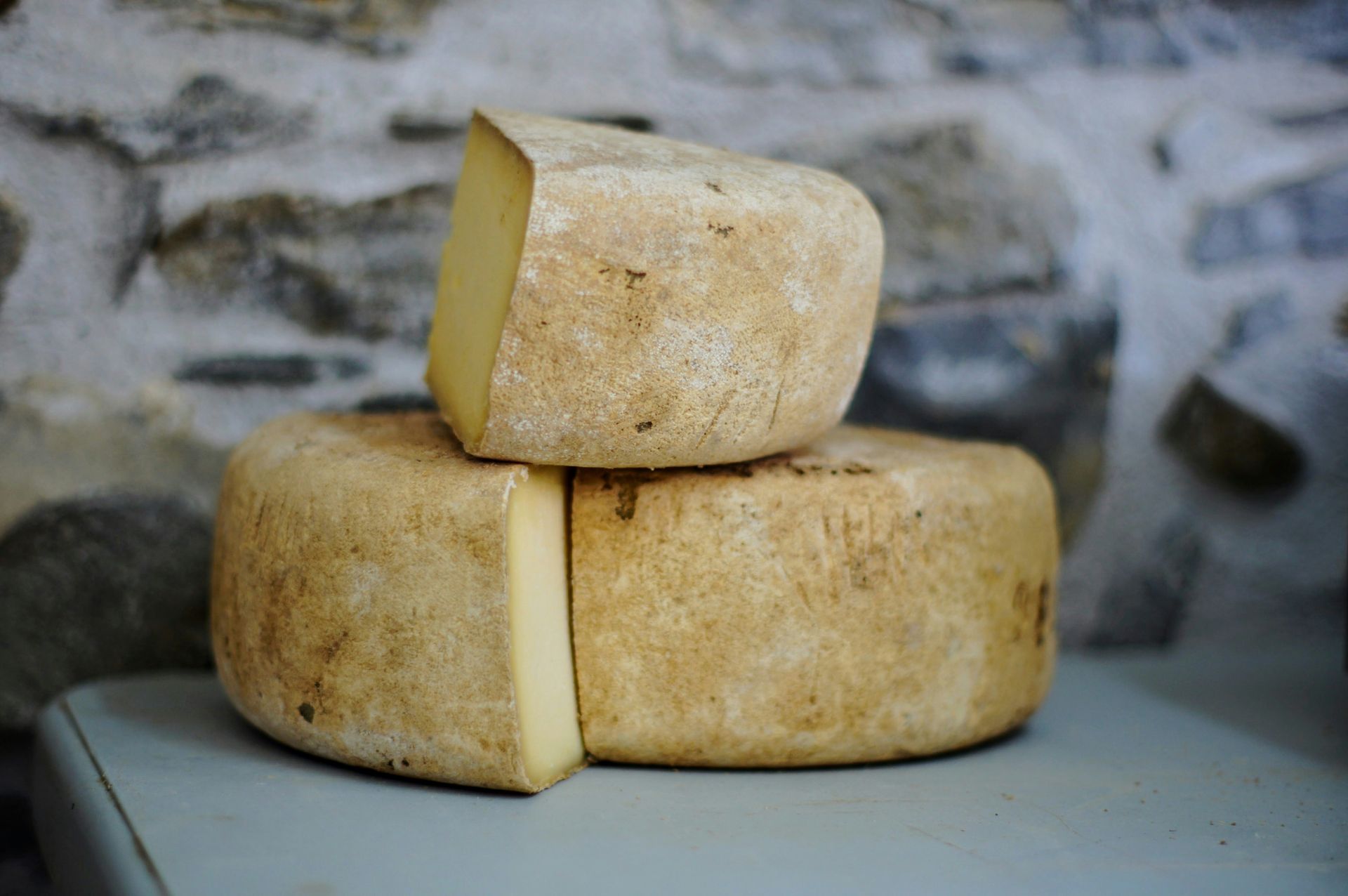
Bordeaux’s international profile as a wine destination sometimes overshadows the contributions of the surrounding Basque and Pyrenean regions to local cheese culture. The cheeses available in and around Bordeaux reflect the agricultural character of the land between the Atlantic coast and the Pyrenees: Tomme des Pyrénées from cow’s milk, Barousse from cow’s or sheep’s milk, and Ossau-Iraty from sheep’s milk give the region a range that spans the mountains’ traditional herding practices. Le Chèvrefeuille, a factory specializing in rich goat cheeses, adds a specific goat cheese dimension to the regional offering, in line with the Basque Country’s dairy tradition.
Baud et Millet, a small cheese restaurant located inside a cave in Bordeaux, gives the cheese tourism experience a dining format specific to the region’s underground spaces: eating cheese in a cave environment, surrounded by the maturing wheels that the cellar conditions support, gives the meal a setting that connects the product to its aging environment in a way that conventional restaurants cannot replicate. The restaurant’s format — centering the dining experience entirely on cheese — reflects a dedication to the product that Bordeaux’s wine culture, which has developed comparable specialist institutions around its primary product, provides a useful model for.
The pairing of Bordeaux’s wine heritage with its regional cheese culture gives visitors the most classic of French gastronomic combinations in a region that has developed both sides of the equation to their highest expression. Wines from the Bordeaux appellation alongside the sheep’s milk cheeses of the Pyrenees constitute a pairing specific to this corner of France that neither product alone, consumed elsewhere, replicates with the same regional coherence.
Ryan Ladd / Unsplash
Parmigiano-Reggiano, the cheese that has become a global standard of grated dairy without which pasta dishes across multiple continents would lose their primary finishing element, was created in the Italian province of Reggio Emilia during the Middle Ages. The cheese’s protected designation of origin, which limits production to the provinces of Parma, Reggio Emilia, Modena, and parts of Bologna and Mantua, connects each wheel to the specific agricultural conditions of the Po Valley. A visit to Reggio Emilia gives the cheese its geographic and historical grounding — the place where the combination of local milk, local rennet, and local cheesemaking knowledge first produced the product that the world now uses to finish dishes from Rome to Tokyo.
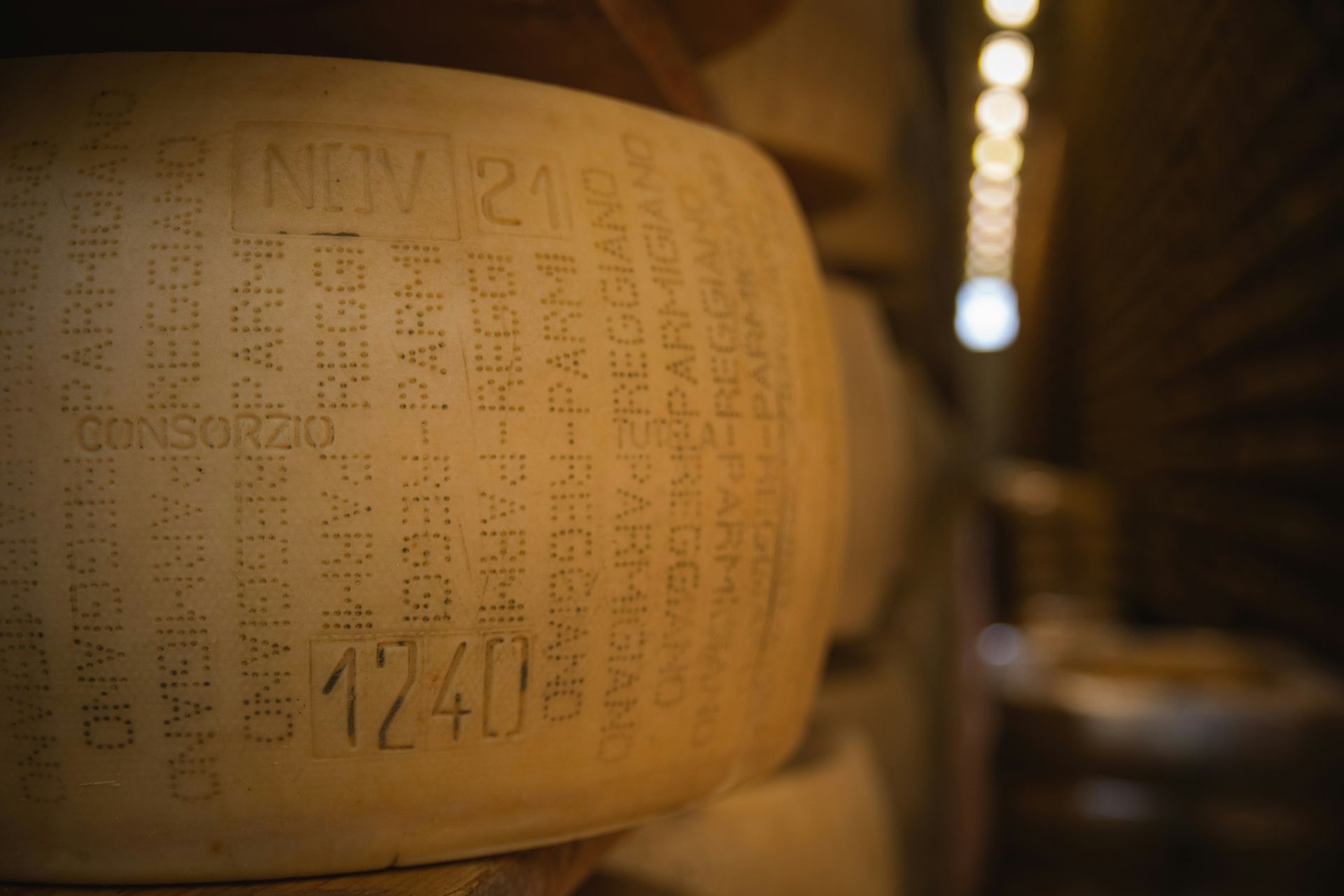
The production of Parmigiano-Reggiano is one of the most regulated processes in European food protection: the milk must come from cows fed primarily within the production zone, the wheels must be aged for a minimum period before sale, and the Consorzio del Formaggio Parmigiano-Reggiano tests and brands each qualifying wheel with its fire-stamped marks. Dairy visits in the Reggio Emilia area give visitors direct access to the production process, from the morning milk collection through curd cutting, molding, and aging cellars where wheels stack in rows across months or years of maturation.
The aging cellars themselves are among the most distinctive spaces in food production globally: rooms lined floor to ceiling with wheels of Parmigiano-Reggiano at different stages of maturation give the cheese a specific visual identity — the amber rind, the crystalline interior visible when a wheel is opened — that the scale of the cellars makes monumental.
Bret Lama / Unsplash
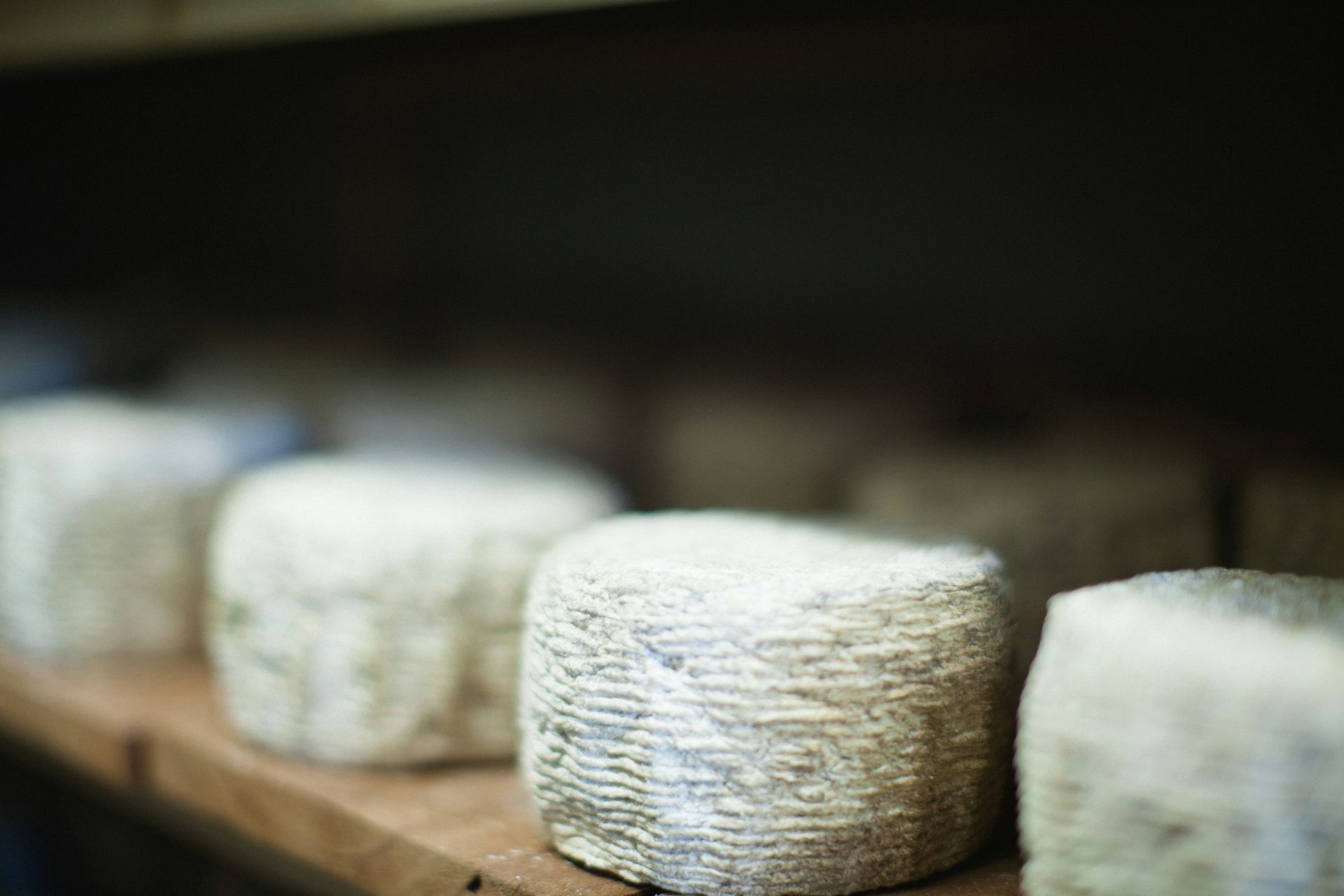
Asturias, on Spain’s northern Atlantic coast, carries the title of El País de los Quesos — the Land of Cheese — with a justification that the region’s cheese production delivers across multiple varieties. The most internationally recognized Asturian cheese is queso de Cabrales, a strongly pungent blue cheese aged in the natural caves of the Picos de Europa mountains, where the temperature, humidity, and microbial environment of the limestone caverns give the cheese its distinctive character, one that no manufactured aging facility can replicate. The Cabrales Foundation, dedicated to the historical and cultural importance of the cheese, offers visitors a structured introduction to the cheese's role in Asturian identity beyond its gastronomic character.
The Cabrales cheese competition, held annually in the village of Arenas de Cabrales, is an annual public event where producers bring their best wheels for evaluation and sale. The competition’s festive character — with traditional Asturian music, local food, and cider served in the traditional Asturian way, poured from height to aerate the liquid — gives cheese tourism in Asturias a cultural context that positions the product within the broader traditions of northern Spanish rural life.
The natural caves where Cabrales ages are distributed through the mountain terrain above the villages of the Cabrales valley, and guided visits to specific caves give visitors the specific environmental encounter — the cold, the humidity, the smell of aging blue cheese in a limestone space — that the cheese’s character reflects in the eating. The connection between the cave environment and flavor is direct and traceable in Cabrales, in a way that more industrial blue cheese production obscures.
Rudi Mehlagarten / Unsplash
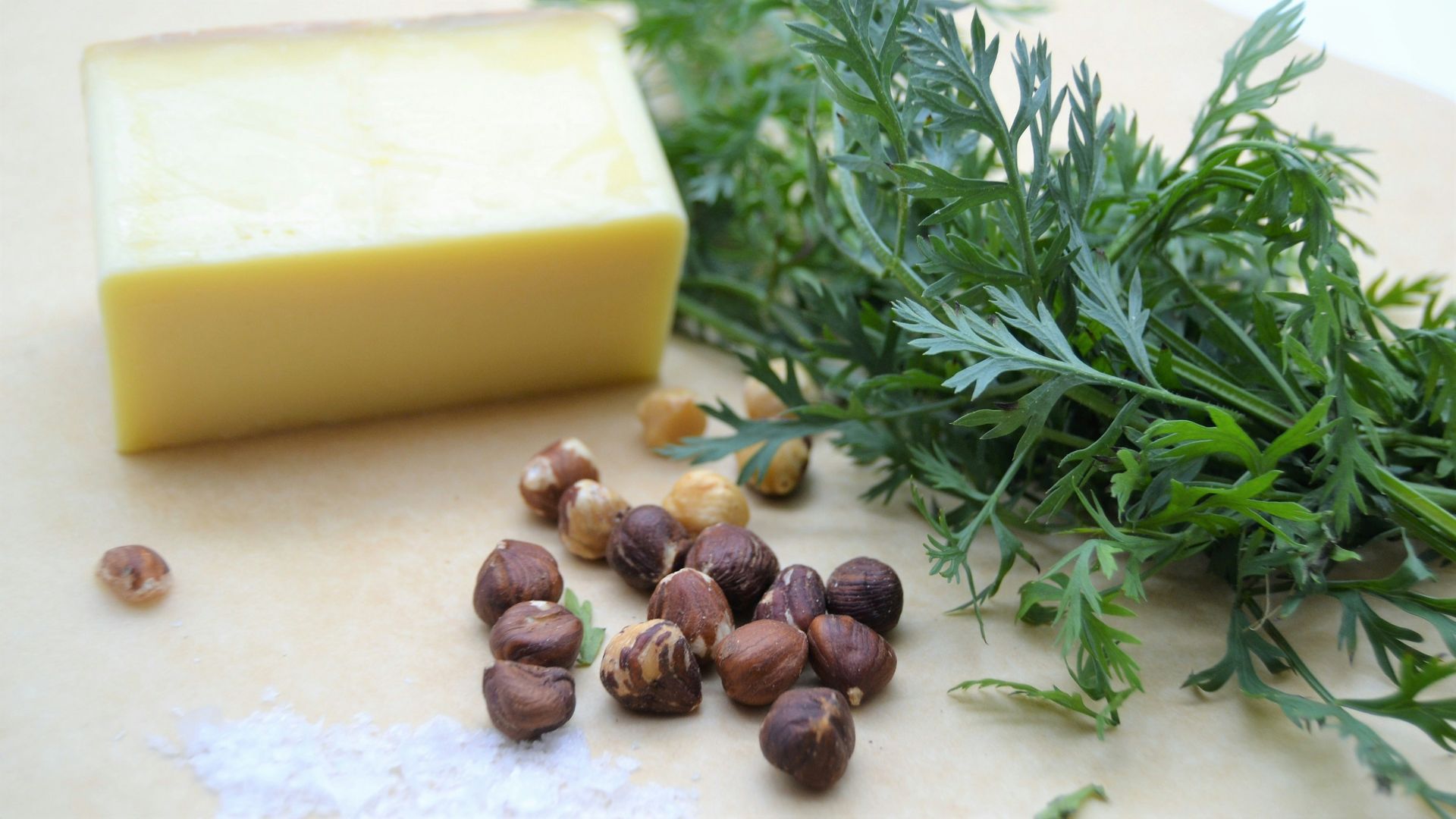
The town of Gruyères in the Swiss canton of Fribourg gives its name to one of the most widely used cooking and table cheeses in the world, a semi-hard cow’s milk cheese whose production has been supported by the surrounding alpine pastures for centuries. The town’s medieval character — a single car-free street leading up a hill to a castle, with dairies, restaurants, and the Gruyères Cheese Factory clustered around the approach — gives cheese tourism here a concentrated setting that larger production regions cannot provide. The Maison du Gruyère, the cheese factory and visitor center at the base of the town, gives visitors a view into the production process through observation windows above the cheesemaking floor.
The alpine dairy tradition that produces Gruyère connects the cheese to a broader Swiss mountain farming culture: the summer transhumance, in which cattle are moved to high alpine pastures for the summer grazing season, gives the milk a specific character that lowland grazing does not produce. The cheese produced from summer milk, sometimes sold as Alpage or L’Etivaz, represents the most directly connected expression of the alpine environment in cheese form.
The town’s medieval castle, the Château de Gruyères, adds historical depth to Gruyères, making the destination a half-day cultural excursion alongside dairy tourism. The views of the surrounding pre-alpine landscape from the castle’s ramparts give Gruyères a scenic dimension that connects the production environment to the agricultural landscape that sustains it, which is the most complete version of what cheese tourism can offer.
Thomas Bormans / Unsplash
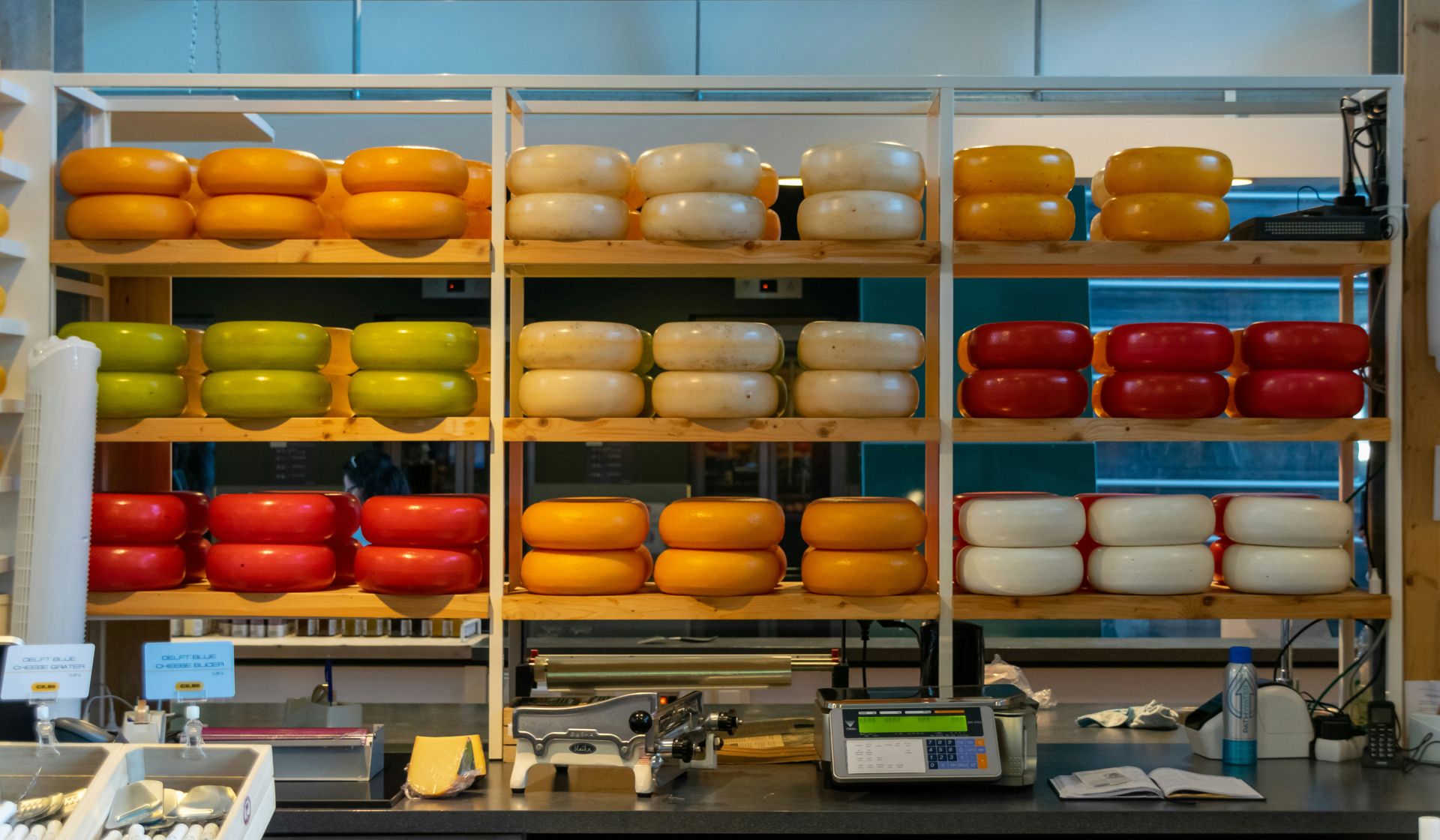
The Alkmaar Cheese Market, held on Fridays from April through September in the city’s historic Waagplein Square $SQ, is the most internationally recognized cheese market in Europe and one of the oldest surviving traditional market formats on the continent. The market’s visual spectacle comes from the cheese porters — members of the four traditional cheese-carrying guilds, distinguished by the color of their hats — who transport wheels of Edam and Gouda on wooden sledges across the square in a format that the 17th-century cheese trade established. The tradition’s continuity gives the market an authenticity specific to a practice that has not been recreated for tourism purposes but preserved from the commercial culture that produced it.
The cheeses at the center of the market — Edam, with its distinctive red wax coating, and Gouda, which the Netherlands produces in more varieties than most consumers outside the country encounter — give the market a product specificity that broad European cheese markets lack. Young Gouda’s mild, slightly rubbery character contrasts with aged Gouda’s crystalline, caramel-noted interior, a contrast the market’s direct tasting access makes legible with a level of specificity that packaged supermarket versions do not achieve. The Waag building, which houses the Dutch Cheese Museum, provides the market with a curatorial context alongside its commercial one.
The broader Dutch cheese culture that Alkmaar represents extends across the Netherlands, from the polderland farms where milk is produced to the cheese warehouses where wheels of Gouda age in controlled conditions. Day trips from Amsterdam to Alkmaar, or combinations with the nearby cheese market at Hoorn, give visitors the most concentrated version of Dutch cheese tourism that a single region can provide.
Bernt Rostad / Wikimedia Commons (CC BY 2.0)
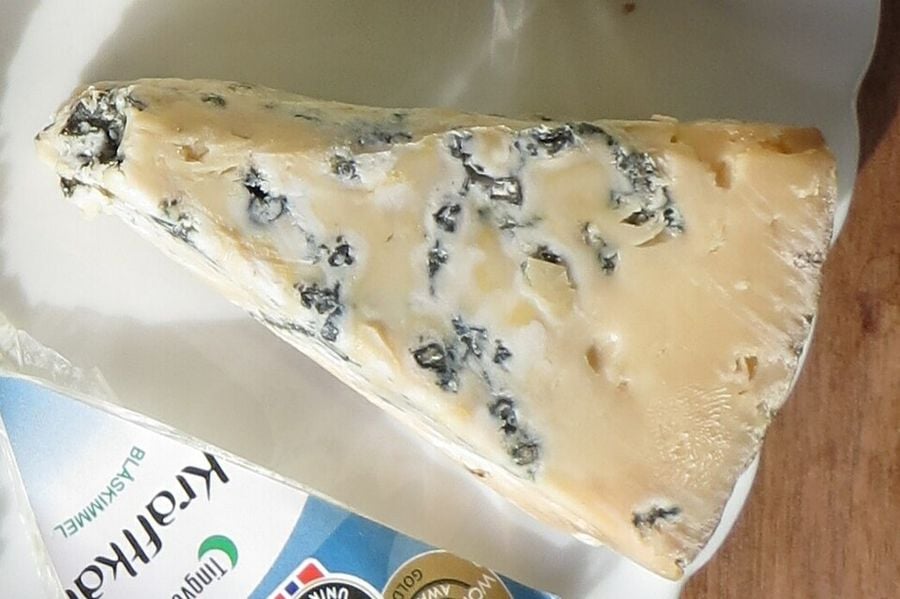
Kraftkar, a strong blue cheese produced in the Norwegian town of Torjulvagen by the dairy Tingvollost, was named World Champion across all categories at the 2016 World Cheese Awards in San Sebastián. The recognition placed a Norwegian cheese in a position of global primacy that Norway’s dairy tradition, while significant within Scandinavia, had not previously achieved at the international competition level. The cheese’s relatively recent origin — production began only in 2004 — gives Kraftkar a contemporary provenance that the centuries-old traditions of French and Italian cheese competitions do not share, making the World Champion designation all the more striking as an assessment of quality achieved without the weight of historical precedent.
The Tingvollost dairy’s location on the Tingvoll Peninsula in the Norwegian county of Møre og Romsdal gives Kraftkar a geographic connection to the fjord landscape and the Atlantic dairy traditions of coastal Norway. The milk produced by the local cattle in this environment, and the specific microbial cultures sustained by the local conditions, give the cheese a character that the World Cheese Awards’ judges assessed as superior to the field in 2016. The dairy’s small scale and the limited production of Kraftkar give the cheese a scarcity that international attention has since made more pronounced.
The Norwegian coastal landscape that surrounds the production site gives a visit to Torjulvagen a natural dimension, combining the cheese destination with one of Scandinavia’s most dramatically scenic coastal environments. The journey to this remote dairy is itself part of the experience, reflecting the general principle that the best cheese destinations often require the most deliberate travel.
Geronimo Poppino / Unsplash
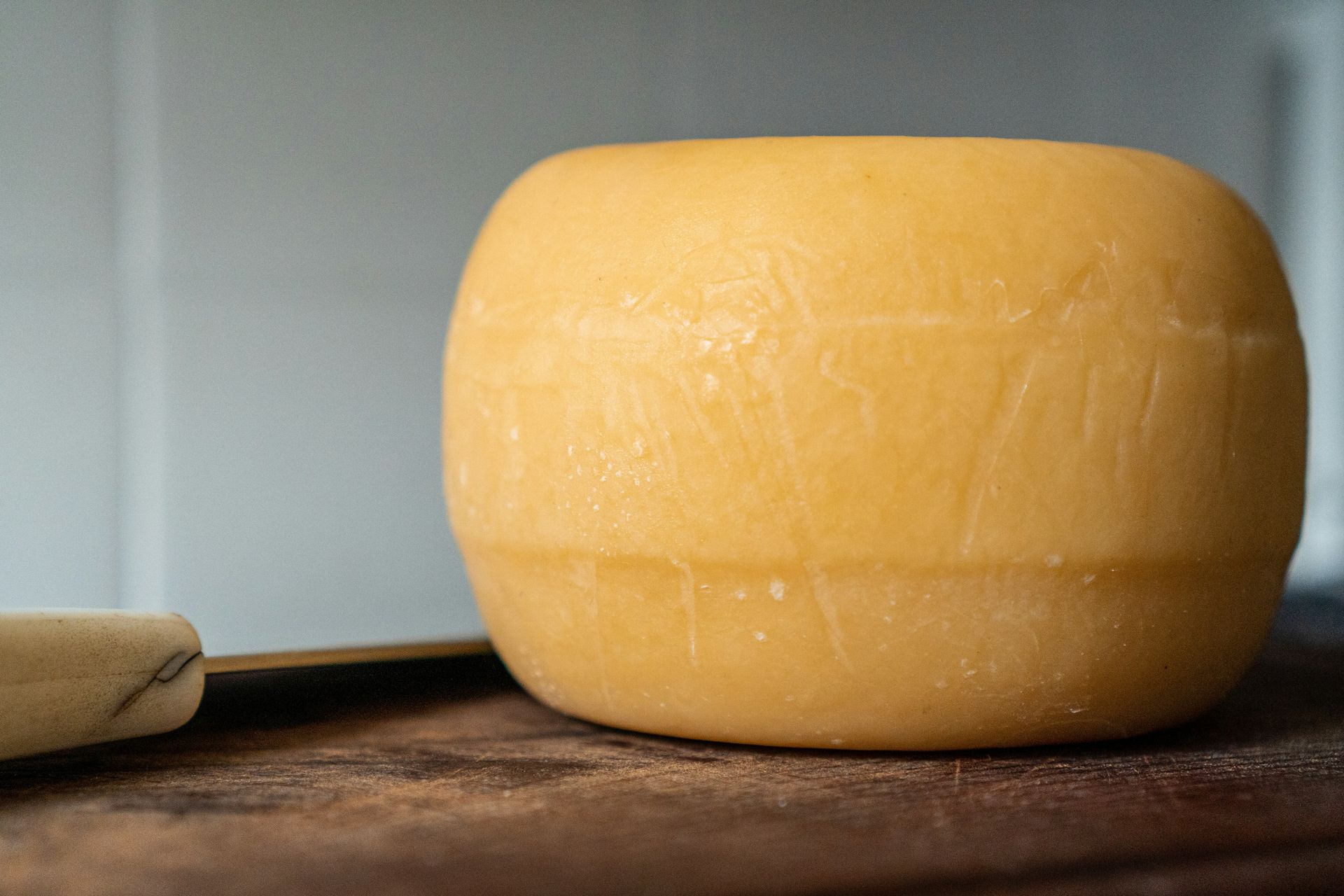
Wisconsin produces more cheese than any other U.S. state, and Madison serves as the regional capital of a dairy culture that gives American cheese production its most concentrated institutional expression. Fromagination in Madison gives visitors access to the Wisconsin cheese canon through tastings, educational events, and raclette demonstrations that bring American cheese culture, one of Europe’s most participatory formats, to a Midwestern context. The cheese baskets and curated selections the shop offers give visitors a way to take the Wisconsin cheese experience home in a form the state’s cheesemakers have assembled, rather than a traveler’s own improvised selection.
The Wisconsin dairy landscape surrounding Madison provides the cheese tourism experience with a visual context of working farms and cooperative creameries that reflect the state’s production history. The cooperative model — in which farmer-owners pool their milk for collective processing — gives Wisconsin cheddar a social and economic character specific to the state’s agricultural organization that the product alone does not convey. Visiting the farms and co-ops that supply the major Wisconsin cheesemakers gives the institutional cheese tourism of Fromagination a production context that the retail environment alone omits.
The cheddar that Wisconsin produces gives American cheese a domestic variety developed independently of the English original from Cheddar, Somerset. The sharper, more assertive character of aged Wisconsin cheddar reflects a production tradition that has adapted the original method to local milk, local cultures, and local preferences across nearly two centuries of American dairying.
Zerohund / Wikimedia Commons (CC BY-SA 3.0)
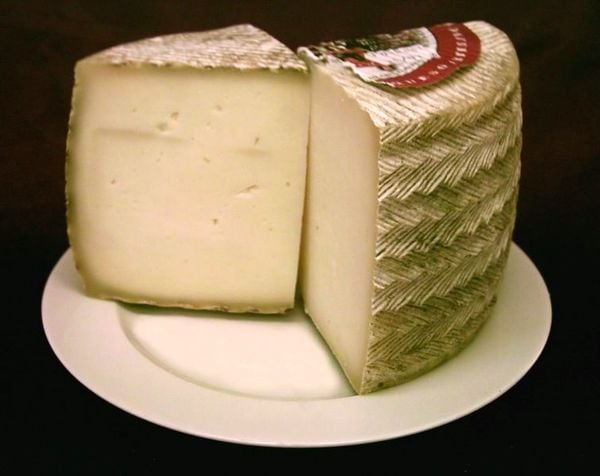
La Mancha, the Spanish plateau region that literary history associates with Don Quixote’s windmill-tilting adventures, holds a different but equally enduring claim on Spain’s cultural identity through Manchego, the country’s most internationally recognized cheese. The Manchega sheep that the cheese requires are herded through the provinces of Toledo, Cuenca, Ciudad Real, and Albacete — the geographic scope of the protected designation — giving the cheese a specific agricultural connection to a landscape that the sheep’s adaptation to the arid plateau conditions of central Spain has shaped across centuries. The milk that Manchega sheep produce gives Manchego its characteristic buttery flavor and the slightly tangy finish that cow’s or goat’s milk cheeses from the same region do not replicate.
The aging stages of Manchego give the cheese its formal classification: fresco (fresh), semicurado (semi-aged), curado (aged), and añejo (extra-aged, aged for at least 1 year). Each represents different points in the development of flavor, from mild and milky to sharp and crystalline. The traditional esparto grass molds that give Manchego its distinctive crosshatch rind pattern, and the rosette of pressed wheat on the flat faces, connect the finished wheel to the agricultural materials of the La Mancha plateau, giving the cheese’s surface texture a physical connection to its production environment.
Cheese tourism in La Mancha gives visitors a route through the plateau landscape that connects the Manchega sheep farms, the small cooperative dairies where the milk is processed, and the aging caves where wheels develop their final character. The landscape that surrounds this route — flat, windswept, punctuated by the windmills that Cervantes used as Quixote’s adversaries — gives the cheese destination a literary and visual identity that few food tourism routes can claim alongside the gastronomic one.
Isiwal / Wikimedia Commons (CC BY-SA 3.0)
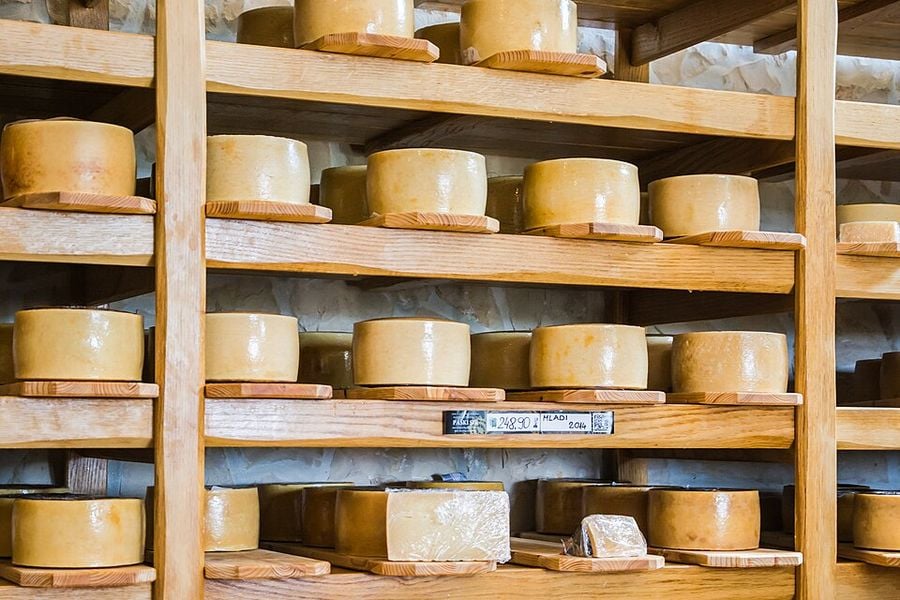
Paški Sir, the hard cheese from Croatia’s Pag Island, derives its character from conditions specific to this island in the Adriatic: the Bura, a fierce dry wind from the mountains, carries sea salt across the island’s sparse vegetation, and the sheep that graze on the salt-seasoned herbs and grasses produce milk with a specific mineral quality that the cheese concentrates in aging. The cheese is hard and salty in a way that reflects the environment that produced the milk rather than the addition of salt during processing, which gives Paški Sir a terroir character as geographically specific as any wine from a recognized appellation.
The island’s stark, rocky landscape — largely treeless, the limestone karst terrain weathered by the Bura across centuries — gives a visit to Pag a visual setting that the cheese’s character reflects in the eating. The same wind that gives the milk its salinity also gives the landscape its spare, dramatic quality, which makes the environmental argument for the cheese’s specific flavor legible in a way that a dairy visit in more clement terrain would not provide.
Pag Island is accessible by bridge from the Croatian mainland and by ferry from the surrounding Dalmatian coast, giving it a logistical accessibility that its relatively small size and modest tourist infrastructure make practical for visitors who combine a Pag cheese visit with a broader Dalmatian itinerary. The island’s summer tourism draws visitors to its beaches and cheese, but the cheesemaking culture operates year-round, giving the island a food destination identity independent of the beach season.
