
5 of the best dog harnesses for 2026, according to Consumer Reports and Reader’s Digest
Five of the best dog harnesses of 2026, according to Reader's Digest and tested by Consumer Reports

Andriyko Podilnyk / Unsplash
Dog harnesses promise a lot. Better control. Safer walks. Fewer shoulder wrenches when a dog decides that now is the moment to chase a squirrel. By 2026, most dog owners have tried at least one. Many have tried several.
Consumer Reports and Reader’s Digest both reviewed the most popular dog harnesses on the market, testing familiar brands and crowd favorites rather than obscure specialty gear. Their conclusions were refreshingly unsensational. A harness can help. It can also make pulling worse. Fit, design, and how the leash attaches matter more than marketing copy.
Both reviews land on the same core truth. There is no perfect harness. There are only better and worse matches for a specific dog, a specific body, and a specific walking situation. Some models favor adjustability and long-term comfort. Others prioritize training control or durability. A few try to do everything and mostly succeed.
The best dog harnesses of 2026 stand out not because they promise miracles, but because they manage tradeoffs well.
Here are the five models that rose to the top for comfort, control, and everyday usability — even when the walk does not go totally as planned.
Rabbitgoo No-Pull Dog Harness delivers accessible control at a lower cost
Alvan Nee / Unsplash
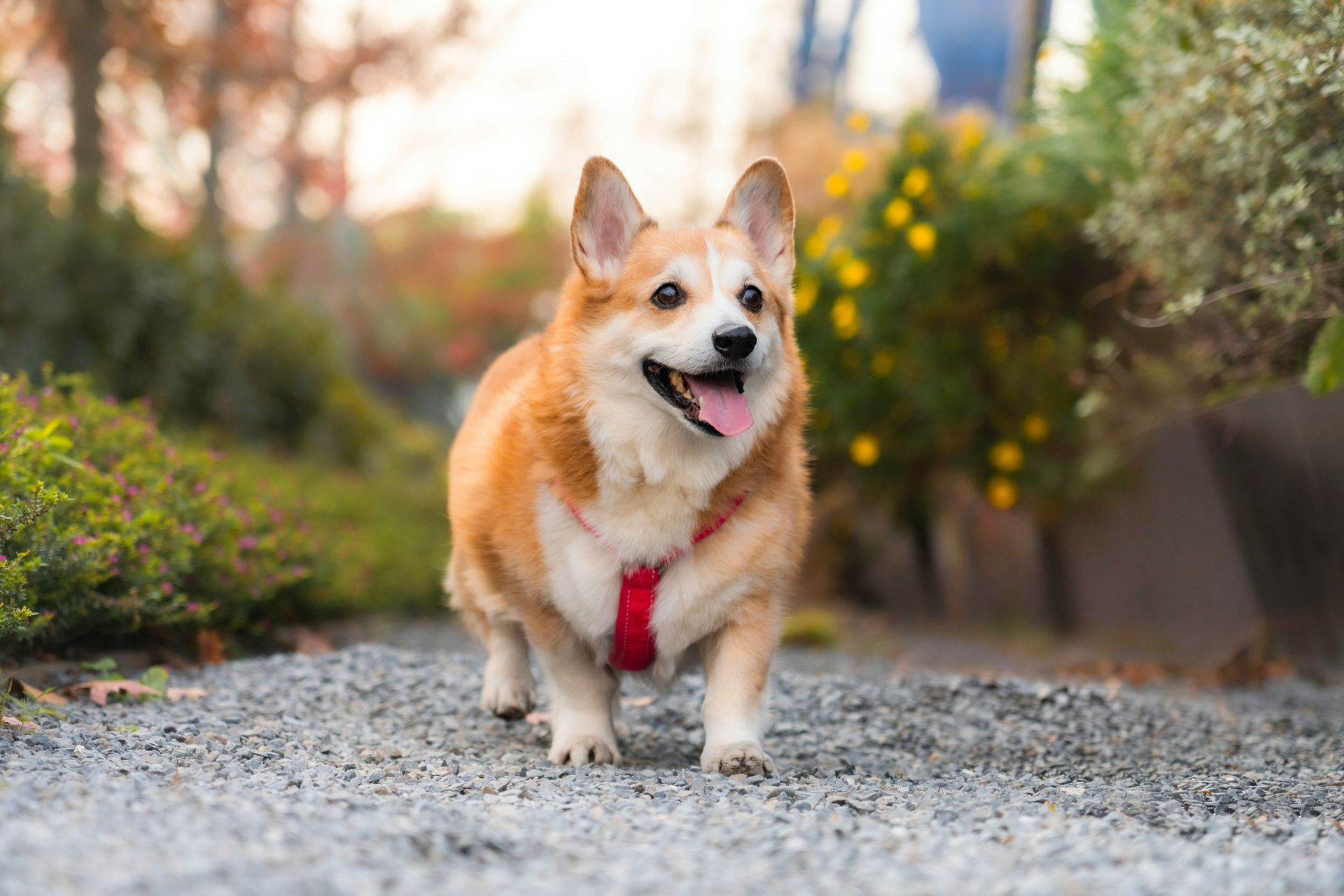
Rabbitgoo’s no-pull harness stands out in Reader’s Digest’s list for delivering core training features without a premium price tag. The Y-shaped padded vest distributes pressure across the chest and torso while offering both front and back leash clips. Four adjustment points provide basic customization, though not the granular fit of higher-end models. Consumer Reports’ broader testing noted that heavier padding and vest-style designs can increase warmth and bulk over long durations.
This model accepts tradeoffs. It sacrifices long-term wear comfort for affordability and ease of use. For owners seeking an entry point into no-pull harnesses, it offers functionality without locking them into a costly system. The Rabbitgoo harness succeeds by meeting expectations rather than exceeding them.
Ruffwear Front Range Harness prioritizes padding and everyday comfort
Juan Pablo Mascanfroni / Unsplash
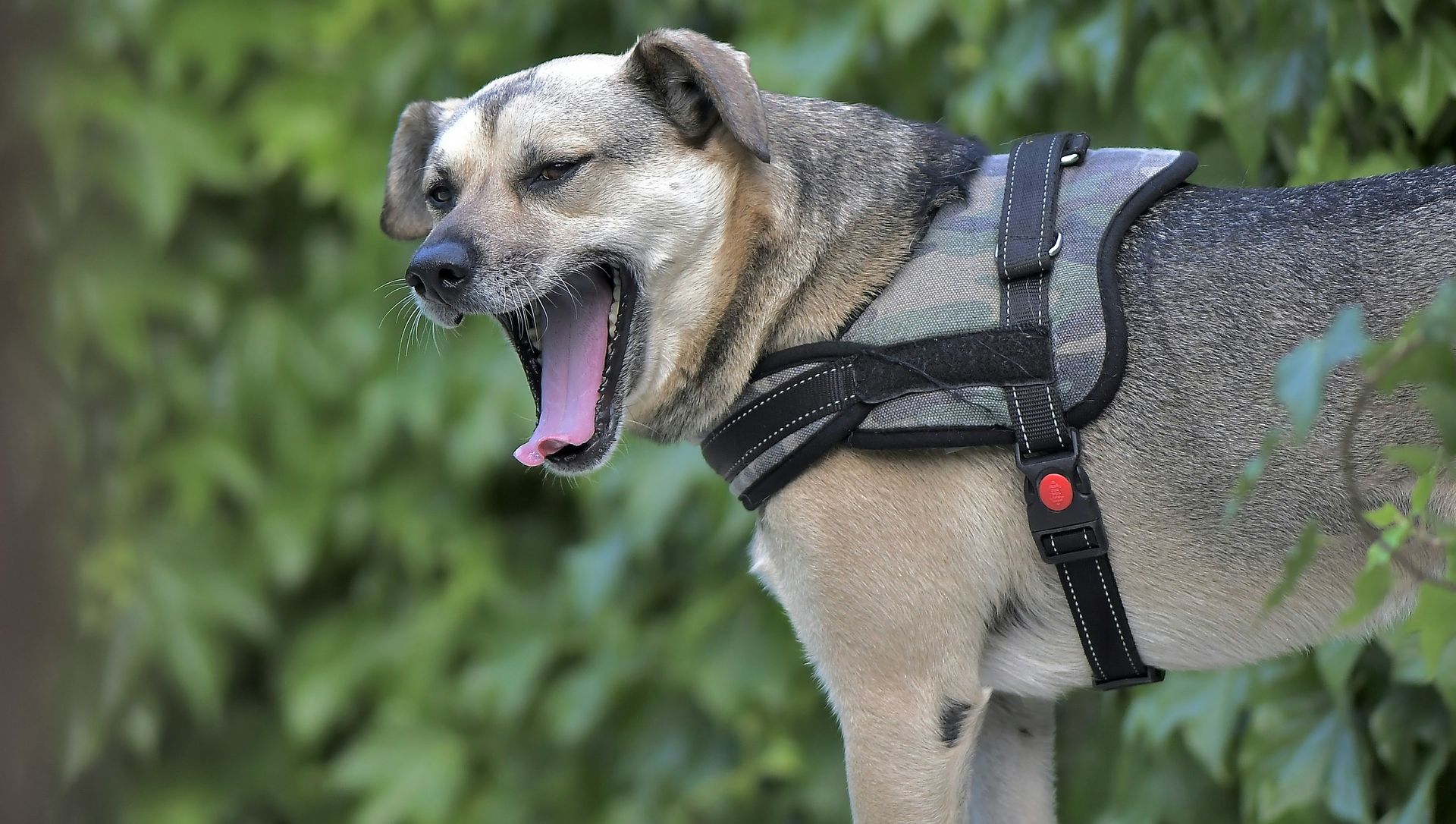
The Ruffwear Front Range Harness earns recognition from Reader’s Digest as the best padded option for dogs that benefit from a softer, more enveloping fit. The design uses cushioned straps and an ergonomic layout intended to sit comfortably against the chest without compressing the shoulders. Four adjustment points allow moderate customization, while dual leash attachments support both training and casual walking. Reader’s Digest highlights that trainers turned to this model after observing shoulder issues caused by poorly designed no-pull harnesses. Consumer Reports underscores that harnesses interfering with natural gait can contribute to long-term injury, particularly when pulling persists. The Front Range attempts to mitigate that risk through broader padding and careful strap placement.
The tradeoff is stiffness. Reader’s Digest notes that the straps can feel rigid and require careful adjustment. This harness favors stability and comfort over minimalism. It suits owners who walk frequently and prioritize physical ease for the dog, even if setup takes longer.
PetSafe 3-in-1 Harness adapts to puppies and training transitions
Florian Schindler / Unsplash
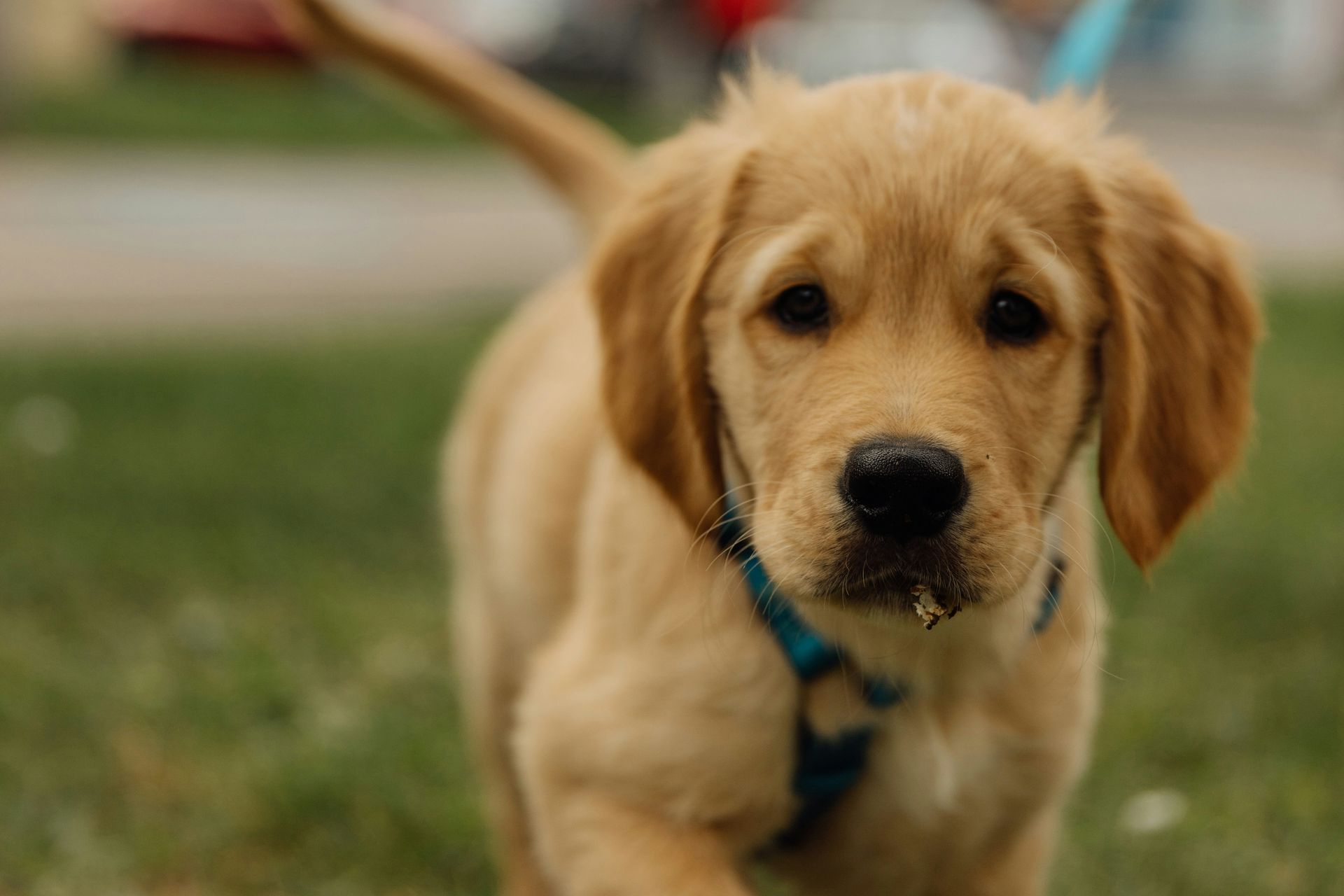
The PetSafe 3-in-1 Harness appears in both Reader’s Digest’s category for puppies and Consumer Reports’ broader evaluation of adaptable harness designs. The model combines front and back leash rings with small martingale loops that reduce shifting when dogs reach the end of the leash. Reader’s Digest notes that this structure is helpful for young dogs learning outdoor routines, including leash walking and house training.
Consumer Reports emphasizes that puppies present unique challenges because rapid size changes and inconsistent leash behavior expose weaknesses in fit and durability. The PetSafe 3-in-1 addresses those needs by offering flexibility rather than permanence. A back handle adds control during transitions, such as navigating stairs or busy sidewalks. This harness functions as a training bridge, not a final solution.
Wilderdog harness favors durability for active, high-energy dogs
Rafal Karon / Unsplash
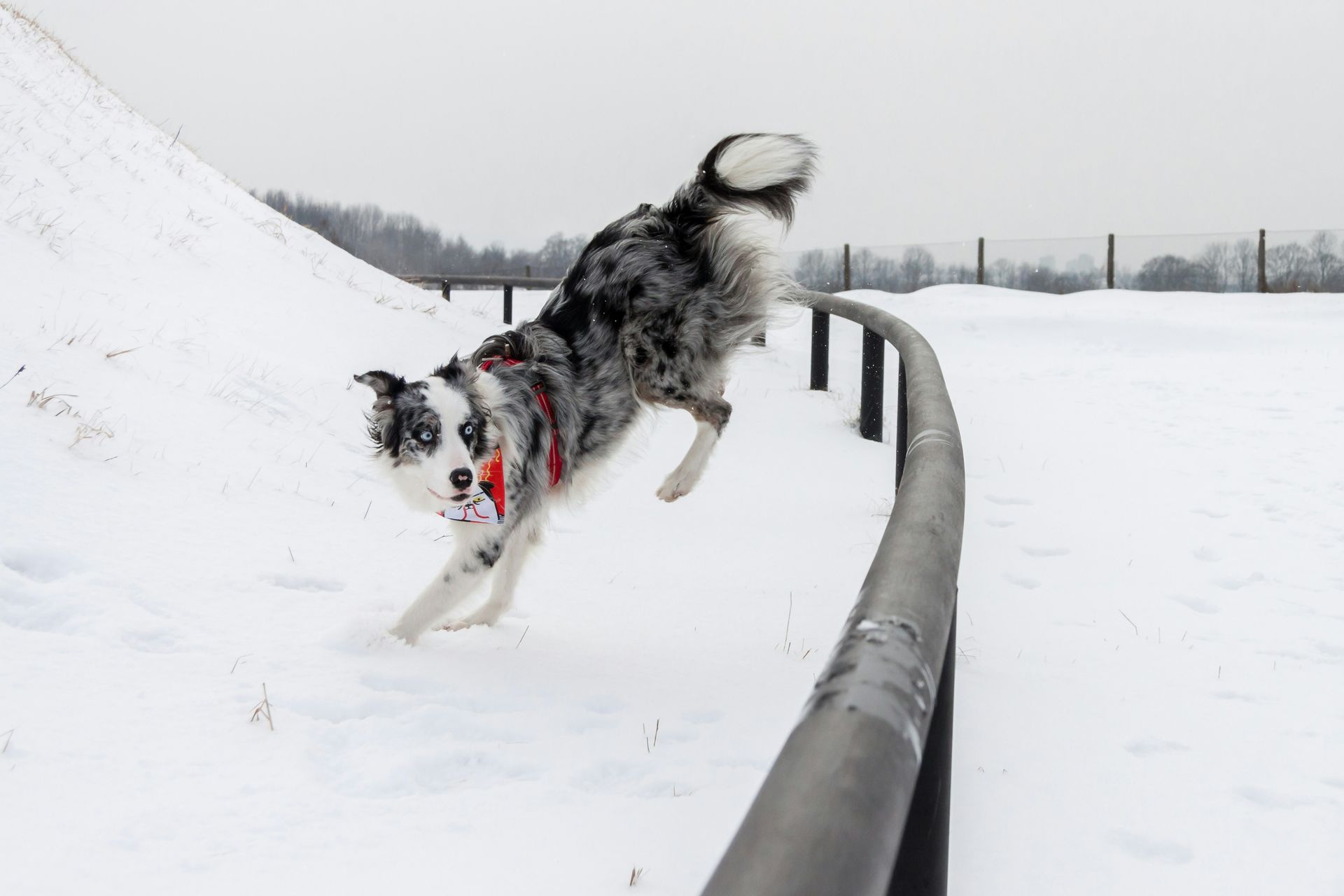
Consumer Reports includes Wilderdog among its 2026 best-tested harness brands, citing durability and construction suited for active use. The design emphasizes strong webbing, reinforced hardware, and a secure fit that holds up during hikes, runs, and outdoor excursions. While Consumer Reports does not grade it as a dedicated no-pull solution, it highlights the value of robust harnesses for dogs that strain gear through activity rather than training challenges alone.
This makes the Wilderdog harness appropriate for dogs with established leash manners or owners who prioritize endurance over correction. Not every harness must solve pulling. Some must simply survive it.
Blue-9 Balance Harness sets the benchmark for adjustability and movement

Xu Wang / Unsplash
The Blue-9 Balance Harness earns top placement in Reader’s Digest’s 2026 roundup because it prioritizes biomechanics over aesthetics. The design sits farther back on the body than many competitors, which reduces interference with shoulder movement and limits friction near the armpits. Six adjustment points allow owners to customize fit across chest depth, torso length, and seasonal coat changes, an advantage for dogs whose bodies do not conform to standard proportions. Reader’s Digest notes that this adjustability supports long-term use as dogs grow, rather than forcing frequent replacements. The harness includes both front and back leash attachment options, enabling owners to switch between training-focused walks and more relaxed outings.
Consumer Reports emphasizes that harnesses allowing multiple attachment points give handlers flexibility in managing pulling behavior, depending on context. The Balance Harness reflects that philosophy. Its complexity demands patience during setup, but the payoff is a fit that remains stable during movement. This model is not built for giant breeds, and it requires careful adjustment to avoid misuse. Still, among harnesses designed to minimize chafing while preserving a natural gait, it stands as the most technically deliberate option in 2026.