The best European destination wedding spots, from a Tuscan hillside estate to a caldera-edge terrace in Santorini
Nadtochiy / Getty Images
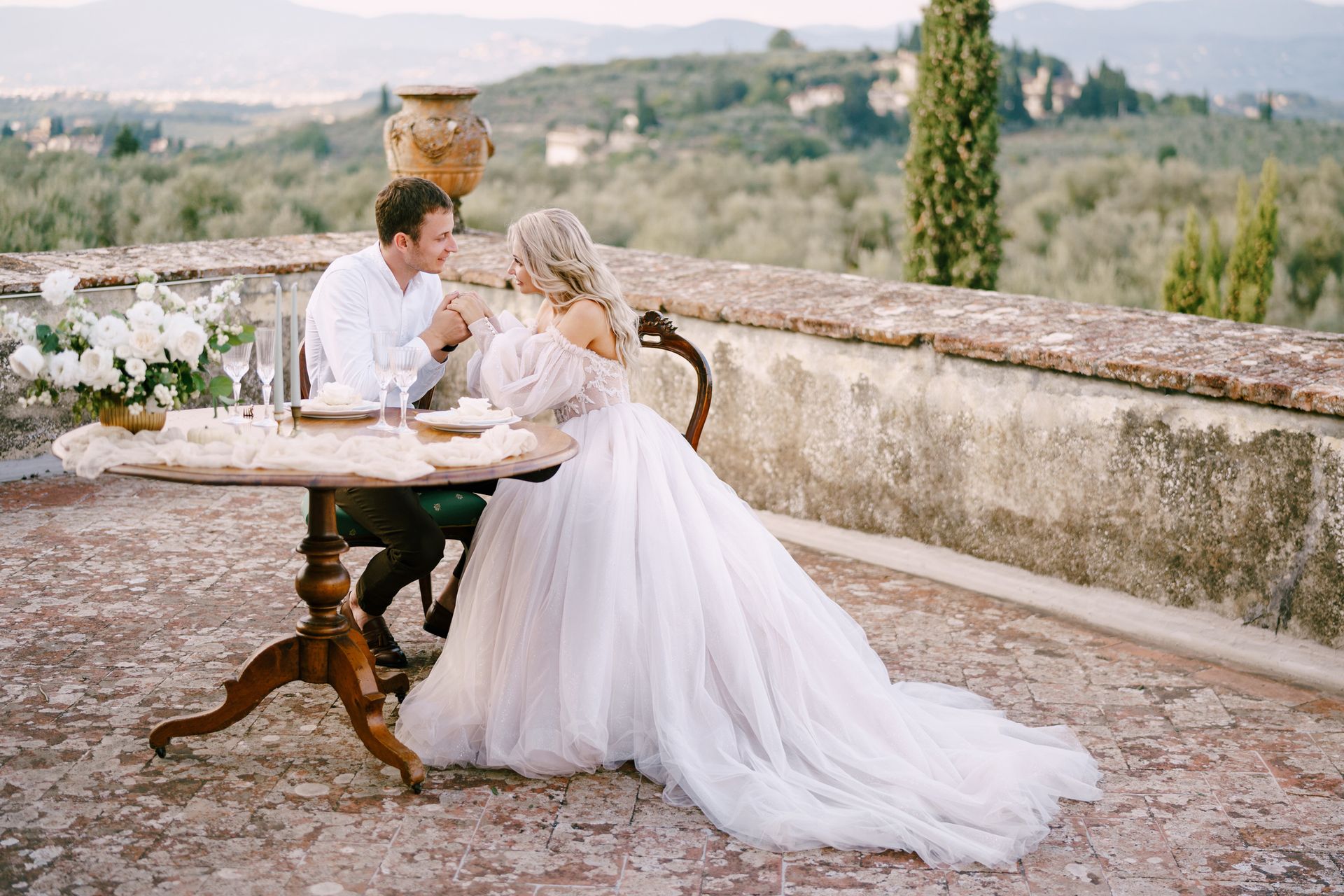
A destination wedding in Europe offers something a local ceremony rarely can: a setting so compelling that the location itself becomes part of the memory. The ceremony might unfold against a Tuscan hillside at golden hour, inside a castle that has stood for eight centuries, or on a Greek island terrace where the caldera drops away into a sea the color of lapis. The backdrop does work that no florist or caterer can replicate on their own, and it gives guests a reason to travel. What might be a single Saturday becomes a full vacation that the couple and their guests share together in a place worth visiting.
Planning a European destination wedding introduces logistical complexity that a hometown ceremony does not. Legal requirements for marrying abroad vary by country and often require symbolic ceremonies alongside legal registration at home. Venue availability in high-demand locations books years in advance. Budget requirements scale up quickly when accommodation, transport, and multi-day events are factored in alongside the ceremony itself. Couples who do the planning work early, however, gain access to some of the most extraordinary settings on the planet, in countries that have refined hospitality, cuisine, and wine service to a high art. The effort is considerable; the payoff, when it comes together, is irreplaceable.
The 10 destinations below come from U.S. News & World Report’s list of the best destination wedding spots in Europe, which evaluated European locations based on their romantic ambiance, the variety and quality of available wedding venues, the overall travel appeal of the destination for guests, and the practical infrastructure needed to host a celebration. The ranking spans city locations and rural retreats, island settings and continental interiors, with options across a range of budgets and styles.
Francesco Riccardo Iacomino / Getty Images
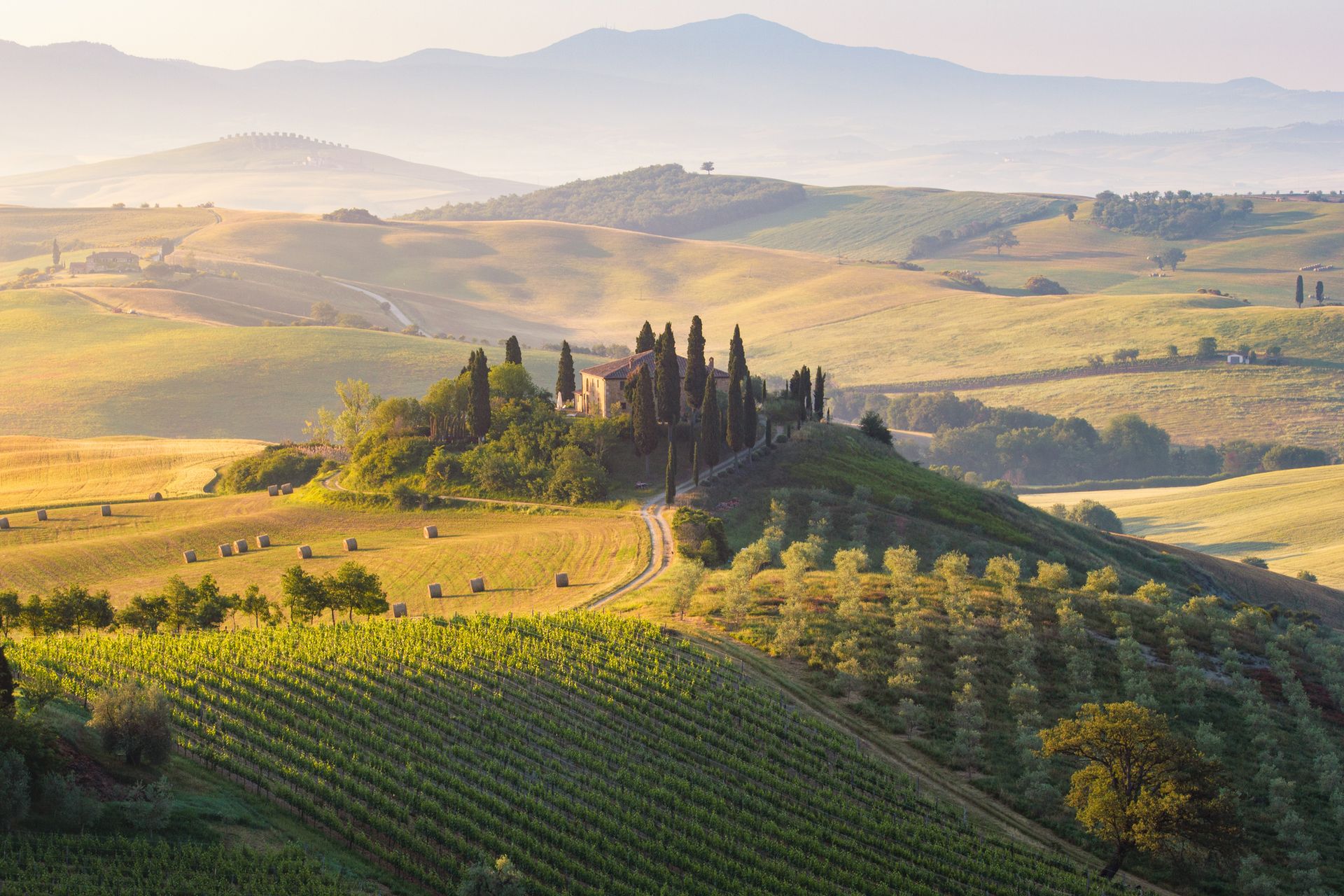
Tuscany’s appeal as a wedding destination flows from a quality that is difficult to manufacture: the landscape itself is romantic. Rolling hills covered in vines, cypress tree-lined lanes cutting through golden farmland, and the warm amber light that settles over the Tuscan countryside in late afternoon give the region a visual character that wedding photographers use as a baseline for comparison. The isolated nature of many Tuscan properties adds an intimacy that urban venues cannot replicate. A farmhouse or hilltop estate that puts guests in the landscape gives the wedding a geographical presence that a banquet hall cannot approach.
The wedding industry in Tuscany is well-established. Couples will find a comprehensive range of venues from lavish estates to modest farmhouses, with professional local coordinators who understand the regional logistics, licensing requirements, and supplier networks. Wine is embedded in the venue experience: many properties produce their own, and including the estate’s wines in the celebration gives the reception a specific sense of place. The agricultural calendar shapes the most desirable dates. Late spring and early fall offer moderate temperatures alongside peak landscape beauty, and both seasons draw couples who want the Tuscan light at its most photogenic.
The variety of options in the region means Tuscany can accommodate different budgets and guest counts. A small ceremony in a farmhouse winery differs completely in character from a formal celebration at a grand Renaissance villa, yet both sit within the same regional identity. Couples who want Italy’s most iconic wedding landscape, with a mature hospitality infrastructure that reduces planning risk, will find Tuscany the most dependable choice in the country for a destination celebration. The range from modest farmhouse to grand estate also means the destination serves couples with very different visions of what their wedding should look and feel like, without requiring any of them to compromise on the landscape that surrounds it.
Jarana Creatives / Getty Images
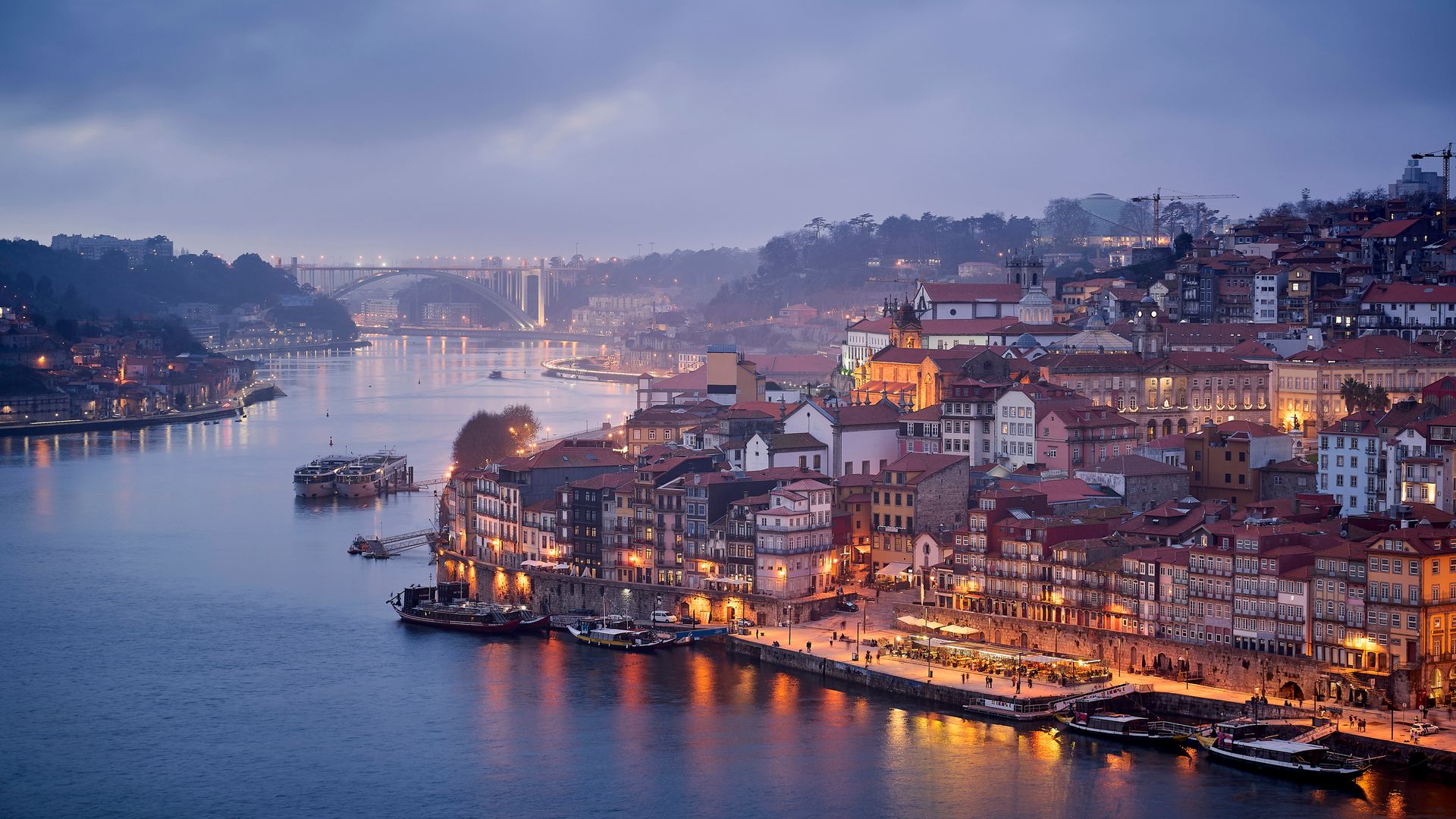
Porto’s identity as a wedding destination is underrated relative to its actual appeal. The city on Portugal’s northwestern coast combines a riverfront along the Douro with centuries-old architecture, creating a setting that is simultaneously atmospheric and visually rich. The juxtaposition of ancient stone facades, azulejo-tiled churches, and the arched bridges reflected in the water gives the city a wedding aesthetic that is entirely its own — nothing else in Europe looks quite like Porto at sunset over the Douro.
The practical approach for couples planning a Porto wedding is to work through the city’s established hotels, which have both the physical space and the local supplier relationships to manage full wedding parties. Porto’s premium properties occupy historic buildings and palaces that lend events architectural gravitas, alongside modern service standards. The logistics of a city wedding — accommodation concentration, transport links, dining options for guests — are more manageable in Porto than in remote rural destinations, which makes it particularly well-suited for couples with large guest lists or guests who prefer urban settings.
Porto’s personality also works in favor of the celebration that extends beyond the ceremony. The city’s wine heritage, through port production, gives post-wedding activities a natural focus, and the restaurant and bar culture along the Ribeira provides guests with a memorable social backdrop for the days surrounding the event. Couples who want a European romantic atmosphere without the crowds and costs of Paris or the extreme demand timelines of Santorini will find Porto the most accessible European wedding city on this list. Porto’s river, its bridges, its historic architecture, and its wine heritage give guests a destination they are unlikely to have visited before and very likely to want to return to after the celebration ends. The compactness of the city’s historic center means that accommodation, the ceremony venue, and post-wedding dining can all sit within walking distance of one another.
Elena Zolotova / Getty Images
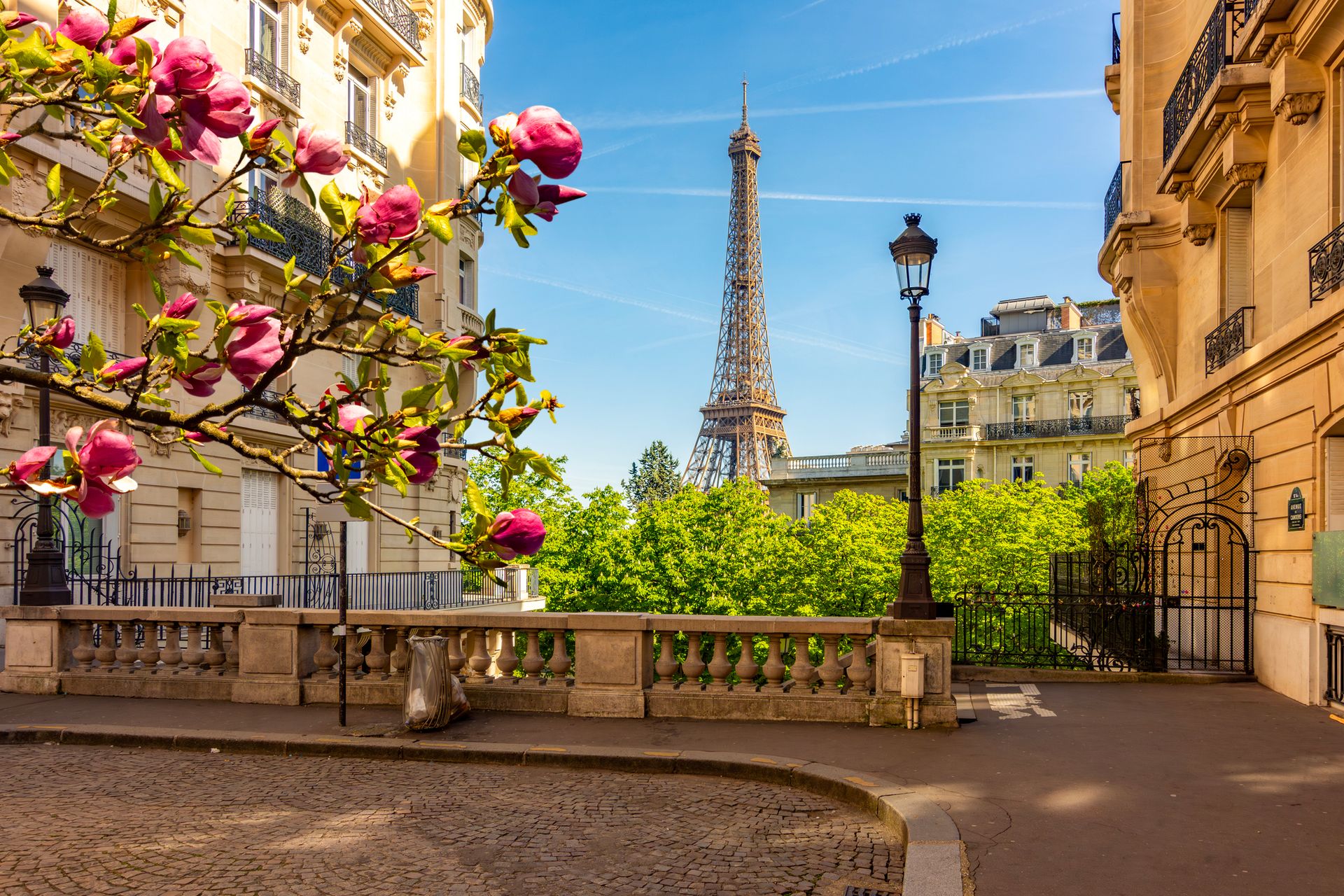
Paris offers a density of romantic settings that no other city on earth matches. Vows exchanged in the Luxembourg Gardens, with the formal French parterres and fountains as backdrop, carry a visual and cultural weight that destination weddings in purpose-built venues cannot produce. A ceremony at or near the Eiffel Tower — which is possible with the appropriate permits and planning — gives the celebration a global landmark as its visual centerpiece. The city’s grand hotels offer elegant ballrooms with views over Haussmann facades that remain among the most recognizable architectural backdrops in the world.
The logistics of a Paris wedding require careful planning and budget allocation. Popular venues and dates book far in advance, and the legal requirements for foreign nationals marrying in France typically necessitate arranging a symbolic ceremony abroad alongside a legally binding registration at home. Wedding coordinators who specialize in Paris events are numerous and experienced, and the city’s hospitality industry — from florists to caterers to photographers — is deeply practiced at serving international couples seeking the city’s romantic reputation.
Paris’s status as one of the world’s most visited cities makes it a destination that doubles as a luxury vacation, increasing the likelihood that guests will attend and adding value to their experience beyond the ceremony itself. The Seine, the Marais, Montmartre, and the palace at Versailles — all accessible from the city — give a wedding weekend in Paris an itinerary depth that rural wedding destinations cannot match. For couples who want Europe’s most iconic romantic city as the frame for their ceremony, Paris delivers on its reputation without compromise. The concentration of world-class hotels, Michelin-starred catering, and highly professional event coordinators with deep Paris experience also means the logistical complexity of a Paris wedding is easier to manage than the city’s international scale might initially suggest to couples planning from abroad.
Artur Debat / Getty Images
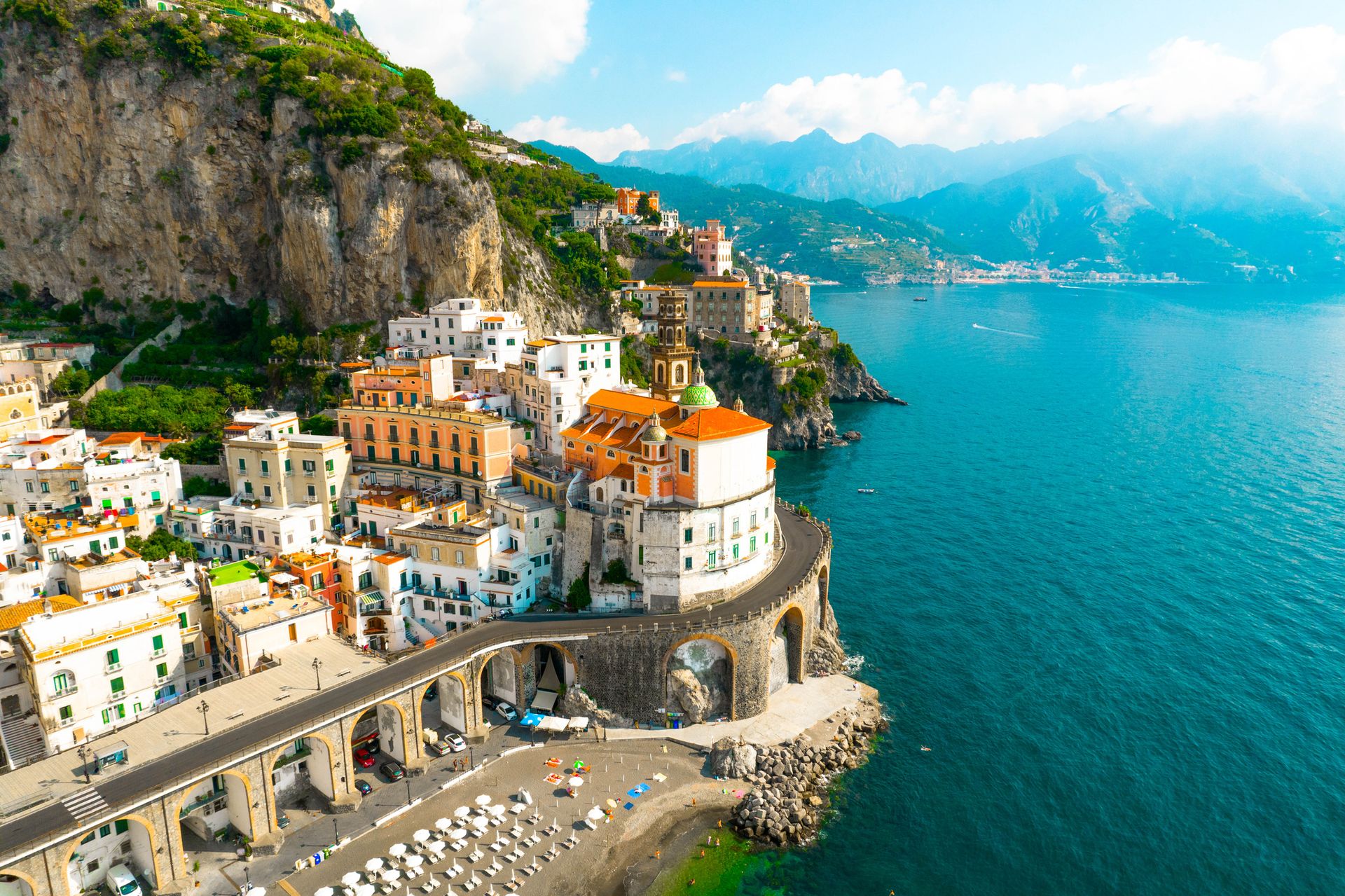
The Amalfi Coast’s identity as a honeymoon destination has underplayed its equal credentials as a wedding location. The long coastline south of Naples is dotted with charming towns. Positano, Ravello, and Amalfi itself are each built into the cliffs above the Tyrrhenian Sea, each with its own churches and terraced venues that position guests against views of extraordinary beauty. The vertical cliff drama, the pastel-colored buildings stacked above the water, and the blue expanse of the sea together create a visual setting that needs no supplemental decoration.
Each town along the coast offers a distinct character. Ravello, perched highest above the sea, has hosted weddings at the Villa Rufolo and Villa Cimbrone for generations of international couples. Positano’s small beaches and boat-access restaurants give celebrations an intimate maritime character. The churches scattered through the coastal towns offer ceremonial spaces with centuries of architectural history, some with floors of Byzantine mosaics and altars framed by sea light through arched windows. Cliffside terraces attached to hotels and private villas give receptions a setting where the Mediterranean horizon is part of every guest’s view throughout the evening.
The practical challenge of the Amalfi Coast is access. The single coastal road is narrow, steep, and congested during high season, making logistical coordination for large groups particularly demanding. Couples who plan for smaller guest counts and choose accommodation concentrated in a single town manage the access challenge most effectively. The Amalfi Coast’s remarkable natural beauty is generous enough that the logistical investment it requires is consistently judged worthwhile by the couples who choose it. The towns themselves also give guests a vivid multi-day experience of coastal Italian life — the boat trips between Positano and Ravello, the limoncello tastings, the seafood dinners above the sea — that builds the coast’s reputation as a place to return to long after the wedding and honeymoon are over.
joe daniel price / Getty Images
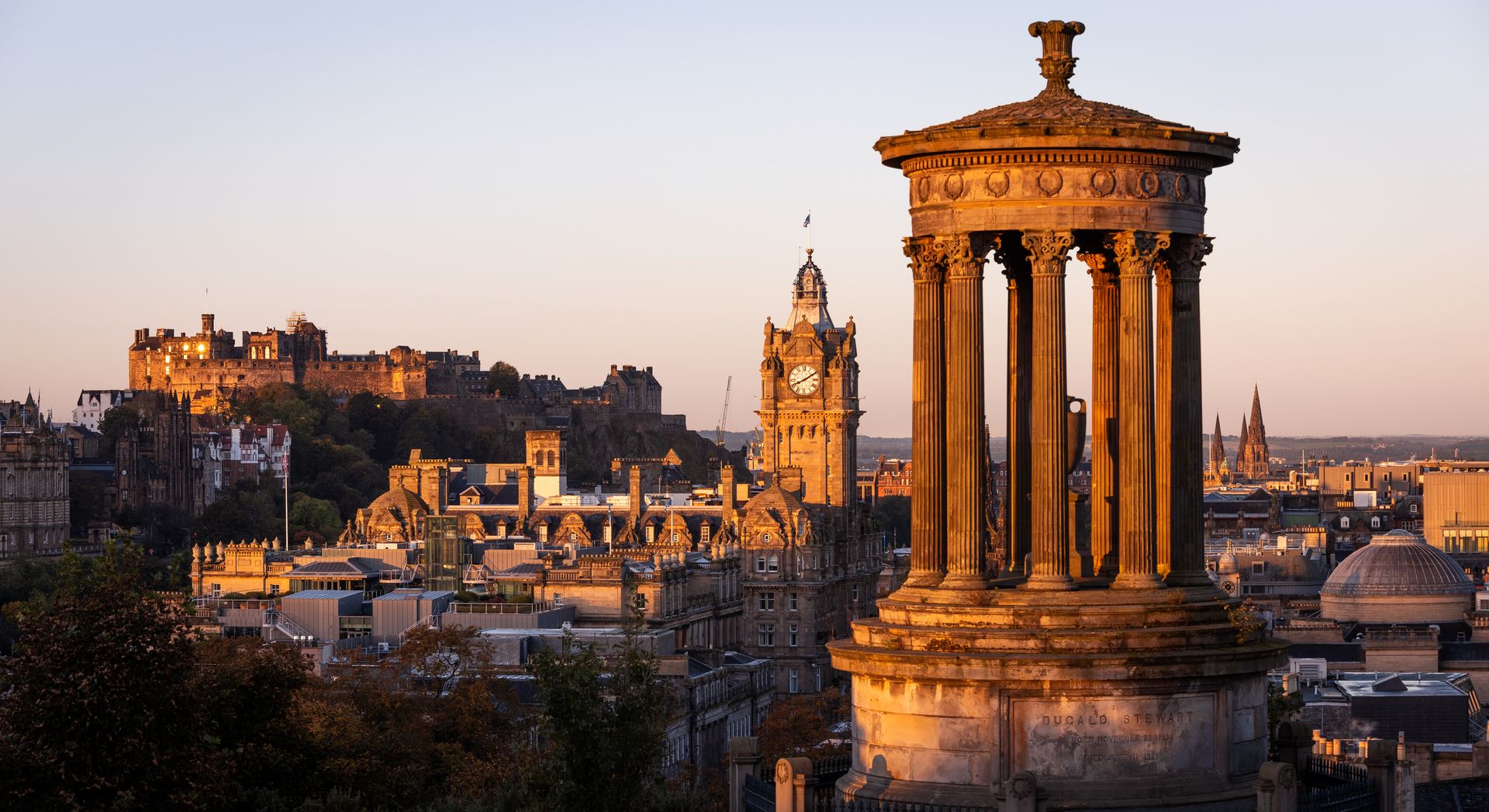
Edinburgh sits within a landscape that has accumulated centuries of dramatic architecture and green topography, to the point that the options for a wedding backdrop include structures that most of the world can only visit, not celebrate in. Edinburgh Castle, where royalty has stood for centuries of Scottish history, hosts weddings in its historic spaces, offering couples a ceremony location with historical weight few other venues in Europe can claim. St. Giles’ Cathedral, a Gothic masterpiece at the heart of the Royal Mile, offers a sacred and architecturally extraordinary ceremony space that matches the spiritual gravity of the occasion.
The Royal Botanic Gardens give couples a naturalistic setting within the city’s reach. The flowering grounds bring the Scottish countryside’s greenery into an organized, accessible space for a garden ceremony. The surrounding Pentland Hills and the Highlands, an hour north of the city, offer adventurous couples outdoor ceremony options in landscapes that look like they were art-directed. Scotland’s abundance of evergreen hills, castles, and centuries-old sites gives Edinburgh a concentration of wedding options across different registers — formal, historic, natural, and urban — that few cities of its size can assemble.
The practical case for Edinburgh is also strong. The city has a well-developed hospitality infrastructure for events, including dedicated wedding coordinators at major historic venues. The concentration of high-quality accommodation across a compact city center simplifies logistics for guest groups, and Scotland’s legal framework for marriage is more accessible to international couples than in some other European countries. Edinburgh’s cultural identity — distinctive, proud, and visually singular — gives wedding photography a backdrop that is immediately recognizable and deeply atmospheric. The city’s compact historic center also means guests can walk between the ceremony, reception, and accommodation, giving an Edinburgh wedding a sense of place that sprawling venue-park destinations elsewhere in Scotland rarely achieve.
Tuul & Bruno Morandi / Getty Images
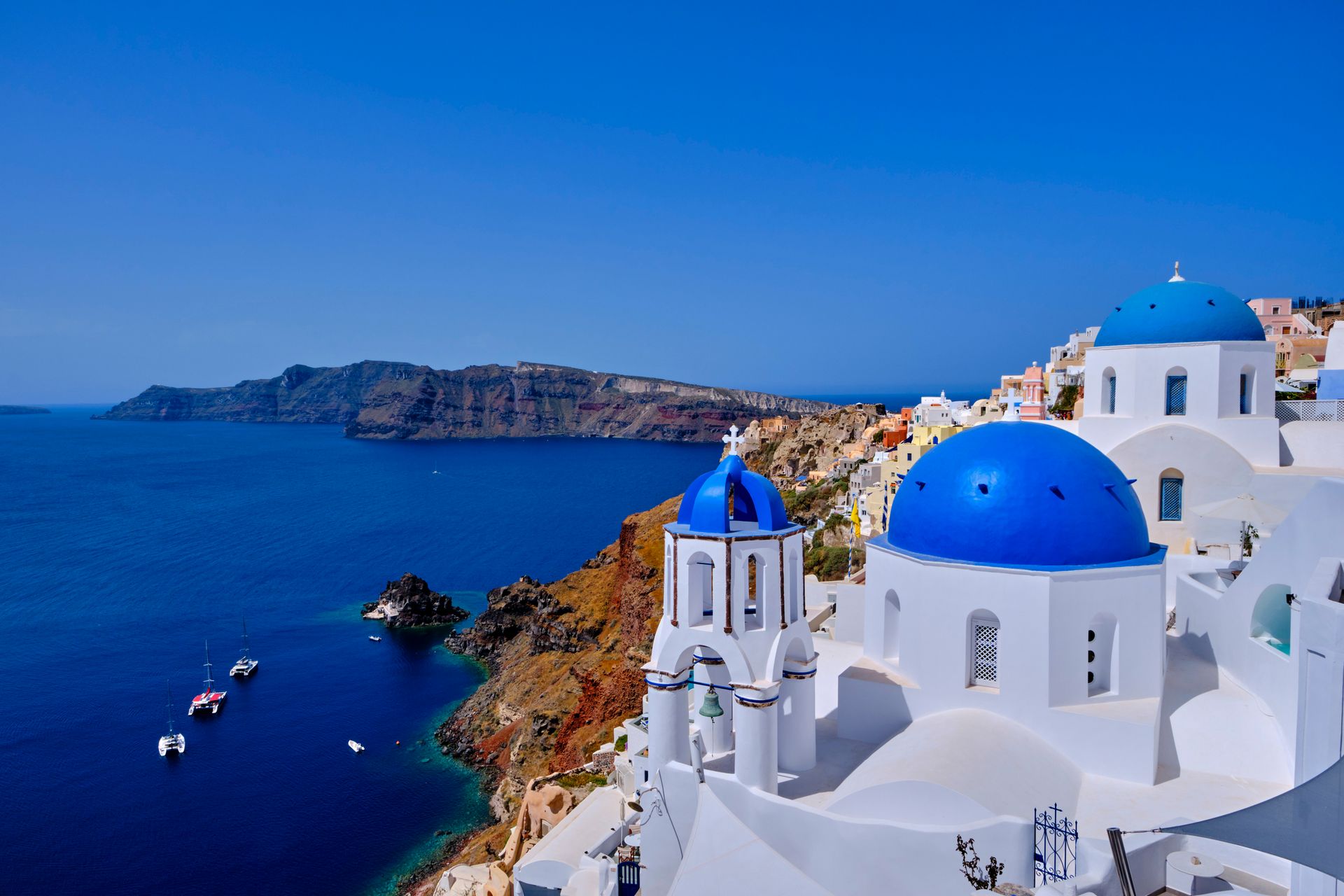
Santorini’s visual identity as a wedding destination is nearly universal: the white-washed cubic buildings against the deep blue of the Aegean, the caldera dropping away into the sea below the clifftop villages of Oia and Fira, and the sunsets that turn the sky orange and pink behind the volcanic rim. Couples can choose between a ceremony high on the caldera’s edge or along the island’s quieter east coast, where the character of the celebration shifts from dramatic overlook to more intimate beach setting. Most couples choose the caldera experience, and the hotels, estates, and wineries that line its edge — including Santo Winery, which opens its terraced grounds to weddings — make that choice entirely practical.
The visual richness of Santorini comes with the practical challenge of popularity. The island draws significant visitor numbers during the peak summer months, and couples should plan for the reality that private ceremonies in iconic Oia locations require advance booking of several years and premium pricing. The more manageable approach for many couples is to choose one of the island’s boutique hotels or winery venues, which provide private terrace settings with caldera views alongside professional event coordination within a contained property.
The island’s wine culture adds a dimension that few other Greek destinations can match. The volcanic soil produces distinctive wines — particularly the indigenous Assyrtiko grape — that give catering and reception service a local identity unique to Santorini. Couples who want the Greek island wedding setting that the rest of the world recognizes at a glance, with the caldera as the backdrop and the Aegean as the view, will find Santorini the most visually iconic option on this list. The winery venues add a dimension that purely hotel-based Santorini weddings cannot match, connecting the celebration to the island’s volcanic terroir that makes Santorini wine distinctly unlike any other Greek white in character and taste.
Tuul & Bruno Morandi / Getty Images
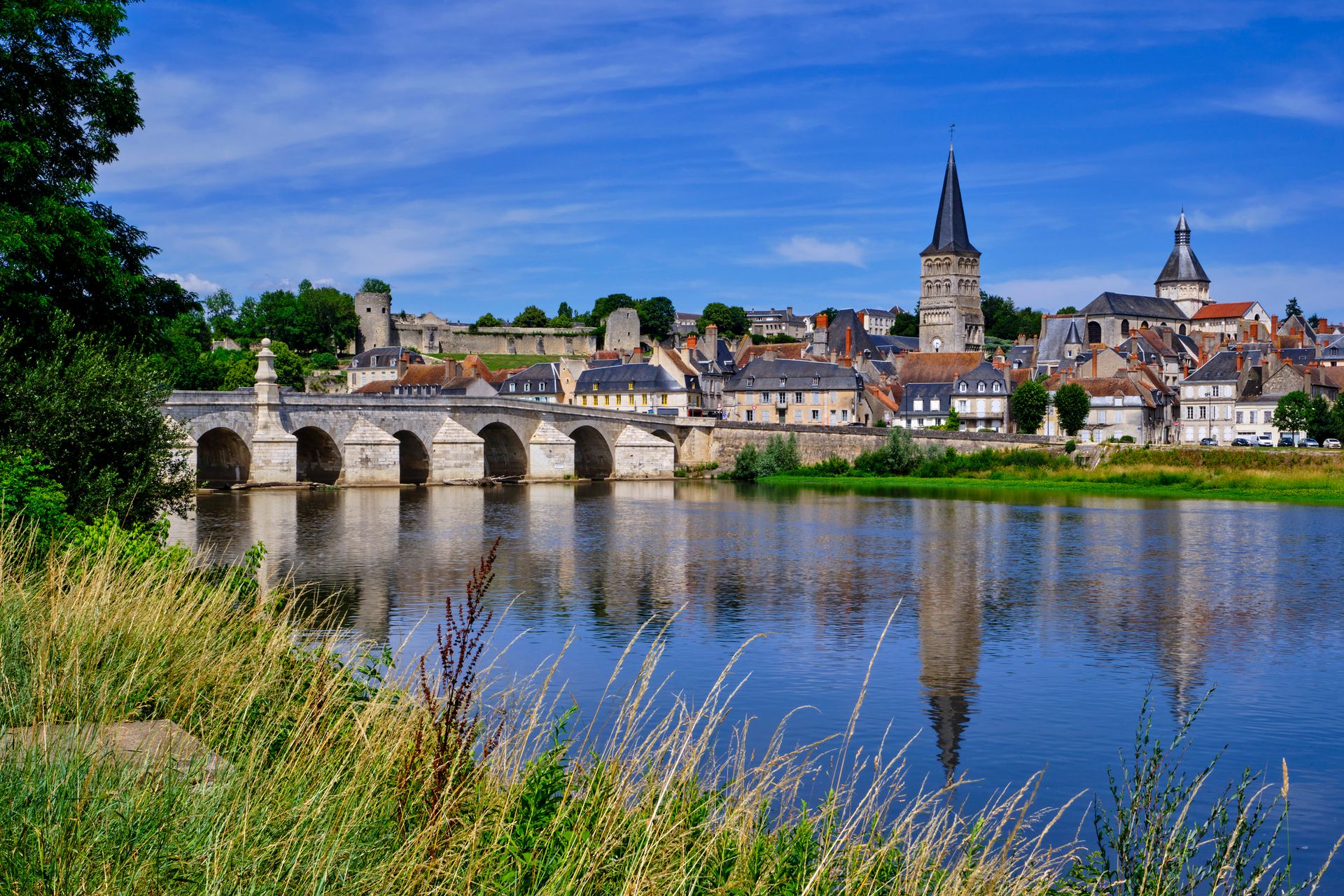
The Loire Valley’s wedding proposition is straightforward: rent a French chateau or castle for the celebration and give your guests the experience of living inside a fairy tale for a weekend. The sprawling wine-producing region in central France contains a remarkable concentration of historic properties, many of which are available for private hire for multi-day events, giving couples and their guests exclusive access to grounds, accommodation, and facilities that, in ordinary circumstances, receive thousands of day visitors. The sense of having the valley to oneself is one of the Loire Valley’s most consistently praised qualities as a wedding destination.
The budget requirements for a Loire Valley chateau wedding are substantial. The properties that create the fairy-tale experience — authentic Renaissance chateaux, medieval fortresses, formal French gardens — command prices that reflect their architectural rarity and the exclusivity of private hire. Couples who build their budgets around a Loire Valley venue typically find the cost concentrated in the property, not distributed across multiple vendors, which gives the planning process a different financial structure from city weddings.
The remoteness that gives the Loire Valley its intimacy also creates logistical considerations for guest travel. The region is accessible by TGV from Paris in approximately an hour, which makes arrival manageable, but accommodation for large guest groups typically concentrates within the hired property. Couples who want the definitive French countryside wedding setting — chateaux, formal gardens, and the wine country that has defined the Loire’s character for centuries — will find no equivalent in Europe for that specific experience. The multi-day hire model, where the property is entirely theirs, also changes the social structure of the wedding: guests spend the full weekend together on the same estate, creating a shared, immersive experience that a single-day ceremony at a borrowed venue simply cannot replicate. The Loire’s wine country also gives the multi-day celebration a natural activity focus that keeps guests engaged between the ceremony and the farewell dinner.
Roberto Moiola / Getty Images
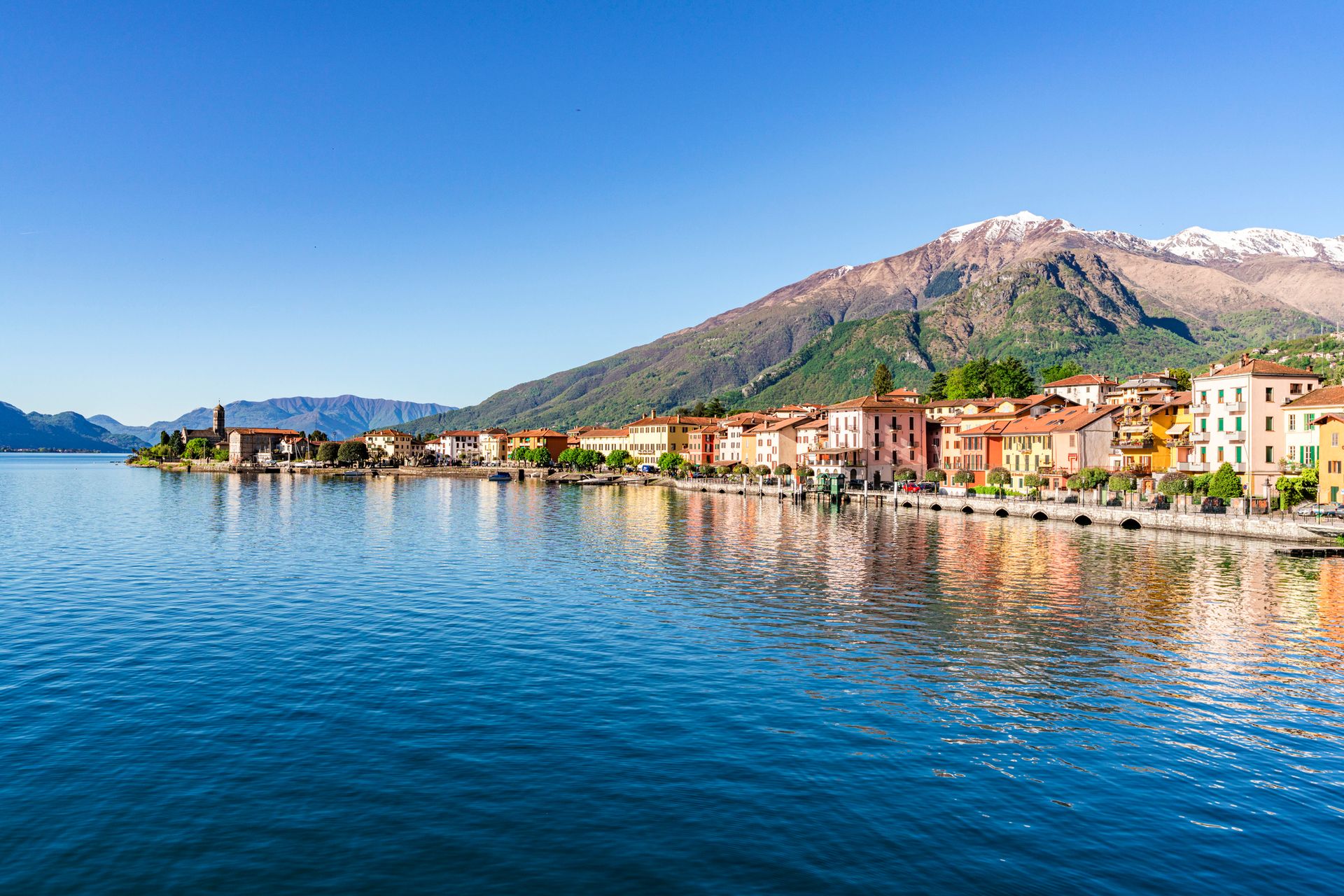
Lake Como’s reputation as a playground for the wealthy and celebrated is built on a physical setting of genuine merit: the lake sits at the base of the Italian Alps, surrounded by steep wooded peaks that descend directly to the water’s edge, where the shores are lined with extravagant villas built over three centuries of aristocratic patronage. Weddings here occupy some of the most architecturally distinguished privately owned properties in Italy, with grounds that open to lake views framed by mountain peaks on every horizon.
The property inventory at Como is both the destination’s primary appeal and its most direct cost signal. The villas that line the lake’s shores — Villa del Balbianello, Villa Erba, Villa Carlotta — carry the pricing of the global luxury market, and the wedding packages built around them reflect the same premium that the wealthy and famous have paid for privacy and beauty at this address for generations. Couples who work within this pricing reality find that Como delivers on its promise without reservation.
The lake’s geography also provides practical advantages for a multi-day celebration. Boat transport between Como, Bellagio, Varenna, and the smaller towns creates a scenic logistics network that organizes guest movements, keeping the weekend feeling like a genuine experience of the place. Lake ferries and private boat hire add a navigational dimension to the celebration that mountain-only or beach-only destinations cannot offer. Como’s Alpine peaks above and its Italian Mediterranean character at the water’s edge give it a setting unlike any other on this list. Couples whose guest list includes people who have previously visited Italy will find that Como occupies a very different register from Rome, Florence, or Tuscany. The lake itself, at any hour of the long day or evening, gives the celebration a natural feature of genuine grandeur that no venue designer anywhere could engineer from scratch.
Frederick Millett / Getty Images
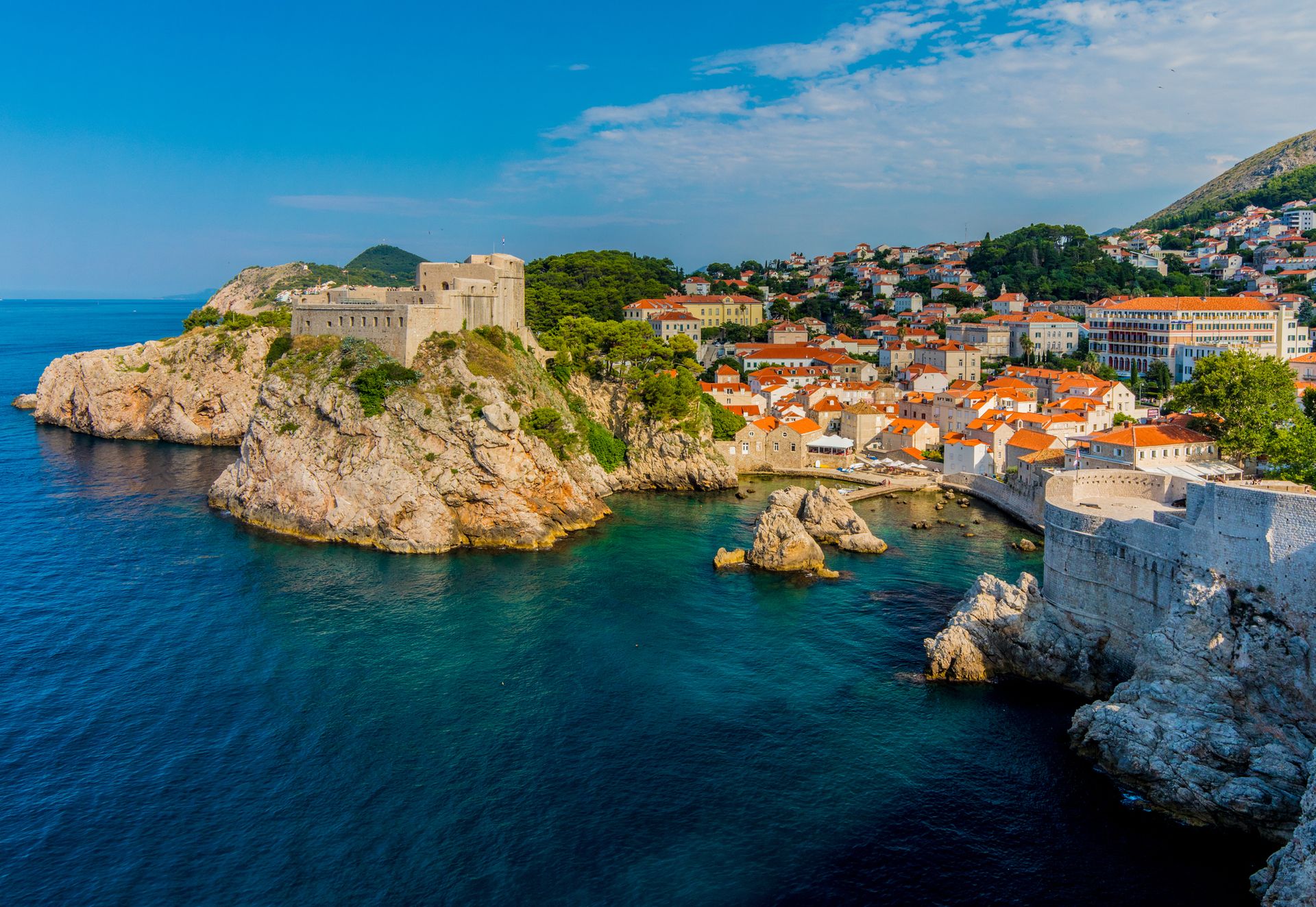
Dubrovnik’s compact medieval Old Town, enclosed within intact limestone city walls and perched directly above the Adriatic Sea, offers weddings a setting that is at once architecturally extraordinary and visually arresting. The city earned UNESCO World Heritage status for preserving one of Europe’s most complete medieval urban environments, and the wedding venues within the city walls — the waterfront palaces, the terraced restaurants, the historic churches — provide a backdrop of genuine antiquity, not decorative period styling.
The waterfront wedding venues are the city’s strongest offering for couples. Dubrovnik’s seafront hotels, with their private beaches and terraces, position the ceremony and reception against the Adriatic’s crystal clarity, with the city walls rising above and the islands of the Dalmatian coast visible on the horizon. The beach itself functions as a ceremony venue for couples who want a Croatian coastal wedding without the infrastructure demands of a church or ballroom. The hotel operators along the waterfront are experienced with international wedding parties and can coordinate the logistics of guests arriving from multiple countries.
The Adriatic light in Dubrovnik — particularly in the hours before sunset, when the limestone walls glow amber, and the sea deepens to indigo — gives wedding photography a distinctive quality of natural illumination characteristic of this latitude and landscape. Couples who want the drama of a medieval walled city combined with direct access to the Croatian coast will find Dubrovnik the most architecturally complete setting for that specific pairing on this list. The city also benefits from strong international flight connections during the summer season, which reduces the logistical burden on guests traveling from multiple countries and makes it one of the most practically accessible European island and coastal wedding destinations on this list. The Old Town’s pedestrian character also means the wedding party moves through one of the world’s most beautiful urban environments simply by walking between venues.
mrtekmekci / Getty Images
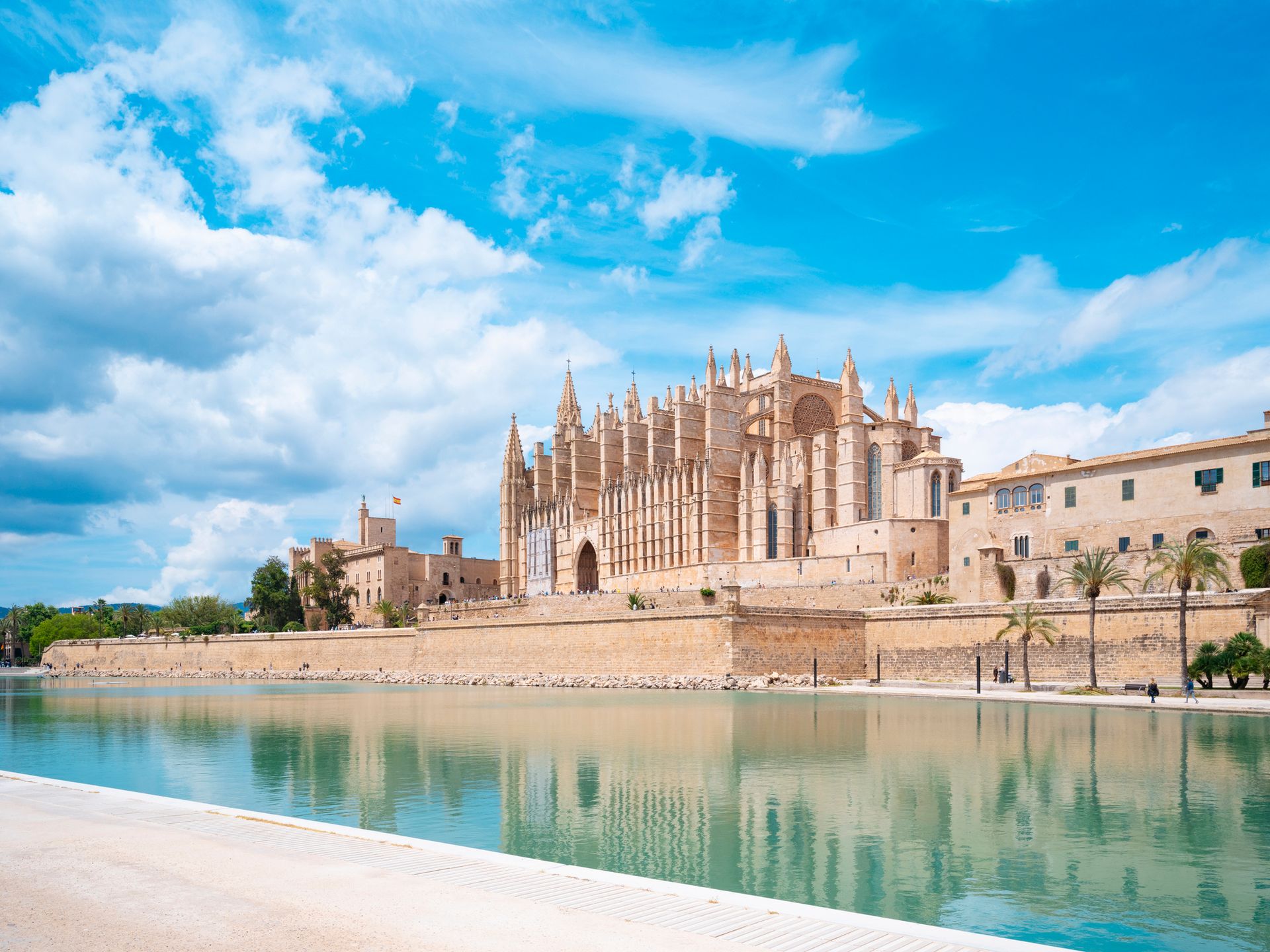
Mallorca’s geographic and cultural diversity offers a range of wedding venues that no other island on this list can match. Couples can choose a beachside ceremony along the island’s northern coves, a celebration at a finca — a traditional Mallorcan farmhouse — set among the Tramuntana mountains, or a secluded castle or manor house that puts the entire property at the couple’s disposal for the weekend. The island’s topographic range, from coast to mountain, is compressed into a single destination that requires no additional travel between venues.
The practical guidance for a Mallorca summer wedding is specific: plan for an evening ceremony and reception. Daytime temperatures in the peak summer months reach levels that make outdoor celebrations uncomfortable for guests in formal attire, and the island’s consistently clear summer evenings are warm after dark with long twilight, naturally suited to al fresco receptions that extend late into the night. Couples who schedule around this timing find Mallorca’s summer climate an asset, not a constraint.
The finca is Mallorca’s most distinctive wedding setting. These traditional rural properties, built from local stone and set within agricultural landscapes of almond, olive, and grape, give celebrations an organic connection to the island’s agricultural identity that purpose-built venue spaces cannot replicate. Many fincas have been converted for event use while retaining their original character, giving couples access to spaces that feel Mallorcan authentically. Mallorca’s diverse settings within a single island, along with practical international flight access from across Europe, make it one of the most logistically convenient destination wedding locations on this list. Couples who spend time actually visiting the island in person before booking their venue will find that the meaningful differences between a northern cove finca and a southern beach estate are significant enough to justify a proper in-person scouting trip rather than selecting on photography and floor plans alone.
