Stephen Reeves / Getty Images
Food culture in the U.S. is about more than fine dining. It’s about searching for value, variety, and accessibility — whether that means farmers' markets, food trucks, or diners.
To determine where food culture is the best, WalletHub compared 182 big U.S. cities on 28 metrics, including affordability, diversity, accessibility, and quality. Data points ranged from grocery costs and meal prices to restaurant diversity, food festivals, and the availability of healthy options.
“The top cities cater not just to people who enjoy dining out, but also to foodies who enjoy putting their own skills to the test by exploring new flavors in their own kitchens,” said WalletHub analyst Chip Lupo. “In addition, these cities make delicious dining affordable for residents and visitors alike.”
Continue reading to see which made the list.
1 / 10
Bloomberg / Contributor / Getty Images
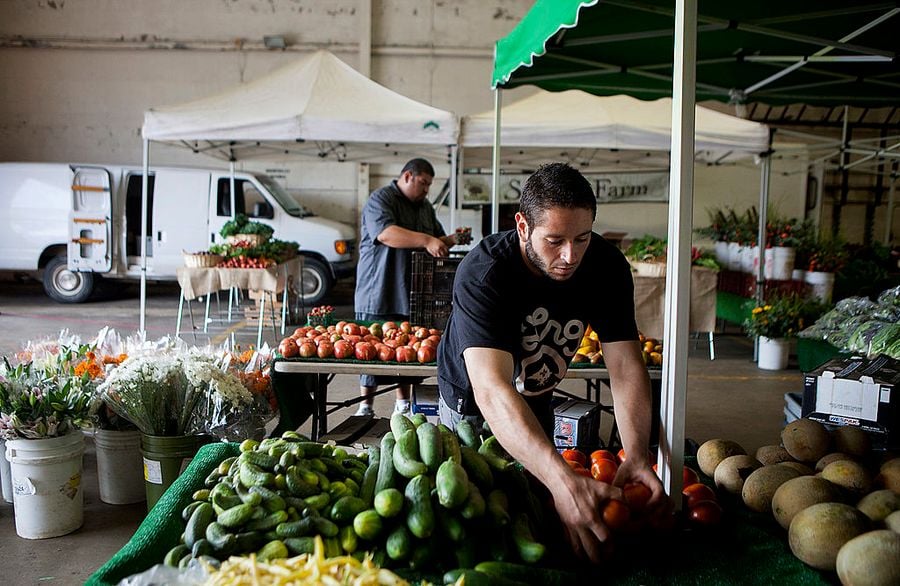
San Diego stands out for its strong showing of Michelin-starred restaurants and a relatively balanced restaurant market, with a better ratio of full-service to fast-food establishments than most cities. Its growth in new, full-service restaurants has kept pace with demand, and the city has a high amount of coffee and tea shops per capita.
2 / 10
San Francisco Chronicle/Hearst Newspapers / Contributor / Getty Images
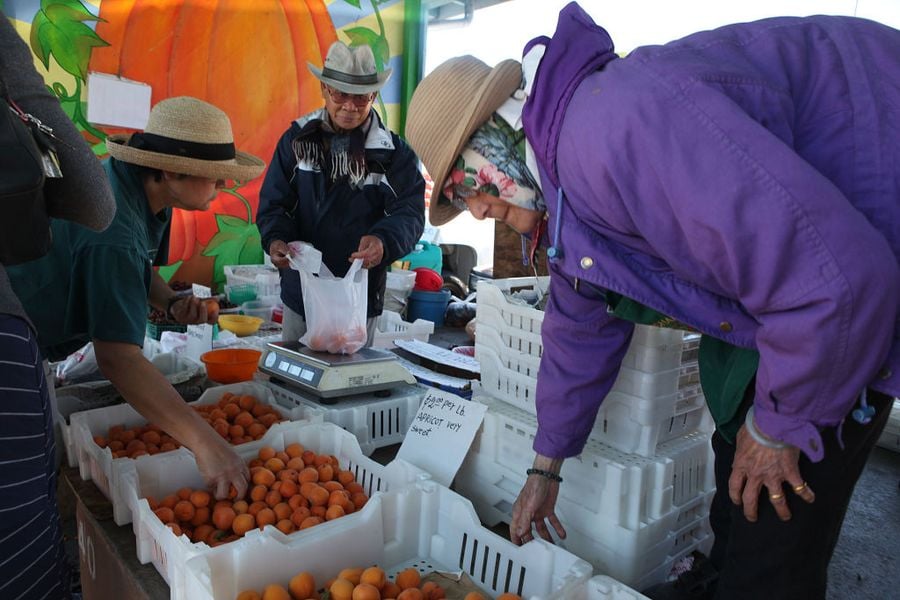
Sacramento ranks high in food freshness, with one of the stronger shares of agricultural workers among U.S. cities, underscoring its farm-to-fork reputation. The city also offers solid access to farmers' markets and CSA programs, helping it post strong marks for healthy food availability alongside its cluster of Michelin-recognized restaurants.
3 / 10
Anadolu / Getty Images
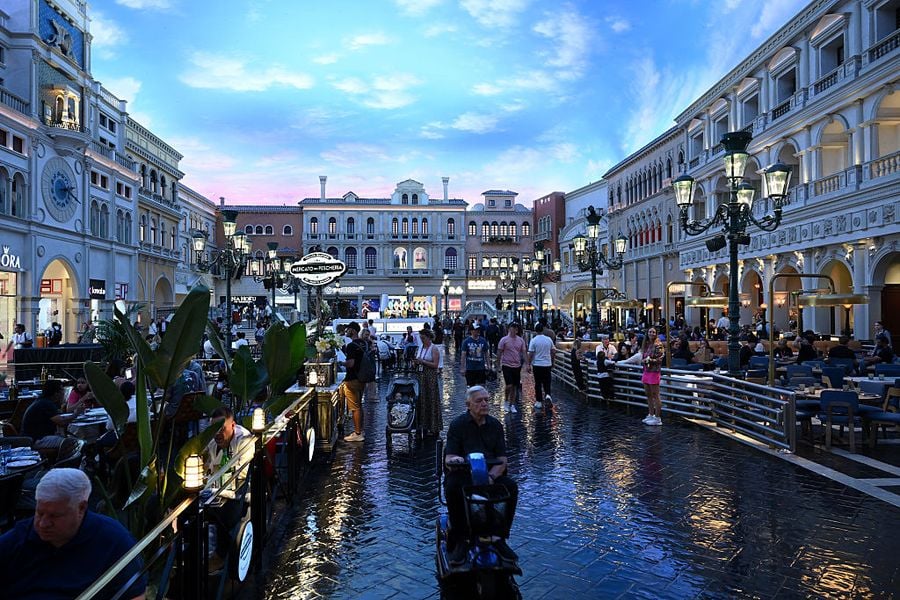
Las Vegas ranks near the top for growth in full-service restaurants over the past five years. The city also has one of the lowest average beer and wine prices in the country, making it more affordable for residents and visitors to enjoy a night out compared to many other major destinations.
4 / 10
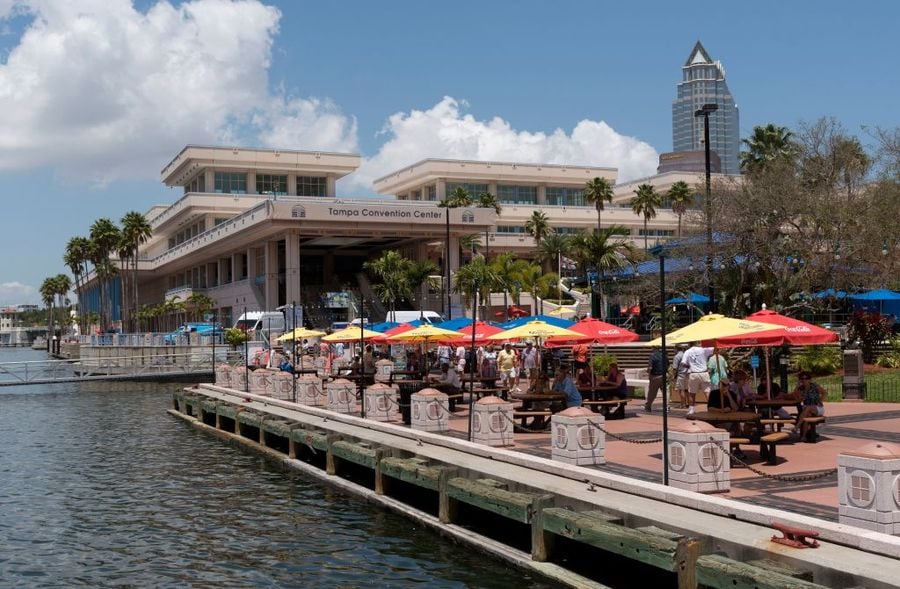
Education Images / Contributor / Getty Images
Tampa shows one of the highest growth rates in full-service restaurants nationally, helping it earn recognition as a rising food destination. It also ranks well for food festivals per capita and continues to expand its diversity of dining options.
5 / 10
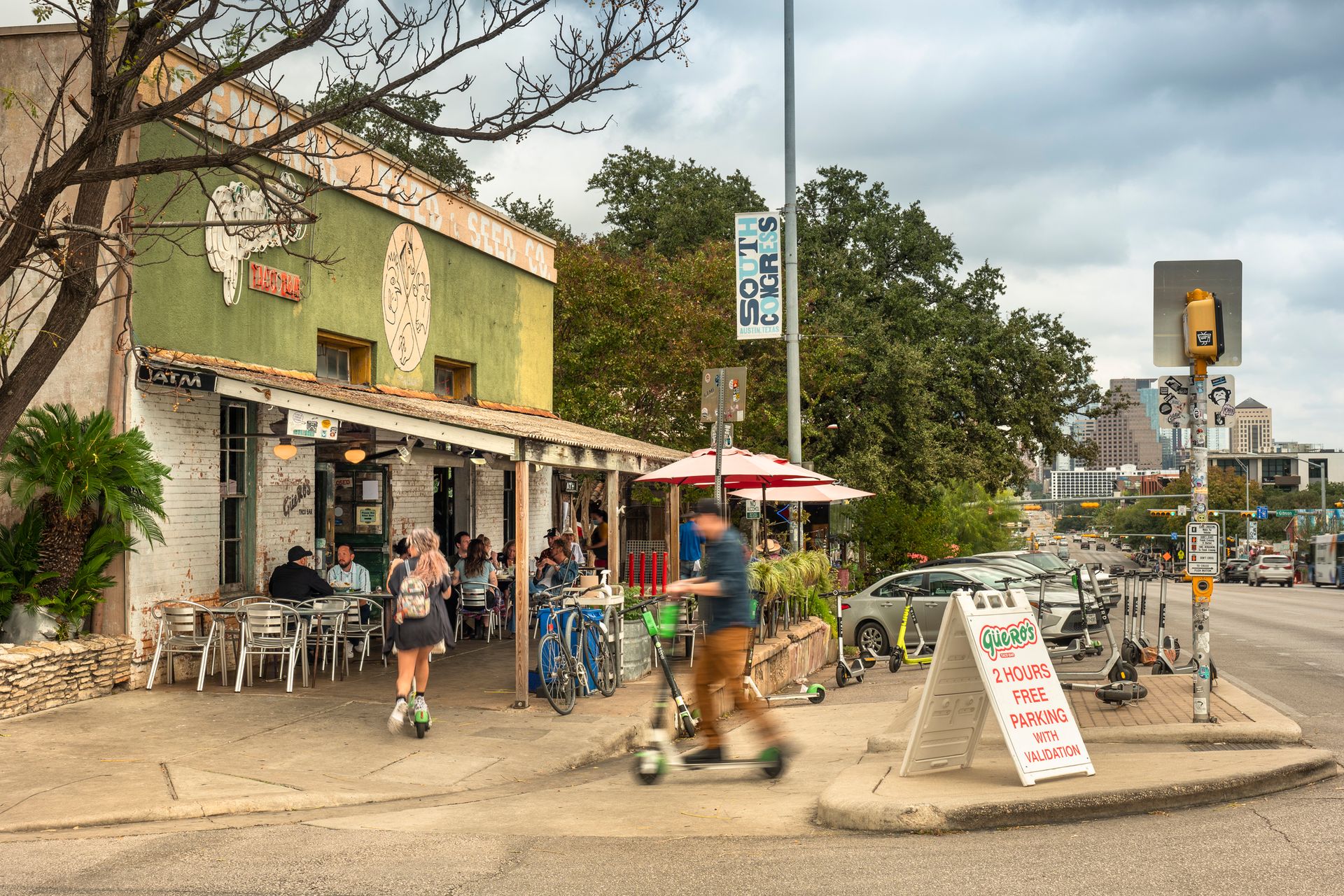
Pgiam / Getty Images
Austin performs strongly in restaurant diversity and ranks high for growth in full-service establishments. The city also offers relatively affordable average meal prices compared to other large foodie hubs, while standing out for its number of gourmet specialty-food stores and its food truck culture.
6 / 10
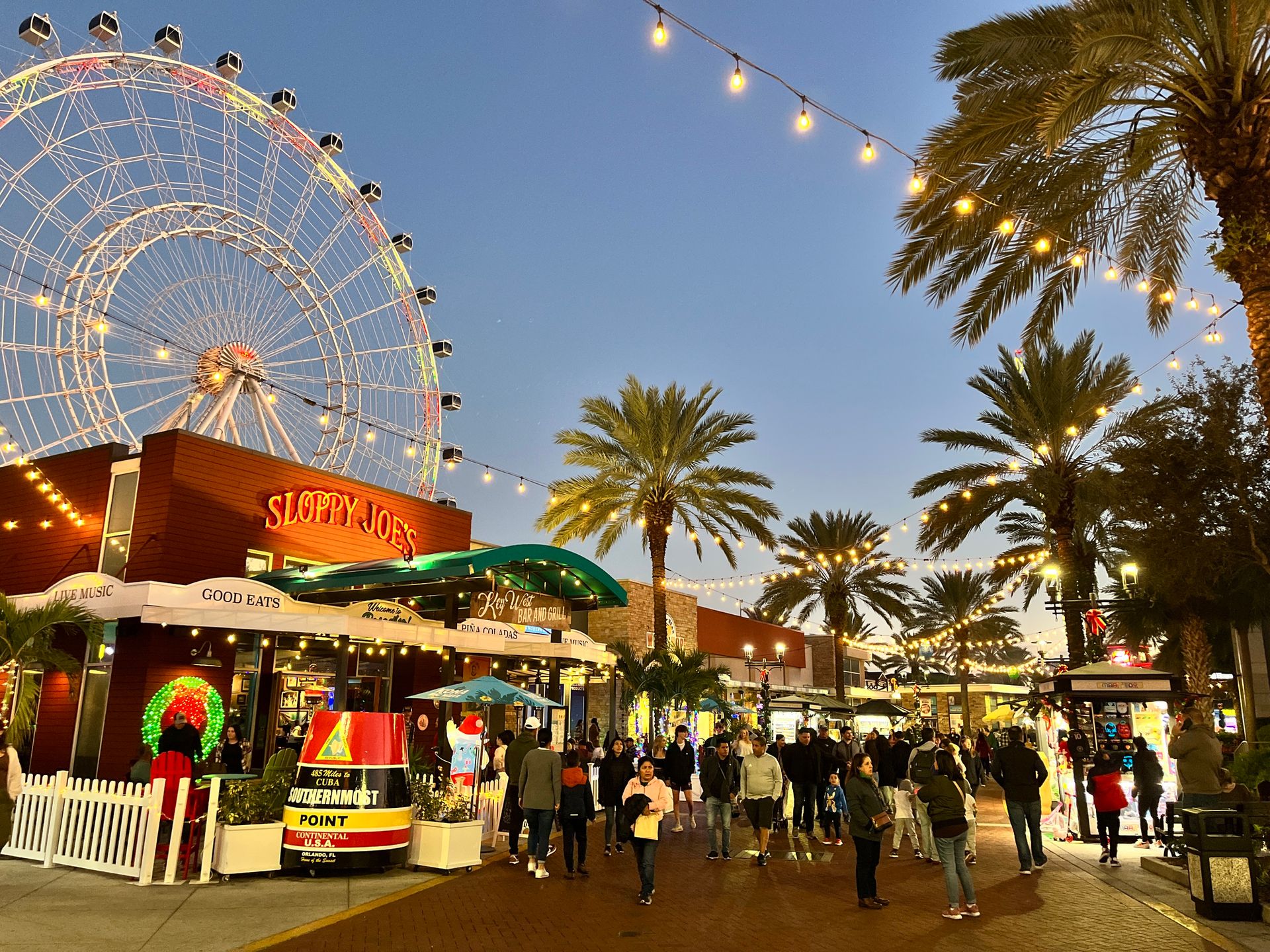
ampueroleonardo / Getty Images
Orlando shows one of the sharpest increases in full-service restaurants, ranking near the top nationally for growth between 2017 and 2022. It is also among the leaders in food trucks and ice cream shops per capita.
7 / 10
Stephen Reeves / Getty Images
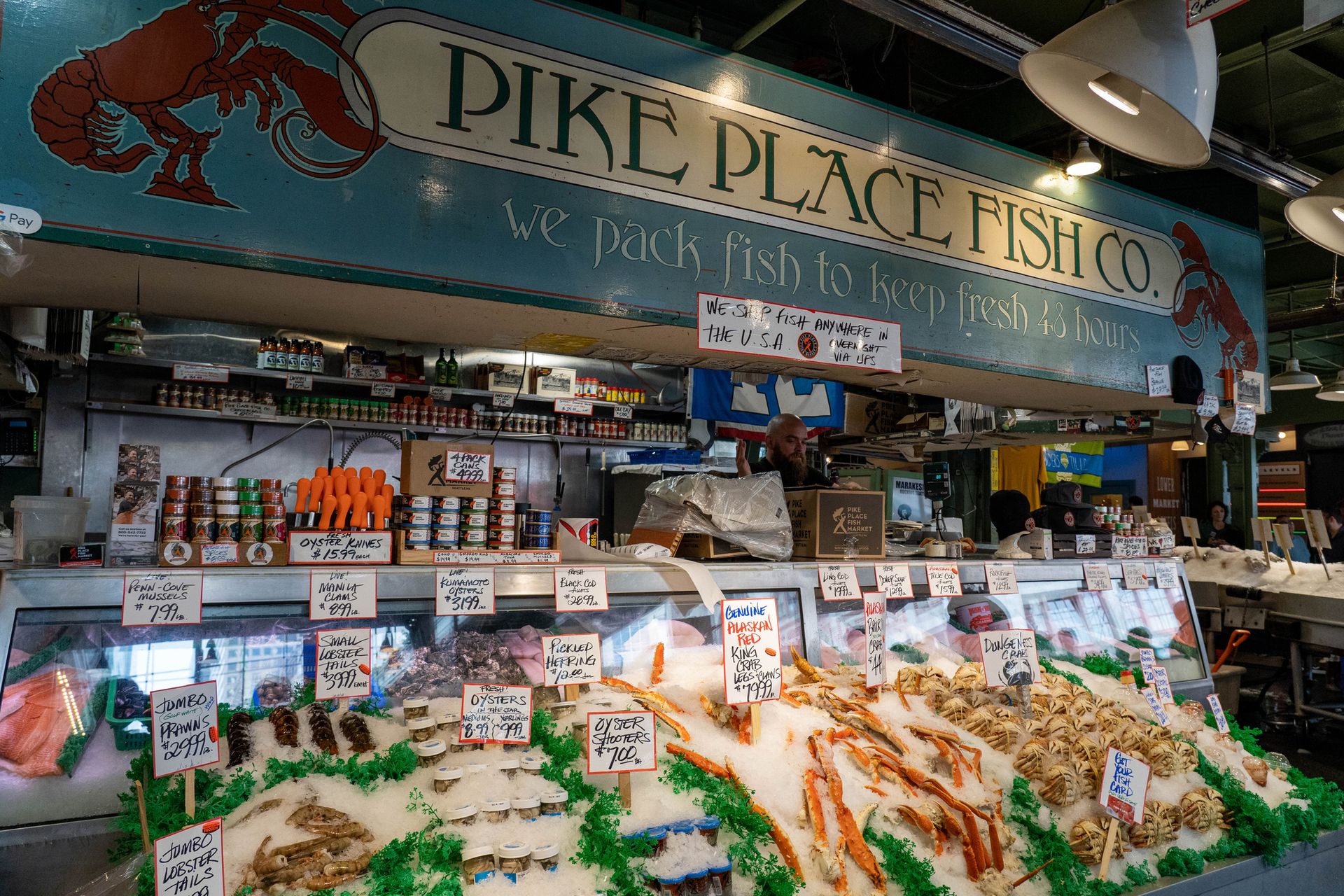
Seattle earns top marks for its concentration of coffee and tea shops as well as a high number of gourmet specialty-food stores. The city also benefits from strong restaurant diversity and steady growth in full-service dining, with broad access to fresh, locally sourced options.
8 / 10
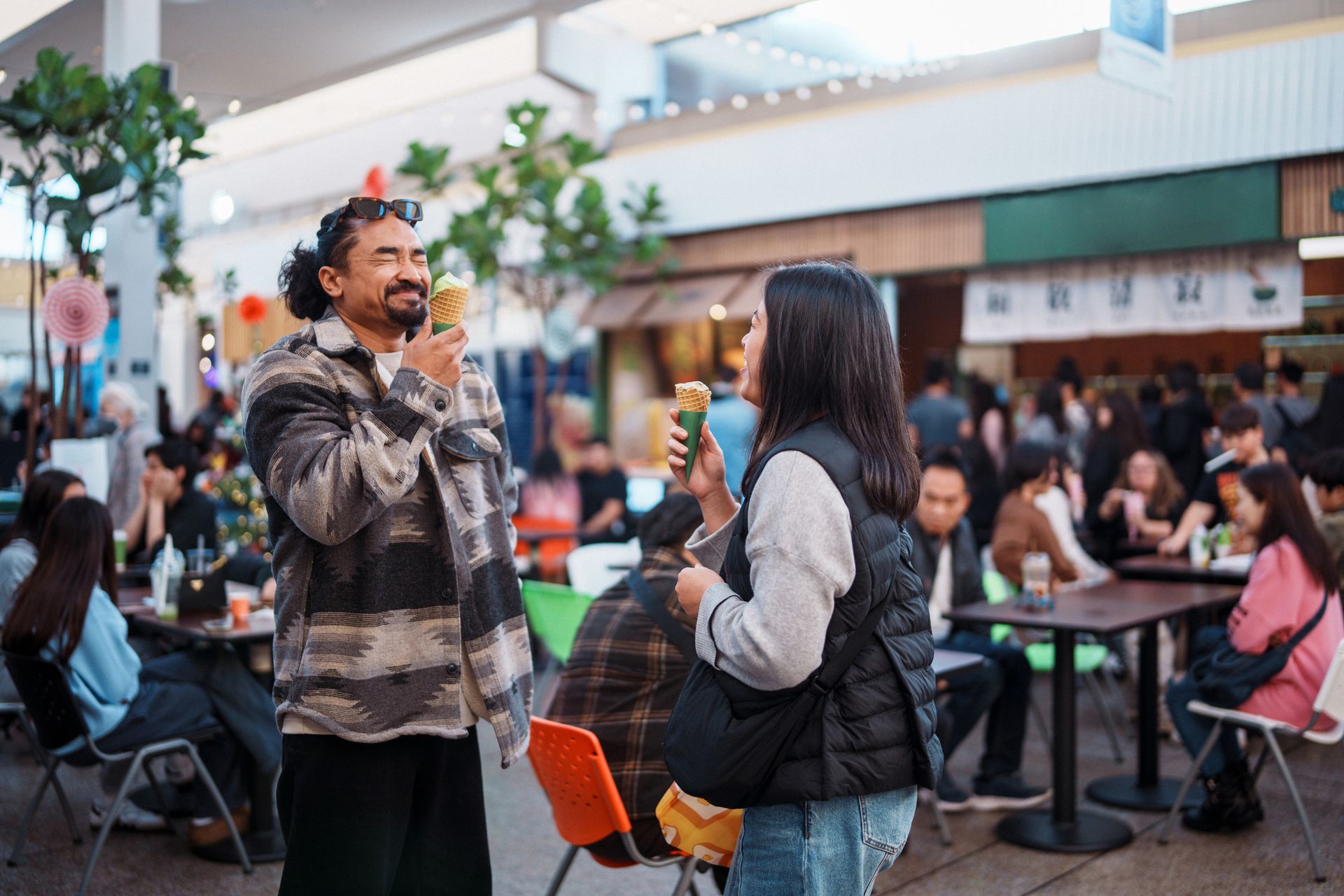
Fly View Productions / Getty Images
San Francisco leads the nation in Michelin-starred restaurants and is among the top cities for restaurant diversity. It also performs well in gourmet specialty-food stores and access to healthy food options, though its high meal costs keep it from taking the very top spot overall.
9 / 10
jdornoff / Getty Images
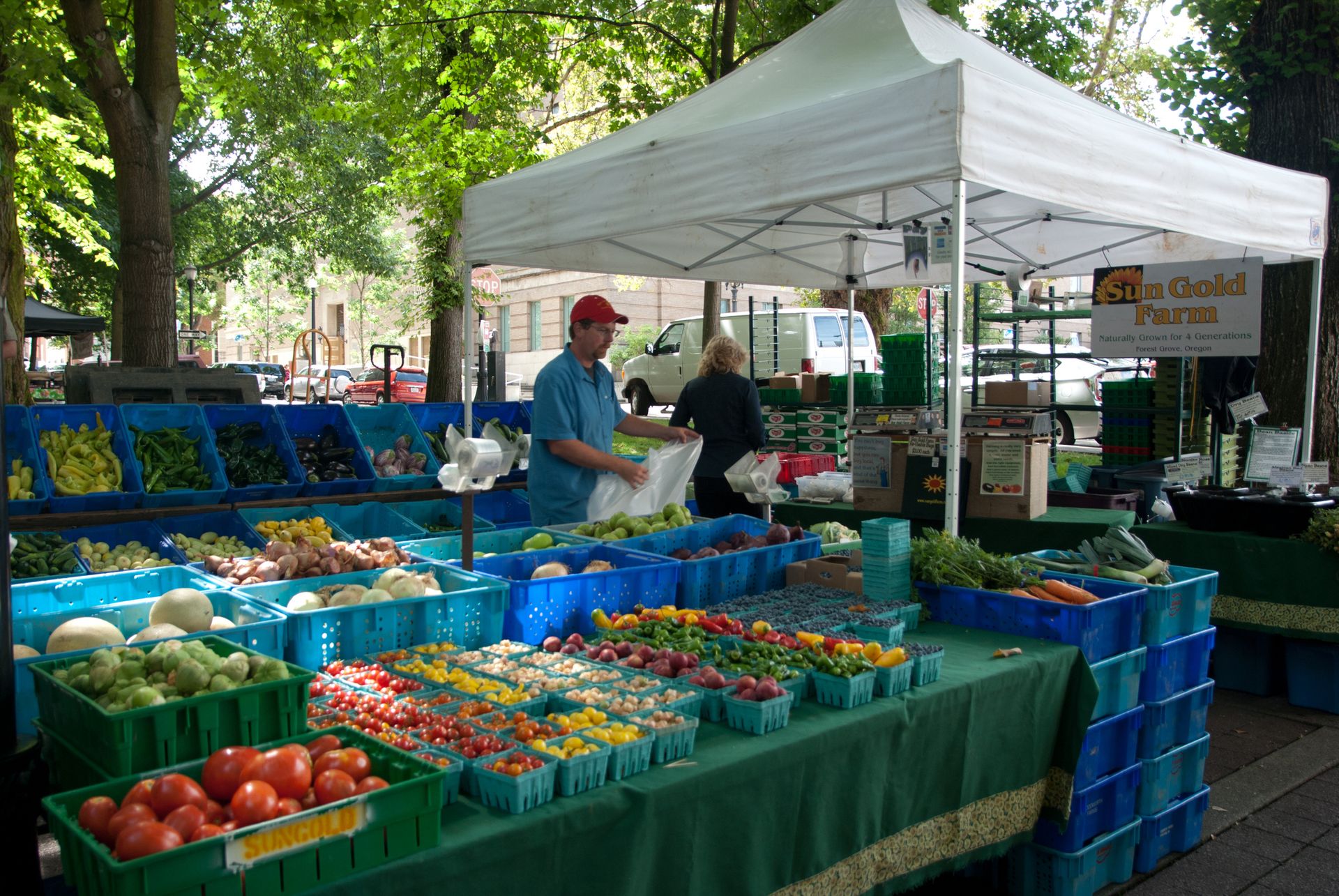
Portland ranks first for food trucks per capita. The city is also a leader in craft breweries and wine bars, while posting strong results for access to healthy food and farmers’ markets. Its combination of affordability and diversity secures Portland a place near the top of the list.
10 / 10
Mireya Acierto / Getty Images
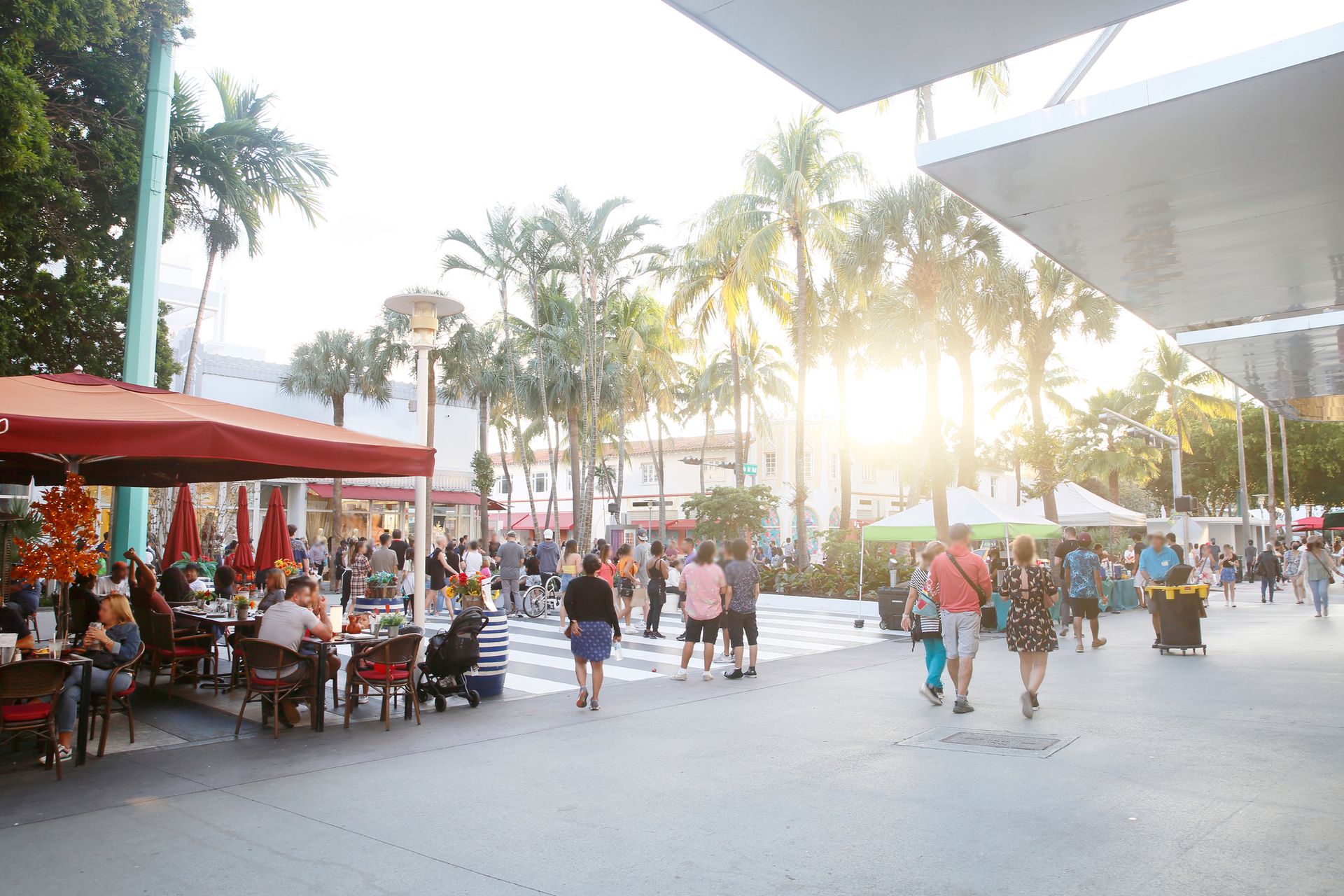
Miami takes first place thanks to its unmatched accessibility to highly rated, affordable restaurants, ranking number one in that category. The city also scores at the top for international grocery stores, food festivals, and cooking schools, making it the most well-rounded and affordable food environments in the country.
