Essential food and drink experiences in Burgundy, from wine tasting to seeing how Dijon mustard is made
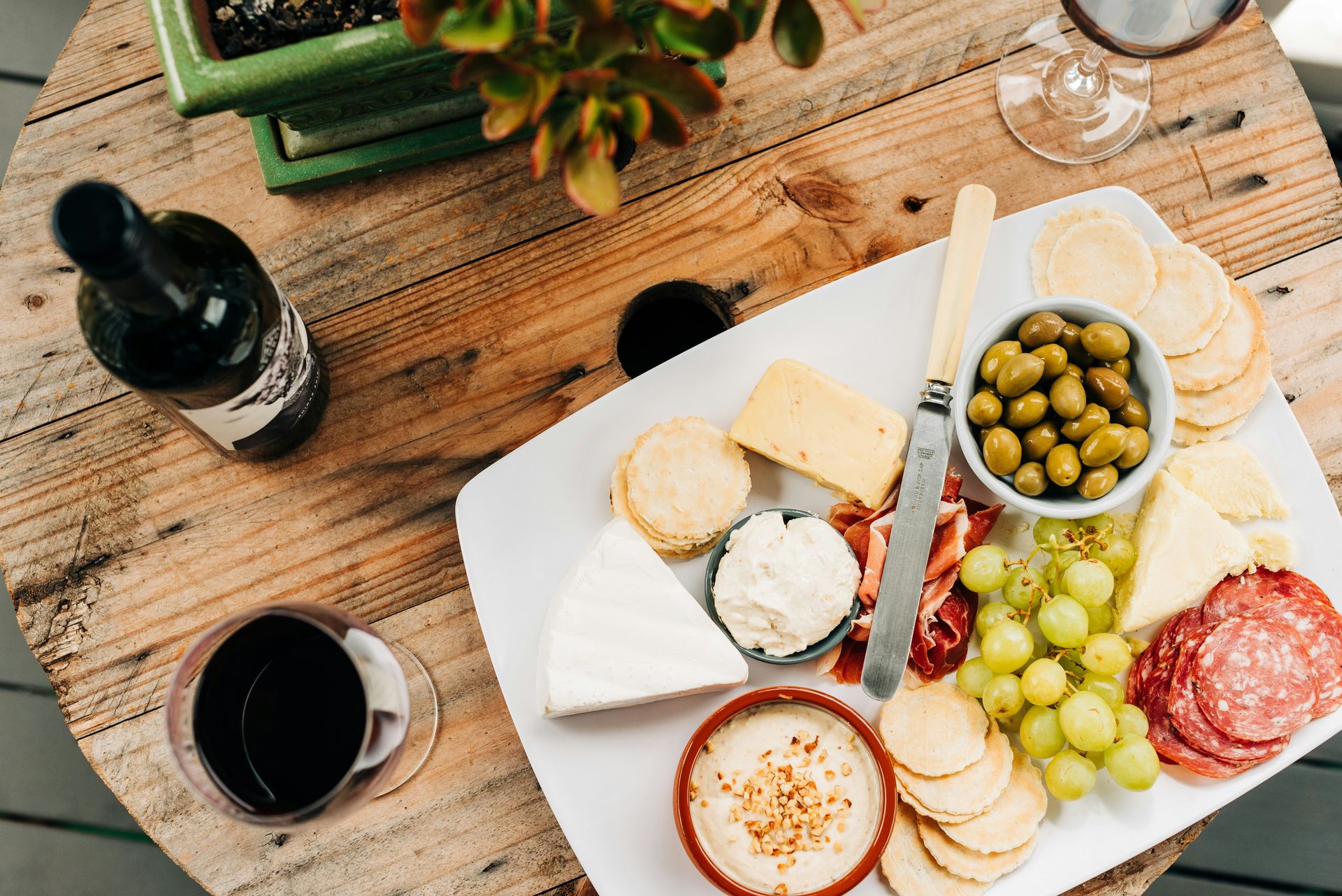
Melissa Walker Horn / Unsplash
Burgundy has a specific kind of reputation that is both accurate and incomplete. The wines are world-famous, justifiably so, and the prices that the most celebrated bottles command reflect genuine scarcity: the region produces under 3 percent of France’s total wine output while containing some of the world’s most sought-after appellations. But food travelers who come focused only on the wine miss half of what makes Burgundy worth visiting. The blackcurrant liqueur tradition, the mustard culture centered on Dijon, the Bresse chicken designation, the gougères served with every aperitif: these are a food culture in their own right, not accessories to the wine program.
The experiences on this list span the full range of what Burgundy’s food and drink culture offers, from interactive factory tours to two-Michelin-star dining, from a €13 tasting at a bright contemporary wine shop to a jar of blackcurrant ketchup that will change what you think a charcuterie board can be. What they share is directness: most of them put the traveler in contact with producers, makers, and ingredients at the source, not at a remove.
The five experiences below appear in Lonely Planet, written by AnneMarie McCarthy, covering Burgundy’s most rewarding culinary encounters across the region. McCarthy visited the region specifically to document its food and drink culture and experienced most of the entries on this list directly, which gives the recommendations a personal authority that lists compiled from secondary sources don’t carry. Burgundy is genuinely compact enough that a week covers the main food and drink experiences without feeling rushed, and the region’s transport infrastructure, centered on the TGV line between Paris Gare de Lyon and Dijon, makes it genuinely accessible from the capital in under two hours. Lyon, accessible from the southern end of the region, adds a second major city with a serious food culture of its own to any Burgundy itinerary that extends far enough south, and the two-city option rewards travelers with more than a weekend to spend.
Kelsey Knight / Unsplash
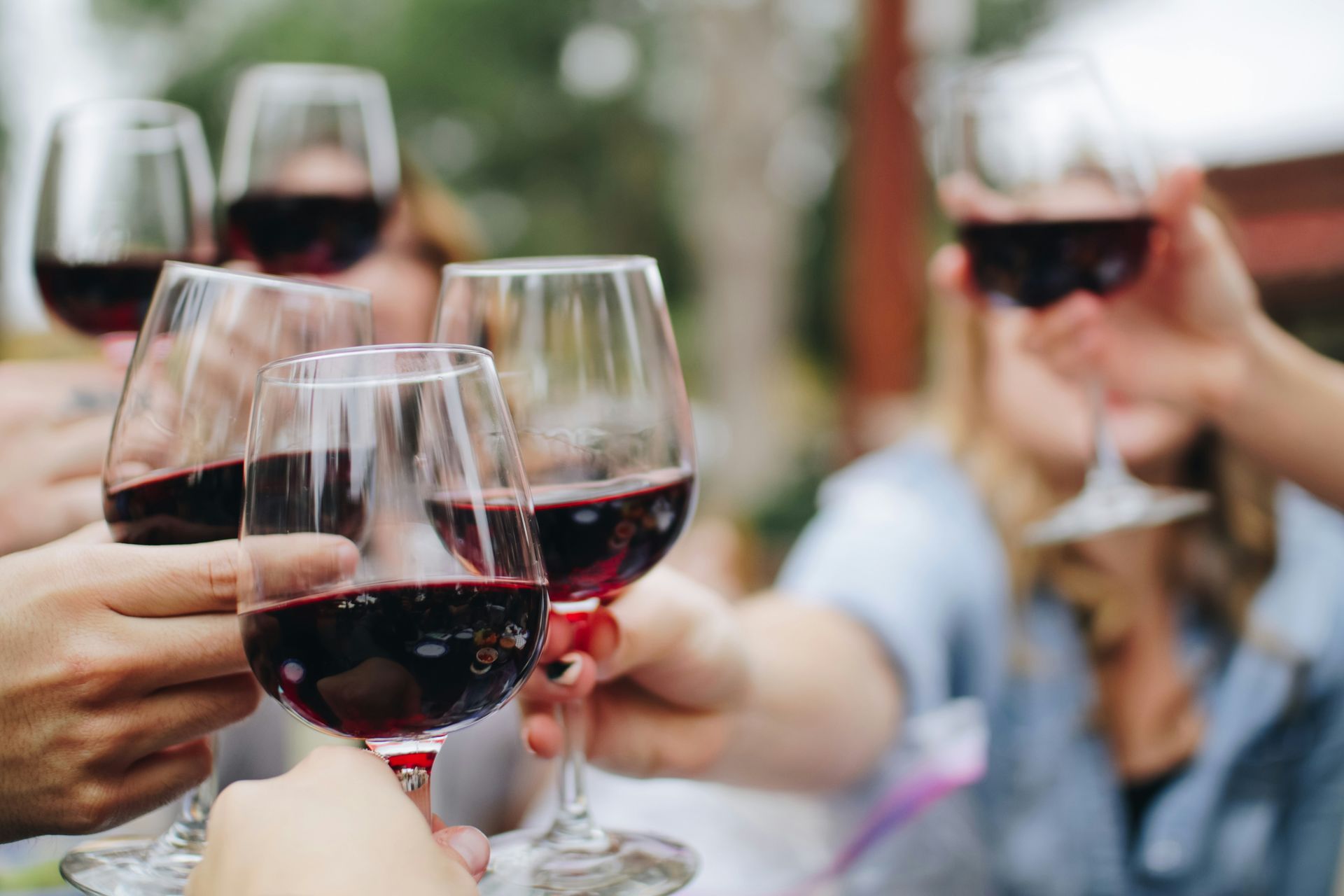
Burgundy’s wine reputation is built on scarcity and difficulty. The region produces less than 3 percent of France’s total wine output, compared to Bordeaux’s roughly 15 percent, and its primary grape varieties, Pinot Noir and Chardonnay, are notoriously unforgiving of imperfect growing conditions. Limited supply alongside finicky production pushes prices to levels that make tasting before buying genuinely important, not a luxury. Stocking up in the region is consistently a better value than buying the same bottles elsewhere.
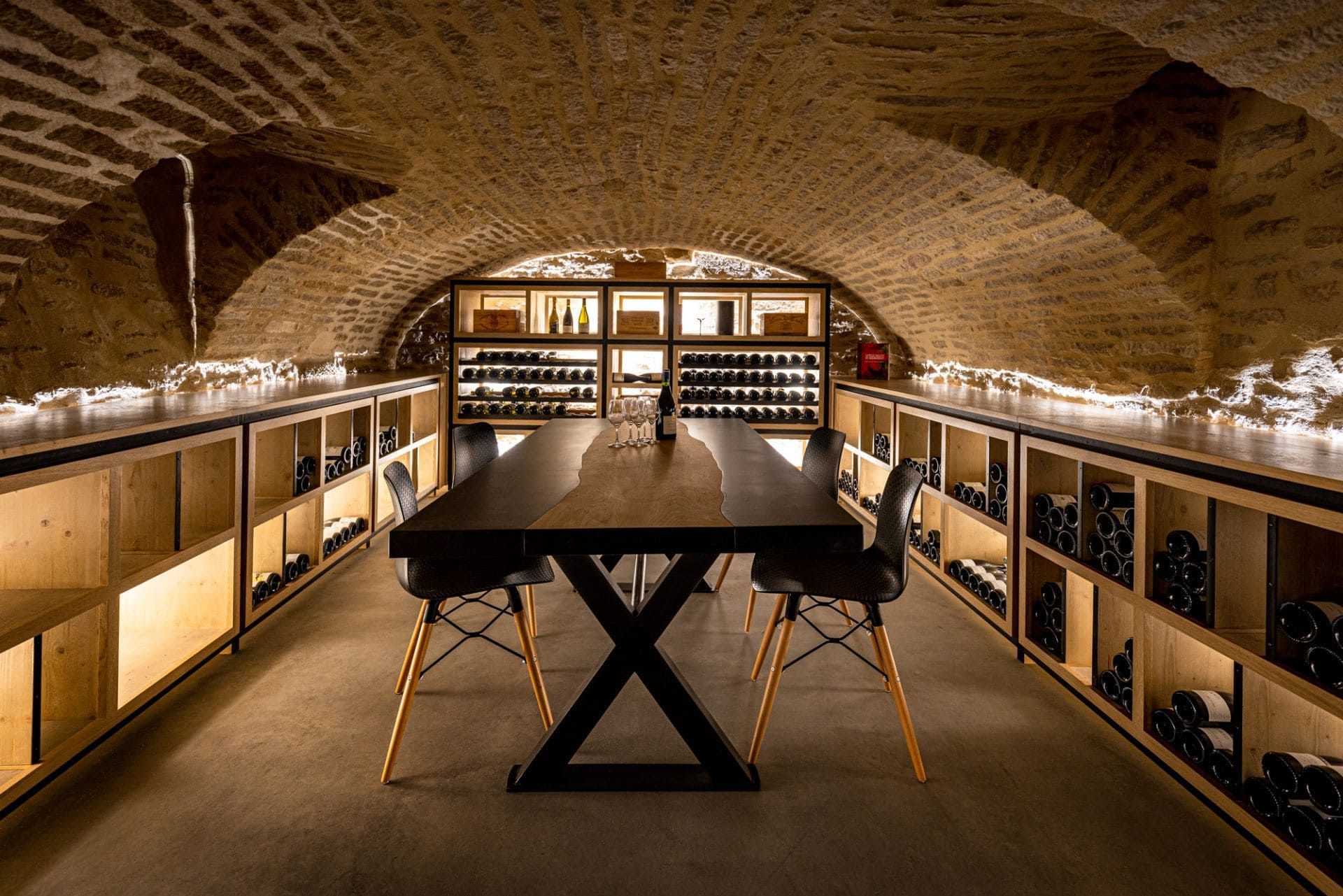
Two contrasting options in the region’s main cities are worth knowing. In Dijon, La Cave du Palais hosts daily wine tastings in a 15th-century wine cellar, with a six-variety introduction for around €39 per person. The cellar setting gives the tasting historical context that reinforces the depth of Burgundy’s winemaking tradition, and the format covers enough of the appellation range to orient a visitor new to the region’s geography. In Beaune, Cave d’Elisée offers a different atmosphere entirely: bright and contemporary, with tastings starting at €13, and the option to book private vineyard tours for visitors who want to see the wine’s origin as well as the bottle.
Beaune itself is the commercial center of Burgundy’s wine trade and is worth exploring beyond the tasting rooms. The Hospices de Beaune, a 15th-century hospital whose wine auction is the most prestigious of its kind in the world, is free to walk through the courtyard of and is worth seeing for its polychrome tile roof alone. The Route des Grands Crus, a marked driving route through the most celebrated vineyard villages, runs south from Dijon through Gevrey-Chambertin, Chambolle-Musigny, and Vosne-Romanée before reaching Beaune, and even a non-driver can follow it by bicycle. The appellation system that structures Burgundy’s wine geography, organizing vineyards into village, premier cru, and grand cru classifications that reflect centuries of observation about which specific plots produce the best wine, is one of the most intellectually interesting aspects of the regional wine culture and is worth understanding before a tasting.
Anna Evans / Unsplash
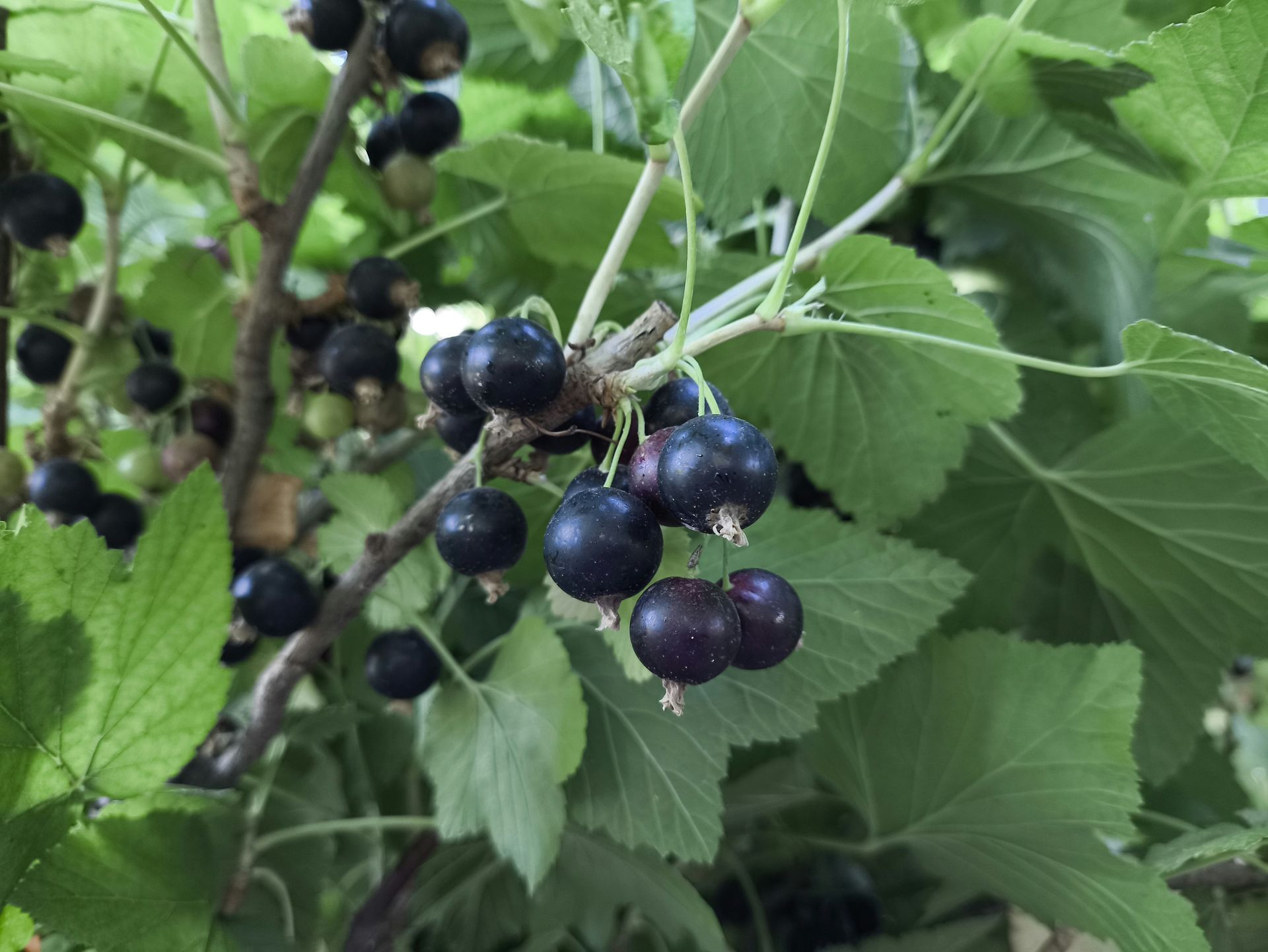
Burgundy’s terroir produces blackcurrants as successfully as it produces grapes, and the regional food culture has built an entire flavor vocabulary around them. The Kir, a mixture of white wine and crème de cassis, is the correct opening drink for any meal in Burgundy, and the Kir Royal, made with champagne, is the more celebratory version of the same idea. Both are genuinely refreshing aperitifs and specifically appropriate to the region in a way that ordering them elsewhere doesn’t replicate.
Le Cassissium in Nuits-Saint-Georges is a family-friendly interactive museum and factory dedicated to the blackcurrant’s role in Burgundian culture and production. English-language tours are available for €12 and cover the history, production methods, and cultural significance of crème de cassis and related products. The full “Cassis to the Fullest” experience, at €36, adds tastings, a seasonal cocktail, and a selection of local dishes prepared with creative blackcurrant applications. The writer specifically singles out the blackcurrant ketchup as a product worth bringing home, recommending it for charcuterie boards in a way that makes immediate practical sense once you’ve tasted it.
The town of Nuits-Saint-Georges itself is one of the more practically useful bases in the Côte de Nuits, the northern section of Burgundy’s wine heartland. It has enough hotels, restaurants, and wine shops to sustain a two-night stay while also providing access by bicycle or car to the surrounding vineyard villages, home to some of the region’s most celebrated names. The evening food scene in the town center is unpretentious and specifically good for the local classics. The museum component of Le Cassissium covers the history of crème de cassis production in Burgundy, which dates to the mid-19th century and is closely connected to the region’s identity as both a wine and a spirits producer. The connection between cassis and wine culture is specifically Burgundian and specifically interesting once you understand it. The tasting menu that accompanies the full Cassissium experience changes seasonally, which makes repeat visits produce meaningfully different encounters depending on when in the year the blackcurrant harvest falls and what the kitchen is doing with the current season’s production.
Credit: Edmond Fallot
Dijon is synonymous with mustard in a way that occasionally leads visitors to assume the connection is primarily marketing. It isn’t. Burgundian mustard production has specific characteristics, including the traditional method of grinding mustard seeds on stone mills, that produce a flavor profile distinct from mass-produced equivalents. The heat level in authentic Dijon mustard is also notably higher than what most international supermarket versions deliver, and the range of varieties from artisan producers goes well beyond the single-jar experience most travelers have had with the condiment.
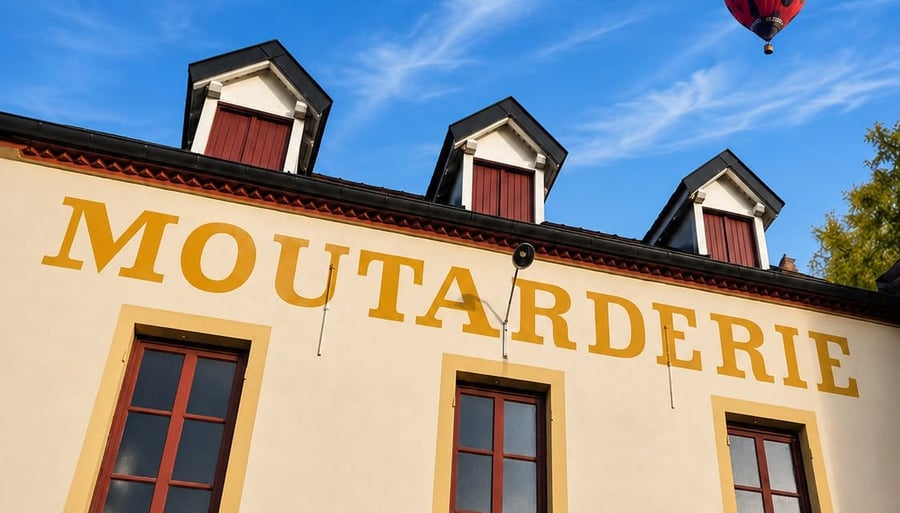
La Moutarderie Edmond Fallot has a small shop in Dijon where the full lineup of unusual mustard varieties is available at a tasting bar. The writer recommends the paprika and honey combination specifically, and the small tester pots start at €1, genuinely one of the better-value tasting experiences in any French food region. The Dijon shop is the right starting point for visitors who want an introduction to the range.
The full factory tour in Beaune covers the complete production process from mustard seed to finished jar, including the traditional stone-grinding method that distinguishes Fallot’s product from industrial alternatives. The factory floor visit is characteristically intense: the grinding process releases mustard oil compounds into the air at concentrations that produce the eye-watering sensation that the writer notes as a feature, not a flaw. The tour makes the €1 tester pot from the Dijon shop feel like a reasonable preview of a significantly more immersive experience available a short drive away. Mustard’s historical connection to Dijon is deep enough that the city’s name functions as a protected designation for the condiment in France, though the seeds used in modern production now come primarily from Canada, not from Burgundian fields, a detail that the Fallot tour addresses directly and honestly. The mustard bar at the Dijon shop allows visitors to taste varieties that aren’t available in export markets, including seasonal collaborations with local producers that reflect the same terroir-focused approach to condiment-making that Burgundy applies to its wines.
Credit: Hotel du Palais
Burgundy’s food culture doesn’t require a pause at check-in. The boutique Hotel du Palais in Dijon decorates its nine rooms in a Burgundian palette of colors: blackcurrant, truffle, chardonnay, and mustard, which make the region’s food identity visually present in the accommodation itself. The approach is specific enough to feel like a design decision, not a marketing tagline, and the rooms start at around €120.
Maison Doucet in Charolles, which justifies a dedicated trip, is a five-star property owned by chef Frédéric Doucet, whose two-Michelin-star restaurant anchors the experience. Dining begins with a welcome tasting session in the kitchen with the chef himself, and the highlight of the menu is the local Charolais beef from a farm whose owner and livestock the chef knows personally. The property adds a spa and pool, giving it an amenity breadth that most two-star Michelin restaurants don’t offer. Rooms start from around €215. The chef’s Bistrot du Quai, on the corner, provides a more affordable entry point to the same culinary philosophy.
In Beaune, the Hôtel de la Poste is positioned well for the town’s restaurant concentration, with a wood-paneled bar that the writer specifically recommends for an evening nightcap after dinner. The property’s traditional character makes it a comfortable base from which the town’s wine shops, restaurants, and the Hospices de Beaune are all within walking distance. Rooms start at €160. Charolles, the town where Maison Doucet is located, is in the Saône-et-Loire department in southern Burgundy and is specifically worth visiting for its Charolais cattle culture, with the white cattle that give the breed its name visible in the surrounding fields on almost any drive through the countryside. The boutique hotel model at both Hotel du Palais and Maison Doucet reflects a wider trend in Burgundy toward accommodation that specifically expresses regional identity in design and programming, making the hotel experience itself part of the food and drink itinerary, not merely a place to sleep between meals.
Dai Lopez / Unsplash
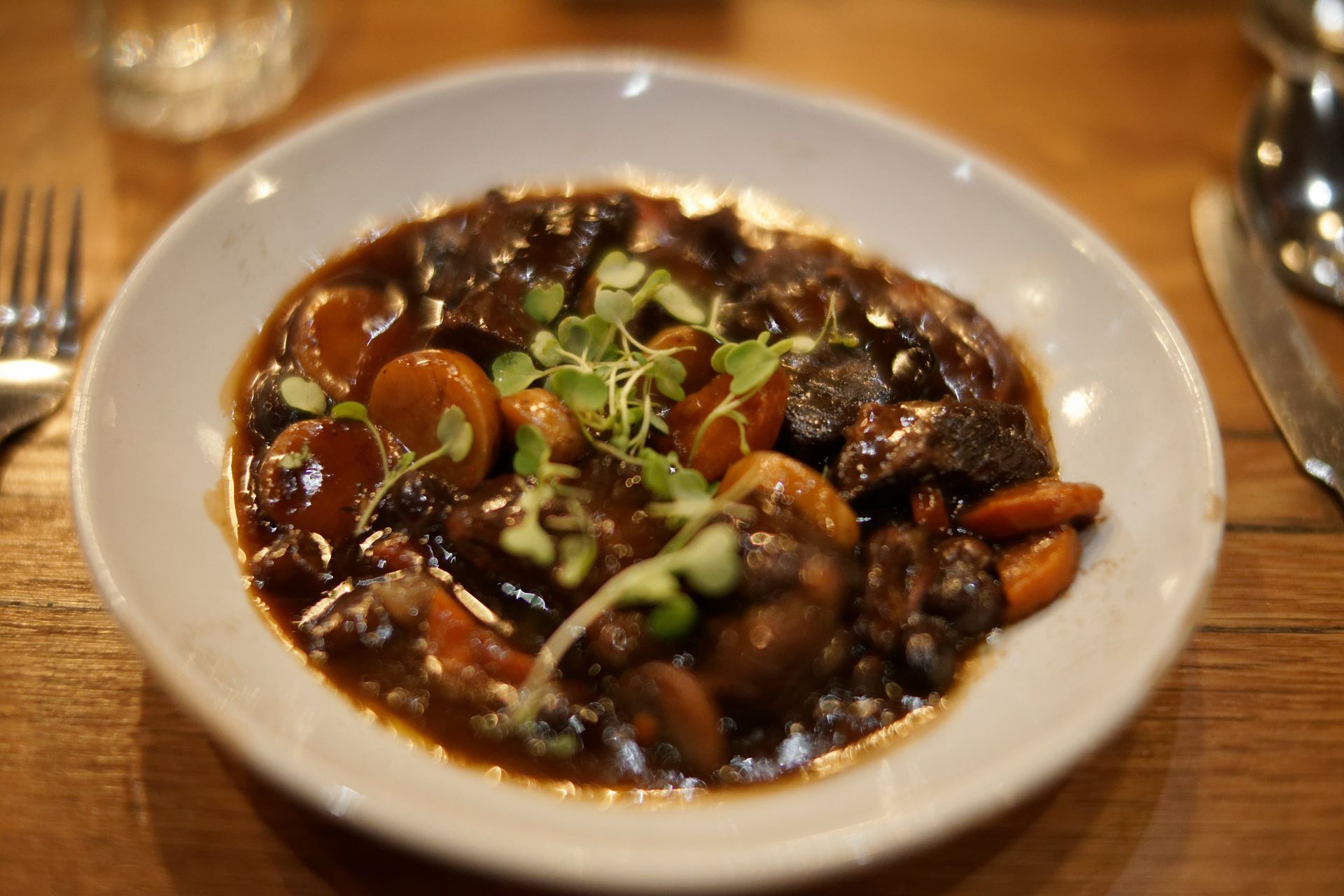
Boeuf bourguignon and coq au vin are the dishes most visitors associate with Burgundy, and both are genuinely good when well-prepared. They are also available throughout France and internationally, and both are best suited to the warmer months. The dishes worth specifically seeking out in Burgundy are the ones whose quality depends on local ingredients and local preparation traditions that don’t travel.
Oeufs en meurette, eggs poached in red wine sauce, is the lighter wine-centric dish worth ordering in spring and summer. Beaune’s Loiseau des Vignes regularly features a strong version on its menu, and the dish captures the regional wine flavor in a format that doesn’t require a full winter appetite. The AOC-protected Bresse chicken is worth a dedicated stop: the birds live under strict welfare standards, with at least 10 square meters of outdoor space per animal and a diet that produces a deeper, slightly gamier flavor than standard poultry. The Hostellerie Bressane in St-Germain-du-Bois prepares it with wine and Comté cheese in a version worth the short detour.
Gougères, the light choux pastry puffs made with Comté cheese, appear at wine tastings and aperitif services throughout the region and pair specifically well with Burgundian white wines in a way that seems almost engineered. The writer notes their appearance at wine tastings as a recurring pleasure. For sweet things, nonnettes are aniseed-spiced pastries filled with chocolate or fruit jam, available in the widest variety at Mulot and Petitjean shops in Dijon, alongside the traditional pain d’épices, which makes the spice shelf at any Dijon food shop worth spending time at. The covered market in Dijon, the Halles Dijon, is open several mornings per week and brings together regional producers selling seasonal vegetables, cheese, charcuterie, and prepared foods in a market format that is both a practical shopping destination and a sensory survey of what Burgundian cuisine uses as its raw material. The market operates on Tuesday, Thursday, Friday, and Saturday mornings and closes by early afternoon, so timing a Dijon day around the market opening is worth planning specifically, not hoping to catch it by accident.
