
The 9 best foods and drinks to try in Indonesia
From slow-roasted babi guling requiring a day's notice in Hindu Bali to Padang's dozen small plates where diners pay only for what they eat
Haryo Setyadi / Unsplash
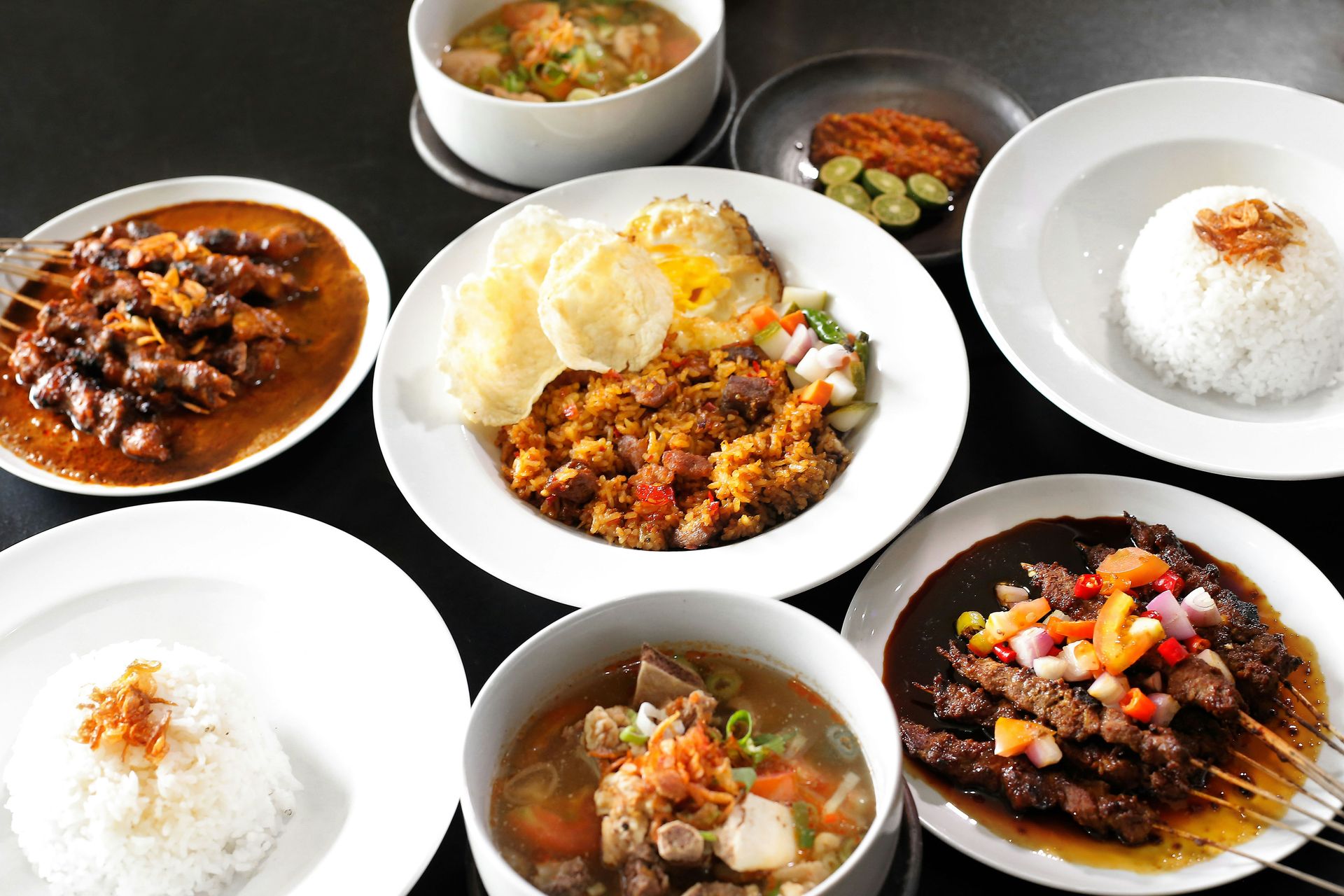
Indonesia’s traditional foods rarely get the credit they genuinely deserve, and thousands of islands spread across three time zones ensure a culinary diversity found in few other nations anywhere in the world today. The country’s signature dishes, including fried rice, noodles, and satay, stay genuinely accessible and simple to prepare, though Indonesia’s broader culinary heritage also holds many rich, considerably more complex flavors, including the famed rendang, a beef coconut curry that has earned genuine international acclaim well beyond the country’s own borders.
Rice and spicy sambal chili paste function as genuine mainstays of the cuisine, and the prevalence of vegetables, soybean, and tofu throughout Indonesian cooking means vegetarians won’t go hungry during a visit to nearly any part of the country. Indonesia, home to the historically famed Spice Islands, has influenced cuisines across many lands while also embracing elements of Chinese and Dutch food heritage over centuries of trade and colonial history. High-end restaurants exist throughout the country, though the most genuinely rewarding culinary experiences almost certainly wait within the teeming night food markets found in nearly every city.
The nine foods and drinks below appear in Lonely Planet, covering standout dishes and beverages recommended across Indonesia. Each one reflects a genuinely distinct regional tradition, from Sumatra’s fiery Padang cuisine to Bali’s own ceremonial specialties. Trying even a handful of them across a single trip gives visitors a genuinely well-rounded taste of the country. Asking locals for their own personal favorites often leads to discoveries well beyond this particular list. Indonesian food rewards genuine curiosity more than caution. Most dishes turn out considerably milder than their reputation initially suggests. Approaching each new dish with genuine openness, rather than excessive worry about spice or unfamiliar ingredients, tends to produce the most memorable meals of any trip.
1. Nasi goreng opens Indonesia’s street food scene
R Eris / Unsplash
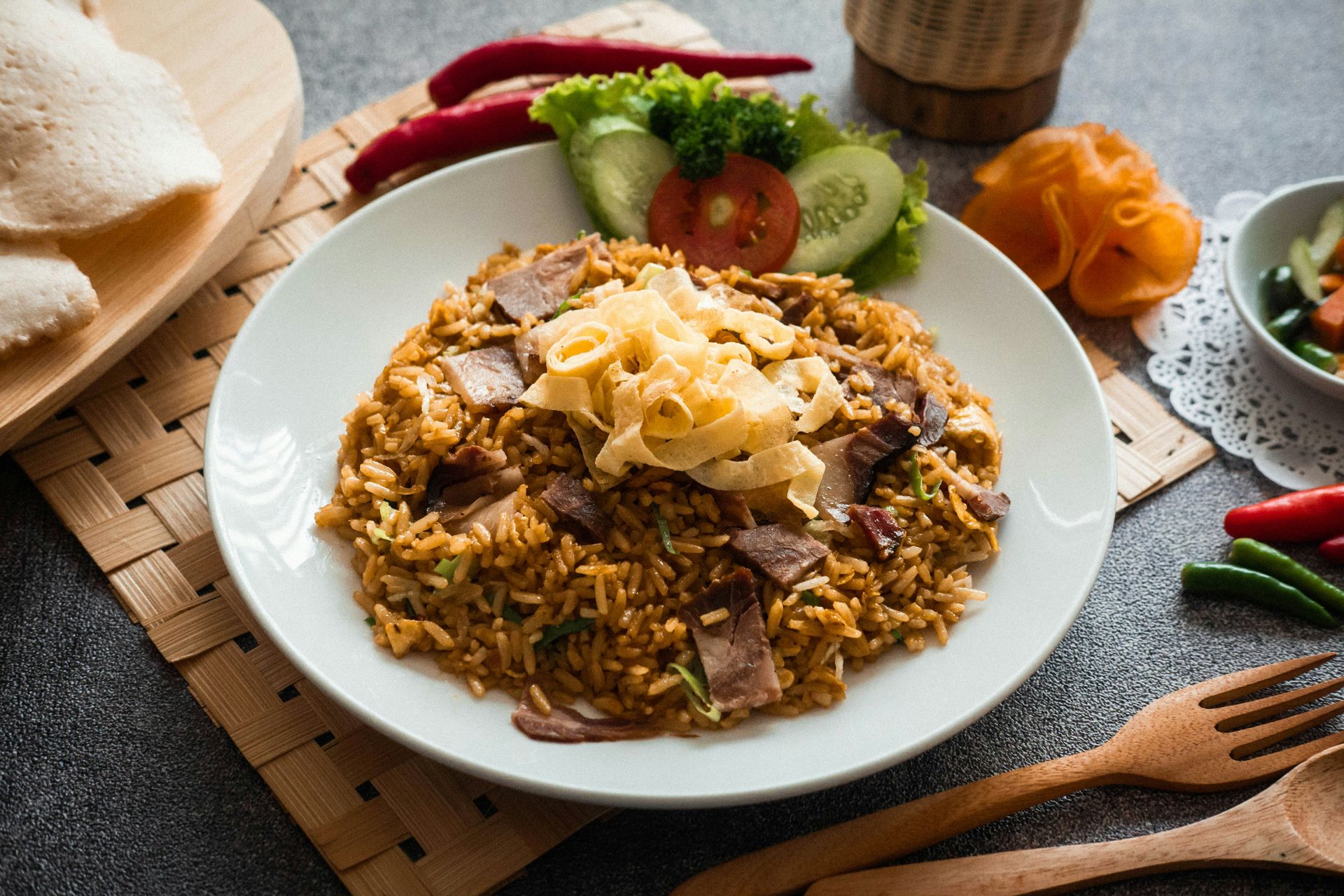
Any proper guide to Indonesian food almost certainly starts with the country’s own answer to humble fried rice. Nasi goreng ayam, or chicken fried rice, is a genuine staple throughout the archipelago, though travelers should expect all manner of regional variations depending on exactly where they order it. The classic version gets fried in sweet soy sauce, chili, and other subtle spices, typically topped with a large prawn cracker and a fried egg for good measure.
The mie goreng variant, built around fried noodles rather than rice, is just as ubiquitous across Indonesia and offers travelers a genuinely easy alternative for those specifically avoiding rice-based dishes. Both versions rank among the cheapest, most widely available street eats found anywhere in the country, making them a genuinely reliable option regardless of budget or location.
This dish’s sheer ubiquity throughout Indonesia means travelers can sample genuinely different regional interpretations across a single trip, comparing how sweetness, spice level, and specific toppings shift from island to island. This variation gives nasi goreng considerably more depth than its simple reputation as a basic fried rice dish might initially suggest to first-time visitors.
Travelers $TRV hoping to try a genuinely well-regarded version should head to Egoiste Beach Restaurant on Gili Trawangan, where the dish gets prepared with the kind of regional nuance that distinguishes a memorable plate from a purely forgettable one. Travelers unfamiliar with Indonesian spice levels should ask vendors to adjust the chili accordingly, since regional versions can range from mild to genuinely fiery depending on where a dish is prepared. Street vendors throughout the country often personalize the dish with whatever fresh ingredients are available that day, giving nasi goreng a genuinely dynamic quality even within a single city. Travelers should also try ordering nasi goreng for breakfast, since many locals eat it first thing in the morning instead of treating it purely as a dinner dish. Bringing a reusable container also helps anyone hoping to save leftovers for later.
2. Satay skewers are Indonesia’s most exported street snack
K Azwan / Unsplash
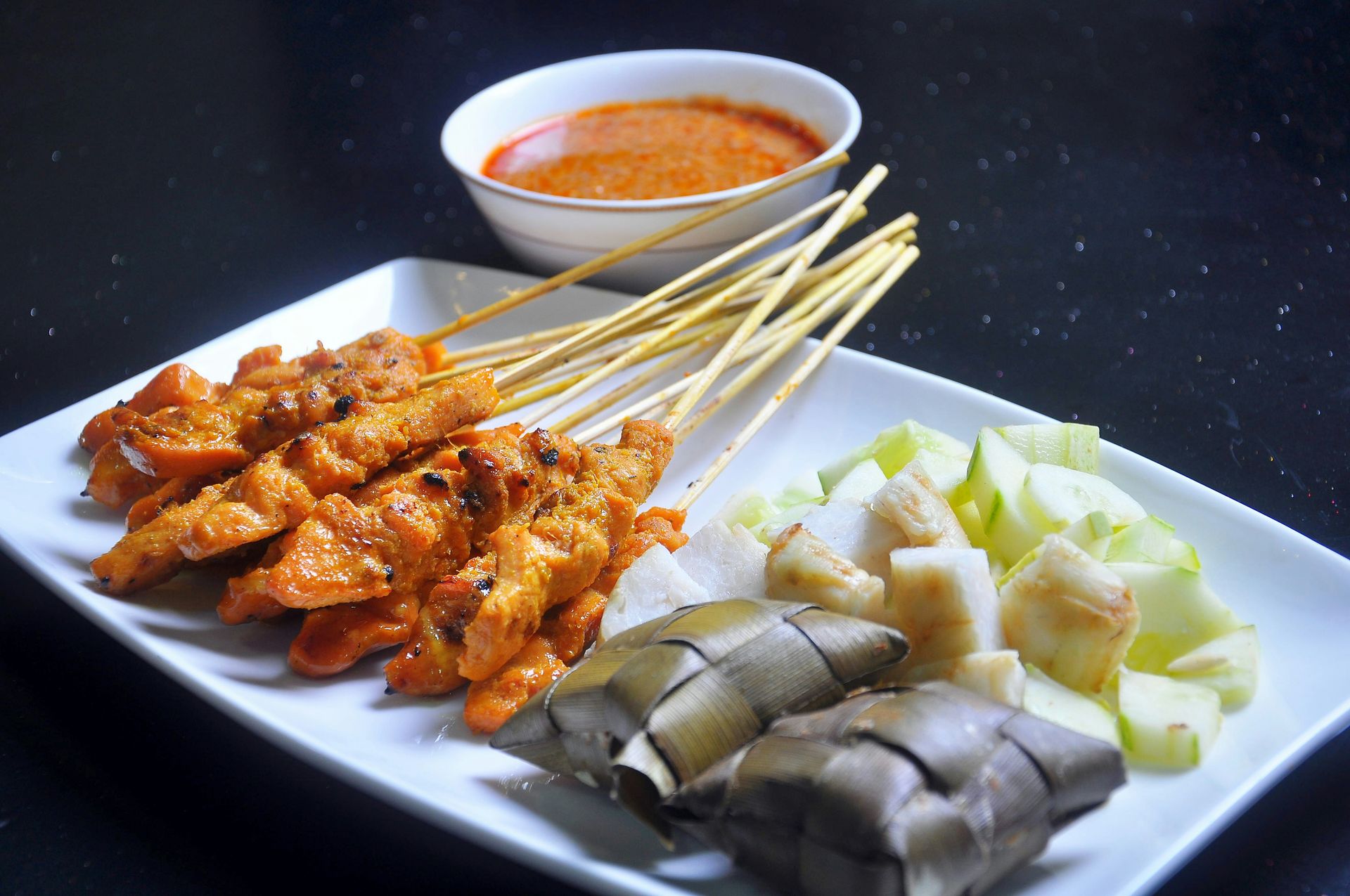
Satay, sometimes spelled sate, ranks among Indonesia’s cheapest street foods while having transcended its humble origins to become a virtual mainstay of Asian restaurants worldwide. This crowd-pleasing snack consists of small chunks of skewered chicken grilled directly over a charcoal fire, delivering a genuinely smoky char that defines the dish’s overall flavor profile.
Satay’s genuine secret weapon lies in its thick, dark peanut sauce, which carries a distinctly sweet, tangy flavor that sets Indonesian satay apart from similar grilled skewer dishes found elsewhere in Southeast Asia. Beyond chicken specifically, street vendors throughout Indonesia also serve satay made from goat, beef, and seafood, giving travelers a genuine variety within this single dish category.
This particular street food reportedly ranked among former US President Barack Obama’s childhood favorites during his years growing up in Indonesia, reflecting just how deeply satay has become embedded in everyday Indonesian life across generations. This connection gives satay a genuinely interesting cultural footnote beyond its straightforward appeal as a tasty grilled snack.
Travelers $TRV hoping to try a particularly well-regarded version should head to Sate Khas Senayan in Jakarta, where the peanut sauce specifically draws consistent praise for striking a genuinely well-balanced sweet and savory flavor. Travelers with peanut allergies should ask vendors directly about ingredients before ordering, since the signature peanut sauce forms such a core part of the dish that substitutions rarely feel authentic. Watching vendors grill skewers directly over open charcoal adds a genuinely sensory element to the ordering process, as the smoke and sizzle build anticipation well before the first bite arrives. Travelers should also compare satay from different vendors within the same city, since sauce recipes and grilling techniques can vary noticeably even between stalls sitting just blocks apart. Napkins come in handy, given how messy the peanut sauce can get. Extra napkins from a nearby vendor also help considerably, given how genuinely messy the sauce gets. Bringing hand sanitizer also helps for eating comfortably at busy street stalls.
3. Babi guling roasts Bali’s signature suckling pig
Rollan Budi / Wikimedia Commons (CC BY-SA 2.0)
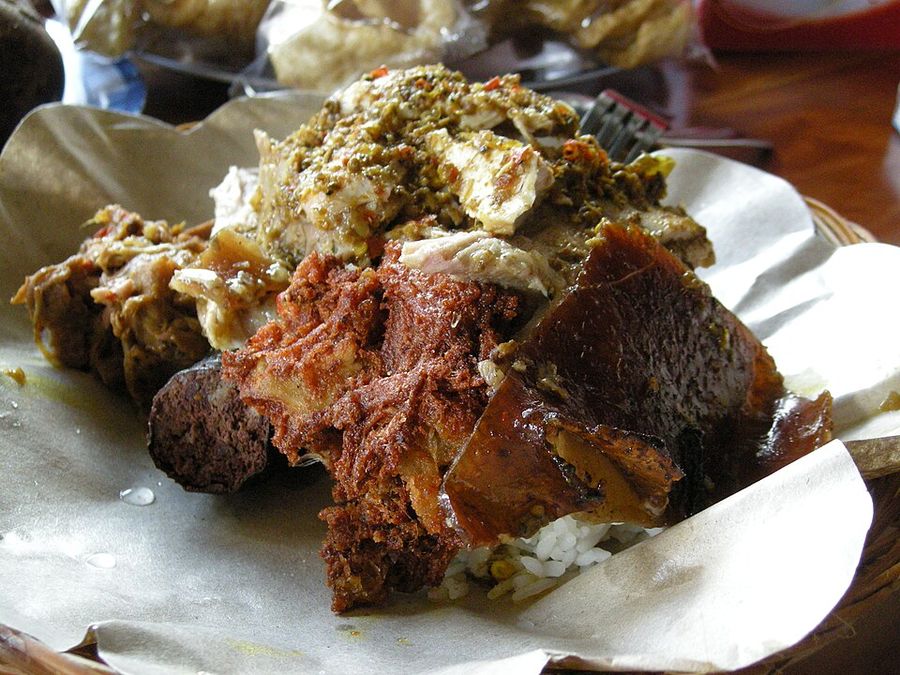
Indonesia ranks as the world’s largest Muslim nation, yet babi guling, a spit-roasted whole pig dish, stands as a genuinely characteristic Bali creation reflecting the island’s distinct Hindu-majority culture within the broader country. The pig is stuffed with garlic, lemongrass, shallots, and chili before being slow-roasted for hours directly on the spit, developing deeply flavorful meat throughout the extended cooking time.
Travelers $TRV hoping to try babi guling should plan ahead, since most restaurants require ordering the dish a full day in advance due to the lengthy preparation and roasting process. The finished result delivers a generous portion of genuinely succulent meat alongside turmeric-marinated, dark, crispy skin, served with steamed rice, vegetables, and spicy sambal chili paste on the side.
This advance-ordering requirement gives babi guling a character distinct from most other dishes on this list, rewarding travelers who plan their meals ahead rather than deciding spontaneously where to eat each day. The payoff for that planning comes through in the dish’s genuinely rich, slow-cooked flavor throughout every bite.
Travelers hoping to try a well-regarded version should head to Warung Nia Seminyak in Ubud, Bali, and call ahead to place their order, given the dish’s lengthy preparation time. Travelers should confirm portion sizes when ordering, since babi guling is typically prepared for groups, and a full order can easily feed several people at once. The dish’s Hindu-Balinese origins tie it directly to specific ceremonial traditions, and travelers may encounter babi guling served at temple celebrations or family gatherings beyond its restaurant presence. Travelers should also ask whether the specific portion includes both crispy skin and tender meat, since some smaller orders focus primarily on one or the other. Booking a table in advance also helps at the more popular warungs. Arriving genuinely hungry also helps considerably, given the generous portion sizes typically served here. Sharing the order among several people also helps manage the generous quantity served.
4. Rendang simmers into Indonesia’s richest curry
dika Mahendra / Unsplash
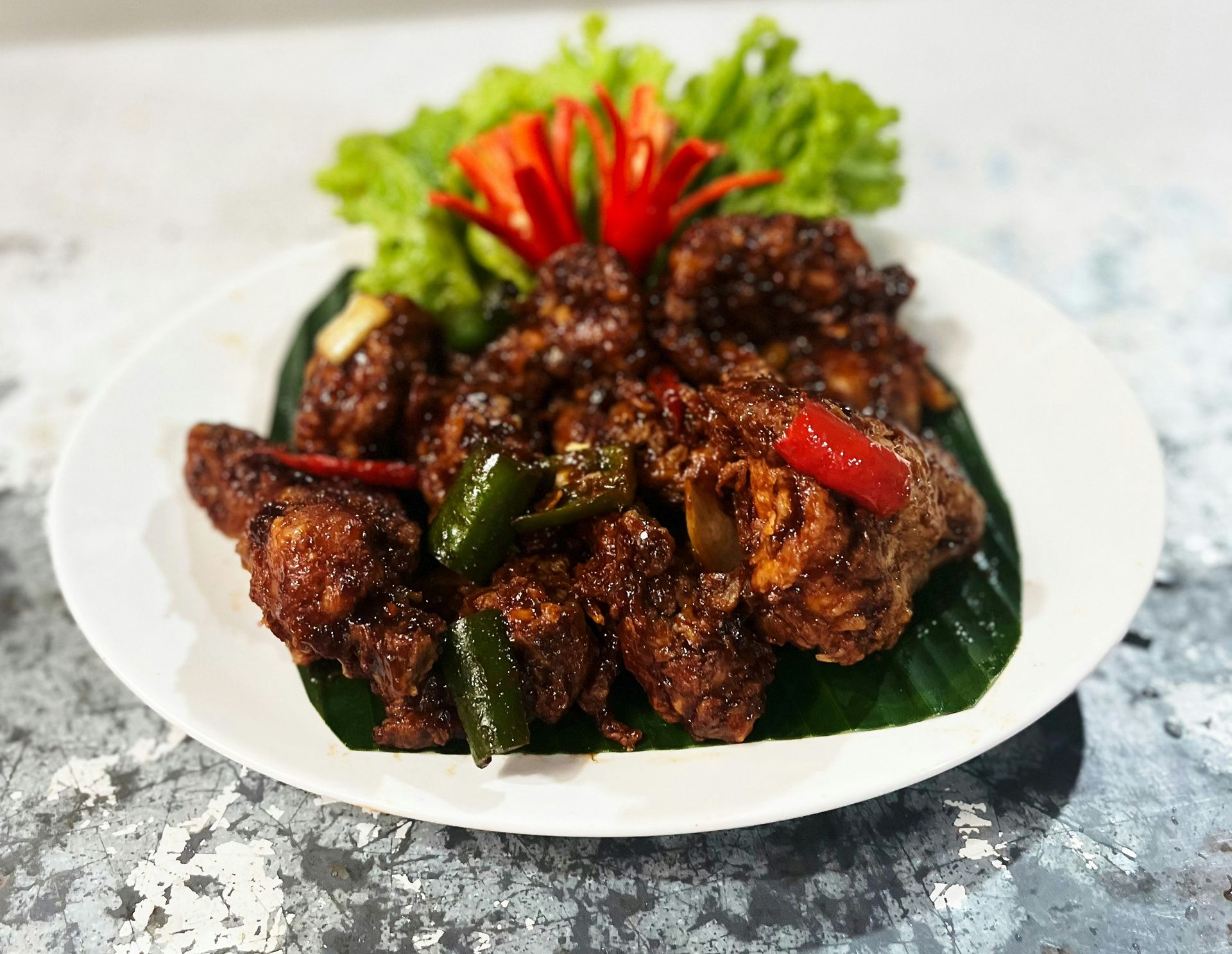
Simmered slowly in coconut milk and a genuinely exotic blend of spices, rendang, a beef coconut curry, arguably stands as the crown jewel of Indonesian cuisine according to many longtime observers of the country’s food scene. The dish gets slow-cooked until the liquid reduces into a thick, dark paste, developing a rich, almost satay-like texture paired with a genuinely distinct mix of powerful, complex flavors throughout.
There is genuine art to cooking rendang properly, and the so-called dry rendang method actually preserves the meat well enough that it remains edible for up to a month, reflecting traditional preservation techniques developed long before modern refrigeration became widely available. This preservation quality gives rendang a genuinely practical historical dimension beyond simply tasting good.
Rendang has arguably gained the most genuinely global following of any single Indonesian dish, appearing in forms ranging from an inexpensive plate served in a backstreet Jakarta cafe to an ultra-expensive Wagyu version served at a high-end New York restaurant. This range reflects just how adaptable rendang’s core flavor profile proves across wildly different price points and culinary contexts.
Travelers $TRV hoping to try a particularly well-regarded version should head to Kemangi in Kuta, Lombok, where the dish gets prepared with the kind of slow, careful attention that separates a genuinely great rendang from a merely adequate one. Travelers curious about regional variation should compare versions from different islands during a longer trip, since spice blends and cooking time shift noticeably depending on local tradition. Home cooks throughout Indonesia often guard their own specific spice ratios closely, treating a family’s particular rendang recipe as a source of genuine pride passed down across generations. Travelers should also try rendang made with chicken or jackfruit specifically, since these variations offer a genuinely different texture while retaining the dish’s signature spice blend. Extra steamed rice on the side helps balance the dish’s genuinely rich, heavy sauce. Properly saving leftovers also helps, since the flavor often deepens further the next day.
5. Padang cuisine floods tables with fiery small plates
Kevin kevin / Unsplash
Padang, in Sumatra, ranks as Indonesia’s most celebrated culinary region, and the famed rendang itself actually originated as a Padang creation before spreading throughout the wider archipelago. This regional cuisine has earned a genuine infamy for its fiery, chili-infused gulai, or curry, which delivers considerably more heat than many other Indonesian regional cuisines.
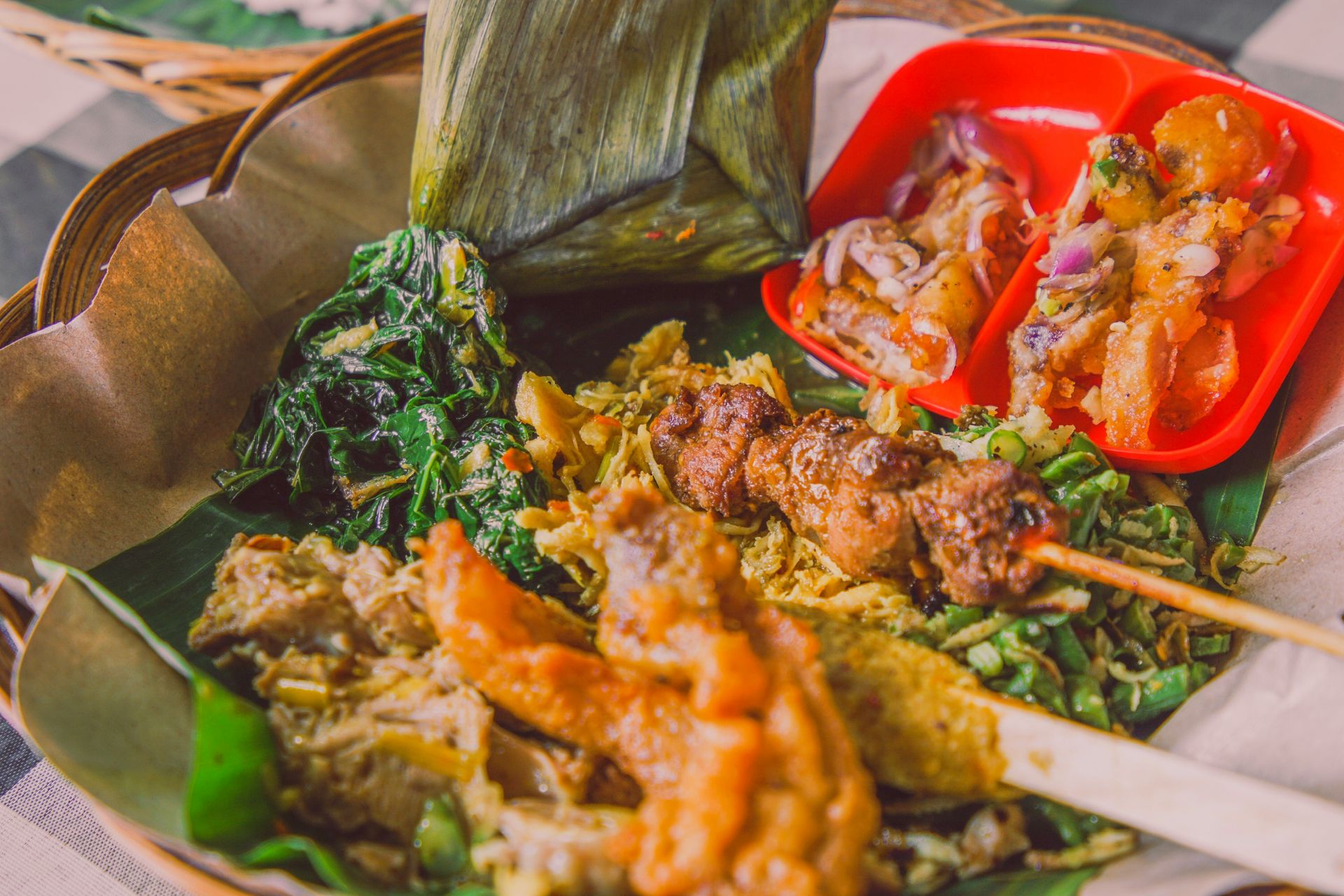
Padang food has several genuinely unique facets beyond its spice level, not least the way restaurants actually serve it to diners. Travelers $TRV can choose a specific dish directly or simply wait as staff set the table with a dozen or more small plates without any prompting, letting diners eat freely and pay only for what they actually consume by the meal’s end.
The sheer variety in Padang cuisine is genuinely mind-boggling, with a wide range of vegetarian dishes alongside the region’s famous meat-heavy specialties. Spicy Padang treats worth seeking out include dendeng balado, a spiced beef jerky, chili crabs, and gulai itik, a rich duck curry that showcases the region’s signature heat and complexity.
Travelers hoping to try a well-regarded version should head to Natrabu in Sanur, Bali, where the traditional table-service style offers a genuinely authentic introduction to how Padang dining works. Travelers unfamiliar with this dining style should ask staff to clarify pricing upfront if concerned about cost, since the pay-for-what-you-eat system can otherwise feel confusing to first-time visitors. The visual spectacle of a fully stacked Padang table ranks among the cuisine’s most memorable aspects, and travelers should photograph the spread before diving in, since the presentation itself makes for a genuinely striking souvenir. Travelers should also ask about the spiciest dishes on the table, especially before diving in, since heat levels can vary dramatically even among visually similar plates. A cold drink on hand also helps balance out the meal’s overall heat. Pacing the meal also helps considerably, given how quickly the small dishes tend to keep arriving. Keeping a mental tally of dishes tried also helps track spending throughout the meal.
6. Vegetarian dishes stretch across every regional menu
Aldino Hartan Putra / Unsplash
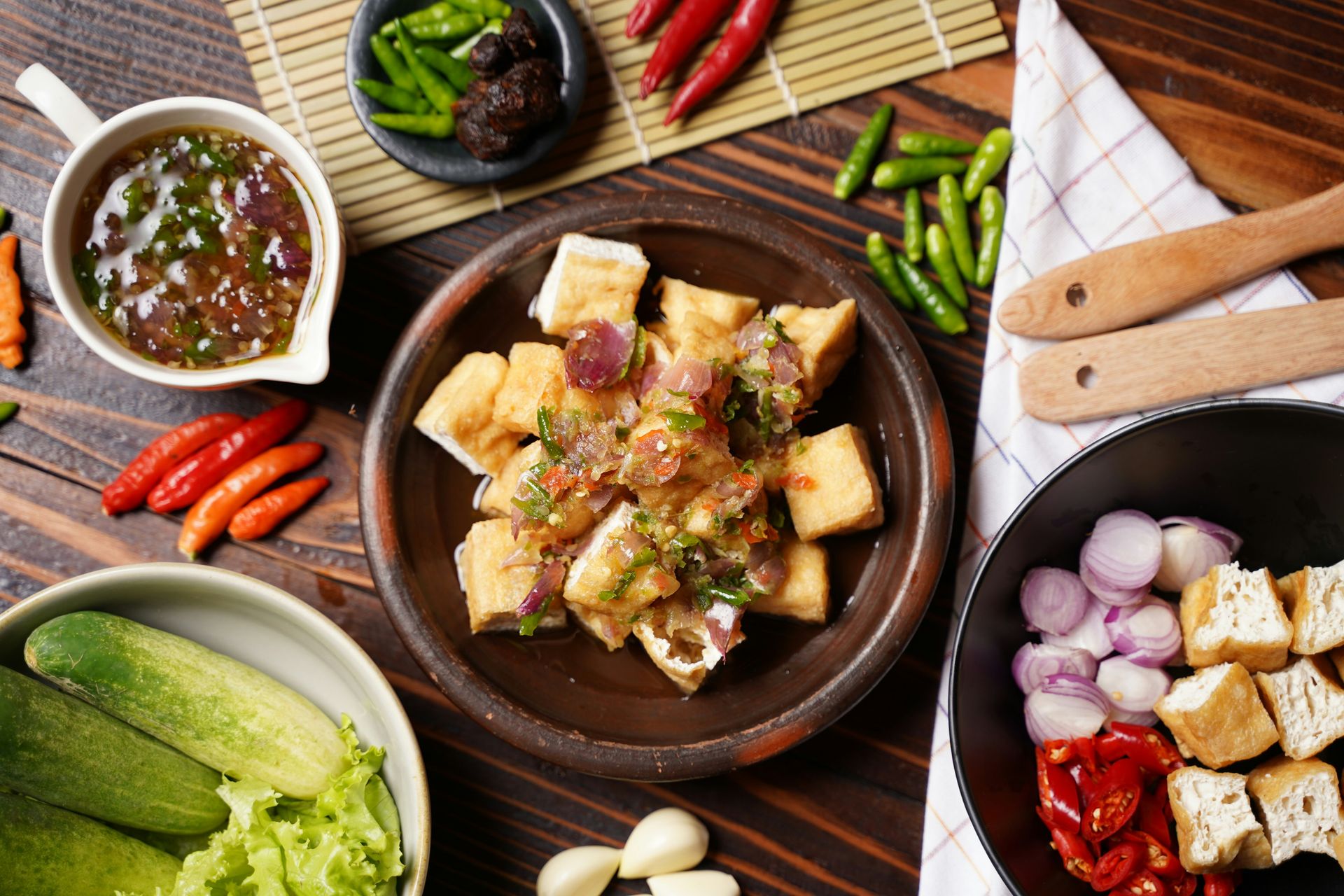
Thanks partly to cost considerations and limited meat availability throughout certain regions, virtually all of Indonesia’s signature dishes have developed an established vegetarian variation, spanning everything from fried rice to noodles to satay itself. Tofu and soybeans serve as the backbone of many Indonesian dishes, offering vegetarian travelers considerably more protein variety than they might initially expect from a meat-forward cuisine.
Spicy Padang cuisine features dozens of genuinely popular vegetarian dishes, reflecting just how thoroughly vegetarian options have become woven into even the country’s most famously meat-centric regional cooking styles. This depth of vegetarian representation within Padang cuisine specifically gives plant-based travelers genuine confidence that they won’t need to settle for bland, afterthought dishes.
Specialist vegetarian cafes and restaurants operate throughout most Indonesian cities and major tourist areas, offering travelers dedicated options rather than simply asking regular restaurants to modify existing meat dishes. This growing infrastructure reflects genuine demand from both local Indonesian vegetarians and international travelers seeking plant-based options during their visit.
Travelers $TRV specifically prioritizing vegetarian food should ask locals or hotel staff for current recommendations in whichever specific city they’re visiting, since dedicated vegetarian restaurants continue opening throughout the country’s major tourist destinations at a genuinely rapid pace. Travelers with specific dietary restrictions beyond vegetarianism should communicate clearly with restaurant staff, since ingredients such as shrimp paste occasionally appear in dishes that otherwise read as vegetarian. Markets throughout Indonesia typically sell fresh tofu and tempeh in numerous forms, giving self-catering travelers genuine flexibility to prepare their own vegetarian meals alongside restaurant dining. Travelers should also learn a few basic Indonesian phrases for vegetarians, since communicating dietary preferences clearly helps avoid confusion at smaller, less internationally oriented restaurants. Carrying a printed dietary card in Indonesian also helps at smaller local eateries. Double-checking sauces carefully for hidden fish sauce or shrimp paste also helps considerably. Bringing a phone translation app also genuinely helps clarify ingredients at smaller local restaurants.
7. Durian dares eaters past its notorious smell
-1920x1439.jpg)
Jim Teo / Unsplash
The infamous durian fruit invokes both genuine fear and curiosity among travelers hearing about it for the first time, and this exotic delicacy, dubbed the king of fruits, has earned notoriety for its genuinely hellish smell while compensating with what many describe as a genuinely heavenly taste. The fruit’s yellow-brown, spiky skin gives way to a thick, meat-like flesh that emits the overpowering odor for which durian is famous worldwide.
Travelers $TRV should seriously consider trying durian despite its intimidating reputation, since the fruit rarely makes it onto most visitors’ wish lists, even though it genuinely deserves a spot there. The late chef and television host Anthony Bourdain once memorably described the experience, remarking that “your breath will smell as if you’d been French kissing your dead grandmother,” a colorful if admittedly dramatic description of the fruit’s genuinely pungent aftereffects.
Eating durian tends to produce genuinely conflicting sensations, since the unique taste and overpowering smell compete directly throughout the eating experience in a way few other foods do. Travelers hesitant to commit fully to fresh durian can ease into the experience gradually with a tub of refreshing durian ice cream, which tones down the intensity considerably while still conveying the fruit’s distinctive flavor.
Travelers hoping to try durian in either form should head to Rimba Durian café in Jakarta, which offers both the fresh fruit and the milder ice cream version for visitors easing into the experience. Travelers should check local regulations before carrying fresh durian into hotels or on public transport, since the fruit’s smell has led many properties to ban it from enclosed indoor spaces. Durian season throughout Indonesia typically peaks during specific months depending on the region, and travelers hoping to try the freshest fruit should ask locals about current availability before committing to a purchase. Travelers should also ask vendors to help select a ripe fruit, since durian quality varies considerably, and an experienced seller can identify the best specimens by sound and smell alone.
8. Arak distills Bali’s traditional firewater
Credit: Bali.com
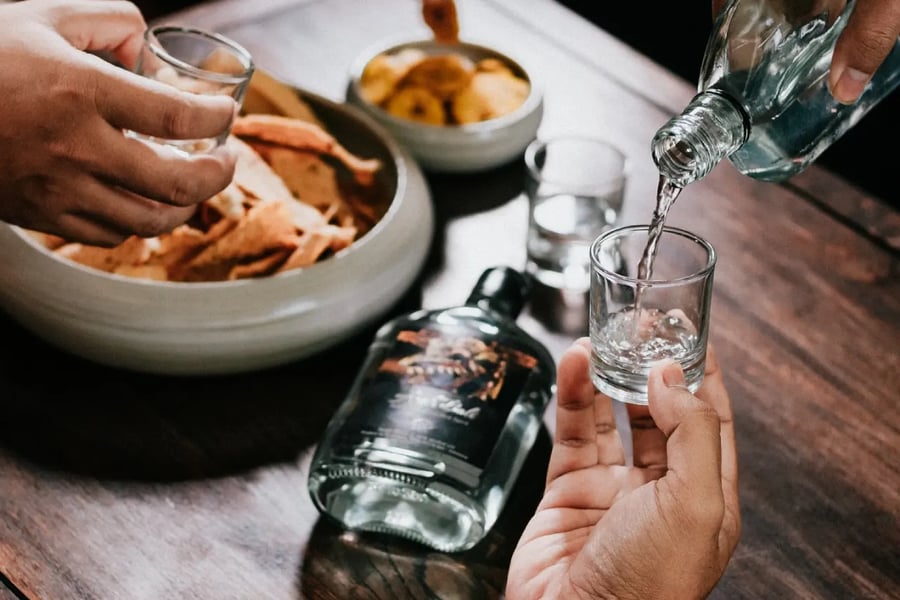
Arak, Bali’s famed hard liquor, is a traditional clear spirit sold in bars and regularly consumed at community celebrations across the island. The alcohol content runs genuinely high at 40%, with double-distilled versions reaching a considerably more potent 60%, making arak a spirit that demands genuine respect from anyone trying it for the first time.
Arak takes its name from the sap of the palm tree, which gets fermented and distilled into the finished spirit through a traditional process passed down across generations of Balinese producers. Interestingly, arak holds the status as the first alcoholic drink officially recognized for cultural significance within Muslim-majority Indonesia, and an annual Arak Bali Day celebration takes place every January to honor this particular tradition.
Travelers $TRV should exercise genuine caution around arak specifically, since black market versions rank as the single biggest source of methanol poisoning throughout Indonesia, and tourists have died in past cases after drinking tainted homemade batches. Sticking strictly to branded arak sold in licensed bars and politely declining any invitation to sample homemade hooch remains genuinely essential advice for staying safe while still experiencing this cultural tradition.
Travelers hoping to try arak safely should head to Potato Head Beach Club in Seminyak, Bali, where the spirit is served through properly licensed, branded channels rather than any informal, homemade source. Travelers should pace themselves carefully when trying arak for the first time, since the spirit’s high alcohol content can catch unprepared drinkers off guard considerably faster than beer or wine. Local ceremonies throughout Bali often incorporate arak as an offering alongside its role as a recreational drink, giving the spirit genuine cultural weight beyond its reputation as simply a strong local liquor. Travelers should also ask bartenders specifically about arak-based cocktails, since many bars now blend the traditional spirit with fruit juices to create a more approachable introduction for first-time drinkers. Pacing drinks with food also helps considerably, given the spirit’s strength.
9. Cendol chills Indonesia’s sweetest dessert drink
Daniel Koo / Unsplash
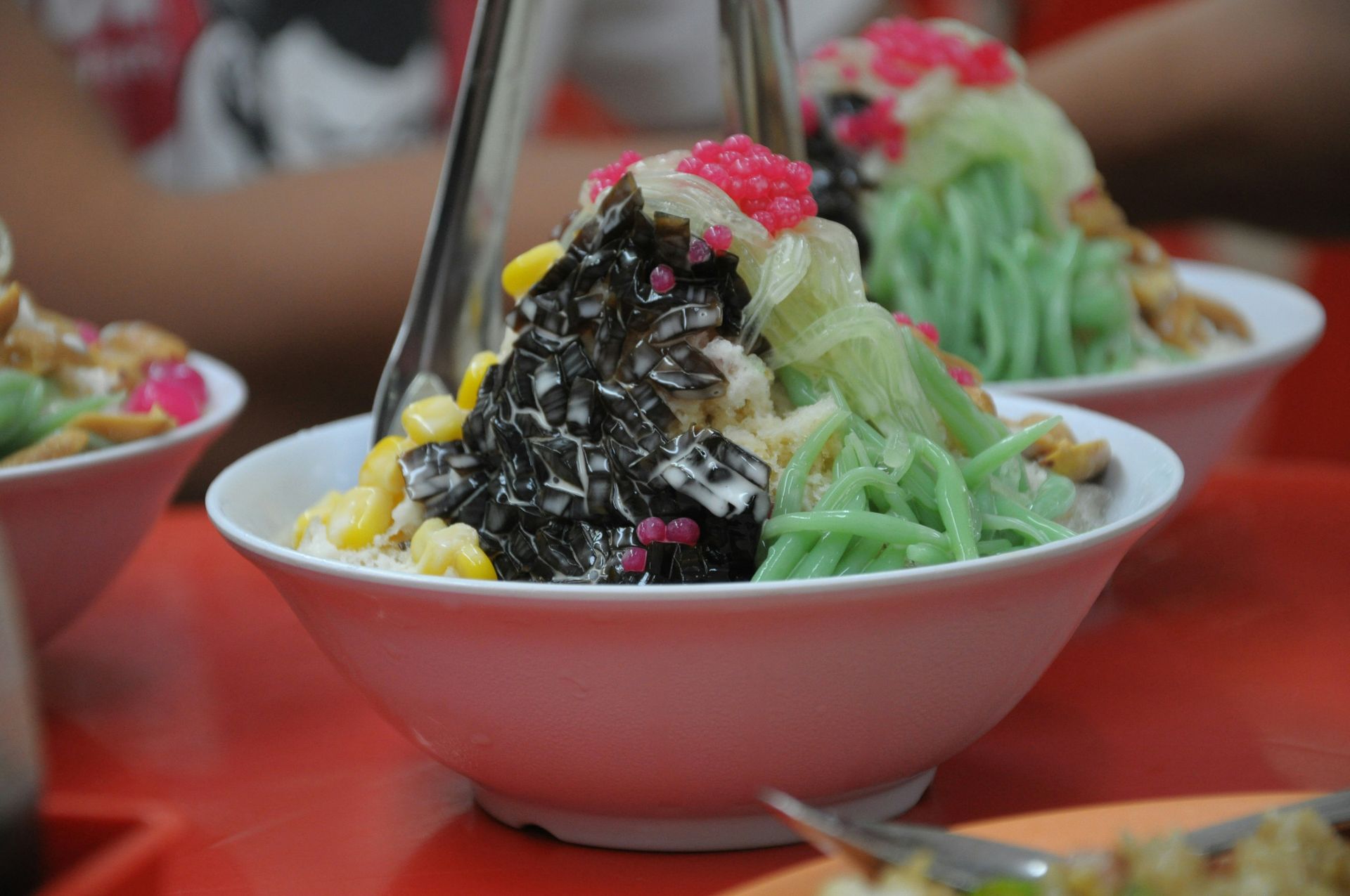
Cendol is best described as a genuinely sugary fruit medley served in liquid form, ranking among Indonesia’s most distinctive multicolored coconut milk creations built around an unusual pairing of fruits and confectionery. The overall presentation looks almost randomly assembled at first glance, though the drink delivers a genuine visual treat alongside a flavor that consistently wins over first-time tasters.
The drink’s core components include coconut milk, palm sugar syrup, shaved ice, and small green jellies made from rice flour, creating a genuinely layered texture that shifts with every sip. Depending on the specific region, various fresh fruits get added to the mix, including pineapple, jackfruit, and even the notorious durian for travelers who’ve already worked up an appetite for that particular fruit.
Cendol functions as a genuinely cool, refreshing alternative to a typical post-dinner dessert, especially throughout Indonesia’s consistently warm, humid climate, where a cold drink often appeals more than a heavier baked treat. This refreshing quality gives cendol genuine year-round appeal instead of limiting it to a specific season or occasion.
Travelers $TRV hoping to try a well-regarded version should head to Dewi Sri Food Center in Kuta, Bali, where the drink is made with genuinely fresh ingredients rather than premade syrups or artificial flavoring. Travelers with dietary restrictions should ask about specific ingredients before ordering, since recipes vary by region and some versions include ingredients not immediately apparent from the drink’s colorful appearance. Regional variations of cendol appear under slightly different names throughout Southeast Asia, though Indonesia’s version stands out for its particular balance of palm sugar sweetness against the coconut milk base. Travelers should also try cendol from a few different vendors during a longer stay, since the specific ratio of ingredients shifts noticeably depending on who prepares it. Eating it quickly also helps, since the shaved ice melts fast in the heat. A spoon with a long handle also helps reach the bottom layer.