From Donegal Bay scallops served five kilometers from the fishing port to a Waterford bread roll with a 17th-century Huguenot origin
Drew / Unsplash
Ireland’s food reputation has undergone the kind of generational transformation that takes decades to register in the international travel imagination, only to arrive all at once. The country that was once dismissed as a land of boiled potatoes and brown bread now produces world-class farmhouse cheeses, Michelin-starred restaurants that source their ingredients from neighboring farms, and an independent coffee culture whose baristas treat the craft with a seriousness specific to a country that was late to the espresso tradition and has compensated with unusual intensity. A new generation of chefs has built careers around the premise that Ireland’s Atlantic coastline, its green grazing pastures, and its artisan food producers give the kitchen access to raw material whose quality makes the elaborate tasting menu and the simple pier-side fish plate equally defensible as serious food.
The Atlantic coastline gives the seafood program its most specific single advantage: the Wild Atlantic Way’s fishing communities give the restaurant kitchens their daily catch from the same water the customer can see from the dining room table. The dairy program reflects the same geographic logic: 450 cows on a County Donegal family farm, the green pastures of Tipperary producing Cashel Blue, the Cork countryside around Schull producing Gubbeen. The raw material is local and traceable in a way that the industrialized food supply chain cannot replicate, and the current generation of Irish chefs and food producers has organized their entire professional identity around that traceability.
The 6 food and drink categories below appear in Lonely Planet, written by Ireland-based writer Kathy Donaghy. The Wild Atlantic Way coastal route, the farmhouse cheese producers of Munster and Donegal, the Dublin pub circuit, and the independent coffee shops of the western towns give the Ireland food itinerary its most geographically distributed program, covering the country from Cork to Donegal in the specific food destinations that best represent each region.
Catherine Cronin / Wikimedia Commons (CC BY-SA 2.0)
The Wild Atlantic Way gives Ireland’s seafood program its most specific and most frequently cited single context: a 2,500-kilometer coastal driving route along the western shore whose fishing communities, pier-side takeaways, and fine-dining restaurants with sea views give the Atlantic catch its most immediate and most geographical dining setting. The Olde Glen Bar in County Donegal, where chef Ciarán Sweeney has been at the forefront of the county’s food revolution, gives the Donegal Bay scallop and the Killybegs monkfish tail their most celebrated single address. The 5-kilometer distance between the kitchen and the fishing port of Killybegs gives the Olde Glen Bar’s seafood its most specific provenance claim, and the Donegal Bay waters’ clarity and cold temperature give the scallops their specific sweetness.
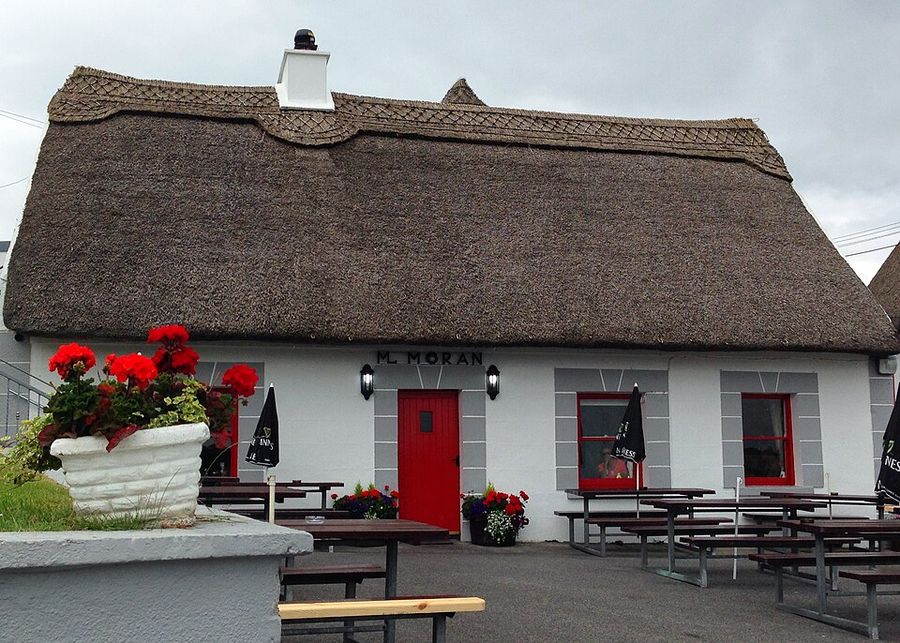
Moran’s Oyster Cottage in Kilcolgan, County Galway, a 300-year-old bar and seafood restaurant, gives the oyster program its most historically grounded single address: the thatched building’s three centuries of continuous operation give the oyster service a tradition whose depth reflects the Galway Bay oyster’s own centuries-long harvesting history in the same waters. Linnane’s Lobster Bar in Newquay, County Clare, gives the shellfish program its most visually specific dining experience: watching the boats fishing for shellfish in Galway Bay from a table where the same species will shortly be served gives the meal an immediacy of provenance specific to the pier-side restaurant format.
The Seafood Shack in Killybegs gives the fish-and-chips tradition its most specific recommendation in the Lonely Planet article, and the chargrilled sardines with pickled celery and blood orange at Linnane’s give the contemporary small plate a punchy flavor combination that the traditional chowder and fried fish program does not provide in the same terms. The oyster festival in Galway, held in September and drawing tens of thousands of oyster enthusiasts, gives the Atlantic seafood calendar its most celebrated single annual event and the Galway Bay oyster its most concentrated public appreciation moment, though the restaurants that serve the same oysters year-round give the visitor who cannot attend the festival the same product in the same bay without the festival crowds.
Christopher Zapf / Unsplash
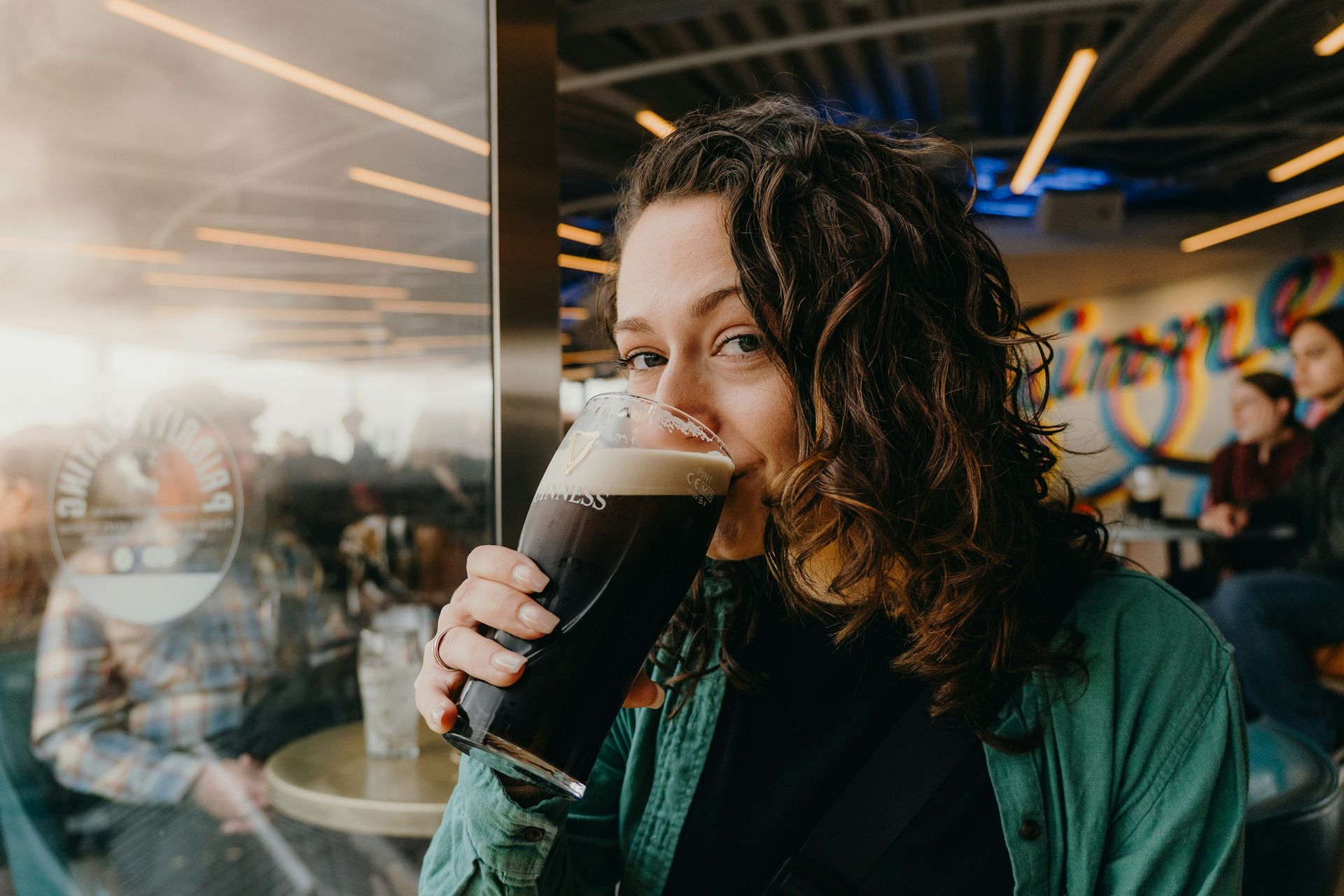
The claim that a pint of Guinness tastes better in Ireland than anywhere else has moved from national mythology to empirical support: an international taste survey conducted for the Institute of Food Technologists found that tasters rated pints in Ireland more highly than in any other country where they consumed the same product. The reasons proposed for the difference span the keenness of the draught system maintenance in Irish pubs, the shorter supply chain from the Dublin brewery to the Irish pub cellar, and the specific atmospheric conditions of the Irish pub environment, but the survey’s result confirms the experiential claim that Irish travelers and returning Irish emigrants have made for generations without requiring scientific validation.
The Dublin pub that gives the Guinness experience its most specific address from the Lonely Planet article is Grogan’s, just off Grafton Street, whose outdoor seating on a sunny day gives the people-watching program its most specifically Dublin social scene. The Gravediggers, officially John Kavanagh’s, on the north side of the city, adjacent to Glasnevin Cemetery and near the National Botanic Gardens, gives the old school pub format its most atmospheric and most historically specific setting: a pub built into the cemetery’s walls whose specific association with the gravediggers who historically drank there after work gives the establishment its most characterful single origin story.
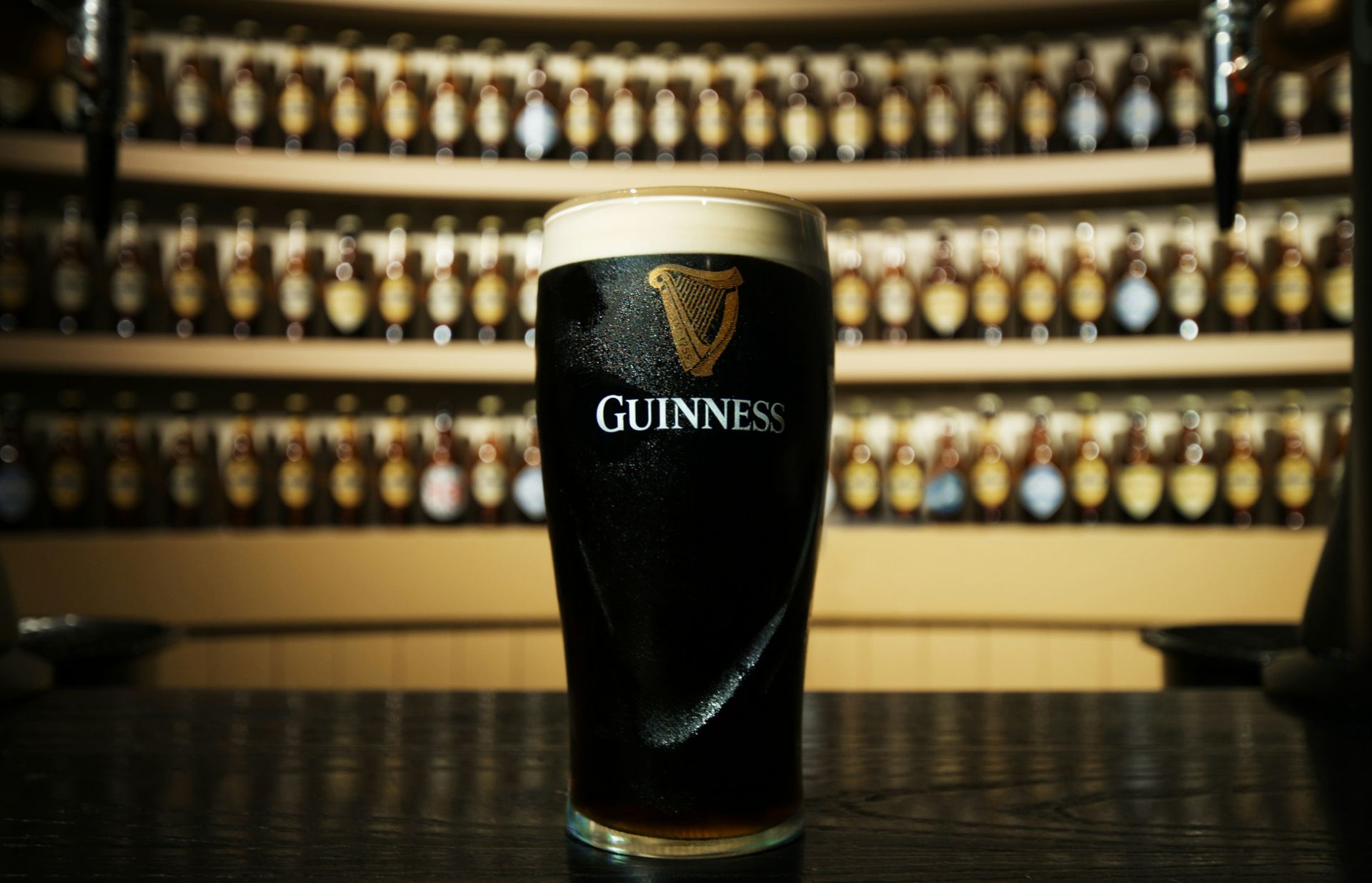
The Stag’s Head on Dame Lane and Kehoe’s on South Anne Street give the Dublin pub program two additional addresses whose specific crowding, the Stag’s Head’s mix of musicians and students, and the Kehoe’s crowd that spills onto the street, give the Dublin pub visit its most socially animated possible versions. The ritual of ordering, waiting for the Guinness to settle, and receiving the topped-up pint with its creamy head gives the drink its most specifically Irish ceremony, whose patience requirement is built into the product’s two-part pour and whose visual result, the dark stout body below the cream-white head, gives the completed pint its most immediately recognizable single aesthetic.
Dahlia E. Akhaine / Unsplash
Irish dairy gives the country’s food identity its most universally acknowledged and most frequently cited single product category: milk, butter, and cheese, whose quality reflects the same green pasture that gives Ireland its most recognizable landscape characteristic. The cattle, sheep, and goats that graze the Emerald Isle’s distinctive green fields give the dairy products their specific flavor, whose richness reflects the grass’s quality and the animals’ outdoor access, and the connection between the visible landscape and the eaten product gives Irish dairy a terroir argument specific to a country whose rainfall and Atlantic climate have made the grass the most productive single agricultural asset.
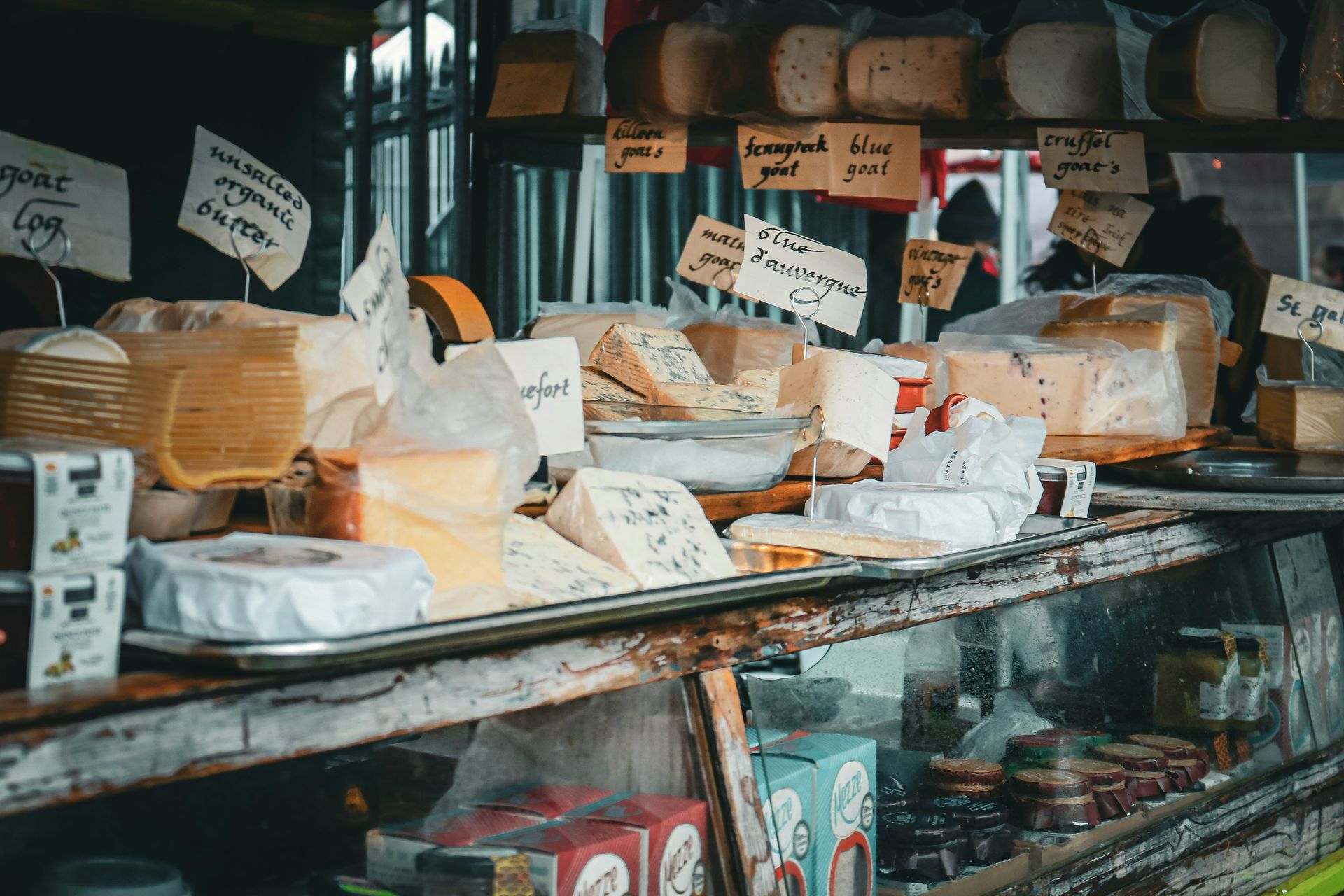
Cashel Blue from County Tipperary and Gubbeen from County Cork give the farmhouse cheese program its two most internationally recognized single products, and the diversity of styles, from Cashel Blue’s creamy blue-veined tang to Gubbeen’s washed-rind complexity, gives the Irish cheese category a range whose breadth contradicts the assumption that a small island nation produces only one or two noteworthy cheeses. Sheridan’s Cheesemongers, an Irish institution with outlets throughout the country, gives the cheese retail program its most dedicated and most knowledgeable single specialist, and the South Anne Street Dublin store’s taste-before-you-buy policy gives the visitor the most direct possible approach to Irish cheese selection.
The Blue Goat in Ramelton, County Donegal, gives the artisan dairy experience its most experiential single format: a farm shop where the visitor creates a personalized cheese board alongside Cloud Picker coffee, excellent wines, and Spanish charcuterie. The Shannon Porter family dairy in Carrigans, County Donegal, which milks 450 cows and operates The Milk Bar’s farm shop, milk vending machine, and ice cream program, gives the working dairy farm its most accessible single visitor attraction. Cork’s English Market, open since 1788, offers the cheese counter program its most historically layered and architecturally distinguished single setting among the food halls and covered markets of any Irish city, with the Victorian iron structure providing the market's most specific architectural credential.
Loija Nguyen / Unsplash
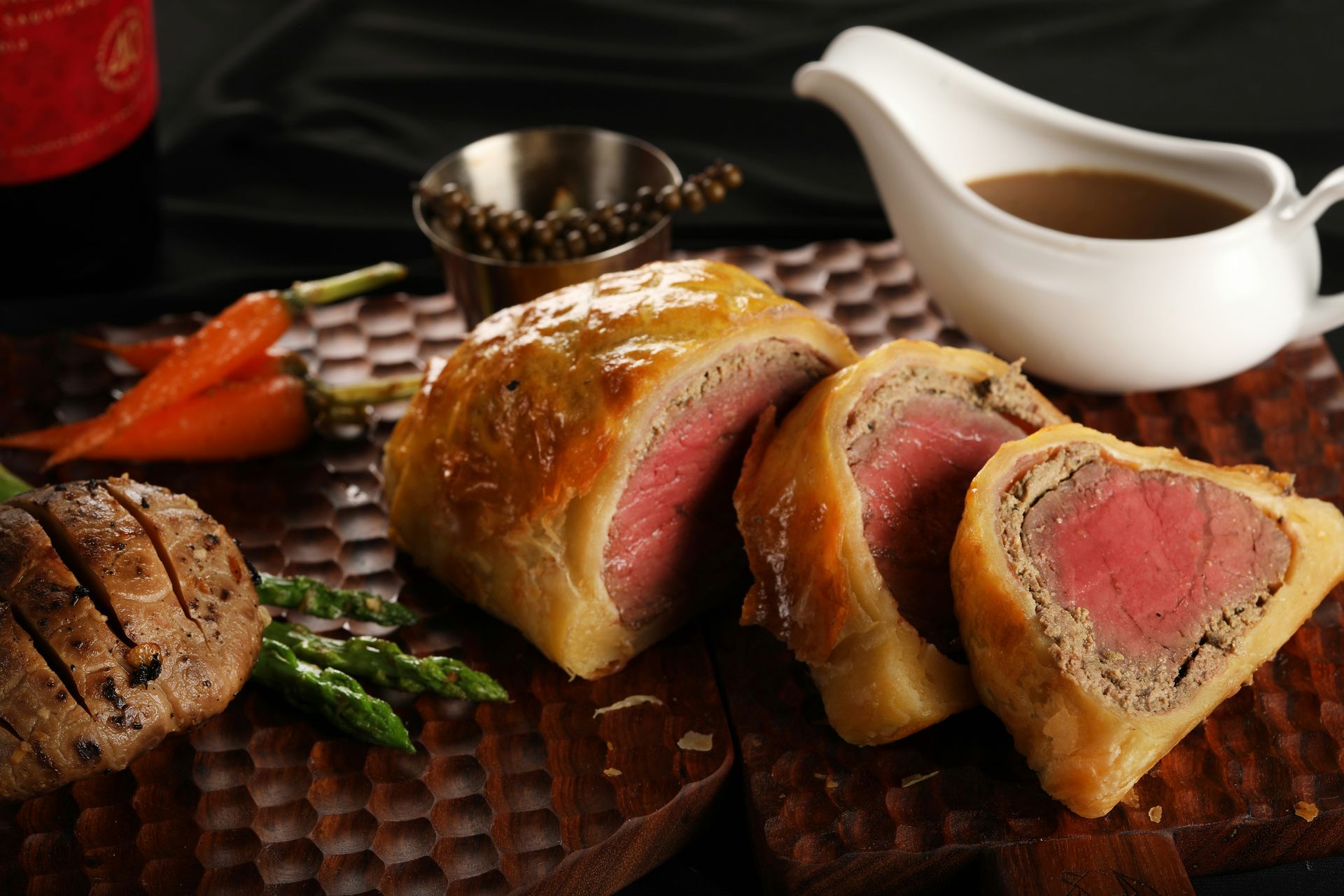
Irish beef’s international reputation for quality rests on the same agricultural foundation as the dairy program: lush green pasture, traceable farming practices, and cattle whose outdoor grazing time and grass diet give the beef a specific flavor profile that feedlot and grain-fed alternatives do not replicate. The country’s top chefs have organized their most celebrated menus around the beef whose provenance they can verify and articulate to their customers, giving the fine-dining Irish restaurant its most consistent single hero ingredient whose seasonal variations reflect the farming calendar, not the global commodity market.
Mulcahy’s restaurant in Kenmare, County Kerry, gives the beef program its most celebrated single destination in the southwest: the signature beef wellington and the surf-and-turf of sirloin or rump steak with Kenmare Bay prawns give the Kerry table its most complete expression of the county’s dual land-and-sea agricultural heritage. MacNean House and Restaurant in County Cavan, the base of celebrity chef Neven Maguire, offers the Irish fine dining experience its most nationally recognized single address, with the seasonally changing Prestige Menu’s local-produce focus and wine pairings making the destination restaurant its most ambitious single offering.
The Glass Curtain in Cork gives the sharing-plate format its most celebrated Munster expression: chef Brian Murray’s sharing steaks, whole fish, and seasonal small plates give the group dining program its most convivial format, and the restaurant’s elegant and relaxed atmosphere gives the special-occasion dinner its most specifically Cork character. Brown’s Bonds Hill in Derry City, where chef Ian Orr serves Inishowen grass-fed beef with beef ragu potato terrine, gives the Northern Ireland beef program its most specifically provenance-conscious single address. The Irish beef industry’s quality assurance schemes, including the Bord Bia Quality Mark and the Origin Green sustainability program, provide the traceable beef claim with a certification infrastructure that gives consumers specific, independent verification of the provenance claims described on the restaurant menu. These schemes are not marketing exercises: they require farm-level audit and certification whose rigor gives the Irish beef program its most credible single quality argument in an international market where provenance claims are often unverified.
Karl Fredrickson / Unsplash
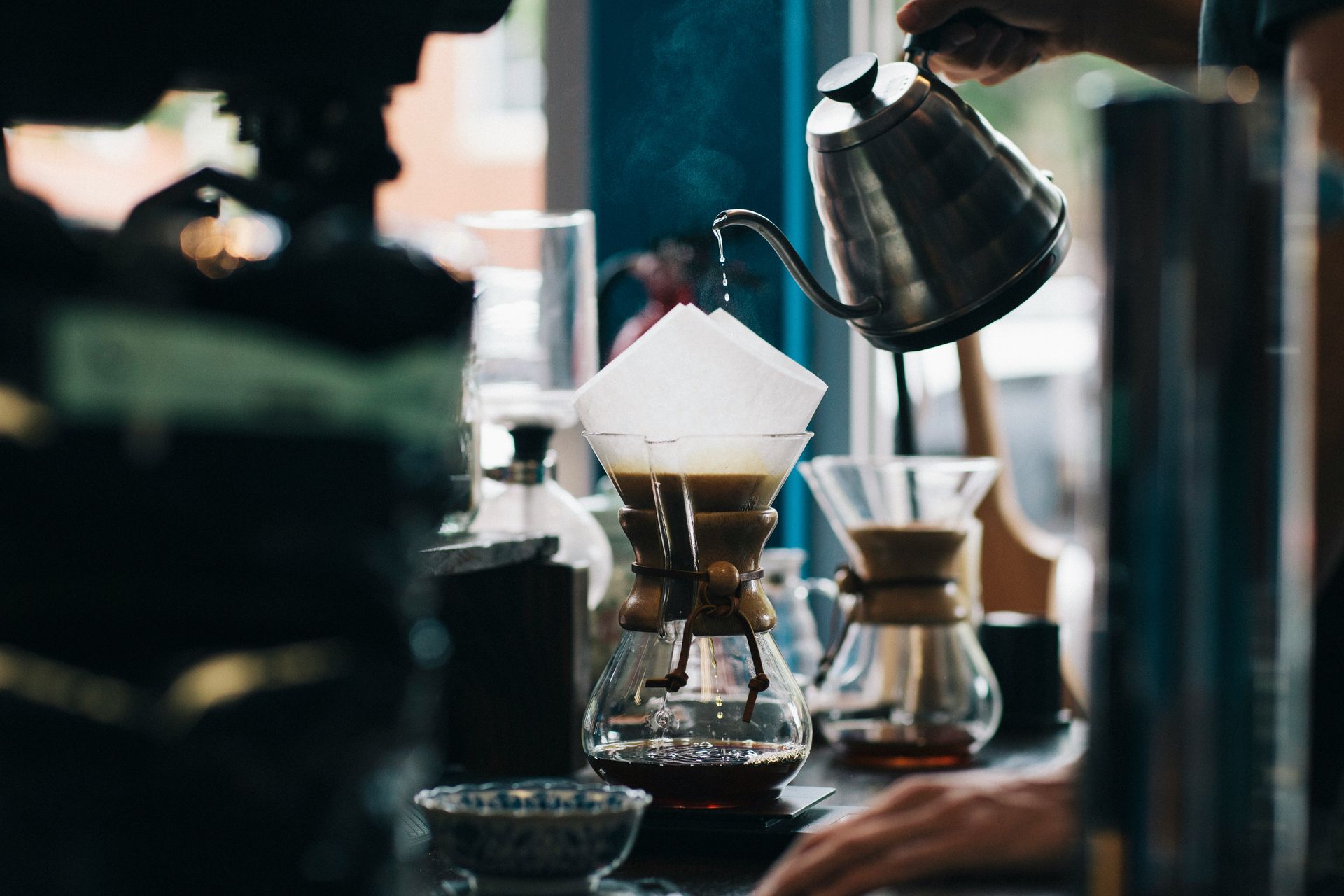
Ireland’s coffee culture has transformed over the past decade from a predominantly tea-drinking country to a nation of dedicated coffee consumers, with its independent café scene offering international travelers a specialty coffee experience comparable to those of Melbourne and Portland. The transformation reflects a generation of Irish baristas who trained abroad and returned with the technical knowledge and the quality standards of the international specialty coffee movement, combined with a domestic consumer market whose appetite for well-made espresso has grown rapidly enough to support dedicated roasteries and single-origin bean programs in towns and villages across the country.
Proper Order Coffee Co in Dublin’s Smithfield gives the capital’s specialty coffee program its most specific science-lab aesthetic single address: the shop’s simple menu and focused approach give the coffee its most serious professional framing, and the Smithfield neighborhood’s mix of creative workers and local residents gives the café its most demographically diverse regular clientele. Kaph on Drury Street gives the quick brew and people-watching program its most centrally located single Dublin address, and the outdoor seating’s proximity to Grafton Street’s pedestrian flow gives the café its most specifically Dublinesque social vantage point.
Rover Coffee Lab and roastery on Sligo’s O’Connell Street gives the west of Ireland coffee program its most dedicated single specialist, and the brú café in Castlebar, County Mayo, gives the county town a double identity as both a serious coffee destination and the source of the article’s specifically noted doorstop sandwiches. The geographic spread of the recommended cafés, from Dublin to Sligo to Mayo, reflects the national distribution of the coffee revolution, whose reach extends well beyond the capital’s established specialty coffee circuit. The Cloud Picker coffee served at The Blue Goat in Donegal’s Ramelton, the same roastery whose beans appear in multiple specialty cafés across Ireland, gives the small-batch Irish coffee roaster its most geographically distributed single example: a Dublin roastery whose product has reached a farm shop in a small County Donegal town gives the specialty coffee supply chain its most specifically Irish end-to-end expression.
さえぼー / Wikimedia Commons (CC0 1.0)
The traditional Irish food program gives the visitor access to the culinary layer that precedes the contemporary chef-driven dining scene: the boxty potato cake, the Waterford Blaa bread roll, the lamb stew, the tripe and drisheen blood pudding, and Donegal’s Football Special soft drink give the Irish food experience its most historically grounded and most geographically specific single set of encounters. The boxty, made from equal parts cooked mashed potato and grated raw potato, gives the potato’s central role in Irish agricultural and culinary history its most textually complex single expression, and the 30-year operation of Gallagher’s Boxty House in Dublin’s Temple Bar gives the traditional preparation its most specifically dedicated single address whose early bird menu’s boxty pancake gives the visiting food tourist its most accessible introduction to the format.
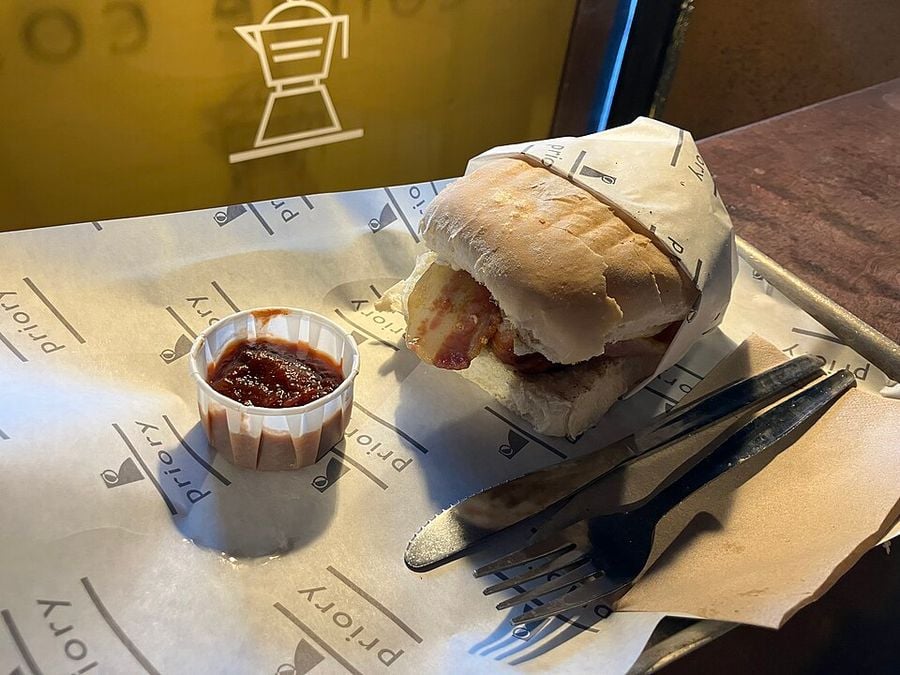
The Waterford Blaa, a large, fluffy bread roll whose tradition dates to the 17th-century arrival of the Huguenots in Waterford, gives the Irish bread culture its most specifically geographically protected single product: the Blaa holds a Protected Geographical Indication status whose legal protection gives the Waterford roll a designation that prevents its name from being used by rolls produced outside the city. The Local in Dungarvan gives the steak sandwich on a Blaa its most specifically recommended regional preparation, giving the traditional bread its most practically demonstrable current culinary application.
Donegal’s Football Special, a frothy vanilla-flavored soft drink, gives the county visit its most specifically local beverage credential, whose regional availability and distinctive flavor give the Donegal food experience its most playfully unexpected single item. Biddy’s O’Barnes in the Barnesmore Gap $GPS serves the Football Special alongside their seafood chowder, giving the Donegal food stop its most specifically county-complete program, and the Farmgate Café upstairs in Cork’s English Market gives the lamb stew and the tripe and drisheen their most historically appropriate single setting in a market whose 1788 opening predates most of the food traditions it continues to serve.
