
5 foods for heart health you can actually eat every day
Discover which foods you can eat to best support a healthy heart over time, according to research

Sharon Waldron / Unsplash
Heart health advice has a talent for making lunch feel stressful. Eat perfectly. Avoid anything fun. Learn the difference between six kinds of fats before breakfast. Somewhere along the way, healthy eating started sounding more complicated than it probably needs to be.
According to The Healthy, recent research suggests the basics still matter most. A 2025 study published in BMC Medicine followed more than 3,000 adults in the United Kingdom for 11 years, tracking eating habits alongside blood pressure, cholesterol, and cardiovascular risk. Researchers focused on polyphenols, antioxidant compounds found in many plant-based foods and drinks. The foods linked with better heart health were not especially trendy: berries, nuts, tea, coffee, olive oil, and whole grains all made the list.
Part of the appeal is how normal these foods are. Nothing here requires a subscription box or a wellness influencer explaining it from a marble kitchen. Most already exist in regular grocery carts. They just tend to lose attention to louder, more processed options nearby.
The Healthy also notes that researchers emphasized consistency over perfection. Small shifts repeated over time appeared more useful than dramatic diet resets that disappear by February. That may be the most encouraging part of the study. Heart-healthy eating does not seem to require nutritional purity. It just asks for better habits often enough to matter.
Here are five foods that can help support better heart health today.
1. Berries
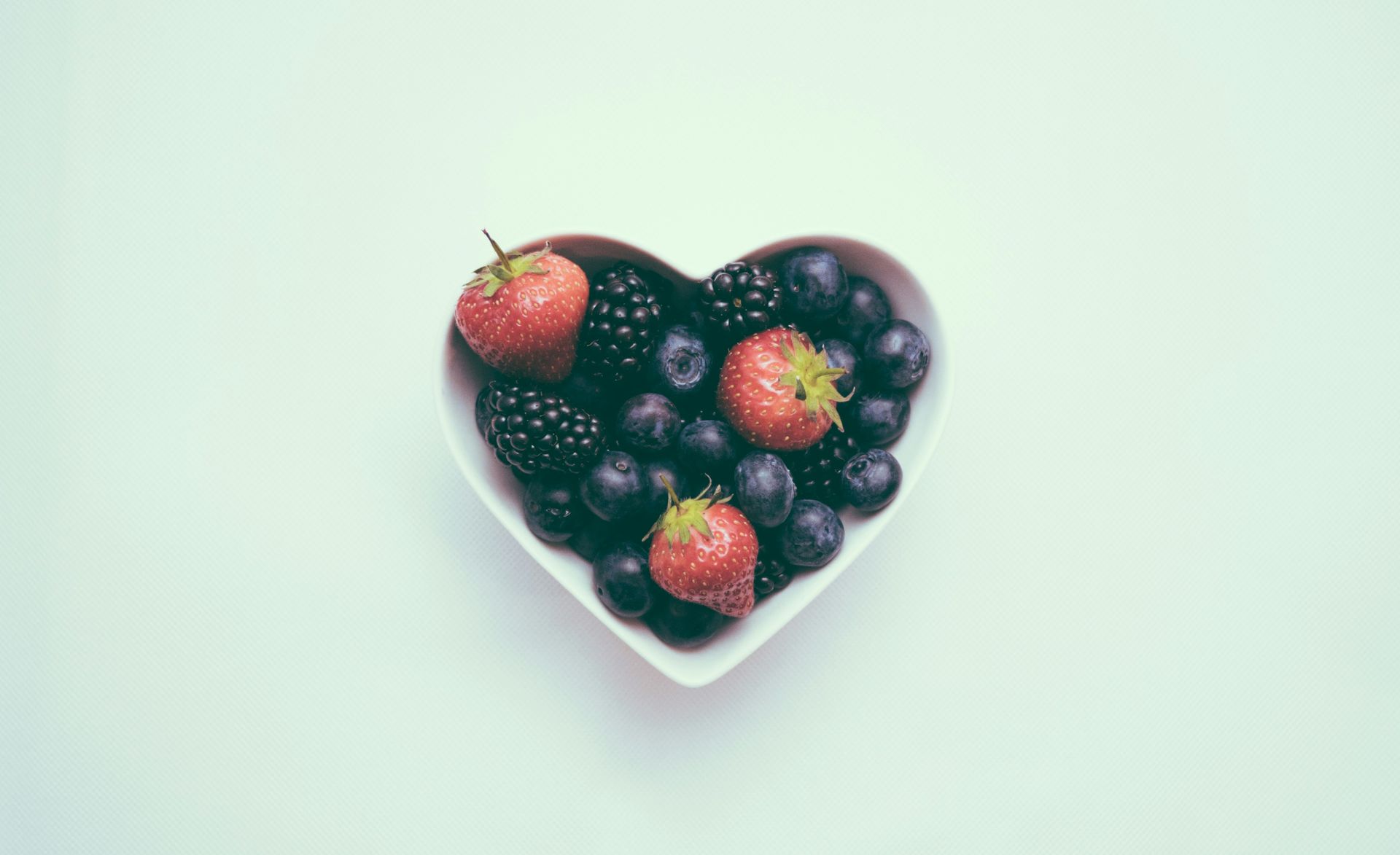
Photo by Jamie Street on Unsplash
Berries have earned an impressive reputation in nutrition research while somehow avoiding the smug energy that follows many “superfoods.”
According to The Healthy, a recent study identified berries as one of the major polyphenol-rich foods linked with healthier blood pressure and cholesterol levels over time.
Part of the reason may be the flavonoids packed into berries. The Healthy notes that these antioxidant compounds, which give many fruits their rich colors, appeared to play an important role in the study’s findings.
Berries also succeed where many healthy foods fail: they are easy to eat regularly. They fit into breakfast, snacks, desserts, or whatever meal currently needs help. Nobody has to redesign their personality around blueberries. That flexibility matters because healthy habits tend to last longer when they feel natural instead of heavily optimized.
There is also something useful about foods that feel enjoyable before they feel nutritious. Berries manage to pull off both at once.
2. Tea
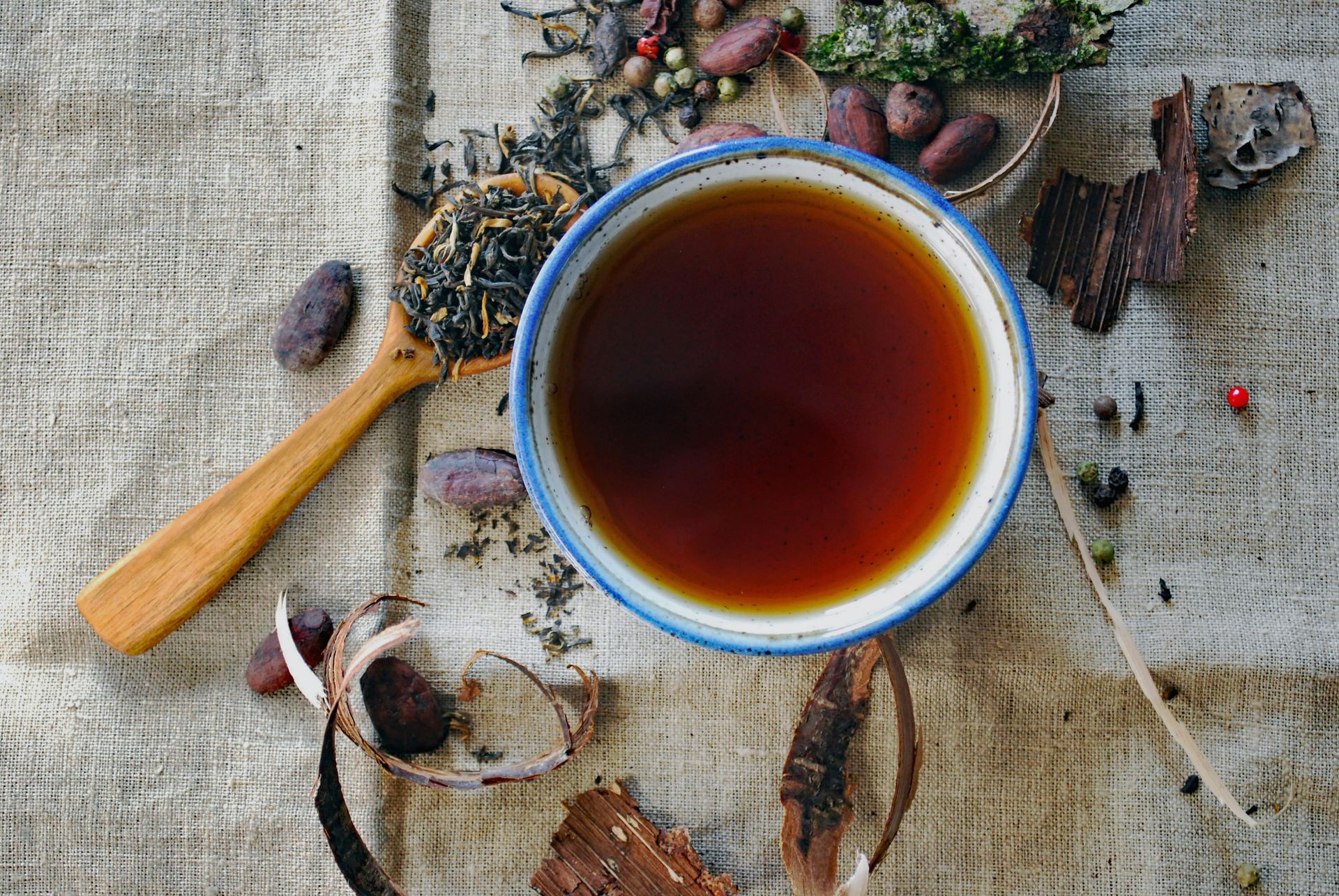
Photo by Drew Jemmett on Unsplash
Tea has spent years sitting quietly beside coffee culture without demanding a personality overhaul in return. That may have worked in its favor.
According to The Healthy, tea was one of the polyphenol-rich drinks associated with better cardiovascular markers in the study. Researchers found that higher intake of these antioxidant compounds was linked with healthier blood pressure and cholesterol levels over time.
The Healthy highlights phenolic acids and flavonoids as two of the compounds connected to those benefits. Tea naturally contains both, which may explain why it keeps showing up in heart-health research across very different eating patterns.
Part of tea’s advantage is how easily it fits into daily life. Swapping in tea instead of sugary drinks or overly sweet coffee orders can gently improve routines without turning nutrition into a full-time project. The habit feels manageable, which is usually a better predictor of long-term success than dramatic dietary ambition.
The Healthy notes that the study focused on consistent intake over time, not extreme consumption. This is important because most heart-health improvements happen quietly through repeated daily choices, not one heroic week of healthy eating.
3. Coffee

Coffee has gone through a remarkable reputation makeover. A habit once treated as mildly irresponsible is now showing up in wellness conversations with surprising regularity.
According to The Healthy, coffee was one of the polyphenol-rich beverages linked with healthier cardiovascular markers in the 11-year study. Participants with higher polyphenol intake generally showed better blood pressure and cholesterol profiles over time.
The Healthy points to phenolic acids as one of the antioxidant compounds connected to those effects, and coffee happens to be a major source of them in many diets. That does not magically turn giant sugar-heavy coffee drinks into healthy food. It does suggest plain coffee may fit more comfortably into a balanced diet than nutrition culture sometimes allows.
Part of coffee’s advantage is that people already drink it consistently. Unlike many wellness habits, it does not require a complete lifestyle reinvention or a complicated morning routine filmed for social media. The ritual already exists.
The Healthy also emphasizes that researchers looked at overall long-term eating patterns rather than individual miracle foods. Coffee appears useful partly because it contributes to a broader pattern of polyphenol-rich habits instead of acting as some standalone nutritional shortcut.
4. Nuts
-1920x1404.jpg)
Photo by Maddi Bazzocco on Unsplash
Many snack foods work very hard to convince people they are healthy. Nuts mostly avoid the marketing spectacle and continue being useful anyway.
According to The Healthy, nuts were among the polyphenol-rich foods associated with healthier cholesterol and blood pressure markers in the long-term cardiovascular study. Researchers linked regular intake with lower cardiovascular risk across the study population.
It’s important to note how much nutrition nuts can pack into a relatively small serving. They provide healthy fats, fiber, and antioxidant compounds without asking anyone to spend 40 minutes preparing a wellness bowl.
The Healthy also notes that researchers emphasized small, sustainable dietary shifts instead of dramatic restrictions. Swapping ultra-processed snacks for nuts here and there may not feel life-changing, but habits at that scale often matter more than temporary diet overhauls.
There is also a reason nuts keep appearing in eating patterns associated with heart health and longevity. They travel well, work almost anywhere, and fit into real schedules. People can keep them in a desk drawer, throw them in a bag, or eat them between meetings without turning nutrition into a production.
5. Whole grains
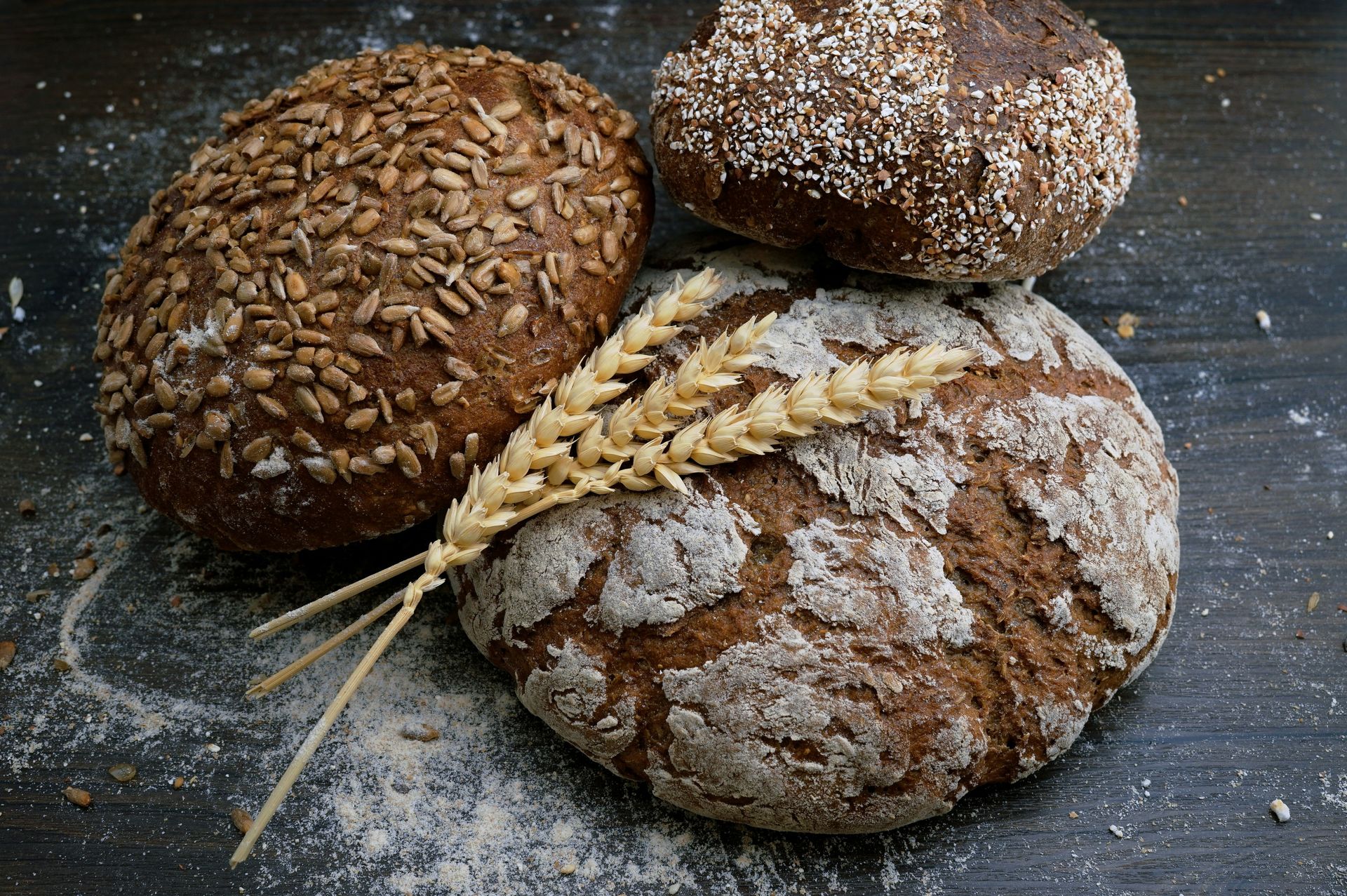
Photo by Wesual Click on Unsplash
Few foods have spent more time caught in nutrition arguments than carbohydrates. However, whole grains keep surviving the discourse.
According to The Healthy, whole grains were among the polyphenol-rich foods linked with lower cardiovascular risk in the long-term study. Participants with higher intake showed healthier blood pressure and cholesterol trends over time.
Whole grains contain fiber along with antioxidant compounds that may support heart health. They also tend to keep people fuller longer, which makes steady eating habits a little easier in a world built around ultra-processed snacks and accidental second lunches.
Whole grains also have the advantage of feeling realistic. Oats, brown rice, and whole-grain bread fit easily into everyday meals without requiring a complete lifestyle overhaul. That simplicity may be part of why they continue showing up in heart-health research while trendier diet rules keep changing every few years.