
From Tai Kwun's restored 1840s prison cells to West Kowloon's free Friday jazz and harbor views across to Hong Kong Island
Daniam Chou / Unsplash
Hong Kong genuinely isn’t a cheap place to visit, though with good planning, a bit of creativity and a real eye for beauty, travelers can spend a genuinely enjoyable day in the city for very little money. Beyond parks, beaches, temples and other cultural attractions, free art and music abound throughout this sophisticated, fast-paced metropolis, giving budget-conscious visitors far more options than the city’s expensive reputation might initially suggest.
Sometimes a well-curated walk through a storied neighborhood proves just as richly rewarding as a trip to any museum, giving budget-conscious travelers genuine ways to experience the city’s depth without spending heavily. Making the most of these free experiences lets visitors genuinely soak up Hong Kong’s character even when a wallet feels a little light throughout a longer trip.
The eight activities below appear in Lonely Planet and cover standout free things to do throughout Hong Kong. Each one reveals a genuinely different facet of the city, from restored colonial heritage to contemporary art scenes to the simple pleasure of a market at dusk. None of these free experiences feels like a consolation prize for skipping paid attractions, and several genuinely rank among the most memorable parts of a Hong Kong visit regardless of budget. Combining a few of these activities within a single day, such as pairing a heritage walk with a free gallery circuit, often creates a genuinely more rewarding itinerary than rushing between the city’s more famous paid attractions alone. Travelers $TRV willing to slow down and follow genuine curiosity through these free experiences frequently come away with a considerably richer understanding of Hong Kong than a purely paid, checklist-driven itinerary would ever provide in quite the same way, especially over a longer stay. A little curiosity genuinely goes a long way here.
Credit: Go HK
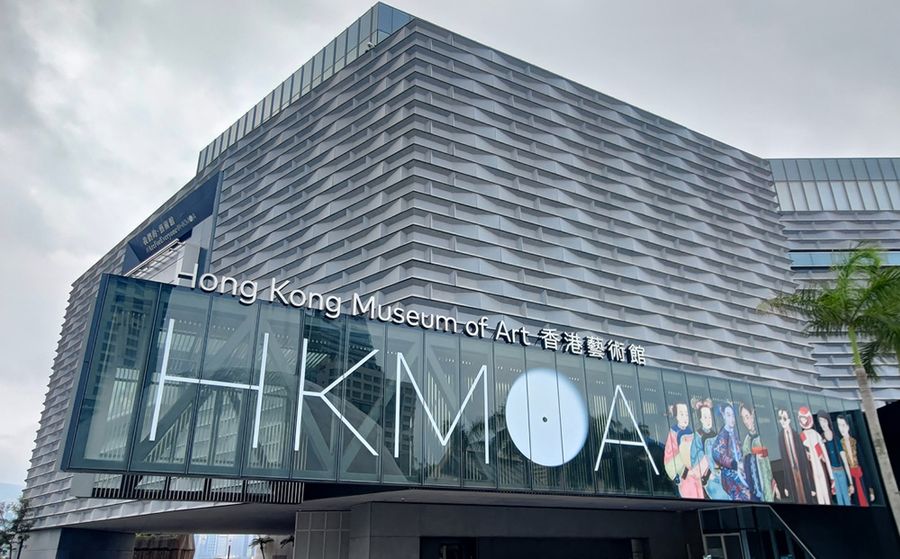
The Hong Kong Museum of Art underwent a genuinely major four-year, $120 million makeover, reopening in late 2019 with a sleek new look that transformed the entire visitor experience. Today it holds over 18,800 pieces, making it one of the best places to see modern and contemporary Hong Kong art alongside China trade art, plus genuinely spotless floor-to-ceiling views of Victoria Harbor.
Admission remains free throughout the museum, and free guided tours are also available on a first-come, first-served basis for visitors hoping for deeper context. Registering at least 30 minutes before a tour begins helps secure a spot, since these guided sessions draw genuine interest from both locals and tourists alike.
Several public museums throughout Hong Kong have also waived their admission fees recently, so checking specific museum websites for the latest information before visiting genuinely helps travelers plan a full day of free cultural exploration. This broader trend toward free admission gives budget-conscious visitors considerably more museum access than might otherwise be expected in such an expensive city.
Travelers $TRV should check the museum’s current exhibition schedule before visiting, since specific rotating displays alongside the permanent collection can shift the overall experience considerably between visits. Travelers should also check whether special ticketed exhibitions run alongside the free permanent collection, since these limited shows sometimes require a separate paid entry despite the museum’s otherwise free admission. The museum’s rooftop garden also rewards a visit specifically, offering genuinely striking harbor views that many visitors overlook while focused purely on the indoor galleries. Visiting on a weekday morning specifically helps avoid the heaviest crowds, since weekends draw considerably more local families and tour groups to the museum’s most popular galleries. A reusable water bottle also helps considerably given how much walking a full museum visit involves. Sunscreen also helps considerably for the museum’s outdoor harbor-facing terraces. Small details like these genuinely add up over a full museum day out.
Cheung Yin / Unsplash
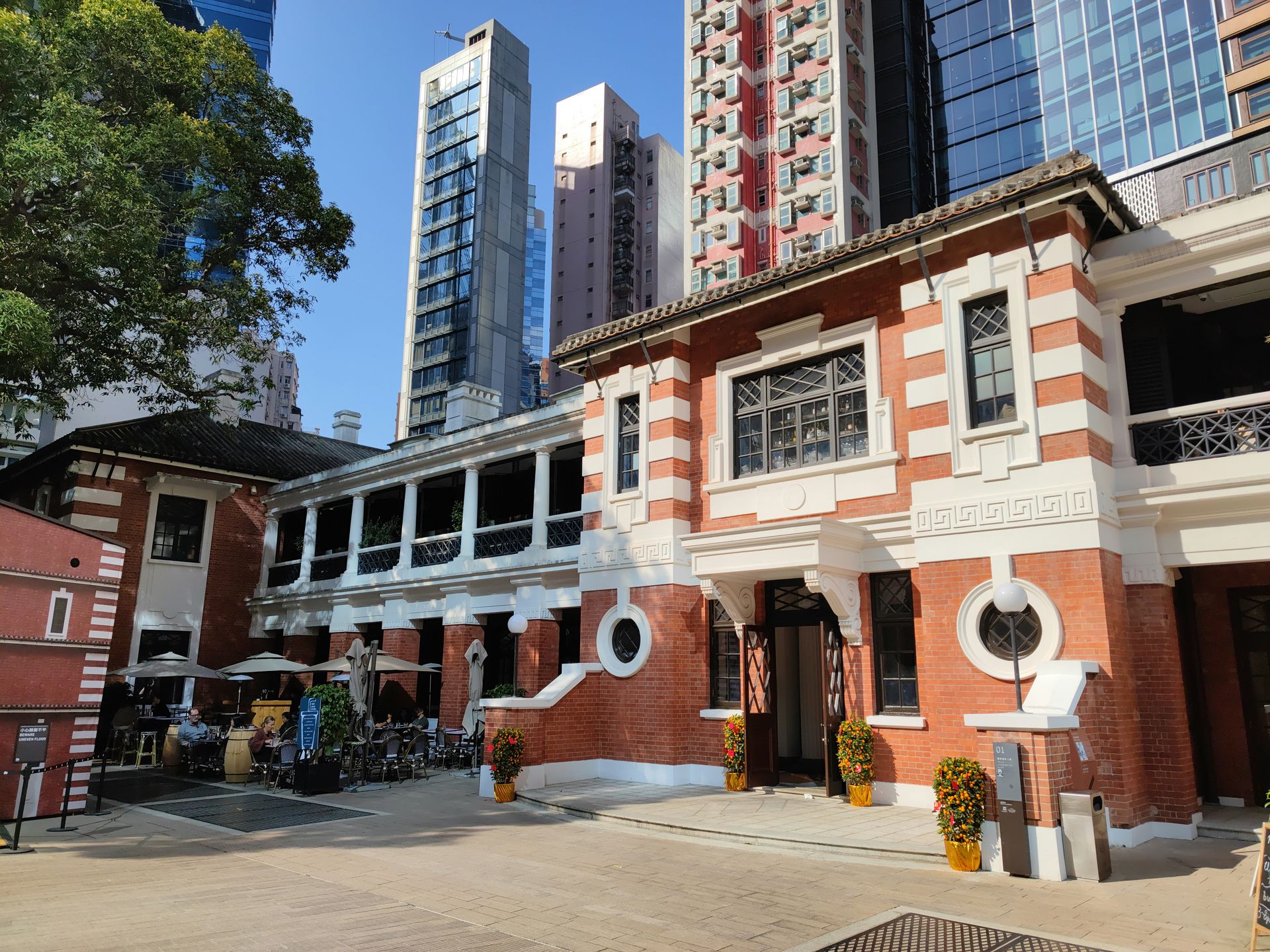
Hong Kong’s behemoth heritage and arts complex Tai Kwun genuinely delights visitors even when bypassing the paid galleries and upscale restaurants scattered throughout the site. This neoclassical police station, magistracy, and prison, combined into one complex dating back to the 1840s, has been meticulously restored, with extensions added by Swiss architects Herzog and de Meuron.
Visitors can roam freely through most of the 18 blocks to learn about the site’s history and even enter the original prison cells, giving the complex genuine depth beyond a typical heritage walk and leaving time for shooting a panoramic video in the majestic square that once served as the parade ground, rewarding visitors with a genuinely memorable photo opportunity.
From Tai Kwun, a genuinely short five-minute saunter leads to PMQ, where artist studios, artisans’ workshops and souvenir boutiques have taken over two blocks of former police quarters dating to the 1950s. Wandering through the airy corridors from the top floor down, while peeking at the exhibits in the square below, rounds out a genuinely full afternoon of free heritage exploration.
Travelers $TRV using the Central-Mid-Levels Escalator on the way to or from Tai Kwun will pass Central Market, a multi-story retail complex reimagined from a 1930s fresh food market built in the Streamline Moderne and Bauhaus style, worth checking for current gigs or exhibitions beyond its permanent historical displays. Travelers should also budget extra time for PMQ specifically, since the artist studios and workshops there reward slow browsing instead of a quick walkthrough between other stops. The complex’s former barrack blocks now host rotating exhibitions worth checking specifically, since these smaller shows change more frequently than the permanent heritage displays throughout the site. Checking Tai Kwun’s current events calendar before visiting also helps, since the complex regularly hosts free talks, film screenings and pop-up markets beyond its permanent heritage attractions. Comfortable shoes also help considerably given how much ground the full complex actually covers. Small details like these genuinely add up.
Credit: Hong Kong Tourism Board
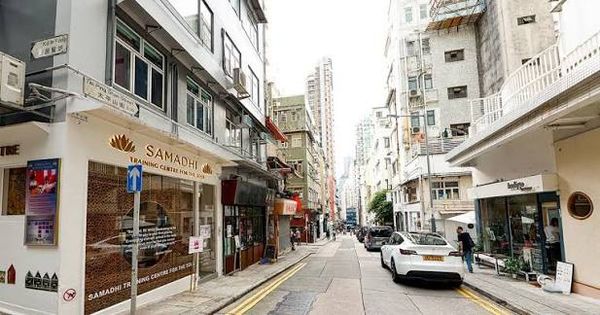
The charming Tai Ping Shan Street neighborhood deserves a genuine visit either as a detour from Tai Kwun or PMQ or entirely on its own. From Hollywood Road, turning onto Ladder Street near the genuinely photogenic Man Mo Temple, worth a look inside before continuing, leads travelers deeper into this historic pocket of the city.
Making a right into Square $SQ Street brings visitors past a funeral shop selling shiny wood coffins, and turning right again at the end onto Tai Ping Shan Street itself reveals a neighborhood where comb-over uncles rub elbows with eco-yogis inside a tea restaurant or indie bookstore. This genuinely eclectic mix of old and new gives the street a distinctly layered character rare elsewhere in the city.
It can prove genuinely hard to imagine this leisurely neighborhood once served as ground zero for a bubonic plague outbreak back in 1894, given how peaceful the area feels today. After the plague ended, the government built Blake Garden, a pretty park just above Tai Ping Shan Street that offers a genuinely calm retreat from the surrounding streets.
Kui In Fong connects travelers to this park and its two regal Chinese banyans, complete with curtains of aerial roots that give the space a genuinely striking, almost otherworldly atmosphere worth photographing. Travelers $TRV should also visit Blake Garden during quieter morning hours specifically, since the park’s two banyan trees photograph considerably better before crowds and harsh midday light arrive. The neighborhood’s small independent bookstores specifically reward a slow browse, since many stock genuinely hard-to-find titles focused on Hong Kong’s history and culture. Visiting on a weekday afternoon specifically helps travelers enjoy the neighborhood’s teahouses and bookstores without competing for space with weekend crowds drawn to the area’s growing popularity. A camera also helps considerably given how photogenic this particular neighborhood consistently proves. Comfortable shoes also help considerably given the neighborhood’s genuinely steep, stepped streets. Small details like these genuinely add up.
Airam Dato-on / Unsplash
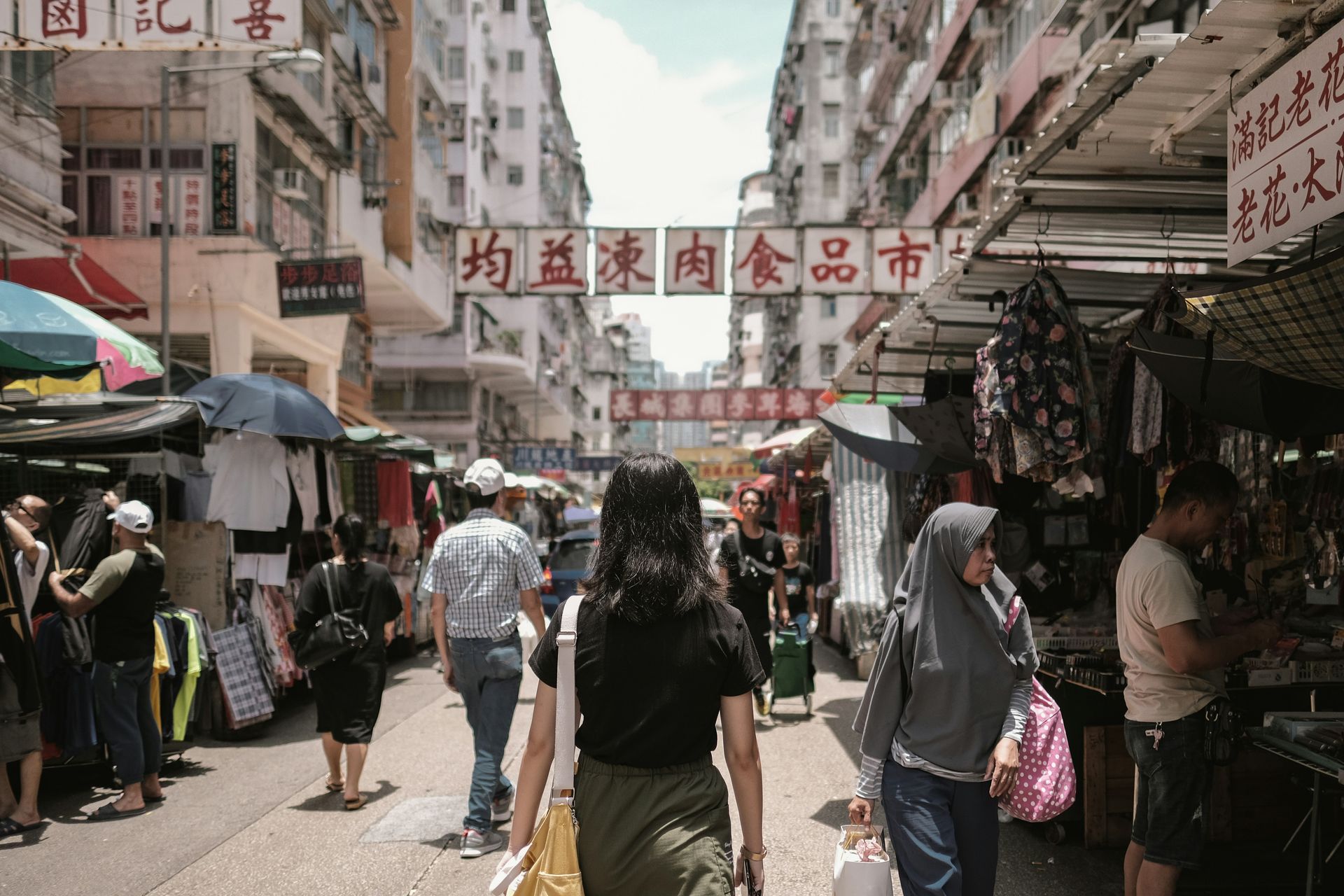
Sham Shui Po, a former manufacturing hub, has developed into one of the most quintessentially Hong Kong districts in recent years. While the neighborhood remains genuinely working-class, drawing many visitors specifically to buy knock-off drones and bargain garments, community-minded artists, cafe owners and third-generation entrepreneurs have infused it with a considerably more vibrant, cosmopolitan atmosphere.
Exiting via C1 of Sham Shui Po MTR station lands visitors directly in the middle of the sprawling electronics flea market on Apliu Street. Venturing south, techies and hobbyists give way to designers and stylists along streets nicknamed for their specific goods, including Button Street, Bead Street, Ribbon Street, Leather Street and a hawkers’ bazaar known for fabric vendors. North of the MTR, Toy Street holds two dozen shops overflowing with old-fashioned playthings genuinely far removed from any standard toy shop experience.
Travelers $TRV should keep an eye out for listed monuments and quirky buildings sandwiched between nondescript walk-ups throughout the neighborhood, including a pagoda-roofed building with frescoes, a neoclassical former police station, a structure built in the 1920s, and a pawn shop displaying a distinctive bat-and-coin sign.
Travelers hoping to meet people beyond a budget-friendly cafe or noodle shop should check out local venues hosting gigs, shows, and meet-ups throughout the neighborhood; enjoying free air-conditioning inside a surreal former shopping mall setting rounds out a genuinely memorable visit before heading back to the metro. Travelers should also visit on a weekday instead of a weekend if possible, since the flea markets and specialty streets throughout the neighborhood tend to run considerably less crowded midweek. The neighborhood’s community art spaces specifically host rotating exhibitions worth checking, since local artists frequently showcase work responding directly to the district’s own manufacturing history. Bringing small bills specifically for the flea markets helps considerably, since vendors throughout Apliu Street and the specialty streets rarely break large notes for small purchases. A reusable tote bag also helps considerably for carrying market finds throughout the day.
Joen Patrick Caagbay / Unsplash
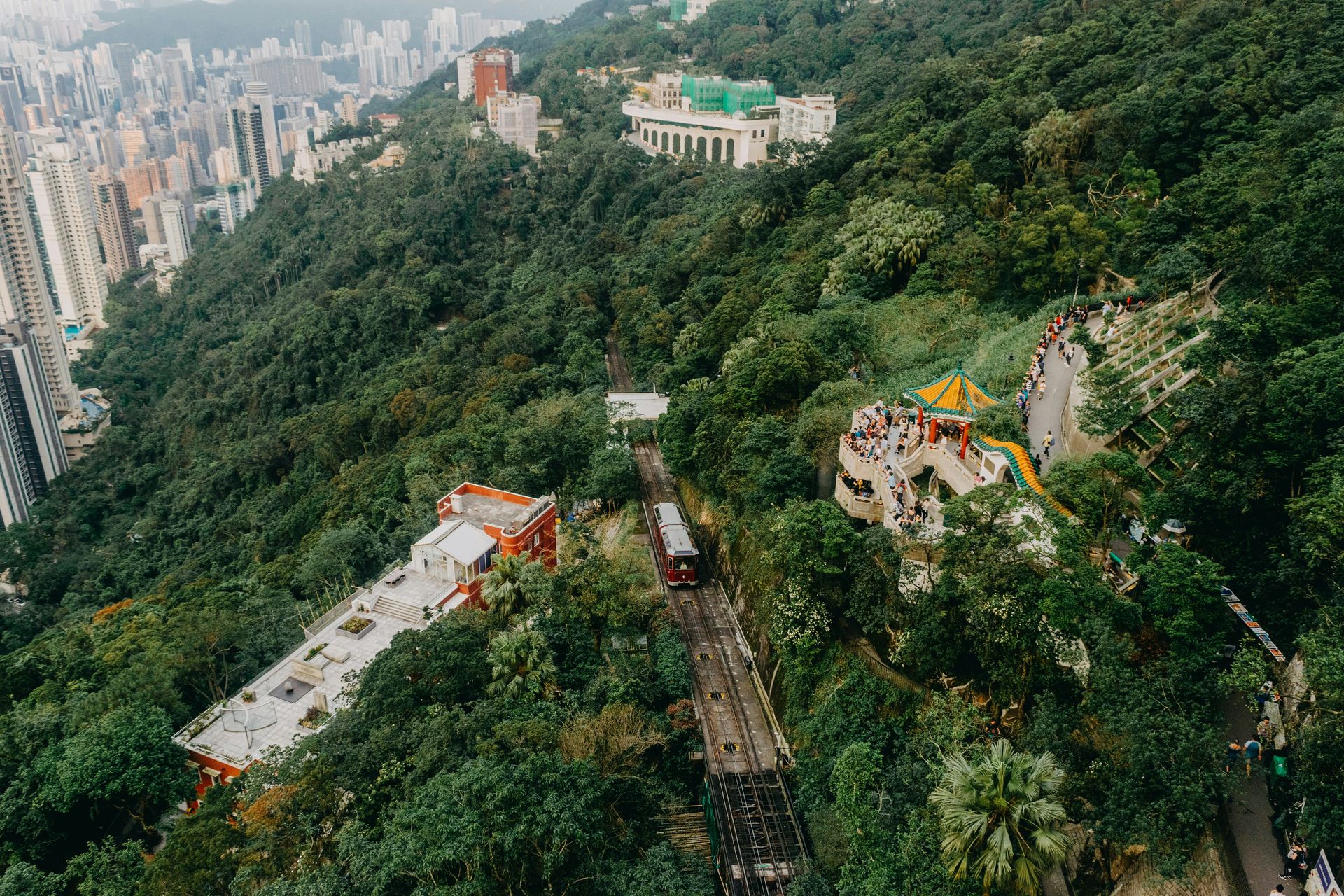
Almost 70% of Hong Kong stays officially green, encompassing urban hills, country parks and surf-beaten coastlines, some cradling genuine beaches, all free to access and within an hour of the city center. Hiking up to Victoria Peak or Po Lin Monastery rewards visitors with genuinely trillion-dollar views, plus a glimpse of the Big Buddha, all without spending a cent.
Travelers $TRV with less time available can still enjoy urban oases such as Hong Kong Park with its walk-through aviary, Botanical Gardens dating to the Victorian era, Kowloon Park, a former barracks converted into green space, Middle Road Children’s Playground above a bus terminus, and Cyberport Waterfront Park, known for its expensive pooches and their owners strolling nearby.
Sai Kung holds gorgeous hiking trails, with a couple running directly through the wonderful Hong Kong UNESCO Global Geopark, giving hikers genuine geological and scenic variety within a single outing. This range of accessible green space gives Hong Kong considerably more natural beauty than its dense urban reputation might initially suggest.
Combining a half-day hike with a trip to Sai Kung Town, complete with temples, dried seafood shops, and fishing boats lined up by the pier selling fresh catch, rounds out a genuinely fabulous day for travelers seeking both nature and local culture. Travelers should also check current trail conditions before setting out, since Hong Kong’s hiking routes can become genuinely slippery after recent rain, regardless of the season. The Dragon’s Back trail specifically ranks among the most rewarding for first-time hikers, offering genuinely spectacular coastal views without requiring advanced hiking experience. Checking current weather and typhoon warnings before any hike genuinely matters, since conditions on exposed coastal trails can shift considerably faster than in more sheltered urban parks. Sturdy hiking shoes also help considerably given how uneven some coastal trails can genuinely get. A hat also helps considerably given how exposed most coastal trails genuinely stay. Small details like these genuinely add up.
Cheung Yin / Unsplash
Some of the top Hong Kong and overseas big-name galleries have moved into the former industrial warehouses and factories of Wong Chuk Hang, close to Hong Kong’s famous Aberdeen Typhoon Shelter. Visitors notice street art and industrial-chic cafes the moment they exit Wong Chuk Hang MTR station, setting the tone for the creative energy found throughout the district.
Galleries of genuine interest scattered throughout the neighborhood include Blindspot, Lucie Chang Fine Arts, Sin Sin Fine Art, de Sarthe, Axel Vervoordt, Rossi and Rossi, Empty Gallery and Gallery Exit, all as free to browse as the salty coastal breeze drifting through the area. This concentration of serious galleries within a former industrial district gives art lovers genuine reason to spend an entire afternoon wandering between spaces.
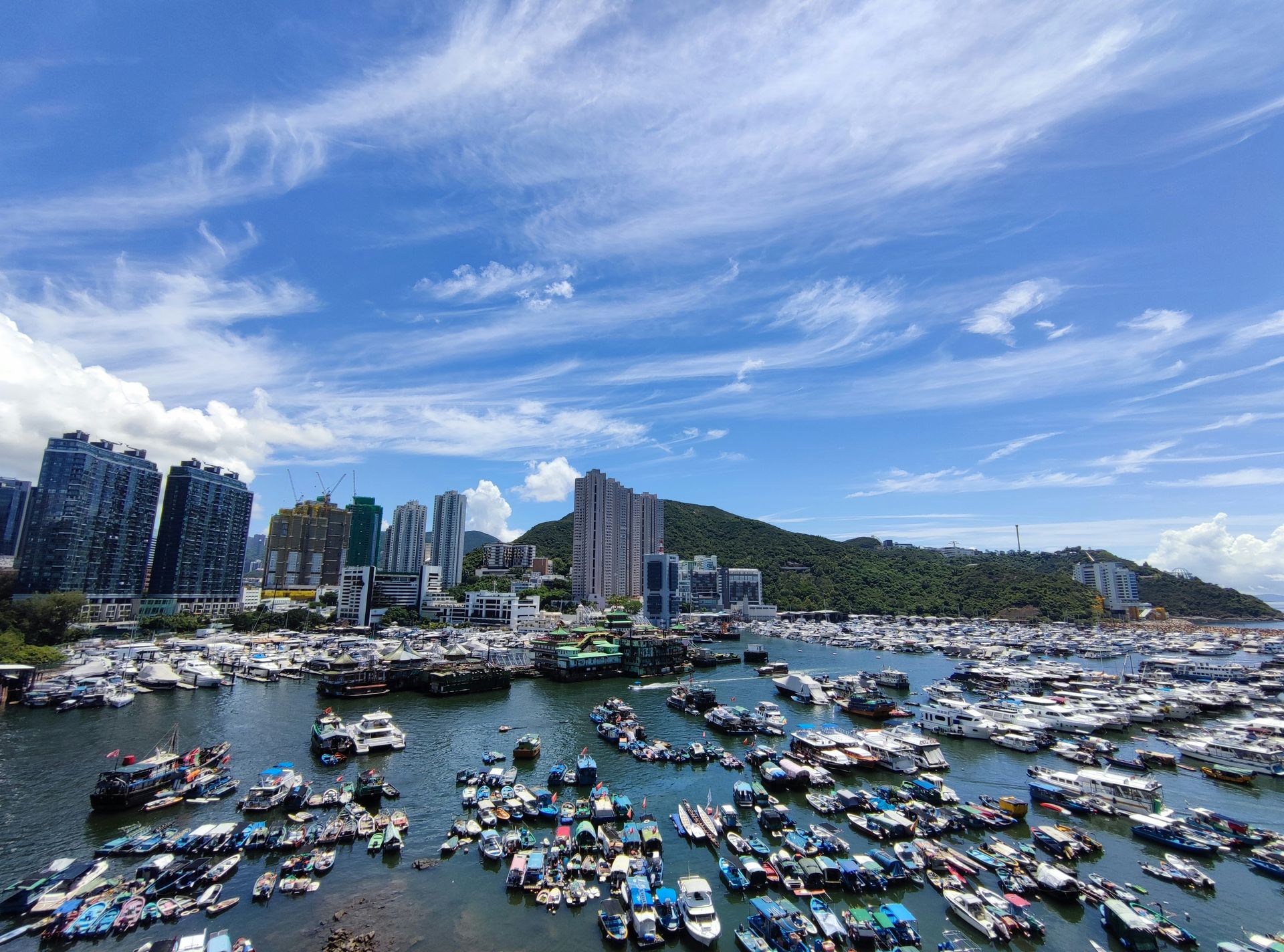
Finishing a gallery walk with a stroll to Aberdeen Promenade rewards visitors with a genuinely pleasant waterfront strip featuring piers, trees and a fish market active during the morning hours, perfect for watching sampans and leisure yachts drift by. This transition from industrial art district to working waterfront gives Wong Chuk Hang genuine range within a single, compact area.
Walking ten to twenty minutes toward the promenade also takes travelers past downtown Aberdeen, home to Hong Kong’s largest fishing community, adding genuine local color to the broader excursion beyond the galleries alone. Travelers $TRV should also check specific gallery opening days before visiting, since some smaller spaces throughout the district keep more limited hours than the larger, better-known venues. The district’s industrial-chic cafes specifically reward a coffee break between galleries, since many double as informal exhibition spaces showcasing emerging local artists. Checking whether specific galleries require advance appointment also helps, since some of the smaller, more exclusive spaces throughout the district don’t accept walk-in visitors during all hours. A reusable water bottle also helps considerably given how much walking a full gallery circuit involves. A light jacket also helps considerably for the air-conditioned gallery interiors. Small details like these genuinely add up.
Gigi / Unsplash
Fresh produce markets remain very much a part of local life throughout Hong Kong, strewn all over the city for residents and visitors alike. Travelers $TRV who find these markets genuinely overpowering, or who want variety, will find great alternatives that stay just as local and busy as the standard produce stalls.
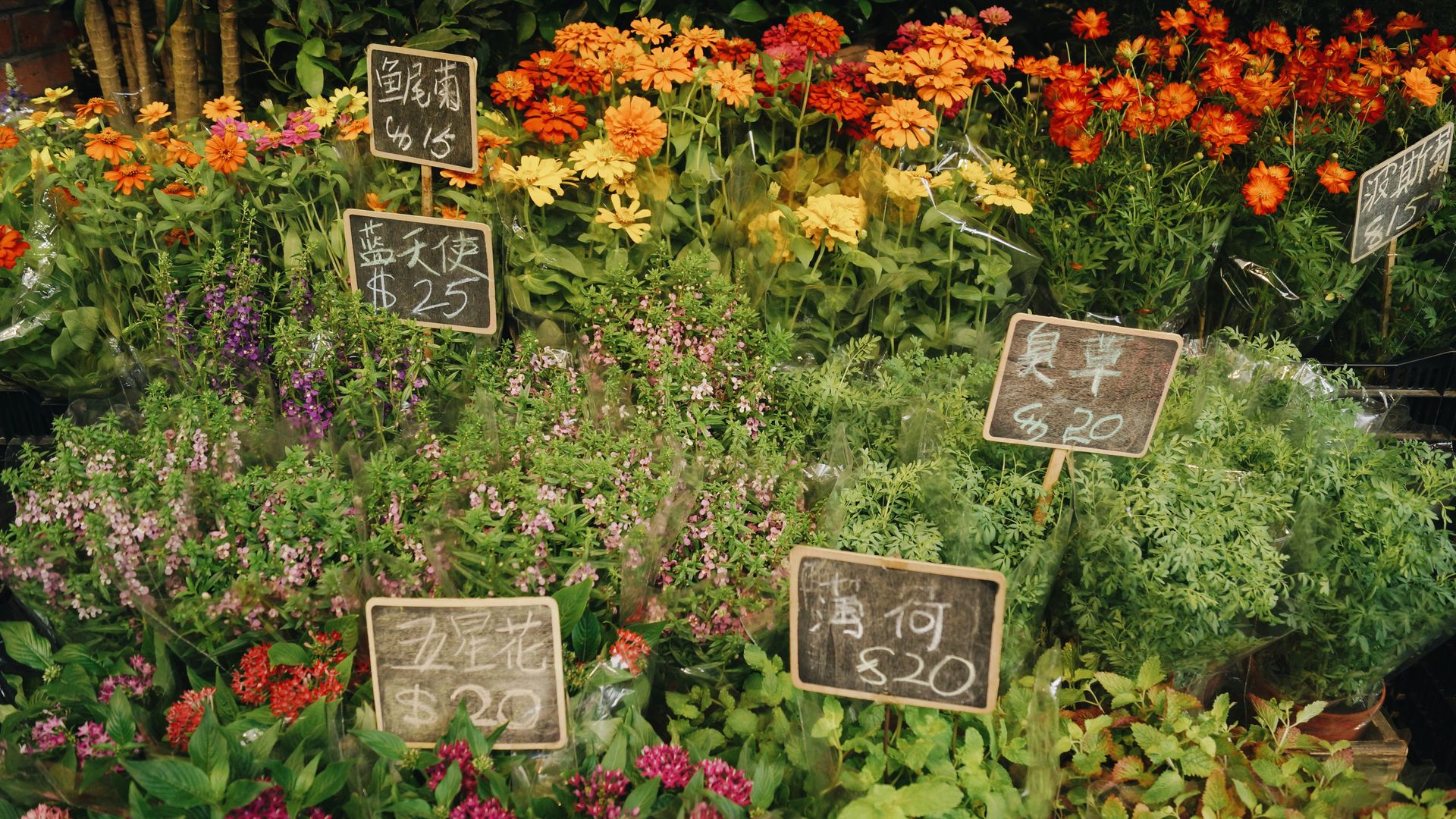
At the Flower Market, florals and gardening tools abound throughout the stalls, and travelers should also take a look at the gorgeously restored art deco buildings lining Prince Edward Road nearby. Morning is the best time to visit, when the flowers look freshest, and the crowds are considerably more manageable than later in the day.
At sundown, Temple Street Night Market materializes seemingly out of nothing, beckoning locals and tourists alike with bespectacled fortune-tellers, trinkets ranging from sex toys to Nepalese kukri, or short swords, and street artists belting out Cantonese operatic arias into the evening air. This nighttime transformation gives the street a genuinely different character than its quieter daytime appearance.
Visiting both the Flower Market in the morning and Temple Street Night Market after sundown gives travelers a genuinely full picture of Hong Kong’s market culture, spanning quiet daytime commerce and considerably livelier evening entertainment within a single day. Travelers should also bring cash specifically for smaller market vendors, since many stalls throughout both markets don’t accept cards or digital payment. The Jade Market specifically offers another worthwhile stop for travelers interested in traditional crafts, though bargaining skills genuinely help avoid overpaying for lower-quality pieces. Wearing comfortable, closed-toe shoes specifically helps considerably, since both markets involve navigating uneven pavement and occasionally crowded, narrow walkways between vendor stalls. A small flashlight also helps considerably for navigating dimmer corners of the evening market. A reusable shopping bag also helps considerably for carrying items purchased throughout the evening. Small details like these genuinely add up over a full night out spent shopping and browsing, too.
Johnny Wong / Unsplash
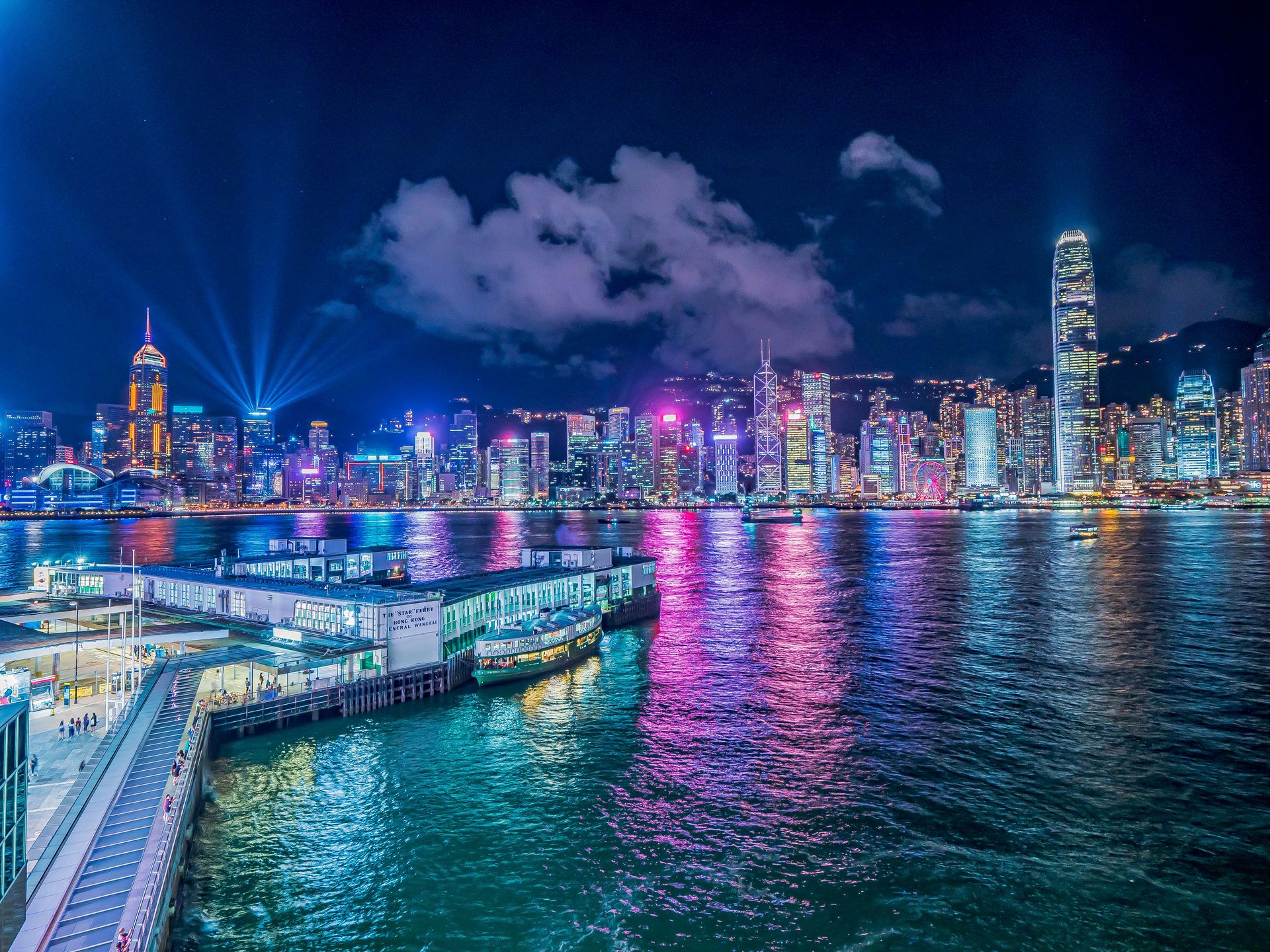
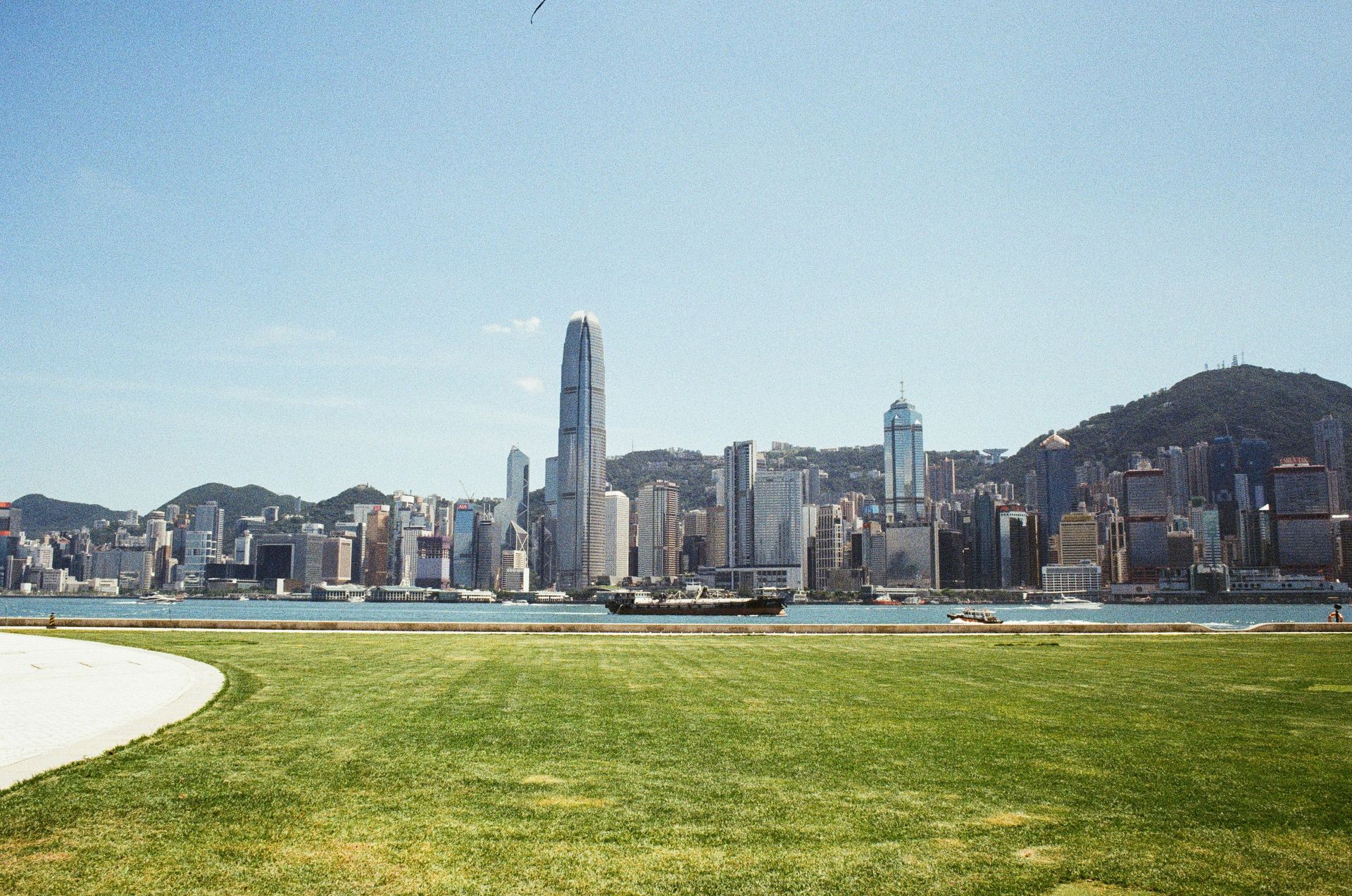
The 40-hectare harborside West Kowloon Cultural District holds two world-class museums, the M+ Museum and the Hong Kong Palace Museum. M+ occasionally offers free admission, though the Hong Kong Palace Museum has unfortunately stopped its own free admission program. However, visitors can still genuinely enjoy both buildings’ unique architecture from outside without paying anything at all.
The district also holds Xiqu Centre, devoted to Chinese operatic arts, alongside picnickable lawns that give visitors a genuinely relaxed way to spend an afternoon overlooking the harbor. This blend of world-class museum architecture and open green space gives West Kowloon genuine appeal even for travelers not planning to pay for museum entry.
Lau Bak Livehouse hosts gigs by local musicians every Friday and Saturday night, giving visitors a genuinely free way to experience live music spanning jazz, city folk, electronica, and rock depending on the specific evening. Enjoying the vibe just outside the French doors of the bar rewards visitors with genuine atmosphere without needing to pay a cover charge.
Travelers $TRV should check the current schedule for both M+ free admission days and Lau Bak Livehouse performances before visiting, since timing a trip around these specific free offerings genuinely maximizes the value of a West Kowloon visit. Travelers should also arrive at Lau Bak Livehouse a little early on weekend nights specifically, since the venue’s relaxed outdoor seating area tends to fill up quickly once the music starts. The district’s waterfront promenade specifically rewards an evening stroll, offering genuinely striking views of the Hong Kong Island skyline across the harbor. Checking the M+ Museum’s current free admission days specifically before visiting helps considerably, since these free windows don’t run continuously throughout the year. A light jacket also helps considerably for cooler evenings spent along the open waterfront. A reusable water bottle also helps considerably given how much walking the district’s open layout involves. Small details like these genuinely add up over a full evening.