
From a remote Ionian island cloaked in olive groves to a Cycladic volcano still worth climbing, the Greek islands that reward every kind of traveler
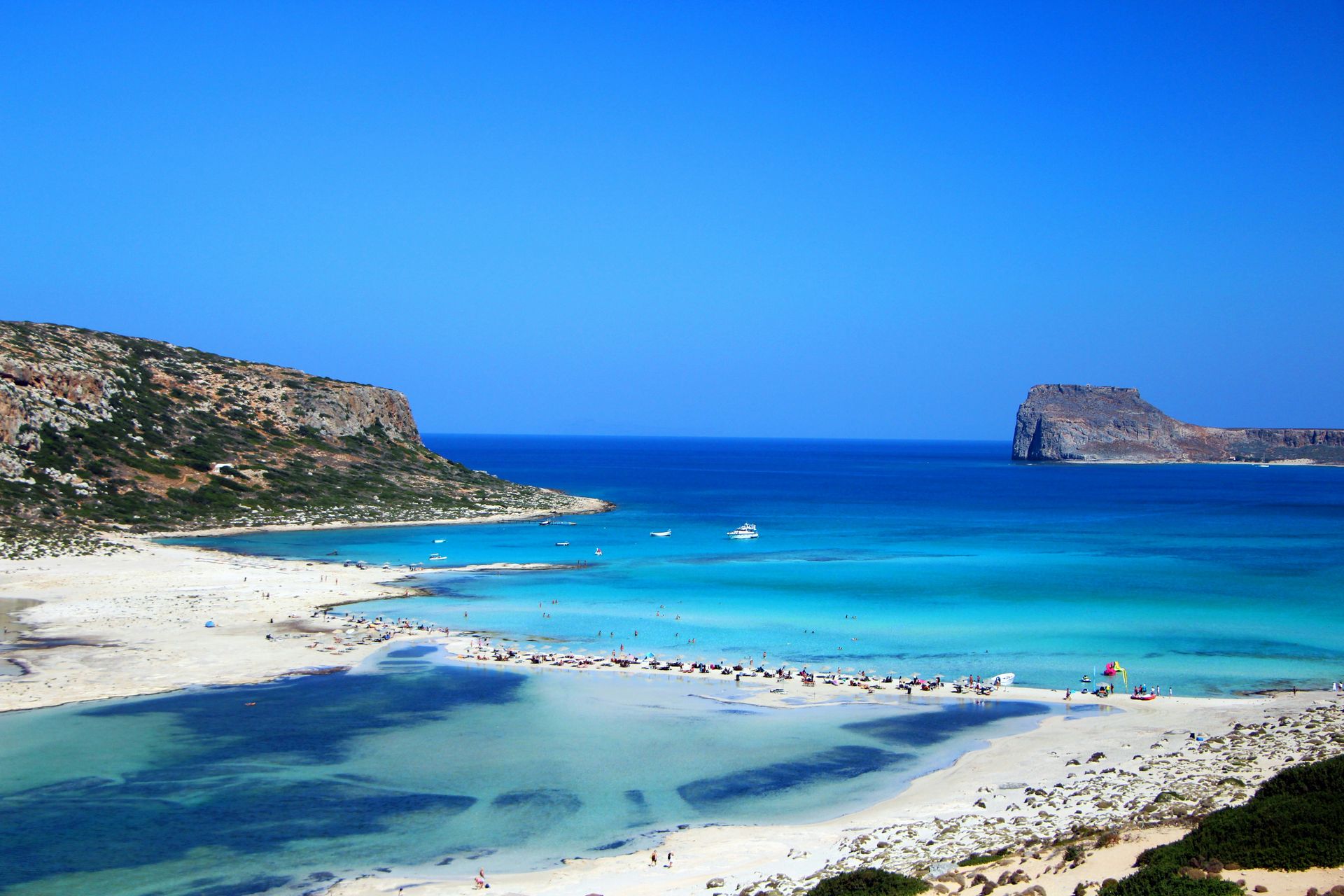
Eleni Afiontzi / Unsplash
Even in today’s well-traveled world, a genuine thrill still comes from picking up a map of the Greek islands, finding one nobody’s heard of, and hopping on a ferry there without much of a plan. These islands of Homeric myth and eternal beauty have never lost their ability to fire imaginations and summon adventure, and stepping off the plane or boat lets the stress slip away almost instantly in the heat haze.
Despite the pull toward doing absolutely nothing, each of these distinct islands rewards active exploration, too. Venetian forts, volcano climbs, icon-crammed monasteries perched on mountaintops, and vineyards producing wine much as they have since antiquity all eventually tempt visitors away from the sun lounger. From the lush, olive-cloaked Ionian Islands to the stylish, whitewashed Cyclades, the range covered here spans nearly every mood Greece has to offer.
The 10 islands below appear in Lonely Planet, covering the best Greek islands. They range from remote, rugged outposts that favor adventurous travelers to polished Cycladic hotspots built for nightlife and photography, offering visitors considerable variety in pace, scenery, and overall atmosphere. Several islands also carry direct ties to Greek mythology, from Aphrodite’s legendary birthplace to the mountain where Poseidon supposedly watched the fall of Troy, adding real layers of ancient story to the modern beach and hiking experience. Ferry connections link most of these islands to nearby hubs such as Athens, Kos and Skiathos. However, travelers should still check current schedules carefully, since routes and frequency can shift considerably between high season and the quieter shoulder months. Timing a trip around these shoulder seasons often rewards patient travelers with milder weather, thinner crowds and noticeably lower accommodation prices across nearly every single one of the ten distinct islands covered in this particular roundup below.
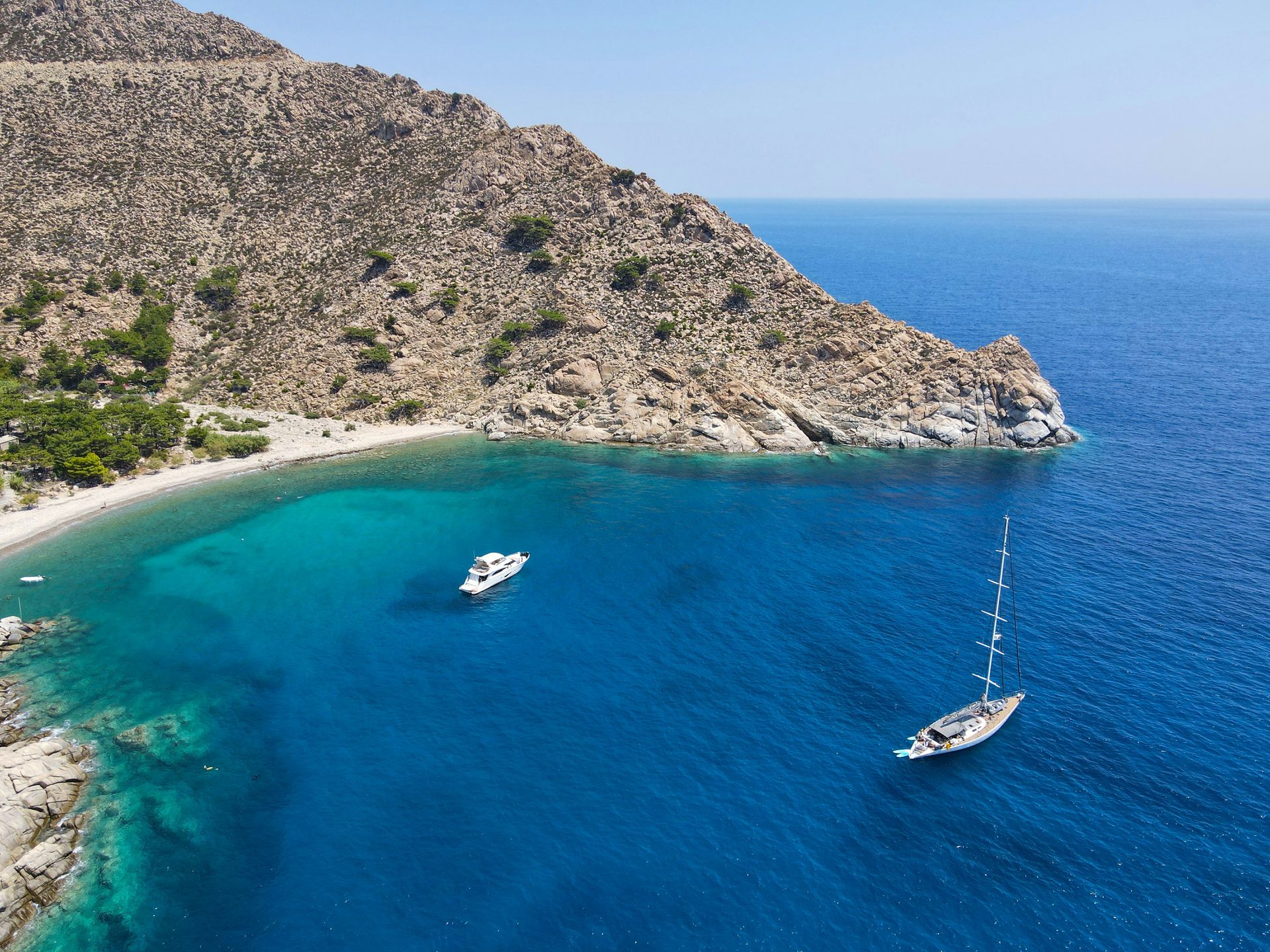
Dimitris Kiriakakis / Unsplash
Reaching Ikaria takes genuine effort, and travelers who make the journey to this wondrously wild island in the eastern Aegean find ample reward waiting on arrival. Ruggedly mountainous, gorge-riven and thickly forested, Ikaria sits well beyond the usual tourist radar, holding its own distinct look and culture shaped by considerable isolation. Homeric myth claims the wine-loving god Dionysus was born here, and the remote rock where Icarus supposedly flew too close to the sun still draws curious visitors today.
Infrastructure stays patchy across the island, so travelers need their own transportation to get around, though that particular limitation makes the trip feel like a proper adventure. Narrow roads lead to frost-white, boulder-speckled Seychelles Beach and its dazzling azure water, the family-run Afianes Winery high in the vine-strewn hills, and the sulfur-rich hot springs of Therma.
Across many centuries, islanders hid inside giant rock houses to avoid pirate attacks, and these shelters remain reachable by traipsing into the granite peaks along boulder-strewn monopatia, or old footpaths. These stiff climbs, combined with a herb-rich local diet, contribute to the island’s extraordinarily high number of centenarians, making Ikaria one of the world’s five recognized Blue Zones.
Twice-weekly Dodekanisos Seaways ferries connect Kos and Agios Kirikos, taking roughly three hours and thirty minutes with stops at other islands along the way, and travelers should allow at least two weeks to let the island’s slower pace truly work its magic. Researchers studying Blue Zones have consistently pointed to Ikaria’s slower daily rhythm, considerable social connectedness among neighbors, and a diet centered on legumes and olive oil as key factors behind the island’s unusual longevity. Travelers $TRV should rent a car well before arrival, since limited vehicle availability on the island can leave latecomers stranded without transportation during busier weeks. Booking a rental car well ahead through a mainland agency also helps avoid last-minute price hikes. This small step also gives travelers more time to compare available models before committing.
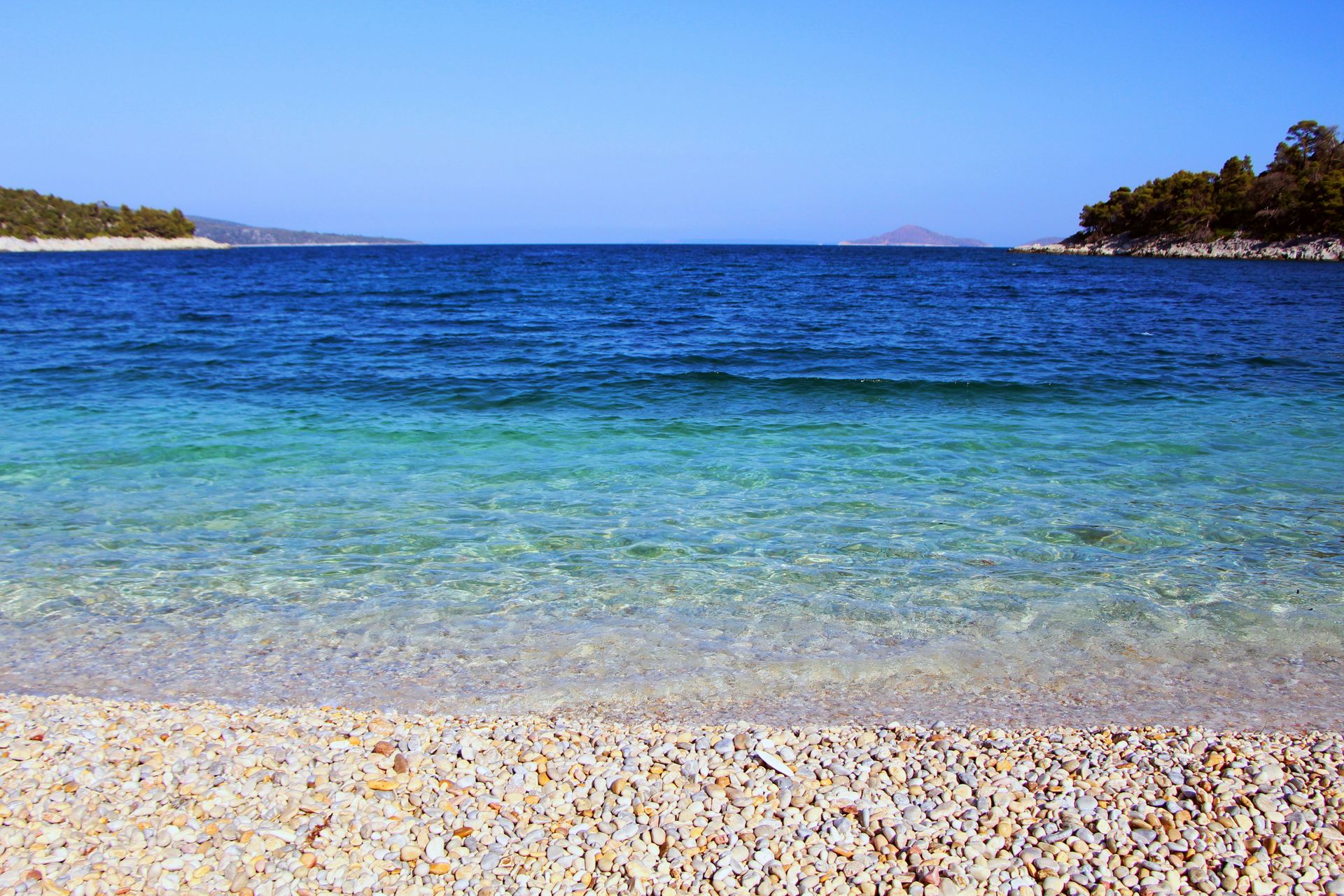
Eleni Afiontzi / Unsplash
One island over from Skopelos, familiar to many as the setting for “Mamma Mia!,” Alonissos in the Northern Sporades moves to a considerably more relaxed beat. No crowded boats blast pop music here, just the background hum of cicadas and the gentle shush of the Aegean Sea lapping against cliff-wrapped, pine-flanked, brilliantly turquoise bays.
Exploring on foot, by boat or on a moped reveals an entrancing spread of time-lost villages, icon-bedecked chapels, vineyards, olive groves and orchards throughout the island. Dodging the high season leaves the prettily whitewashed, bougainvillea-draped alleys and pavement cafés of the old capital, Hora, considerably quieter for visitors who time their trip well.
The National Marine Park ranks among Europe’s largest, home to turtles, dolphins and rare Mediterranean monk seals, and the Peristera Underwater Museum lets divers descend to a genuine Classical-era shipwreck resting on the seafloor. This particular pairing of marine biodiversity and underwater archaeology gives Alonissos real standing among Greece’s more scientifically significant island destinations.
A scenic 1.5-hour ferry ride connects Alonissos to Skiathos, with both SeaJets and Aegean Flying Dolphins operating the route. Checking current timetables online before booking helps travelers plan the crossing around the rest of their itinerary. The Peristera wreck dates back roughly 2,500 years and once carried thousands of amphorae, giving marine archaeologists considerable insight into ancient Mediterranean trade routes that connected this stretch of the Aegean to distant ports. Travelers $TRV hoping to visit the Peristera wreck should book a licensed diving operator, since access to the site remains regulated to protect the fragile ancient cargo scattered across the seafloor. Checking current permit requirements before the trip also saves considerable hassle upon arrival at the dive shop. Reading recent diver reviews online also helps travelers choose an operator suited to their comfort level. This small step also confirms whether specific equipment rentals come included in the base tour price. This small confirmation step saves a considerable amount of packing hassle before the trip even begins.
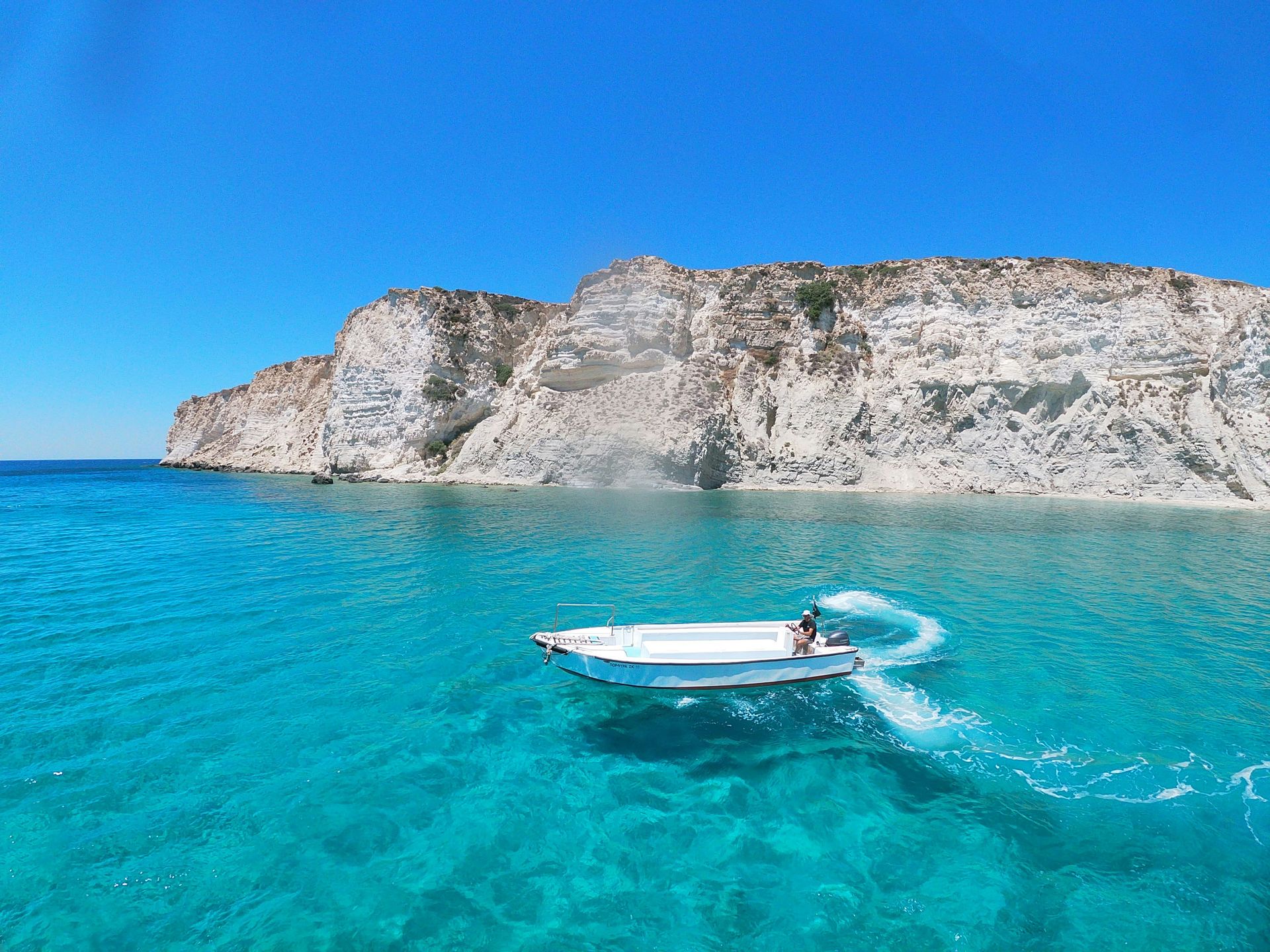
Elena Dimaki / Unsplash
The largest island in the group, Crete in the southern Aegean, functions as Greece in microcosm, sitting closer to the coast of North Africa than to Athens itself. The island holds a pinch of everything, from stunning bays and hidden coves to deep, wild ravines for hiking, evocative Minoan ruins dating back to the Bronze Age, and upbeat cities and harbor towns that rank among Greece’s prettiest.
Beach options span a considerable range, including Preveli at the mouth of the rugged Kourtaliotiko Gorge, Vaï’s great swath of golden sand fringed by date palms, and Elafonisi’s dreamscape of rose-hued sand, low dunes and turquoise water. Natural wonders include the stalactite-encrusted Dikteon Cave, a center of cult worship from Roman to Minoan times where myth holds that Zeus was born, and the Samaria Gorge, carving a dramatic path through sheer rock walls in the island’s White Mountains.
Historic sites round out the island’s considerable offerings, including the Palace of Knossos, grand capital of Minoan Crete, and Rethymno with its star-shaped Venetian Fortezza. The Heraklion Archaeological Museum canters through 5,500 years of history, while the pastel-painted, alley-woven Venetian harbor in Hania rewards slower wandering.
Crete has two main airports: Iraklio (also called Heraklion) and Hania, and choosing a base wisely matters given the island’s considerable size. Summers run long and sizzling hot, making the shoulder seasons considerably preferable for exploring most of the island’s outdoor attractions. The Palace of Knossos, first excavated in the early twentieth century by British archaeologist Arthur Evans, gave the modern world its first detailed picture of Minoan civilization. This Bronze Age culture predates classical Greece by more than a thousand years. Travelers $TRV hiking the Samaria Gorge should start early in the morning, since the six-hour trek runs longer than most visitors expect, and afternoon heat can make the final stretch uncomfortable. Packing plenty of water also matters, since shaded rest points along the trail stay notably limited.
Nicolas Lysandrou / Unsplash
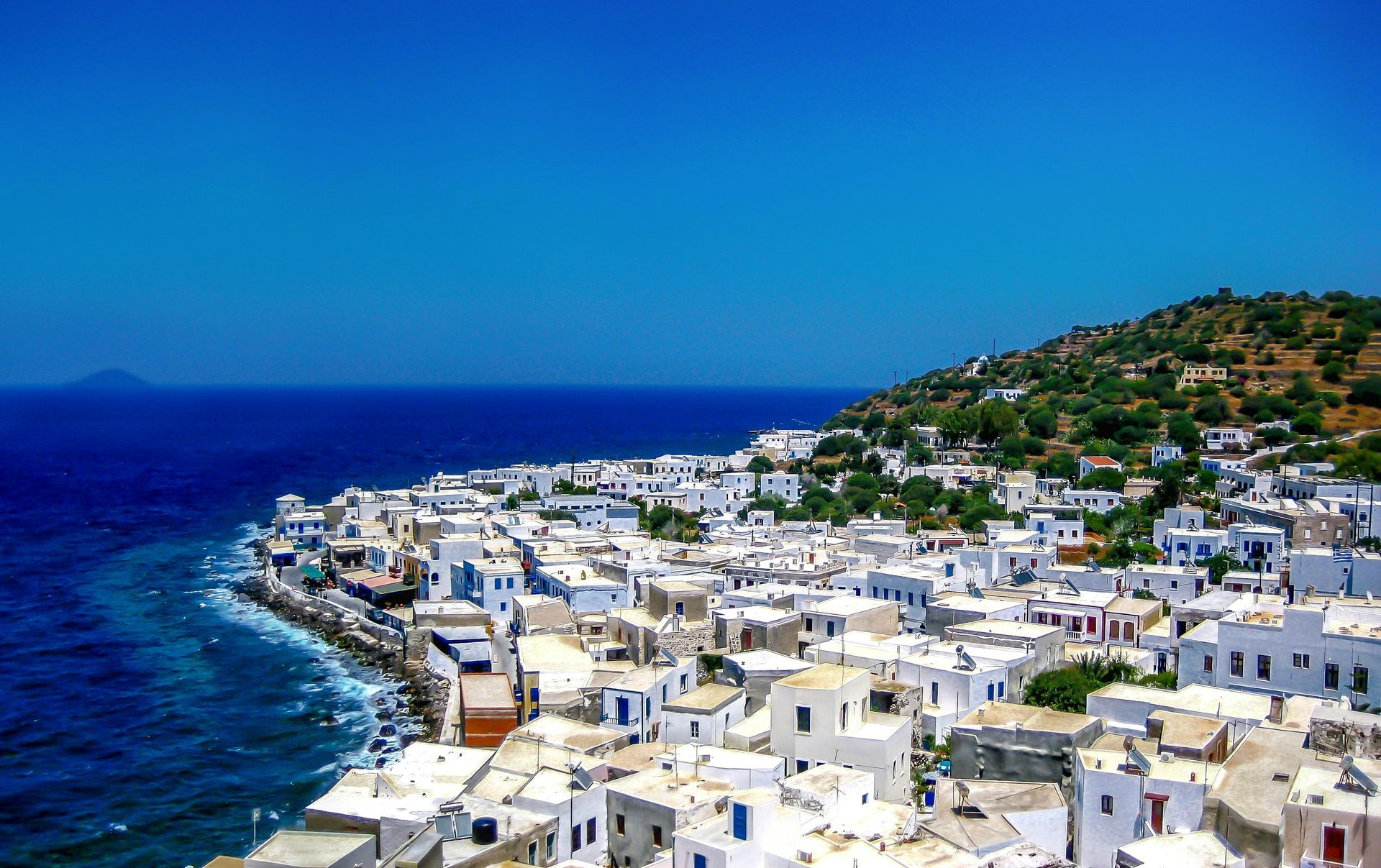
Santorini gets all the fuss, but Nisyros offers equally smoldering beauty without the crowds. With an active volcano and lunar landscapes at its heart, this diminutive Dodecanese island bubbled up from the Aegean Sea roughly 150,000 years ago, and legend holds that the hissing fumaroles at its caldera come from a grumbling giant trapped below.
Half-asleep giants aside, the island earns real praise for its marvelously laid-back feel, serving up a taste of Greece before mass tourism arrived. Days here play out slowly in cliff-top, chalk-white villages crowned by blue-domed churches, and secluded coves washed by bright-blue sea sit among olive groves and vines, rewarding travelers who linger before retreating to a taverna for a lazy lunch or a kafeneio for drinks and a game of backgammon.
This particular pace, considerably slower than Santorini’s tourist crush just across the Aegean, gives Nisyros real appeal for travelers hoping to experience volcanic Greek scenery without competing for the same viewpoint alongside hundreds of other visitors. The island’s small size also makes it notably easy to cover on foot within a short stay.
The tiny capital of Mandraki sits just a 50-minute ferry ride from Kos in the Dodecanese Islands, offering travelers a straightforward day trip or a longer stay, depending on how much time they want to dedicate to the island. The Stefanos crater, the island’s main volcanic attraction, remains accessible on foot, allowing visitors to walk directly across the crater floor and observe active fumaroles releasing steam and sulfur gas from ground vents. Travelers $TRV should wear sturdy closed-toe shoes when walking across the crater floor, since the volcanic ground stays uneven and occasionally hot enough to feel through thin soles. A wide-brimmed hat also earns its place in a daypack given how little shade the crater floor actually offers. Sunscreen also matters here, since the exposed volcanic terrain offers essentially no natural cover from the midday sun. Reapplying regularly also matters, since sweat and heat both wear through standard sunscreen considerably faster than expected.
Johnny Africa / Unsplash
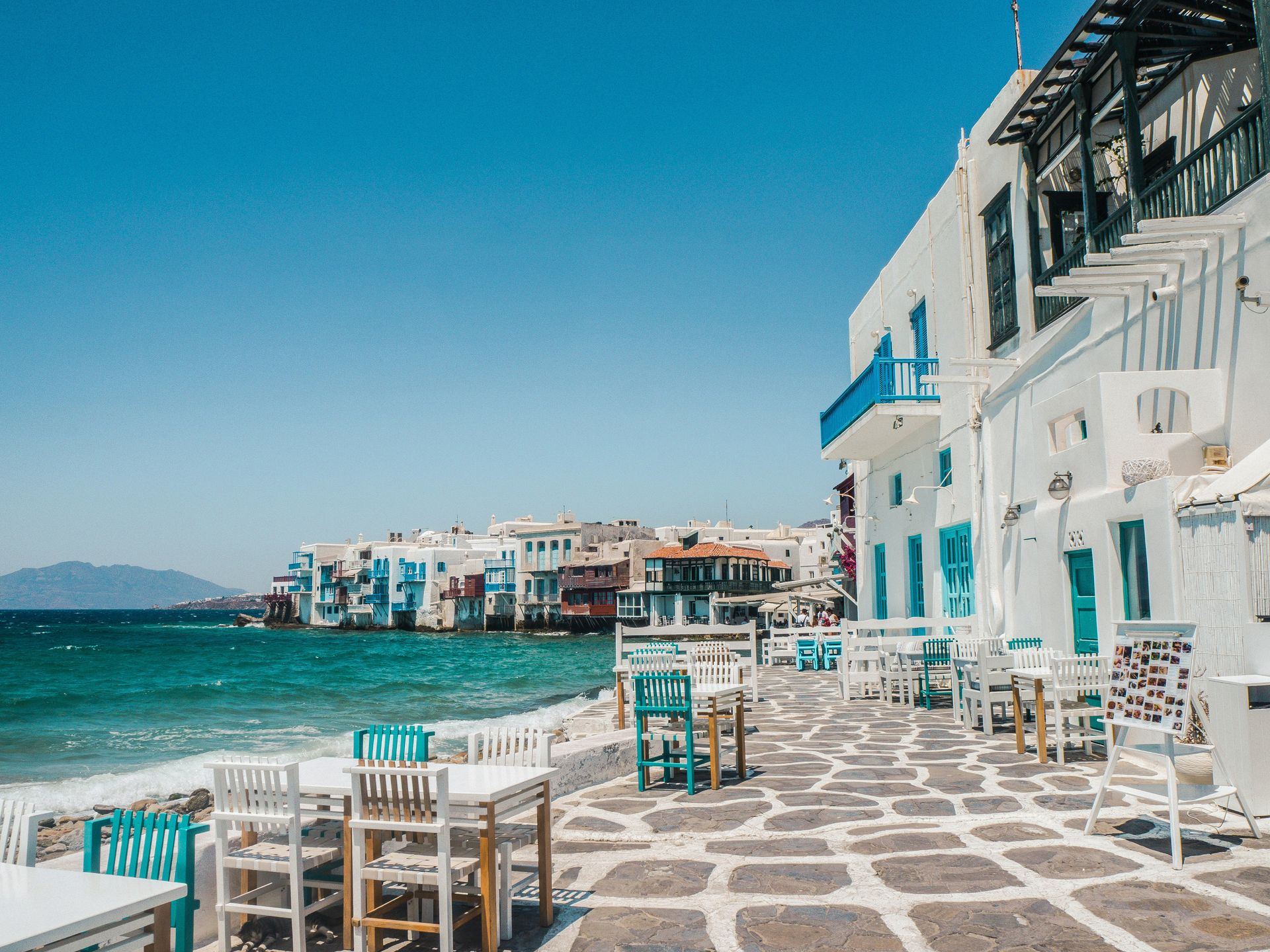
Mykonos broadcast the beauty of the Cyclades to the world in the 1989 romantic comedy “Shirley Valentine,” and the island has since carved out a reputation as the party-mad glamour destination among the Greek islands. Bikini-posing influencers, Instagrammers and gay revelers flock to legendary beach clubs such as Paradise and Super Paradise by day, while pumping megaclubs such as clifftop Cavo Paradiso take over by night.
Between cocktails and DJ sets, travelers can roam the whitewashed lanes of the medieval capital, Hora, rest on the powder-soft sands of beaches such as Agios Sostis, and bike along narrow backcountry lanes toward tiny villages and the sixteenth-century Tourliani Monastery. This particular blend of nonstop nightlife and considerably quieter daytime sightseeing gives Mykonos real range for travelers hoping to balance both within a single trip.
Travelers $TRV hoping for a break from the partying should visit during the shoulder season for a considerably quieter feel and cheaper accommodations, or hop over to more tranquil neighboring islands such as Paros, Naxos, and Delos for a markedly different pace.
Mykonos’s considerable reputation for nightlife shouldn’t overshadow its genuine architectural charm, since the whitewashed lanes of Hora reward slow daytime wandering just as much as the island’s clubs reward late-night energy. Windmills dotting the hillside above Hora once ground wheat and barley for the island’s considerable population, and several restored examples now rank among the most photographed landmarks anywhere in the Cyclades. Travelers should book beach club reservations well in advance during peak summer weeks, since the most popular venues fill their prime seating areas days before a given weekend even begins. Comparing prices across several venues also helps travelers find the best value for a night out. Arriving earlier in the evening also helps secure better seating before the busiest crowds show up. Comparing table minimums across venues also helps groups budget accurately before committing to a specific spot. This small comparison also helps larger groups split costs more evenly across a full night out together.
LA khai-way / Unsplash
The biggest island in the Dodecanese, Rhodes has cast a spell on visitors for millennia and hasn’t lost its touch. The island offers a rich mix of everything that makes Greece great, including punchy history, golden-sand beaches, forested valleys, cypress-clad hills, and crystal-clear seas for water sports.
Rhodes Town anchors the island’s considerable historical depth, guiding visitors back through epoch-spanning layers of history from the Byzantine to the Classical, Ottoman, and Italian eras. This UNESCO World Heritage site, a double-ringed medieval city, offers a fascinating journey back in time through maze-like cobbled streets and the Knights’ Quarter, where the Knights of St. John built fortress-like mansions and the magnificent Palace of the Grand Master during the fourteenth and fifteenth centuries. Inside a former Knights’ Hospital, the Archaeological Museum enthralls visitors with its collection of ancient mosaics and marble statues.
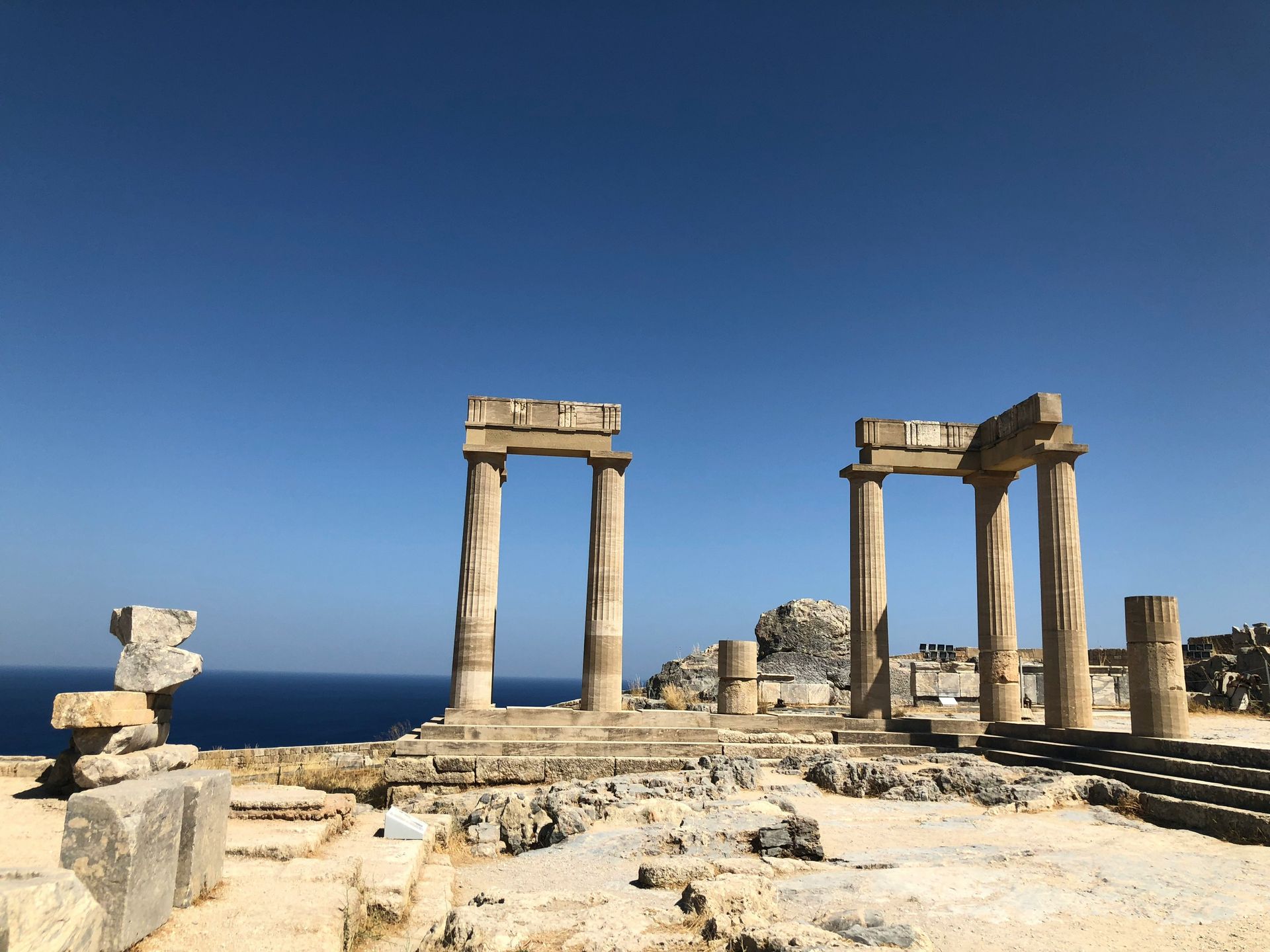
Further south, Lindos offers a lovely vision of whitewashed houses and tangled lanes tumbling down to a turquoise bay, with its showstopper Acropolis standing sentinel on a rocky headland, battlements built by the Knights of St. John offering mood-lifting views out to sea.
Visiting outside the peak summer months of July and August helps travelers avoid the heaviest crowds and cruise ship traffic, since the shoulder months, running from April through early June and September through October, offer considerably milder heat alongside far fewer visitors competing for the same sights. The Knights of St. John, a medieval Catholic military order, controlled Rhodes for more than two centuries before the Ottoman Empire seized the island in 1522, ending a lengthy siege that reshaped the balance of power across the eastern Mediterranean. Travelers $TRV should allow a full day for Rhodes Town alone, since rushing through the Old City’s considerable historical layers in just a few hours means missing much of what makes the site truly remarkable. Hiring a local guide for at least part of the visit also helps travelers connect the site’s many overlapping historical layers.
Marianna Stylianou / Unsplash
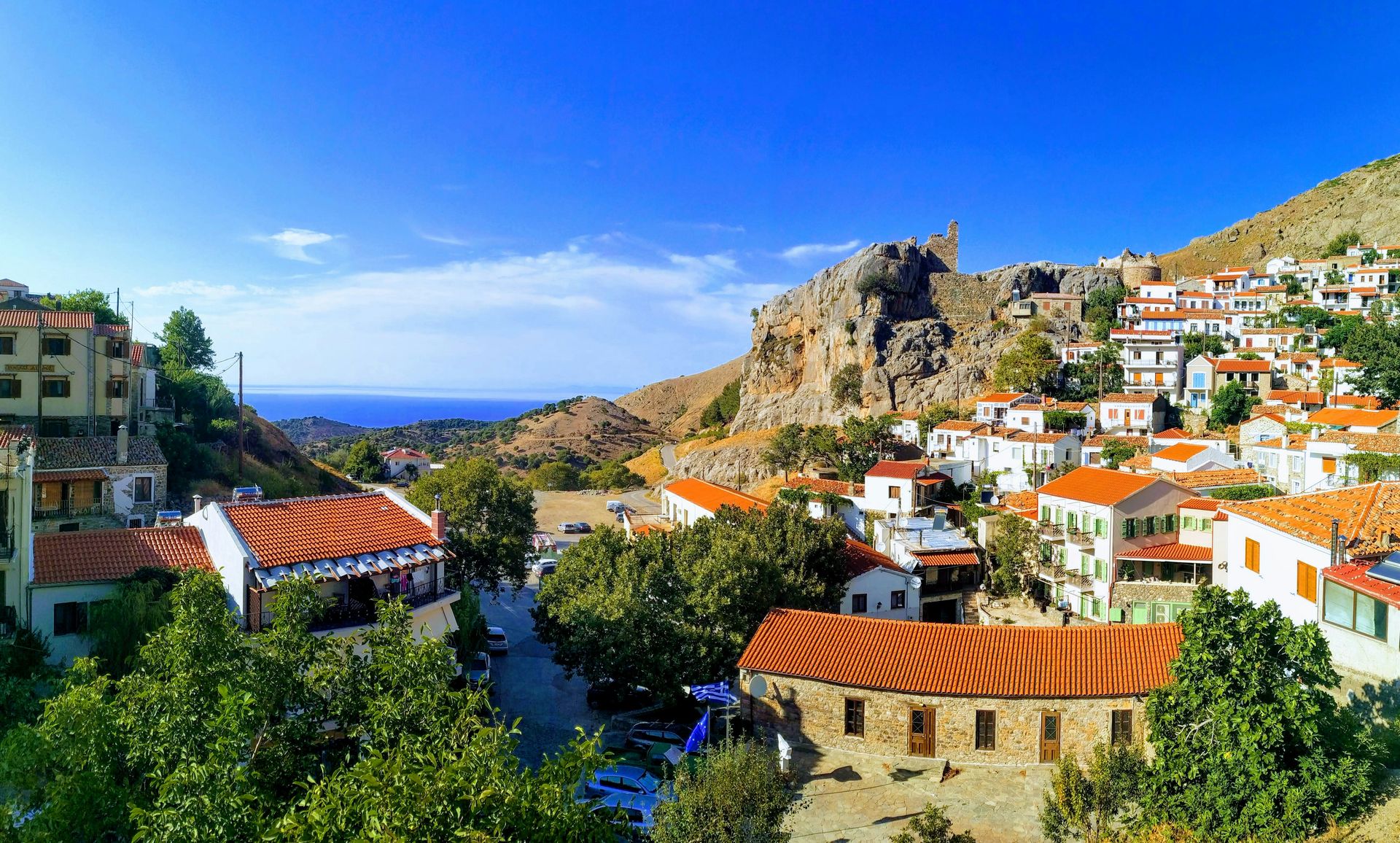
As if cupped in celestial hands among high, rugged mountains, thick forests of oak, cedar and pine, roaring mountain streams and fern-filled, waterfall-splashed gorges, Samothraki in the Northern Aegean feels remote, wild and wondrous. Mount Fengari, rising 1,611 meters, caps the scene as the perch from which Poseidon supposedly watched the fall of Troy. The island rewards travelers hoping to slow down and embrace the outdoors, whether cooling off in emerald vathres, natural plunge pools, hiking into goat-grazed heights, or reclining on the creamy sands of a bay such as Pachia Ammos.
This under-the-radar island connects directly to Homeric myth and the mysteries of the ancient past. The enigmatic Sanctuary of the Great Gods, a temple built by the Thracians to worship their fertility deities around 1000 BCE, ranks among the island’s unmissable sites, and the secret rites once practiced by the cult reportedly attracted figures such as the Egyptian queen Arsinoe. A path leads up to the Nike $NKE monument, where the Winged Victory of Samothrace once stood gazing out to sea before being moved to the Louvre in Paris.
This particular pairing of ancient religious mystery and considerable natural drama gives Samothraki real standing among Greece’s more spiritually resonant island destinations. Zante Ferries runs daily summer ferries from Alexandroupoli on the mainland, with the crossing taking around two hours each way. Archaeologists have excavated the Sanctuary of the Great Gods since the nineteenth century, and ongoing work continues to reveal new details about the secretive mystery cult that once drew initiates from across the ancient Mediterranean world. Travelers $TRV should pack sturdy hiking boots regardless of season, since the trails leading toward the island’s waterfalls and plunge pools often turn slippery and root-strewn well beyond what casual sandals can handle. Bringing a swimsuit underneath hiking clothes also saves time for anyone hoping to cool off in the plunge pools along the way. A dry bag also protects phones and cameras from splashes along the more adventurous stretches of trail.
Konstantina Zag / Unsplash
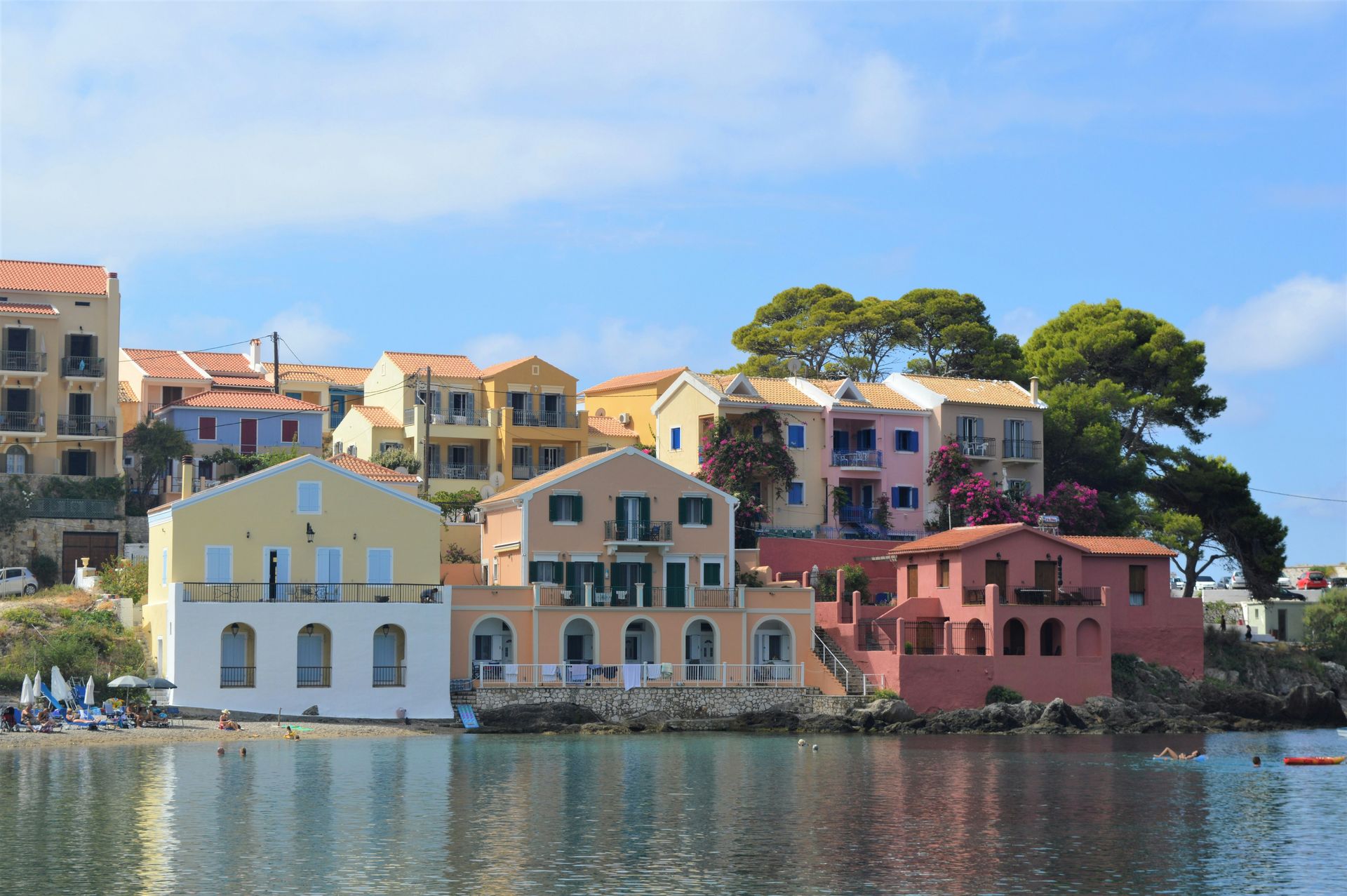
Corfu draws justified popularity, but there’s genuine magic on neighboring Kefallonia, the largest and arguably loveliest of the Ionian Islands. A place of cinematic beauty, it seduces visitors with blond-sand beaches that ease into startlingly turquoise seas, remote high mountains, and a hinterland entangled with cypresses, oaks, vines, and olive groves. These poetic landscapes appeared as the seductive backdrop in the 2001 wartime romance “Captain Corelli’s Mandolin,” introducing the island to a considerable global audience.
Travelers $TRV could spend weeks hiking and cycling across Kefallonia and barely scratch the surface. Myrtos beach ranks among the island’s must-see stops, where a road switchbacks down to a cliff-wrapped bay and near-luminous blue sea below. For a history fix, the pretty Venetian harbor of Fiskardo and Agios Georgios Kastro, a romantically ruined sixteenth-century fortress, offer views across the island toward Corfu.
The neighboring island of Ithaki, a 25-minute ferry ride away, swirls in Homeric legend as the mythical home of Odysseus, and this rugged island rewards exploration on foot, with old mule trails crisscrossing the hills toward harbor villages, evocative ruins, and the occasional beautiful beach.
This particular pairing of cinematic mainland scenery and a distinctly mythical neighboring island gives Kefallonia real range for travelers hoping to combine beach time with considerable literary and historical texture nearby. A devastating 1953 earthquake destroyed much of the island’s traditional architecture, and the considerable rebuilding effort that followed shaped much of the more modern construction visitors see across Kefallonia today. Travelers driving down to Myrtos beach should proceed cautiously, since the switchback road descending to the shore includes several sharp turns without much room for error along the cliffside. Parking near the top and walking part of the road down also gives nervous drivers a considerably calmer alternative. Checking current road conditions before departure also helps, since narrow sections occasionally close for maintenance. Filling the tank before setting out also avoids an inconvenient search for fuel along the more remote stretches of road.
Amy Jolly / Unsplash
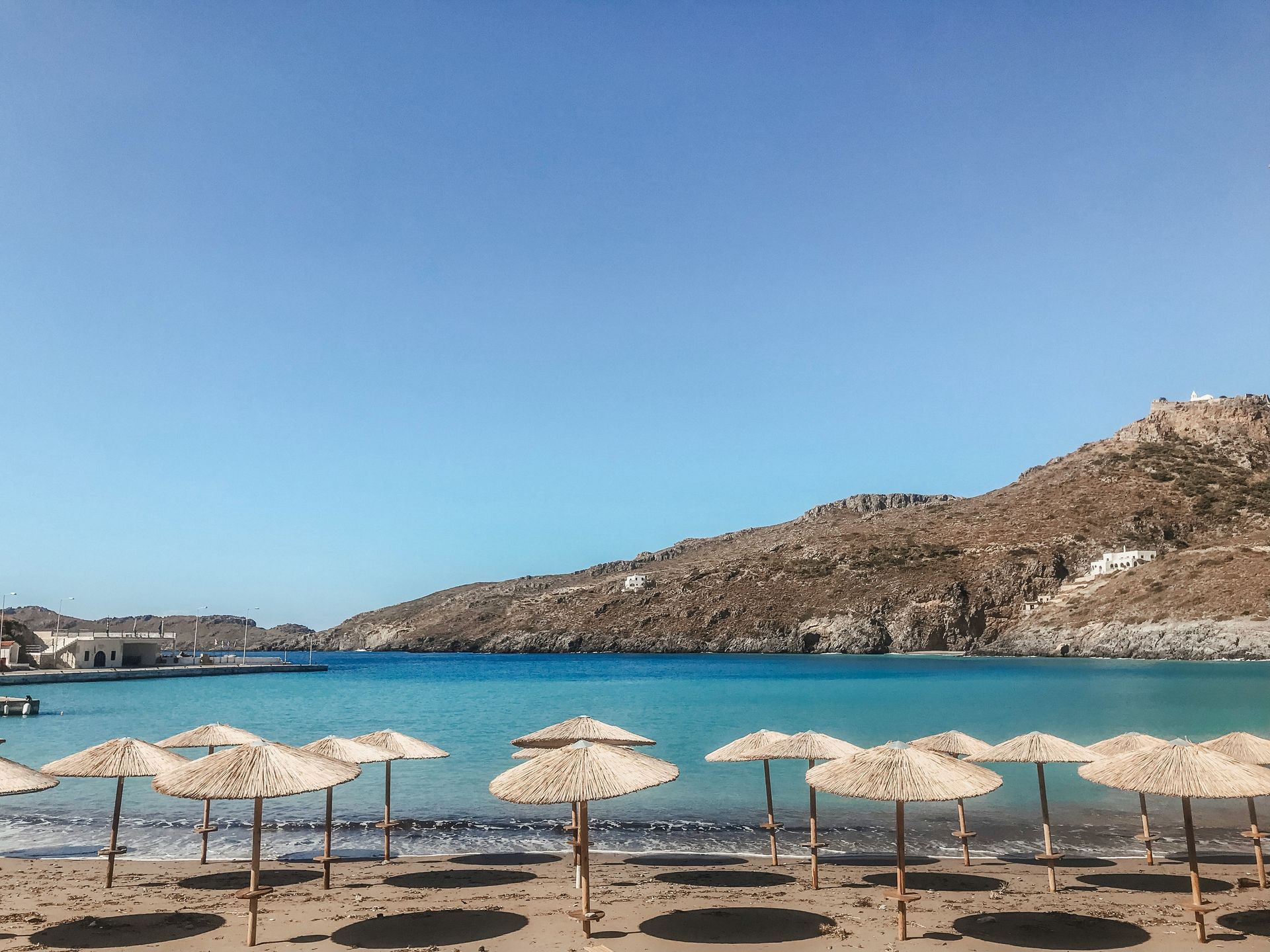
Where the vibrant blue Ionian and Aegean Seas meet, Kythira sits just a pebble-skim south of the Peloponnese and light years away from the rush of modern life. Things move refreshingly slowly on this time-capsule island, a remote outlier of the Ionian Islands, with cliff-clasped bays, waterfall-splashed gorges and Cycladic sugar-cube architecture defining much of the landscape. Traffic-free roads unravel through orchards, vineyards and olive groves throughout the hinterland.
According to legend, Kythira gave birth to the beautiful goddess Aphrodite, though locals note that Cypriots, who also claim the love goddess as their own, have the story wrong. Lingering for more than a few days helps travelers truly reach the soul of the island, including visits to the strikingly photogenic village of Hora, topped by a once-mighty Venetian fortress, and the medieval Paleochora, once the island’s Byzantine capital.
This slower pace, reinforced by the island’s considerable remoteness, even by Greek island standards, gives Kythira real appeal for travelers hoping to properly unplug rather than transplant their usual routine into a scenic backdrop. The island’s mythological ties to Aphrodite add a genuine layer of romance to what already counts as a naturally beautiful destination.
Triton Ferries operates twice-daily sailings between Neapoli in the Peloponnese and Kythira during high season, with the crossing taking about 75 minutes each way. Byzantine and Venetian rulers both controlled Kythira at different points in its history, and the island’s layered architecture throughout Hora and Paleochora still reflects this considerable back-and-forth between competing Mediterranean powers. Travelers $TRV should rent a car upon arrival, since Kythira’s considerable size and scattered villages make exploring without a vehicle considerably difficult beyond the immediate area around any single town. Booking accommodations in Hora itself also puts travelers within easy walking distance of the island’s best restaurants. Reserving a car well ahead of arrival also helps, since the island’s limited rental fleet sells out quickly during busier weeks. Comparing a few different rental companies online beforehand also helps travelers secure the best available rate.
Alejandro Gonzlaez / Unsplash
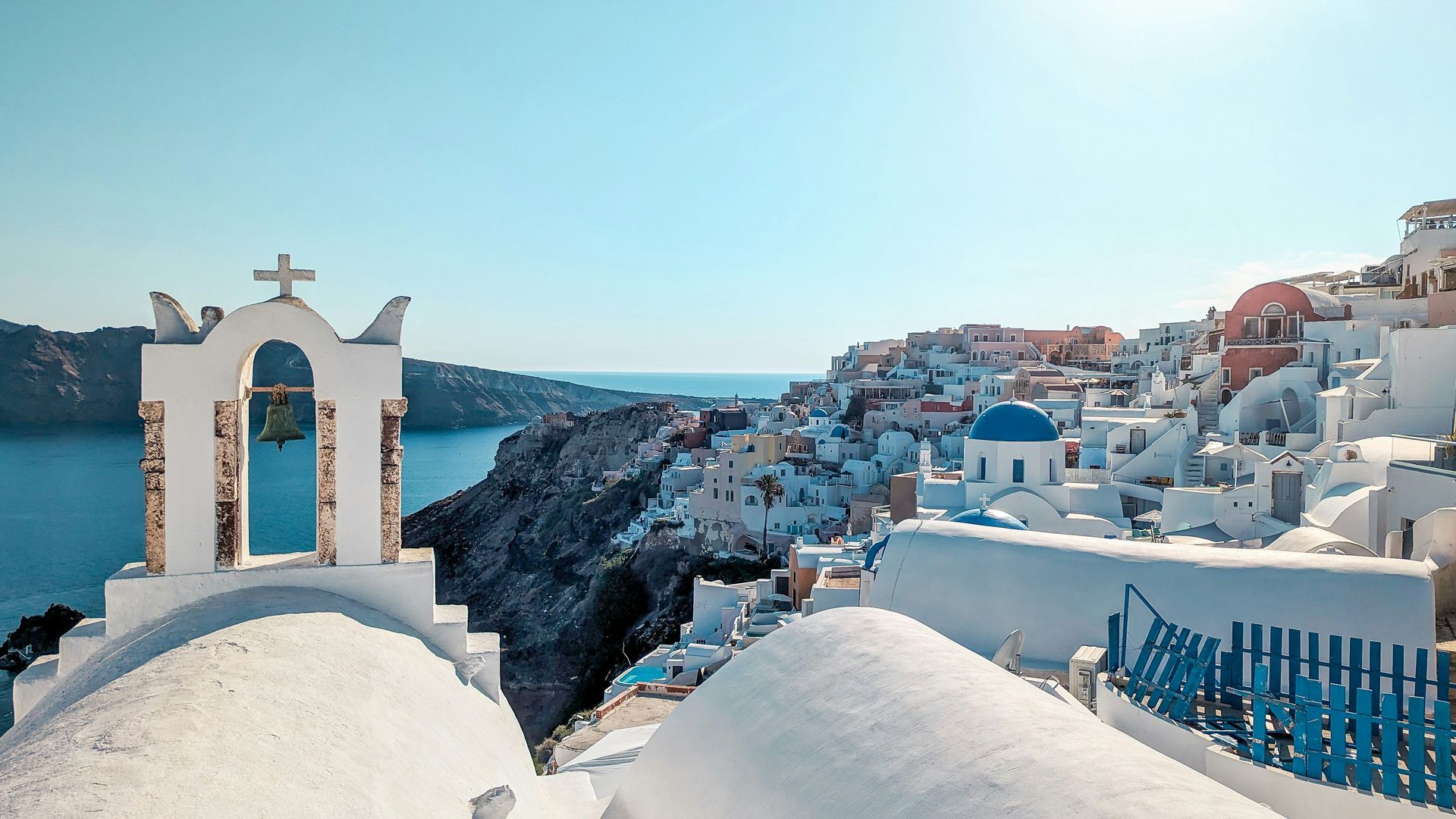
Arriving by sea, sailing directly into the enormous crater of its drowned volcano, makes the romance of Santorini feel all the more real from the very first moment. The sea and sky burn a searing blue as cliffs rise sheer and rugged above black-sand bays, guiding the eye toward white cubes of houses and cobalt-blue-domed churches, creating the Greece of a million postcards come to life.
Santorini’s considerable popularity comes with real tradeoffs, since a year-round population of roughly 15,500 residents contrasts sharply against visitor numbers that peaked at 3.4 million in 2024, turning this speck in the Cyclades into something of a poster child for overtourism. Avoiding peak summer months helps travelers skip the heaviest crowds of Instagrammers and cruise-ship day-trippers competing for the same photogenic viewpoints.
Built on the steep slopes of a caldera, towns such as Oia and Fira give a considerably upscale edge to the volcanic backdrop, with glamorous cave houses, boutique hotels featuring infinity pools, and cliffside tavernas serving boat-fresh fish alongside sunset views that truly pop. A guided hike up the island’s still-active volcano rewards travelers with stirring views across the ashen landscape, and the Bronze Age ruins of Ancient Akrotiri offer a real-life glimpse of what some call a genuine Atlantis.
Travelers $TRV drawn to Santorini’s look but hoping to skip its crowds can take a 50-minute SeaJets ferry ride to the far quieter island of Folegandros, giving them access to comparable Cycladic scenery without the same overwhelming visitor numbers. The island’s massive volcanic eruption around 1600 BCE ranks among the largest in recorded human history, and some archaeologists have linked the event to the legendary destruction of Atlantis described in ancient Greek philosophical texts. Travelers hoping to watch the sunset from Oia should arrive well ahead of the actual moment, since the town’s narrow viewing spots fill considerably faster than visitors expect during peak season. Booking a specific viewing spot or restaurant reservation in advance also helps guarantee a comfortable seat for the show.