
10 of the most secluded beaches left on Earth
No road access, no crowds, no easy way in — the beaches that stay hidden because reaching them requires a hike, a boat, or a genuine detour
Nattu Adnan / Unsplash
Most beaches described as "hidden" in travel writing are not actually hidden — they are simply less famous than the beach next to them, reachable by the same road, and populated by a smaller but still significant number of people who found them through the same articles that are calling them hidden. The beaches in this list are a different category: places whose seclusion is not a matter of relative fame but of genuine physical inaccessibility. No road reaches them. Reaching them requires a hike of several hours, a boat that only operates in specific conditions, or a level of physical effort that filters out all but the most motivated visitors.
This inaccessibility is precisely what has preserved these beaches: clear water, empty sand, and an absence of the beach bars, sun lounger concessions, and jet ski rental stands that development brings wherever vehicle access exists. The tradeoff is honest and should be stated upfront: visiting any of these beaches requires more planning, more physical effort, and in some cases more risk tolerance than a conventional beach holiday. None of them are convenient. All of them reward the inconvenience.
Each entry covers the beach's location, what makes reaching it difficult, and what specifically makes the effort worthwhile once there. Several require local guides or specific weather and tide conditions; a few are only seasonally accessible. Current conditions should always be verified locally before attempting a visit, particularly for the entries requiring boat access or tidal timing.
Kaihalulu Red Sand Beach, Maui, Hawaii
James Wheeler / Pexels
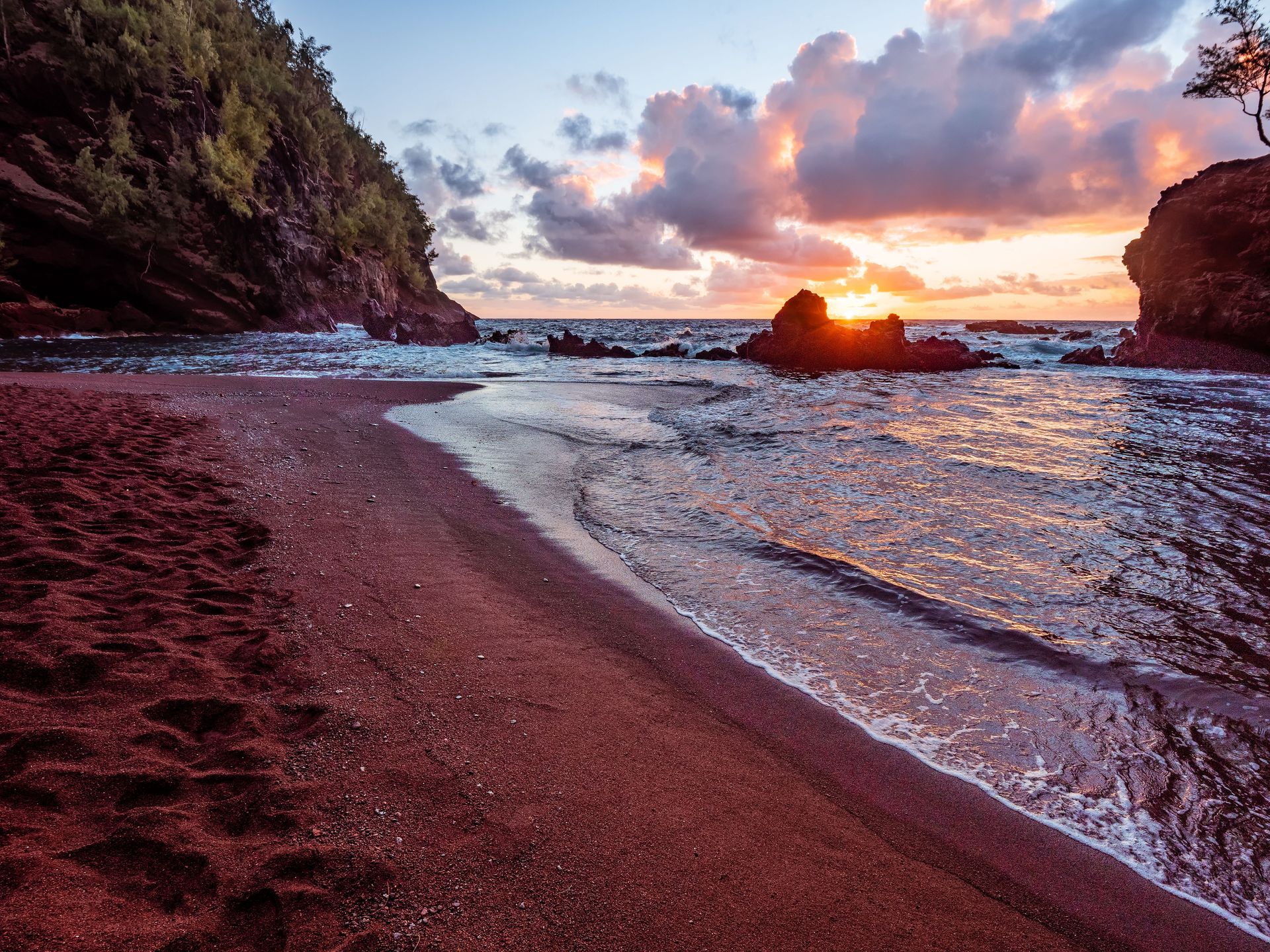
Kaihalulu Beach, on Maui's northeastern coast near Hana, is one of only a handful of red sand beaches in the world, its color produced by the erosion of an adjacent volcanic cinder cone whose iron-rich rock has weathered into the reddish sand and rock fragments that give the beach its name and its striking, almost otherworldly appearance against the turquoise water of the small cove it occupies.
The beach has no official trail and no signage; reaching it requires a hike of approximately 20 to 30 minutes across private and unstable terrain, along an unmarked cliffside path that crumbles in places and has produced injuries for visitors who attempt it in inappropriate footwear or wet conditions. The path crosses land that is not maintained for tourist access, and local guidance and current trail condition information should be sought before attempting the hike, since erosion has periodically closed or altered the route.
The cove itself, once reached, is small, partially enclosed by a natural rock barrier that creates a somewhat protected swimming area distinct from the rougher open ocean beyond it, though currents can still be significant and swimming should be approached cautiously. The specific combination of red sand, black volcanic rock, and blue water within a compact, hard-to-reach cove is the reason the beach has become a bucket-list destination despite — or because of — its inaccessibility.
Playa Escondida, Marieta Islands, Mexico
Davis Arenas / Pexels
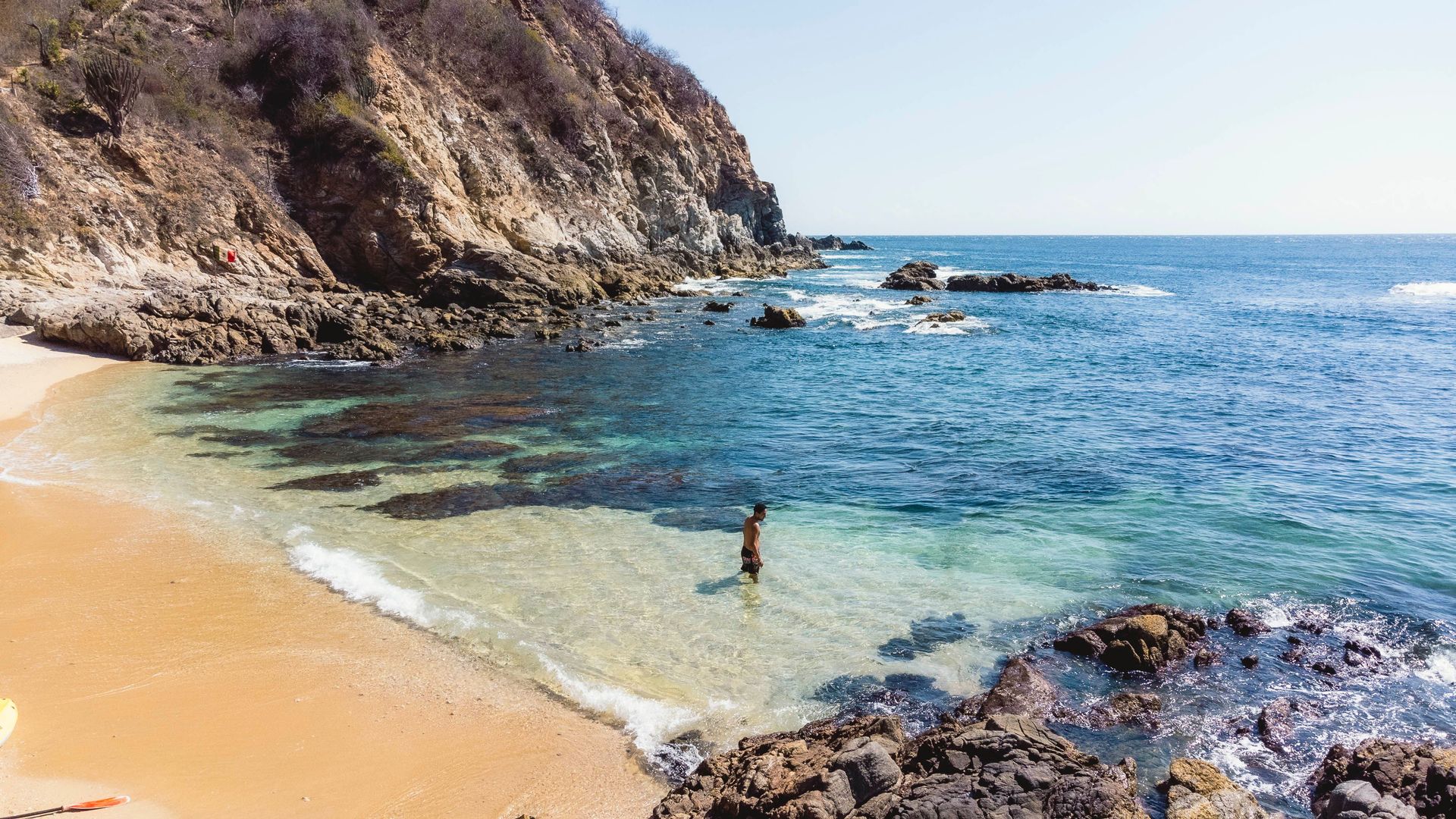
Playa Escondida — "Hidden Beach" — sits inside a collapsed volcanic crater on one of the Marieta Islands off the coast of Nayarit, Mexico, accessible only by swimming or kayaking through a narrow tunnel carved through the rock, whose ceiling is submerged at high tide, requiring the crossing to be timed to specific tidal windows. The beach itself is a small circle of white sand and shallow water entirely enclosed by rock walls open to the sky above — a natural amphitheater that is one of the most photographed and most difficult-to-reach beaches in Mexico.
Access is now regulated by the Mexican government, which limits daily visitor numbers to protect the surrounding marine reserve and its bird nesting populations (the islands are a significant nesting site for blue-footed boobies), and visits require booking through an authorized tour operator departing from Punta de Mita or Sayulita rather than independent access, both because of the regulatory limits and because of the specific local knowledge required to time the tunnel crossing safely.
The islands themselves are a protected national park and marine reserve, and the surrounding waters offer some of the best snorkeling on Mexico's Pacific coast, making the hidden beach visit typically part of a broader half-day marine excursion rather than a standalone beach visit.
Navagio Beach, Zakynthos, Greece
Robin James Bartlett / Unsplash
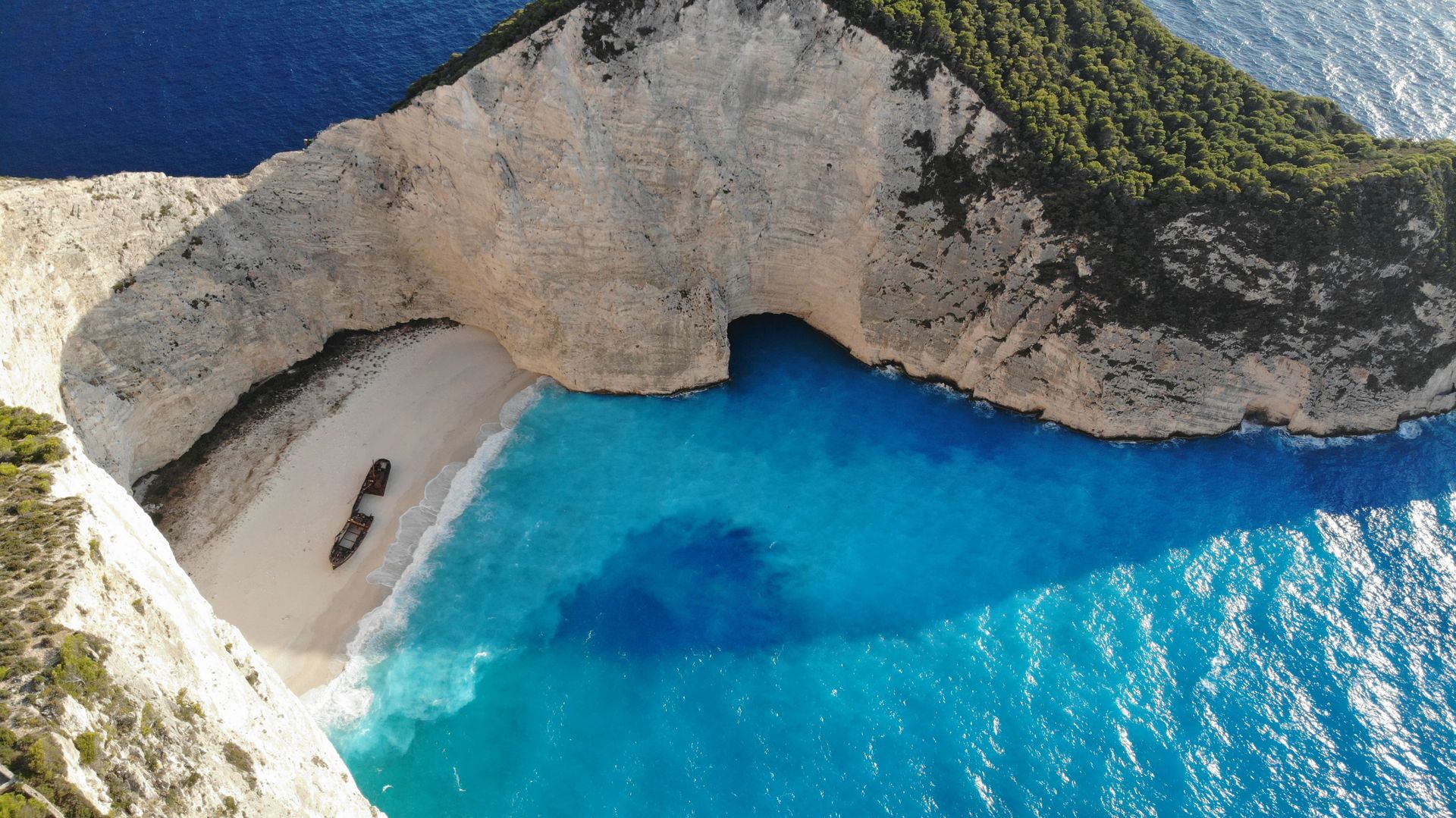
Navagio Beach — often called Shipwreck Beach for the rusted cargo ship wreck beached on its sand since 1980 — sits in a cove on the Greek island of Zakynthos accessible only by boat, enclosed by sheer white limestone cliffs that rise directly from the water and that make the beach entirely inaccessible by any land route. The specific combination of white sand, turquoise water, dramatic cliff walls, and the incongruous rusted shipwreck has made it one of the most photographed beaches in Greece.
The paradox of Navagio is that its complete inaccessibility by land has not prevented it from becoming crowded by boat: dozens of tour boats arrive daily during peak summer season from Zakynthos town and other points on the island, and visitors seeking genuine seclusion should time a visit for early morning (the first boats of the day, before mid-morning tour groups arrive), the shoulder season months of May or October, or should seek out a private boat charter rather than a group tour to have greater control over timing.
The cliffs above the cove also host a viewing platform reachable by a short drive and walk, offering the famous aerial view of the beach that appears in most photographs — a view that requires no boat access at all, making it possible to see the beach's most iconic vantage point without visiting the sand itself, for travelers unable or unwilling to arrange boat access.
Ao Maya, Koh Phi Phi Leh, Thailand
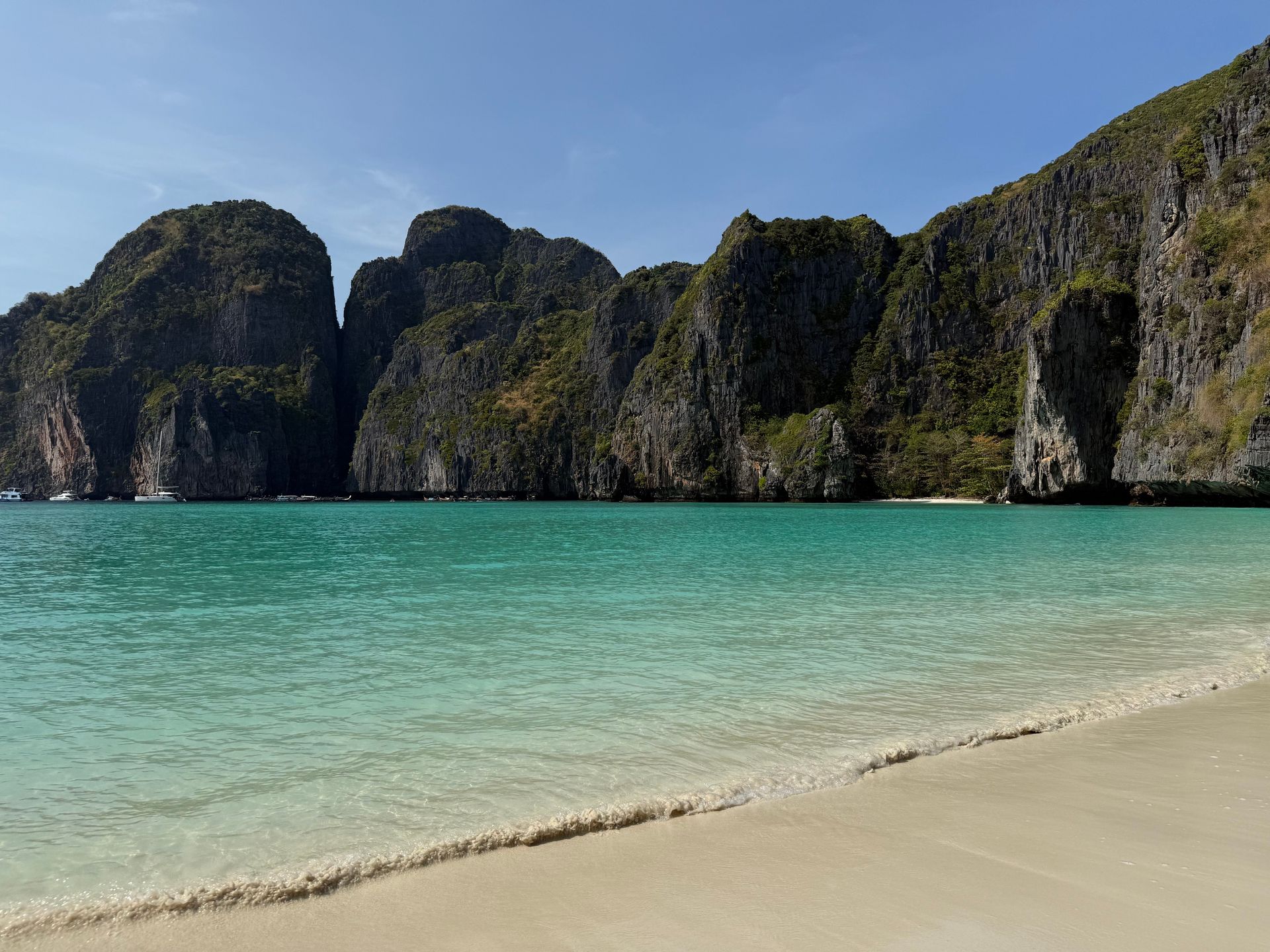
Buwaneka Boralessa / Pexels
Maya Bay — made famous by the film The Beach — was closed entirely to visitors from 2018 to 2022 by the Thai government after severe coral reef damage from the volume of daily boat traffic and swimmers, and has since reopened under a significantly more restricted access regime: no swimming is permitted, boats must dock at a rear pontoon rather than the main beach, visitor numbers are capped, and the bay closes for several months each year to allow the reef ecosystem to recover during the coral spawning season.
The restricted access has produced the specific outcome that made this list relevant: a beach whose natural beauty (a nearly enclosed bay surrounded by dramatic limestone cliffs, turquoise water, and white sand) remains fully intact but whose visitor experience is now genuinely limited, controlled, and less crowded than during the pre-closure period when the beach hosted thousands of visitors daily.
The specific logistics require booking through licensed tour operators from Phuket or Krabi, and current regulations (including seasonal closure dates, which have changed since the reopening) should be checked immediately before planning a trip, since the Thai government has continued to adjust the management regime in response to ongoing ecological monitoring.
Tunnel Beach, Dunedin, New Zealand
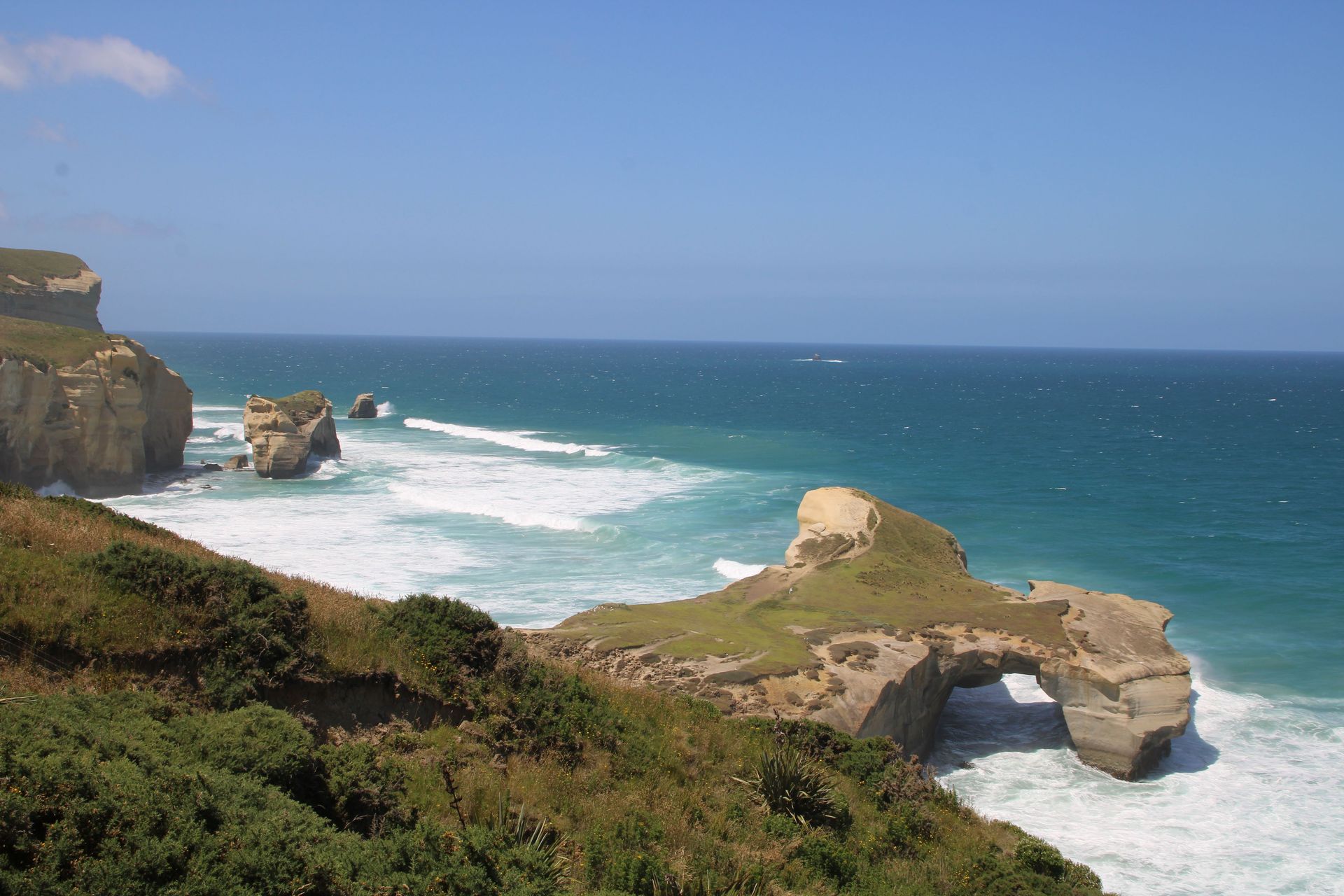
Rene Sandager / Pexels
Tunnel Beach, near Dunedin on New Zealand's South Island, takes its name from a hand-carved sandstone tunnel — cut by a wealthy landowner in the 1870s specifically to provide his family private access to the beach below the property's dramatic cliffs — that remains the only practical route to the small, secluded cove at the base of the cliffs.
The walk to the tunnel entrance takes approximately 20 minutes across private farmland (a walking track easement allows public access), followed by a descent through the narrow, low-ceilinged tunnel carved directly through the sandstone cliff, emerging onto a small beach enclosed by dramatic wave-eroded rock formations, including natural arches carved by centuries of Pacific Ocean wave action.
The beach is tidal and only accessible at low to mid tide; at high tide, the cove floods and the tunnel exit area itself can be affected, making tide timing essential to plan around before attempting the walk. The specific combination of the historical, hand-carved tunnel and the dramatic sandstone coastal scenery beyond it makes Tunnel Beach one of the more unusual "hidden" beach access stories in this list — a beach made accessible, then deliberately kept private, by 19th-century engineering rather than by natural inaccessibility alone.
Praia do Sancho, Fernando de Noronha, Brazil
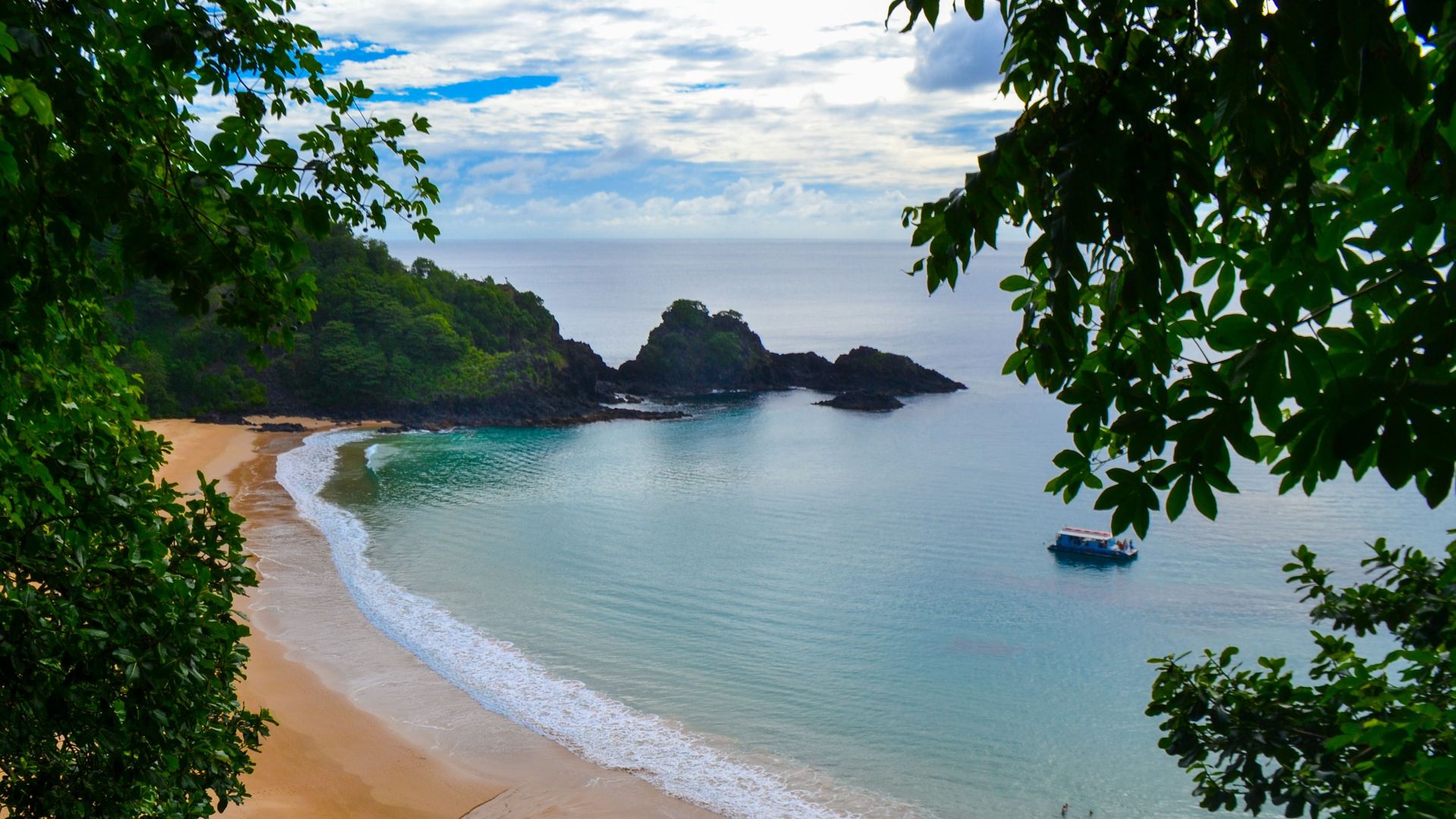
Thiago Japyassu / Pexels
Praia do Sancho, on the Brazilian archipelago of Fernando de Noronha, has been repeatedly rated among the best beaches in the world by international travel surveys, and its combination of extreme natural beauty and extreme inaccessibility is a large part of its continued appeal: the archipelago itself is reachable only by a limited number of flights from mainland Brazil, is subject to a daily environmental preservation tax and a cap on total visitor numbers, and the beach itself, once on the island, requires descending a narrow crevice staircase carved into the cliff face or a steep, unmarked jungle trail to reach the sand below.
The archipelago's status as a Brazilian federal marine park and UNESCO World Heritage Site is directly responsible for the strict visitor limits that keep both the number of tourists on the islands and the number of people at any given beach genuinely low even during peak season — a rare instance of regulatory protection successfully limiting overtourism at a globally famous beach rather than the reputation alone driving unlimited visitor growth.
The reward for the layered inaccessibility — the flights, the visitor cap, the descent — is water with among the best visibility in the South Atlantic, a population of resident spinner dolphins visible from the clifftop viewpoints most mornings, and a beach that, despite international acclaim, remains genuinely uncrowded by the standards of comparably famous destinations.
Whitehaven Beach, Whitsunday Island, Australia
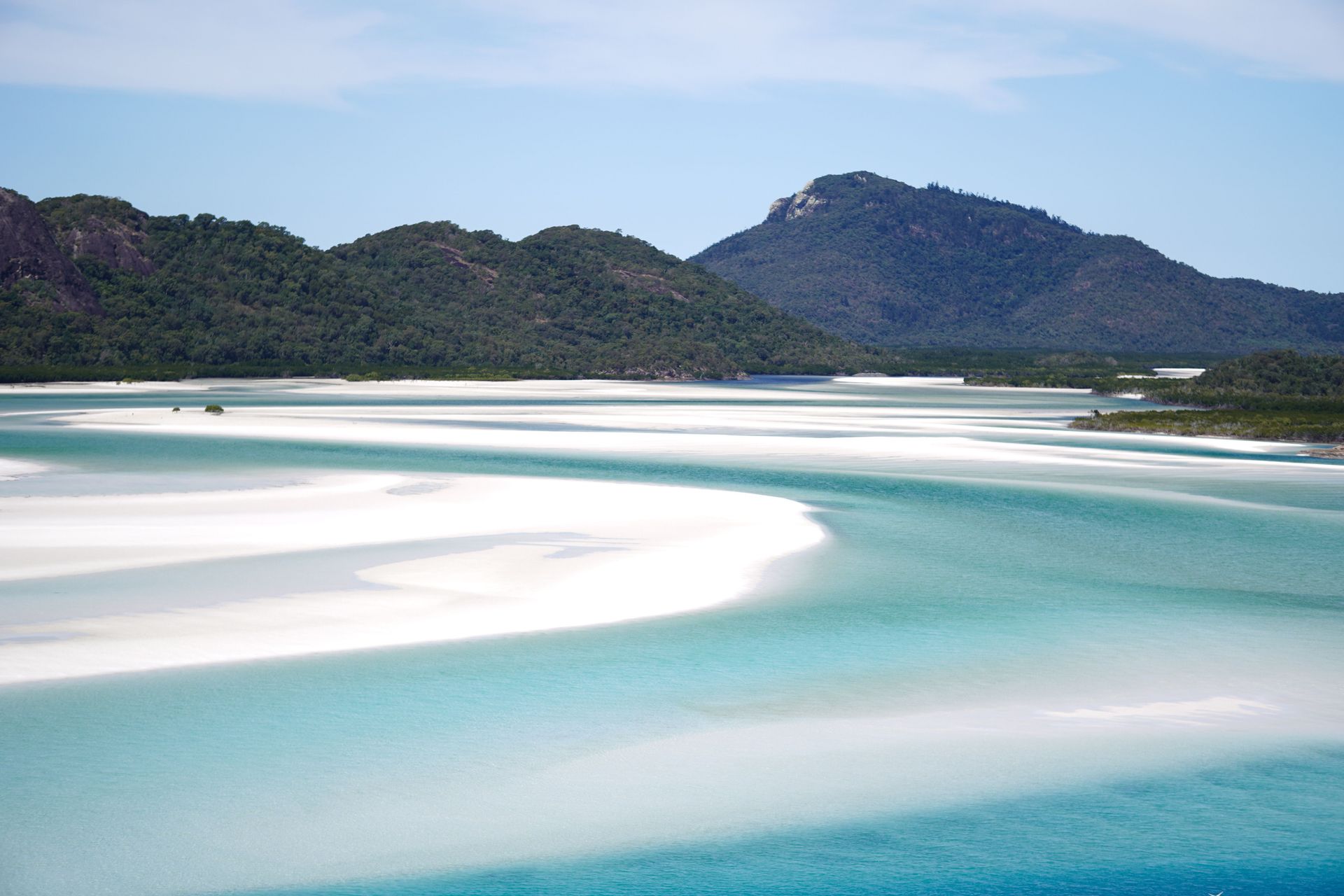
Paul Pulimoottil / Pexels
Whitehaven Beach, on the uninhabited Whitsunday Island off the Queensland coast, is composed of silica sand so pure (98% pure silica) that it does not retain heat even under intense Australian sun and produces a sand so fine and white that NASA has reportedly used it as a benchmark for sand purity — a specific mineralogical fact that distinguishes it from every other entry on this list, whose scarcity is geographic or logistical rather than compositional.
Access is exclusively by boat or seaplane from Airlie Beach or Hamilton Island, as the island is uninhabited and has no accommodation or permanent infrastructure; most visitors arrive via day cruise or overnight sailing charter through the Whitsunday Islands, a specific archipelago tourism model that combines beach access with broader exploration of the surrounding reef and island system.
Hill Inlet, at the northern end of the beach, produces one of the most distinctive sights in the Whitsundays: the tidal movement of water through the inlet creates shifting, swirling patterns of turquoise water and white sand that change with each tide cycle, best viewed from the Tongue Point lookout accessible by a walking trail from the northern beach access point — a specific and time-dependent phenomenon that rewards visitors who arrive with tide charts rather than a fixed schedule.
Anse Source d'Argent, La Digue, Seychelles
Logan Hamm / Pexels
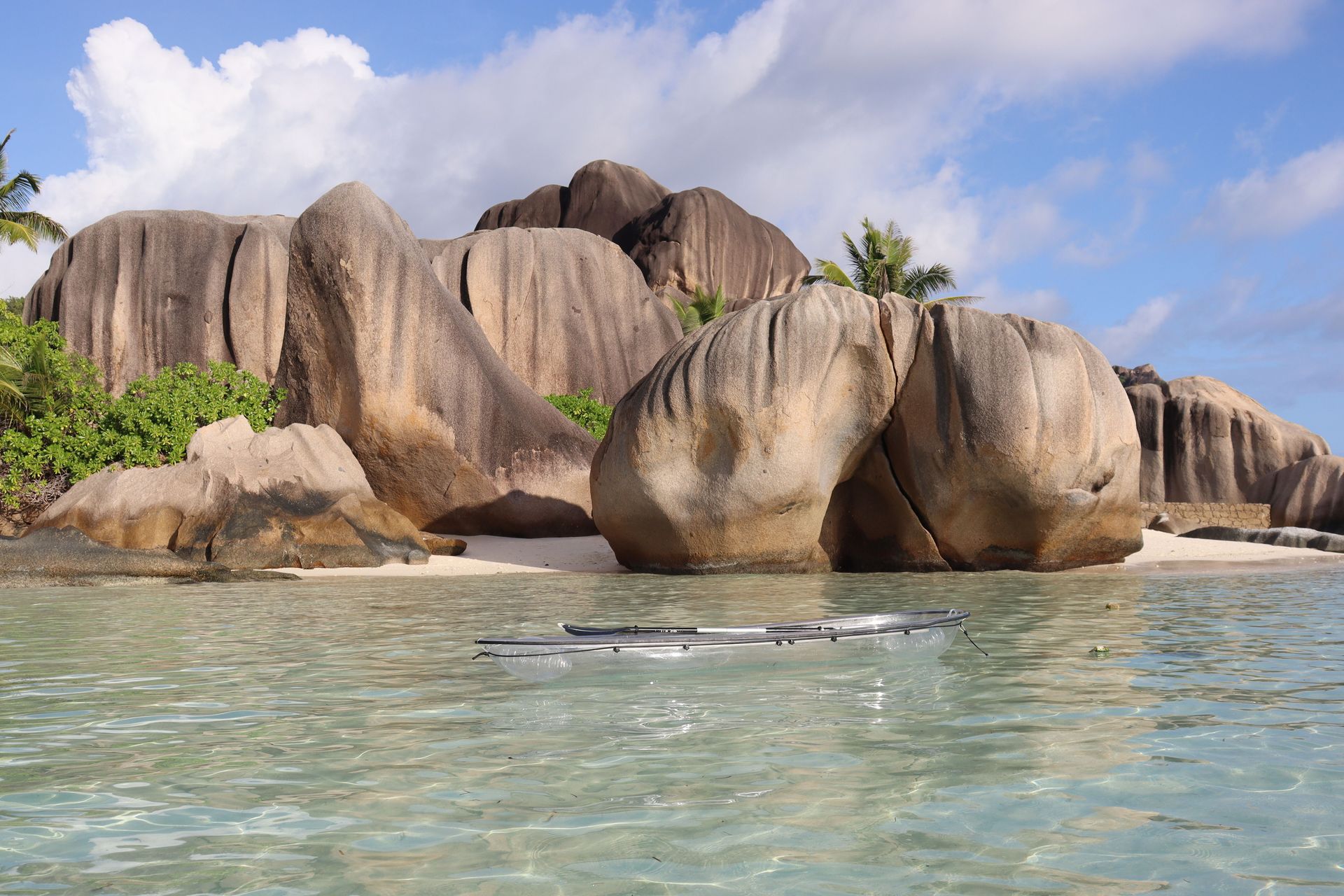
Anse Source d'Argent, on the small Seychellois island of La Digue, is among the most photographed beaches in the Indian Ocean for its specific combination of pink-tinged sand, dramatic granite boulders sculpted by erosion into smooth, rounded formations that rise directly from the shallow turquoise water, and a shallow offshore reef that protects the beach from significant wave action, producing calm, swimmable water year-round.
La Digue itself has no airport and limited road infrastructure; the island is reached by boat from Mahé or Praslin, and the primary mode of transport on the island is bicycle rather than car, reflecting a deliberate policy of limiting vehicle traffic that has preserved the island's slower pace relative to the more developed Seychellois islands. The beach itself requires a walk through the L'Union Estate, a former coconut and vanilla plantation, adding a specific historical and agricultural detour to the beach access that most visitors find worthwhile in its own right.
The granite boulder formations that define the beach's appearance are part of a granitic archipelago geology unique among the world's islands — most oceanic islands are volcanic or coral in origin, while the Seychelles' granite islands are fragments of the ancient supercontinent Gondwana, making the specific rock formations at Anse Source d'Argent a geological rarity as well as a photogenic one.
Boulders Beach counterpart — Playa Paraiso, Cayo Levisa, Cuba
Alexandre Henry Alves / Pexels
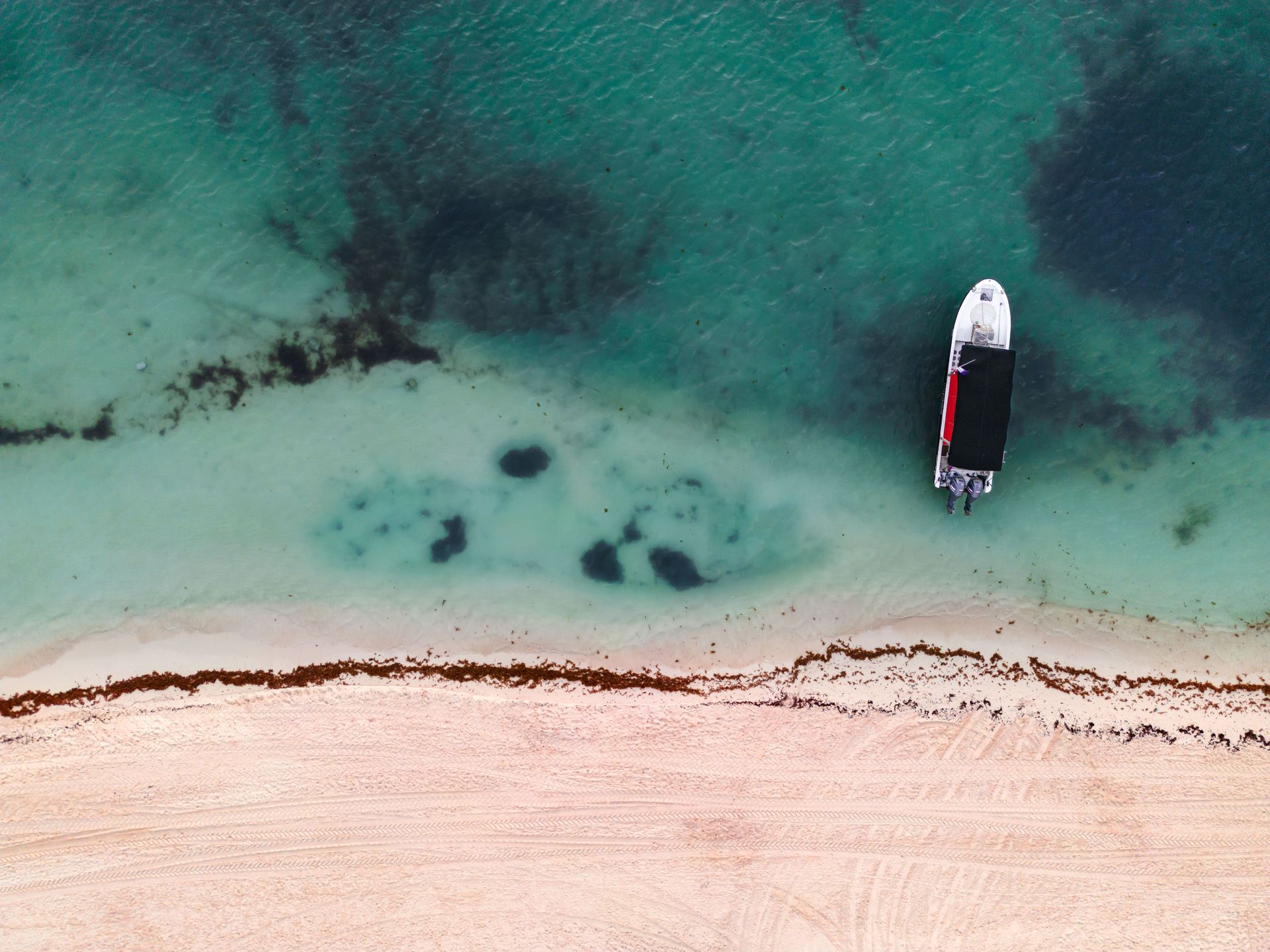
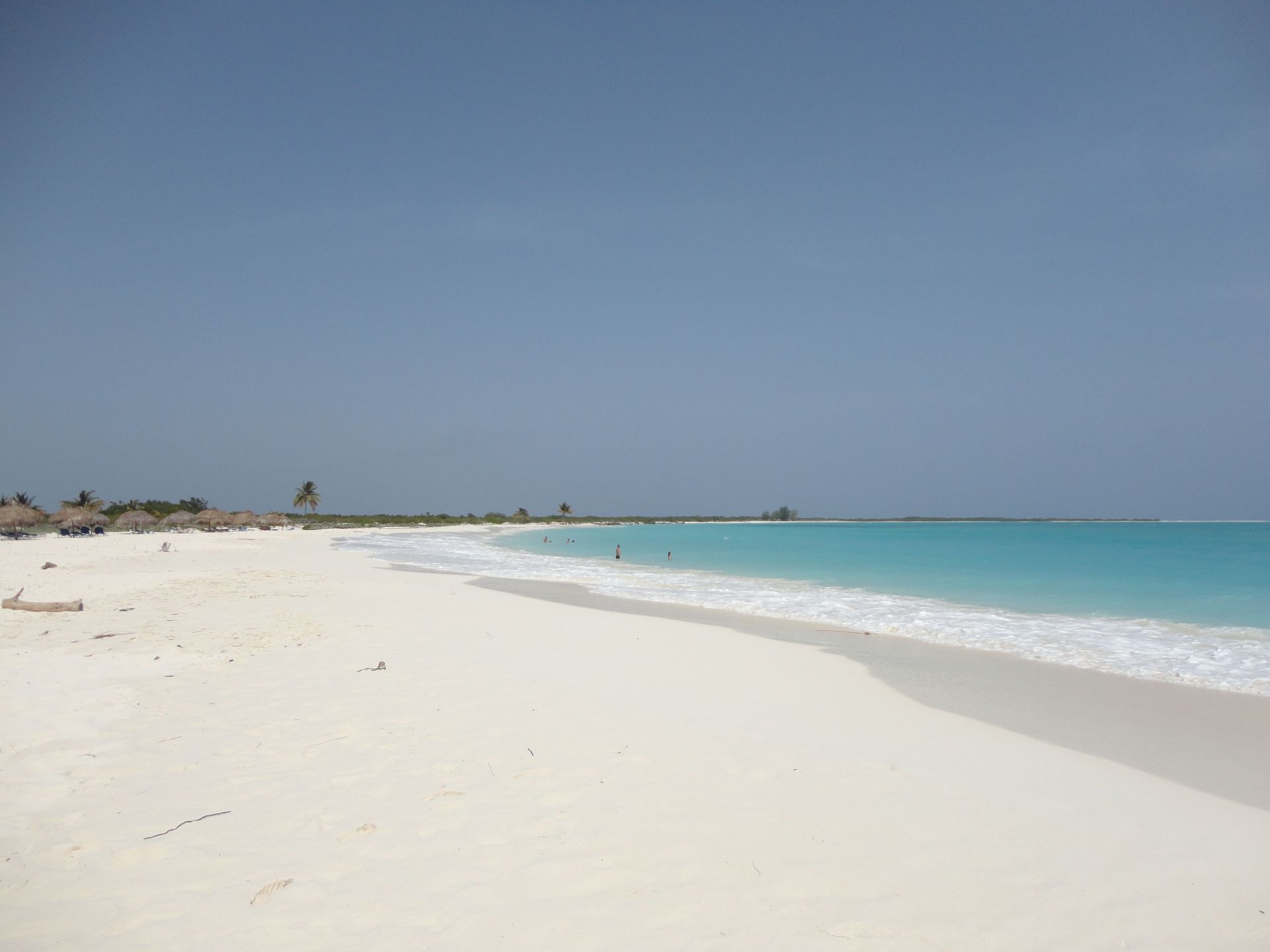
Cayo Levisa, a small island off Cuba's northern coast reachable only by a 40-minute boat crossing from the mainland port of Palma Rubia, contains several kilometers of white sand beach that remain among the least developed and least visited in the Caribbean, a consequence of Cuba's specific tourism infrastructure limitations combined with the island's remoteness even by Cuban standards.
The island has limited accommodation (a single small resort operates on the island) and no permanent local population beyond resort staff, meaning that even at capacity, visitor density on the beach remains far below that of comparable Caribbean beaches with road or bridge access. The absence of significant development means the beach retains an undisturbed character increasingly rare in the Caribbean basin, where beachfront development has transformed most comparably beautiful coastlines over the past several decades.
The boat crossing itself, combined with Cuba's specific bureaucratic and infrastructure realities (currency limitations, unpredictable supply availability, and general trip planning complexity relative to other Caribbean destinations), functions as the access barrier that has preserved Cayo Levisa's relative emptiness, making it one of the few Caribbean beaches where the seclusion is not primarily a marketing claim but a structural consequence of the broader difficulty of independent travel in Cuba.