The best hidden summer destinations in Europe
From Svalbard's polar bears and midnight-sun cruises to Albania's quiet Riviera beaches a 30-minute ferry from Corfu
1 / 10
1. Alta Badia serves up Dolomite peaks and Michelin food
Credit: Visit Alta Badia
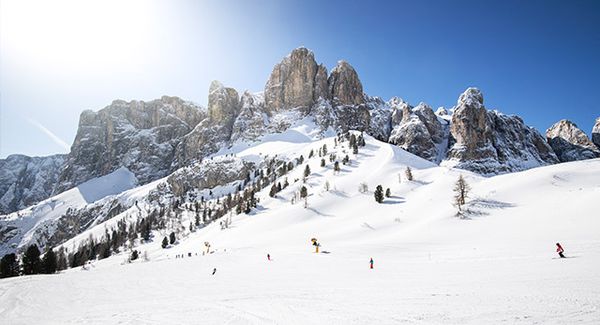
Alta Badia delivers the Dolomites at their most visually spectacular while sidestepping the summer crowds that overwhelm nearby Cortina d’Ampezzo and Bolzano. The valley’s food culture punches well above its remote location, with Michelin stars scattered across the region and even simple mountain refuges serving genuinely excellent versions of mountain cheeses, hearty pasta, and comfort-food strudels at prices that feel reasonable given the quality on offer, pairing a remote setting with genuinely refined dining in a way few other Alpine valleys manage to pull off.
History runs deep beneath the valley’s jagged peaks and high plateaus. Italian and Austro-Hungarian forces fought brutal battles across this unforgiving terrain between 1915 and 1918, and hiking routes such as the Kaiserjäger trail still pass directly through preserved trenches and gun emplacements from that conflict, giving modern hikers a sobering counterpoint to the valley’s otherwise cheerful mountain scenery.
Winter skiing built Alta Badia’s original reputation, but summer transforms the same infrastructure into something entirely different. Cable cars and mountain huts that once served skiers reopen for hikers, cyclists, paragliders, and trail runners, and visitors chasing an extra adrenaline hit can tackle the valley’s challenging via ferrata routes, which use permanent rungs and cables to guide climbers across genuinely vertiginous rock faces that would otherwise require full technical climbing gear.
Reaching Alta Badia typically means flying into Venice, Verona, or Innsbruck, just across the Austrian border, and renting a car for the final approach into the mountains. La Villa, San Cassiano, and Corvara all function as excellent bases for exploring the surrounding peaks and valleys, each offering slightly different access points into the region’s extensive network of trails and via ferrata routes. Visitors who base themselves in one village for a full week instead of hopping between towns tend to get a much better feel for the valley’s rhythms, since many of the best trailheads and mountain refuges sit within easy reach of any of these three settlements.
2 / 10
2. Minho reveals Portugal’s original Vinho Verde country
Aleksey Nikitin / Unsplash
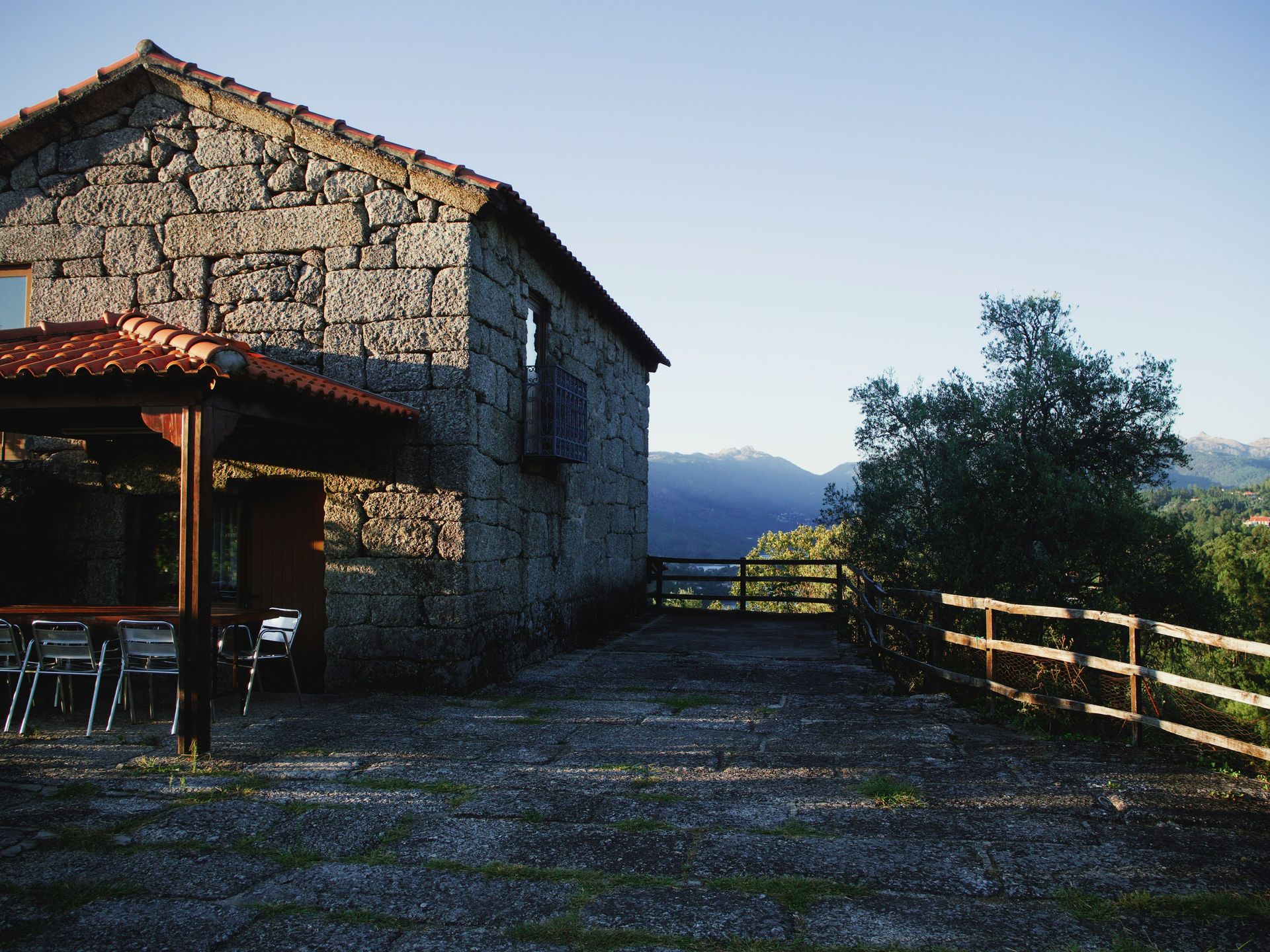
Portugal’s own residents tend to favor the northern Minho region for their own summer vacations, and the area’s verdant hills, traditional culture, and exceptional food offer a genuinely different experience from crowded Lisbon or the Algarve coast. As the birthplace of the Portuguese kingdom itself, Minho carries historical weight that adds context to what would already be a rewarding destination for food and scenery on its own, giving visitors a reason to linger beyond the immediate appeal of the region’s wine and cuisine.
Vinho verde, literally “green wine,” defines the region’s drinking culture, released onto the market just a few months after harvest instead of being aged for years like most wines. Loureiro and Alvarinho varieties stand out among the fruity, youthful wines produced here, and pairing them with the region’s cuisine reveals why locals consider Minho a genuine food destination instead of simply a wine region with decent restaurants attached.
Ponte de Lima, Portugal’s oldest town, offers restaurants overlooking its ancient Roman bridge, where visitors can try arroz de sarrabulho, a rice and pork stew cooked in pig’s blood that tastes considerably better than its description suggests, alongside caldo verde, a hearty kale soup that appears on menus throughout the region. Monkfish, sea bass, and bream round out the seafood offerings, while bacalhau, salt cod, remains a staple found on menus across the entire country.
Historic towns such as Braga, Guimarães, and Viana do Castelo reward visitors willing to walk their streets with architecture that reflects the wealth accumulated by merchants during Portugal’s Age of Discovery and the subsequent colonial era. Braga makes the most practical starting point for exploring the region, reachable by a one-hour train ride from Porto, the easiest major airport for international arrivals, with local buses connecting Braga to the rest of the region’s towns. Visitors with a few extra days can string together a loop through all three historic towns, pairing each stop’s architecture with a different corner of the region’s food and wine culture along the way.
3 / 10
3. La Rioja slows down Spain’s wine country
Mario La Pergola / Unsplash
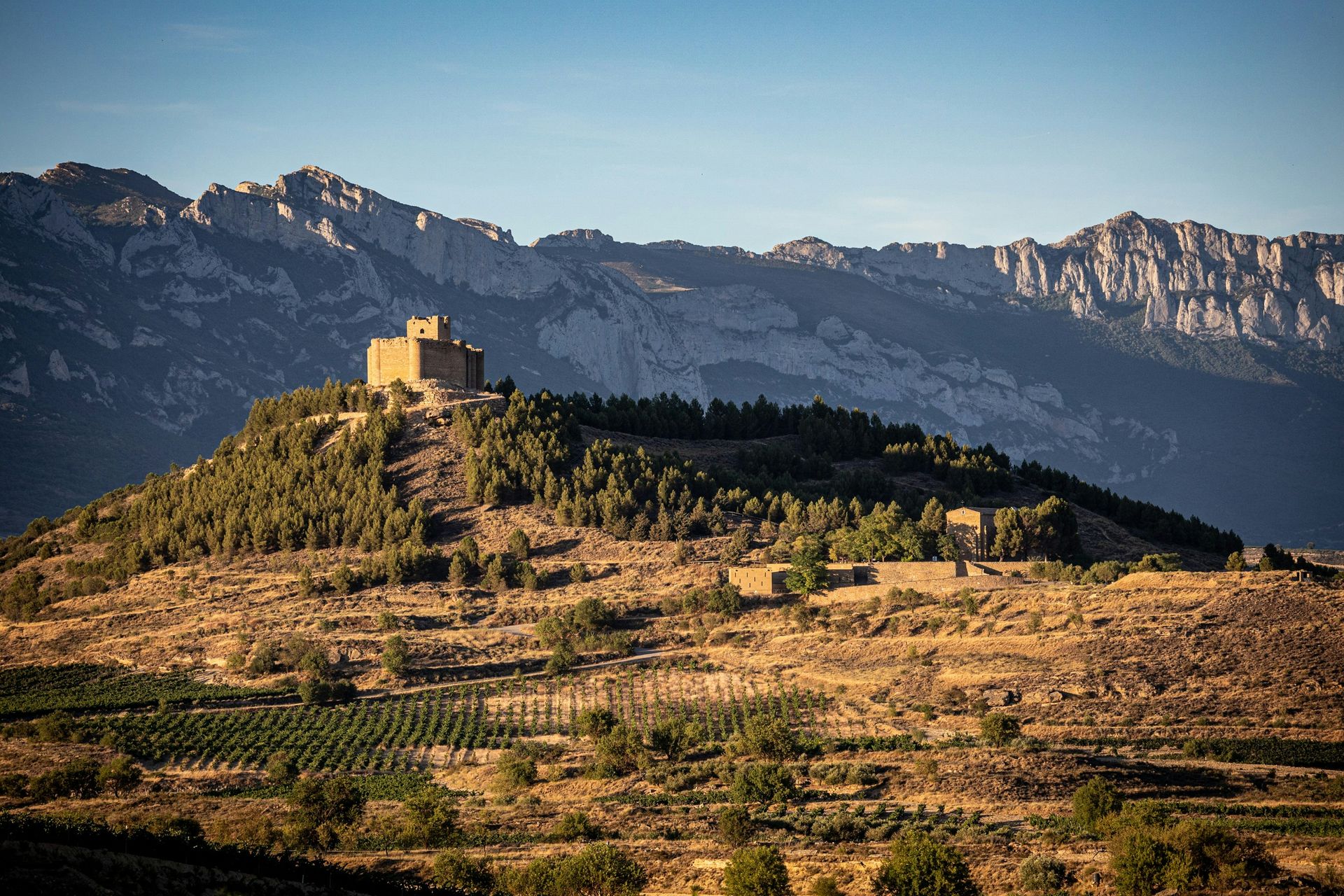
La Rioja’s wines have built a genuinely global reputation, yet visiting the source of that reputation delivers a far more relaxed experience than the wine’s fame might suggest. Roughly 500 wineries operate across the region between Bilbao, Zaragoza, and Madrid, and despite that density, the vineyards and tasting rooms here remain uncrowded, warm, and genuinely welcoming to visitors, rather than overwhelmed by tourist traffic, as better-known wine regions further west in Spain often feel during peak summer months.
Summer transforms the grapevines, striping the craggy Ebro River Valley into a deep, verdant green, and wandering among them reveals traces of settlers spanning millennia, from Neolithic communities through Moorish occupation to medieval Christian Spain. Few wine regions anywhere pack this much layered history into the same physical space as their working vineyards.
Tastings anchor a visit to this slow-paced, history-rich region, and the venerable château-style wineries clustered around Haro in Rioja Alta offer a traditional starting point. The Rioja Alavesa area takes a more contemporary architectural approach, with renowned architects Frank Gehry and Santiago Calatrava both contributing striking winery designs at Marqués de Riscal and Ysios, respectively, giving wine tourism here a genuinely modern architectural dimension alongside the historic cellars that define much of the surrounding countryside.
Logroño, the regional capital, makes an ideal central base thanks to its dense concentration of bars serving cheap, tasty pintxos, tapas-like snacks that pair naturally with the region’s fruity red wines. Summer temperatures here can climb uncomfortably high, so visitors should plan around the hottest parts of the day, perhaps saving vineyard tours for morning or early evening and reserving midday hours for a leisurely, air-conditioned pintxos crawl along Logroño’s Calle del Laurel. A loop through the region works especially well by car, starting from Bilbao, Zaragoza, or Madrid and adding stops at Haro’s bodegas, Briones’ ruined castle and wine museum, and the medieval town of Laguardia beneath the Sierra de Cantabria.
4 / 10
4. Pelion Peninsula escapes the crowded Greek islands
-1920x1277.jpg)
Annatsach / Wikimedia Commons (CC BY-SA 4.0)
Greek island beaches deliver a classic summer experience, but finding actual space for a beach towel during peak season has become an exercise in patience and early arrival. The Pelion Peninsula, a mountainous finger of land curling into the Aegean north of Athens, offers a genuinely calmer alternative, drawing plenty of local visitors but never feeling overwhelmed the way Athens or Thessaloniki can during the hottest months of the year, when both cities empty out toward the coast in search of relief from the heat.
Coastal resorts here are more isolated and peaceful than typical Greek beach destinations. Horto and Milina offer sheltered options on the west coast, while the east coast delivers the southerly Platanias, the busier Horefto and Agios Ioannis, and the charming village of Damouhari near the beautiful Fakistra beach, giving visitors a genuine range of atmospheres within a relatively compact peninsula.
The mountainous interior carries its own cultural and natural appeal, rooted in mythology that placed centaurs among these very hills. Ancient cobbled paths connect traditional villages where visitors can admire church frescoes and sip grape-based tsipouro in the shade of centuries-old plane trees, while local specialties such as spetsofaï, a pork-sausage stew, fasoladha, a butter bean soup, and lamb in lemon sauce give the region a distinct culinary identity worth exploring alongside its scenery.
Temperatures in the hills run noticeably cooler than the coast, making the interior ideal for walking as long as visitors avoid the hottest midday hours. In summer, the narrow-gauge Pelion Train runs daily in July and August between Ano Lehonia and Milies, offering a scenic and genuinely nostalgic way to experience the peninsula’s interior. Reaching Pelion typically means flying into Thessaloniki, then taking a roughly three-hour bus, train, or drive to Volos, the peninsula’s gateway city, with a rental car recommended for exploring once visitors arrive, since the region’s coastal roads and mountain villages sit far enough apart that walking between them isn’t practical for most visitors.
5 / 10
5. Pic du Midi lights up the Pyrenees night sky
Melody P / Unsplash
Summer crowds pack the beaches of southern France, yet the Pyrenees offer a considerably more contemplative summer experience, built around clear skies rather than crowded shorelines. Clear summer nights here occasionally deliver the Perseid meteor shower, a spectacular display of shooting stars streaking through the upper atmosphere that peaks around August 12 each year and is active between mid-July and late August.
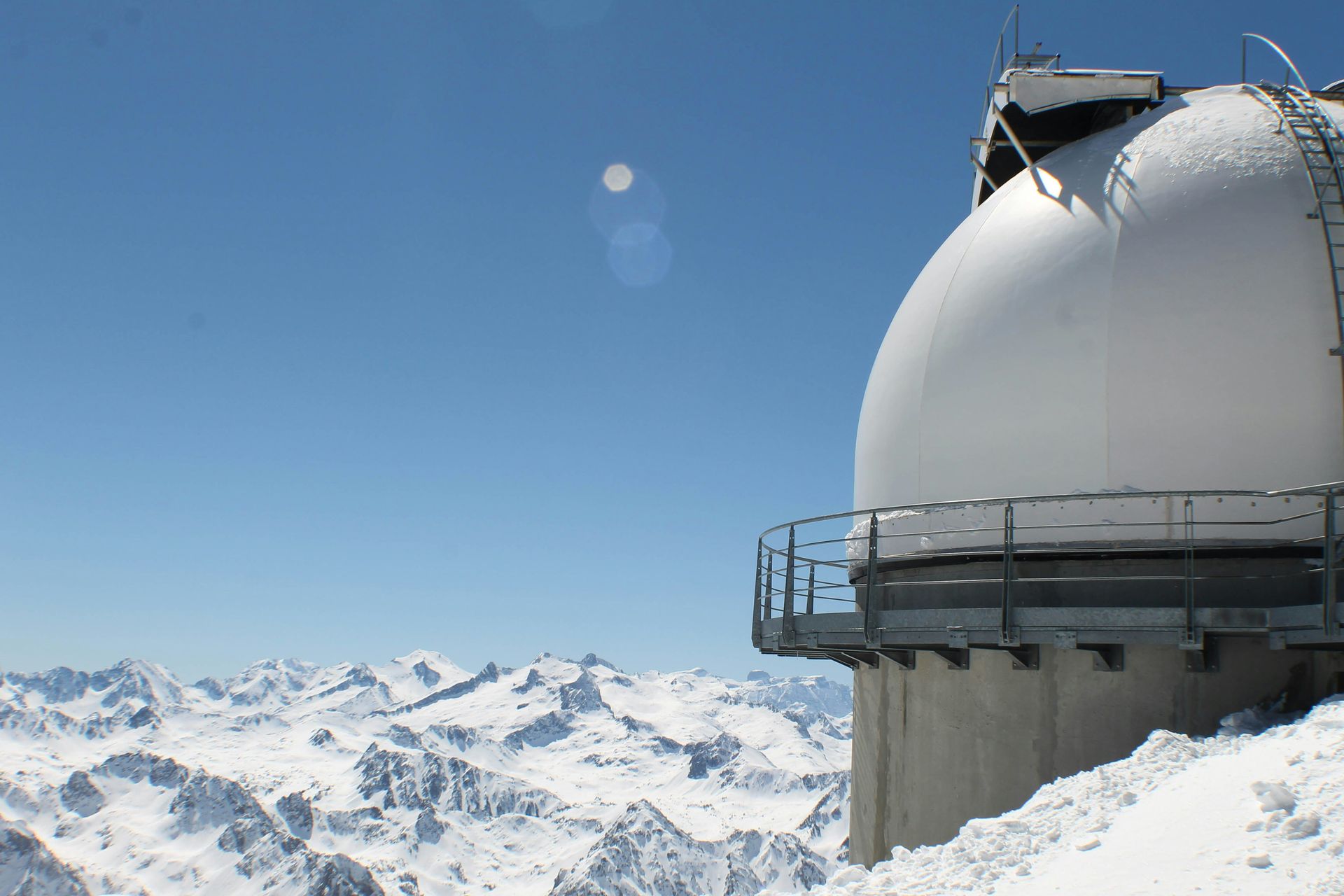
Finding a genuinely dark sky matters enormously for appreciating the Perseids and the Milky Way alike, and the Pic du Midi observatory in the central Pyrenees sits within one of the region’s designated dark-sky reserves, protected specifically from the light pollution that has erased clear night skies across much of Western Europe. The historic observatory, impressively modernized over the years, perches at 2,877 meters and welcomes visitors both during the day, for lessons on celestial phenomena and sweeping mountain panoramas, and at night, for a genuinely immersive astronomical experience under some of the clearest skies in France.
Visitors who never make it up to the observatory itself still find plenty to enjoy in this region, popular with skiers in winter but genuinely peaceful come summer. The stargazing potential extends well beyond the observatory’s immediate vicinity, and the area also offers tremendous hiking opportunities for visitors who want to combine daytime activity with nighttime sky watching.
The GR10 long-distance trail winds through the surrounding countryside, and visitors can find a campsite, mountain refuge, or apartment in one of the quiet villages along its route, simply looking up at the sky once darkness falls. Reaching Pic du Midi involves shuttles from Lourdes to La Mongie, followed by a cable car to the observatory itself, with Lourdes, Tarbes, Toulouse, and Pau all serving as viable nearby airports for international visitors. Travelers $TRV who combine a few nights of stargazing with a couple of days hiking a stretch of the GR10 tend to get the fullest sense of what makes this corner of the Pyrenees worth the detour from the busier coastal regions further south.
6 / 10
6. Central Austria soaks visitors in mountain spas
Claus Grünstäudl / Unsplash
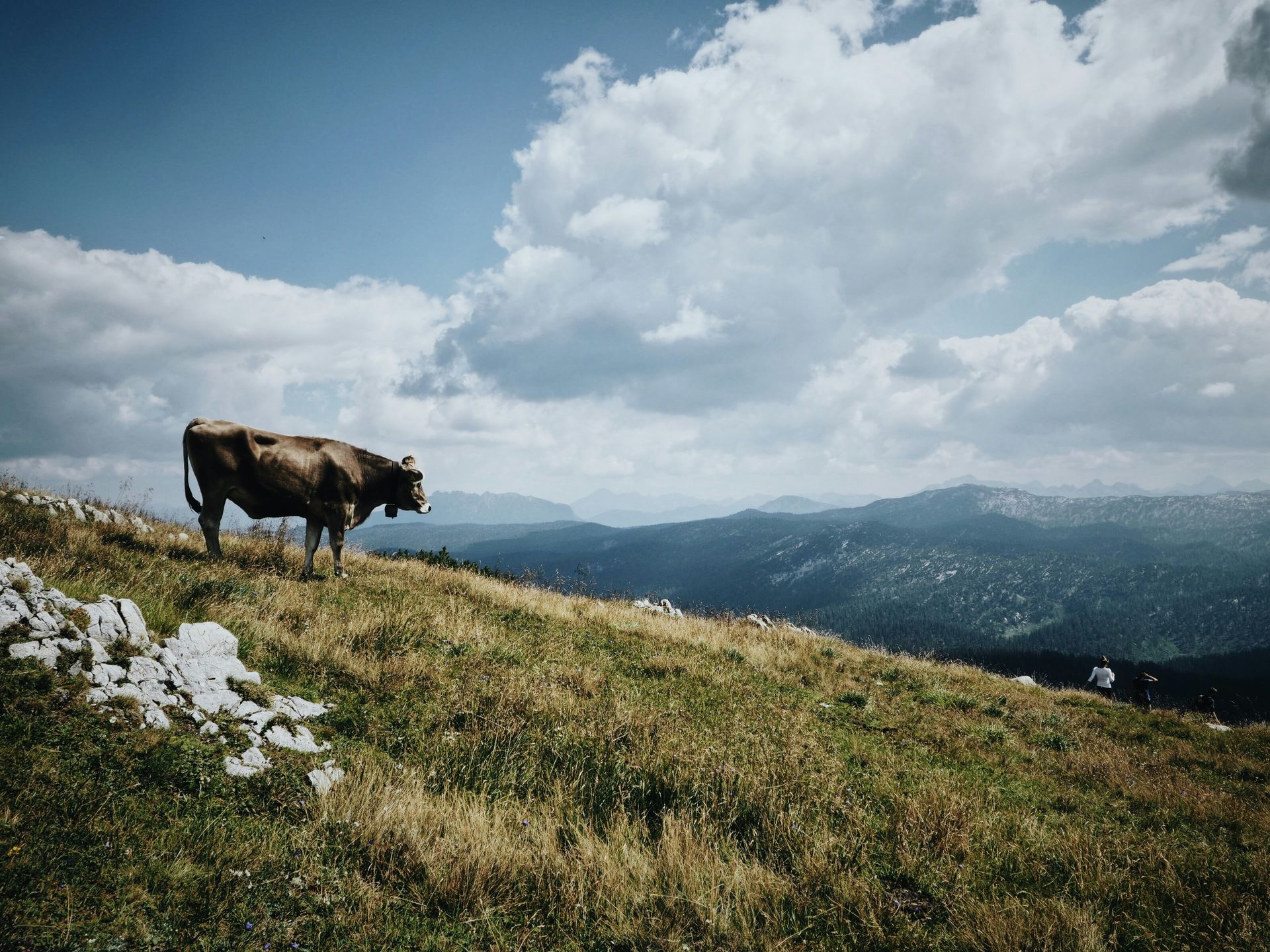
Austria’s summer hiking draws plenty of visitors on its own, but the country’s serene mountain spas offer a genuinely different kind of relaxation for travelers seeking true rest instead of physical activity. Spa towns throughout Austria carry the marker “Bad” in their names, and a broad swath of central Austria running east and south of Salzburg holds a dense concentration of these towns, most set against a backdrop of alpine peaks, meadows, and valleys that makes the relaxation feel even more complete than a comparable spa visit set against a flatter, less dramatic landscape.
Each spa town carries a subtly different focus. Bad Aussee emphasizes a healthy diet and outdoor activity in line with the principles of Kneipp therapy, while the stately Bad Ischl has promoted the benefits of brine treatments since receiving imperial approval in the mid-19th century. Natural hot springs feed the spa culture at Bad Gastein, giving that town’s wellness offerings a genuinely geological foundation instead of purely manufactured treatments.
Neighboring Bad Hofgastein adds forest bathing and barefoot walking to the regional mix, and its thermal spa complex ranks among the largest in Europe. Visitors shouldn’t assume a spa trip means staying indoors during summer’s long, warm days, though, since the region also offers picturesque paths circling the Salzkammergut’s sparkling lakes, mountain-bike trails above Bad Gastein, and invigorating dips in alpine tarns for anyone who wants to combine relaxation with genuine outdoor activity.
Reaching this region typically means flying or taking a train to Salzburg, from where buses and trains connect to most of the individual spa towns. Visitors planning an August trip specifically should check ahead to confirm which facilities remain fully open, since some spas close sections for maintenance during the same month that draws the heaviest summer demand. Spreading a visit across two or three spa towns rather than settling into just one gives travelers a better sense of the variety within what might otherwise look like a single homogeneous wellness region.
7 / 10
7. Latvia’s Baltic Coast empties out for summer solitude
Kortyna Juskaite / Unsplash
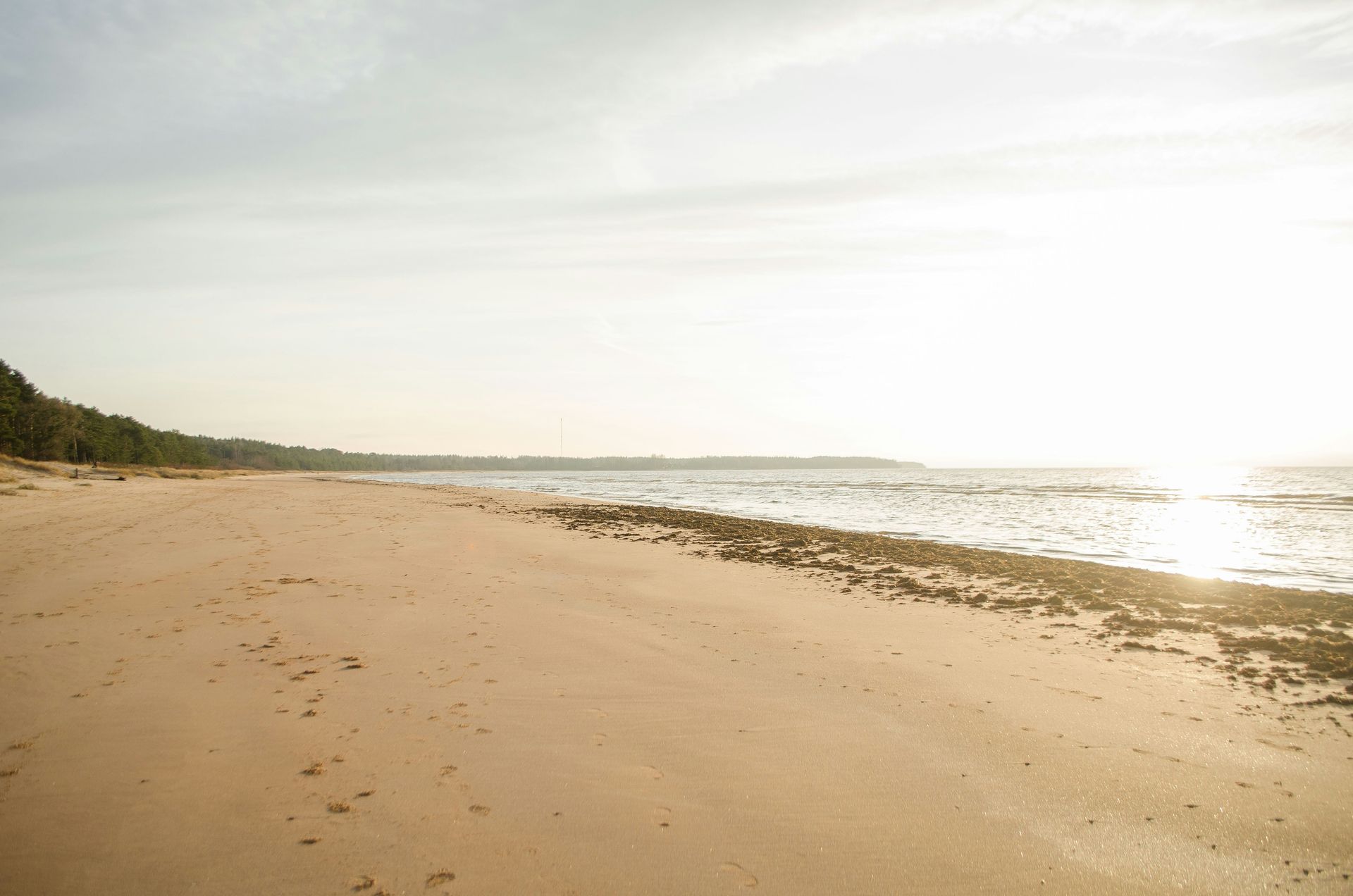
Roughly 300 kilometers of largely empty shoreline define Latvia’s west coast, much of it lined with white sand and backed by wooded hills, and the region’s underdevelopment traces directly back to the Soviet era, when this stretch functioned as a strategic western frontier, and authorities removed local populations, permanently limiting the resort development that transformed comparable coastlines elsewhere in Europe during the same postwar decades.
Today, this coastline delivers a genuinely mesmerizing summer experience, alternating between somber and seductive moods but consistently spectacular and only rarely crowded with visitors. Coastal settlements range considerably in overall character, from rapidly gentrifying Ventspils to gritty, grungy Liepāja, known for its alternative music scene, alongside numerous small fishing villages scattered along isolated stretches where finding an entirely empty beach requires little effort at all, even during the busiest weeks of the Baltic summer.
Visitors seeking the deepest possible isolation should head north to Slītere National Park and the headland at Kolka, where the Baltic Sea meets the Gulf of Rīga. Towering dunes, dense woods, and dramatic seascapes reward hikers and cyclists exploring this remote corner, and traditional fishing villages such as Vaide, Košrags, and Mazirbe offer smoked fish alongside surviving traces of near-extinct Livonian culture, giving the region a genuine cultural dimension beyond its natural scenery that few visitors expect before actually arriving on this stretch of coast.
Most visitors reach this coastline from Rīga, with buses tracing the shoreline north to Kolka and running inland to both Ventspils and Liepāja. Renting a car makes exploring considerably faster and more flexible than relying on the regional bus network, particularly for visitors hoping to reach the more remote fishing villages near Kolka without waiting on limited bus schedules. Travelers $TRV with enough time to spare should consider splitting a trip between the livelier towns further south and the genuinely remote stretches near Kolka, since the two ends of this coastline offer noticeably different paces and personalities.
8 / 10
8. Svalbard opens a brief Arctic summer window
Mathieu Ramus / Unsplash
Northern Norway has a reputation built almost entirely on ice and snow, but summer reveals an entirely different side of the Arctic region, and nature lovers who time their visit correctly can cruise the remote fjords of the Svalbard archipelago during the brief window when the islands become accessible by sea. This window lasts only a month or two each summer, making it the archipelago’s genuine high season, though the region never feels remotely crowded even during its busiest weeks.
July conditions offer the clearest seas of the year, with temperatures climbing to a relatively balmy 5 degrees Celsius (41 degrees Fahrenheit) and near-constant daylight enabling round-the-clock sightseeing during the peak of the Arctic summer. Expedition cruise vessels navigate past jagged mountains and creaking glaciers, and expert guides on board watch continuously for wildlife, including seabird colonies, reindeer herds, Arctic foxes, seals, and whales of multiple species throughout each voyage.
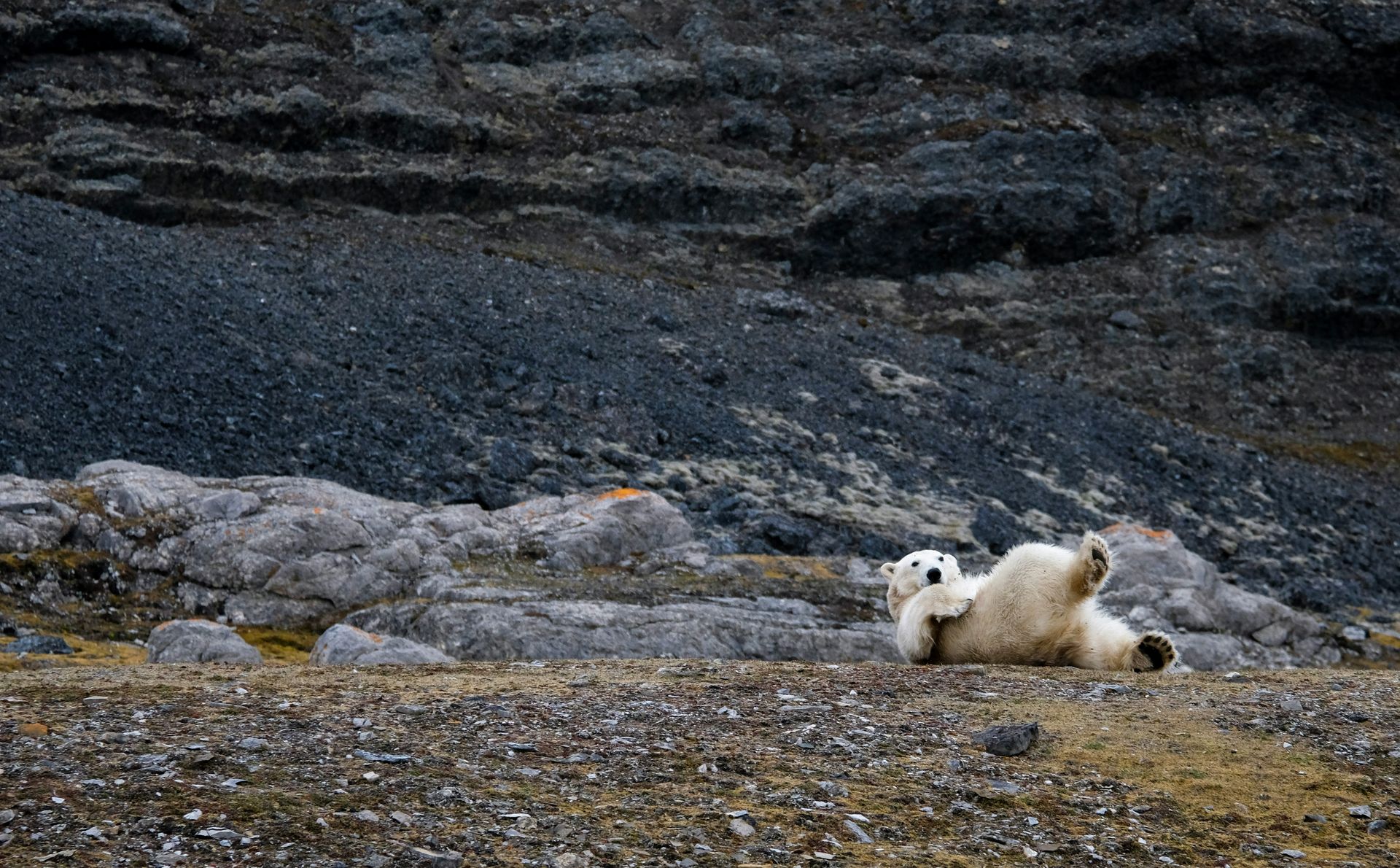
Polar bears remain the archipelago’s signature wildlife draw, with an estimated 3,000 of these predators roaming Svalbard and the surrounding Arctic region. Summer’s melting ice pushes bears closer to the coastline than they’d otherwise stay, and boarding a small Zodiac boat to explore the shoreline gives visitors a genuine chance at a close encounter with one of the world’s most elusive large predators, an experience that draws wildlife photographers back to the archipelago year after year despite the considerable cost and effort involved in reaching it.
Reaching Svalbard means flying via Oslo to Longyearbyen on Spitsbergen, the archipelago’s main island, from which cruises lasting one or two weeks depart regularly throughout the summer season. Weather and sea conditions dictate the exact itinerary and activities on any given voyage, which means flexibility matters more here than on a typical structured vacation with a fixed daily schedule. Visitors should pack for genuinely unpredictable Arctic conditions, regardless of the relatively mild temperatures, since wind and sea ice can disrupt a planned itinerary with little advance warning, even during the height of summer.
9 / 10
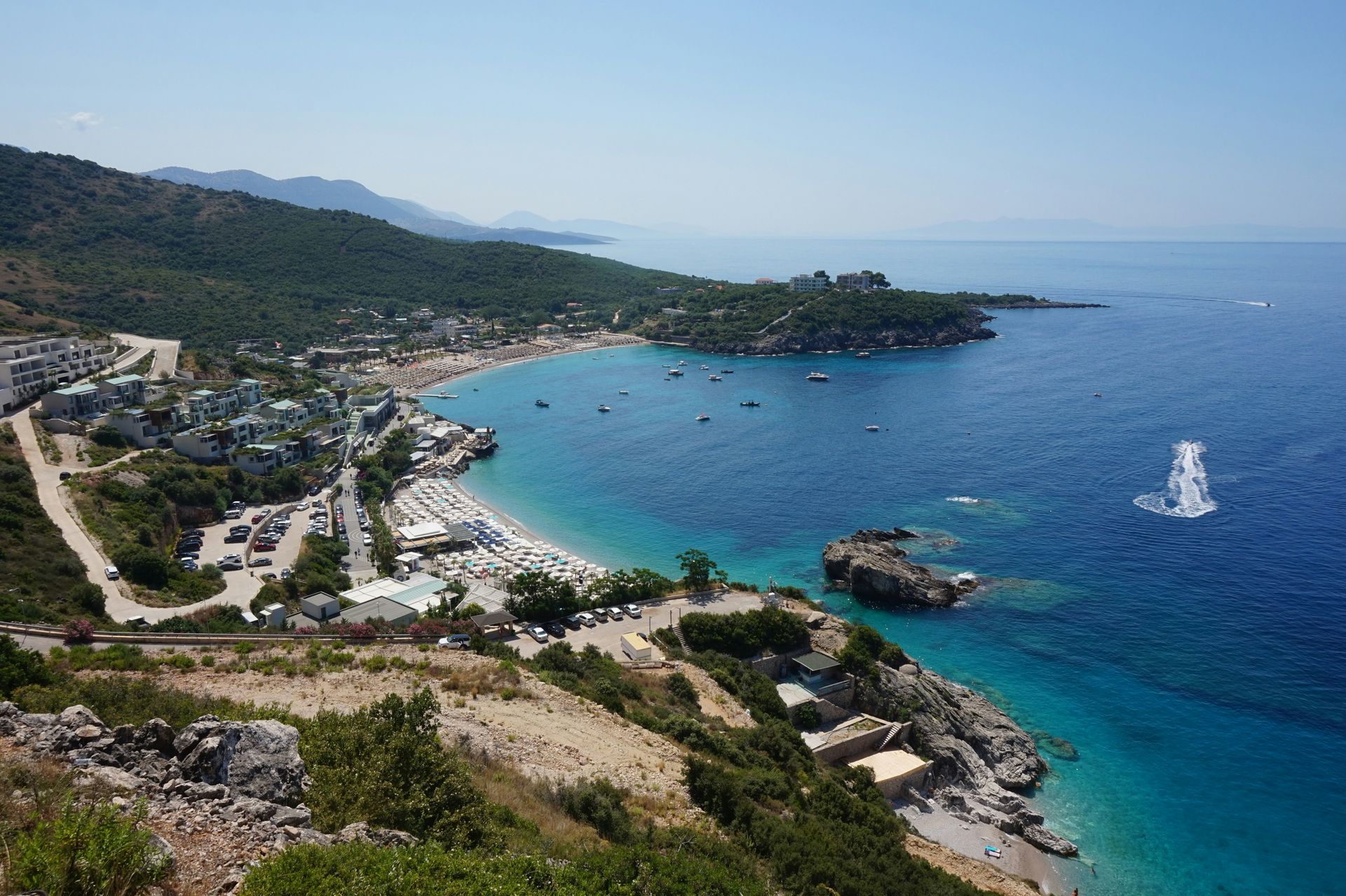
9. The Albanian Riviera stretches out quiet beaches
Marie Volkert / Unsplash
Albania’s southern coastline has lost some of the hidden-gem status it held at the turn of the millennium, when empty beaches and bargain prices defined the entire region, but the Riviera still offers a genuinely gentle retreat for travelers seeking sun, sand, and fresh seafood. Balmy water temperatures and reliably hot weather define the summer season here, and visitors who arrive early or late in the season, or who specifically seek out quieter resorts, can still avoid the crowds that have grown considerably over the past two decades.
Saranda has transformed into a fully-fledged party town lined with bars along its esplanade, making it a poor choice for travelers seeking calm. Himarë, further up the coast, offers a considerably calmer resort experience alongside good nearby beaches such as Potami just to the south, while travelers seeking genuine isolation should look toward Palasa, Borsh, pebbly Bunec, and the islands off Ksamil, all of which deliver quieter stretches of sand even during the busiest summer weeks.
The Llogara Pass leads travelers to Vlora Bay, where local resorts offer boat trips to isolated beaches near the tip of the Karaburuni Peninsula, extending beach-hopping options well beyond the main coastal towns. Visitors wanting a break from sand and swimming can visit Butrint, an archaeological site where Greek, Roman, and Byzantine ruins, some dating back 2,500 years, cluster together on a single knobbly headland.
Corfu offers the easiest gateway to this stretch of Albanian coast, since the Greek island receives international flights and ferries from the Italian port of Brindisi. Daily fast ferries connect Corfu to Saranda in around 30 minutes, though visitors should book ahead for summer crossings, since demand for the short hop across the strait climbs considerably during peak season. Travelers $TRV who split their time between Corfu and the Albanian coast get a genuinely varied trip, pairing a well-established Greek island base with day trips or overnight stays across the water in a country still working to build out its tourism infrastructure.
10 / 10
10. Stockholm Archipelago scatters serenity across islands
-1920x1281.jpg)
Raphael Andres / Unsplash
Stockholm reads less like a conventional city and more like a wooded archipelago packed with historic buildings across countless islands and inlets, and the Swedish capital looks its absolute best in summer, when sunlight glints across the water, and the city’s parks fill with residents enjoying the warm weather after months of long, dark winter evenings. Few European capitals combine urban culture and genuine natural scenery this seamlessly within city limits.
Cultural attractions here could easily fill several days on their own. The cobbled alleys of Gamla Stan, the city’s Old Town, sit alongside exceptional contemporary galleries and museums, including the open-air Skansen, while the sleek, modern Nordmalm shopping district offers welcoming cafes and restaurants perfectly suited to fika, the essential Swedish coffee and cake break that punctuates most locals’ days regardless of season.
Fourteen main islands make up the core of the archipelago, easily explored on foot, by bike, or via the metro system, but tens of thousands of smaller islets scattered farther out reward visitors willing to explore by ferry, boat cruise, or kayak. Wildlife watchers should keep an eye out for ospreys, beavers, and grey seals across various parts of the archipelago, particularly in the quieter channels further from the main city islands, where boat traffic thins out considerably compared with the busier waterways closer to central Stockholm.
Even on warm summer days, evening temperatures can drop to around 10 degrees Celsius (50 degrees Fahrenheit), so visitors should pack layers regardless of how hot the afternoon feels. Travelers $TRV hoping for smaller crowds at popular sights such as the Gröna Lund theme park should consider visiting after Swedish schools break for summer, as the second half of August tends to bring noticeably quieter conditions throughout the archipelago. Splitting a visit between a few days in the city itself and a night or two on one of the outer islands gives travelers a genuine sense of how much the pace changes the further out into the archipelago they venture.
