The best islands for retirement in every part of the world
From Malta's English-speaking Mediterranean shores to Penang's UNESCO heritage city and ultra-low rents
Vidar Nordli-Mathisen / Unsplash
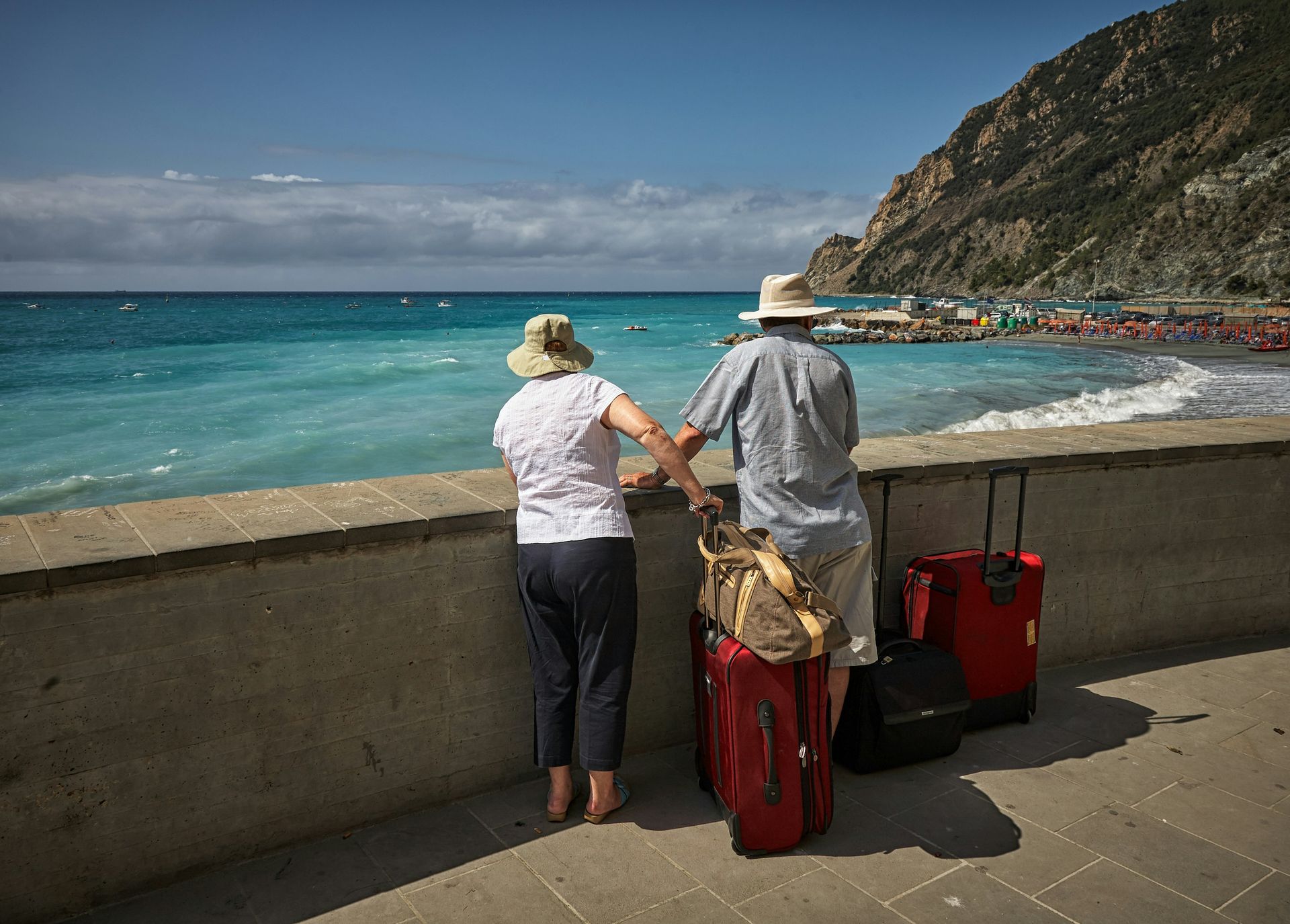
Retirement on an island is a specific fantasy whose practical realities vary from destination to destination, requiring research before commitment. The appeals are consistent: warm weather, a slower pace, scenic coastal access, and, in many cases, a cost of living that lets retirement savings go further than they would in a major American city. The complications vary: some islands require private health insurance with medical evacuation coverage because the local hospital is the only one within a ferry ride. Some require a visa application process with modest but real financial qualification requirements. Some offer significant tax advantages that reduce the effective cost of living below the nominal figure. The island that is right for one retiree, based on their health needs, financial situation, language comfort, and tolerance for distance from family, is not necessarily right for the next.
The practical research process is not optional. An extended visit before committing to a move gives the prospective island retiree a feel for the cost of living, the local medical infrastructure, the social environment, and the daily rhythms that a hotel stay does not accurately represent. The U.S. State Department maintains current information on residency requirements, visa programs, and safety conditions for international destinations, and the retiree moving abroad who does not consult it before finalizing plans is taking a preventable risk.
The 10 islands below appear in Travel + Leisure, spanning the Caribbean, the Mediterranean, the Pacific, and Southeast Asia, covering options across a range of cost levels and lifestyle profiles. They are starting points for research, not final decisions, and each requires the extended visit and thorough due diligence that any significant, permanent life relocation to a new country rightly demands before any final commitment is made.
1 / 10
1. Malta earns retirees an English Mediterranean home
Emmanuel Cassar / Unsplash
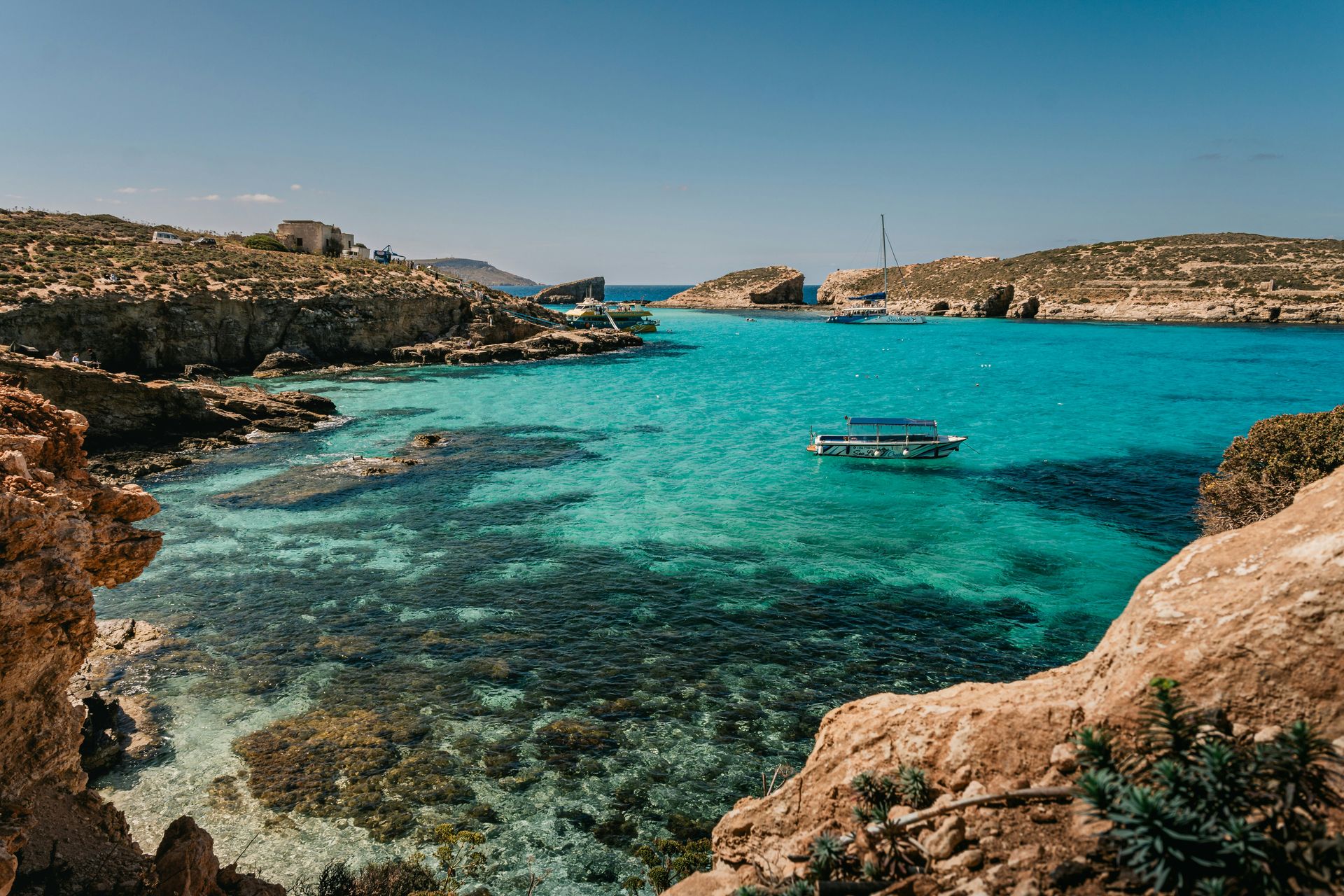
Malta sits south of Sicily in the central Mediterranean and offers retirees one of the few English-speaking environments in southern Europe: English is the second official language, used widely alongside Maltese and Italian, in a population that navigates among all three with a fluency that makes daily life practical for the English-only speaker. The climate produces temperatures that rarely drop below the 50s Fahrenheit, which gives the island year-round livability that the northern European alternatives cannot match, and its Mediterranean location gives it access to the broader European travel network, whose appeal to retirees who want to explore the continent from a base is significant.
Healthcare is available through Malta’s public system for those with EU passports, and high-quality private healthcare is also available at costs typically lower than comparable private care in the United States. The expatriate community is large and includes substantial numbers of Americans and British retirees, whose presence gives the English-speaking expat community a social infrastructure that newer or smaller expat populations do not. Museums, historic sites, cultural events, golf, and watersports give the activity program its range, and the island’s Baroque architecture, visible throughout the capital Valletta, gives the cultural environment a specific historical depth appropriate to a Mediterranean island whose successive occupations by Phoenicians, Romans, Arabs, Normans, and Knights of St. John have each left visible traces.
The cost of living is somewhat lower than in the U.S., and the English-language accessibility, Mediterranean climate, affordable private healthcare, and established expat community together make Malta a compelling argument for the American retiree that more geographically isolated English-speaking retirement destinations cannot make in the same terms. Malta’s compact geography, covering just 122 square miles across three inhabited islands, makes it one of the most navigable Mediterranean retirement destinations: the entire country is accessible by bus, and the ferry connections between Malta, Gozo, and Comino give the retiree island variety within a short trip.
2 / 10
2. Puerto Rico offers Caribbean living with full U.S. status
Wei Zeng / Unsplash
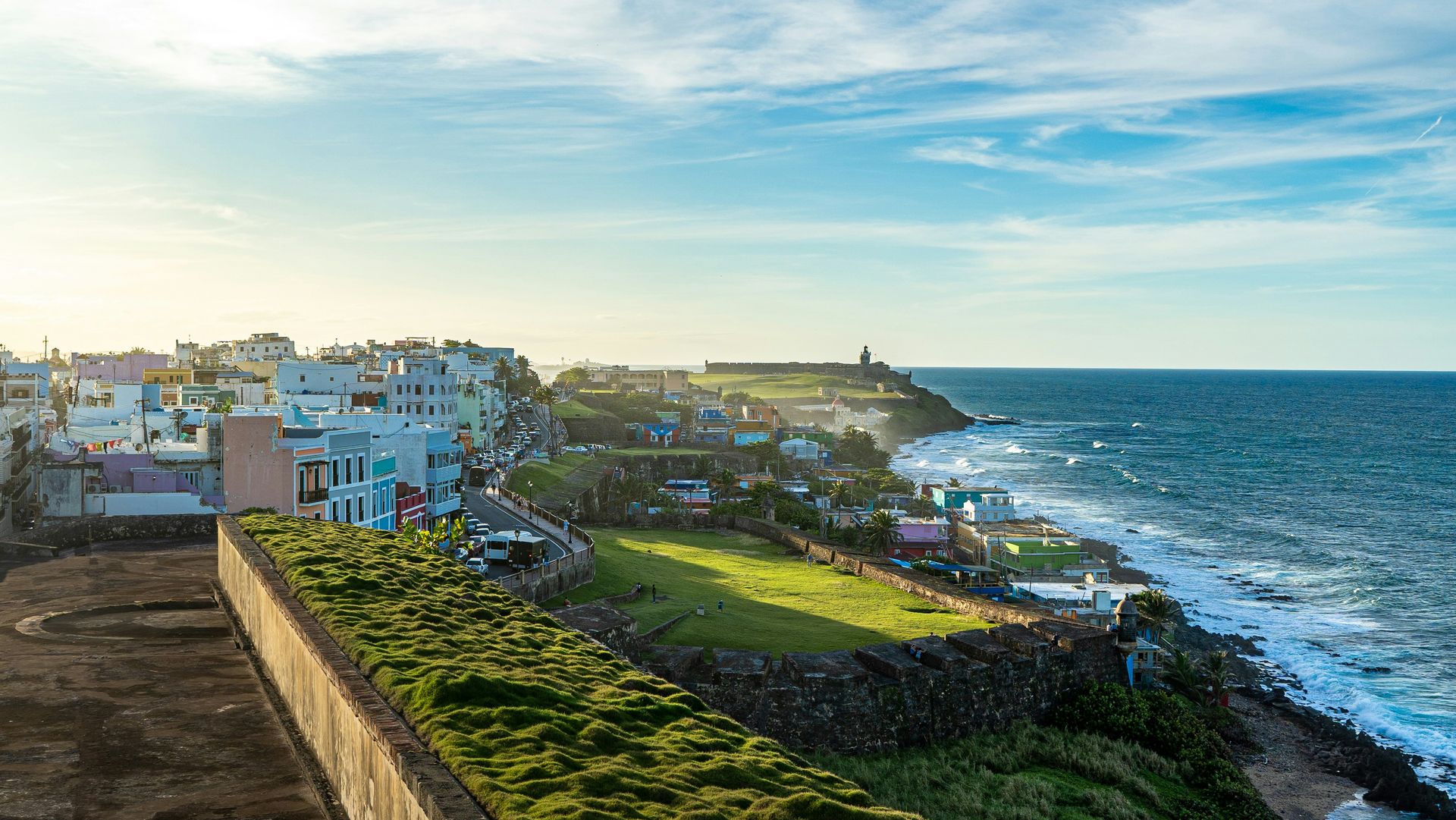
Puerto Rico is the retirement destination that most directly removes the complications of international relocation: as a U.S. territory, it requires no visa, permits property ownership without restriction, accepts Medicare, and uses the U.S. dollar as its currency. For the American retiree who wants the Caribbean climate, warm water, and the slower pace of island life without the legal and bureaucratic complexity of moving to a foreign country, Puerto Rico offers the clearest path to that outcome.
The Individual Investors Act gives financially eligible retirees a specific tax advantage: residents who spend at least half the year in Puerto Rico pay no Puerto Rican or federal income tax on dividends, interest, and capital gains earned while resident. The details of this program’s qualification requirements and ongoing status are worth verifying with a tax advisor before relying on them in retirement planning, but for the retiree whose income is heavily weighted toward investment returns, the potential tax benefit is substantial.
The cost of living is lower than in most of the U.S. mainland, and rent is specifically cited as advantageous relative to comparable mainland coastal markets. Healthcare is widely available, particularly near major cities, and outdoor activities, nightlife, and food culture give Puerto Rico a social richness that the smaller, more remote Caribbean islands cannot match at the same density. The hurricane risk and tropical humidity are real trade-offs that require acknowledgment, and the infrastructure damage from major storms in recent years has affected service reliability in some parts of the island. The prospective retiree who visits before committing will encounter these realities directly. Puerto Rico’s food and music culture, which draws on Spanish, African, and indigenous Taíno traditions in a synthesis specific to the island’s history, gives the cultural environment a richness that the purely resort-oriented Caribbean retirement destinations do not provide at the same depth of lived, community-rooted, and historically grounded local tradition.
3 / 10
3. Isla Mujeres offers laid-back Caribbean living near Cancun
-1920x1280.jpg)
Jose Vazquez / Unsplash
Isla Mujeres is a small island in the Caribbean Sea off the coast of the Yucatán, accessible by ferry from Cancun in under 30 minutes. The island’s transition from fishing village to popular tourist destination has given it a commercial infrastructure appropriate to the retiree who wants services and social activity without the scale and congestion of a resort city, and the laid-back culture that the source specifically identifies as the island’s defining character gives the daily pace a specific quality that the busier Caribbean destinations have sacrificed to their tourism economies.
Temporary resident visas are available through modest financial qualifications and can be renewed for periods of one to four years, after which permanent residency becomes available through proof of income or savings. The Mexican peso is the official currency, but U.S. dollars are widely accepted, given the large tourist population, and the exchange rate gives the dollar-earning retiree a practical cost reduction in everyday purchases. Rentals are available across a range of prices, and property ownership is permitted under Mexican law.
Healthcare on the island includes pharmacies, doctors, and a hospital, and the proximity to Cancun gives the retiree who needs specialist care or hospital services a practical transport option that more remote islands cannot provide. Spanish is the primary language, but English is widely spoken enough that non-Spanish speakers can function in daily life; learning Spanish is both respectful and practically useful for deeper integration into the local community. The island’s small size, at roughly five miles by one mile, gives it a walkability and social intimacy that larger retirement destinations distribute across too wide a geography for the daily pedestrian lifestyle that the island’s flat terrain and compact layout make entirely practical. The snorkeling, diving, and fishing in the surrounding Caribbean waters provide the outdoor program's primary activity, and the proximity to Cancun’s more comprehensive medical and commercial infrastructure gives the retiree a practical safety net that genuinely remote islands cannot offer.
4 / 10
4. Barbados provides English-speaking Caribbean stability
Tom Jur / Unsplash
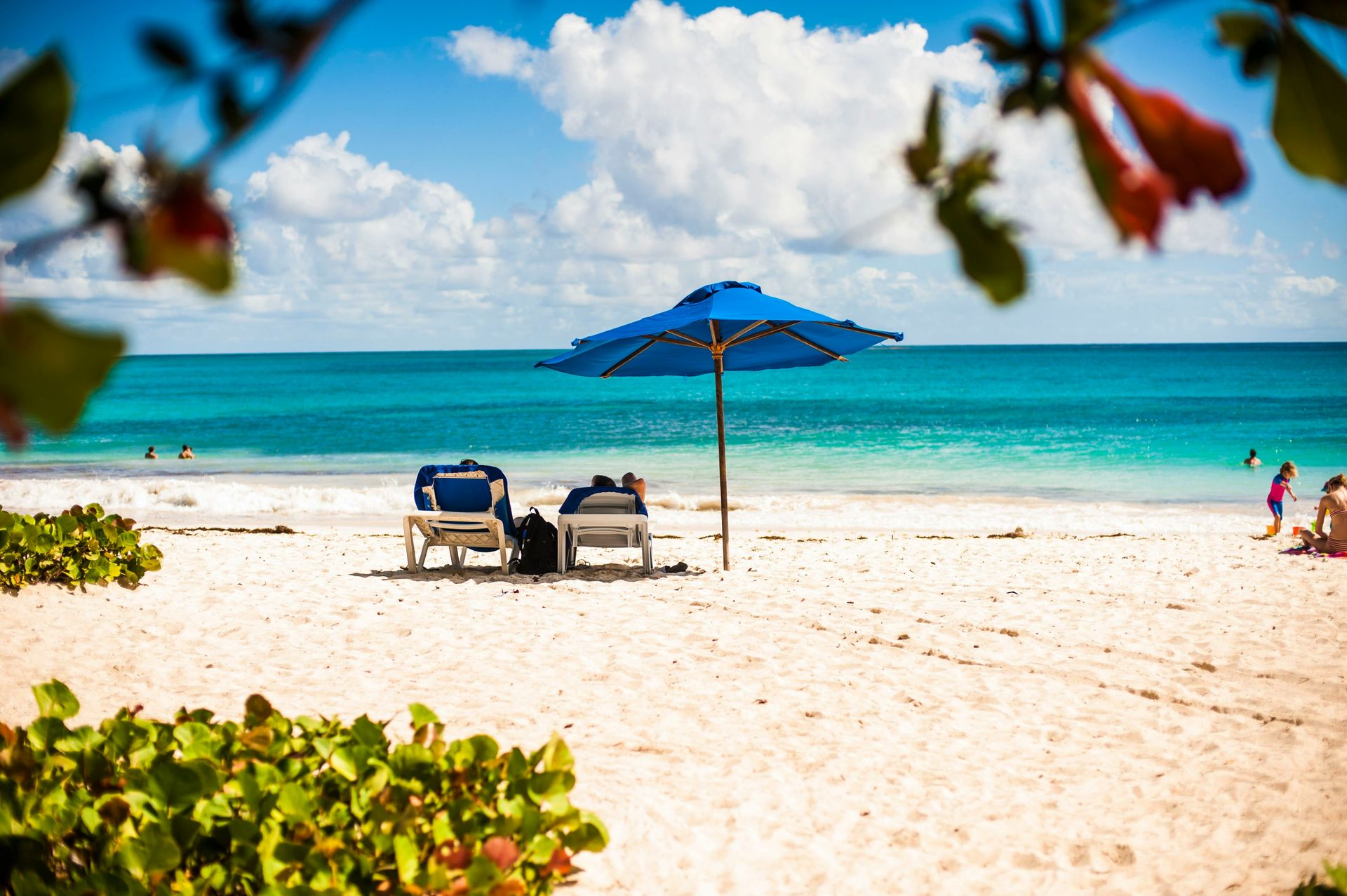
Barbados is a former British colony that retained Commonwealth membership after independence in 1966, and the institutional infrastructure this history produced gives the island a governmental and legal stability that makes it one of the most practically reliable Caribbean retirement destinations. English is the official language, and many businesses accept U.S. dollars alongside the Barbadian dollar, which gives the American retiree a currency familiarity that reduces the daily friction of adapting to a foreign financial system. The island’s position in the eastern Atlantic, away from the main hurricane belt, gives it a weather risk profile more favorable than the more westerly Caribbean islands.
Retirees over 60 can apply for Immigrant Status with proof of sufficient income, and after five years in residence, permanent residence becomes available through the same financial qualification process. Residents who spend more than half the year on the island are subject to income tax, but a large allowance for pensioners over 60 reduces the effective rate, and a tax advisor consultation for any international retirement move will clarify the individual implications.
The cost of living includes a specific complication imposed by the island’s geography: many imports face significant premiums to reach Barbados, which elevates the cost of goods that the island does not produce locally. The healthcare quality is excellent, and the expat community includes a substantial British retiree population whose social infrastructure provides an established English-speaking community for retirees to join, rather than build from scratch. The island’s food culture, which gives the local flying fish and cou-cou dish national significance specific to Barbadian identity, and the rum tradition, which has been produced on the island since the 17th century, give the daily pleasures of Barbadian life a specificity that the generic beach resort lifestyle does not. Oistins Fish Festival on Friday nights, where the fishing community sells the day’s catch cooked on-site while music plays in the open air, is the single most representative slice of Barbadian social culture available to the new arrival.
5 / 10
5. Mallorca offers retirees an active Mediterranean lifestyle
Shery Arturova / Unsplash
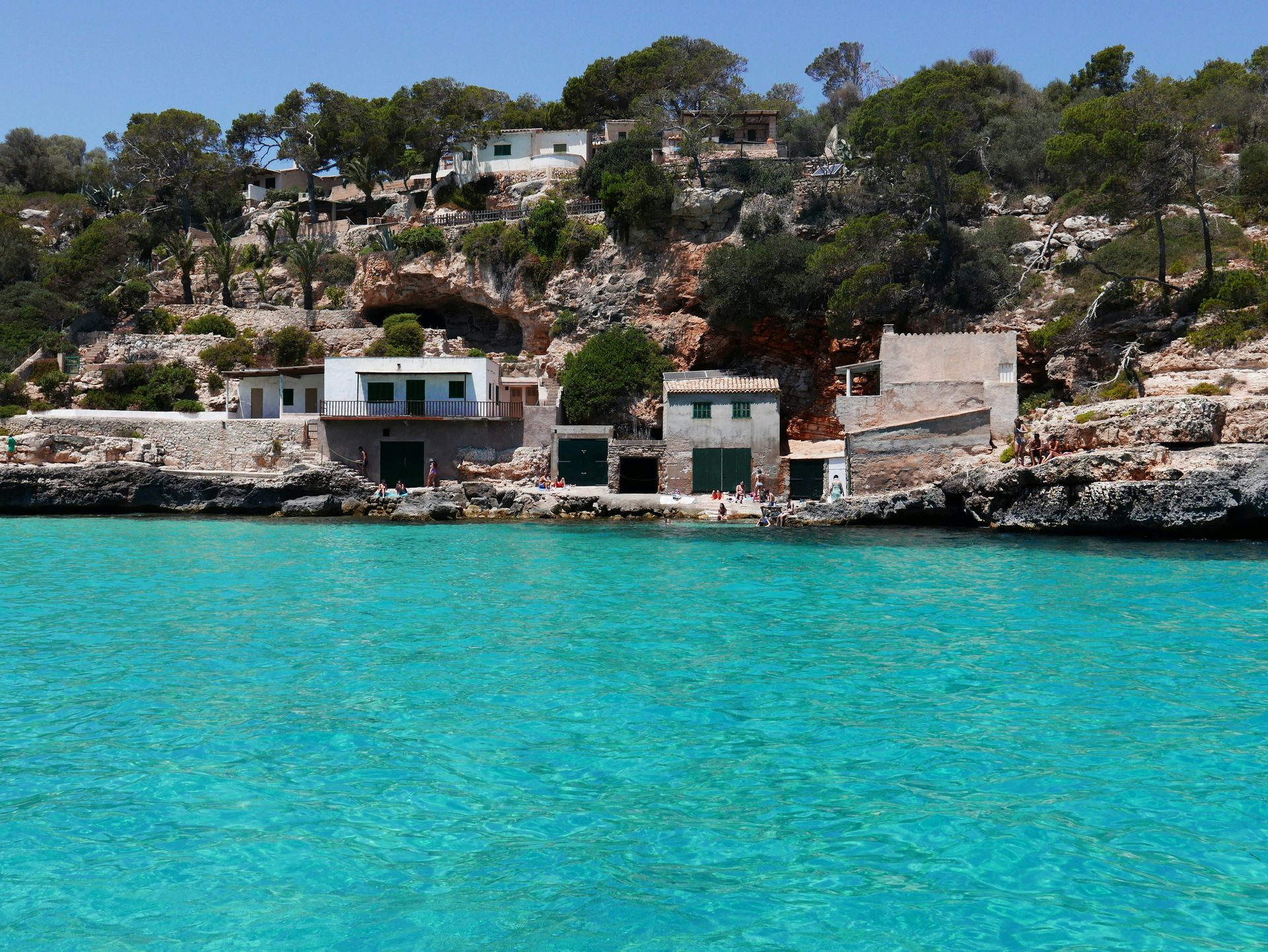
Mallorca is the largest of the Balearic Islands, sitting in the Mediterranean off Spain’s eastern coast, and it gives the retiree who wants a European Mediterranean retirement the most accessible and most service-rich version of that lifestyle available in the Spanish islands. Catalan is the official language, and Spanish is spoken alongside it. The large expatriate population from northern Europe, including a substantial number of German and British retirees, gives the island’s English-speaking social infrastructure a depth that smaller Mediterranean destinations do not offer.
The outdoor program is year-round and extensive: the Tramuntana mountain range in the island’s northwest, a UNESCO World Heritage cultural landscape, gives hikers and cyclists terrain whose difficulty and variety range from gentle coastal paths to serious mountain routes, and the beaches that line the southern and eastern coasts give the warm-weather months a beach culture whose quality has made Mallorca one of the most visited destinations in Europe. Cultural events, museums, and the restaurants of Palma give the urban cultural program a capital-city quality specific to the Balearic Islands' capital.
Healthcare is of excellent quality, and the cost of living is lower than in most U.S. cities, which gives the American retiree a standard of living that the dollar’s purchasing power in the euro zone supports. Long-term visas that allow residency are available under Spain’s non-lucrative visa program, and property purchase and rental are both widely available. The visa program’s specific requirements and current terms should be verified directly with the Spanish consulate, as the details of residency programs for non-EU nationals are subject to change. The island’s wine production in the Binissalem and Pla i Llevant appellations gives the retiree who drinks wine a local product whose quality competes with mainland Spanish alternatives, and the weekly markets that operate in the major towns, including Palma’s Mercat de l’Olivar, give the daily shopping experience a fresh-produce culture specific to Mediterranean island agriculture that the supermarket alternative does not replace in the same sensory terms.
6 / 10
6. The Big Island of Hawaii covers eight climate zones
Hari Nandakumar / Unsplash
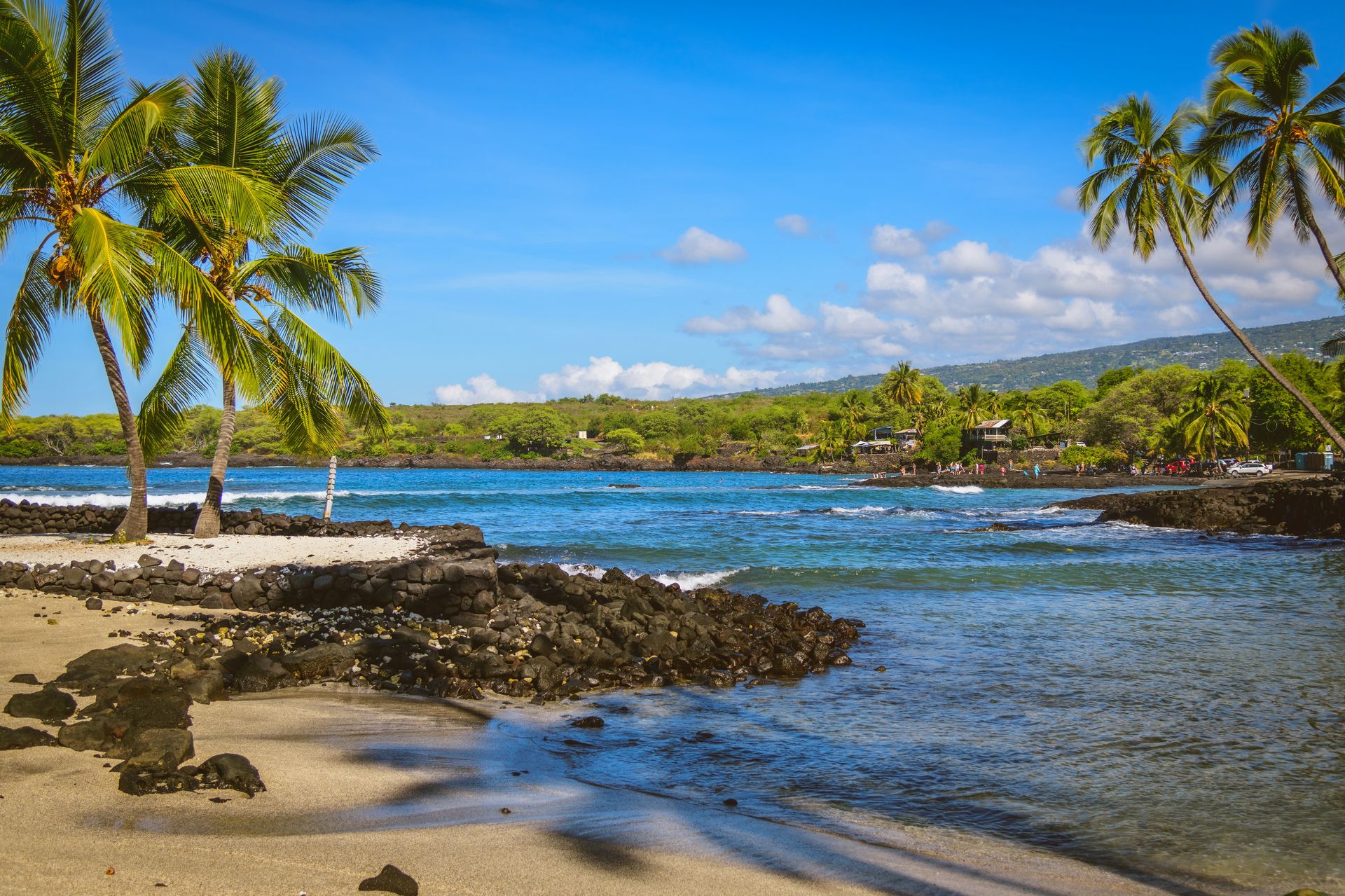
The Big Island of Hawaii gives the retiree who wants a dramatic Pacific island environment without leaving the United States a domestic option whose climate variety, natural spectacle, and state tax advantages make it a competitive retirement choice within the American geography. The island contains eight distinct climate zones, from the sunny, humid Kona coast to the wet, green Hilo side, and the high-altitude volcanic summit of Mauna Kea, giving the retiree who wants a specific climate the ability to select a location on the same island.
Hilo, on the island’s rainy windward east coast, is specifically recommended for the budget-conscious retiree: the lower tourism density on this side keeps real estate prices below the Kona coast equivalent, and the downtown’s commercial life and the University of Hawaii at Hilo campus give the social environment an active and intellectual program appropriate to an active retirement. Kailua-Kona on the dry west coast gives the retiree whose priority is sunshine and social activity the resort and entertainment infrastructure that tourist density produces.
Hawaii’s state tax structure gives retirees specific advantages: property and sales taxes are low, Social Security and most pension income are exempt from state income tax, and residents over 60 receive a homestead exemption that further reduces the property tax burden. Domestic legal simplicity, dramatic natural environment, tax advantages, and the specific cultural richness of Hawaiian island life give the Big Island a retirement case that no mainland U.S. state can make in the same terms. The Hawaii Volcanoes National Park, which contains two active volcanoes and gives visitors direct access to lava flows, lava tubes, and volcanic craters, provides a natural spectacle of a kind unavailable anywhere else in the United States. The island’s cultural programs, including hula schools, Hawaiian language revival efforts, and traditional fishpond restoration projects in which volunteers participate, offer the retiree seeking community engagement a range of meaningful participation options specific to the place.
7 / 10
7. Penang Island draws retirees with low costs and English
Abdelrahman Ismail / Unsplash
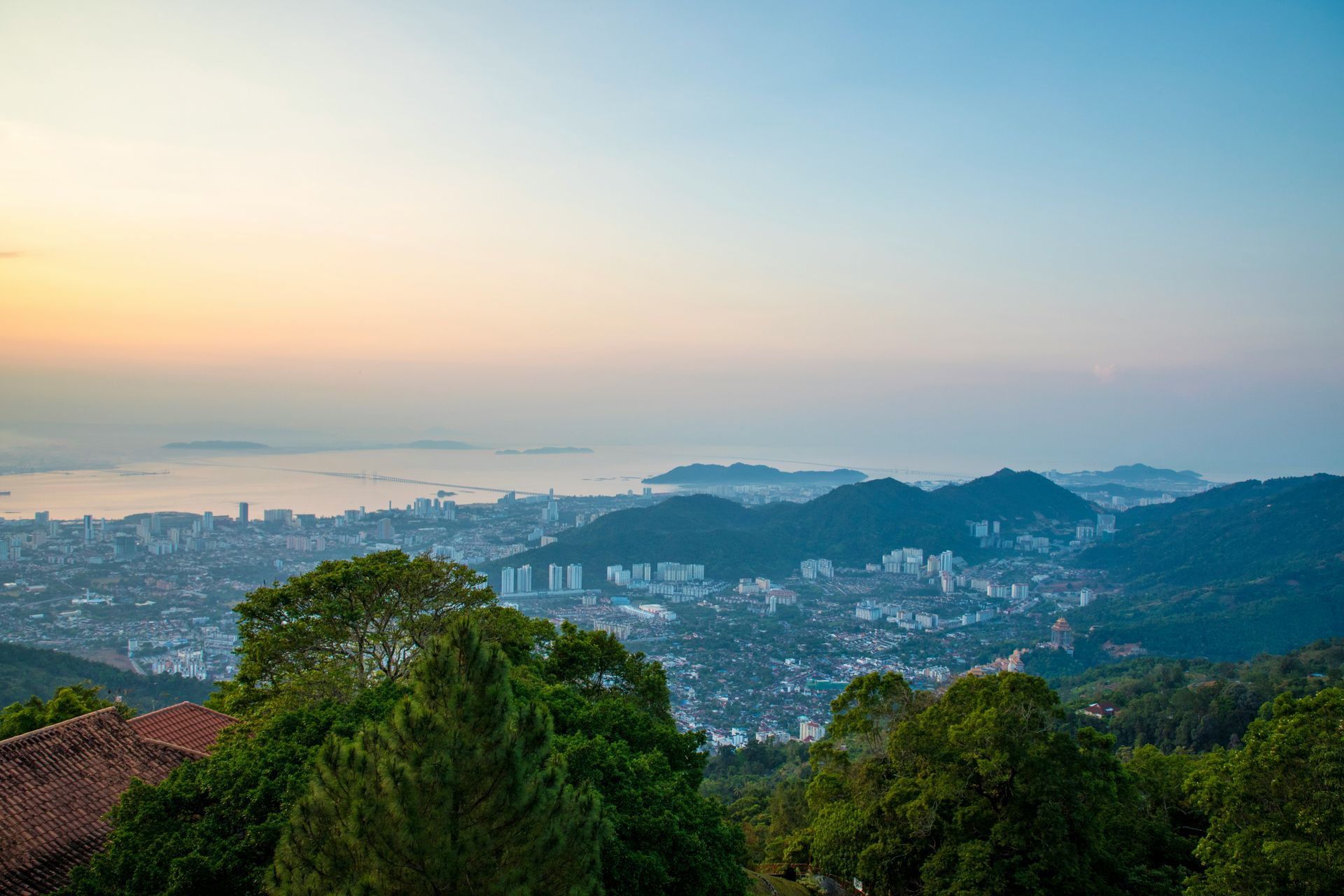
Penang Island sits off the west coast of the Malaysian peninsula and gives the retiree willing to move to Southeast Asia the most cosmopolitan, English-friendly, and practically accessible entry point into the region’s retirement landscape. George Town, the island’s capital and a UNESCO World Heritage city, gives the Penang retirement a specific urban sophistication: the city’s shophouse architecture, Chinese temples, Indian mosques, and British colonial buildings give it a multicultural visual identity specific to the intersection of trading cultures that built this port city over centuries. English is widely spoken as a legacy of British colonial administration, and the island's internationally recognized food culture adds a specific pleasure to the daily eating experience, reflecting this geographic and cultural convergence.
The Malaysia My Second Home Programme offers qualifying retirees a renewable multi-year, multiple-entry social visit visa, and its financial requirements should be verified directly with the Malaysian government, as the program’s specifics have changed over recent years, and the current terms should not be assumed from older sources. The tax structure gives residents a specific advantage: pension and investment income are not subject to Malaysian income tax once residency is established.
Kuala Lumpur, a short flight from Penang, gives the island retiree access to a major international airport, a sophisticated urban healthcare system, and a broader commercial infrastructure for occasions when the island’s own resources do not cover a specific need. The ultra-low rents for modern apartments that the source identifies as a primary draw of Penang reflect a real market condition that the prospective retiree should verify through current research, as rental markets in popular expat destinations adjust over time. George Town’s UNESCO recognition reflects the quality of its architectural heritage, and the street art, traditional crafts, and hawker food culture that animate the city’s daily life give the retired urban explorer a cultural program whose depth and daily accessibility are disproportionate to the island’s compact physical size and total permanent population.
8 / 10
8. U.S. Virgin Islands skip retiree paperwork entirely
Karl Callwood / Unsplash
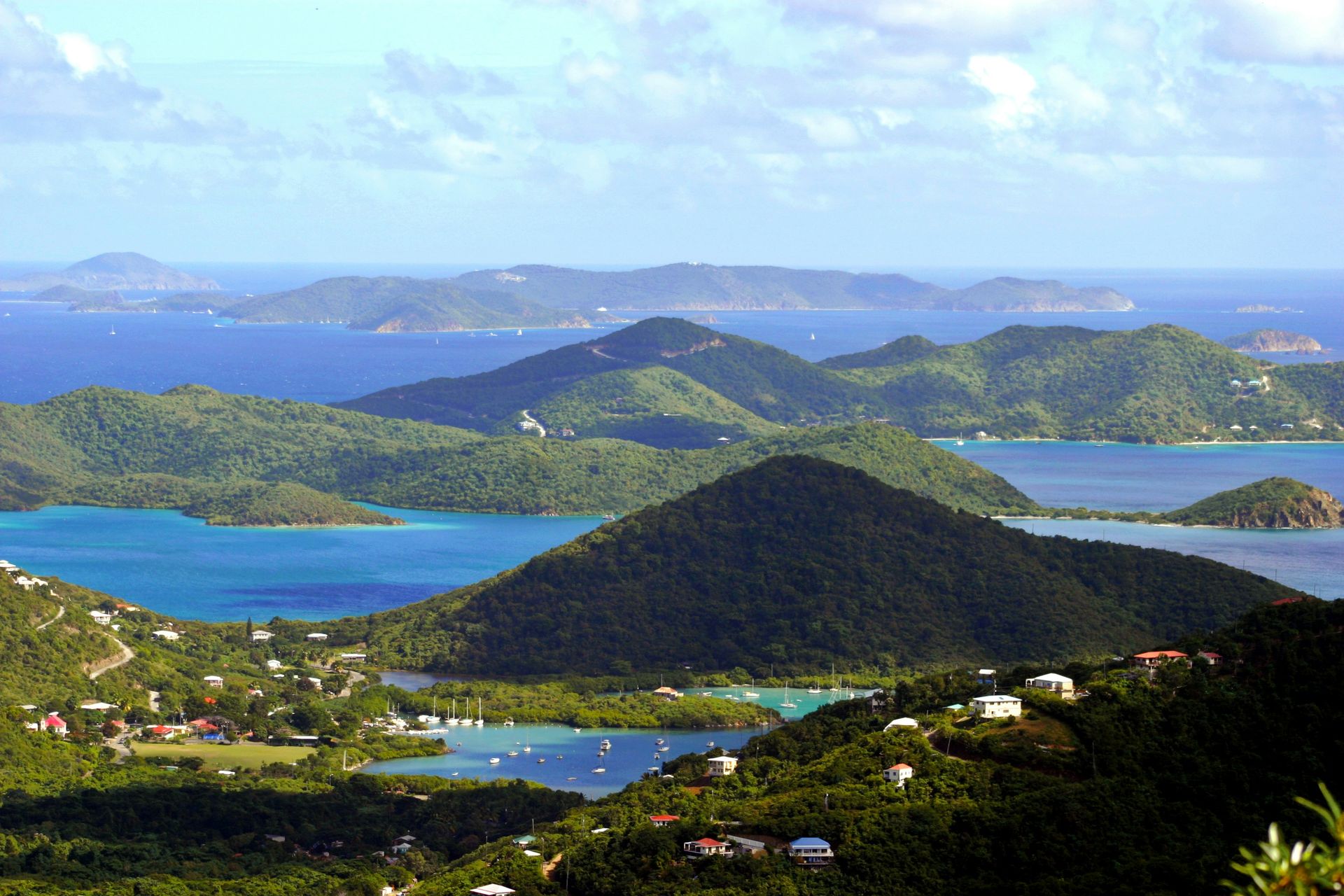
The U.S. Virgin Islands give the American retiree moving to the Caribbean the same legal simplicity that Puerto Rico provides: no visa, no passport, no application, Medicare accepted, and U.S. dollars as the currency. The three main islands, St. Thomas, St. Croix, and St. John, give the retiree a choice between St. Thomas’s more populated, resort-and-nightlife-oriented character, and the quieter, more residential atmospheres of St. Croix and St. John, whose lower commercial density gives the daily pace a slower quality that some retirees specifically seek.
The white-sand beaches, coral reefs, rainforests, and the specific Caribbean island culture that the Virgin Islands have developed over centuries of Danish, British, and American influence give the natural and cultural environment its range. St. Croix, the largest island, has a more local residential character and a food and arts scene that reflects the Caribbean cultural depth specific to an island with a long permanent population. St. John, much of whose land is protected as a national park, offers a nature-focused retiree a hiking and snorkeling environment that is preserved from the commercial development other Caribbean retirement destinations have experienced.
The cost of living is high relative to the U.S. mainland, and the annual hurricane season poses the same preparation and practical adjustments as across the Caribbean. Domestic legal simplicity and genuine Caribbean island character, however, give the USVI a specific retirement argument that the international Caribbean alternatives cannot replicate for the retiree who prioritizes the absence of foreign residency complexity above all other factors. The three islands’ distinct personalities give the USVI retiree the ability to choose between them without changing country: St. Thomas for the most urban and commercially active retirement, St. John for the most nature-focused, and St. Croix for the most locally rooted and culturally specific Caribbean residential experience of the three, where the plantation history and the West Indian architectural heritage give the island a distinctive cultural identity.
9 / 10
9. The Dominican Republic leads the region in retiree value
Zen zeee / Unsplash
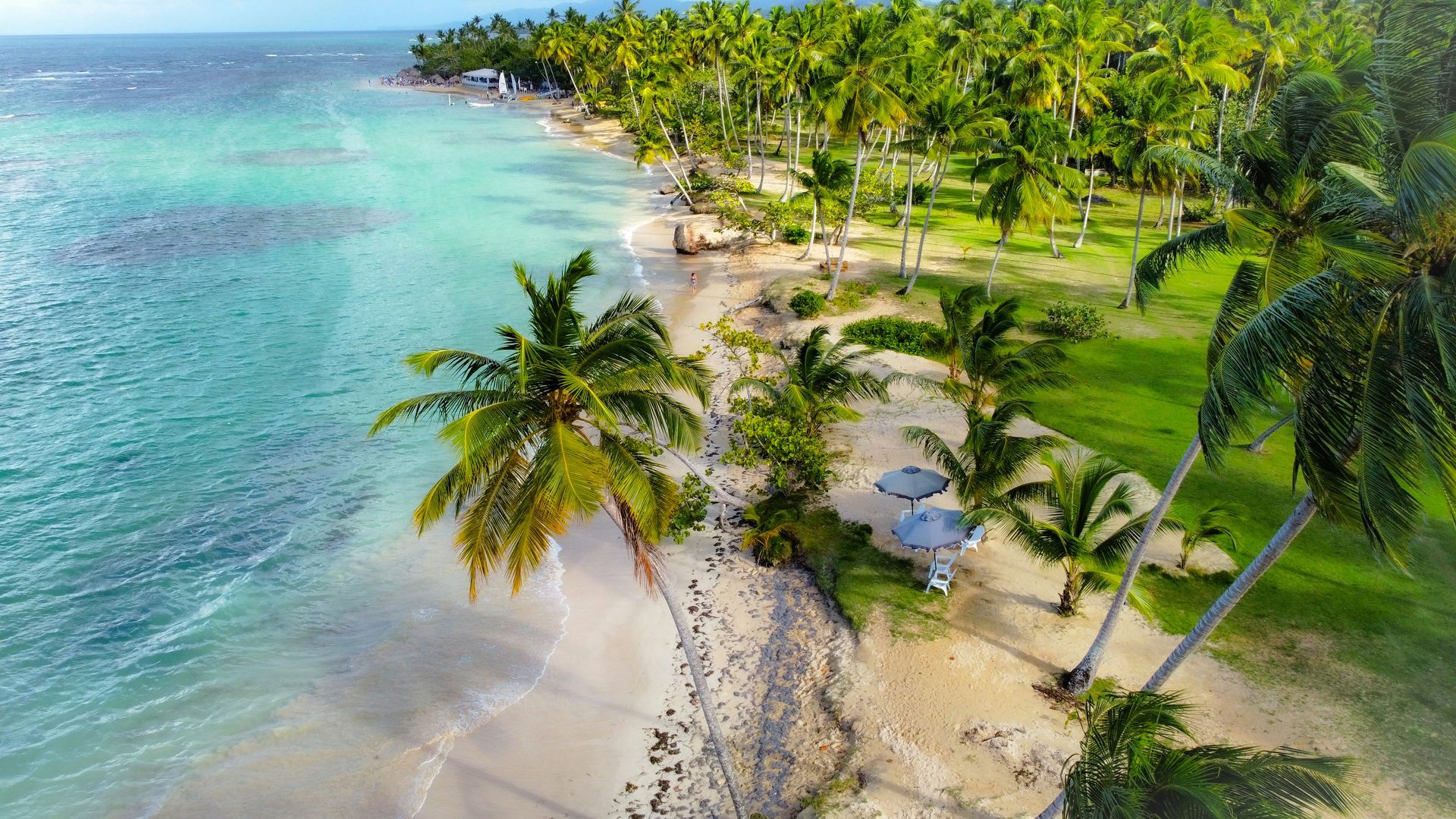
The Dominican Republic occupies the western portion of Hispaniola, alongside Haiti, and offers the budget-conscious Caribbean retiree the most affordable major island destination in the region. Two hours by plane from Miami, the country is easy to reach, and recent upgrades to airports, highways, and roads have improved the practical infrastructure that a retiree who moves here daily will encounter. The pensioners’ visa provides retirees with a long-term residency pathway, with modest financial qualification requirements relative to other Caribbean retirement visa programs.
Most expatriate retirees live in Santo Domingo or Santiago, or in the tourist town of Punta Cana, which gives the retiree the choice between the capital’s urban infrastructure, a regional city’s quieter pace, or a purpose-built resort community’s amenity concentration. Private medical insurance is required, as Medicare and Medicaid do not cover retirees living outside the U.S., and private hospitals in major cities are generally of higher quality than public facilities. The insurance should include coverage for medical evacuation or transfer to a larger medical center for serious conditions, as the source specifically recommends.
The tropical climate, beaches, watersports, and outdoor activities give the retirement environment its pleasures, and the relatively low cost of living on a U.S. dollar-denominated income gives the retiree a purchasing power that most other Caribbean destinations on this list do not offer at the same level. The Spanish language barrier requires either a willingness to learn or a commitment to living primarily within the expat community, both of which are legitimate choices whose implications the prospective retiree should think through before making the move. The D.R.'s food culture, centered on rice, beans, and the slow-cooked meats that La Bandera Dominicana, the national dish, represents, gives daily eating a specific and affordable pleasure that the resort-hotel food corridor of Punta Cana does not represent in the same terms as the local restaurants of Santo Domingo and Santiago.
10 / 10
10. Turks and Caicos hold tax-free status on pristine reefs
Nicole Keller / Unsplash
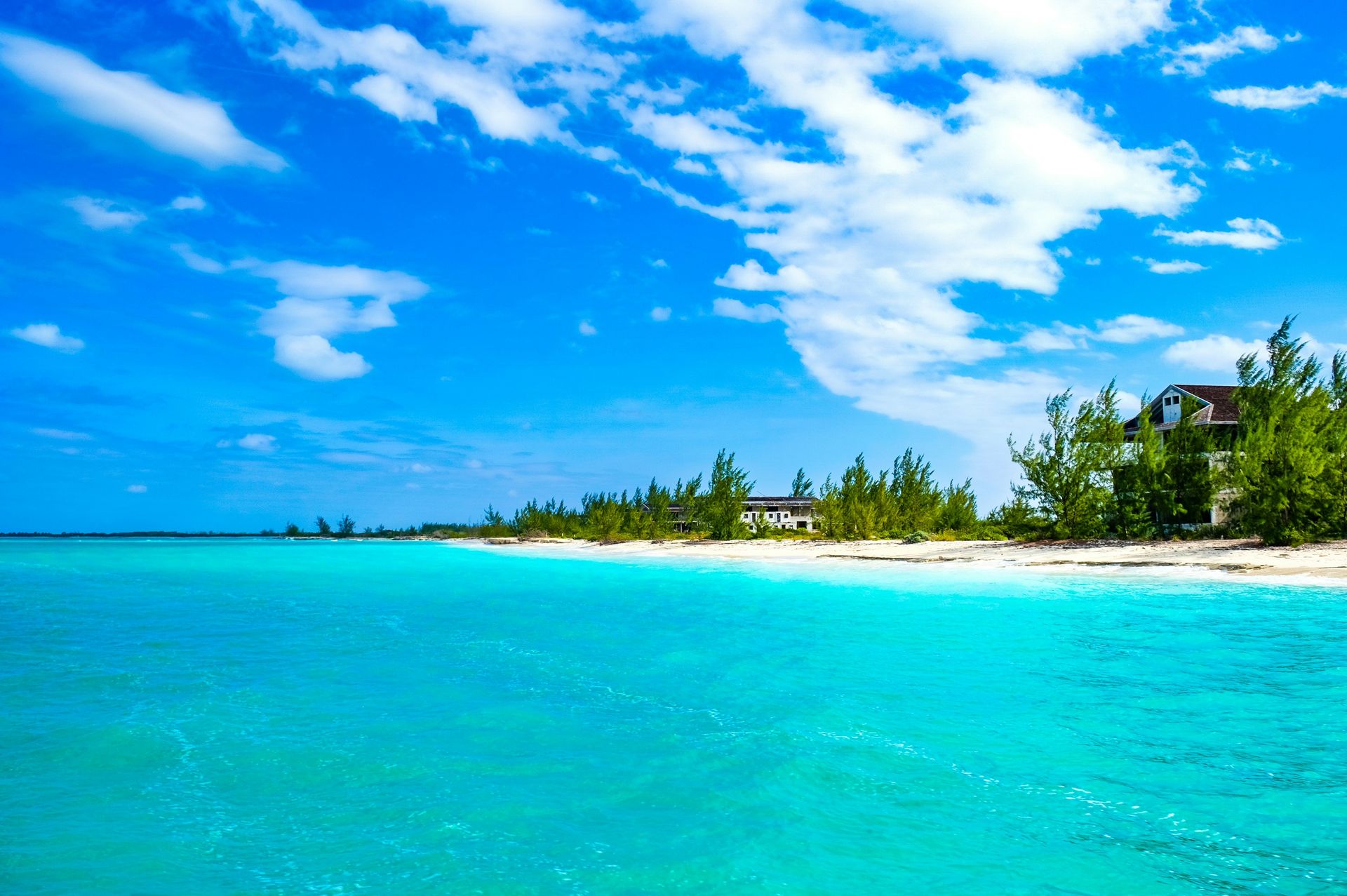
Turks and Caicos is a British Overseas Territory in the Atlantic, and Providenciales, its most developed and most populous island, offers the retiree who can afford the high cost of living a natural environment and tax structure available at few other destinations. The coral reefs that surround the islands are among the most pristine in the Atlantic, and the snorkeling and diving they support give the outdoor program a natural quality that the larger Caribbean destinations, whose reefs have experienced more pressure from tourism, cannot consistently match. White-sand beaches with year-round temperatures in the 80s Fahrenheit and a relatively dry climate give the weather profile a specific stability.
The tax structure is the destination’s most distinctive financial attribute: no taxes on income, capital gains, or inheritance give the retiree whose wealth is invested a zero-tax residency environment, a financial value for a high-net-worth individual that is the primary argument for the destination. Temporary residence permits are available, and permanent residency can be earned through the residence-by-investment program, which requires purchasing real estate above a specified threshold. Property ownership is unrestricted, and modern medical facilities are available; however, private insurance that includes transportation to a larger medical center is advisable, given the island’s limited hospital infrastructure relative to the U.S.
The high cost of living is the qualifying condition that limits the Turks and Caicos retirement to a specific financial profile. The retiree for whom cost is not the primary concern and who prioritizes tax-free status, a pristine natural environment, and a small, resort-quality island community will find Providenciales the most complete available answer to that specific retirement brief. The Turks and Caicos National Museum on Grand Turk, the territory’s historic capital island, gives the history of these islands a public presentation that the Providenciales resort focus does not, and the day trip between the two islands gives the Providenciales retiree a cultural dimension beyond the beach that the island’s own commercial development does not provide.
