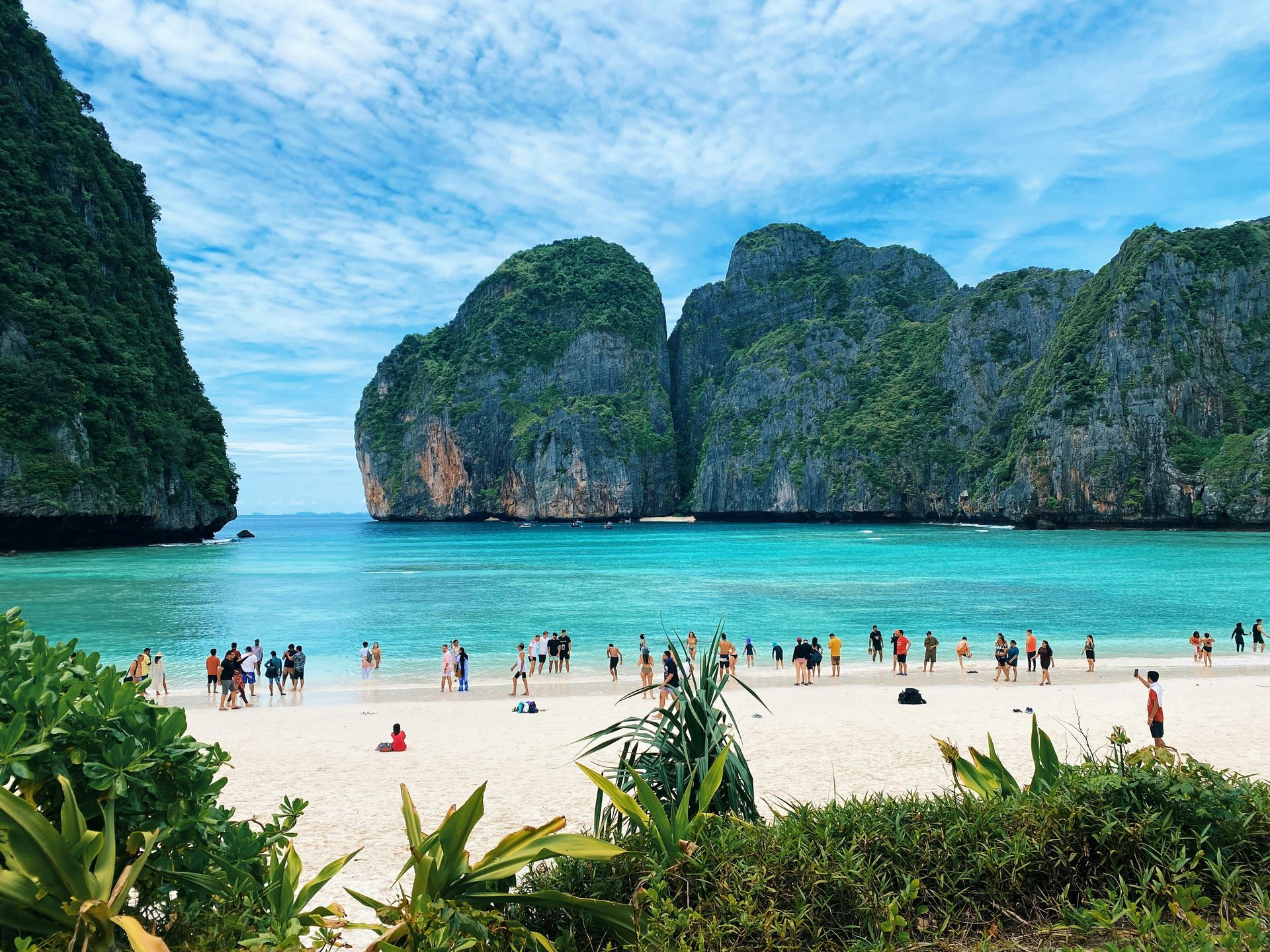
From the Galápagos' wildlife found nowhere else on Earth to Dominica's year-round sperm whales and volcanically heated Boiling Lake
-1920x1439.jpg)
Humphrey M / Unsplash
A great island vacation looks genuinely different depending on who’s actually planning the trip, whether that means a luxury escape, a thrilling wildlife adventure, or simply a comfortable chair planted on a white-sand beach somewhere quiet. Travel + Leisure readers weighed in on their favorite islands worldwide as part of the publication’s annual World’s Best Awards survey, and the results reflect just how many different things a single island can offer at once to genuinely different kinds of travelers.
Some of these islands earn their reputation through cultural heritage and living tradition, others through pristine ecological landscapes and genuinely rare wildlife, and still others through simply having some of the clearest water anywhere on Earth. Several manage to deliver all three at once, giving travelers a genuinely hard decision when they actually sit down to plan a trip around any single one of these destinations rather than several at once.
The 10 islands below appear in Travel + Leisure, based on the publication’s annual reader survey ranking the world’s most beloved island destinations. Together they span six continents’ worth of ocean, from the Indian Ocean to the Caribbean to the South Pacific. Some readers gravitated toward islands known primarily for rare, protected wildlife; others toward archipelagos built around world-class diving and reef access; and still others toward destinations where a living cultural tradition shapes daily life just as much as the surrounding scenery. This range reflects just how differently people define an ideal island vacation, and it also means the specific reasons any one of these 10 destinations earned a spot on this list vary considerably from one entry to the next, giving future travelers a genuinely useful way to match a destination to their own particular priorities. Reading through all 10 with that in mind tends to work better than simply chasing whichever island ranked highest overall.
Yavor Punchev / Unsplash
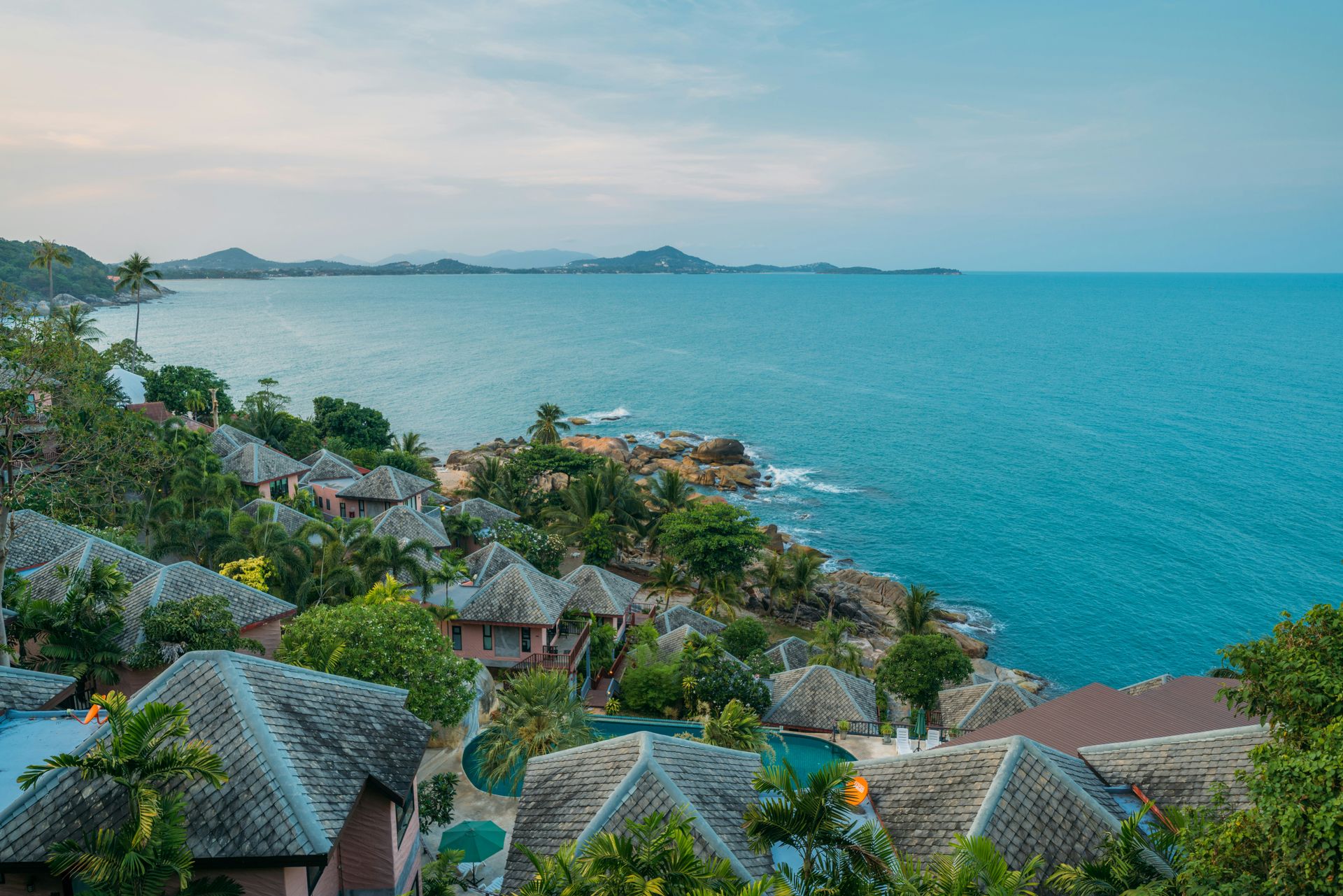
Koh Samui, Thailand’s second-largest island, sits off the east coast of the Kra Isthmus and offers something for every kind of traveler. Lush green rainforest covers most of the island’s land mass, hiding stunning waterfalls and lagoons alongside elephant sanctuaries and sweeping views over the beaches and neighboring islands. Visitors can kayak the turquoise waters of Chaweng Beach or visit Wat Phra Yai, known locally as the Big Buddha Temple, to see a magnificently imposing 39-foot-tall Buddha statue up close.
The island has also grown considerably as a wellness destination in recent years, and properties such as Banyan Tree Samui offer genuinely world-class spa treatments set against the island’s natural scenery. Visitors consistently describe Koh Samui as a place that delivers both natural splendor and genuinely pampering hospitality in the same trip, a combination that keeps drawing repeat visitors back year after year.
Surveyed travelers specifically praised the sheer variety of restaurants and activities scattered across the island, as well as the friendly, easygoing character of the local people they encountered throughout their stay. Many described Koh Samui as the kind of place that sparked a genuine love of travel altogether, crediting the island specifically for shifting how they thought about vacation planning going forward.
Travelers $TRV weighing Koh Samui against Thailand’s other island destinations should factor in its genuine range of experiences, from rainforest hiking to temple visits to full-service spa days, all available within a single, relatively compact island. This breadth gives Koh Samui an unusually broad appeal compared with islands built around a single signature activity or landscape. Ferries and short domestic flights from Bangkok or Surat Thani both reach the island easily, giving travelers genuine flexibility in how they arrive. The dry season runs roughly from December through April, giving travelers the clearest skies for exploring both the beaches and the interior rainforest waterfalls. The southwest monsoon between October and December brings the heaviest rainfall, so travelers hoping to avoid downpours should plan around that window.
-1920x1080.jpg)
Mike Swigunski / Unsplash
Almost 1,200 small coral islands spread across 26 atolls make up the Maldives, though only about 100 of them function as private resort islands where visitors can actually stay, alongside roughly 200 locally inhabited islands open to visitors exploring beyond the resort properties. Coral reefs throughout the archipelago host abundant marine wildlife, including reef sharks, octopuses, and sea turtles, all visible to snorkelers and divers exploring the surrounding waters.
Visitors staying at properties such as the Taj Coral Reef Resort and Spa Maldives consistently describe the setting as breathtakingly beautiful, with crystal-clear water, vibrant coral reefs, and pristine white beaches that look genuinely unreal in person, closer to a postcard than an actual place someone can visit. This reaction holds up across nearly every resort scattered throughout the archipelago, regardless of which specific island a traveler happens to choose.
Beyond simply relaxing at a resort, visitors can snorkel, dive, and surf, and access some of the world's best spa facilities, giving the Maldives genuine appeal well beyond its famous overwater bungalows and turquoise waters. Few destinations anywhere combine this much natural beauty with such a consistently high standard of hospitality across nearly every property on offer.
Travelers $TRV planning a Maldives trip should research which specific atoll and resort best match their priorities, since the experience can vary meaningfully depending on proximity to the airport, reef access, and overall resort style. This research pays off considerably, given how much the Maldives experience can shift from one island to the next within the same broader archipelago. Seaplane or speedboat transfers connect Velana International Airport to individual resort islands, and travelers should factor in the transfer time when planning their overall trip length. The northeast monsoon between December and April typically brings the calmest seas and clearest underwater visibility for snorkelers and divers exploring the surrounding reefs. Travelers should also confirm whether their chosen resort island requires a seaplane transfer, as these flights operate only during daylight hours and can be expensive.
-1920x1280.jpg)
Andy Brunner / Unsplash
The Galápagos Islands sit roughly 600 miles off the coast of Ecuador, functioning as untouched, heavily protected wildlife sanctuaries for good reason: the archipelago holds thousands of animal species, the majority of which exist nowhere else on Earth. The islands are designated a UNESCO Natural Heritage Site for Humanity, and Galápagos National Park is separately recognized as a UNESCO Biosphere Reserve, reflecting the sheer ecological significance of this archipelago.
Nature this genuinely pristine simply doesn’t exist anywhere else in the world, making the Galápagos a once-in-a-lifetime destination for travelers of essentially any age or interest level. Luxurious eco-friendly resorts and beautiful beaches do exist throughout the islands, though the real draw extends considerably beyond simple beach relaxation into genuinely rare wildlife encounters found nowhere else on the planet.
Travelers $TRV consistently point toward the islands’ lush highlands, working local ranches, dramatic volcanic landscapes, and pristine coastlines as the destination’s defining features, describing the entire archipelago as a genuine natural wonder unlike anywhere else they’ve visited. This description holds true regardless of which specific island a traveler explores, since the ecological richness is fairly evenly distributed across the entire archipelago.
Visitors planning a Galápagos trip should book with a reputable, environmentally responsible tour operator well in advance, since strict conservation regulations throughout the islands limit how many visitors can access certain sites at any given time. This advance planning matters considerably more here than at most other destinations on this list, given how tightly regulated visitor access remains throughout the protected archipelago. Most visitors fly into Baltra or San Cristóbal from mainland Ecuador before boarding a small expedition ship or settling into a land-based itinerary. The warmer, wetter season from December through May brings calmer water for snorkeling, while the cooler, drier months from June through November favor wildlife viewing on land. Booking a naturalist guide certified by the Galápagos National Park Directorate remains mandatory for most land excursions, adding a genuine layer of expertise to every hike.
Katarzyna Zygnerska / Unsplash
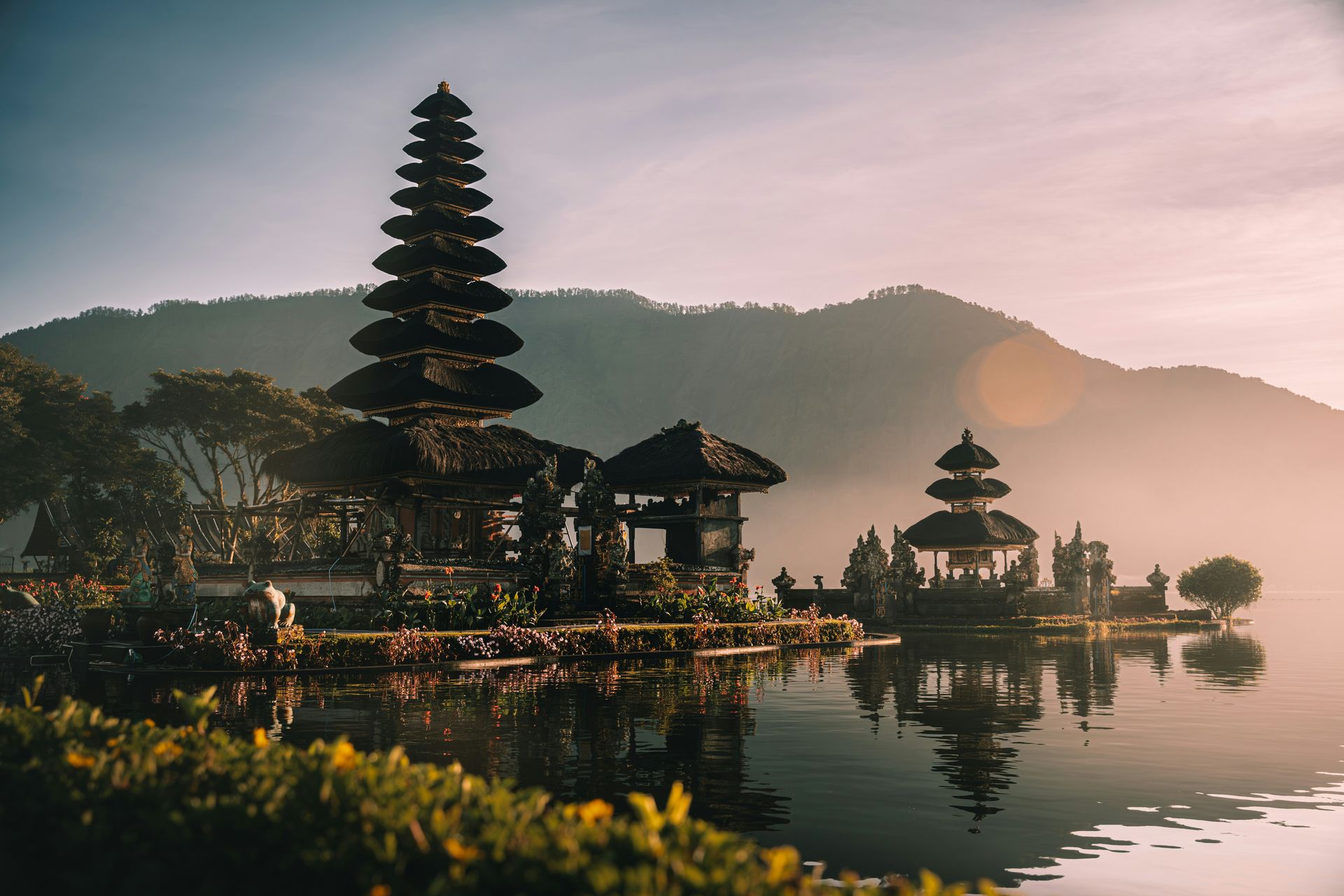
Bali is nothing short of an idyllic paradise, ranking among the world’s top destinations for yoga and wellness and home to several world-renowned retreat centers, alongside a rich Hindu cultural heritage that shapes daily life across the island. The island also ranks among the most naturally beautiful places in the world, with the sunrise view from the summit of Mount Batur, an active volcano in the island’s northeast, standing out as a particularly striking example.
Visitors can bike through the terraced rice fields at Tegallalang Rice Terrace, visit the Sacred Monkey Forest Sanctuary in Ubud, or shop for local arts and crafts at Sukawati Market, giving travelers a genuine variety beyond the island’s famous beaches. Thousands of Hindu temples scattered throughout Bali give visitors plenty to explore between beach days, and Ubud Water Palace ranks among the most consistently recommended stops for first-time visitors.
Travelers $TRV consistently describe Bali’s beaches and waterfalls in genuinely dazzling terms, and the pairing of natural scenery with the island’s deep cultural and spiritual traditions gives Bali a considerably different character than a typical beach-only tropical destination. This layered identity helps explain why Bali continues to rank among the world’s most consistently beloved island destinations year after year.
Visitors planning a Bali trip should build in time for both temple visits and natural sightseeing, since focusing purely on beaches risks missing much of what actually makes the island culturally distinct. Renting a scooter or hiring a driver for a day trip through the northeast region gives visitors genuine access to Mount Batur and the surrounding volcanic landscape beyond the more heavily visited southern beaches. Ngurah Rai International Airport near Denpasar serves as the main gateway, with driving times to Ubud or the northeast running roughly one to two hours, depending on traffic. The dry season from April through October typically delivers the most reliable weather for climbing Mount Batur and exploring the island’s rice terraces without rain interrupting the day.
Alessandro Russo / Unsplash
Seychelles has earned top honors as one of Travel + Leisure readers’ favorite islands in Africa and the Middle East for five consecutive years, and this 115-island archipelago in the Indian Ocean, positioned north of Madagascar, functions as a genuine multicultural paradise. British, French, East African, South Indian, and Chinese influences are evident throughout the archipelago’s architecture and cuisine, particularly in the capital city of Victoria on Mahé Island.
Seychelles has six national marine parks, including Ile Cocos, the most popular snorkeling spot in the archipelago, and two separate UNESCO World Heritage Sites that recognize the islands’ ecological and cultural significance. Vallée de Mai Nature Preserve on Praslin Island offers a lush green jungle experience and is home to the endangered Seychelles black parrot, a species found nowhere else on Earth.
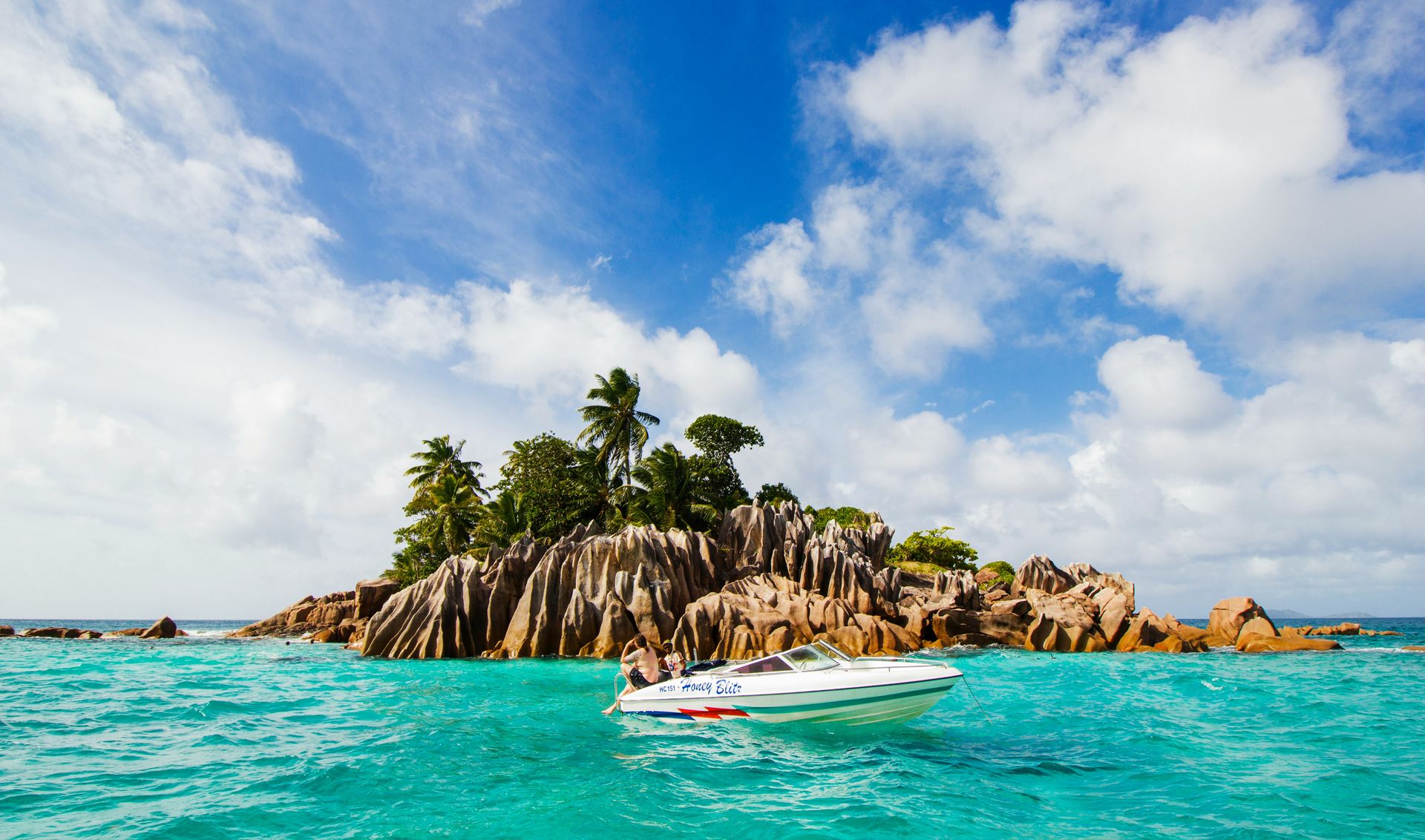
Visitors consistently describe Seychelles for its extraordinary natural beauty, with many calling it one of the most beautiful places they’ve ever visited in a lifetime of travel. Anse Source d’Argent beach on La Digue Island offers genuine proof of that reputation, since its distinctive granite boulders create scenery that looks almost cinematic, closer to a movie set than an actual public beach.
Travelers $TRV planning a Seychelles trip should build time into their itinerary for island-hopping beyond Mahé specifically, since much of the archipelago’s most striking scenery, including La Digue’s granite beaches and Praslin’s nature preserve, sits on separate islands reachable by boat or small plane. This extra travel time rewards visitors with a considerably fuller sense of just how varied this particular archipelago actually is. Domestic flights and ferries connect Mahé to Praslin and La Digue, and travelers should budget at least a few days specifically for island-hopping beyond the main airport hub. The calmer months between April and May or October and November typically offer the most reliable conditions for both beach days and inter-island boat travel. Travelers should also budget extra time for inter-island ferries, since schedules run less frequently than a typical mainland public transit system.
Nik Schmidt / Unsplash
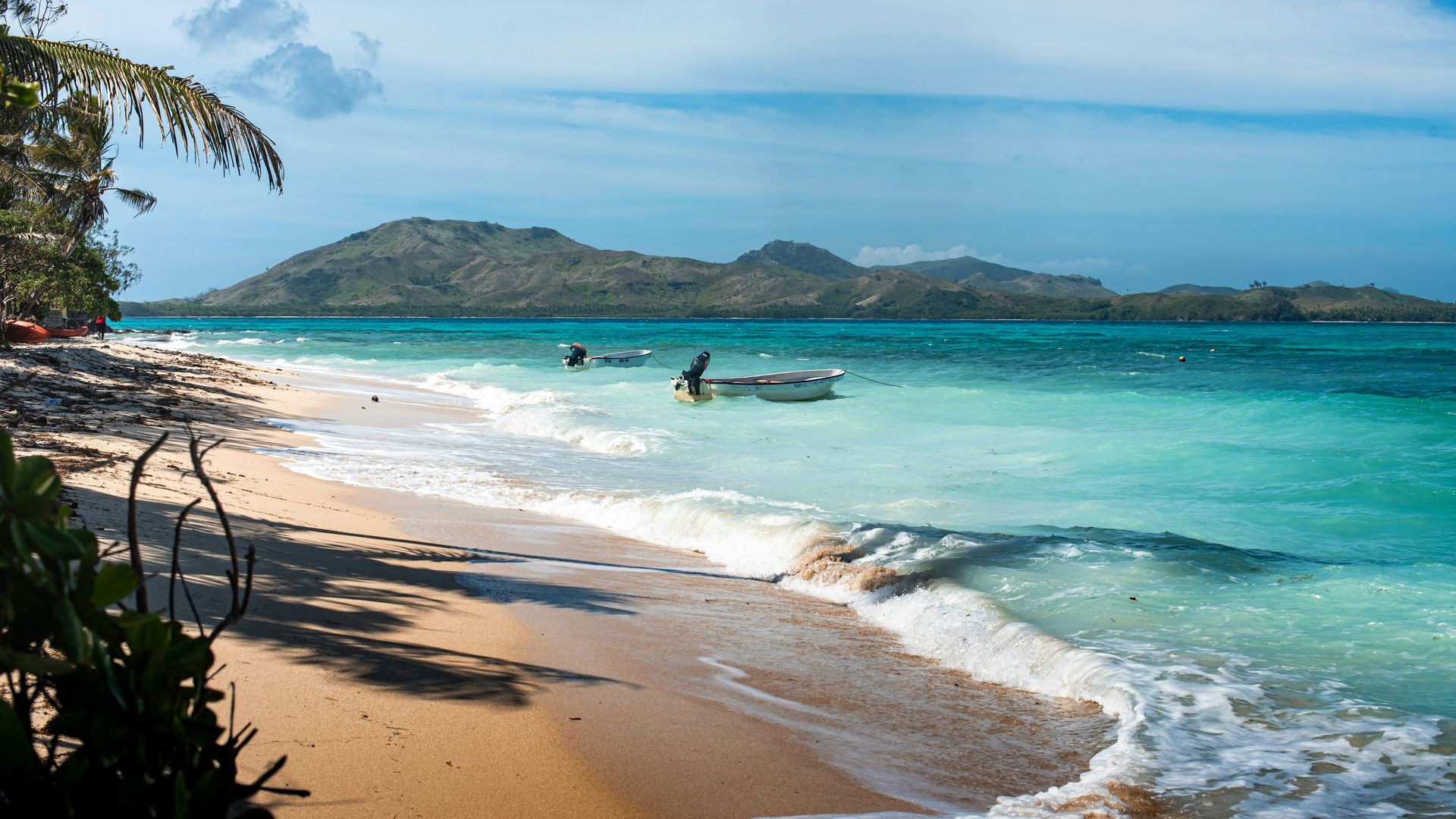
A recurring winner in Travel + Leisure’s World’s Best Awards, Fiji holds genuinely world-renowned beaches and ranks among the best places anywhere to scuba dive, particularly at Beqa Lagoon and the Namena Marine Reserve. The 300-island archipelago’s numerous resort islands offer visitors access to authentic spa and wellness rituals alongside activities such as golf, horseback riding, water sports, surfing, and yoga, providing travelers with a wide range of options beyond the water itself.
According to surveyed readers, though, it’s the Fijian people who consistently stand out most within the entire travel experience. Nearly every respondent specifically mentioned the kindness and welcoming nature of the people they encountered throughout their stay, describing that warmth as inseparable from the archipelago’s physical beauty and its wide range of activities both above and below the water.
This pairing of world-class diving, genuine hospitality, and a wide variety of activities gives Fiji a rare, well-rounded appeal among the world’s top island destinations. Few archipelagos earn this much consistent praise for both their natural scenery and the character of the people living there, a distinction that surveyed travelers repeatedly highlighted in their responses.
Travelers $TRV planning a Fiji trip focused on diving should research seasonal conditions at Beqa Lagoon and Namena Marine Reserve beforehand, as visibility and marine activity can vary considerably depending on the time of year. Visitors less focused on diving should still build in time for at least one water-based excursion, since much of Fiji’s signature appeal genuinely happens below the surface. Nadi International Airport serves as the main gateway, with onward boat or seaplane transfers required to reach many of the archipelago’s more remote resort islands. The dry season from May through October generally brings the most consistent visibility for diving at both Beqa Lagoon and the Namena Marine Reserve. Travelers booking a dive package should confirm certification requirements in advance, as some more advanced sites require specific prior qualifications.
Hendrik Cornelissen / Unsplash
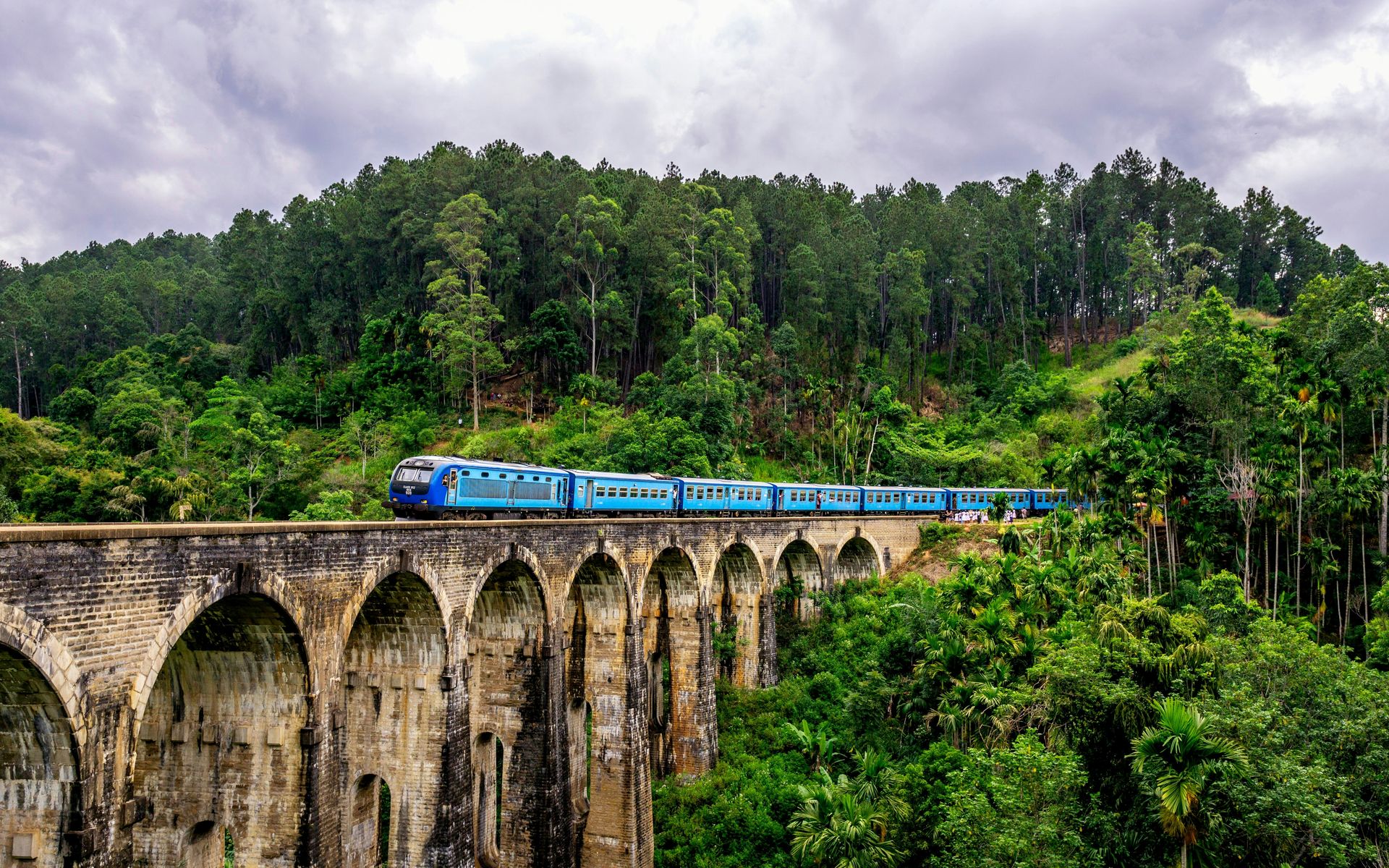
This island nation off the southern coast of India draws genuine praise from travelers for its pristine beaches, remarkably diverse wildlife population, and deep cultural heritage stretching back centuries. Many describe the country in almost transcendent terms, as a place that genuinely captures a visitor’s heart and leaves them longing to return long after the trip has ended.
Sri Lanka has 26 national parks and 8 UNESCO World Heritage Sites, along with some of the most beautiful temples in the world. Most Sri Lankans practice Buddhism, and the country ranks among the oldest continuously Buddhist nations anywhere on Earth, a heritage visible throughout the island, especially within the Sacred City of Anuradhapura, home to Jaya Sri Maha Bodhi, a sacred fig tree believed to have grown from the very tree under which Buddha achieved enlightenment.
Visiting Minneriya National Park between June and October rewards travelers with sightings of hundreds of Asian elephants gathering near the park’s central reservoir, while Yala National Park holds one of the world’s largest concentrations of leopards for visitors specifically hoping to spot one of these notoriously elusive cats. Travelers $TRV craving a more tropical beach experience should head to Hiriketiya, a surf town on the south coast known for stunning sunsets, local surfing instructors, and a lively strip of boutiques and restaurants.
Travelers planning a trip to Sri Lanka should build in enough time to properly experience both the wildlife parks and the cultural sites, since rushing between them risks missing much of what makes the island genuinely special. Many visitors report planning a return trip before they’ve even finished their first one, a testament to just how much the country manages to pack into a single visit. Bandaranaike International Airport near Colombo connects to the rest of the island by train, private driver, or domestic flight, depending on how far a traveler plans to venture. Weather patterns shift considerably between the island’s western and eastern coasts, so travelers should research seasonal timing separately for beach stops and inland wildlife parks.
iSAW Company / Unsplash
Nicknamed Nature Island, Dominica is a small island nation in the Caribbean’s Lesser Antilles, where genuine ecological wonders take center stage rather than typical resort-style tourism. Many visitors describe it as a hiker and naturalist’s paradise, and more than 200 sperm whales swim its surrounding waters year-round, giving travelers the rare opportunity to book a guided tour and swim alongside them up close.
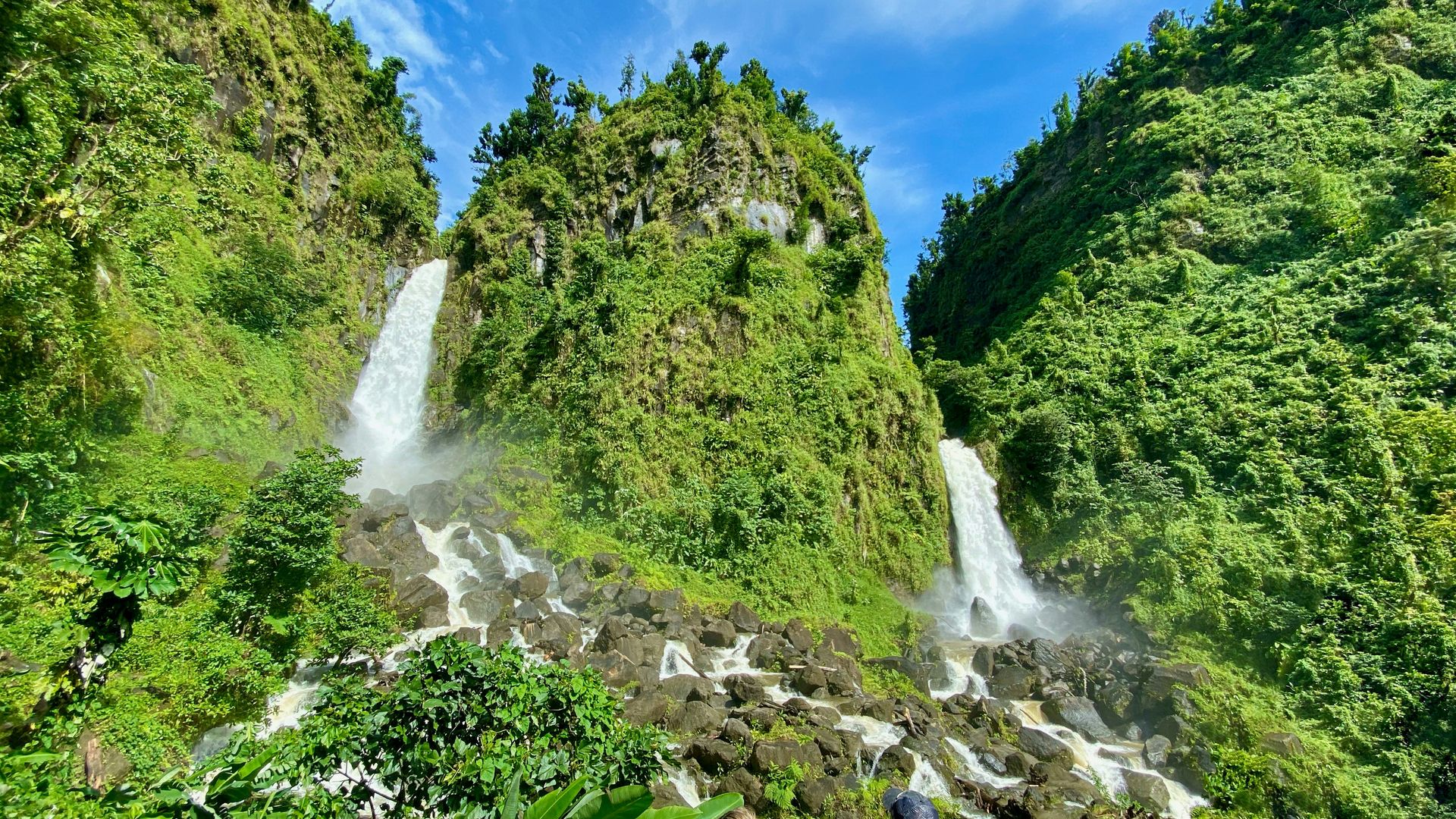
Morne Trois Pitons National Park, a UNESCO World Heritage Site, functions as a genuine rainforest paradise where visitors can see the volcanically heated Boiling Lake alongside Trafalgar Falls, two stunning side-by-side waterfalls that rank among the island’s most photographed natural features. Dominica’s black-sand beaches offer a genuinely different kind of coastal scenery compared with the white-sand beaches found throughout much of the rest of the Caribbean.
Beyond its natural wonders, Dominica rewards visitors who take time to learn about its living culture, and a visit to Kalinago Territory, home of the indigenous Waitukubuli people, offers a genuine window into that heritage. Visitors can tour a model village, make traditional cassava bread, and learn about Kalinago canoe building directly from a master boat builder who still practices the craft today.
Travelers $TRV planning a Dominica trip should book whale-watching tours well in advance, given limited daily capacity, and pairing that excursion with at least a full day in Morne Trois Pitons National Park gives visitors a genuinely well-rounded sense of the island’s ecological range. Few Caribbean destinations reward genuine curiosity about both wildlife and living indigenous culture as much as a single trip. Douglas-Charles Airport receives limited direct international service, so many visitors connect through neighboring islands such as Antigua or Barbados before the final short hop to Dominica. The dry season from mid-December through mid-June generally offers the most reliable hiking conditions throughout Morne Trois Pitons National Park’s rainforest trails. Travelers hoping to swim with sperm whales should book well in advance of their trip, since daily tour capacity remains genuinely limited to protect the whales.
Danai Tsoutreli / Unsplash
Readers voted this archipelago a world-favorite island in both 2023 and 2024, and Zanzibar has separately earned recognition as a favorite island throughout Africa and the Middle East for four consecutive years running. Visitors can wander the markets throughout Stone Town, a UNESCO World Heritage Site, and see the former palaces of Zanzibar’s sultans scattered throughout the old city’s winding streets.
The Nungwi Mnarani Aquarium offers a genuinely worthwhile stop for visitors hoping to get up close with protected sea turtles in a responsibly managed setting. Travelers $TRV more drawn to snorkeling should instead head to Mnemba Island or Tumbatu Island, both known for bright coral reefs teeming with fish and octopuses just beneath the surface.
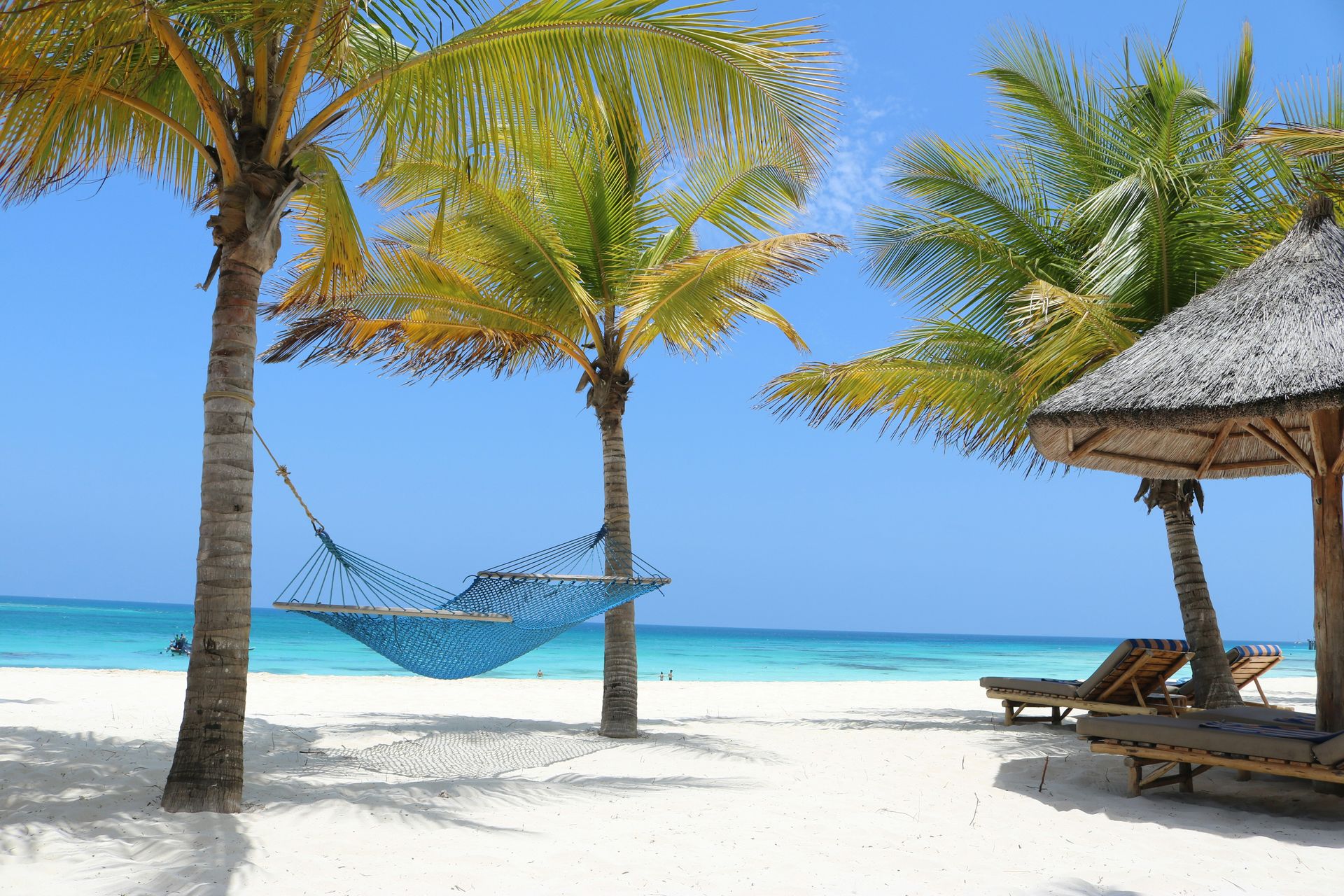
Kendwa Beach, on the island’s northwestern coast, ranks among the best spots for sunbathing and swimming in genuinely turquoise water, and the beach delivers a world-famous Zanzibar sunset that draws visitors back to the same stretch of sand evening after evening throughout their stay. Few beaches anywhere in East Africa combine this much consistent natural beauty with such easy access from the island’s main tourist areas.
Travelers planning a Zanzibar trip should split their time between Stone Town’s cultural offerings and the northwestern beaches, since focusing purely on one side of the island risks missing a genuinely essential part of what makes Zanzibar distinct. Building in at least one full day for snorkeling near Mnemba or Tumbatu Island rewards visitors with some of the clearest water found anywhere along this stretch of coast. Abeid Amani Karume International Airport near Stone Town connects to mainland Tanzania with a short flight, making it easy to pair Zanzibar with a mainland safari. The dry season from June through October typically brings the calmest water for snorkeling around Mnemba and Tumbatu, alongside consistently sunny beach weather. Travelers should also budget time for the spice farm tours scattered throughout the island’s interior, since Zanzibar’s history as a global spice trading hub runs deep.