Josh Hild / Unsplash
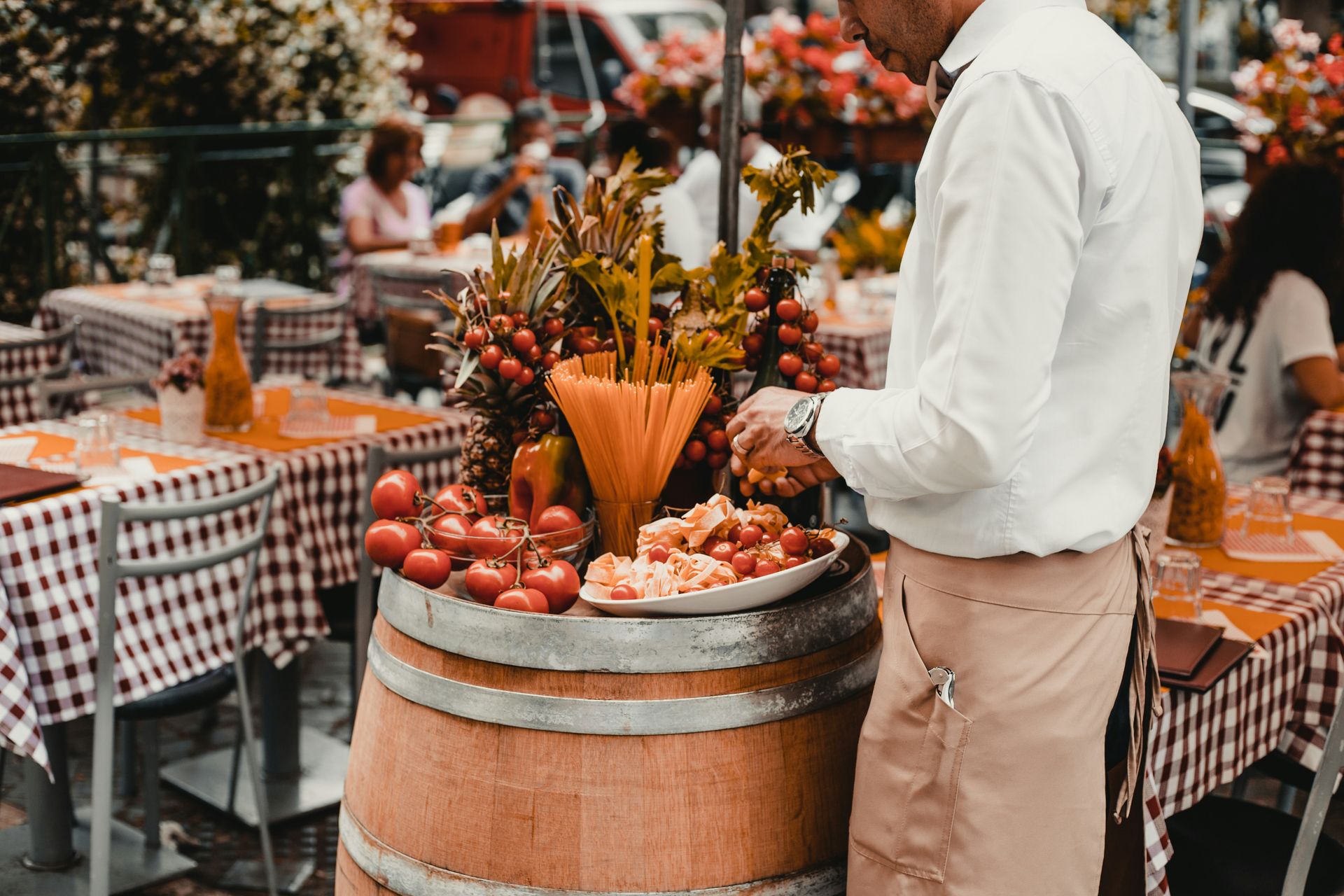
Italian food has spread across the world so thoroughly that most travelers arrive in Italy believing they already know what to expect. They have eaten carbonara, pizza margherita, and tiramisu. What most of them have not eaten is carbonara made in Rome, pizza margherita made in Naples, or tiramisu made in the Veneto, and the difference between the versions they know and the originals is the central argument for food travel in Italy. The ingredients are fresher, the preparation reflects generations of regional practice that no Italian restaurant abroad has had sufficient time to develop, and the dish exists in its native culinary and cultural context in ways that alter not just the food but the experience of eating it.
The most significant revelation for most first-time Italian food travelers is how radically the cuisine varies across regions. The pasta dishes of Bologna, rich and meat-laden, share almost nothing with the seafood-forward preparations of Venice’s bacari or the olive oil and vegetable traditions of Puglia’s cucina povera. The coffee culture of Naples, where espresso is pulled at different temperatures and pressures than anywhere else in the country, produces a cup that devoted visitors have flown back to drink again. The street food of Palermo, rooted in the Arab, Norman, and Spanish occupations of Sicily, is unlike anything available in northern Italy.
The 10 cities below appear in Travel + Leisure, with recommendations from American writer and Rome resident Laura Itzkowitz and Maria Pasquale, a Rome-based writer and author of Mangia: How to Eat Your Way Through Italy. Both writers draw on firsthand experience eating across Italy’s distinct regional food cultures, and the cities they have chosen reflect the full range of what Italian food travel can be, from Michelin-starred fine dining to market stalls serving fried spleen sandwiches.
1 / 10
Izzy Boscawen / Unsplash
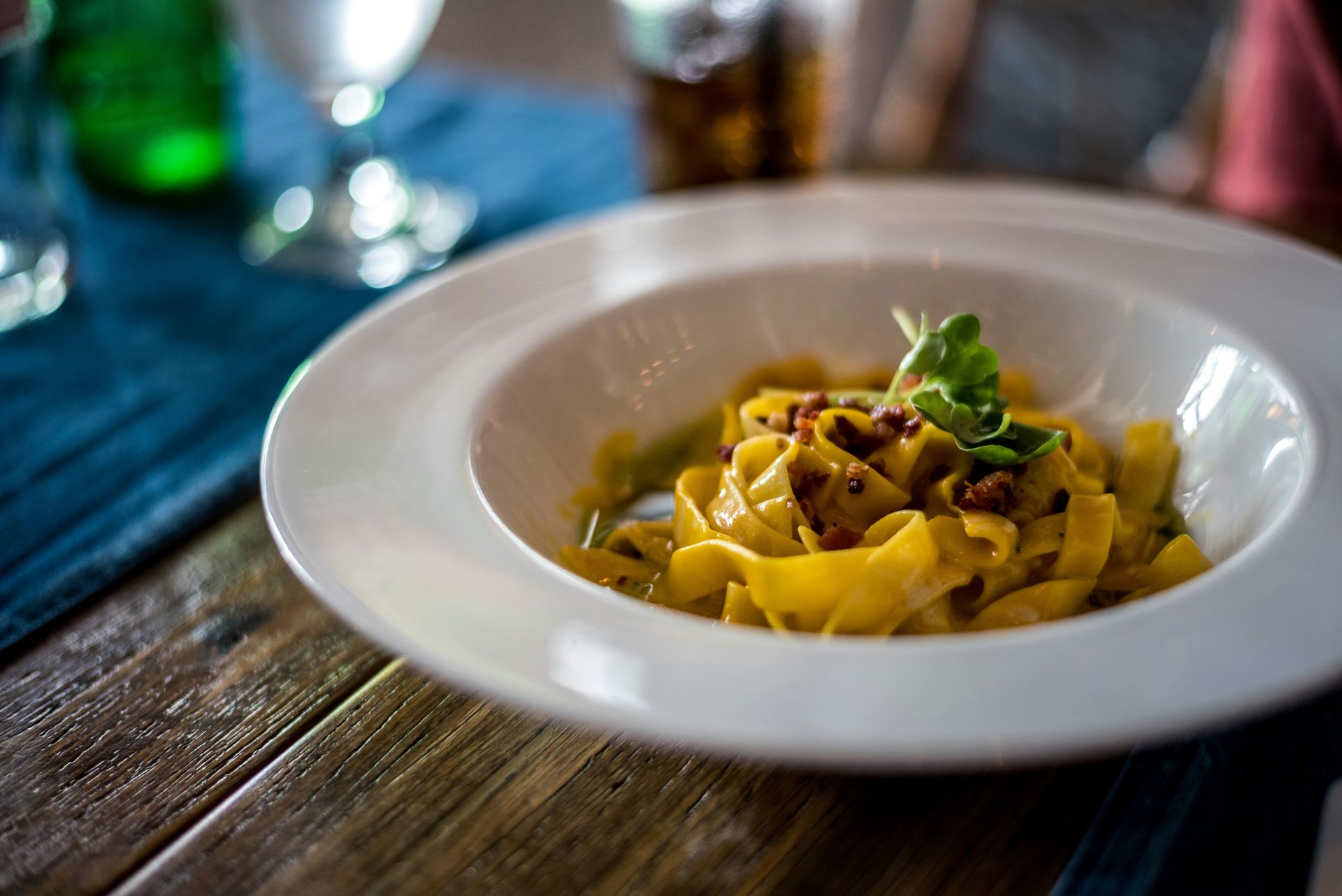
Rome’s food identity is organized around a quartet of pastas whose collective simplicity is deceptive: cacio e pepe, carbonara, amatriciana, and gricia share ingredients and techniques in overlapping configurations, and mastering the distinctions between them is both a pleasure and a practical education in Roman culinary logic. Cacio e pepe uses only Pecorino Romano cheese and black pepper. Carbonara adds guanciale and egg yolk. Amatriciana introduces tomato alongside the guanciale and Pecorino. Gricia is amatriciana without the tomato. The variations are small, and the differences in the finished dishes are enormous, which is the specific lesson that Roman pasta teaches most clearly: ingredient selection and technique produce complexity that the length of the ingredient list does not predict.
Beyond pasta, the supplì gives Rome its most portable representative food: oval-shaped fried rice balls with a crunchy breadcrumb exterior, available at pizzerias and street food spots, including Supplizio. Pizza e mortazza, the quintessential Roman sandwich of pizza bianca stuffed with thin slices of mortadella, gives the midday meal a street-food format specific to Roman cuisine. Both serve as quick lunch or snack options for visitors whose schedules do not always allow a full trattoria sit-down.
Rome’s restaurant diversity extends well beyond the Roman classics. Excellent sushi, innovative fine dining, and a full spectrum of international cooking occupy the city alongside the old-school trattorias, whose blackboard menus change daily with the morning’s market arrivals. The classics, however, are the appropriate starting point: a visitor who has not tried all four Roman pastas has not finished the mandatory syllabus, and the trattorias of the Testaccio neighborhood, historically the home of Rome’s slaughterhouse workers and the cucina romana tradition they developed around offal and secondi, give the best access to the full classical repertoire. Testaccio’s proximity to the Aventine hill and the Circus Maximus makes it an easy walk from central tourist areas, and the neighborhood’s working-class character, maintained by the old market building that anchors its central piazza, gives the restaurant scene an authenticity that the more tourist-facing neighborhoods near the Colosseum and the Campo de’ Fiori do not sustain at the same level.
2 / 10
Valeria Boltneva / Pexels
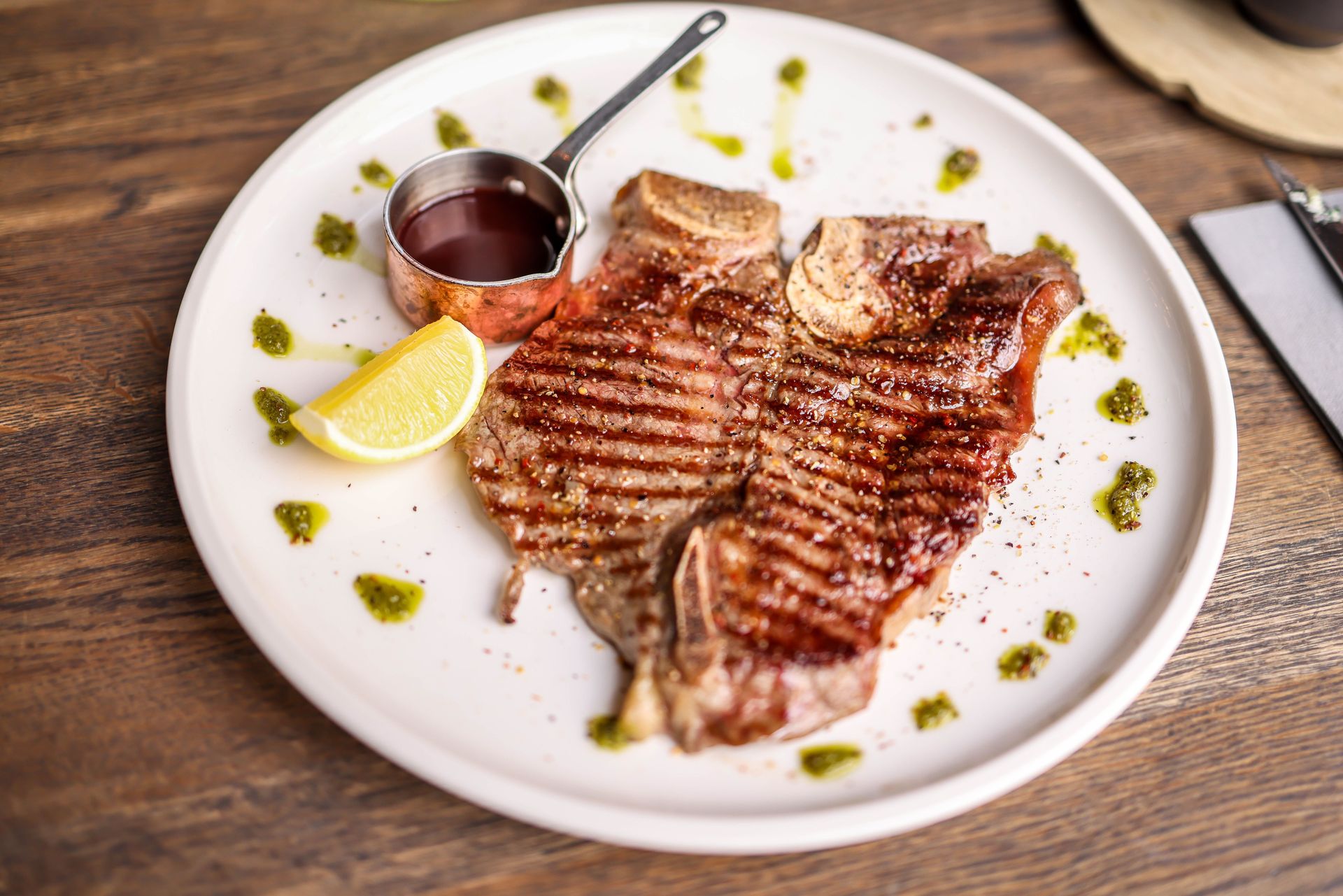
Florence’s food culture extends beyond the city’s art tourism reputation. The bistecca alla fiorentina, the massive T-bone steak made with premium Chianina beef and served rare, is Florence’s most dramatically scaled dish: a steak ordered by weight and cooked over wood or charcoal, typically served with nothing more than olive oil, salt, and perhaps white beans, whose simplicity reflects the specific Florentine confidence in the quality of the primary ingredient. The Chianina cattle breed, raised in the Valdichiana valley between Florence and Siena, gives the bistecca its specific flavor and texture, qualities that the same cut from other cattle does not replicate.
The lampredotto tradition is the most unexpected Florentine food experience. Lampredotto is the fourth stomach of the cow, boiled and sliced, served in a bread roll that is typically dipped in the cooking broth before assembly, then finished with salsa verde. The sandwich trucks that serve it around the Mercato Centrale and the Sant’Ambrogio market give the experience a street-food immediacy that trattoria lampredotto, served at a table as a secondo, does not produce in the same terms. Maria Pasquale specifically recommends seeking out the lampredotto trucks, which represent an age-old Florentine tradition that the tourist restaurant circuit rarely engages.
The Mercato Centrale itself gives Florence’s food culture its most concentrated daytime expression: crostini with various toppings, pasta with truffles foraged from the surrounding Tuscan countryside, fresh produce from the market’s ground floor, and the surrounding neighborhood’s independent food shops give the visit a program that spans breakfast through aperitivo without requiring a single reservation. The city’s Michelin-starred restaurants give the higher end of Florence’s dining scene institutional validation, but the truest Florentine food experience is found at street level. The lampredotto sandwich, consumed standing at a market-square panino truck by the same Florentine office workers who have been eating there for decades, gives the visitor access to a culinary tradition whose authenticity requires no translation.
3 / 10
sorin popa / Unsplash
Bologna’s nickname, La Grassa, meaning the Fat One, is a civic identity the city embraces: the Bolognesi have organized their culinary culture around eating well as a form of civic pride, and the Emilia-Romagna region surrounding the city produces some of Italy’s most famous food products. Parmigiano Reggiano, aged in the cheese factories visible from the regional highways and tasted at the source, in ways that the pre-grated version in a cardboard cylinder does not, originates in this region. Prosciutto di Parma, mortadella, and the specific cured meat tradition of the Po Valley give Bologna’s salumi culture a depth that no other Italian city’s charcuterie matches.
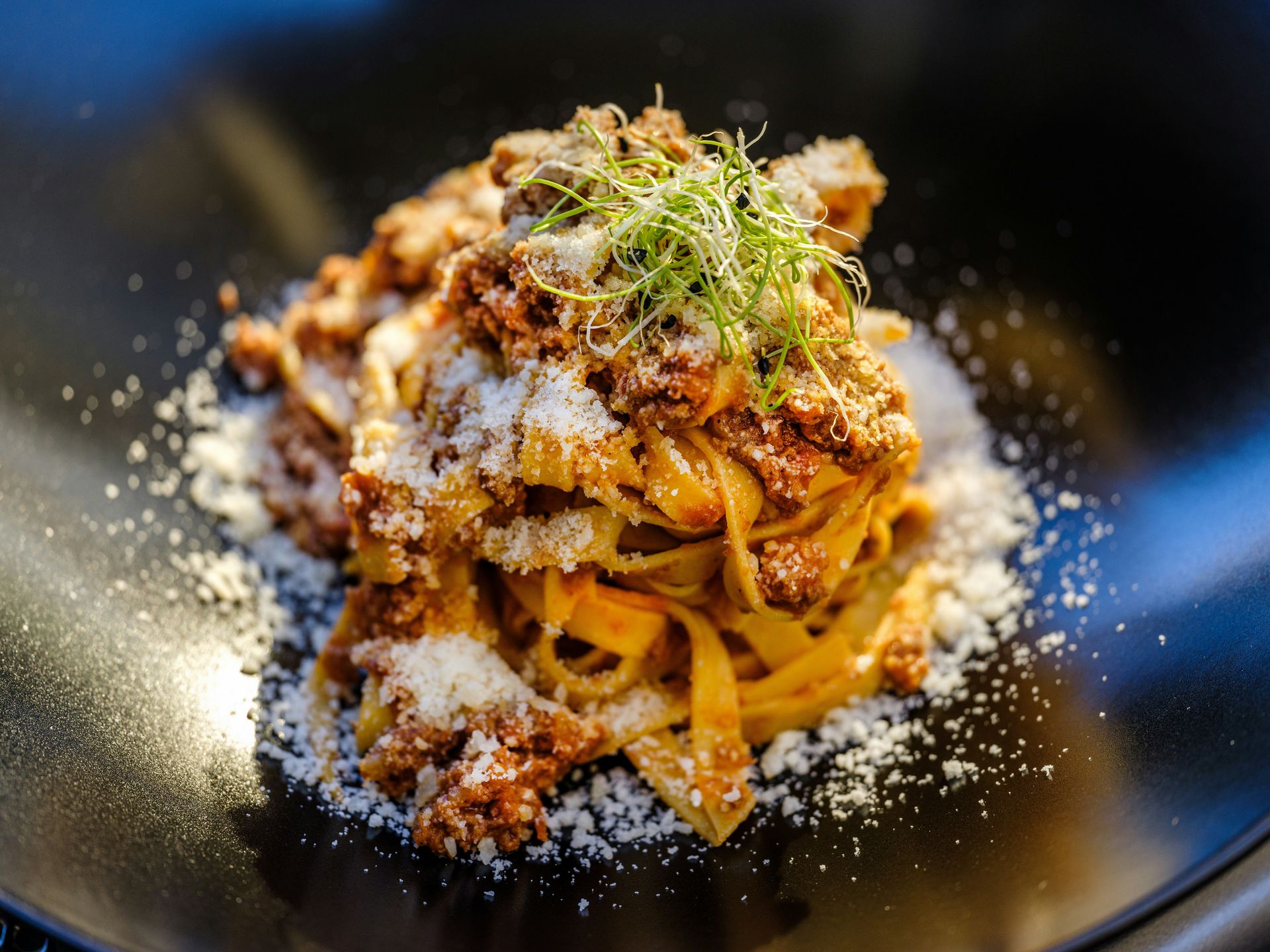
The pasta dishes are the ones that the rest of the world has misunderstood most thoroughly. Tagliatelle al ragù, the dish that has traveled internationally as bolognese sauce, in Bologna is a preparation of fresh egg tagliatelle with a slow-cooked meat sauce whose richness and depth come from hours of low-heat cooking, with a specific ratio of pork and beef, white wine, whole milk, and a minimum of tomato. The red-sauced pasta bake that restaurants outside Italy often call bolognese is a different dish. Tortellini in brodo, tiny meat-filled pasta rings served in capon broth, represents Bologna’s most technically demanding and most culturally specific preparation, and the restaurants that do it best, including the historic Ristorante Diana, where it is served tableside from a silver tureen, give the dish the ceremonial presentation it deserves.
Lasagna in Bologna is similarly specific: the pasta is green, colored with spinach, layered with the ragù and béchamel in a proportion and sequence that differs from the southern Italian versions that have traveled more widely. Ristorante Grassilli, with its walls lined with black-and-white photographs of famous guests and its commitment to the classical Bolognese repertoire, offers the most atmospheric old-school trattoria option. Bologna’s covered portico walkways, which extend for more than 40 kilometers under arcaded buildings throughout the city center, give the food walk its most specifically Bolognese physical context: moving from salumi shop to pasta shop to aperitivo bar under the arches, sheltered from rain or sun, gives the culinary exploration of Bologna an architectural frame available nowhere else in Italy.
4 / 10
pedro furtado / Unsplash
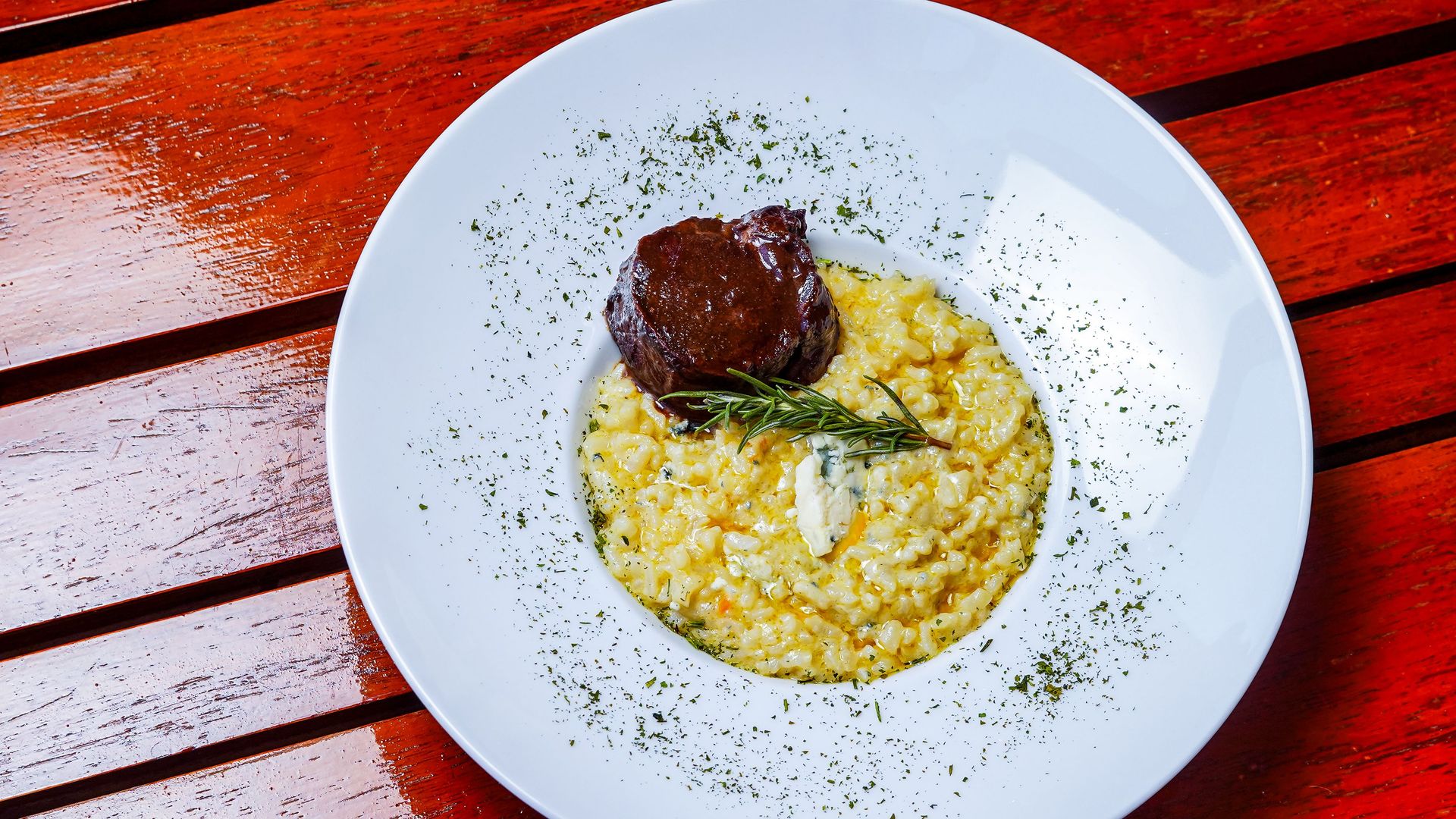
Milan’s food identity rests on two dishes whose European historical context gives them a depth beyond their immediate culinary appeal. Cotoletta alla milanese, the breaded veal cutlet that Milan shares with Vienna’s Wiener schnitzel through documented historical ties, is traced to an Austrian general who reportedly brought the recipe back to Vienna after serving in Milan during the Habsburg period of the late 19th century. The Milan version is distinct: it is typically served on the bone, slightly thicker than the Viennese preparation, and fried in clarified butter to a golden crust whose quality depends on the freshness of the veal and the precision of the frying temperature.
Risotto alla milanese, saffron-colored and traditionally served as an accompaniment to ossobuco braised veal shank, gives Milan its most visually distinctive pasta. The saffron, historically one of the most expensive spices in European commerce, gives the risotto its golden color and a specific aromatic dimension that rice preparations without it cannot produce. Traditional Milanese restaurants offer both the cotoletta and the risotto in their most authentic forms, and the city’s food culture supports a full classical repertoire alongside a contemporary dining scene that has made Milan one of the most internationally oriented food cities in Italy.
The international food scene that Milan has developed gives it a dining diversity that the more traditionally minded regional food cities on this list do not match at the same scale. Japanese restaurants, contemporary Nordic-influenced tasting menus, and a café culture shaped by the city’s fashion and design industries give Milan’s evenings a range of options that the visitor who has eaten the cotoletta at lunch can explore without repetition for the remainder of the trip. The aperitivo tradition that Milan has elevated into a competitive ritual, with bars across the Brera and Navigli neighborhoods offering elaborate spreads of small dishes alongside the Aperol spritz or Negroni, gives the early evening a social food program specific to Milanese culture.
5 / 10
Caroline Attwood / Unsplash
Modena’s food culture operates at two distinct registers that the city’s geography makes uniquely available. At the highest level, Osteria Francescana, the three-Michelin-starred restaurant of chef Massimo Bottura, is among the most celebrated restaurants in the world and draws a reservation waitlist that food travelers plan trips around months in advance. Bottura grew up in Modena and draws his culinary inspiration from the local bounty, transforming Parmigiano Reggiano, balsamic vinegar, and the specific ingredients of the Emilia-Romagna tradition into dishes whose conceptual ambition and technical execution give Italian fine dining its most internationally recognized contemporary expression.
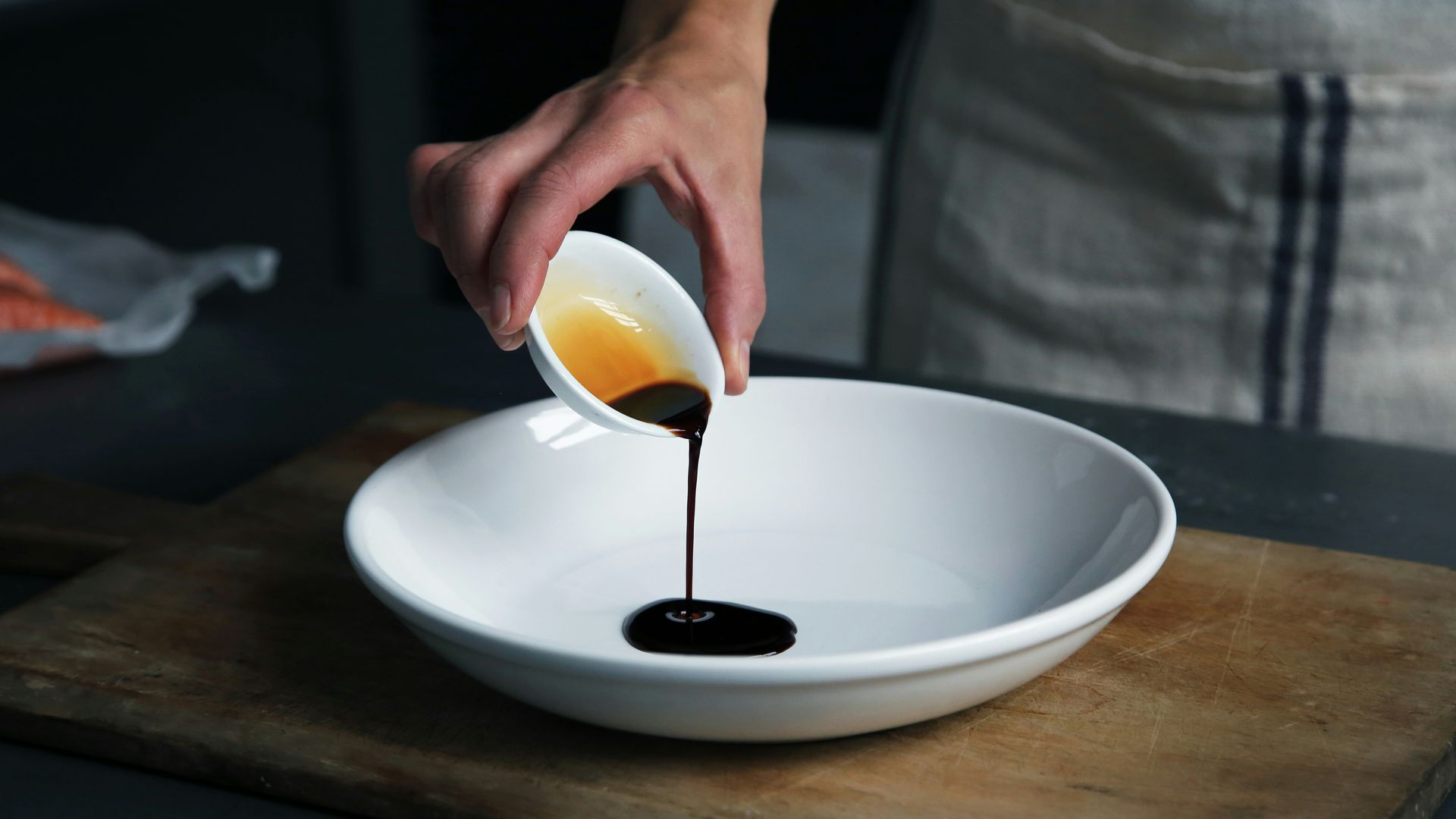
The acetaia, where traditional balsamic vinegar is aged in a sequence of progressively smaller barrels made from different woods over a minimum of 12 years and typically 25 or more, gives Modena its most specifically regional food experience. Bottura maintains his own acetaia at Casa Maria Luigia, the boutique hotel he and his wife Lara Gilmore run, and tasting balsamic vinegar at the source, understanding the difference between the industrial product sold in supermarkets everywhere and the DOP Aceto Balsamico Tradizionale di Modena that can only be produced in this specific way, is a food education available nowhere else in the world.
Franceschetta 58, Bottura’s more casual bistro, gives visitors who cannot secure a table at Osteria Francescana access to Bottura's sensibility at a more affordable price point. The Emilia burger and the signature tortellini with Parmigiano Reggiano cream, both recommended by Maria Pasquale, give the bistro menu a distinct Modenese character that underscores the chef’s connection to regional tradition even in his most approachable format. The Parmigiano Reggiano consortium warehouse visits, available to food tourists who contact the producers directly, give Modena a third food pilgrimage option alongside Osteria Francescana and the acetaia: watching the massive wheels of cheese being turned and graded in the aging rooms gives the ingredient that appears in almost every Modenese dish its most concrete origin story.
6 / 10
Clop / Wikimedia Commons
Turin’s food identity reflects its historical position as the first capital of unified Italy and its long cultural alignment with France through the House of Savoy, whose territory spanned the Alps. The Piedmont region’s hazelnuts, truffles, fine wines from the Langhe and Monferrato wine zones, and the chocolate tradition that Turin has developed into a civic institution give the city a food culture whose sophistication matches the elegance of its café architecture and its aristocratic palazzo streetscapes.
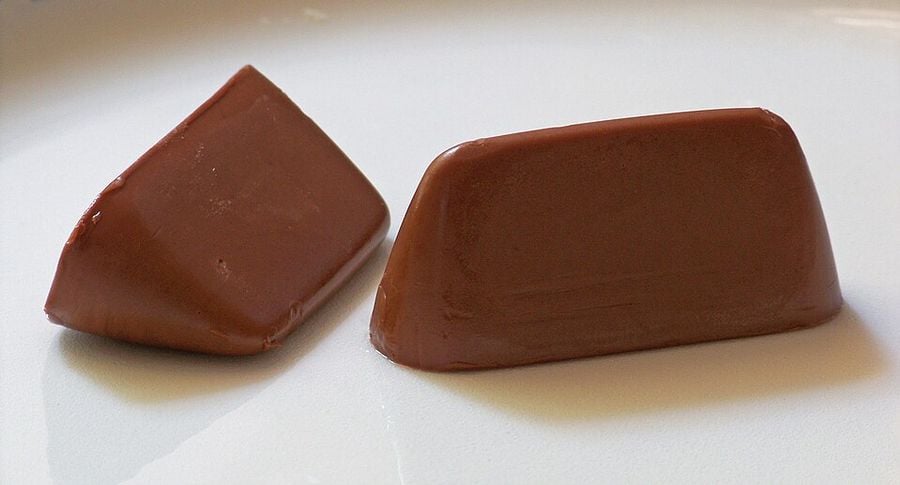
Gianduiotto, the Turin chocolate whose distinctive boat shape comes from the mold designed to extend cocoa with the local Piedmont hazelnuts, is available at the city’s historic cafés and chocolate shops in concentrations that make Turin the clearest argument for chocolate tourism in Italy. Piazza San Carlo, the grand baroque square at the heart of Turin’s pedestrian zone, is surrounded by historic cafés that have served the city’s middle class and aristocracy since the 18th century, and Maria Pasquale’s specific recommendation to fill up on gianduiotti at any of these cafés reflects the specific quality of Turinese chocolate relative to what the same product produces outside its city of origin.
Bicerin, the Turin coffee drink of espresso, hot chocolate, and whipped cream, layered in a small glass, is the city’s most distinctive local specialty. The drink originated at the historic Caffè Al Bicerin near the Porta Palazzo market, which has served it since 1763. The coffee culture of Northern Italy, paired with the chocolate tradition specific to Turin, gives the bicerin a flavor profile that no other Italian city has developed an equivalent answer to. The aperitivo culture of Turin’s cafés, which extends from late afternoon through the pre-dinner hours and includes small snacks alongside drinks, offers visitors an additional window into the city’s social café life that the midday coffee stop alone cannot capture. The Langhe hills, 90 minutes from Turin by car and the source of Barolo, Barbaresco, and the white truffles that appear on autumn menus throughout Piedmont, give the Turin food trip a natural day trip extension for visitors whose interest in Piedmontese food extends to the wine and truffle landscapes that produce its most celebrated ingredients.
7 / 10
Popo le Chien / Wikimedia Commons (CC0 1.0)
Palermo’s food culture is inseparable from its market culture, and the markets are inseparable from the city’s history as a crossroads of Arab, Norman, Spanish, and Italian culinary traditions over more than a millennium of successive occupation. The Ballarò market, one of the oldest in Palermo and still one of the most active, and the Vucciria, whose reputation for visceral street-food drama has made it the more internationally photographed of the two, give visitors the most direct access to the street-food culture that Palermo’s culinary identity centers on.
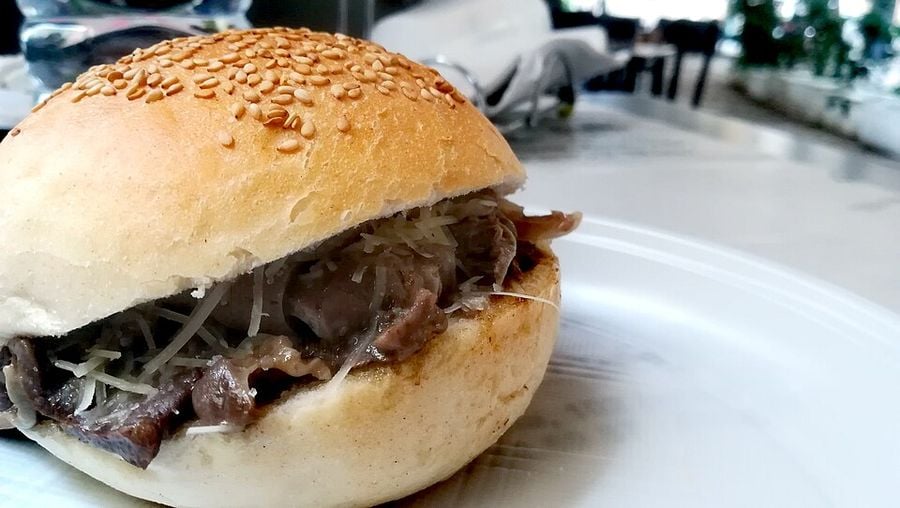
Panino con panelle, the bread roll stuffed with chickpea fritters that reflects the Arab culinary influence on Sicilian cooking, is the most accessible of Palermo’s street foods and the one whose vegetable-based simplicity gives it the broadest appeal. Câ meusa, the sandwich stuffed with spleen, is the more challenging and more specifically Palermitan option that Maria Pasquale identifies as something of a rite of passage. The spleen is slowly braised in lard and served with fresh ricotta or caciocavallo cheese in a sesame roll, and the organ meat's mild, mineral flavor gives the sandwich a Palermitan identity that no other Italian city’s street food replicates in the same terms.
The bartering and competitive energy of the Ballarò and Vucciria markets, which Pasquale notes are a nod to Sicily’s Arab commercial heritage, give the food experience a social dimension that the food alone does not fully convey. The sights, sounds, and smells in these markets, innards frying in pans, vendors announcing their produce, and modern music playing alongside centuries-old commerce, give Palermo’s street food its most complete cultural context and make the market visit a fundamental part of the food experience, not an optional background. The Arab architectural influence, visible in the Ballarò market’s geometry and organization, and the Norman overlays, visible in the churches along the market’s edges, give the market experience a historical legibility that the food itself encodes in recipe and ingredient, even when the visitor is not consciously reading it.
8 / 10
Nik Owens / Unsplash
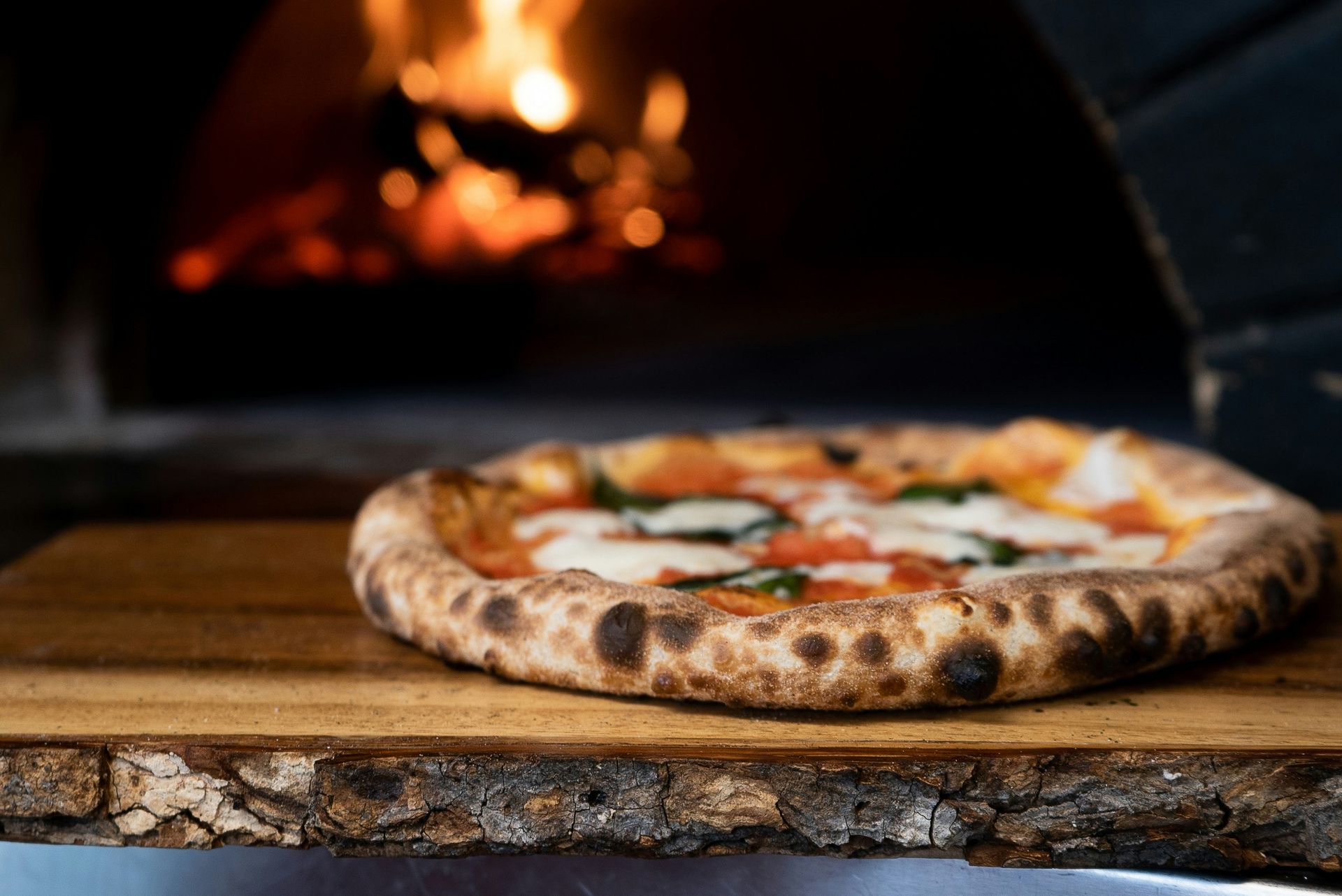
Naples is the city that pizza comes from, and the specific quality of Neapolitan pizza, made with San Marzano tomatoes, buffalo mozzarella, and tipo 00 flour in a wood-fired oven at very high heat for approximately 90 seconds, gives the margherita its most canonical version. The Vera Pizza Napoletana certification, which the Associazione Verace Pizza Napoletana administers with specific technical requirements, is enforced by the city’s most serious pizzerias, and eating a certified margherita in Naples, with the slightly charred, leopard-spotted crust and the fresh basil wilted by the oven heat, gives the visitor the reference point against which every other margherita in the world is correctly measured.
Pizza fritta, the street-food version, is a calzone-style preparation stuffed with ricotta and crispy pork shavings, fried in oil, and served on a paper wrapper. Pasquale specifically recommends it as a Naples essential alongside the classic baked pizza, and the contrast between the two formats gives Naples its full pizza range: the elegant restaurant version and the quick street food version, each specific to the Neapolitan tradition in its own way.
The coffee at Caffè Gambrinus, the elegant 19th-century café on the Piazza del Plebiscito, gives Naples its institutional espresso destination, but the city’s coffee culture is not confined to its most famous address. Naples is widely credited with producing Italy’s best espresso, and the specific Neapolitan approach to extraction, which involves a higher proportion of robusta in the blend and a smaller dose pulled slightly longer, gives the cup a thicker, more intense crema than the northern Italian style. The sfogliatella Santa Rosa at Antico Forno Fratelli Attanasio is the sweet side of Neapolitan food culture's most specific recommendation: a shell-shaped pastry filled with ricotta, semolina, and candied citrus that the city’s pastry shops have been perfecting for centuries. Naples’ food culture is also inseparable from its street geography: eating on foot, at a plastic table outside a friggitoria, or at the counter of a historic café gives the Neapolitan food experience a social and spatial context that the sit-down restaurant format does not replicate.
9 / 10
Thibault Lam Tran / Unsplash
Venice’s food culture requires more deliberate navigation than any other Italian city’s, because the tourist trap density is higher than anywhere else in the country and the distance between a mediocre meal aimed at camera-laden visitors and an authentic Venetian one is measured in meters, not miles. The bacaro, Venice’s specific version of the wine bar, is the institution that rewards the visitor who walks away from the Rialto Bridge toward the quieter neighborhoods of Dorsoduro, Cannaregio, and Castello: small, standing-room bars that serve cicchetti, the Venetian-style small snacks that function as the local answer to Spanish tapas, alongside pours of local Veneto wine.
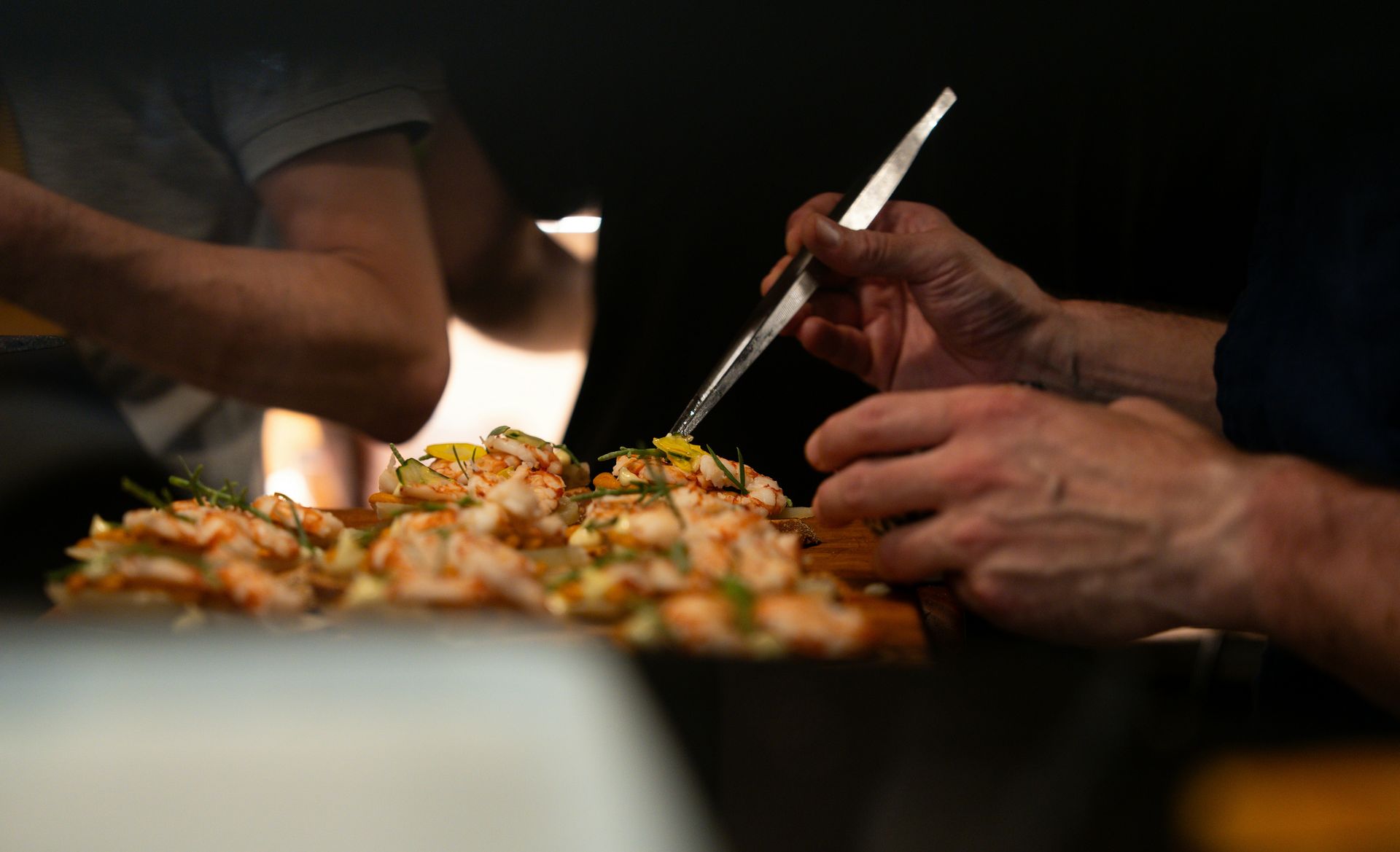
Cantina del Vino, già Schiavi in Dorsoduro, recommended by the article’s author from personal experience, is an old-school wine bar whose cicchetti selection and wine list offer the Venetian bar experience at its most complete, without the tourist pricing imposed by the areas near San Marco. Cicchetti range from crostini spread with baccalà mantecato (whipped salt cod) to tiny sandwiches, fried snacks, and seasonal preparations calibrated to what the Rialto Market received from the lagoon fishermen at dawn.
The day trip to Burano, the small island accessible by vaporetto and famous for its brightly colored houses, offers Venice its most specific lagoon-fish recommendation. Maria Pasquale recommends Trattoria al Gatto Nero and the risotto di gò, made with the goby fish specific to the Venetian lagoon, as the most authentic expression of the island’s culinary tradition. Fried moeche, the tiny soft-shell crabs available only during the two short molting seasons of the lagoon crab, give Burano a seasonal delicacy that the visitor who arrives at the right time of year will find the defining food memory of the Venice portion of any Italian food trip. The return vaporetto from Burano to Venice at the end of the afternoon, crossing the lagoon as the light changes toward evening, gives the day trip a conclusion whose physical beauty frames the culinary discoveries of the afternoon.
10 / 10
Paras Kapoor / Unsplash
Lecce, the baroque city at the tip of Italy’s heel in Puglia, gives the food traveler access to a culinary tradition rooted in cucina povera, the poor cuisine of southern Italy, whose vegetable-forward, legume-rich preparations reflect the agricultural landscape of a region where olive oil, tomatoes, chicory, fava beans, and dried pasta were the primary ingredients available to most of the population for most of its history. The poverty of the historical ingredients has produced a food culture whose creativity in extracting flavor from simple materials gives it a quality that northern Italy’s richer culinary tradition approaches from the opposite direction.
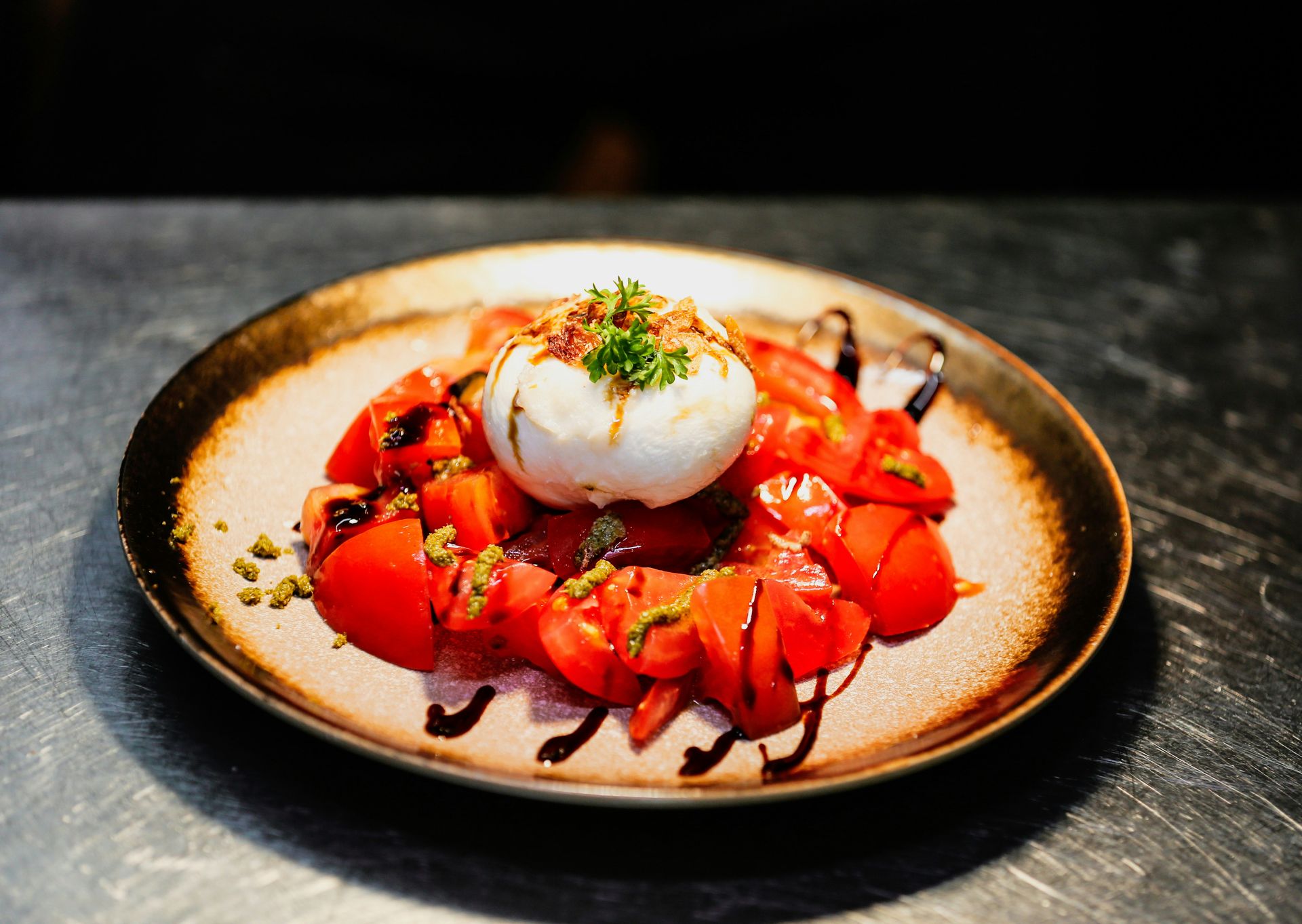
Burrata, the fresh cheese made from mozzarella and cream whose exterior is formed first and then filled with the shredded inner curd and fresh cream before being tied closed, originated in Puglia and is available in Lecce with a freshness and quality that the version exported to the rest of the world does not replicate at the same standard. Eating burrata in Puglia, where it may have been made a few hours earlier, gives the visitor the reference point against which all other burrata is measured, and the discovery is typically described as revelatory.
Orecchiette con cime di rapa, the ear-shaped pasta with broccoli rabe, gives Puglia its most regionally specific pasta preparation: the bitterness of the rabe, balanced with garlic, olive oil, and sometimes anchovy, gives the dish a flavor profile that the rich meat sauces of the north do not approach and that the southern Italian cucina povera tradition has refined over centuries of weekly repetition. Pasticciotto, the oval pastry filled with custard and sometimes cherries, gives Lecce its most beloved sweet: available for breakfast at Caffè Alvino or as a snack throughout the day at Pasticceria Natale, which also makes what the source describes as delicious gelato. The pasticciotto eaten with a morning cappuccino at an outdoor café table in Lecce’s baroque center is among the most specifically southern Italian food experiences available anywhere in the country.
