
The best Jurassic Park filming locations you can actually visit
From Kauai's helicopter-only Jurassic Falls to the Oahu ranch where the franchise's most iconic stampede scenes were filmed
Winston Chen / Unsplash
The landscapes that stood in for Isla Nublar were not conjured by set designers. The cliffs, waterfalls, botanical gardens, and open valleys that made the Jurassic Park films feel convincingly prehistoric are real places, and most of them are on islands reachable by commercial flight. The decision to film primarily in Hawaii was deliberate: the islands' volcanic geology, dense tropical vegetation, and dramatic coastal formations create a natural environment that no studio backlot could replicate at the same scale. The result is a travel destination built into the films themselves, which is why fans have been making pilgrimages to Kauai and Oahu since the first film's release in 1993.
The franchise extended its geographic reach as the films multiplied. Jurassic World: Dominion $D added Malta and British Columbia to the location catalog, which gave the series a wider global footprint than the Hawaii-centric original trilogy. Universal Studios Hollywood, where several of the most technically complex interior scenes were shot, brings the franchise to Southern California in a way that makes it accessible to tours. The range of ways to experience these locations varies considerably: some are accessible by a short walk, others require a helicopter, a charter boat, or a studio tour reservation.
The filming locations below appear in Travel + Leisure, drawn from a list of 16 spanning Hawaii, California, Malta, and Canada. Each offers a genuine encounter with the landscapes the franchise made famous, along with the practical information needed to reach them.
1. Kualoa Ranch on Oahu anchors the franchise's most iconic stampede scenes
Brianna Marble / Unsplash
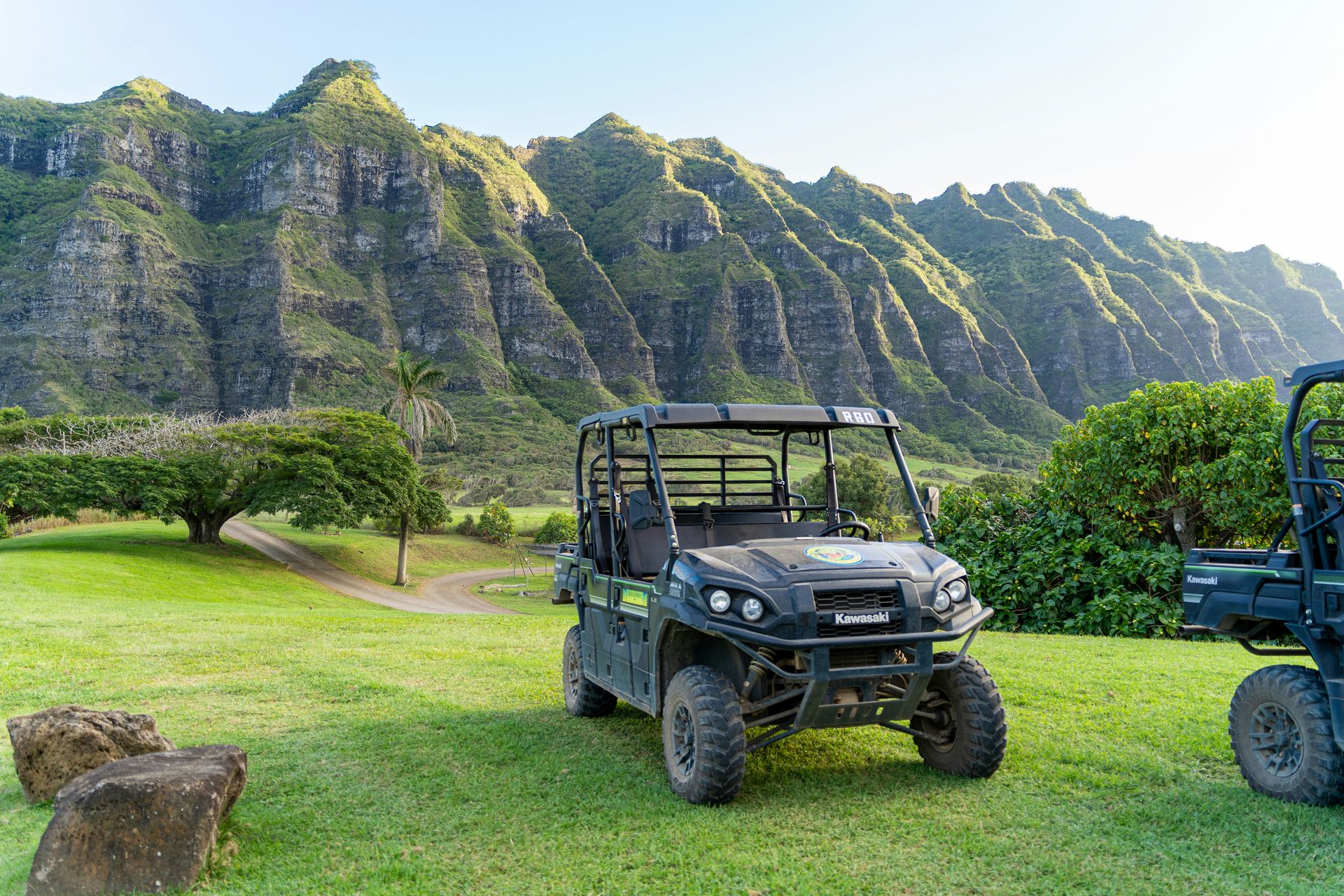
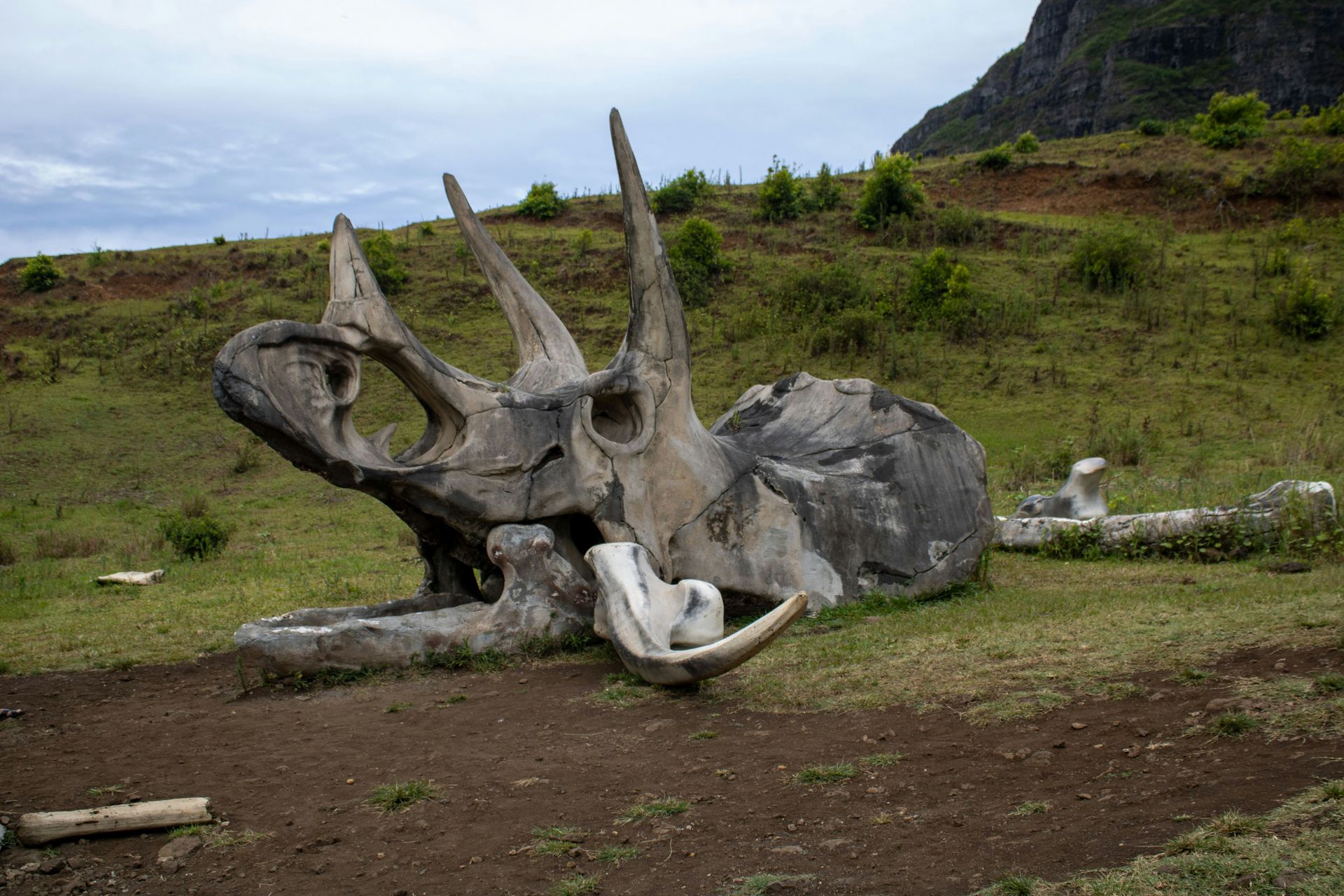
Kualoa Ranch on the windward coast of Oahu appears in "Jurassic Park," "Jurassic World," and "Jurassic World: Fallen Kingdom," serving as the expansive terrain where the film's most celebrated herd sequences play out. The ranch's scale — thousands of acres of valley, ridgeline, and coastal land — gives the property the visual depth the stampede scenes required, and the lush green vegetation covering the surrounding Ko'olau Mountains gives the location a tropical density that few other accessible filming destinations can match.
The ranch has built a substantial tourism operation around its film history, offering guided tours of the property and its major filming locations by bus, boat, ATV, and e-bike. Each format gives a different perspective on the same terrain: bus tours cover the valley's full extent with narration about specific filming locations, while ATV routes take smaller groups into terrain that larger vehicles cannot access. The boat tours offer a maritime vantage point on the coastal scenery that land-based tours do not, and the e-bike option offers a self-paced experience of the valley's main routes.
Kualoa's filming resume extends well beyond the Jurassic Park franchise — the ranch has appeared in "Godzilla," "50 First Dates," "Lost," "Hawaii Five-0," and dozens of other productions, which gives a visit a broader film tourism dimension that the dinosaur-themed tours address directly. The ranch's active agricultural and cultural operations give the property a function beyond tourism that the guided tours incorporate, including Hawaiian cultural history and ranching heritage alongside the film location content.
2. The Na Pali Coast on Kauai forms the visual foundation of the fictional Isla Nublar
Geg Holmes / Unsplash
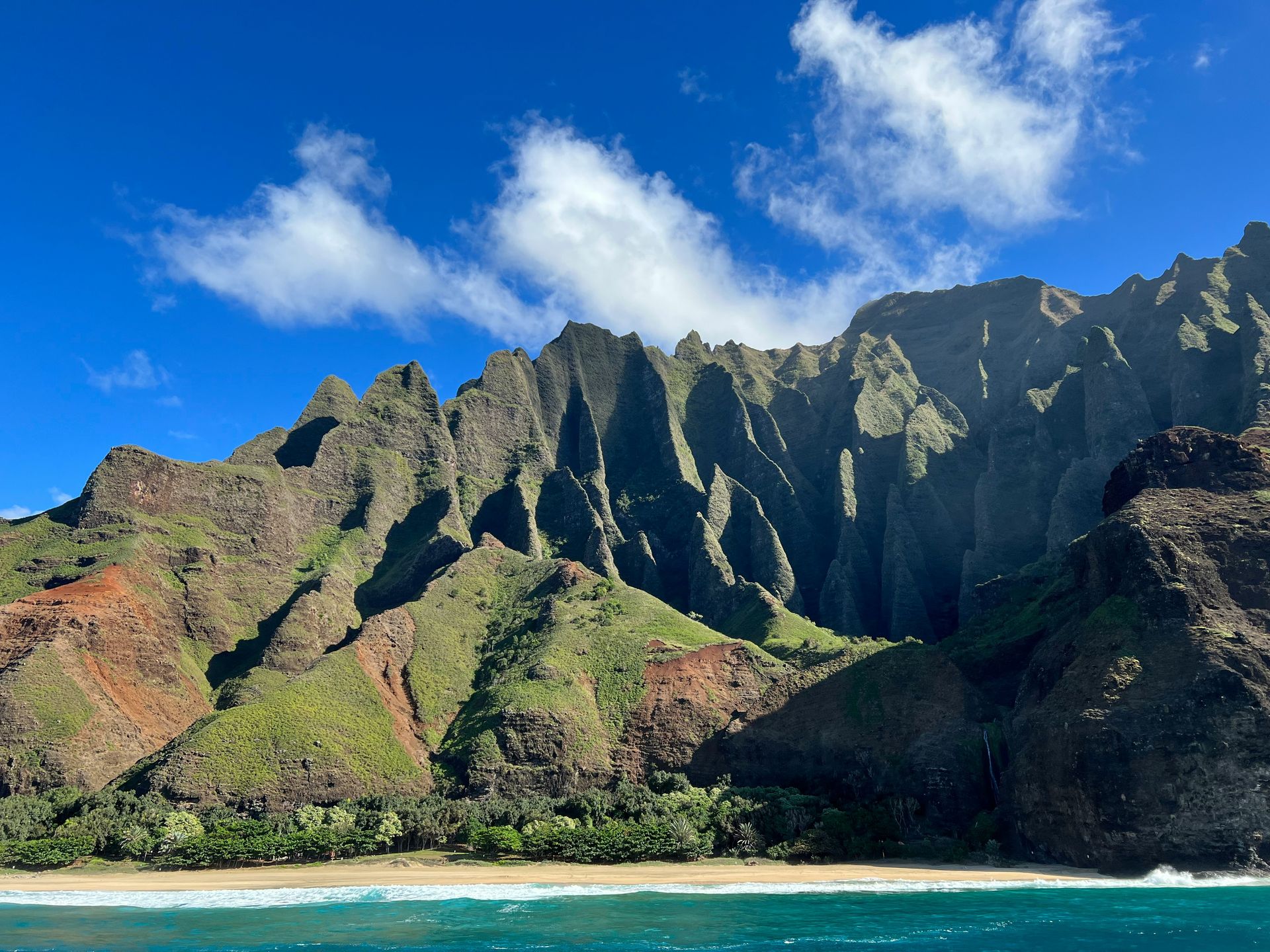
Kauai appears in every film in the Jurassic Park franchise as the fictional Isla Nublar, and the Na Pali Coast is the location within that island that captures the films' most cinematically overwhelming imagery. The Na Pali's towering green cliffs, which rise thousands of feet directly from the ocean along Kauai's northwest shore, produce a geological drama specific to this coastline: no road reaches the Na Pali, which gives the cliffs an inaccessibility that the franchise's premise — a remote island where dinosaurs roam — required as a fundamental visual condition.
The absence of road access to the Na Pali gives visitors two options: water or air. Charter boat tours with companies like Makana Charters approach the cliffs from the ocean, offering passengers a perspective on the full height of the formations that land-based viewpoints cannot match. Helicopter tours with operators like Blue Hawaiian Helicopters fly over and alongside the cliffs, providing the aerial vantage point the films use in their approach sequences, and the cliffs' vertical scale rewards from above in a way that ground- or water-level views, however dramatic, do not.
The Na Pali Coast also served as the visual inspiration for Isla Sorna, the "Site B" introduced in "The Lost World: Jurassic Park," giving the coastline a dual fictional identity within the franchise. Visitors who know the films well enough to distinguish between the two island locations will find recognizable imagery from multiple films along the same stretch of Kauai coastline.
3. Manawaiopuna Falls on Kauai is the only Jurassic Park filming location accessible by helicopter
Cyril Fluck / Wikipedia Commons (CC BY 2.0)
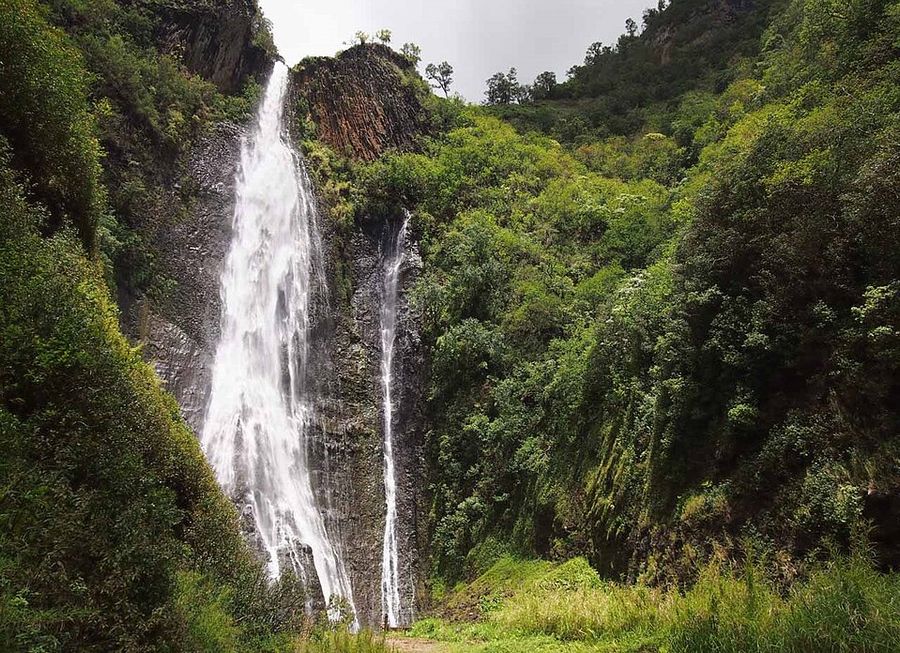
Manawaiopuna Falls, known to the franchise's fans as Jurassic Falls, served as the backdrop for the helicopter approach and landing sequences in the original "Jurassic Park" — the first sustained encounter with Isla Nublar that the film gives its characters and its audience. The waterfall's scale and the jungle that surrounds its base give it the visual authority that the scene's function required: arriving by helicopter at a place this dramatic establishes the island's prehistoric character before a single dinosaur appears.
The falls sit on private property, which limits access to a single tour operator: Hawaii Adventure Center holds the exclusive rights to land helicopters at the falls and guide visitors on a jungle walk to the base. The exclusivity of this arrangement keeps visitor numbers low enough that the site retains the wilderness quality that makes it worth visiting, and the helicopter approach replicates the entry sequence from the film in a way that arriving by any other means would not. The walk from the landing area to the base of the falls adds a physical dimension that the aerial approach alone would not provide.
The combination of helicopter flight and jungle walk gives the Manawaiopuna Falls visit the most immersive single Jurassic Park filming location experience on this list. The site's controlled access, private land status, and the specific operator who holds the landing rights mean that booking well in advance is a practical requirement rather than an optional precaution.
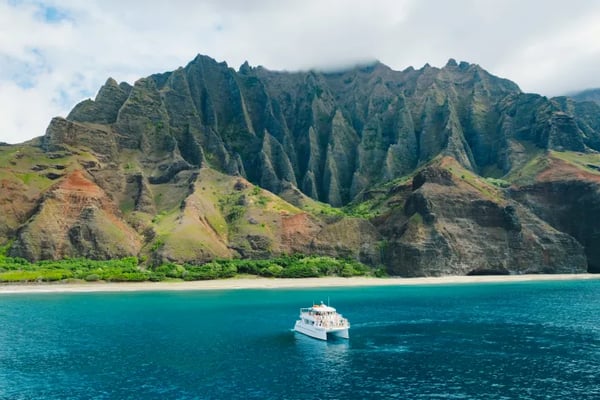
4. Kipu Kai on Kauai is the beach where The Lost World opens
Credit: Kauai Sea Tours
Kipu Kai, a two-mile stretch of sand on the southern coast of Kauai, serves as the beach where the Bowman family's vacation is interrupted by a squad of small dinosaurs in the opening sequence of "The Lost World: Jurassic Park." The beach's isolation — accessible only by boat — gives it a seclusion that the scene's premise required, and the natural landscape of the bay's enclosed setting gives Kipu Kai a visual character that the beach's inaccessibility by road has preserved from development.
Charter boat operators, including Captain Andy's Sailing Adventures, make Kipu Kai accessible from the Kauai coast, giving visitors who book a sailing tour a maritime approach to the same beach the film used for its arrival sequence. The boat-only access limits visitor volume to what charter boats can accommodate, giving the beach a quieter character than public beaches with road access typically maintain during peak tourist season.
The wider Kipu Kai area extends beyond the filming beach itself, offering the destination additional coastal scenery from the bay's natural setting. The surrounding cliffs and the offshore marine environment give a sailing visit to Kipu Kai a range of natural content beyond the specific filming location, which rewards travelers who want a broader Kauai coastal experience alongside the film connection.
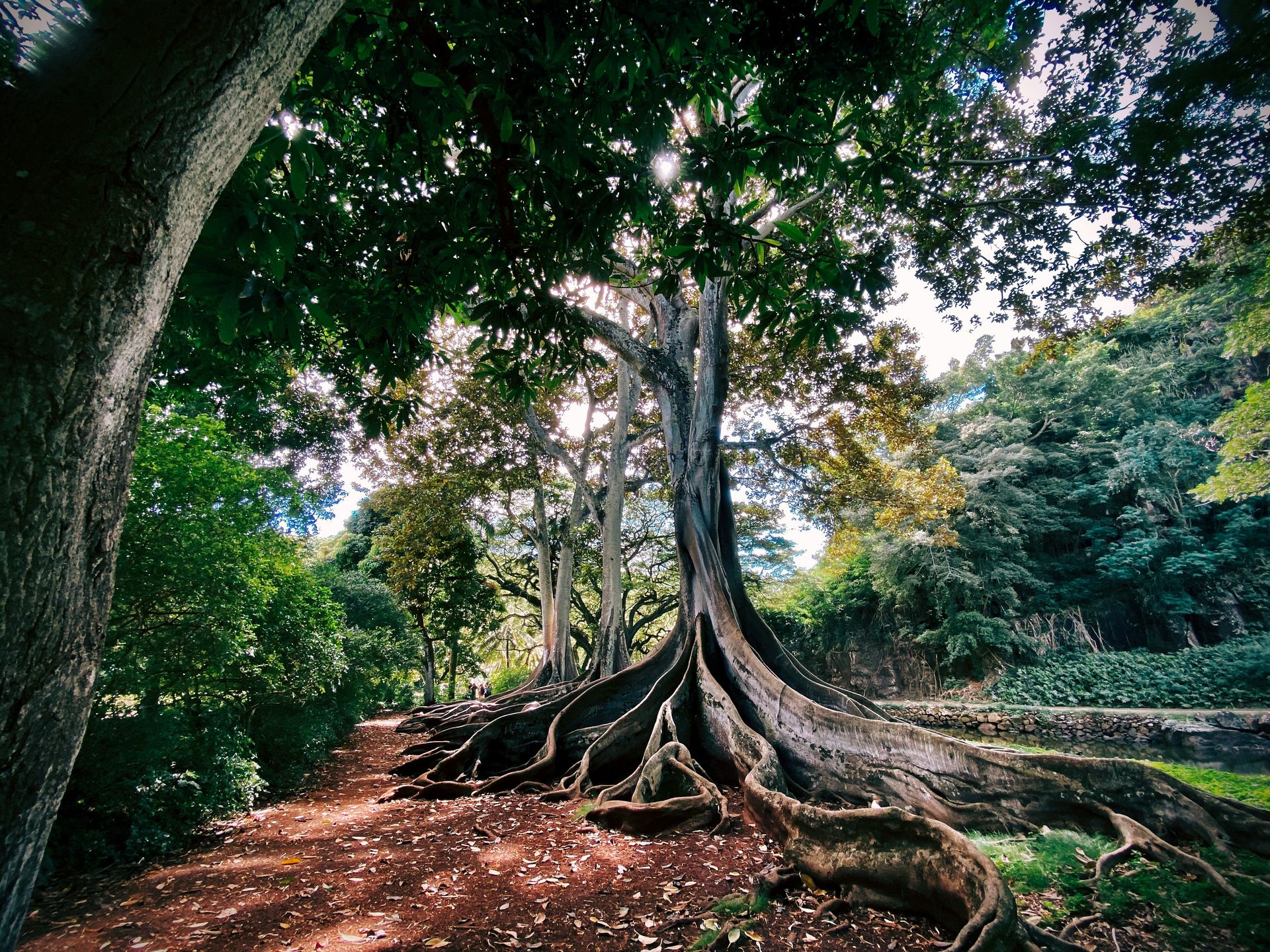
5. Allerton Garden on Kauai provided the vegetation scale that the franchise required
Jason Weingardt / Unsplash
The Allerton Garden, part of Kauai's National Tropical Botanical Garden, appears in the Jurassic Park franchise as the botanical backdrop for several sequences that require vegetation at the scale demanded by the films' prehistoric setting. Hawaii's tropical plant life grows to dimensions that temperate-climate filming locations cannot match, and the Allerton Garden's collection of mature tropical specimens gives it a density and height that location scouts identified as the closest available approximation to a world where Brachiosaurus-sized herbivores would find an adequate food supply.
The garden is accessible through self-guided walks and structured tours that give visitors the option of covering the grounds independently or with guidance that contextualizes the plant collections within their Hawaiian ecological and cultural setting. The National Tropical Botanical Garden designation gives the Allerton Garden scientific significance beyond its film history: the collections it maintains include rare and endangered Hawaiian native plant species alongside the tropical specimens from across the Pacific that give the garden its visual scale.
The garden's location on Kauai's south shore gives it a setting within the broader Kauai tourism landscape that complements rather than duplicates other filming locations on the island. Visitors who combine Allerton Garden with Na Pali Coast boat tours or helicopter visits to Manawaiopuna Falls can cover the island's Jurassic Park filming locations in a day, with the garden's more leisurely pace balancing against the more physically active alternatives.
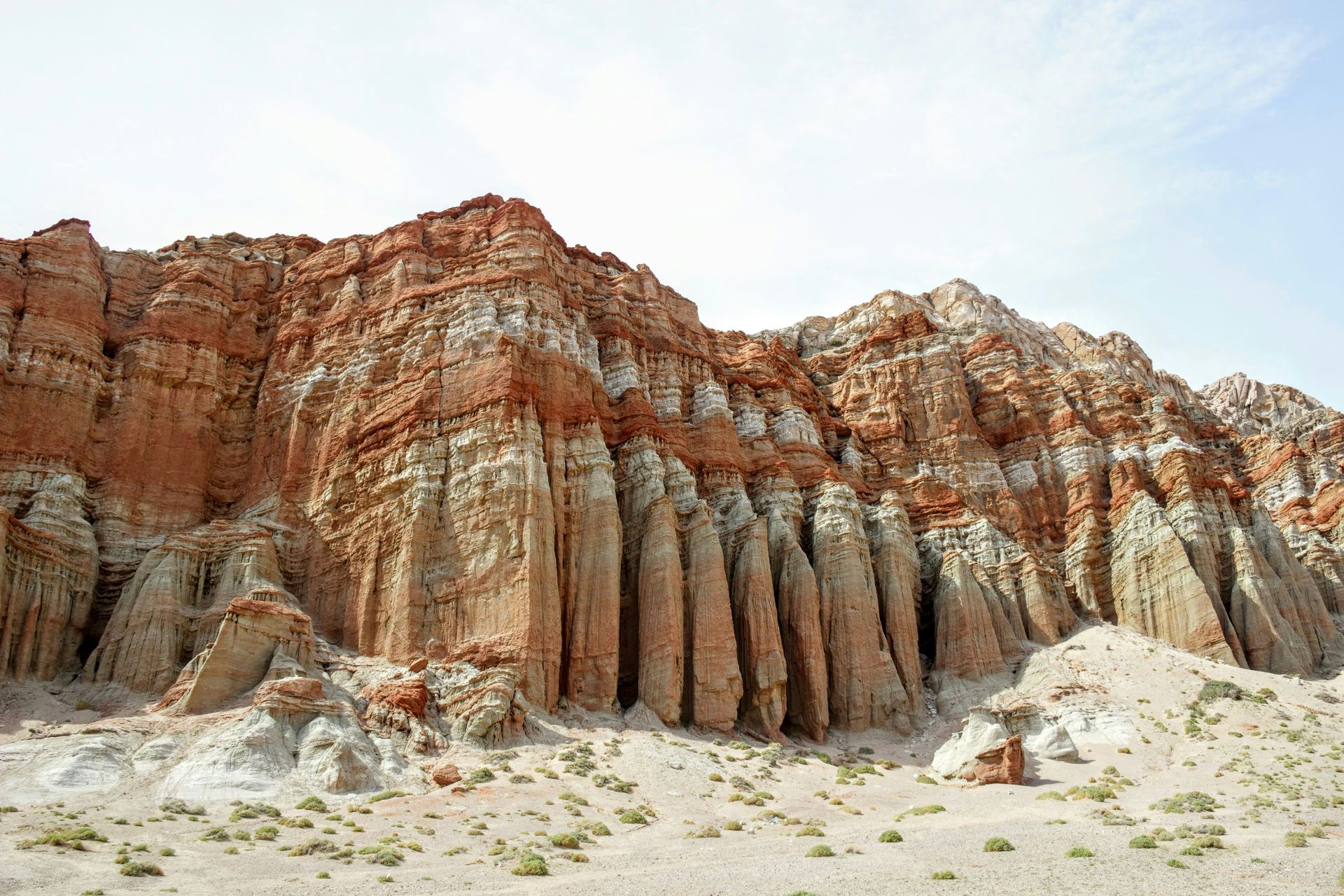
6. Red Rock Canyon State Park in California hosted the franchise's paleontology opening scene
Kristen P / Unsplash
Red Rock Canyon State Park in the California desert served as the filming location for the original "Jurassic Park's" opening sequence, in which Dr. Alan Grant describes velociraptor anatomy to a skeptical child while the camera reveals an active paleontological dig site. The canyon's geological character — layered sandstone and volcanic formations in shades of red, orange, and grey — gives the location its name and its visual authority as a landscape that genuinely produces dinosaur fossils in the real world, which makes its use as the fictional dig site something closer to typecasting than fabrication.
Red Rock Canyon is consistently described by paleontologists as one of California's most significant fossil-bearing sites, which lends the filming location scientific credibility that the franchise's premise of dinosaur resurrection uses as a starting point. Hiking and camping in the park give visitors access to the landscape that the opening sequence established as the film's grounding in real scientific practice before the island's more fantastical elements took over the narrative.
The park's accessibility from Los Angeles — roughly two and a half hours north via the Antelope Valley — makes it a practical day trip for visitors based in Southern California who want to combine the California filming locations with a visit to Universal Studios Hollywood's studio tour, where several of the franchise's interior scenes were filmed. The desert landscape of Red Rock Canyon gives the Los Angeles-area Jurassic Park filming location experience a geographic contrast to Universal's studio environment.
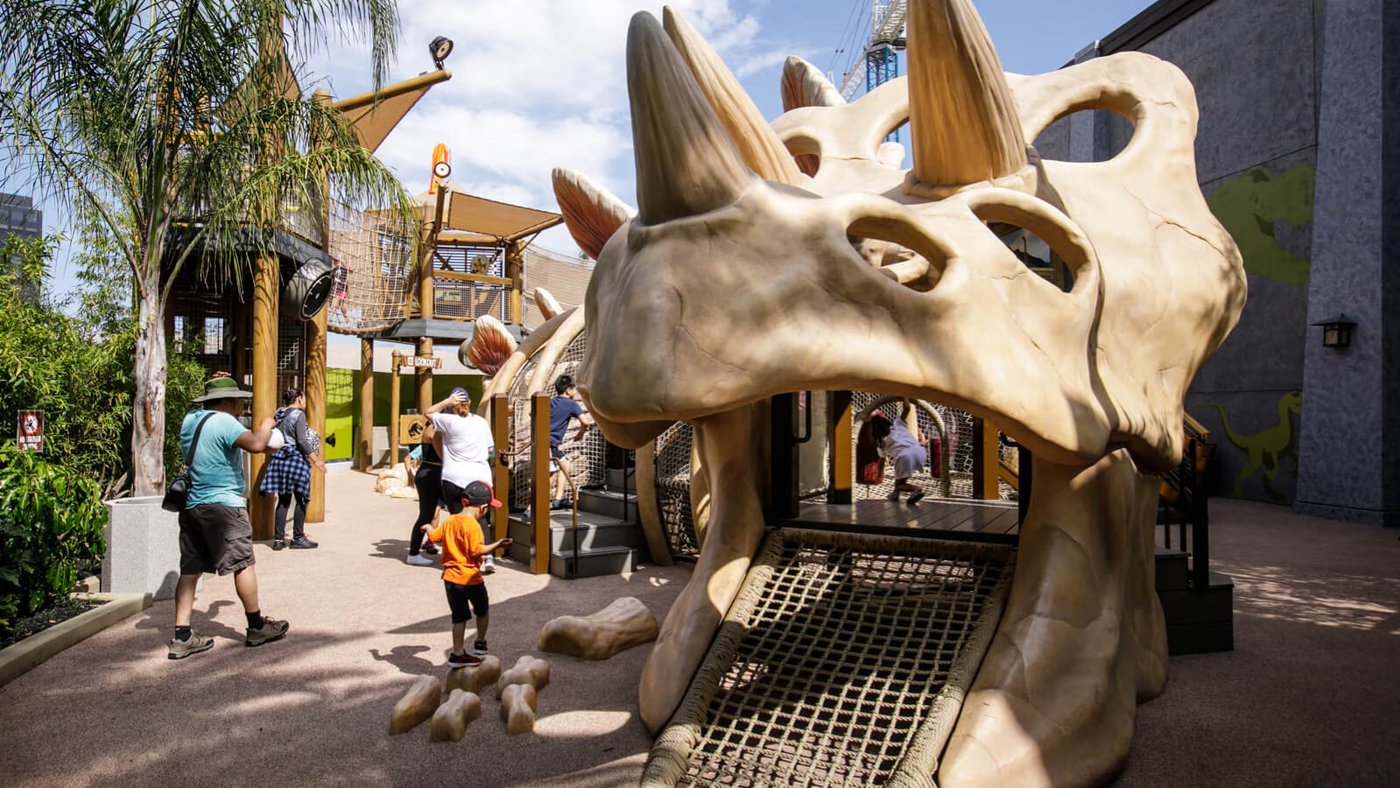
7. Universal Studios Hollywood preserves the franchise's most technically complex interior sets
Credit: Universal Studios Hollywood
Universal Studios Hollywood is where several of the Jurassic Park franchise's most technically demanding interior sequences were shot, with specific stages hosting the raptor attack, the power shed, the visitor center kitchen, the dilophosaurus scenes, and the control room and hatchery. The studio tour that Universal offers gives visitors access to these stages and other sets used in additional productions, which frames the Jurassic Park filming locations within the broader history of Hollywood production rather than isolating them as standalone attractions.
The studio tour format gives the filming location experience a contextual depth that standalone natural settings cannot provide in the same way: the visible infrastructure of filmmaking — the stages, the lighting rigs, the controlled environments that films require — gives visitors an understanding of how the locations on Kauai and the interiors at Universal combined to produce a single coherent fictional world. The kitchen raptor sequence, one of the most celebrated scenes in the franchise, was filmed on a stage within walking distance of the Na Pali Coast footage that serves as the same island's exterior. Seeing both locations gives the franchise's production geography a physical reality that watching the completed film does not convey.
The Universal Studios Hollywood theme park that surrounds the studio tour gives visitors with children a broader Jurassic Park franchise experience that extends well beyond the historical filming locations into the interactive attractions that the franchise's later commercial development produced.
8. Valletta in Malta put its historic architecture into Jurassic World Dominion
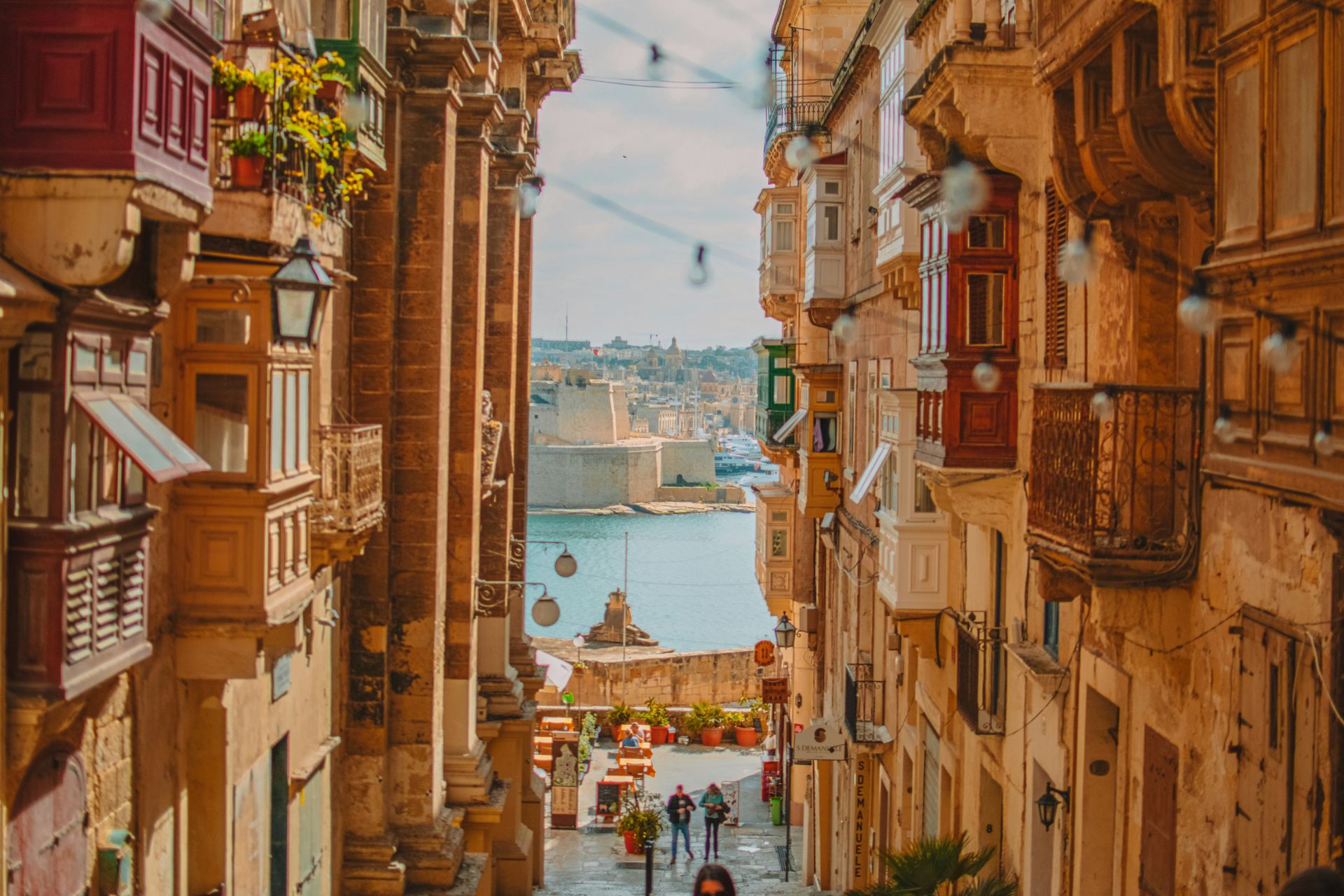
Michail Tsapas / Unsplash
Malta's capital city, Valletta, appeared in "Jurassic World Dominion $D" as the urban environment where Owen Grady rides a motorcycle in a chase sequence, a sequence that the film's trailers circulated widely before the movie's release. The specific location is St. George's Square $SQ, a historic open space in the center of Valletta that the film's production used without significant modification, which gives the filming location a readily accessible quality for visitors who can reach the square on foot from anywhere in the compact walled city.
Malta's contribution to "Jurassic World Dominion" extends beyond Valletta to include the fortified cities of Floriana and Birgu and the Għar Tuta cave in Mellieħa, which the film used to represent a Utah dig site. The range of Maltese locations across the film gives visitors who come specifically to trace the production a touring itinerary that covers several distinct parts of the archipelago rather than concentrating on a single site.
Valletta's status as a UNESCO World Heritage Site gives the filming location a historical and architectural significance that exists independently of the franchise. The 16th-century fortifications, Baroque palaces, and the elevated streets that offer views over the Grand Harbour make Valletta worth visiting on its own terms, meaning that Jurassic Park fans who come for the filming location encounter a city that rewards the visit with considerably more than its cinematic history alone provides.
9. Ho'opi'i Falls on Kauai connects the franchise's fictional amber mine to a moderate hiking trail
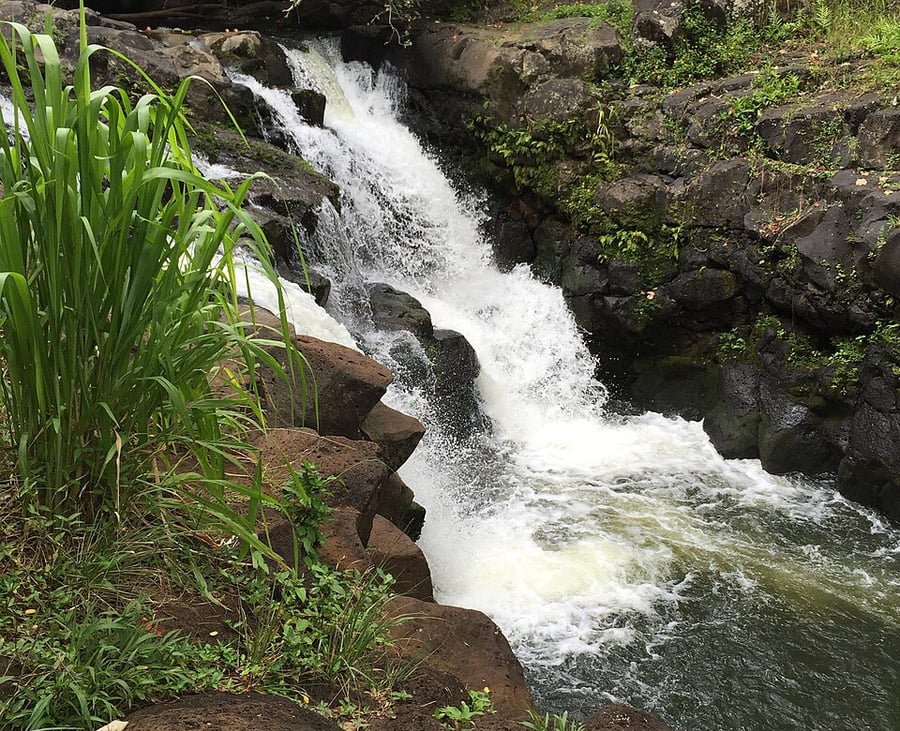
DarkNight0917 / Wikimedia Commons (CC BY-SA 4.0)
Ho'opi'i Falls on Kauai served as the filming location for sequences representing the Mano de Dios Amber Mine in the Dominican Republic — the amber mine from which the franchise's core premise of mosquito-preserved dinosaur DNA originates. The decision to film this foundational plot location in Hawaii rather than the Caribbean gives the site a role in the franchise's narrative architecture that its accessibility via hiking trail makes available to visitors without specialist equipment or guided tour requirements.
The 1.8-mile out-and-back trail to Ho'opi'i Falls begins in a residential neighborhood, which gives the hike a distinctly local character that the more remote Kauai filming locations lack. The trail is rated moderate and leads through vegetation to the falls overlook, where the waterfall and the surrounding jungle give the site a visual character that the amber mine's fictional importance within the franchise makes worth understanding in the context of where the scenes were actually shot.
The Ho'opi'i Falls trail gives visitors who want a physically active Jurassic Park filming location experience an alternative to the helicopter and boat tours that the most dramatic Kauai sites require. The combination of a moderate hike, a genuine waterfall, and a specific narrative role in the franchise's opening premise gives the site a value that the more accessible location and the lower cost of the hiking trail make particularly practical for visitors planning a multi-site Kauai itinerary.
10. The Garden of Eden Arboretum on Maui's Hana Highway appears in the franchise's helicopter arrival
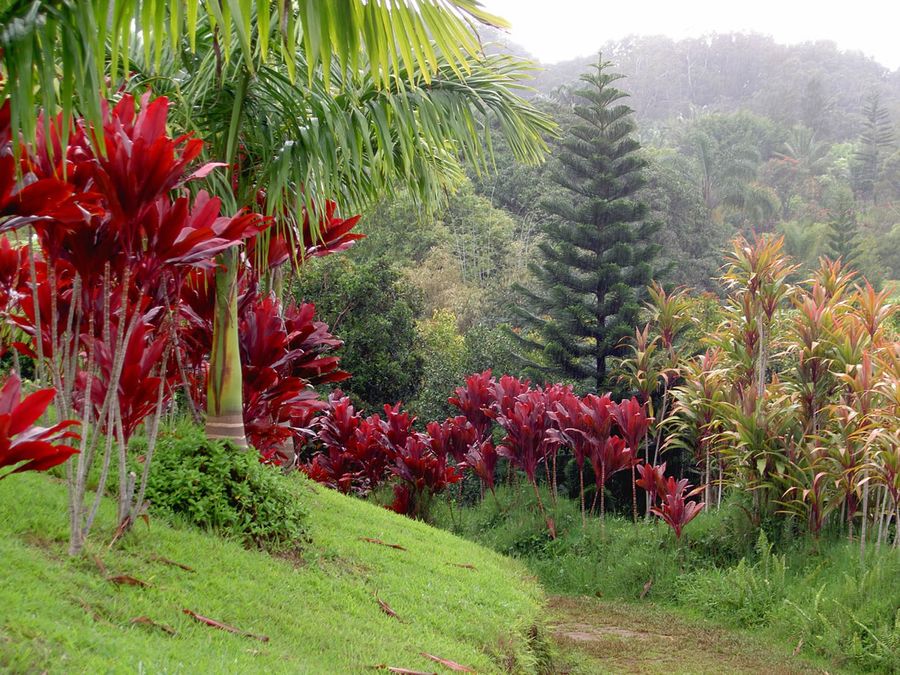
Credit: Maui Garden of Eden
The Garden of Eden Arboretum and Botanical Garden on Maui's Hana Highway appeared multiple times in the original "Jurassic Park" as the scientists' first visual encounter with the island, seen from the helicopter during the approach sequence. Keōpuka Rock, known within the franchise's fan community as "Jurassic Rock," makes a specific appearance during this arrival and gives the Garden of Eden a single geological feature that fans can identify and photograph from the trail to the Keōpuka Rock Overlook.
The Hana Highway setting gives the Garden of Eden a logistical context within one of Hawaii's most celebrated scenic drives, which means visitors who include the arboretum in a Hana Highway day trip combine a franchise filming location with one of Maui's primary tourist routes. The highway's waterfalls, coastal scenery, and botanical diversity give the full drive a range of natural content that the Garden of Eden contributes to rather than standing apart from.
The self-guided walk through the arboretum gives visitors access to the vegetation and landscape used in the helicopter arrival sequence without requiring a tour reservation, which gives the site a flexibility that the guided or capacity-limited access of other filming locations on this list does not share. The trail to the Keōpuka Rock Overlook gives the visit a specific destination within the arboretum that the franchise reference makes legible even for visitors who know the scene rather than the rock's real name.