From Tokyo's unmarked speakeasies and bohemian neighborhoods to a Seto Inland Sea island where a museum is also the hotel
Alex / Unsplash
Japan has become one of the world's most visited countries, and the concentration of that tourism in a handful of destinations has made the problem of crowding acute. Tokyo, Kyoto, Osaka, and Niseko absorb the overwhelming majority of international visitors, which means those destinations now carry the logistical friction that extreme popularity produces: advance booking requirements measured in months, timed entrance tickets for individual temples and gardens, and a baseline ambient tourist density that makes the experience feel shared in ways that independent travel is supposed to avoid. The traveler who has already experienced Japan's canonical circuit, or who simply wants something different, faces a question that Japan's depth makes answerable in more directions than most countries can offer.
The less-traveled version of Japan is not a lesser version. Ryokans serving Japanese families in rural areas, mountain resorts developed for Tokyo weekend escapes, and island destinations built around regional art festivals all operate at a quality level that would immediately attract international visitors if they were better known. Japan's domestic travel infrastructure is world-class and geographically distributed in ways that the international tourist map does not reflect. The gap between what Japanese travelers have access to and what appears on the international tourist circuit is the most productive gap for anyone who has already seen the highlights.
The seven destinations below appear in Travel + Leisure, drawn from the firsthand account of a Travel + Leisure A-List Japan specialist, Mark Lakin, who spent a month traveling the country, specifically in search of crowd-free destinations, luxury accommodations, and private experiences unavailable on the standard tourist circuit. Each offers a distinct reason to visit, along with a specific accommodation recommendation from someone who has stayed in all of them.
Susann Schuster / Unsplash
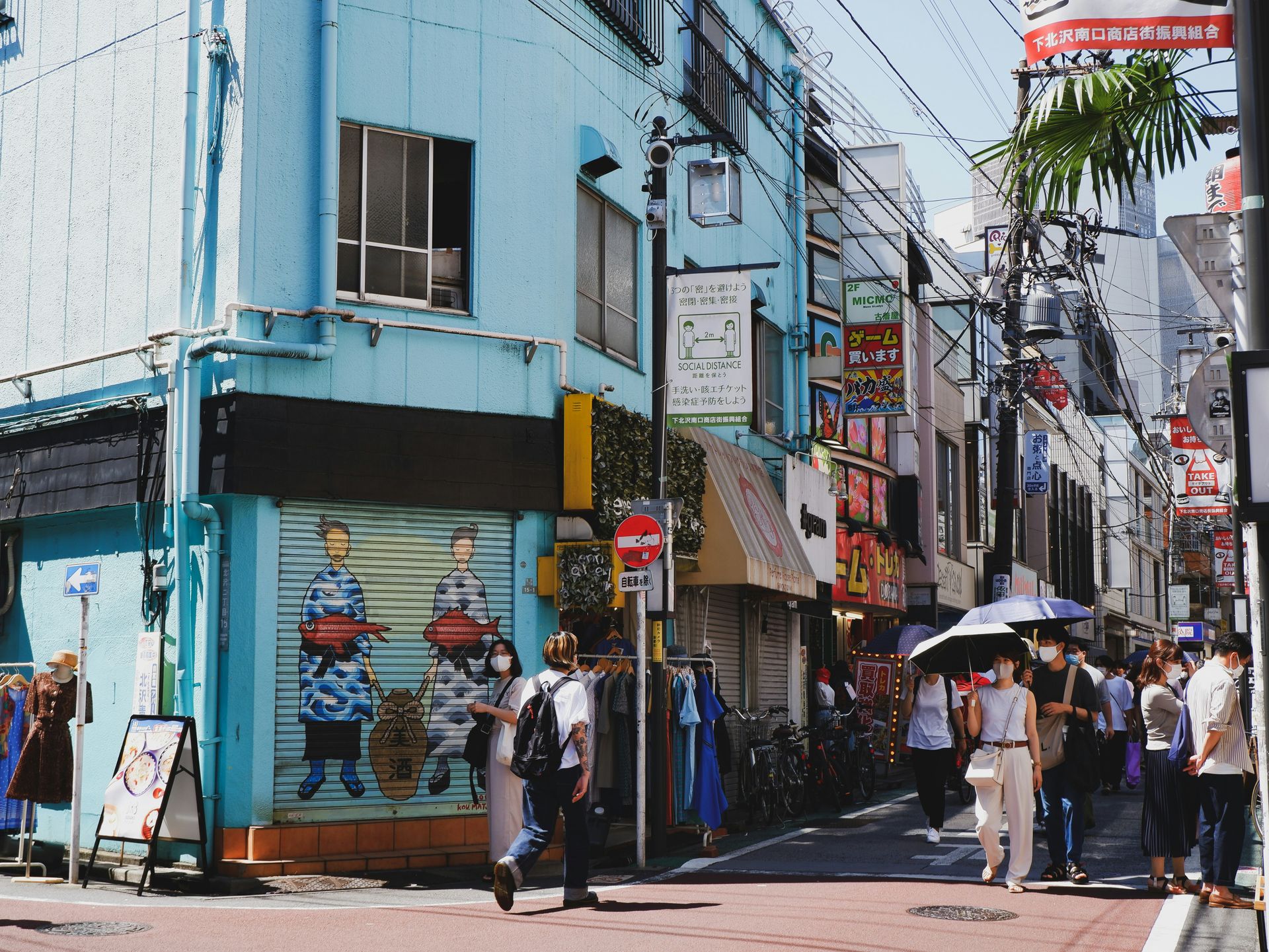
Tokyo is the most visited city in Japan, but Lakin argues that even the world’s most touristed metropolis has neighborhoods international visitors almost never reach. Sangenjaya, a residential area in the city’s western reaches, is built around winding streets lined with tiny bars and cafes that serve an entirely local clientele. The energy here is not performative for visitors — it is simply the social life of a Tokyo neighborhood, which gives it a quality of authenticity that the areas around Shinjuku and Asakusa, however vibrant and genuinely worthwhile, cannot provide in the same terms.
Shimokitazawa and Daikanyama extend Tokyo's alternative geography into vintage clothing shops, independent boutiques, and galleries showcasing the work of emerging Japanese artists. Shimokitazawa has been Tokyo’s bohemian heart in the domestic cultural conversation for decades — musicians, writers, and young creatives have chosen it specifically for its density of small live music venues, second-hand record shops, and theater spaces — while remaining almost entirely absent from international travel coverage that concentrates on the city’s larger and more photogenic districts. Daikanyama’s galleries give visitors access to contemporary Japanese visual culture in an environment where the work is encountered on its own terms rather than as part of a tourist attraction.
Janu Tokyo, part of Aman’s newest hospitality brand, opened in May 2024 and offers these neighborhood explorations a luxury base that matches the experiential quality of the neighborhoods themselves. Eight restaurants and the city's largest spa give the property a breadth of facilities that make it a destination in its own right rather than simply convenient accommodation. For travelers who want to experience Tokyo beyond the standard circuit, the combination of Janu’s facilities and the specific neighborhoods Lakin identifies offers a genuinely different itinerary. The fact that Janu opened in 2024 means it has quickly become one of the most talked-about properties in a city where hotel competition is fierce, and where the standard for what a luxury hotel must deliver has been set by decades of exceptional Japanese hospitality.
Nate Watson / Unsplash
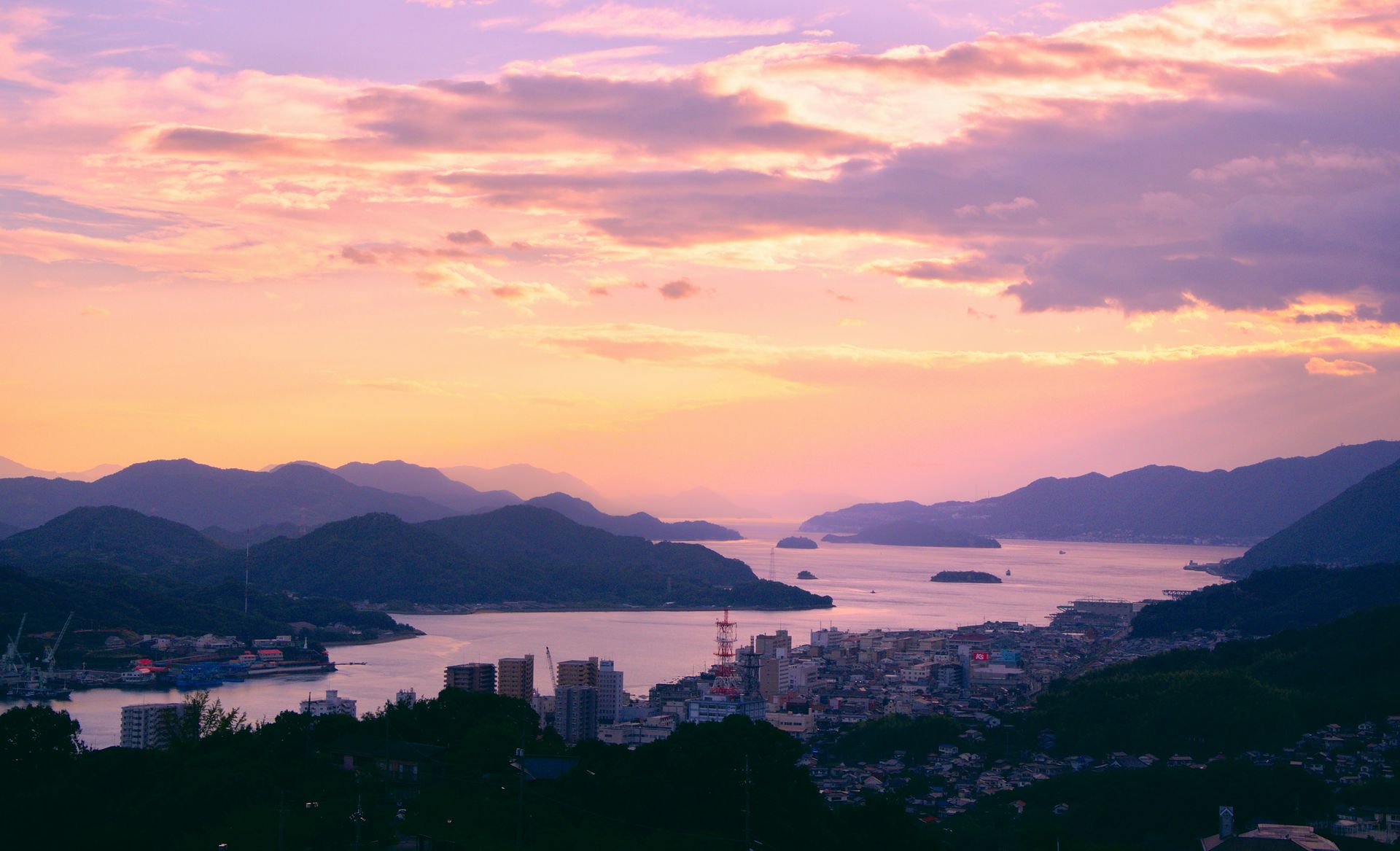
Onomichi occupies one of the most scenic positions in Japan: a fishing port along the Seto Inland Sea, built on steep hillsides above the water, just 40 minutes by shinkansen from Hiroshima. The town’s tiny temples, local artisan shops, and charming cafes reward slow exploration rather than efficient sightseeing. The cable car that ascends the cliffs above the port gives visitors an elevated perspective on the town and the sea that the narrow hillside streets below do not, and the descent through winding lanes gives the visit a topographic logic that makes simply walking feel like discovery.
The Setouchi Islands, reachable by private boat from Onomichi, extend the exploration into an archipelago whose fishing villages, white-sand beaches, and suspension bridges constitute some of Japan’s most beautiful and least visited inland sea scenery. The Shimanami Kaido cycling route crosses a series of bridges connecting several islands, offering cyclists a journey through a maritime landscape that no road in Japan’s interior can match. The azure waters of the Seto Inland Sea, protected from ocean swells by the surrounding islands, give the swimming and picnicking beaches a calmness and clarity that Pacific-facing coastlines cannot match. The combination of cycling, private boat exploration, and time in the fishing villages gives the Setouchi Islands a range of paces and levels of engagement that make a multi-day stay considerably more rewarding than the single-day excursion most visitors currently manage.
Azumi Setoda, a 22-room ryokan on one of the Setouchi Islands, was developed by Adrian Zecha, the founder of Aman, who identified this archipelago as an undiscovered destination worth pioneering in the same way Aman identified remote locations in Bali, Bhutan, and Patagonia decades earlier. The property’s small scale and its position in a landscape that international travelers have barely begun to find give it the quality of genuine discovery that Aman’s more established properties can no longer provide. For travelers who want to be among the first to experience a destination that the luxury travel world has just begun to notice, Onomichi and the Setouchi Islands offer precisely that opportunity, with the accommodation quality to match the landscape’s promise.
Nichika Sakurai / Unsplash
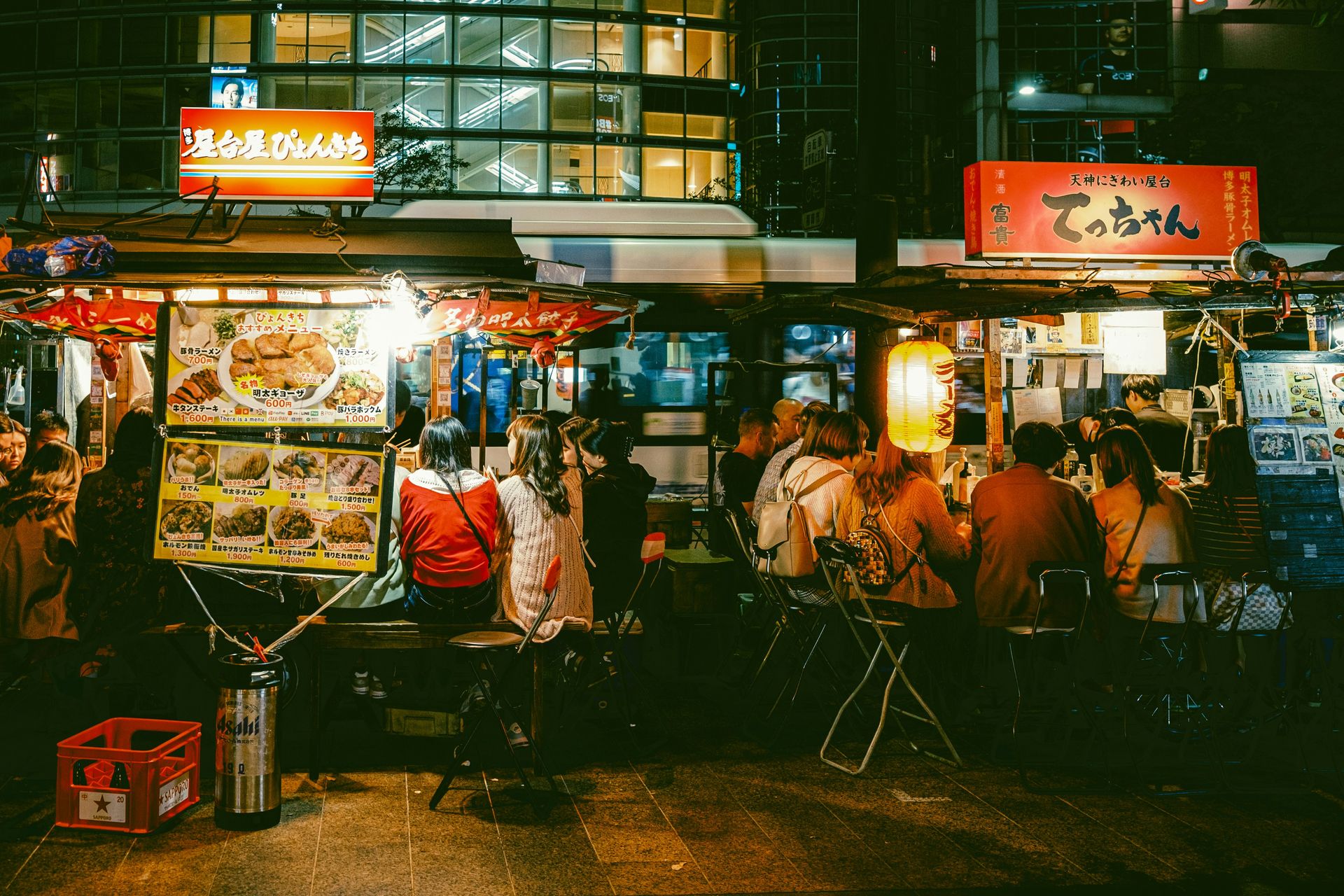
Fukuoka is a vibrant city on Japan’s southern Kyushu island, large and sophisticated enough to have developed its own distinct culinary identity, yet it receives a fraction of the international visitors that Osaka and Tokyo draw, despite offering comparable urban depth. Hakata ramen, the rich tonkotsu pork-bone broth style that originated in this city, is available throughout Japan but is best understood at Fukuoka’s own ramen stalls, where local variations and regional pride in the dish give the eating a specificity that replicated versions elsewhere lack. The gyoza here are similarly specific to the city’s culinary tradition, made and eaten in ways that reflect local rather than standardized practice.
Beyond food, Fukuoka offers modern art institutions, the ruins of Fukuoka Castle surrounded by parkland in the center of the city, and shops run by local artisans whose craft reflects the Kyushu region’s specific traditions. The city’s coastal location on Hakata Bay gives it a seafood culture supplied by both the Seto Inland Sea and the East China Sea, adding a marine dimension to a culinary program that ramen and gyoza already give genuine depth. The overall effect is of a Japanese city that has developed its own complete identity, independent of the tourist circuit, in ways that reward the traveler willing to base themselves here for several days rather than passing through on a Kyushu loop.
The Grand Sumo Tournament, Japan’s most prestigious spectator sporting event, arrives in the Fukuoka region each November. Attending a sumo tournament in person is categorically different from watching it on television: the ritual of the bout preparations, the ring-entering ceremonies, the gyoji referee’s chanting, and the physical reality of the wrestlers at close range give the sport a ceremonial power that no broadcast can convey. November travel to Fukuoka for the tournament gives visitors a specific cultural event with no equivalent elsewhere in the world, in a month when Japan’s peak-season crowds have thinned considerably. The Ritz-Carlton Fukuoka, with its Club Lounge, four restaurants, and views across Hakata Bay, provides a base whose quality aligns with the city’s own culinary ambitions and the significance of the tournament it positions visitors to attend.
Chloe Evans / Unsplash
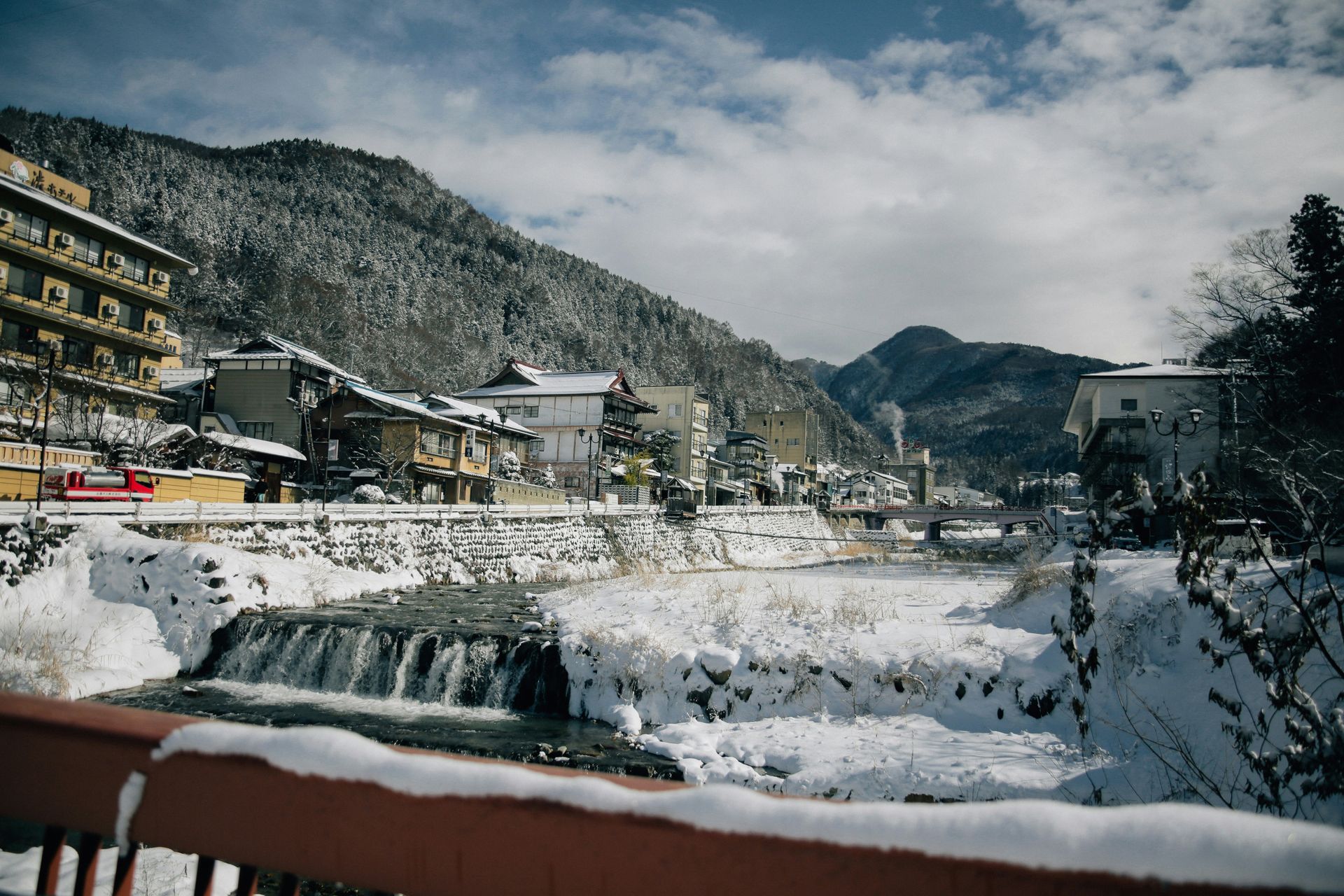
Nagano Prefecture offers an alternative to Niseko that most international ski travelers have not considered, despite the fact that the Japanese Alps produce snowfall of comparable quality to Hokkaido’s and the resort towns of Hakuba and Nozawaonsen operate with a fraction of the international visitor density that Niseko carries at peak season. The terrain at Hakuba, which hosted alpine events during the 1998 Winter Olympics, gives serious skiers a mountain environment whose scale and variety the more famous Hokkaido resorts match but do not exceed. The onsen towns that surround both resorts give the après-ski dimension a specifically Japanese character: transitioning from ski boots directly into a yukata robe and entering a natural hot spring is an experience available at very few ski destinations globally.
The town of Iiyama, within the broader Nagano region, extends the winter visit into cultural territory that ski resort infrastructure typically ignores. A gold leaf kintsugi workshop gives participants hands-on engagement with the Japanese art of repairing broken ceramics with gold-filled lacquer, making the repair itself the most beautiful part of the object. The philosophy behind kintsugi, which treats breakage and repair as part of an object’s history rather than as a means to conceal damage, gives the craft a conceptual dimension that makes the workshop memorable in ways that most souvenir shopping does not. Ice fishing with a local fisherman and snowshoeing through the forest with a Buddhist monk complete an activity program whose range, from artisanal to contemplative to athletic, is unusual in any single destination.
Travel agencies such as The Legacy Untold can arrange stays in privately owned minka farmhouses, traditional structures with thatched or tiled roofs and open hearth interiors, restored with the western comfort standards that international travelers require. No hotel built for tourism purposes can replicate the experience of sleeping in an actual Nagano farmhouse in the Japanese winter, and the arrangement gives the accommodation a specificity to place that chain hotels, however comfortable, cannot deliver.
Tsai Derek / Unsplash
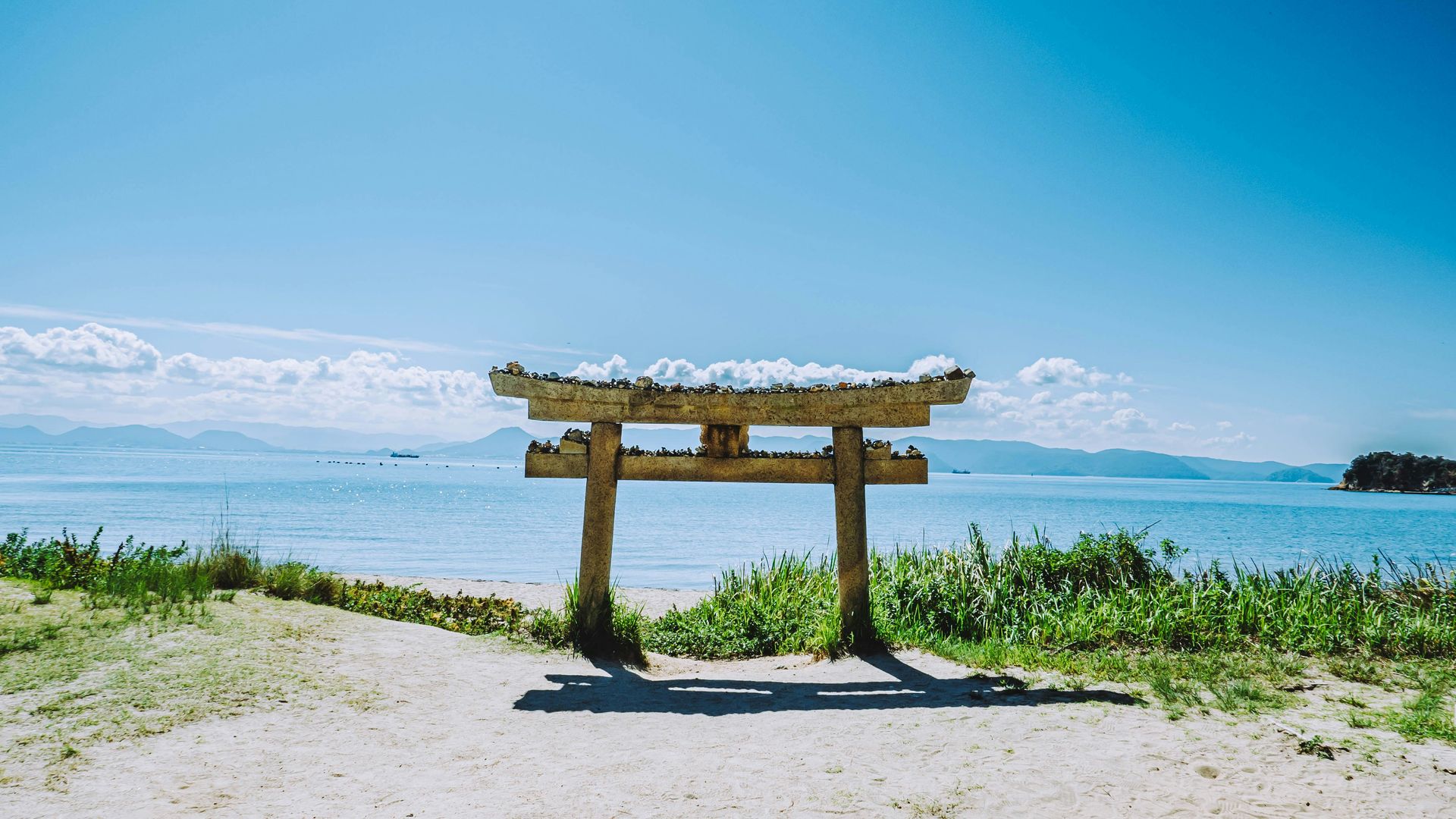
The Art Islands of the Seto Inland Sea — principally Naoshima and Teshima — represent one of the most significant concentrations of contemporary art and architecture in the world and receive almost no attention from international travelers who are not specifically pursuing the art world’s geography. The Chichu Art Museum on Naoshima, designed by Tadao Ando and built entirely below ground so that nothing protrudes above the hillside landscape, houses Monet’s Water Lilies in rooms designed specifically around those paintings, with natural light entering through ceiling apertures that Ando calculated to illuminate the canvases at angles the artist worked toward in his final years. The experience of encountering the paintings in a building whose entire design serves their specific visual requirements is available nowhere else in the world.
Yayoi Kusama’s “Pumpkin” sculpture on Naoshima, installed at the end of a pier with the Inland Sea behind it, has become one of the most recognized outdoor sculptures in contemporary Japanese art. The island’s broader collection of outdoor installations, distributed across the landscape rather than confined to gallery buildings, gives Naoshima a quality of an open-air museum, where encounters with art happen in the context of island terrain, agricultural land, and sea views simultaneously. Teshima’s own art installations, including the Teshima Art Museum, extend the experience across the archipelago in ways that a single-island visit cannot cover.
Benesse House on Naoshima is both a hotel and a museum, designed by Ando and positioned on a quiet hillside overlooking the Inland Sea. Staying within the building that houses the collection, waking to sea views framed by the museum’s architecture, and walking between indoor and outdoor installations in the early morning before other visitors arrive, gives the art encounter a duration and intimacy that day-trip visitors cannot access. It represents perhaps the most complete version of what destination travel can be: a place where the hotel, the art, the architecture, and the landscape are inseparable, and where each night spent there deepens the encounter rather than simply extending it.
Sunao Noguchi / Unsplash
Kanazawa, the capital of Ishikawa Prefecture on Japan’s western coastline, is Lakin’s most direct recommendation for travelers who want the cultural experience of Kyoto without the year-round visitor density Kyoto now attracts. The Nagamachi samurai district, preserved with original earthen walls and water channels, gives Kanazawa a physical connection to Japan’s feudal period that Kyoto’s temple and shrine culture approaches from a different angle. The samurai residences in Nagamachi are among the best-preserved in Japan outside open-air museum contexts, offering visitors a genuine neighborhood with its historical character intact rather than reconstructed.
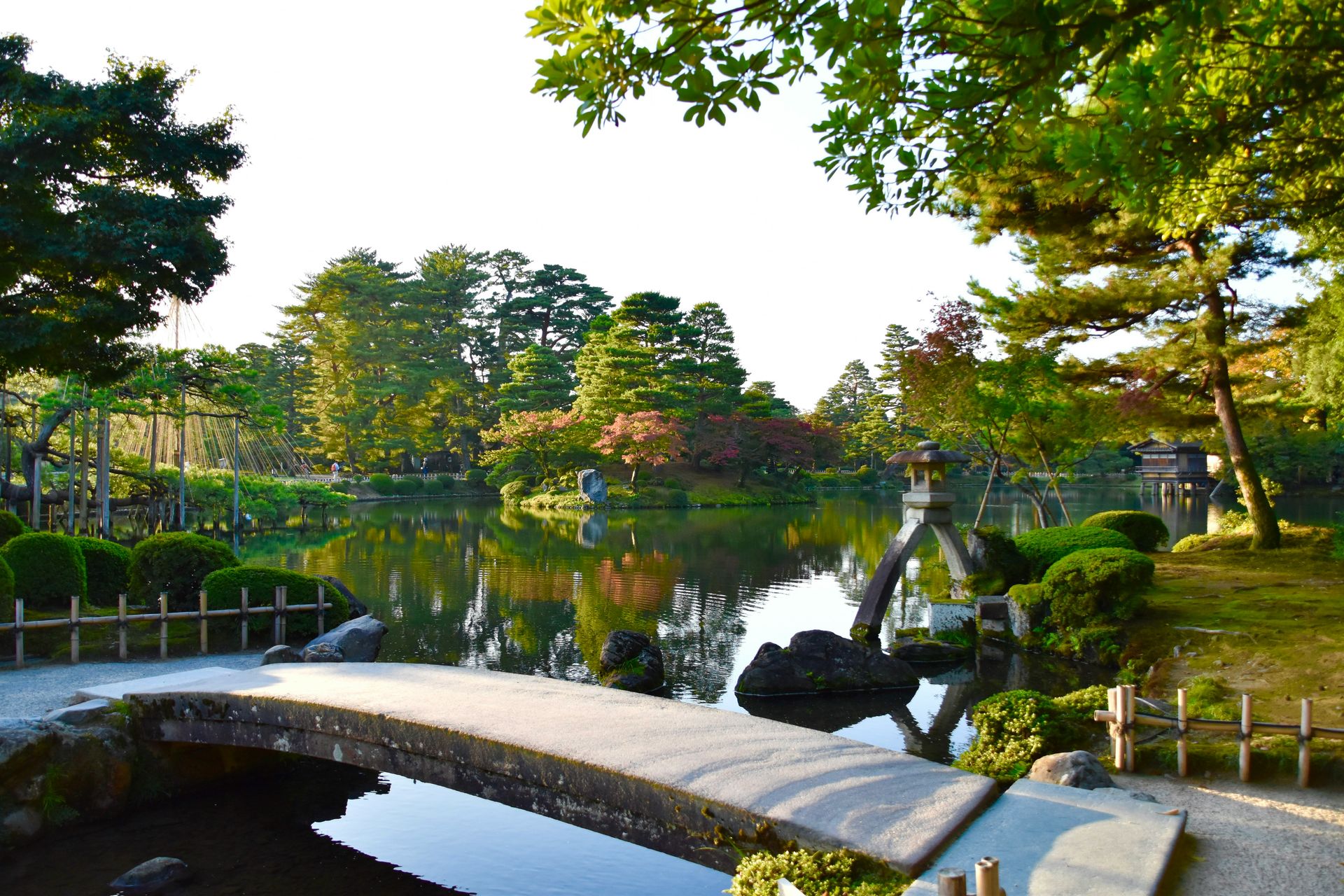
Kenroku-en, one of Japan’s Three Great Gardens, gives Kanazawa a landscape destination whose centuries of careful development have produced a seasonal program of cherry blossoms, iris, autumn color, and snow-laden winter pines that makes a visit at any time of year worthwhile in its own specific terms. The garden’s scale, its combination of formal and naturalistic design principles, and its integration of water features fed by an Edo-period engineering system give it a depth that a single afternoon visit can only begin to exhaust.
The artisan tradition sustained in Kanazawa reflects centuries of patronage from the Maeda clan, the lords whose capital the city was and whose investment in gold leaf, Kutani ceramics, and Kaga Yuzen silk dyeing established craft practices that continue in the city’s workshops today. Visiting a traditional geisha house in the Higashi Chaya district gives travelers a cultural experience that Kanazawa preserves more authentically than the more heavily visited geisha districts of Kyoto. Lakin’s specific recommendation of Kobe beef in Kanazawa, at a price point far below what Tokyo or Osaka charges for the same quality, gives the city a culinary argument as concrete as the craft and garden culture that surrounds it. Korinkyo, an art gallery-turned-boutique hotel with an on-site distillery and cocoon-inspired interiors, offers a stay whose identity is specific to Kanazawa’s creative culture rather than generic to Japan’s luxury hotel market.