From a full-day tour hitting five landmarks to a speedboat that hits 35 mph under Tower Bridge, the best London tours for every kind of visitor
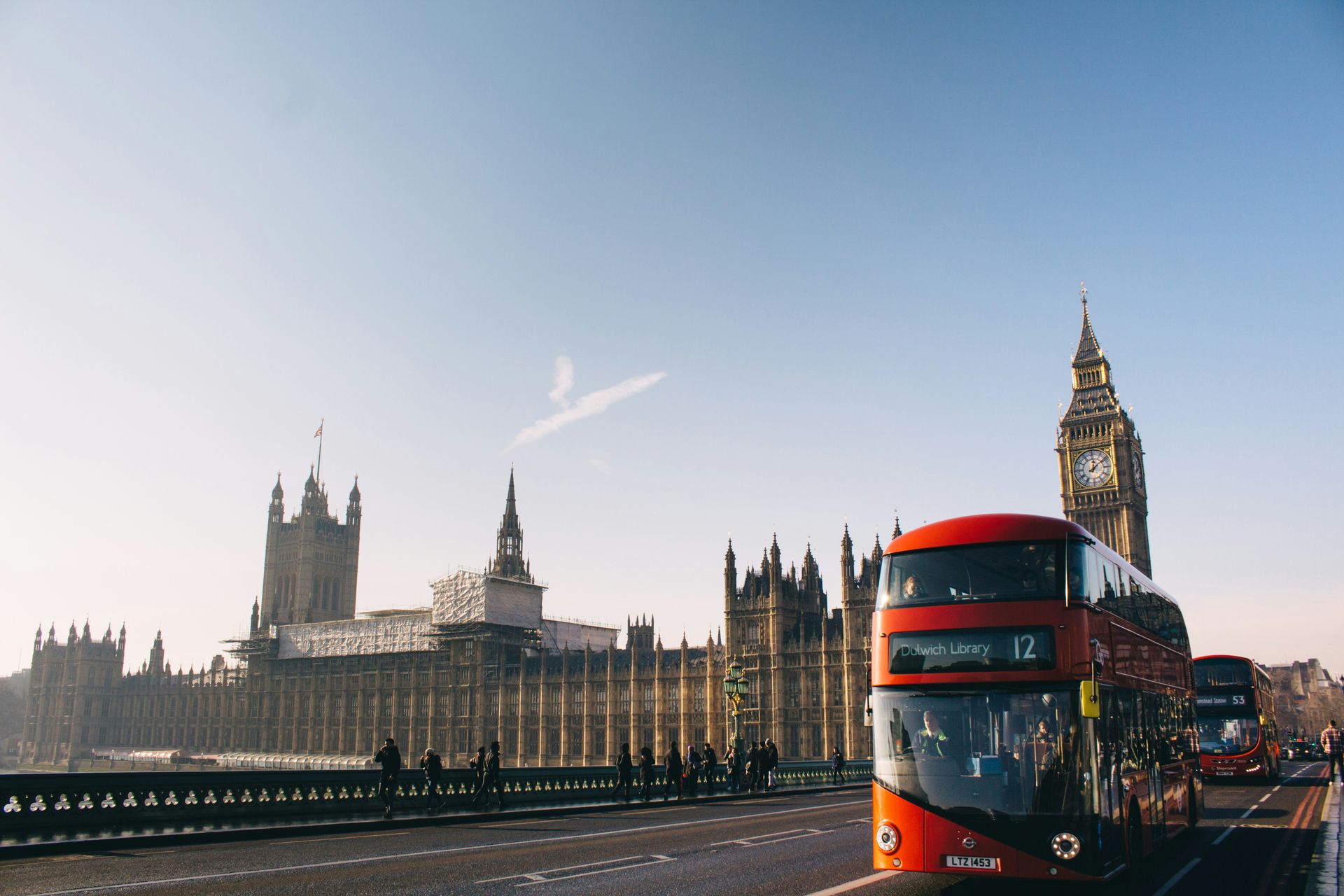
Aron Van de Pol / Unsplash
London is one of the most visited cities in the world, and the density of significant sights within its boundaries creates a particular planning challenge: where to begin, how much to cover, and how to move through a city of this scale without spending the better part of each day navigating. Guided tours solve that problem directly. A well-designed London tour removes the logistical burden, ensures access to attractions that require entry, and layers historical and cultural context onto what would otherwise be a sequence of famous buildings seen from the street. The city rewards contextual knowledge: the Thames, the Tower, Parliament, and Buckingham Palace all become more legible when someone explains what happened there and why those things still matter.
London’s tour offerings span the full range of visitor interests. The canonical full-day sightseeing tour competes with specialist options that focus on Harry Potter film locations, Victorian serial killer history, British music legends, and pub culture with literary associations. Food tours cover Borough Market and the evolution of British cuisine. River options range from sedate historical cruises to speedboat rides at 35 miles per hour under Tower Bridge. Night tours give the city’s illuminated landmarks a different visual character than the same streets carry in daylight.
These 10 tours come from U.S. News & World Report’s selection of the best London tours and excursions for 2026, covering a range of themes, durations, and price tiers. All featured tours have at least 100 reviews and a minimum rating of 4 out of 5 stars across multiple booking platforms. The 10 tours range from free walking tours to half-day excursions, with most falling in the budget to low-mid price tier. Tours with at-cost entry — such as the Yeoman Warder option at the Tower — bundle the guide experience into existing admission.
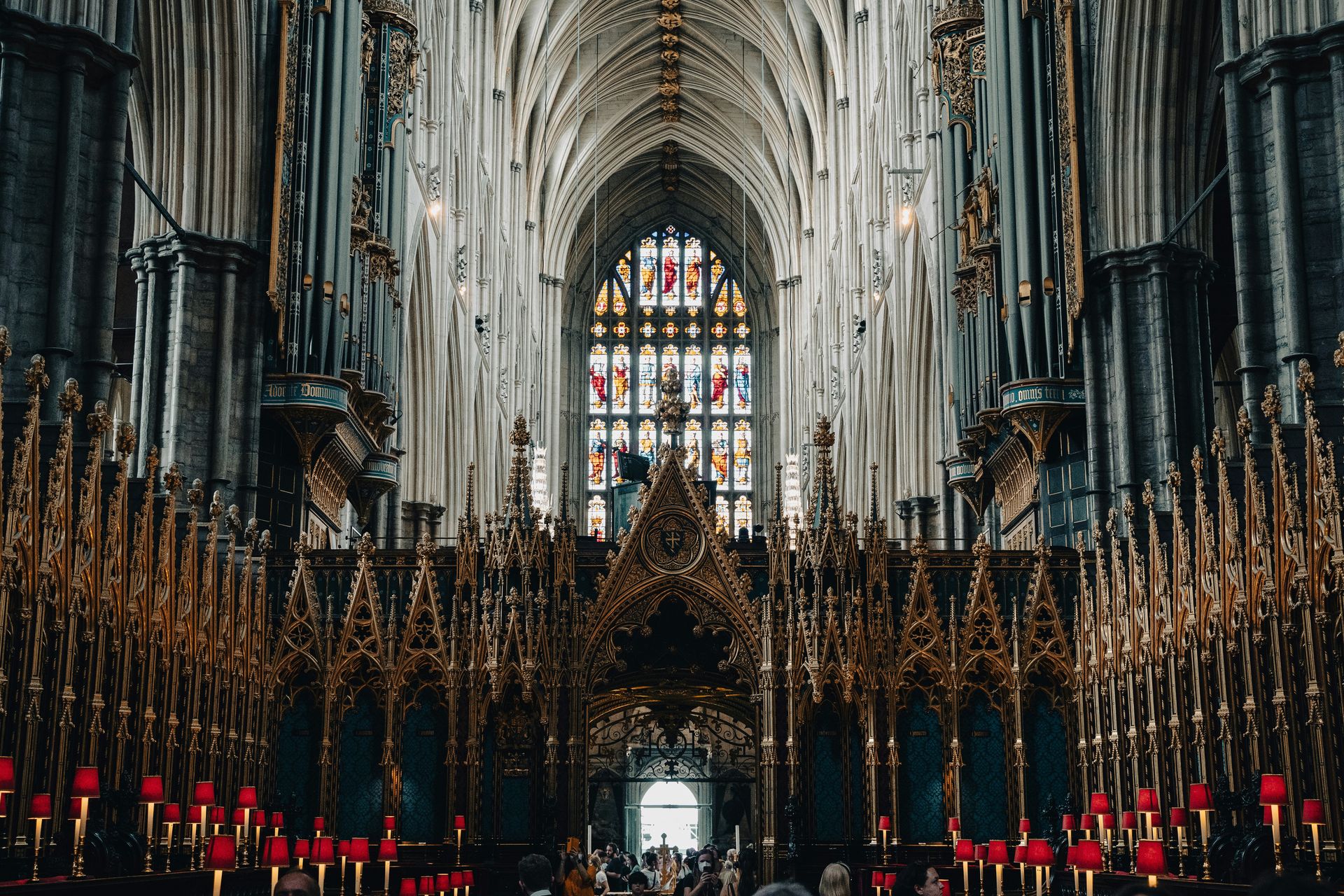
Cameron Mourot / Unsplash
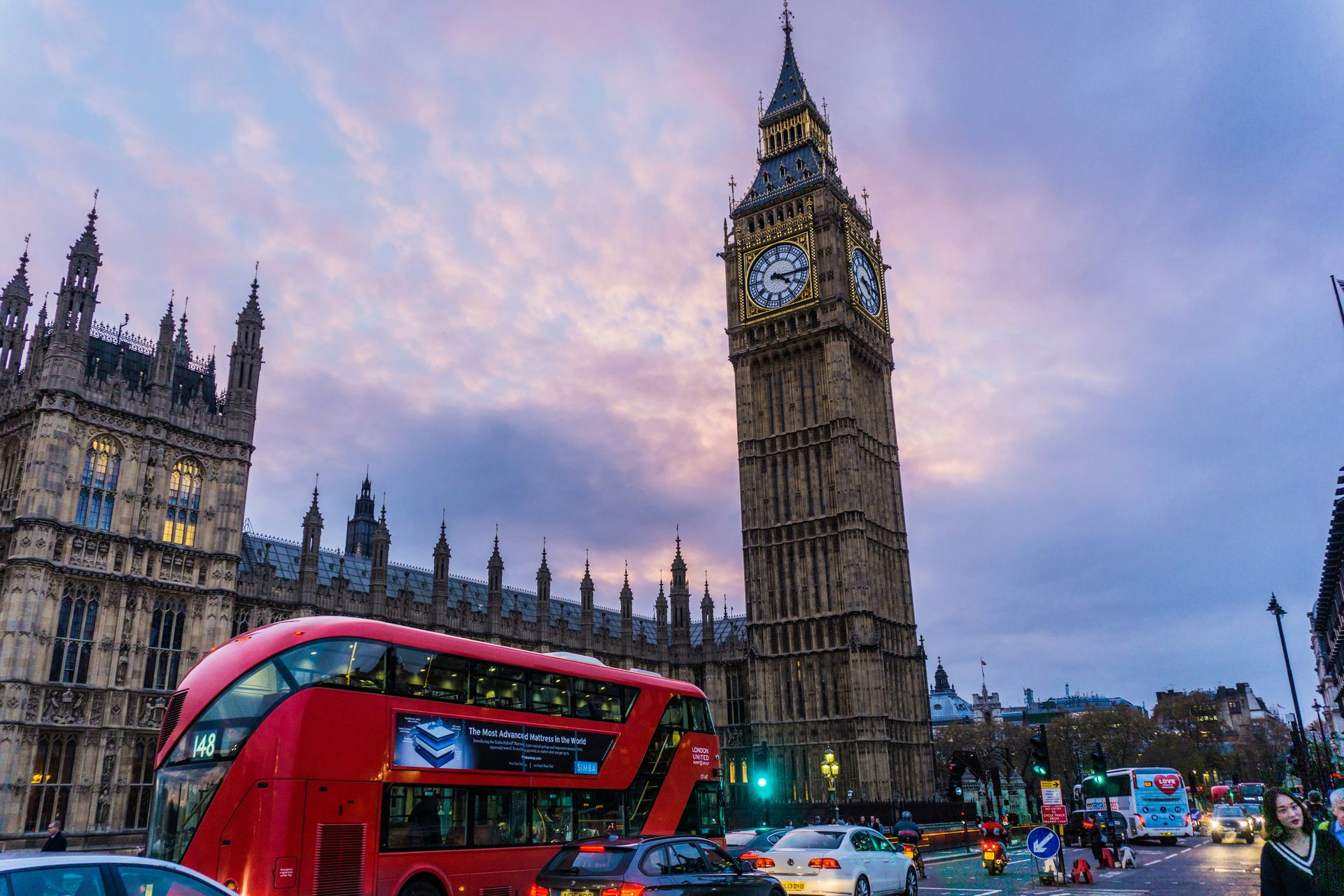
Premium Tours’ Full Day London Tour runs from approximately 7:45 a.m. to 4:30 p.m. and covers Westminster, St. Paul’s Cathedral, Buckingham Palace, the Tower of London, and a Thames river cruise, ending at the London Eye. The tour price covers entry to St. Paul’s Cathedral, the Tower of London, and the river cruise. Departures run daily from Victoria Coach Station, and the tour falls in the mid-price tier.
U.S. News sent an award-winning British travel writer based in London on this tour to provide a firsthand account. The guide timed the visit to Buckingham Palace to coincide with the changing of the guard, which takes place on Mondays, Wednesdays, Fridays, and Saturdays, and provided relevant information for anyone booking with that ceremony in mind. At the Tower of London, the group had a guided orientation followed by free time to explore independently, with most participants heading directly to the Crown Jewels. Along the route, the guide pointed out additional sites, including Downing Street, Fleet Street, and the building that served as Gringotts Wizarding Bank in the Harry Potter films.
The tour also includes an upgrade option that adds the London Eye and cream tea at Harrods. The travel writer, despite having grown up in the area, found new historical facts on every segment of the tour, which speaks to the depth of the guide’s knowledge beyond the standard narrative. Comfortable shoes and a light pack make sense. Baggage can be left on the bus until the Tower of London stop, after which the tour continues on foot and by boat. The guide also points out a reliable fish-and-chip shop near the Tower for a classic British lunch during free time at that stop. The guide also shared tips on when to attend Trooping the Colour dress rehearsals, providing participants with actionable calendar information beyond the tour’s scheduled stops, extending the guide’s value to the broader London visit.
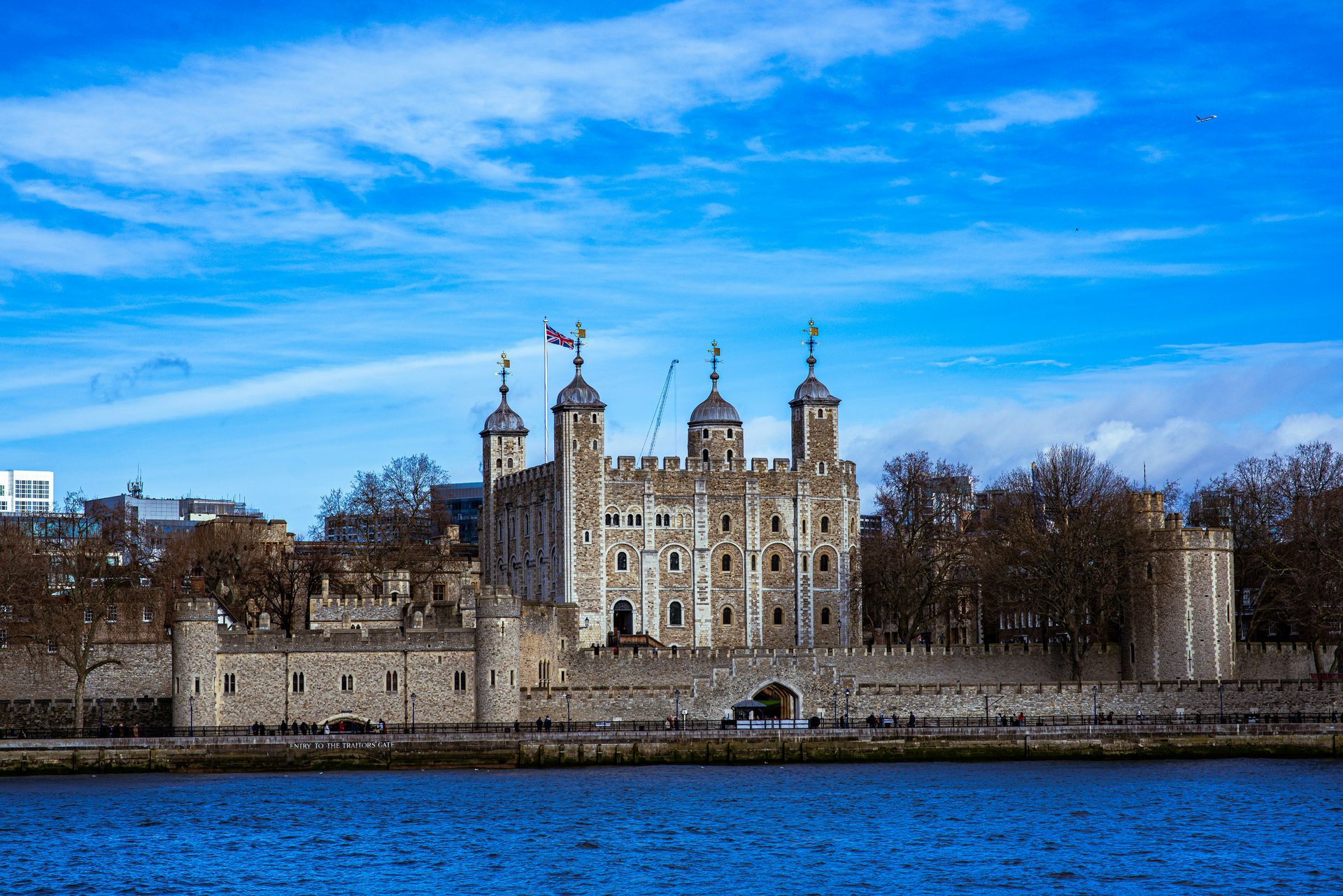
George Ciobra / Unsplash
The Yeoman Warder Tours at the Tower of London come included with standard admission and run every 30 minutes throughout the day, making them one of the most accessible guided experiences on this list. The Yeoman Warders — popularly known as Beefeaters — serve as guides and share stories drawn from the Tower’s centuries of history as a fortress, royal residence, treasury, and prison. The Tower is open daily.
The Beefeaters’ role as guides gives the tour a specific character that professional tour operators cannot replicate: these are working members of the institution, with the Tower as their literal home and workplace. The history they share is not sourced from a script but from years of residency at one of England’s most historically layered buildings. Previous travelers highly recommend the tours for the personal details and anecdotes the Yeoman Warders incorporate alongside the documented history.
One logistical note worth considering: some portions of the tour engage with the Tower’s darker history — executions, imprisonment, and the accounts of famous prisoners — in ways that the source identifies as potentially frightening for young children. Families visiting with small children may want to consider whether to join the tour or explore the Tower independently. The every-30-minutes departure schedule means there is no need to pre-book a specific tour slot, though admission to the Tower itself should be purchased in advance during peak season to avoid queues. The Yeoman Warders’ personal connection to the Tower also means the tour ends with an informal Q&A opportunity that more anonymous guide experiences do not provide. The Beefeaters have also served in the role for years and often know specific historical details about the Tower’s architecture, resident ravens, and ceremonial traditions that standard printed guides do not capture. Visitors who engage with the Beefeaters directly after the tour often extend their Tower visit well beyond the guided portion.
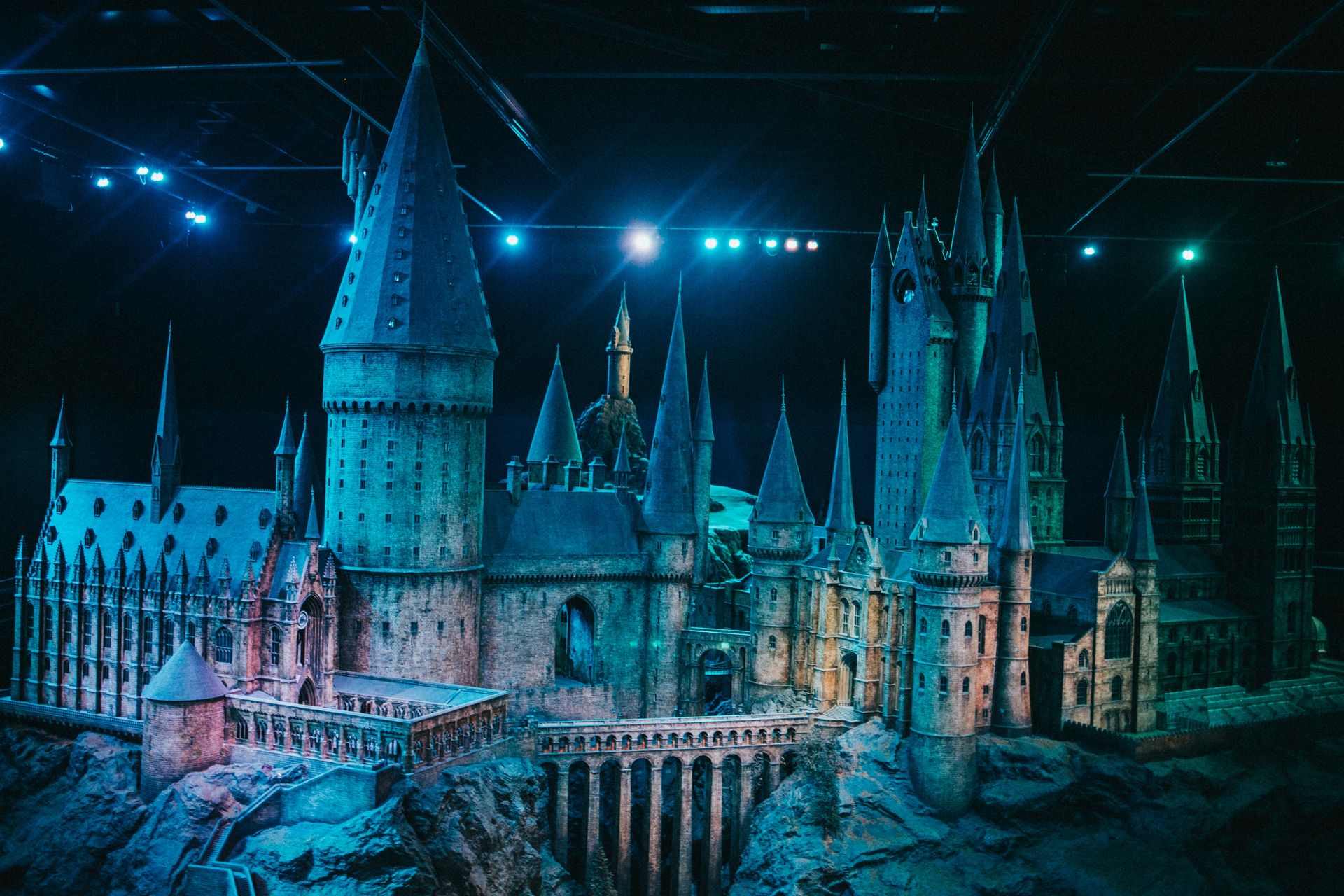
Korng Sok / Unsplash
The Warner Bros. Studio Tour London: The Making of Harry Potter gives visitors access to the actual sets, props, and costumes used across the eight Harry Potter films. The Great Hall, Diagon Alley, and Platform 9 3/4 are walkable at full scale. The Creature Effects exhibit shows how the production team constructed characters, including Buckbeak the Hippogriff and the spider Aragog, and brought them to life on screen. Butterbeer is available at the Backlot Café, and special exhibits change throughout the year, with additional seasonal installations around the holidays.
The tour runs three and a half to seven hours, depending on how thoroughly visitors engage with the exhibits, and the source recommends planning for at least half a day to appreciate the collection fully. Transportation to the studio from central London is available as an add-on package for visitors who prefer not to arrange their own travel. Themed packages and additional experiences are available beyond the standard admission.
The studio sits outside central London, which is the primary planning consideration for visitors building a day around it. The breadth of the collection — costume details, set dressing, production artwork, model work — rewards the kind of slow engagement that a half-day allows but a rushed two-hour visit does not. For Harry Potter fans visiting London, this tour is distinct from the city’s Harry Potter filming-location walking tours: it shows how the films were made, not where the camera crews set up. The studio’s exhibit depth allows repeat visits for dedicated fans who want to spend more time with specific elements of the collection. The studio’s proximity to London by train or tour bus also means it fits within a full day that starts and ends in central London without requiring overnight travel. The studio’s special holiday exhibits also give repeat visitors a reason to return during different seasons.
Lucas Davies / Unsplash
Experience Local’s Great British Rock and Roll Tour runs two hours, departs daily at 11 a.m., and operates as a small-group experience. The tour covers Denmark Street, known as “Britain’s Tin Pan Alley” for its concentration of music shops and studios, and traces the London connections of David Bowie, The Beatles, Pink Floyd, Jimi Hendrix, Queen, Led Zeppelin, and The Rolling Stones. The tour concludes with a beer at a local rock-and-roll-inspired pub.
Denmark Street holds a special place in British music history, extending well beyond any single artist. The street’s music shops and small recording studios were the infrastructure through which British rock developed in the 1960s and 1970s, when major artists worked in close proximity to each other and to session musicians, producers, and publishers whose less-celebrated contributions shaped the music. The tour gives that infrastructure a physical context that a museum exhibit or documentary cannot provide.
Previous participants rate the guides highly as storytellers, reflecting a specific skill requirement for this type of tour. A music history tour lives or dies by its guide’s ability to connect physical locations to cultural moments in ways that make the streets feel charged with residual significance. The pub conclusion gives the group a natural decompression point and, for participants whose interest the tour has sparked, a venue for continued conversation before heading back into the city. The small-group format also keeps the experience intimate enough that the guide can adjust the pace and emphasis based on which artists and stories generate the most interest from that particular group. Denmark Street’s current mix of music shops and recording studios alongside newer retail gives the tour a living geography, not a purely historical one. The pub conclusion is also a natural opportunity to make recommendations for music venues and record shops that carry the tour’s themes forward into the rest of the London visit.
Tom Chen / Unsplash
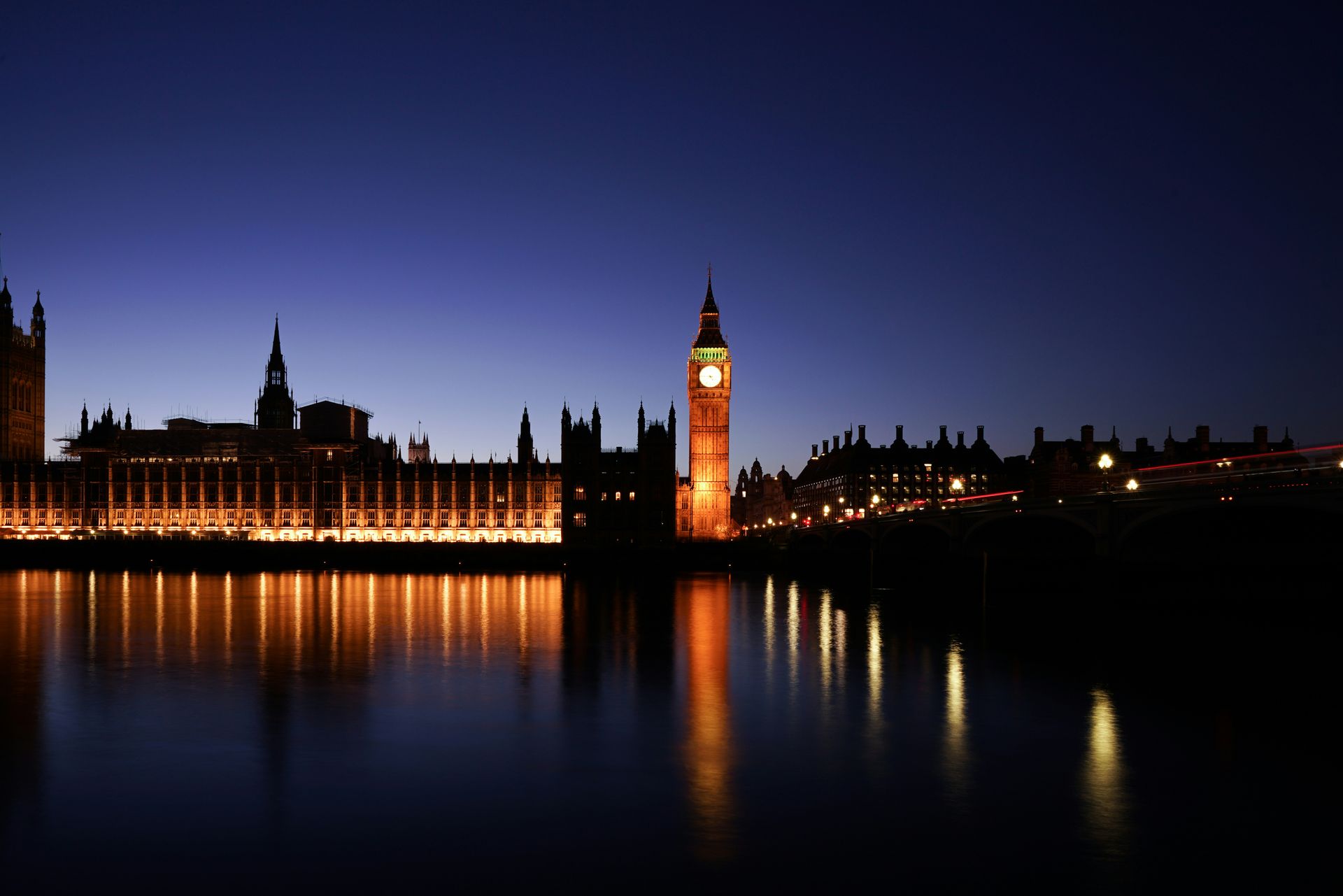
See London By Night’s Open-Top Bus Tour runs approximately 90 minutes and operates nightly year-round, with departure times varying by month. From the upper deck of a double-decker bus, the route passes Big Ben, the Houses of Parliament, Westminster Abbey, St. Paul’s Cathedral, and the London Eye in their illuminated nighttime state. A live guide provides historical context and local stories throughout.
The evening format changes the visual experience of landmarks that daytime visitors see in flat afternoon light. The illuminated facades of Parliament and Westminster Abbey, the golden glow of Big Ben’s clock face, and the spinning LED rings of the London Eye present differently in darkness than in daylight, a visual argument for the evening tour that the daytime version cannot make. Recent travelers specifically cite the photography opportunities from the upper deck as a highlight.
One practical consideration is that the source flags: during peak summer months, earlier tour departures may occur before the sky is fully dark. Reviewers recommend booking a later time slot during the summer to ensure the city is properly illuminated before the bus departs. The open-top format also means weather affects the experience — the upper deck in rain is less appealing than on a clear night — so checking the forecast and bringing a layer is advisable. The tour’s positioning as a low-stress alternative to navigating the same landmarks on foot during the day makes it especially useful for first-time visitors who want a nighttime orientation before committing to walking itineraries. The live guide’s dual role as historian and local storyteller also gives the nighttime format an educational dimension that recorded commentary cannot replicate in real time. The tour’s year-round nightly schedule also means weather and season affect the experience differently, with winter departures offering a crisper atmosphere and summer tours departing in partial daylight before the full night atmosphere develops.
Cody Martin / Unsplash
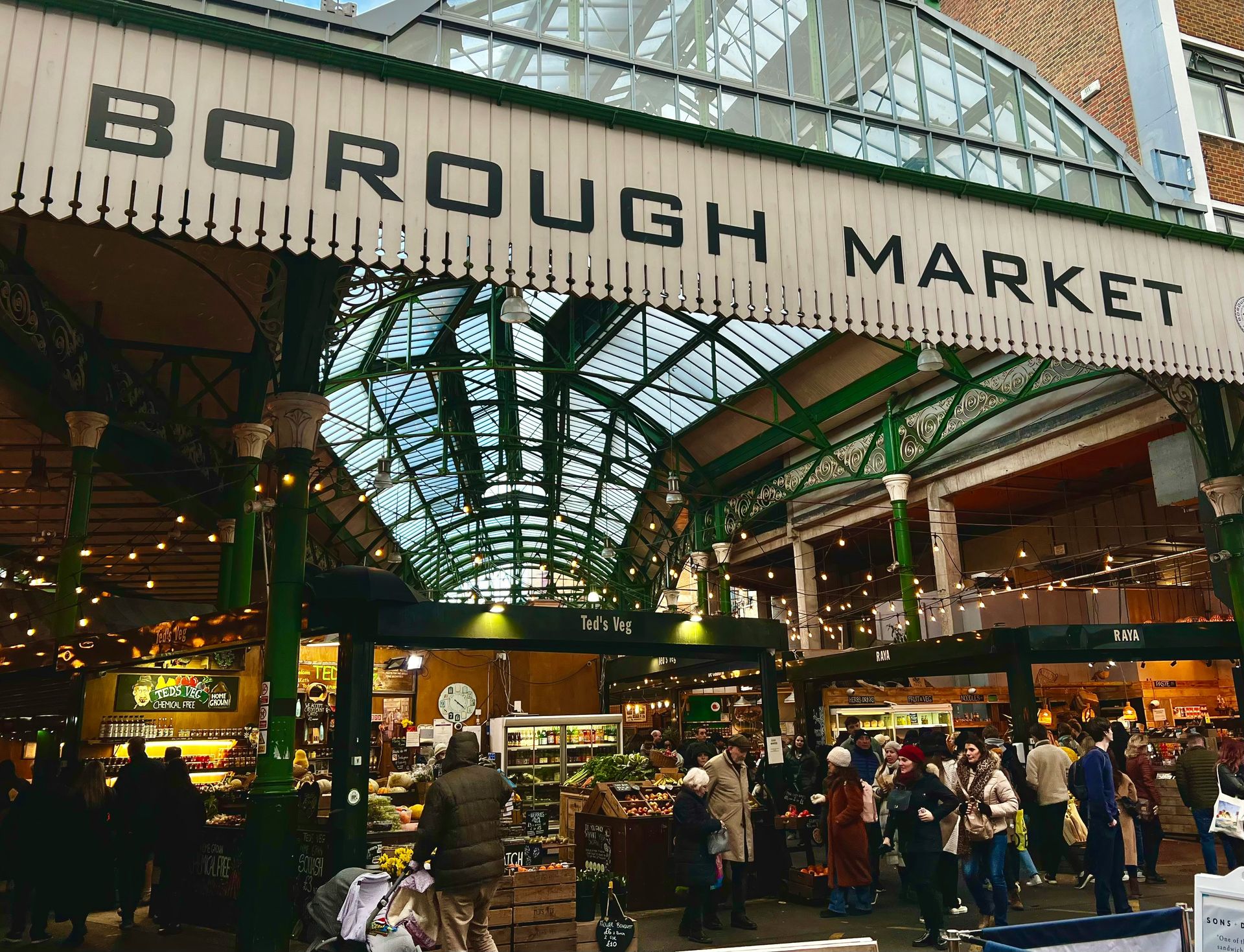
Secret Food Tours’ London Bridge tour runs three to three and a half hours, falls in the mid-price tier, and departs multiple times daily beginning at 10:30 a.m. The tour begins at Borough Market, one of London’s oldest food markets, where the guide provides context on both the market’s history and London’s broader food culture while participants eat a bacon and egg bap, the British breakfast sandwich equivalent. Six eateries in total make up the tour, covering dishes from sausage rolls to sticky toffee pudding.
The stops include a historic pub offering a cheese tasting paired with English cider, and the tour incorporates a secret dish at an undisclosed location along the route, a structural element that the Secret Food Tours format uses across all its cities to maintain an element of surprise regardless of how thoroughly participants have read about the tour in advance. The route also provides views of the city skyline, London Bridge, and Tower Bridge.
Past participants rate both the quantity and quality of food generously and describe the guides as entertaining. The tour addresses one of London’s persistent travel reputations: British food has historically carried a negative image internationally, and the tour specifically frames itself as a corrective to that view. Borough Market is also worth visiting independently as a food destination, and the tour provides a historical context that most independent visitors do not. Secret Food Tours also offers Indian food tours and Camden Market food tours for visitors whose interests span London’s diverse food landscape. The Borough Market itself is one of London’s most celebrated food destinations independently, and the tour’s historical framing gives visitors who return on their own a context that enhances the experience. Borough Market’s centuries of history as a trading site give the food tour a depth that newer food halls lack, and the guide’s framing of each stop within that history gives participants more than an eating itinerary.
Jonathan Chng / Unsplash
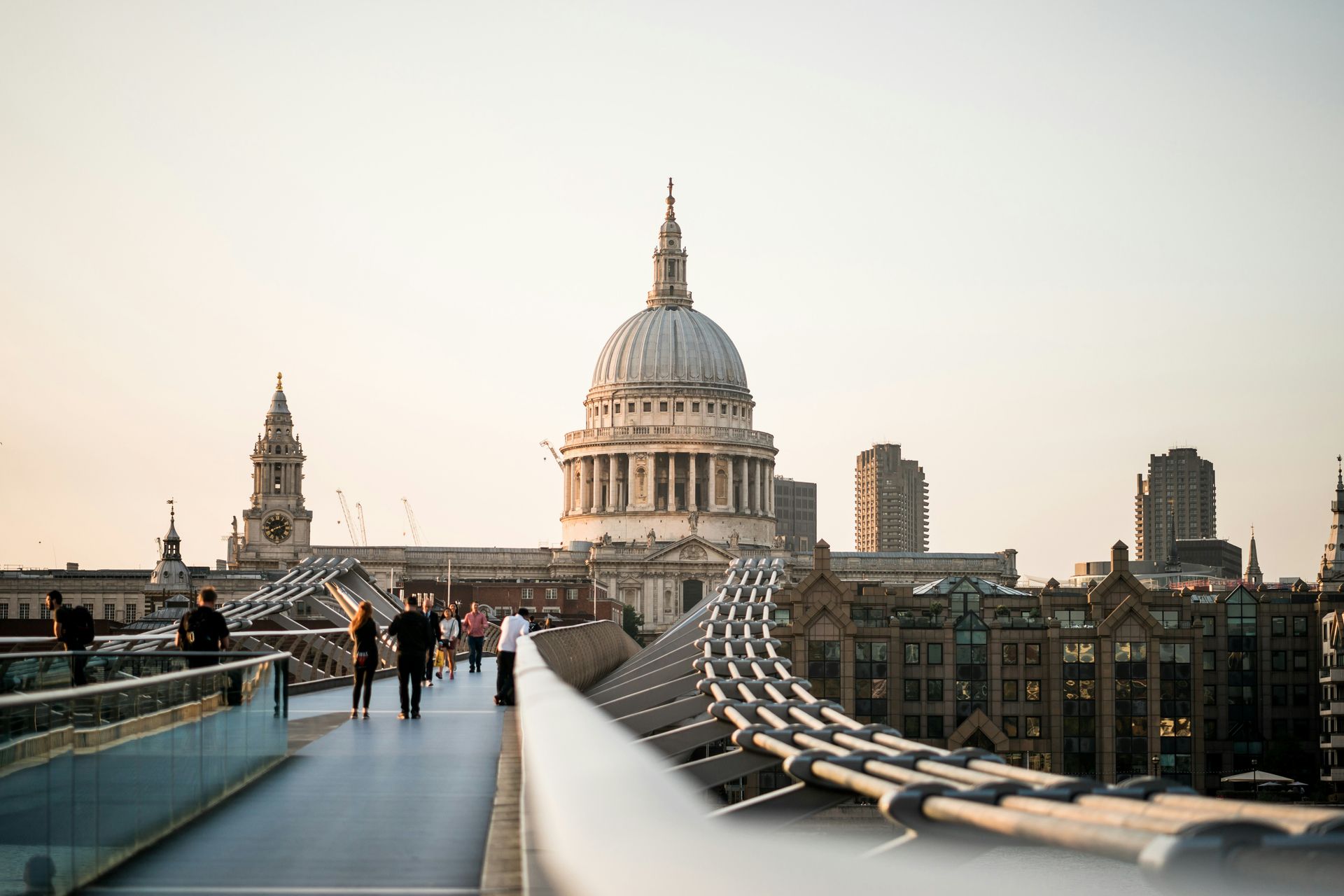
Liquid History Tours’ Drink London Tour runs three to four hours and covers approximately two miles along Fleet Street, stopping at a minimum of four historic pubs, some of them centuries old. The route connects the drinking habits and haunts of literary figures, including Shakespeare and Dickens, to their physical locations, threading pub history through the broader story of London’s cultural geography. The tour also passes St. Paul’s Cathedral and pauses at secluded courtyards along the route, with stories about Sweeney Todd among the highlights.
Fleet Street’s nickname, the “Street of Shame,” reflects its history as the center of British newspaper publishing, a trade with its own colorful relationship to London’s pubs, which functioned as editorial offices, source-meeting spots, and deadline-day decompression venues for generations of journalists. The tour gives Fleet Street’s current, largely de-newspapered state context, making its architectural heritage legible against its former function.
Participants must be at least 18 years old, and the cost of drinks is not included in the tour price, which affects budgeting for the outing. Booking in advance is necessary. Previous participants rate the storytelling as equally compelling as the drinking, which reflects a tour where the guide’s knowledge earns its own appreciation independent of the pub visits. Groups considering a more private experience can book Liquid History Tours’ dedicated private excursions, which follow the same route with customized group arrangements. The Fleet Street route’s architectural history, literary associations, and functional pub stops together give it a density of content that walking tours without the drinking component cannot match. The 18-and-older age requirement and the reservation process also create a self-selected group of participants whose genuine interest in both history and pub culture contributes to the group dynamic. Liquid History Tours’ private tour option also suits corporate groups and travel parties who want a curated pub experience for their own group, rather than the public departure format.
Benjamin Davies / Unsplash
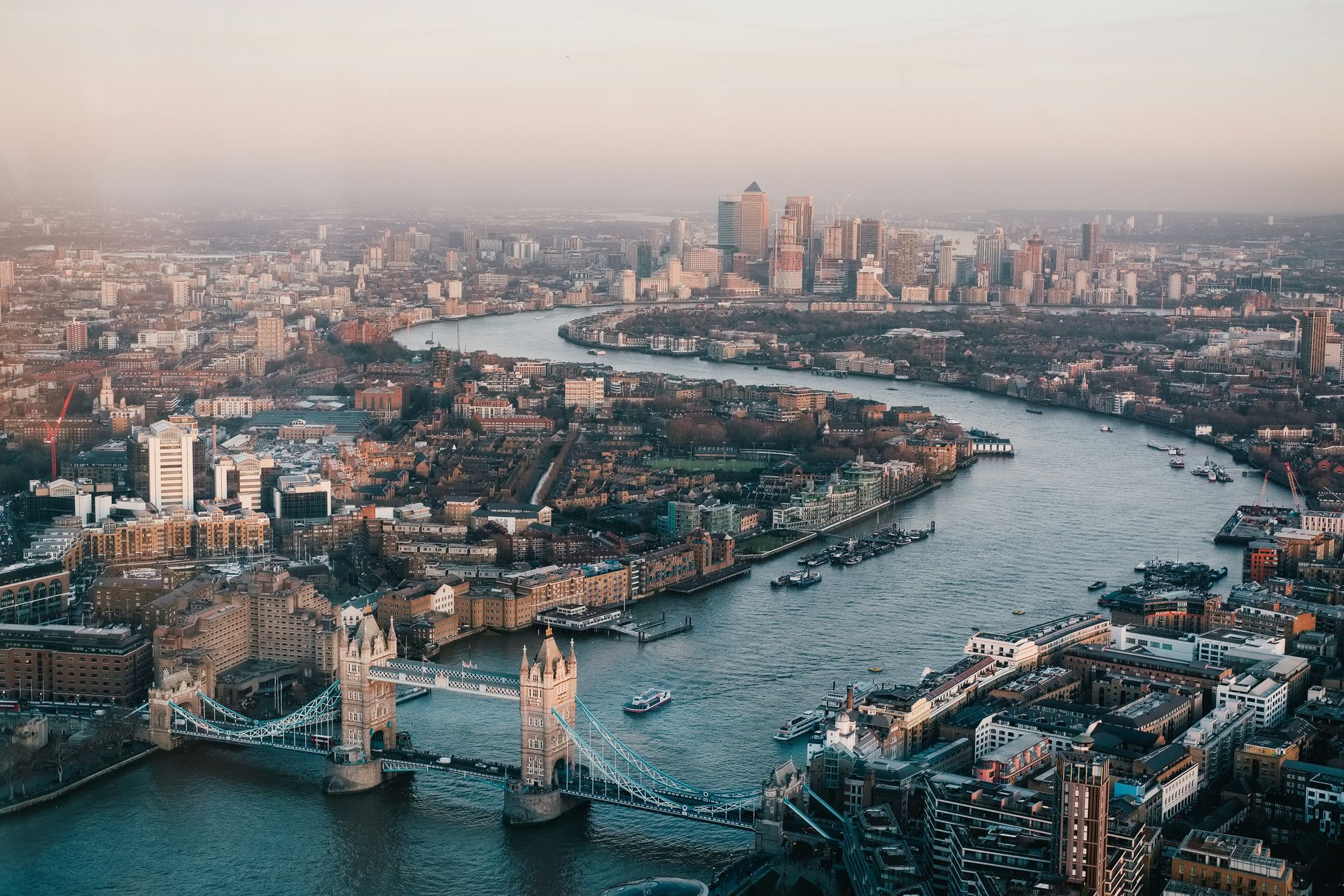
Thames Rockets’ Ultimate London Adventure runs 50 minutes and departs several times daily. The tour begins as a standard sightseeing cruise passing the Tate Modern, the Gherkin, and the Houses of Parliament with an actor-turned-guide narrating the route. The experience shifts dramatically once the boat passes under Tower Bridge: the captain accelerates to 30 knots — roughly 35 miles per hour — as music blasts and passengers react accordingly. The acceleration makes it one of the most physically distinctive tour experiences in London.
From November through January, the tour runs only Thursday through Sunday, not daily, which is a scheduling consideration for winter visitors. Thames Rockets also offers an adults-only evening version and an extended 80-minute cruise for visitors who want more time on the water.
The actor-turned-guide format gives the tour a different energy from a conventional audio commentary or a straightforward history lecture. The performative narration in the slower sightseeing section establishes rapport with passengers, amplifying their reaction to the speedboat's acceleration. The tour falls into a specific category among London river experiences: not a contemplative cruise but a deliberate pairing of sightseeing and adrenaline that reviewers describe as exhilarating. For visitors who want to cover the Thames landmarks and have a physical experience at the same time, the Ultimate London Adventure is the only option on this list that delivers both. The actor-turned-guide format during the slower sightseeing portion also primes the group’s energy for the acceleration, a deliberate pacing choice that makes the speedboat section feel earned rather than jarring. The river itself also gives the tour a perspective on landmarks that neither foot tours nor bus tours can provide: the view from the water at speed situates the buildings within the broader geography of the city in a way that stationary vantage points cannot communicate. The actor-turned-guide format also gives the tour personality that distinguishes it from recorded-audio alternatives.
Peter Thomas / Unsplash
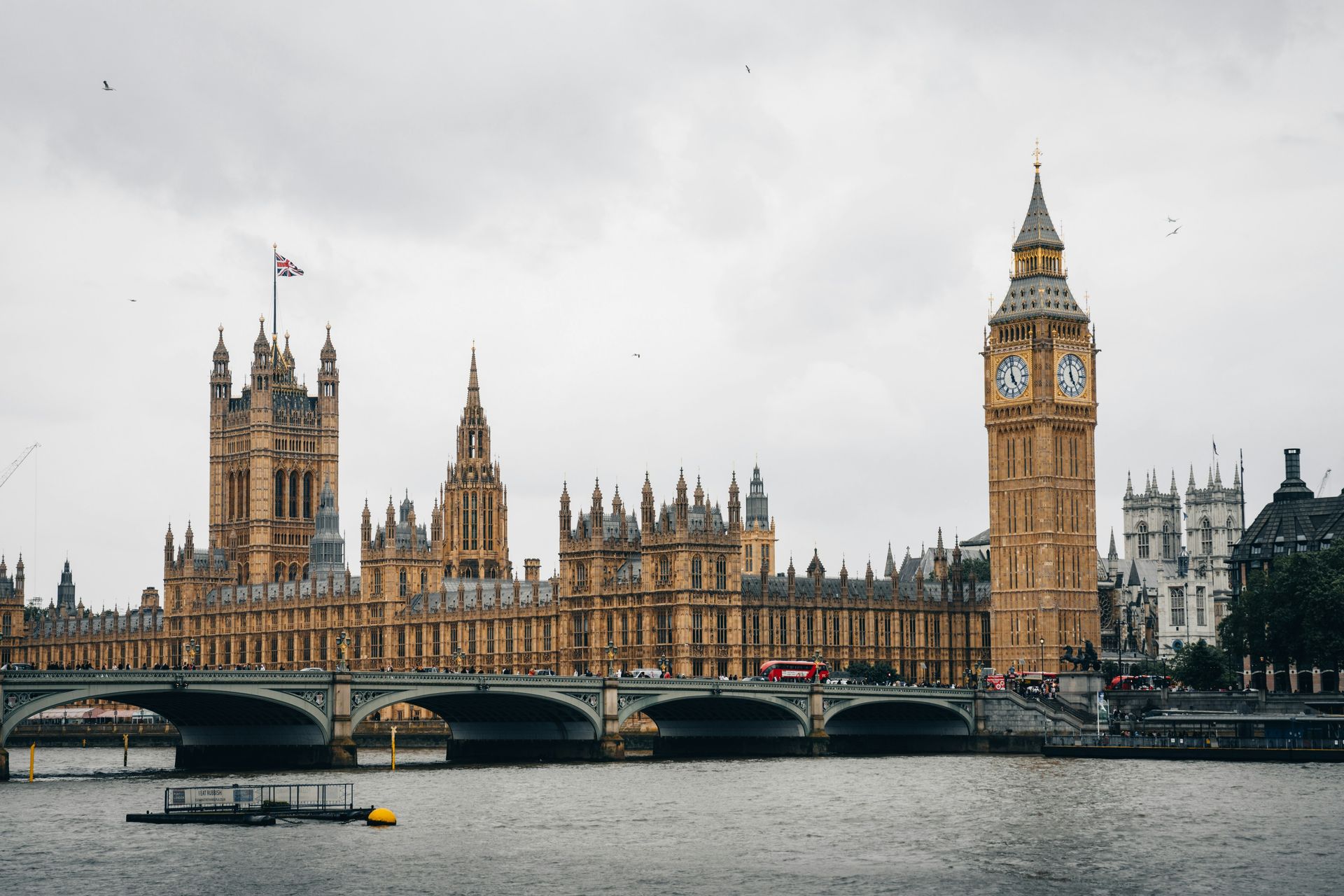
The London Bicycle Tour Company’s Gold Classic Tour covers approximately eight miles over three hours, departing daily at 10:15 a.m. The route passes Big Ben, the Houses of Parliament, Westminster Abbey, Trafalgar Square $SQ, and the Banksy Tunnel in East London, where street artists are typically working when the tour passes through. The guide provides commentary throughout and gives participants time to stop and photograph at key points.
The Banksy Tunnel stop is a specific differentiator from most London tours: it places participants inside a living creative environment where the art on display changes as artists add and paint over previous work. Seeing working artists in the tunnel makes the tour’s relationship to the city more current than a route limited to historical monuments. Reviewers consistently cite the guides’ safety awareness as a specific positive, which reflects the particular challenge of cycling in London’s mixed traffic environment with groups of varying experience levels.
Children must be at least 10 years old and stable riders to participate in the Gold Classic Tour. The company also offers a daily sunset ride for visitors who want to see the city in the evening light, rather than during the morning departure. For visitors whose itinerary includes both daytime and evening in London, the sunset ride offers a second distinct visual experience from the same operator, without requiring a separate company search. The guide’s safety emphasis across all 8 miles of cycling also makes the Gold Classic Tour accessible to visitors who are comfortable on a bike but unfamiliar with London’s road dynamics. The Banksy Tunnel stop also means the tour provides access to current street art culture alongside the historical monuments, giving it a broader cultural range than route-only cycling tours of the same distance cover within their respective neighborhoods, making the Gold Classic the broadest single-route cycling option in London.
Belinda Fewings / Unsplash
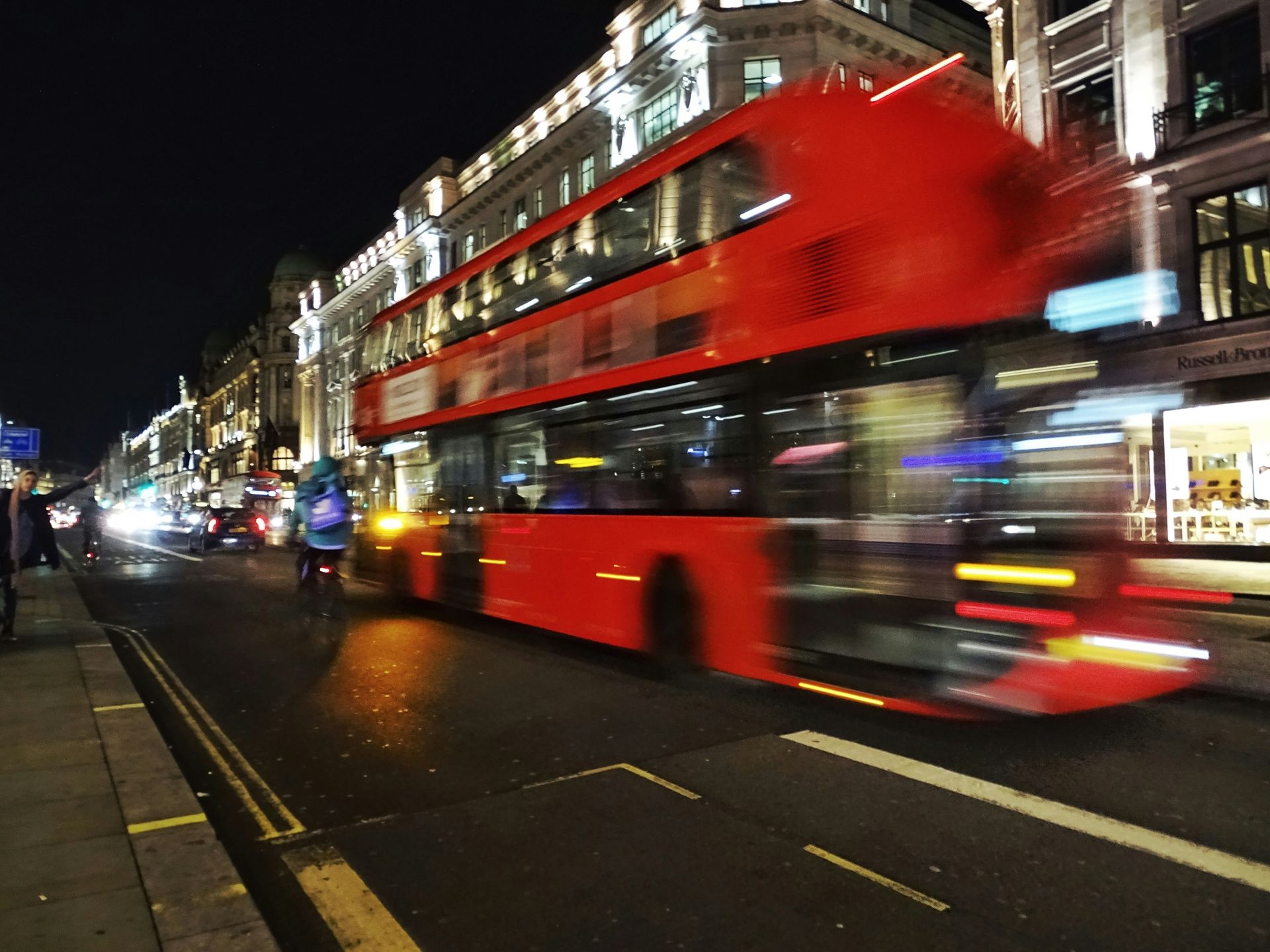
Ghost Bus Tours runs approximately 75 minutes nightly on a vintage double-decker bus, with departure times varying by day. The actors-turned-guides mix horror with comedy in a format that reviewers identify as the tour's defining appeal. The balance between genuinely creepy content and deliberate humor gives the experience a character distinct from straight ghost tours, which tend toward unrelieved spookiness. The route covers the haunted histories of the Houses of Parliament and Westminster Abbey alongside other London landmarks, with guides sharing stories that both local Londoners and first-time visitors describe as genuinely obscure.
The actors-turned-guides are central to the format, distinguishing Ghost Bus Tours from recorded-audio alternatives. The live performance element means the comedic timing and storytelling respond to the group’s reactions, making each tour slightly different from the one before it. The vintage double-decker setting amplifies the atmosphere: a modern coach would not produce the same effect, and the bus’s age and physical character contribute to the overall experience in a way the tour’s producers clearly account for.
The tour’s well-known landmarks, paired with genuinely unfamiliar stories about them, give it specific appeal for visitors who have already done a standard London tour and want a different entry point into the same geography. The Houses of Parliament and Westminster Abbey look different when the guide frames their association with executions, hauntings, and political violence instead of their architectural and constitutional significance. Ghost Bus Tours operates several departures each evening and requires advance booking due to consistent demand. The tour’s appeal to both tourists and London residents reflects a format in which obscure stories about famous places reward repeat visitors who have already heard the standard narrative. Ghost Bus Tours’ advance booking requirement also reflects genuine demand for the format, ensuring the departure fills reliably and that participants benefit from the energy a full bus generates.
