Discover the best meal subscription services that deliver convenient, home-cooked meals straight to your door
Andrew Relf / Unsplash
Cooking at home is cheaper than eating out, but it still takes planning, time, and a fair amount of decision fatigue. That daily question of what to cook can feel like the real barrier, not the cooking itself.
Meal subscription services try to remove that friction. Instead of starting from scratch, they send pre-portioned ingredients and structured recipes straight to your door. The idea is simple: spend less time planning and shopping, and more time actually cooking something you might enjoy.
In 2026, meal subscriptions have moved past being a novelty, and are often part of the weekly routine for a lot of households. Some are built for speed and convenience, others lean into healthier eating or more variety, and a few take things further by sending fully cooked meals that only need reheating.
There are still trade-offs. Packaging can stack up quickly, and no single service works for every diet or budget. Even so, many people stick with them for one simple reason: they make dinner predictable. No last-minute scrambling, no staring into the fridge trying to figure it out.
Reader’s Digest tested and reviewed some of the most popular meal subscription services available, looking at taste, value, ingredient quality, and how easy they are to actually use.
Here are five of the most popular meal delivery services to take the guesswork out of dinner.
Photo by Katie Smith on Unsplash
Blue Apron stands out for one simple reason: choice. With more than 80 weekly meal options, it gives home cooks a level of variety that feels closer to a restaurant menu than a typical meal kit service.
According to Reader’s Digest, the ingredients feel fresh and thoughtfully sourced, and the recipes strike a balance between approachable and interesting. Some meals come with extra touches, like included cookware pieces that save an extra trip to the store.
It is not the cheapest option, but the trade-off is consistency and flexibility. For people who get bored easily with repetitive meals, that variety becomes the main selling point.

Photo by Alyson McPhee on Unsplash
Dinnerly leans hard into affordability. It is designed for people who want home-cooked meals without the premium price tag or complexity that sometimes comes with meal kits.
Reader’s Digest notes that the service offers a large rotating menu, often with more than 100 weekly recipes. The appeal is not just cost, but control. Many dishes come with options to swap proteins or adjust ingredients based on preference.
The recipes themselves are intentionally simple, often broken into just a few steps. Instructions are digital rather than printed, which keeps packaging lighter and the process more streamlined.
Meals are designed to be quick to prepare and even quicker to clean up. For busy households, that combination of low effort and low cost is what makes Dinnerly stand out.

Photo by Maarten van den Heuvel on Unsplash
HelloFresh has built its reputation on consistency. It is one of the most widely used meal kits for a reason, offering a steady rotation of familiar, approachable recipes.
According to Reader’s Digest, the ingredients are fresh, the instructions are clear, and the packaging is organized in a way that makes cooking feel manageable even on busy days.
It is especially popular with families. The portions, customization options, and easy-to-follow recipes make it a practical choice for households that want dinner handled without too much guesswork.
-1920x1280.jpg)
Photo by Jason Briscoe on Unsplash
Purple Carrot is built entirely around plant-based eating. Every meal is vegan, which makes it a focused option for anyone looking to reduce or eliminate animal products from their diet.
Reader’s Digest highlights that the service goes beyond simple vegetable-heavy dishes. Meals often feature grains, legumes, tofu, and bold seasonings that aim to keep things flavorful rather than restrictive.
There are both meal kits and prepared options, which adds flexibility depending on how much cooking you want to do. Some meals come together in around 30 minutes, while others are ready to heat and eat.
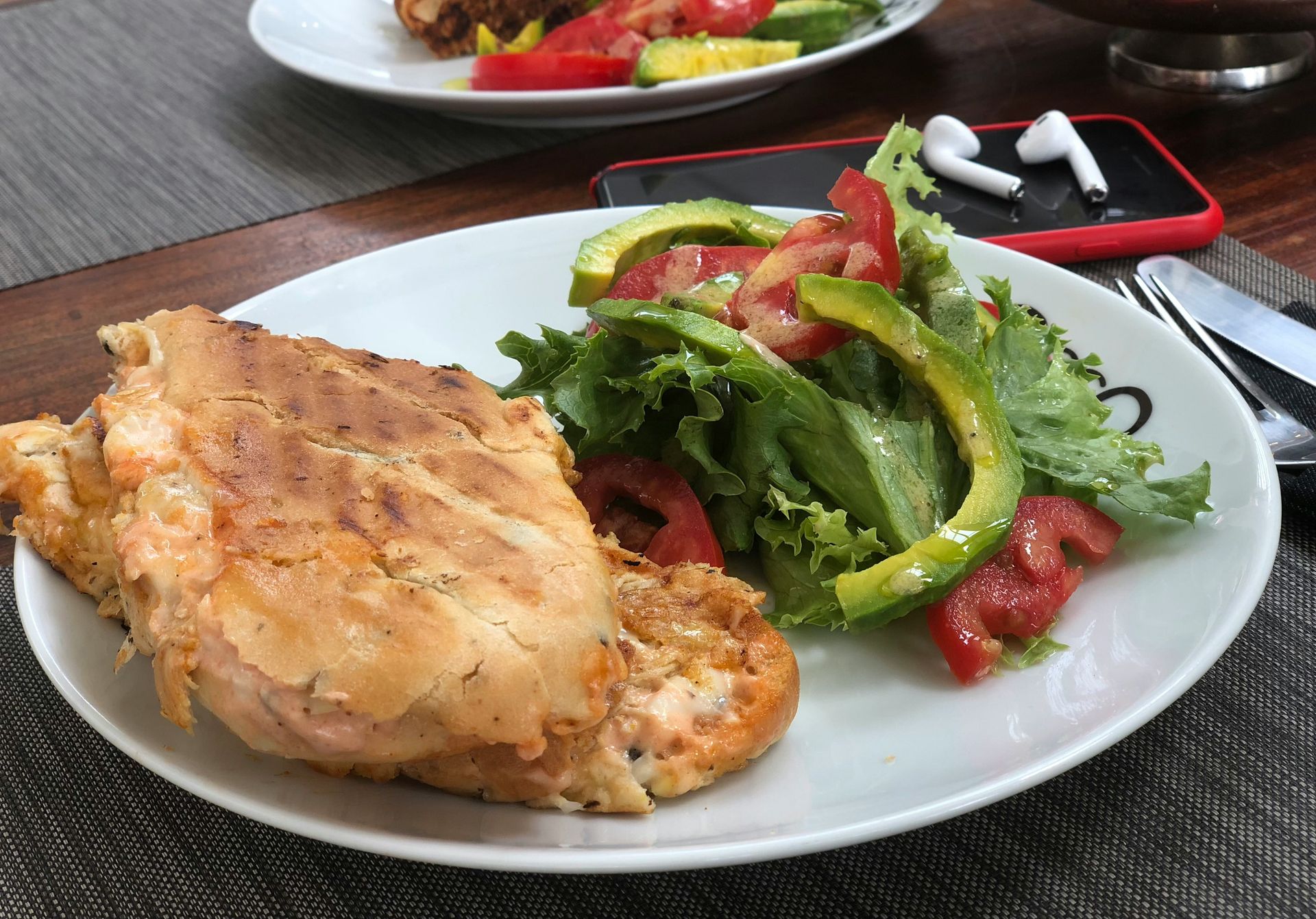
Photo by Djibril Diallo on Unsplash
Factor removes cooking from the equation entirely. Meals arrive fully prepared, chilled, and ready to heat, which makes it one of the most convenient options in the category.
Reader’s Digest found the service especially useful for busy schedules. Instead of cooking, users simply heat meals in a microwave when ready to eat.
The menu changes weekly and includes options like high-protein, keto, and vegetarian plans. Meals are portioned for convenience and designed to feel balanced without requiring any additional ingredients.
