
The best mini-moon destinations for newlyweds in 2026
From St. Lucia's Piton-view suites to a converted Hudson Valley factory with a creek-side deck, the best mini-moon getaways
Credit: Castle Hot Springs
The honeymoon has an image problem. In the popular imagination, it is a two-week trip to an aspirational destination taken immediately after the wedding, before the couple has recovered from the planning stress, the emotional intensity of the ceremony, or the sleep deficit from the reception. The expectation puts pressure on the first days of married life: they should involve navigating long-haul flights, jet lag, and the logistics of a foreign country while managing the emotional residue of one of the most significant events of a person’s life. This is not obviously the ideal framework for relaxation.
The mini-moon exists as a more sensible alternative. A two-to-three-day getaway close enough to reach without a long-haul flight, at a property with high enough amenity density that the couple never needs to make a decision more stressful than which pool to use that afternoon. This is what the mini-moon offers, and the growing trend reflects that many couples have concluded the conventional honeymoon timeline is more aspiration than an achievable plan. The lavish two-week trip does not disappear from the agenda. It defers to a time when the budget has recovered, the leave has been requested far enough in advance, and the couple is ready to be present for it.
The 10 properties below appear in Travel + Leisure, selected from a list of mini-moon destinations spanning the continental U.S., Mexico, the Caribbean, and California wine country. Each offers a distinct post-wedding escape, from jungle plunge-pool villas to desert hot springs to a converted textile factory in the Hudson Valley. The range reflects the mini-moon’s core premise: the ideal post-wedding getaway is the one the couple can actually reach, enjoy, and return from without adding exhaustion to the wedding’s already considerable emotional expenditure.
1. Jade Mountain Resort opens each suite to the Piton views
Credit: Jade Mountain Resort
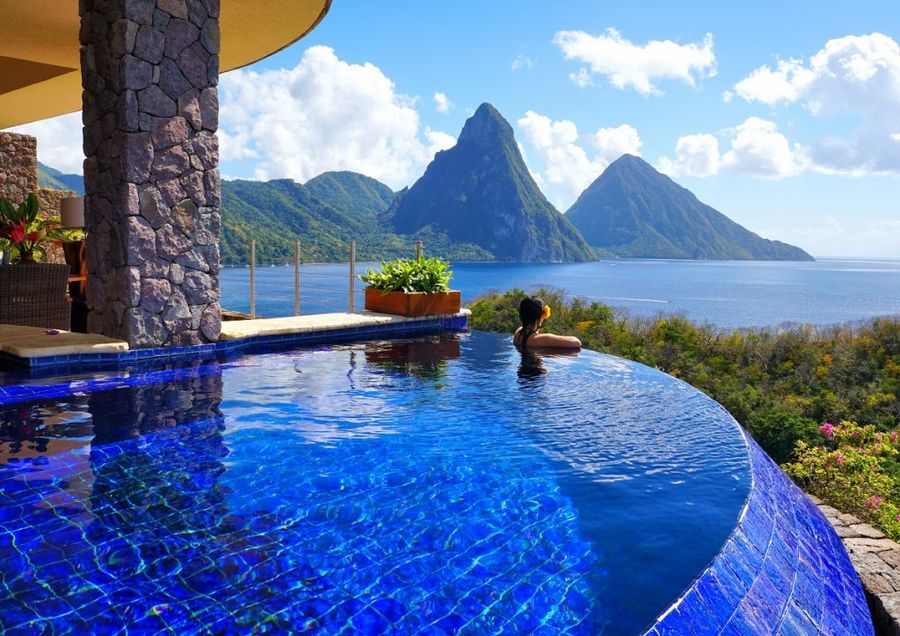
Jade Mountain Resort is an adults-only property in St. Lucia whose architecture makes it one of the most deliberately romantic hotels in the Caribbean. Architect and owner Nick Troubetzkoy designed the property in harmony with St. Lucia’s southwestern coastline, and each of the 24 infinity pool suites delivers unobstructed views of Petit Piton and Gros Piton, the two volcanic peaks that rise from the Caribbean Sea. The fourth wall of each suite remains open to the sky and the peaks, giving the room a relationship to the landscape that conventional hotel rooms, even those with excellent views from behind glass, do not achieve.
The resort’s 600-acre footprint and adults-only policy give the property a level of seclusion that the views alone cannot fully deliver. Couples also access sibling property Anse Chastanet, which adds several restaurants and two pristine beaches to the activity radius without requiring the couple to leave the broader resort compound. The Total Romance package bundles accommodations, meals, drinks, airport transfers, spa treatments, and guided tours into a single reservation, removing the decision-making that a menu of individually priced options imposes on couples whose planning bandwidth is still recovering from the wedding.
The Piton views give Jade Mountain its specific claim on the romantic mini-moon market that no other Caribbean property makes in identical terms: the volcanic peaks are visible from the bed, from the pool, and from every point in the open suite, meaning the landscape that makes St. Lucia’s southwestern coast extraordinary is a constant companion throughout the stay. The all-inclusive package structure removes the final layer of daily decision-making and gives couples the specific quality the mini-moon promises: genuine rest, with an extraordinary view as the default backdrop. The open fourth wall that defines each suite at Jade Mountain is an architectural statement about what a romantic property should prioritize: not the room itself, but the landscape the room frames, which at this specific location on St. Lucia’s southwestern coast is among the most visually extraordinary in the Caribbean.
2. Castle Hot Springs soaks couples in thermal desert waters
Credit: Castle Hot Springs
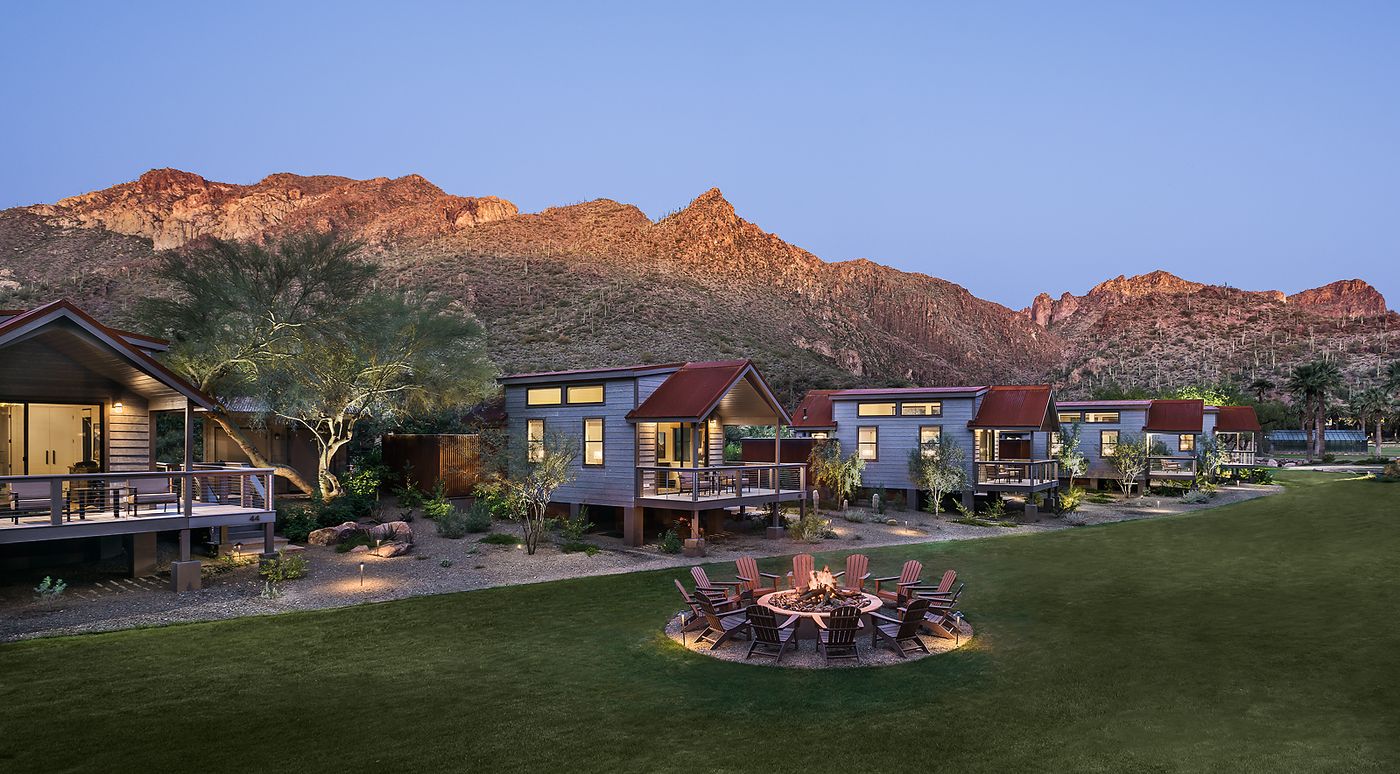
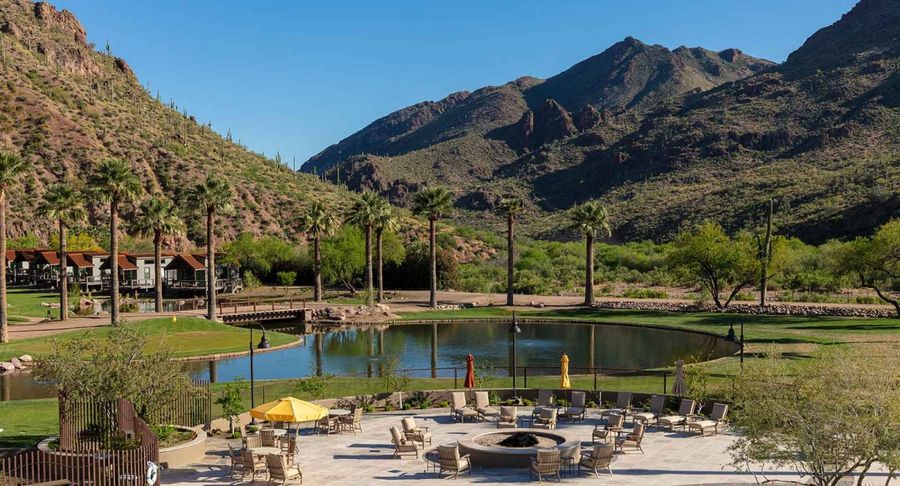
Castle Hot Springs, built around the thermal waters of Arizona’s Bradshaw Mountains, gives couples a post-wedding destination whose mineral-rich natural pools provide the passive decompression the mini-moon promises alongside an active adventure option that the conventionally romantic spa property does not offer. The 1,100-acre property sits about an hour north of Phoenix in the Sonoran Desert, and the all-inclusive access to natural pools, daily guided hikes, yoga classes, and farm-to-table meals gives couples the structured ease that removes the planning anxiety following even the best weddings.
The Via Ferrata adventure course sets Castle Hot Springs apart from other luxury desert resorts. The 200-foot aerial walkway suspended over the canyon offers couples who want a physically demanding shared experience the specific format of climbing together on fixed iron rungs and cables, which fosters trust and communication that a rope course provides without requiring rock-climbing expertise. The via ferrata format is accessible to most physically active adults, giving it broader appeal than formats that require prior technical experience.
The Sonoran Desert setting gives the property its visual character: the saguaro cactus landscape, the mineral-streaked canyon walls, and the specific quality of desert light across the Bradshaw Mountains give Castle Hot Springs an environmental identity that beach properties and mountain lodges do not replicate. Soaking in a thermal pool with the desert landscape visible in every direction, after a day of hiking and before a farm-to-table dinner, gives the Arizona mini-moon a completeness that the standard resort format, where the environment serves as backdrop for the amenities, does not achieve in the same terms. The thermal pools are the activity the property is built around, and the Bradshaw Mountains are the landscape that makes their steam visible from the surrounding canyon. The one-hour drive from Phoenix gives Castle Hot Springs the practical accessibility that the mini-moon’s geography requires, and the all-inclusive structure means couples arrive with no further planning obligations beyond deciding which pool to enter first.
3. Viceroy Riviera Maya provides jungle plunge pool villas
Credit: Viceroy Hotels & Resorts
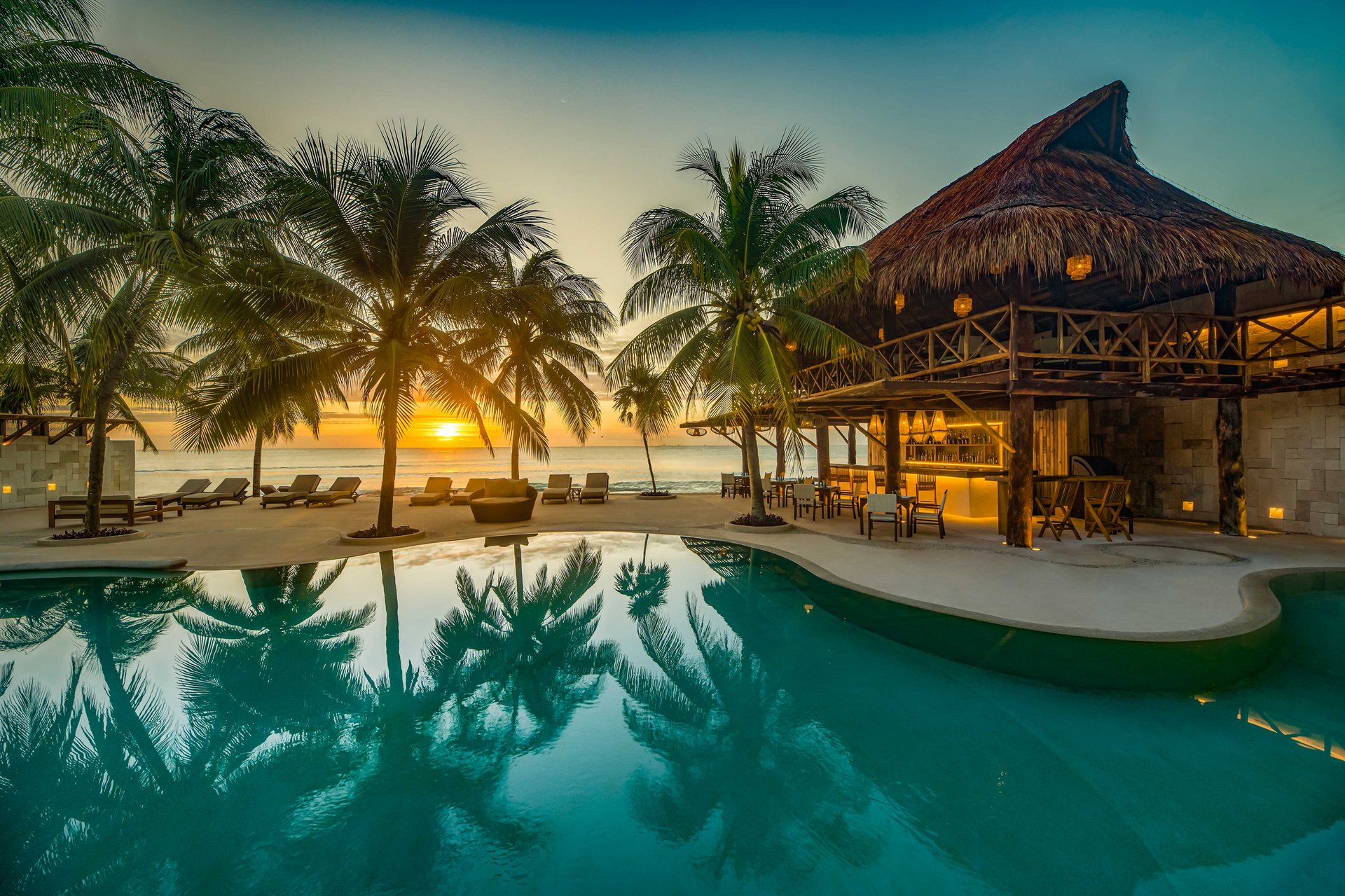
Viceroy Riviera Maya in Playa del Carmen occupies a specific niche in the mini-moon market: close enough to the U.S. to reach without a transatlantic flight, exotic enough to feel genuinely away, and luxurious enough to deliver the honeymoon quality the occasion requires. T+L editorial director Nina Ruggiero describes the private-pool villas as feeling like living in your own little slice of jungle, which captures the property’s design achievement: the villas integrate the jungle vegetation into the immediate environment of the accommodation, giving the plunge pool a natural surround that a tiled courtyard in a generic resort does not produce.
The Romance à la Carte experience gives couples the option of a private dinner and serenade hosted directly in the villa. The format reflects the mini-moon’s core logic: the experience comes to the couple, eliminating the need to dress and travel to a restaurant for the romantic evening out. The Wayak Spa provides the couples massage option for guests who want structured wellness programming alongside the jungle seclusion.
The beachfront pool gives the property a social option distinct from the villa’s private intensity. The Riviera Maya’s long white-sand beach is accessible from the property, giving couples the alternating rhythms of solitary villa time and the broader beach environment that most mini-moon itineraries benefit from. The three-hour flight from Southern California and the reasonable flight times from major Texas cities give Viceroy Riviera Maya the practical access that the destination’s quality justifies. Couples who want the full international escape experience without the multi-leg flight will find Playa del Carmen the most efficient Mexico luxury resort destination within the mini-moon’s time and budget constraints. The jungle vegetation that Ruggiero describes as the villa’s living surround is what gives Viceroy Riviera Maya its distinct character: the Riviera Maya’s coastal forest is still present and visible at the villa level, distinguishing the property from beachfront resorts that cleared their natural surroundings to optimize ocean views.
4. Madeline Hotel mixes Telluride ski access with spa luxury
Credit: Auberge Collection
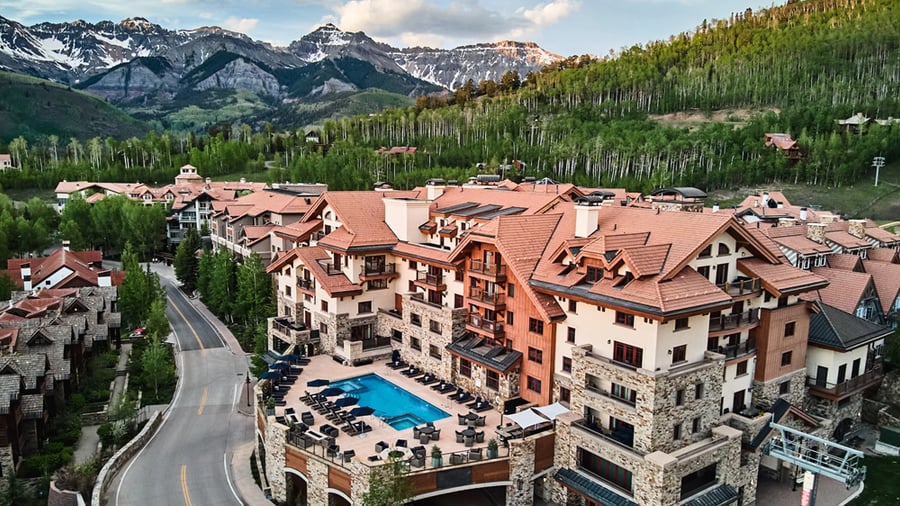
Madeline Hotel and Residences in Telluride’s Mountain Village gives the outdoor enthusiast couple a ski-in, ski-out mountain destination whose amenity quality matches the location’s physical setting without forcing a choice between adventure and luxury. The property’s nature-inspired spa therapies and fine dining options give the evenings the relaxation the slopes and trails require, and the bath bar service, which sends a bath barista to prepare a romantic soak with bath salts and body oil infused with lemon, juniper, and cardamom, gives the in-room experience the personalized touch that transforms a well-appointed hotel bathroom into a memorable evening.
The ski-in, ski-out designation at Telluride is among the most significant in North American skiing: the mountain’s steep terrain, dramatic vertical, and consistent snow quality give it a reputation that serious skiers rank above those of more commercially developed resorts. The Mountain Village base gives the Madeline direct ski access while keeping guests close to the gondola connection to Telluride’s historic downtown, which adds the restaurants, galleries, and Victorian architecture of the original town to the ski resort’s amenity radius.
Summer converts the same ski trails to hiking paths, giving the property a year-round case for the outdoor enthusiast couple regardless of season. The wildflower blooms covering Telluride’s mountain terrain in July and August give summer hiking a visual reward specific to the Colorado high country, one that the ski season’s snow trades for a different kind of beauty. The Mountain Village’s altitude, above 9,500 feet, gives the air its specific crispness, and the bath barista’s aromatic preparation gives the Madeline its most specifically romantic quality: sensory immersion in a high-altitude environment that lower-elevation resorts cannot replicate, capped by an evening soak that turns the mountain air’s cold edge into a reason to stay inside. The bath barista’s aromatic preparation is the Madeline’s most distinctive service feature: it transforms the standard hotel bathroom, however well-appointed, into a ritual space whose ingredients come from the same mountain environment visible outside the window.
5. Rosewood CordeValle sits in California wine country
Credit: Rosewood CordeValle
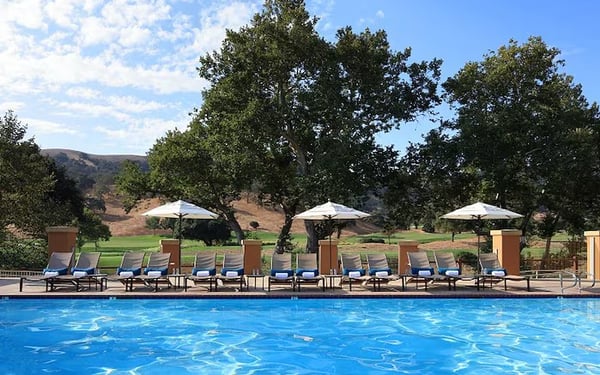
Rosewood CordeValle sits on 1,700 acres in California’s Santa Cruz wine region near the Clos LaChance winery, giving couples a post-wedding retreat that pairs the seclusion of a large private estate with the specific pleasures of wine country travel: the vineyard landscape, the tasting opportunity, and the pace of life that wine production’s seasonal rhythms impose on the places surrounding it. The proximity to Clos LaChance gives guests a direct connection to the winemaking process that the broader wine country landscape makes present without necessarily delivering at the property itself.
The golf course, described by the source as one of the best in California, gives the property a specific activity anchor for couples whose shared recreational life includes the game. A championship course on a 1,700-acre private estate within sight of the vineyard landscape gives the round a setting that municipal and resort courses elsewhere in California cannot replicate. The Villa Suite’s outdoor hot tub, overlooking the fairway and the valley, gives the couple who books it the specific evening view that the day's activities prepare them to appreciate: the same landscape seen from a stationary, warm, and private vantage point after the day’s walking version of it.
Wine country travel, as a mini-moon format, offers couples a pace that beach resorts and adventure destinations do not. The afternoon tasting, the evening dinner with the estate’s wine, and the morning walk through the vineyard before the day begins give the stay a pleasurable pace. Rosewood CordeValle’s 1,700 acres support a leisurely pace with room to breathe, and the property’s positioning near the Santa Cruz Mountains places it within a few hours of San Francisco, giving it strong practical access for Northern California couples whose families and friends are concentrated in the Bay Area. The Villa Suite’s outdoor hot tub is the specific amenity that completes the wine country mini-moon most effectively: the fairway and valley view at dusk, with a glass of the estate’s wine, gives the Rosewood CordeValle stay its most concentrated version of what the property offers.
6. Four Seasons Punta Mita serves dinner above the Pacific
Credit: Four Seasons Resort Punta Mita
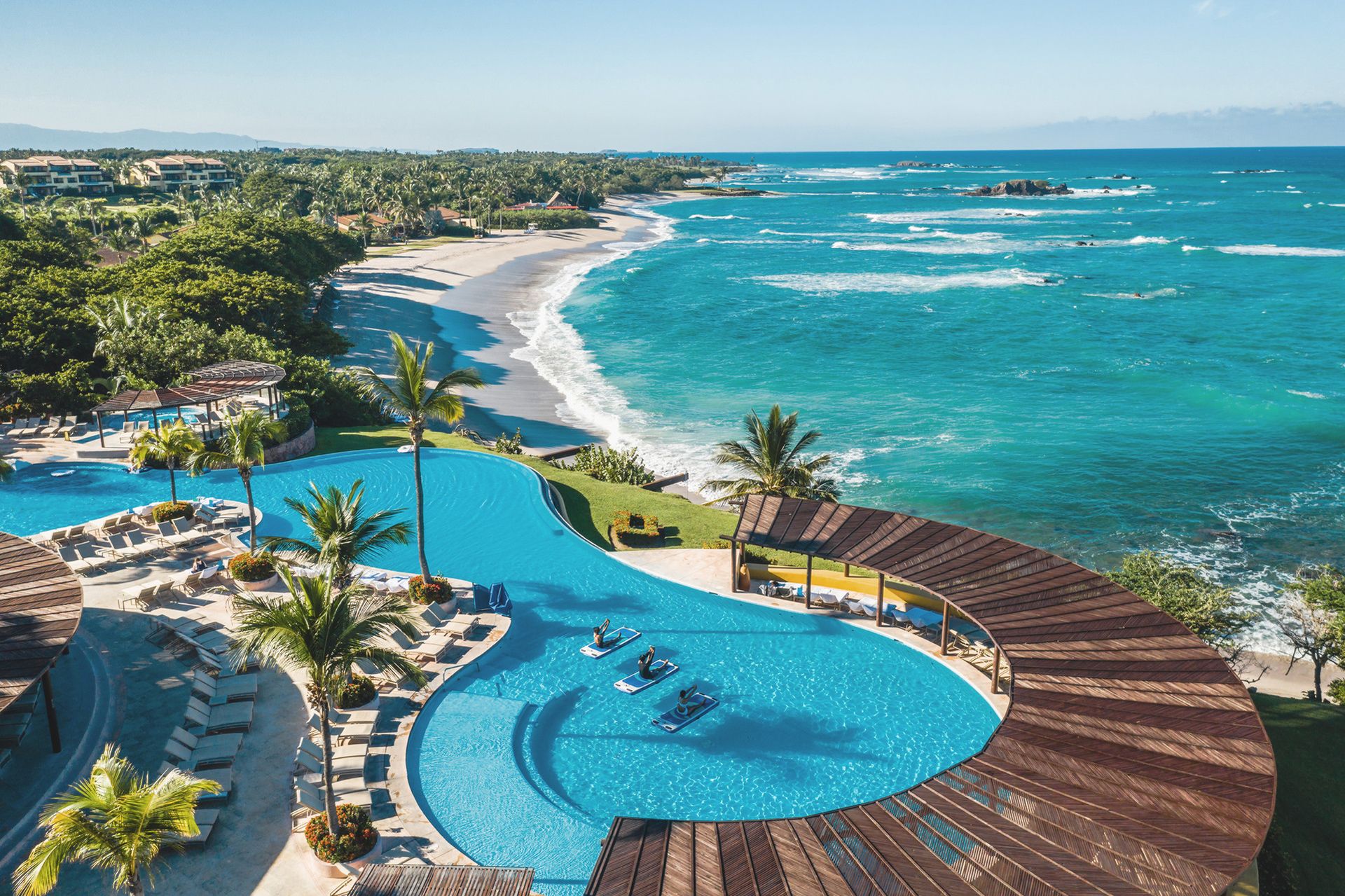
Four Seasons Resort Punta Mita sits about three hours by air from Southern California, offering the practical accessibility that the mini-moon’s logistical requirements favor while delivering the full Four Seasons amenity program that the occasion’s emotional weight deserves. The plunge pool suites give couples the private water experience that the property’s Pacific coast location amplifies: a plunge pool with an ocean view gives the couple an immersion in the setting that neither a standard balcony nor a hotel pool provides in the same terms, and the Punta Mita setting on a private peninsula north of Puerto Vallarta gives the ocean presence its most unobstructed form.
The adults-only Tamai Pool offers couples a shared amenity space whose age restriction maintains the romantic atmosphere that families with children inevitably disrupt. The tequila blending experience connects the resort’s Mexico location to the local production culture in a hands-on format that gives the activity a memorable specificity beyond the passive luxury of the standard resort afternoon. Learning to distinguish blanco, reposado, and añejo, and assembling a personal blend according to individual taste, gives the couple a shared skill and a bottle to take home.
The Rock is the property’s most specifically romantic dining venue: a private overlook perched high above the Pacific where couples can have a sunset dinner followed by an intimate stargazing session. The elevation above the water gives the sunset a longer visible duration than sea-level viewing allows, and the stargazing session takes advantage of the minimal light pollution that Punta Mita’s private peninsula location maintains. The progression from plunge pool suite to Tamai Pool to tequila blending to Rock dinner to stargazing gives the Four Seasons Punta Mita mini-moon a day’s structure that the property appears designed to deliver with maximum ease of execution. The three-hour flight from Southern California gives the property its key practical advantage over the European and Pacific honeymoon alternatives on the conventional destination list: a couple can leave for Punta Mita on a Friday afternoon and return Sunday night, having had the full luxury resort experience without losing a day to travel at either end.
7. Sea Island Resort has five miles of private Georgia beach
Credit: Sea Island Resort
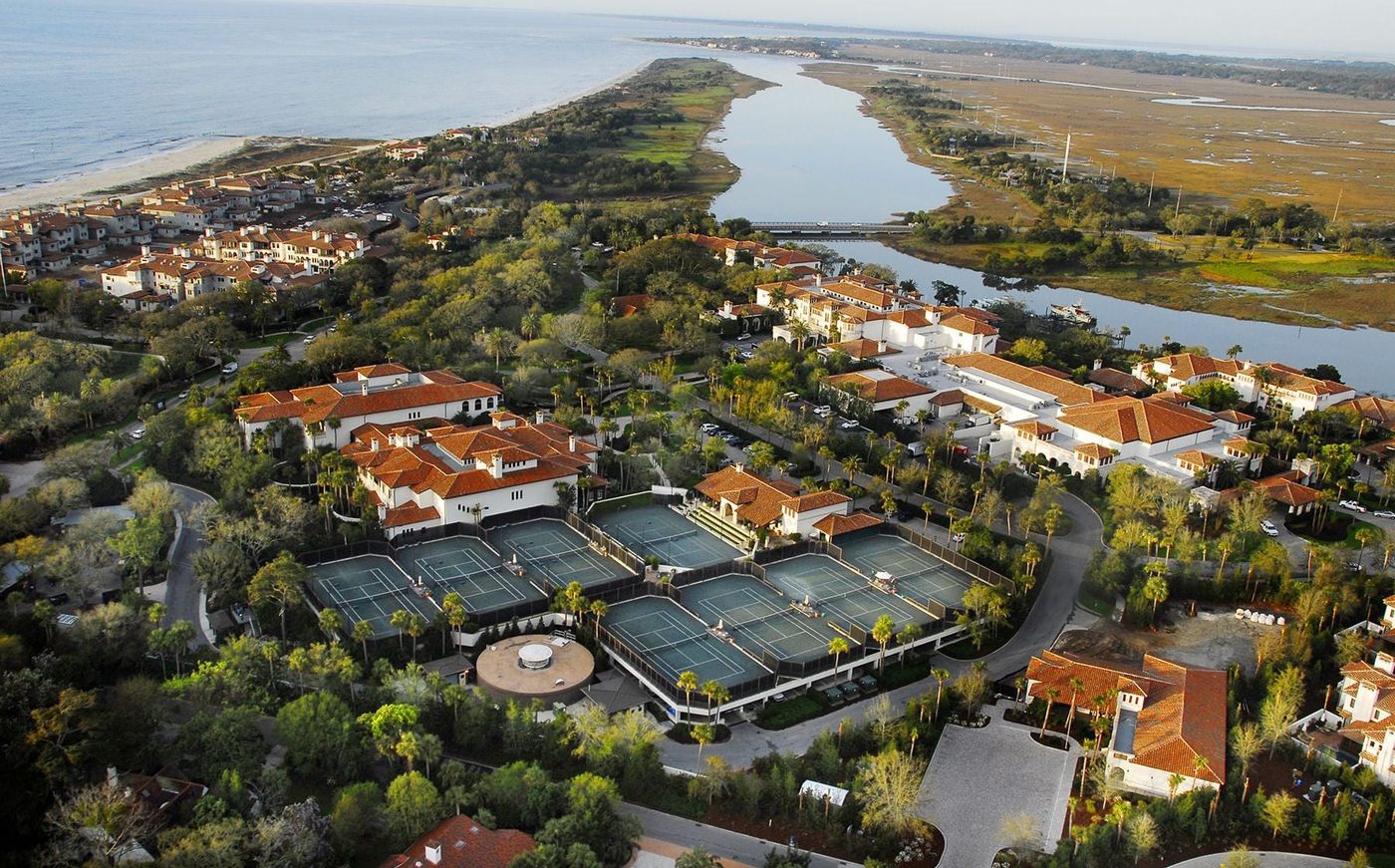
Sea Island Resort, accessible by easy drive from either Jacksonville or Savannah, gives couples on the southeastern U.S. coast a private island destination with a five-mile beach whose length exceeds what most resort beaches offer by a significant margin. The five-star property’s specific appeal for the mini-moon market lies in its variety of activity options alongside the beach itself: three championship golf courses, horseback riding, salt marsh kayaking, and tennis lessons with a professional, giving the couple whose romantic ideal includes shared physical activity a full program without the planning effort that a non-resort destination requires.
The private island setting gives Sea Island its defining quality relative to mainland resort alternatives. The insularity of island geography, even one accessible by causeway from the Georgia coast, creates a psychological separation from daily life that the mini-moon’s decompression purpose specifically requires. The resort’s five miles of beach give the couple the ability to find privacy even at a five-star property with substantial guest capacity, because a long beach distributes its visitors in ways that a conventional pool deck does not.
Salt marsh kayaking is the Sea Island activity most directly engaging the property’s specific coastal Georgia ecosystem. The salt marsh environment, with its tidal channels, oyster beds, and wading bird populations, adds a natural history dimension to the kayak tour that the beach and golf programs do not. The southeastern light quality across the marsh at dawn and dusk gives the experience a visual character specific to this coast, and the physical activity of navigating the tidal channels gives the couple who chooses kayaking a version of Sea Island that the poolside cabana and the dining room cannot fully represent. The five-mile beach is the resort’s marquee asset, but the salt marsh is what makes Sea Island irreplaceable. The property’s private island setting also gives couples something the mainland resort market rarely delivers: the genuine sense of having left the mainland behind, which for post-wedding couples whose daily geography involves traffic, notifications, and the social visibility of a large shared event, represents the most specific form of decompression the mini-moon format can provide.
8. Hotel Bel-Air encloses LA couples in 12 acres of garden

Credit: Hotel Bel-Air
Hotel Bel-Air has operated on its 12-acre property in the canyons above Los Angeles since 1946, and the property’s longevity as the preferred escape for celebrities and couples seeking a reprieve from the city reflects what the setting provides: a garden environment of mature trees, sculpture-filled grounds, fountain courtyards, and swans swimming in a lake that creates a sensory separation from the surrounding city sufficient to feel like a genuine destination. The oval-shaped pool, whose shape reflects the property’s former life as the Bel-Air Stables, gives the swimming area a historical character that a standard rectangular resort pool does not.
The room selection includes suites with fireplaces and private pools, giving couples who want the full in-room luxury experience the option of never leaving the property’s private accommodation for the duration of the stay. The Bel-Air Couple’s Retreat at the spa, a tandem massage followed by a romantic bath in a candlelit sanctuary, gives the hotel’s wellness program a couples-specific format whose sequencing builds from shared relaxation to shared intimacy in a way the standard individual spa treatment menu does not.
Hotel Bel-Air’s primary advantage over other Los Angeles luxury properties for the mini-moon purpose is the garden landscape’s psychological enclosure. The 12 acres of mature plantings, the winding garden paths, and the absence of the urban visual noise generated by the surrounding city give guests an experience of seclusion that the city address makes improbable, but the property’s design delivers consistently. For Los Angeles-area couples who want the international resort experience without the flight, Hotel Bel-Air offers the closest approximation in a setting that, thanks to its decades of romantic reputation, has become a destination in its own right. The swans are not an affectation. They are the property’s clearest signal that what it offers is genuinely different from the luxury hotel experience available anywhere else in the city. The Hotel Bel-Air’s garden has been maturing for more than 75 years, which gives the mature trees, the established hedgerows, and the swan lake a depth of horticultural character that a newly built hotel cannot replicate through any design investment, and that makes the property’s specific version of seclusion available nowhere else in Los Angeles.
9. The Roundhouse in Beacon converts a factory into romance
Credit: The Roundhouse
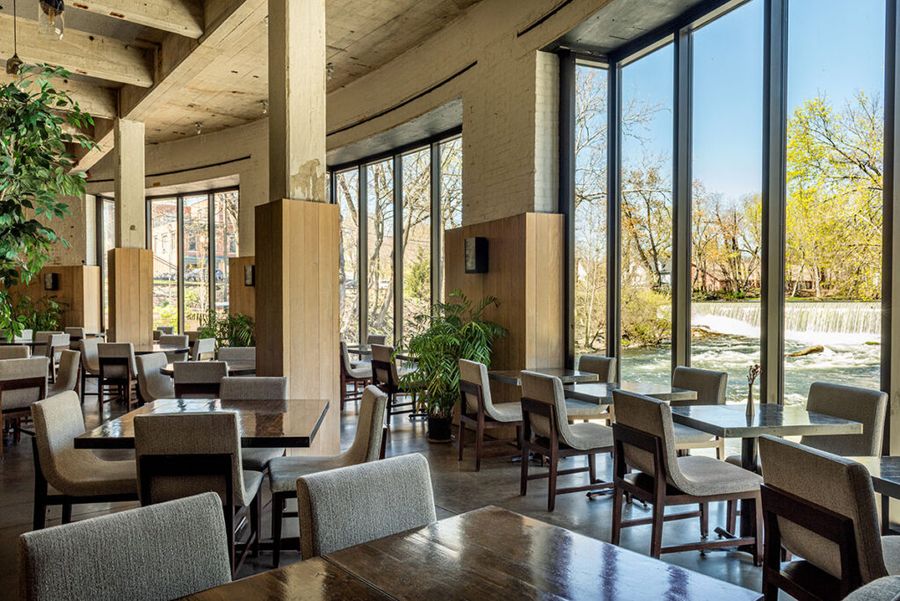
The Roundhouse in Beacon, New York, occupies a converted textile factory in the Hudson Valley and gives couples in the tri-state area an affordable mini-moon whose cultural and natural surroundings amplify what the hotel itself offers. Beacon is known for Dia Beacon, the large-scale contemporary art museum housed in a former Nabisco printing building; craft breweries; and artisanal shops that give the town a distinct cultural identity, distinct from both New York City’s intensity and the generic small-town pastoralism of other Hudson Valley destinations. The Roundhouse’s position in this specific cultural context gives the mini-moon a program of optional daytime activity that the hotel need not provide independently.
The penthouse suite’s circular soaking tub, spa-like shower with two showerheads, and private deck overlooking Fishkill Creek give the in-room experience the level of amenity detail that the words “converted factory” might not suggest to couples accustomed to purpose-built resort luxury. The creek view gives the private deck its specific character: the sound and visual presence of moving water from an elevated vantage point imbues the outdoor space with an environmental quality that a static courtyard or a pool view does not produce in the same calming way.
The Roundhouse’s affordability gives it a specific niche in the mini-moon market: the couple whose wedding budget has reached its natural limit and whose honeymoon fund needs a recovery period before the main event gets an excellent hotel, an excellent cultural destination, and train access from Penn Station in under two hours. The Hudson Valley’s seasonal appeal gives the Roundhouse a year-round case: fall foliage in October, snow on the surrounding hills in winter, the farmer’s markets and river swimming of summer, and the spring flowering of the valley in May all give the location a version of itself that rewards the returning visitor. The penthouse suite’s circular soaking tub is the specific amenity that makes the Roundhouse a mini-moon destination, but the creek and the town are what make it memorable.
10. Curtain Bluff puts Antigua guests steps from white sand
Credit: Curtain Bluff
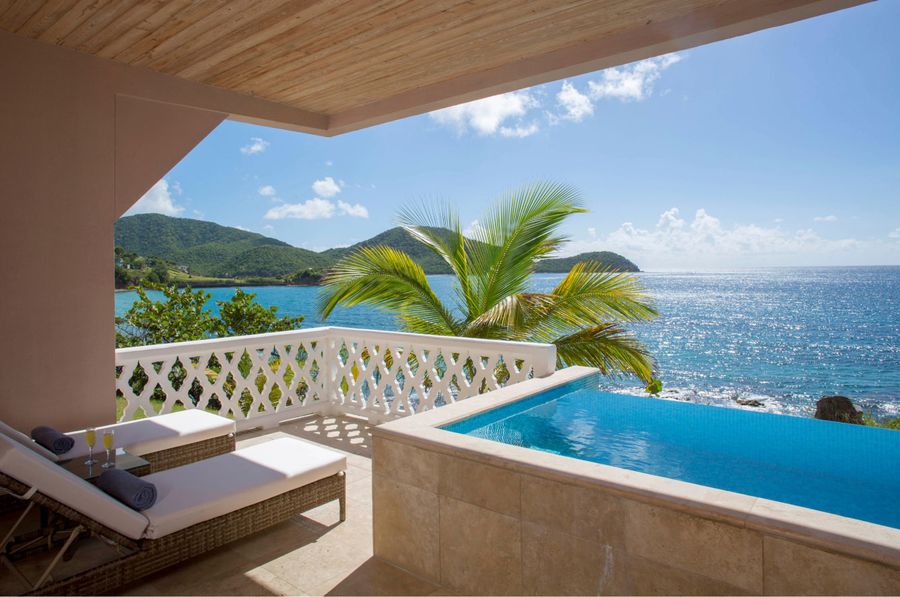
Curtain Bluff in Antigua sits less than four hours by air from Miami, and the resort’s all-72-room footprint gives it an intimacy that larger Caribbean resort properties sacrifice to their capacity. The beachfront location places every room and suite steps from powdery white sand, and select suites add private terraces with plunge pools that offer the Caribbean Sea view at its most personally scaled. The resort’s footprint on the island is deliberately contained, keeping the guest density low enough that the beach, the pool, and the secluded day beds and swings overlooking the Caribbean Sea feel available and uncrowded.
The private beach picnic experience gives couples the most direct version of the Caribbean mini-moon ideal: food and drink delivered to a specific spot on Curtain Bluff’s beach, set up with the attention that a property whose entire model is personalized service maintains as a standard. The scuba diving access gives the Caribbean water an underwater dimension for couples whose interest in the ocean extends below the surface, and Antigua’s reef system adds a quality to that diving that the island’s protected waters have sustained over decades of reef management.
Curtain Bluff’s journey time from most U.S. departure cities is longer than the domestic destinations on this list but shorter than the European or Pacific alternatives included in the conventional honeymoon menu. The source acknowledges this directly, noting that once the couple arrives at the beachfront resort, all that remains is relaxing. The swings and day beds overlooking the Caribbean Sea give Curtain Bluff its most immediately evocative image of what a romantic mini-moon in the islands should feel like, and the 72-room scale ensures that the swings, like the beach itself, are available whenever the couple walks down to them. The less-than-four-hour flight from Miami and the resort’s all-inclusive option give the Antigua mini-moon the specific practical profile the mini-moon format requires: genuinely foreign, genuinely beautiful, and genuinely reachable within the time window that a post-wedding getaway has before the demands of daily life reassert themselves.