
From an Acura Integra with a six-speed manual and hatchback cargo space to an Audi A3 with standard all-wheel drive under $43,000
Credit: Mini
A luxury car comes down to what a vehicle does and how it feels considerably more than how much it costs. Price certainly plays a part, since quality materials and premium features genuinely cost manufacturers money, which explains why they charge more for such vehicles. A larger price tag doesn’t necessarily guarantee a genuinely better luxury experience, though, and several automakers now prove that point directly across a wide range of body styles.
Whether a shopper prefers a sedan or an SUV, the vehicles below prove that buyers don’t have to sacrifice comfort, technology or style purely for the sake of value. Every model on this list carries a starting price under $43,000, including destination charges, and each one combines genuine quality, affordability and sophistication within a single package well suited to a first-time luxury buyer.
The 10 vehicles below appear in U.S. News & World Report's 2026 list of the cheapest luxury cars, ranked by price from most to least affordable. They span sedans, subcompact SUVs and compact SUVs from established luxury brands alongside newer entrants, giving budget-conscious shoppers considerable range across nearly every body style within this specific price bracket. Fuel economy, cabin space and driving character vary considerably between these particular models, so matching a specific vehicle to a buyer’s actual priorities matters just as much as simply finding the lowest possible starting price. Several of these vehicles also carry meaningful destination charges or trim restrictions that push their genuine out-the-door cost noticeably closer to this list’s overall cap, so shoppers should confirm final pricing carefully and directly with a specific local dealership before ever assuming the advertised starting figure alone tells the whole story about a specific vehicle’s genuine true cost after every applicable fee gets added in.
Credit: Acura
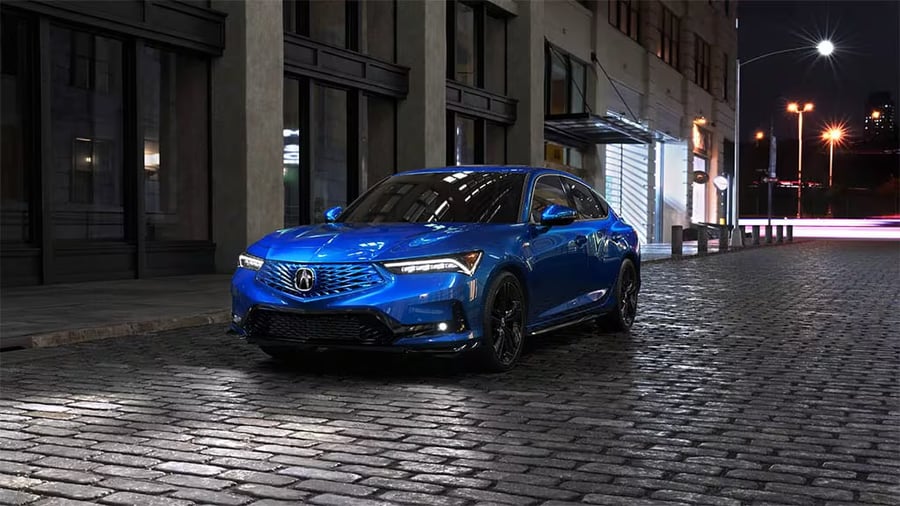
The 2026 Acura Integra, starting at $33,400 and earning a U.S. News Rating of 9.3, ranks as a genuine value within the luxury small car category. While the Integra Type S and its extra 120 horsepower tend to draw enthusiast attention, the regular Integra offers nimble handling and direct steering for roughly $20,000 less than its pricier sibling. Shoppers hoping for a bit more engagement can even opt for a six-speed manual transmission, a genuinely rare offering within this price segment.
The Integra also proves that luxury doesn’t necessarily mean wasteful, since the manual Integra A-Spec reportedly returns 32.7 miles per gallon combined during real-world testing, with the automatic performing even better according to EPA estimates. This pairing of genuine efficiency and driving engagement gives the Integra real appeal for shoppers who don’t want to sacrifice one for the other.
The Integra’s cabin proves genuinely roomy too, with a considerably larger back seat than alternatives from Audi, Mercedes-Benz or Cadillac, plus a much bigger cargo hold thanks to its hatchback design. Synthetic leather upholstery, heated front seats and a power-adjusted driver’s seat all come standard, and every Integra now includes the previously optional nine-inch center touch screen alongside a standard 10.2-inch driver information display.
The 200-horsepower turbocharged 1.5-liter four-cylinder engine isn’t especially quick, reaching 60 miles per hour in around seven seconds. However, testers describe it as a genuine delight to drive thanks to a sport-tuned suspension, active dampers and an available limited-slip differential. The ride stays firm without turning harsh, though additional sound deadening would further enhance the luxury feel by reducing road and tire noise throughout the cabin. Shoppers cross-shopping the Integra against the pricier Type S should weigh how much the extra 120 horsepower and considerable performance upgrades actually matter for everyday commuting versus occasional weekend driving. The manual transmission option specifically appeals to a genuinely small segment of luxury buyers, since most competitors in this price range have long since dropped manual gearboxes entirely from their lineups.
Credit: Acura
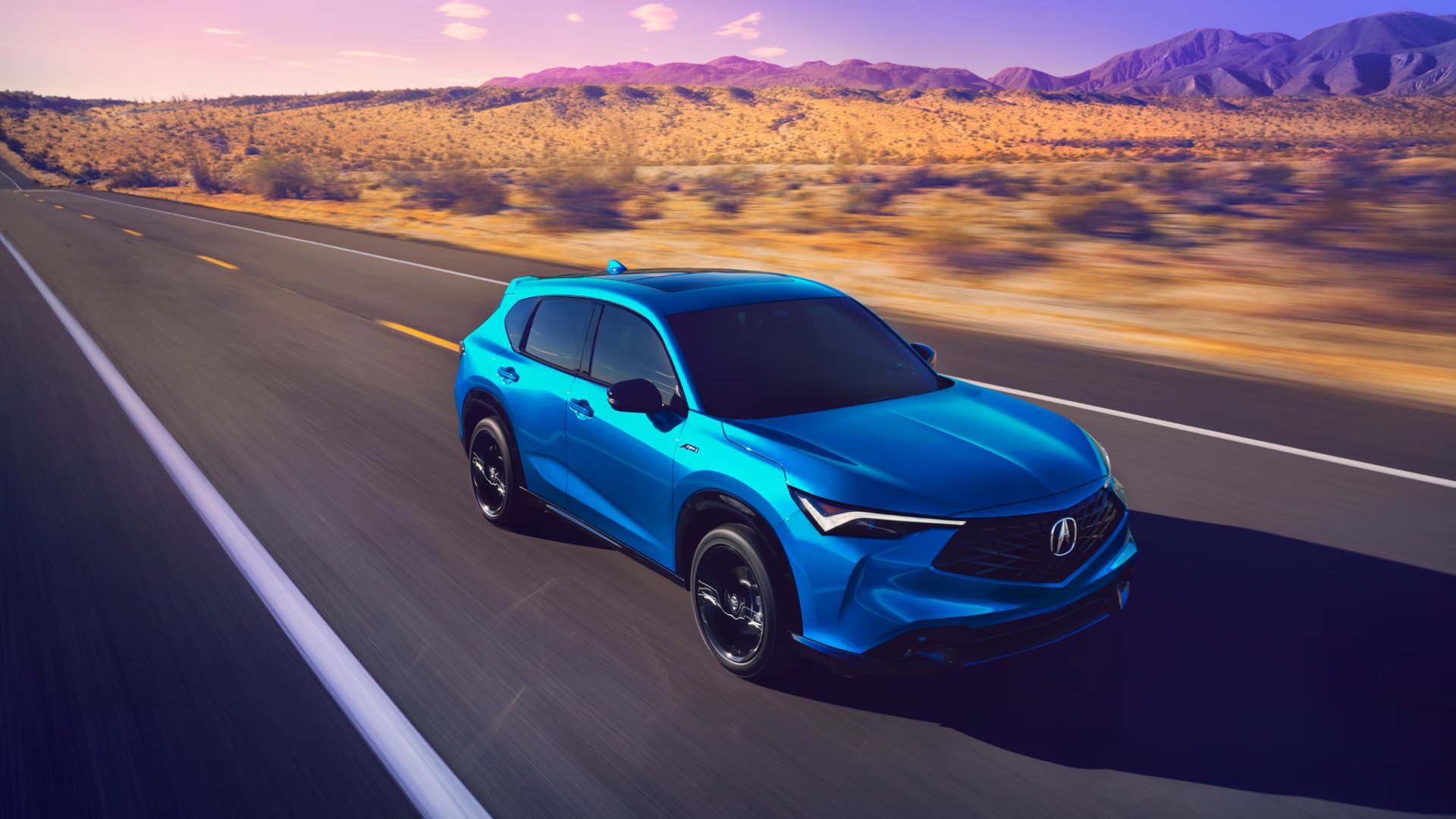
The 2026 Acura ADX, starting at $35,000 and earning a U.S. News Rating of 8.7, ranks as the most affordable luxury subcompact SUV currently on the market. Among its strongest attributes are light but direct steering, decent handling, considerably more passenger room and comfort than many rivals in the class, and above-average cargo capacity for its size.
Front-wheel drive comes standard, all-wheel drive stays available, and the ADX’s fuel economy proves decent for the class, with an EPA rating of 28 miles per gallon combined in all-wheel-drive form or 29 with front-wheel drive. Testing reportedly returned 27.8 miles per gallon in the all-wheel-drive version, closely tracking the official estimate.
The ADX’s interior combines premium materials with a straightforward design featuring physical buttons, dials and knobs alongside a sensibly sized center touch screen. The standard feature list proves genuinely robust, including synthetic leather seating, heated front seats, a leather-wrapped steering wheel, wireless Apple $AAPL CarPlay and Android Auto, an eight-speaker stereo and a moonroof.
The ADX’s weak point involves its powertrain specifically, since the same 1.5-liter turbo engine that works fine in the lighter Integra sedan produces ten fewer horsepower in the ADX, at 190 instead of 200, while also needing to move an extra 300-plus pounds, or roughly 500 pounds in all-wheel-drive form. Reviewers note that under hard acceleration, the continuously variable automatic transmission tends to force the engine into a rev range where it sounds loud and unrefined, genuinely diminishing the overall luxury experience. Shoppers specifically prioritizing quiet, refined acceleration over outright value should test drive the ADX carefully before purchase, since the CVT’s behavior under hard acceleration proves considerably more noticeable than spec sheets alone would suggest. As the newest nameplate in Acura’s current lineup, the ADX fills a genuine gap below the larger RDX, giving budget-conscious shoppers a way into the brand’s SUV lineup without stretching to a considerably pricier model. Shoppers should compare the ADX directly against the pricier Integra during a test drive, since the two share considerable mechanical DNA despite their different body styles and target buyers.
Credit: Cadillac
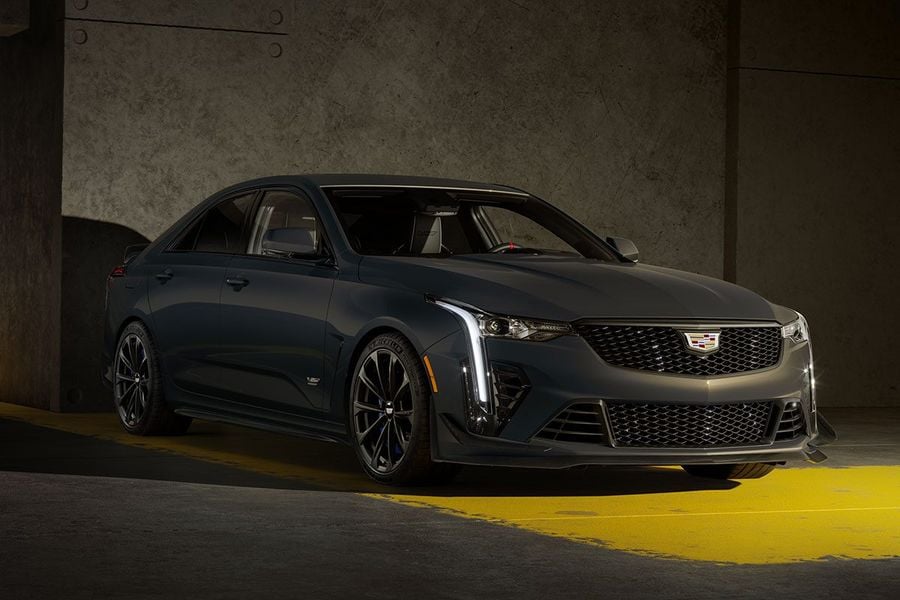
The 2026 Cadillac CT4, starting at $36,000 and earning a U.S. News Rating of 7.3, offers genuinely engaging handling and brisk acceleration within the luxury small car category. The chassis strikes a reasonable balance between athleticism and ride quality, and even more power and sport-oriented tuning is available in the CT4-V and CT4-V Blackwing models, though both cost considerably more. Fuel economy stays decent for the class at 22 miles per gallon in the city and 32 on the highway.
Where the CT4 genuinely struggles against rivals is in the cabin, since rear-seat passenger space stays tight and a somewhat dated design featuring visible hard plastics works against the overall sense of luxury throughout the interior. The front seats prove very comfortable, though, and standard equipment includes synthetic leather upholstery, heated and power-adjustable front seats, and a leather-wrapped and heated steering wheel.
The eight-inch center touch screen proves adequate for the price point, with wireless Apple $AAPL CarPlay and Android Auto, wireless device charging, and dual-zone automatic climate control all standard across the lineup. The CT4 genuinely proves fun to drive, though not quite up to the level of pricier rivals such as the BMW 3 Series in terms of pure athleticism and driver feedback.
The base 237-horsepower 2.0-liter turbocharged four-cylinder engine delivers peppy performance, though it sounds somewhat strained at higher revs throughout hard acceleration. A considerably more powerful 310-horsepower engine exists for the CT4, though it requires a higher trim level that prices the vehicle well beyond this list’s $43,000 cap. Shoppers specifically torn between the CT4 and its pricier CT4-V sibling should weigh how much the additional power and sport-tuned components genuinely matter, since the price gap between the two trims proves considerable. Cadillac’s decision to keep the CT4’s more powerful engine confined to pricier trims reflects a common industry strategy of reserving genuine performance upgrades for buyers willing to pay considerably more for the badge alone.
Credit: Lexus
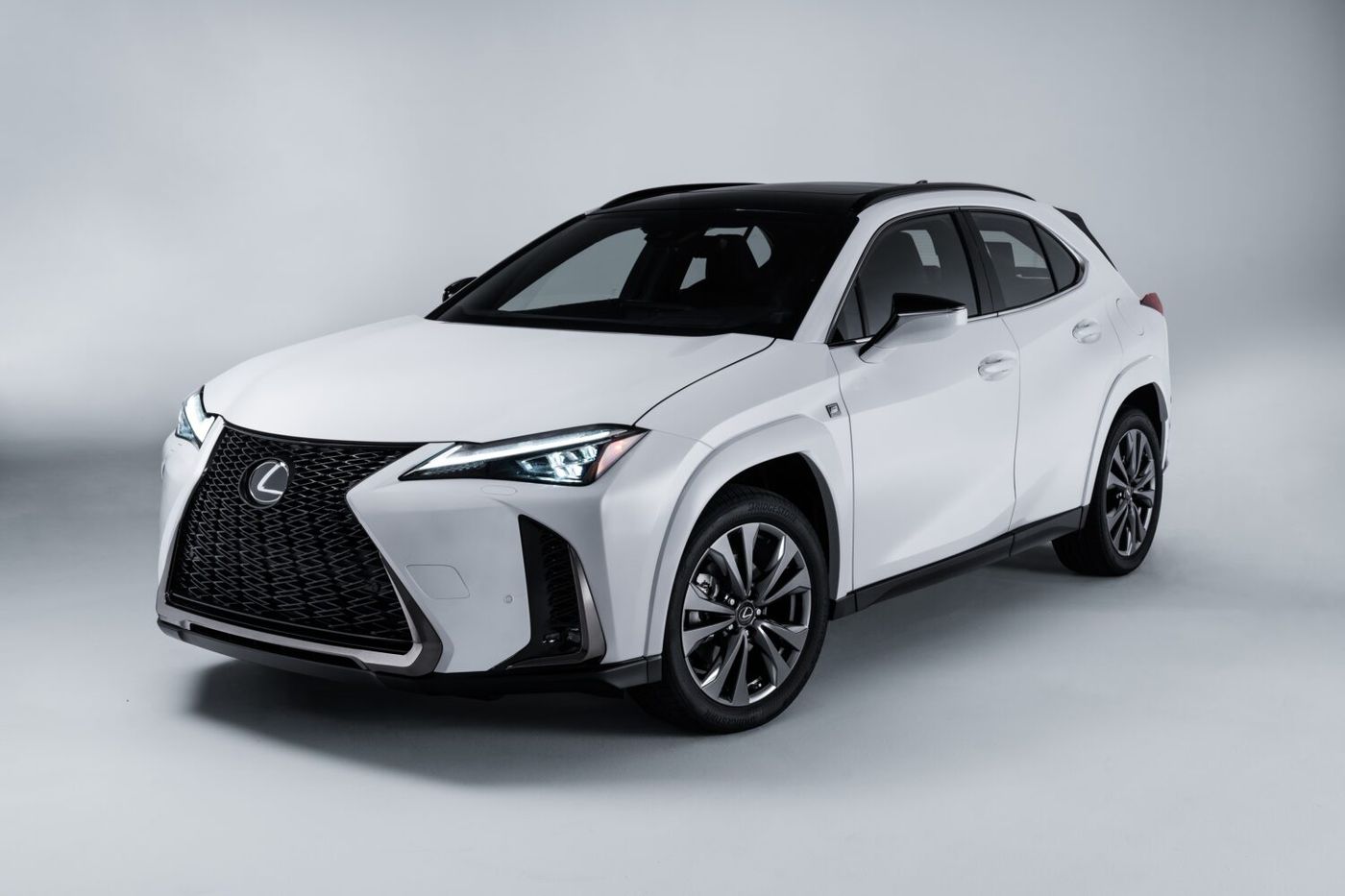
The 2026 Lexus UX Hybrid, starting at $37,155 and earning a U.S. News Rating of 7.7, appeals specifically through quality materials, standard features and genuinely excellent fuel economy within the luxury hybrid SUV category. With EPA ratings of up to 45 miles per gallon in the city and 41 on the highway, it ranks as the most efficient non-electric premium SUV currently on the market.
The total system output of the 2.0-liter engine and two electric motors reaches 196 horsepower, which isn’t bad on paper, though it genuinely struggles to move the roughly 3,500-pound UX with much enthusiasm. This tradeoff between efficiency and outright performance defines much of the UX Hybrid’s overall character throughout everyday driving.
Lexus provides a genuinely nice interior environment, with materials and craft that would feel at home in any of the UX Hybrid’s larger and pricier Lexus SUV siblings. The cabin proves best experienced from the driver or front passenger seat specifically, since rear seat headroom and legroom measurements stay similar to those found in a subcompact car, and cargo space proves similarly limited throughout.
Testing revealed the UX Hybrid handles well when driven gently, though attempting to wring genuine sportiness out of it makes both the vehicle and driver uncomfortable. A light foot on the throttle works best, since the UX offers little extra oomph; Lexus cites a 7.9-second run to 60 miles per hour, and the continuously variable transmission loudly announces this limitation by holding revs and generating considerably more noise than forward motion until the driver eases off. All-wheel drive stays available and comes genuinely recommended for added traction. Shoppers specifically prioritizing rear-seat space or cargo capacity should look elsewhere within the Lexus lineup, since the UX Hybrid’s compact dimensions genuinely favor efficiency and front-seat comfort over overall interior volume. The UX Hybrid shares its underlying platform with the Toyota $TM Corolla. However, Lexus’s considerable attention to sound insulation and interior materials genuinely elevates the driving experience well beyond its mainstream mechanical origins.
Credit: Alfa Romeo
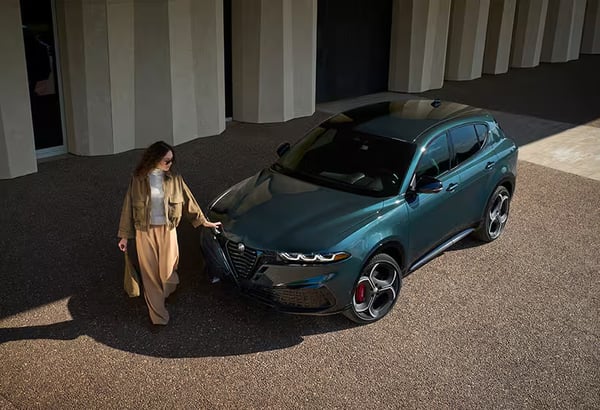
The 2026 Alfa Romeo Tonale, starting at $37,495 and earning a U.S. News Rating of 8.3, offers style, solid power, and a decent list of features within the luxury subcompact SUV category. The plug-in hybrid model has been discontinued, leaving a turbocharged 2.0-liter four-cylinder with 268 horsepower as the sole powertrain option. Alfa Romeo cites a 6.5-second run to 60 miles per hour, a figure testing found fairly accurate. However, fuel economy reflects the lack of a hybrid system, returning an EPA-estimated 21 miles per gallon in the city and 29 on the highway.
The interior features a retro-styled dual-cowl instrument cluster, abundant head and legroom throughout the front row, standard cloth seating with heated front seats, a 10.25-inch touch screen, a wireless device charger and wireless Apple $AAPL CarPlay and Android Auto as standard equipment across the lineup.
Testing found that while the Tonale proves genuinely quick, avoiding turbo lag requires constant use of the dynamic selectable driving mode specifically. Reviewers also note the suspension needs further refinement, crashing over cracks, joints and rough pavement more than expected, and the steering, while direct, doesn’t respond quite as sharply as it does in the larger, pricier Alfa Romeo Stelvio.
The Tonale carries one of the highest destination charges found on any car currently sold in the United States, at $3,250, pushing the real out-the-door price beyond $40,000 despite the advertised starting figure staying under this list’s cap. Shoppers should factor the considerable $3,250 destination charge into their total budget calculations early, since this figure alone can shift the Tonale from comfortably under this list’s cap to genuinely over $40,000 out the door. The discontinuation of the plug-in hybrid variant leaves Alfa Romeo without an efficiency-focused option in this segment, a genuine departure from the brand’s earlier strategy of offering buyers a choice between performance and economy. Shoppers should compare the Tonale’s total out-the-door price directly against rivals before deciding, since destination charges vary considerably across brands and can meaningfully shift a vehicle’s actual affordability.
Credit: Mini
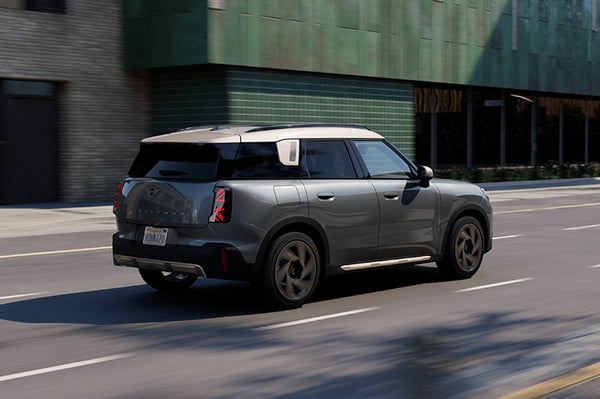
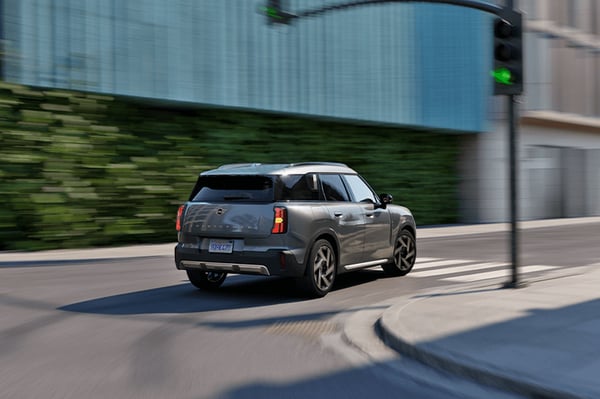
The 2026 Mini Cooper Countryman, starting at $38,900 and earning a U.S. News Rating of 8.5, offers great handling, above-average cargo space and a comfortable interior within the luxury subcompact SUV category. Only one trim level meets this list’s price cap, the Countryman S All4, since the all-electric Countryman EV costs $6,300 more and the powerful John Cooper Works model runs $8,000 pricier still.
The qualifying trim features a 241-horsepower 2.0-liter turbocharged four-cylinder engine, a seven-speed dual-clutch automatic transmission and standard all-wheel drive, with Mini citing a 6.2-second run to 60 miles per hour. Fuel economy proves good for the class at 24 miles per gallon in the city and 32 on the highway.
The driver and front passenger enjoy plenty of space, though rear-seat room stays genuinely tight throughout the back row. Rough-textured reclaimed fabrics on the doors, dash and portions of the center console feel somewhat downmarket, as does Mini’s decision to replace the brand’s iconic row of metal toggle switches with black plastic alternatives, and the speedometer now lives entirely within the center touch screen alongside other vehicle information.
Testing found the handling genuinely superb, tracking very closely to what’s found in the smaller Mini Cooper two-door and four-door models. Over time, the vehicle’s top-heaviness and several hundred extra pounds do reveal themselves somewhat. However, this remains a remarkably good-handling SUV overall, with a suspension striking a genuine balance between ride comfort and athleticism. Shoppers specifically comparing trim levels should note that only the Countryman S All4 qualifies under this list’s price cap, since both the electric Countryman EV and the performance-oriented John Cooper Works model cost considerably more. Mini’s decision to move the speedometer entirely into the center touch screen reflects a broader shift toward digital-first interiors, though longtime Mini owners accustomed to physical toggle switches may need genuine adjustment time. Shoppers should also compare interior material quality directly against rivals during a dealership visit, since the reclaimed fabric trim’s downmarket feel may bother some buyers considerably more than others.
Credit: Volvo
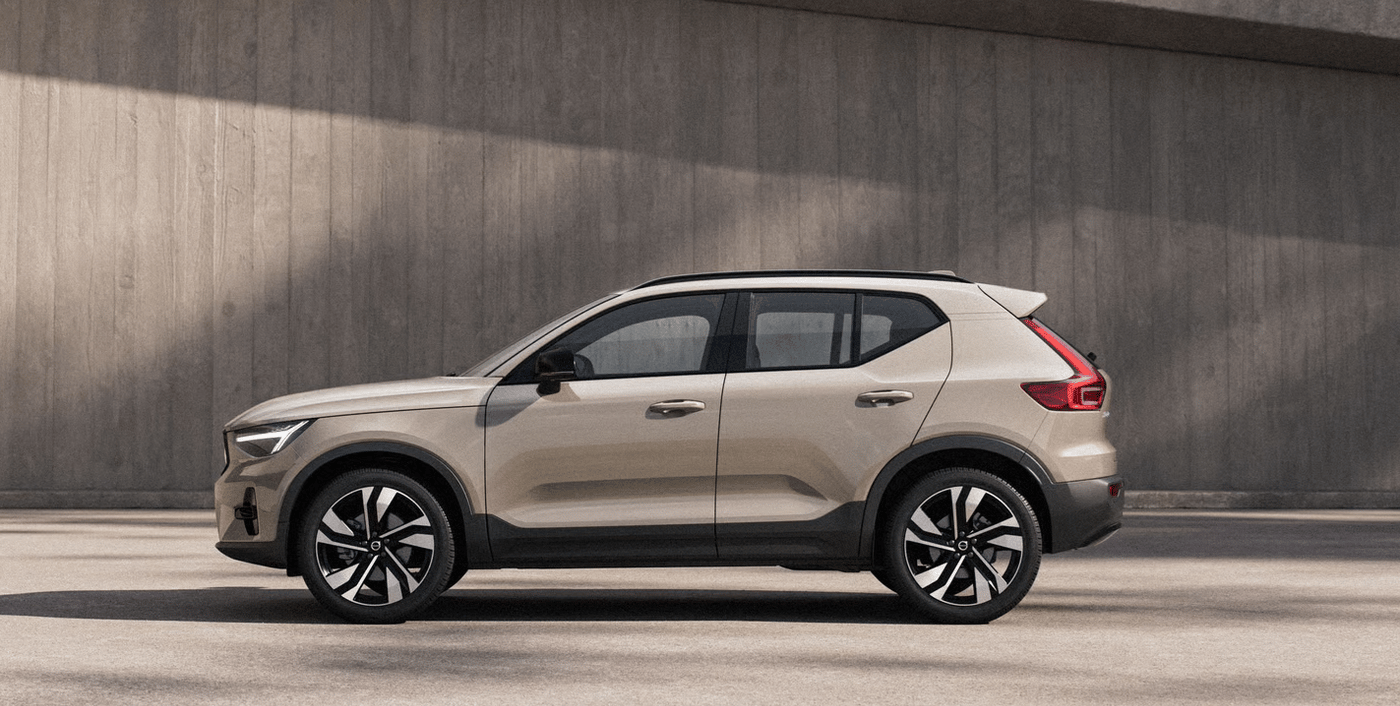
The 2026 Volvo XC40, starting at $39,900 and earning a U.S. News Rating of 8.4, offers a comfortable ride, competent handling and a long list of standard features within the luxury subcompact SUV category. Only the base Core trim, with front-wheel drive and the 194-horsepower base engine, squeezes in under this list’s price cap, though it still offers plenty of value at that price point.
With an 8.1-second run to 60 miles per hour, the XC40 doesn’t qualify as quick, though it does include mild-hybrid assistance and decent EPA estimates of 25 miles per gallon in the city and 32 on the highway. The model also stays stylish and well equipped, and Volvo frequently offers competitive lease deals on it for shoppers not looking to buy outright.
Scandinavian minimalism best describes the XC40’s cabin, though this particular minimalism stays genuinely elevated and refined, featuring tasteful design, top-quality materials and excellent artistry throughout. Passenger space proves generous, especially with only two occupants in the rear seats, and cargo room stays about average for the class. Wired Apple $AAPL CarPlay and Android Auto come standard, and the center touch screen stays bright and readable, having received a major software update this year specifically to improve overall usability.
Testing of an upgraded, pricier XC40 trim found the driving experience genuinely easy, comfortable, and smooth overall. However, reviewers note that shoppers looking for truly nimble handling specifically won’t find it within this particular model. Shoppers specifically interested in all-wheel drive or a more powerful engine should note that only the base Core trim qualifies under this list’s price cap, since upgrading to either feature pushes the XC40 considerably beyond $43,000. Volvo’s considerable investment in updated software this year specifically addressed longstanding complaints about the XC40’s touch screen responsiveness, giving the model a genuinely more modern feel without changing its underlying hardware. Shoppers should ask specifically about current lease offers before committing to a purchase, since Volvo’s leasing incentives on this model can meaningfully change the overall value calculation compared with buying outright.
Credit: Lincoln
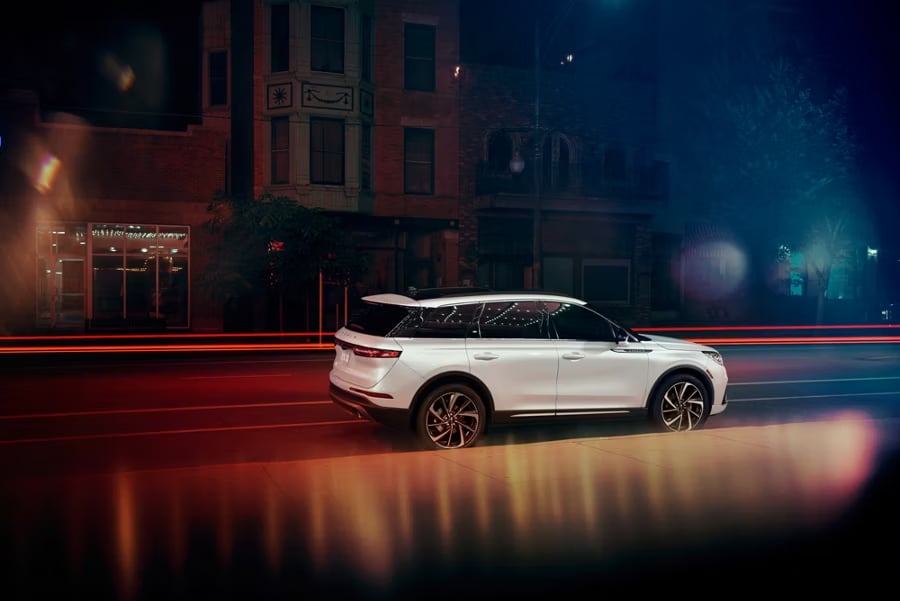
The 2026 Lincoln Corsair, starting at $39,985 and earning a U.S. News Rating of 8.9, ranks as one of the largest vehicles on this list despite being Lincoln’s smallest SUV, and it stands among the most affordable luxury compact SUVs currently on the market. Its high-quality interior and comfortable ride prove genuinely remarkable given the price point. The 250-horsepower 2.0-liter turbocharged four-cylinder engine delivers decent acceleration, though fuel economy stays unremarkable at 22 miles per gallon in the city and 30 on the highway.
The Corsair’s interior isn’t lavish, though it stays genuinely tasteful, featuring quality materials throughout. The sloping roofline does cut into second-row headroom somewhat, though the cabin remains roomy overall, and cargo capacity proves generous for the class. Standard features include a 13.2-inch touch screen, navigation, and both Apple $AAPL CarPlay and Android Auto.
The Corsair’s driving experience centers considerably more on comfort and quietness than outright enthusiasm. However, it feels genuinely peppy, especially accelerating from a stoplight or merging onto a highway on-ramp. Acceleration and handling both prove adequate, though the overall focus stays firmly on smoothness and ease of driving throughout.
Reviewers consistently find the Corsair’s piano-key style gear selector, shared across the broader Lincoln lineup, unintuitive and genuinely frustrating, since drivers instinctively reach for the steering column expecting a traditional shifter that isn’t there. Shoppers accustomed to a traditional gear shifter should specifically test the Corsair’s piano-key selector during a dealership visit, since this particular control scheme, shared across the Lincoln lineup, genuinely takes some adjustment for many drivers. The Corsair shares its underlying platform with the Ford $F Escape. However, Lincoln’s considerable attention to sound insulation and interior materials genuinely distinguishes the driving experience from its more mainstream mechanical sibling. Shoppers cross-shopping the Corsair against rivals from Audi or BMW should weigh comfort against outright driving engagement, since the Corsair genuinely prioritizes the former considerably more than the latter throughout most driving situations.

Credit: BMW
The 2026 BMW 2 Series Gran Coupe, starting at $40,000 and earning a U.S. News Rating of 7.6, ranks as the least expensive way to own a BMW, leaning more toward luxury than the sportier, pricier two-door 2 Series. A well-designed, high-quality interior, solid acceleration and sharp handling combine for a genuinely appealing package at a very affordable price for the brand.
The 241-horsepower 2.0-liter turbocharged four-cylinder reaches 60 miles per hour from a standing start in 6.0 seconds, and it returns impressive fuel economy for the segment, with an EPA estimate of 27 miles per gallon in the city and 39 on the highway.
The 2 Series Gran Coupe cabin proves roomy for the driver and front passenger, though considerably less so for rear occupants, who face one of the tightest back seats found among any small luxury vehicle. Reviewers note that even children might find the back seat genuinely too snug for comfort on longer trips.
Testing praised the acceleration specifically, to the point that reviewers reported never wishing for more power, alongside praise for the dual-clutch automatic transmission and the steering feel. The ride proves full of shakes and shimmies over rough pavement, an issue shared with the Mini Cooper hatchback, since both vehicles ride on the same shared platform. A comfort-focused suspension comes available as a no-cost option, and reviewers specifically recommend choosing it. Shoppers specifically planning to carry rear passengers regularly should test the back seat directly before purchase, since the tight dimensions genuinely prove more restrictive than in most other small luxury vehicles covered on this list. BMW’s decision to share this platform with Mini reflects the considerable parent-company relationship between the two brands, and shoppers cross-shopping both nameplates will notice genuine similarities in ride quality and overall character. Shoppers should specifically request the no-cost comfort-focused suspension option when ordering, since this particular upgrade genuinely smooths out the ride quality issues testers noted on rough pavement.
Credit: Audi
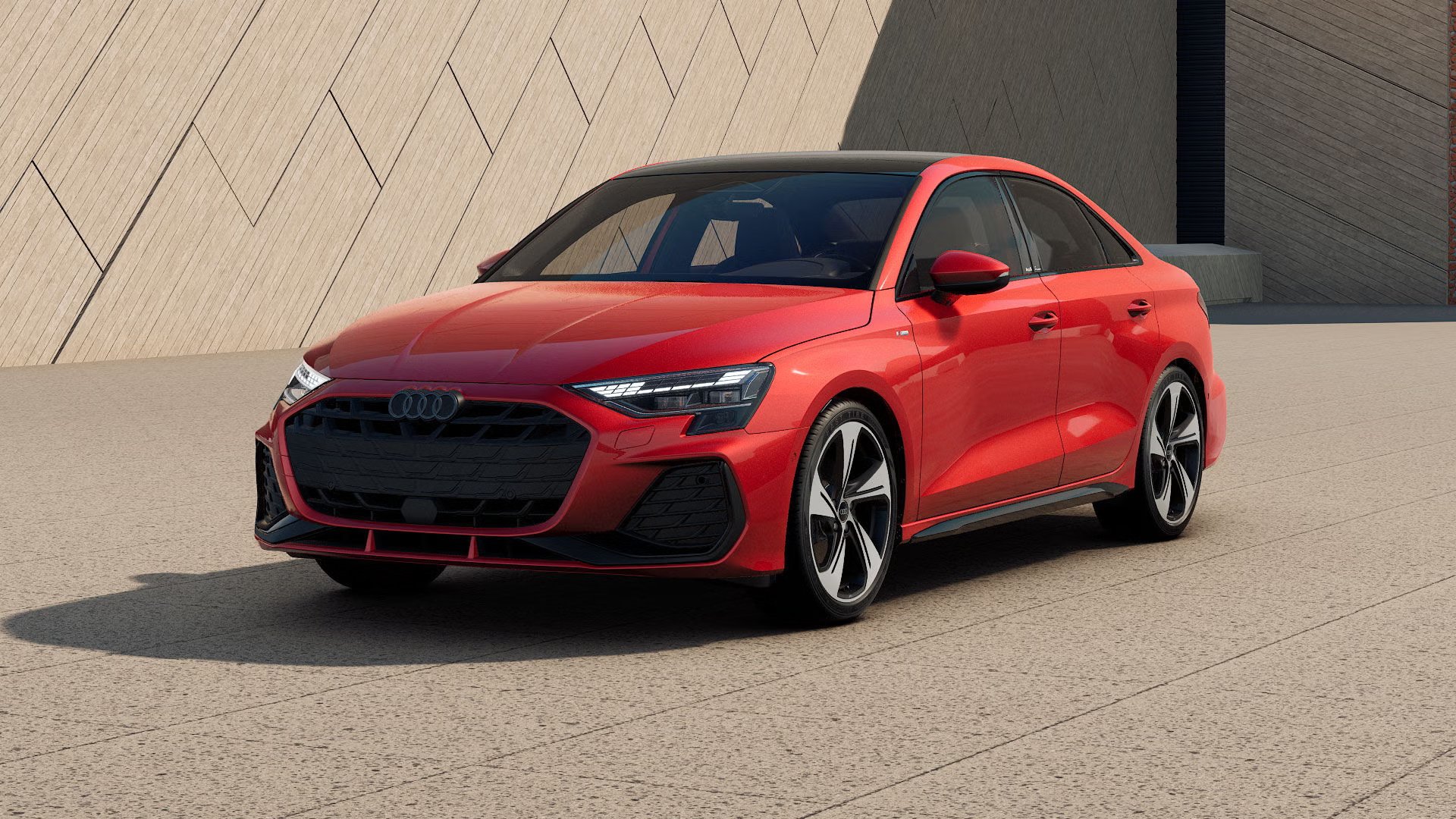
The 2026 Audi A3, starting at $40,100 and earning a U.S. News Rating of 8.4, ranks as the smallest and least expensive Audi currently sold, though it cuts remarkably few corners in terms of performance. All-wheel drive comes standard, and the A3’s 201-horsepower 2.0-liter turbocharged four-cylinder engine reaches 60 miles per hour in 6.0 seconds, while fuel economy stays more than respectable at an EPA-estimated 24 miles per gallon in the city and 34 on the highway.
The A3 stays roomy up front, though it remains a genuinely small sedan overall, and the rear seat works best reserved specifically for children on shorter trips. The design stays contemporary, though somewhat drab and gray in typical Audi fashion, and the piano-black plastic trim proves to be a genuine fingerprint magnet requiring constant cleaning. A 10.1-inch center touch screen, panoramic sunroof and tri-zone climate control all come standard across the lineup.
Testing found the six-second run to 60 miles per hour genuinely well suited to merging onto highway on-ramps with confidence, and reviewers praised the steering specifically for its accurate responsiveness and feel throughout winding roads, aided considerably by the standard Quattro all-wheel-drive system. Bumps can occasionally upset the suspension, though the overall driving experience stays genuinely relaxing across most road conditions. Shoppers specifically bothered by fingerprint-prone piano-black trim should ask a dealership about available interior color and material options, since some configurations reduce this particular cosmetic annoyance considerably compared with the standard setup. Standard Quattro all-wheel drive distinguishes the A3 from several rivals on this list that reserve all-wheel drive for pricier trims, giving Audi’s entry-level sedan a genuine performance advantage in poor weather conditions. Shoppers should compare the A3’s total equipment list carefully and directly against the BMW 2 Series Gran Coupe specifically, since both vehicles compete closely on price while offering somewhat different standard feature packages across their respective trim lineups.