From Wales' first National Landscape at Rhossili Bay to Komodo's wild dragons and Monument Valley's sacred Navajo sandstone mesas
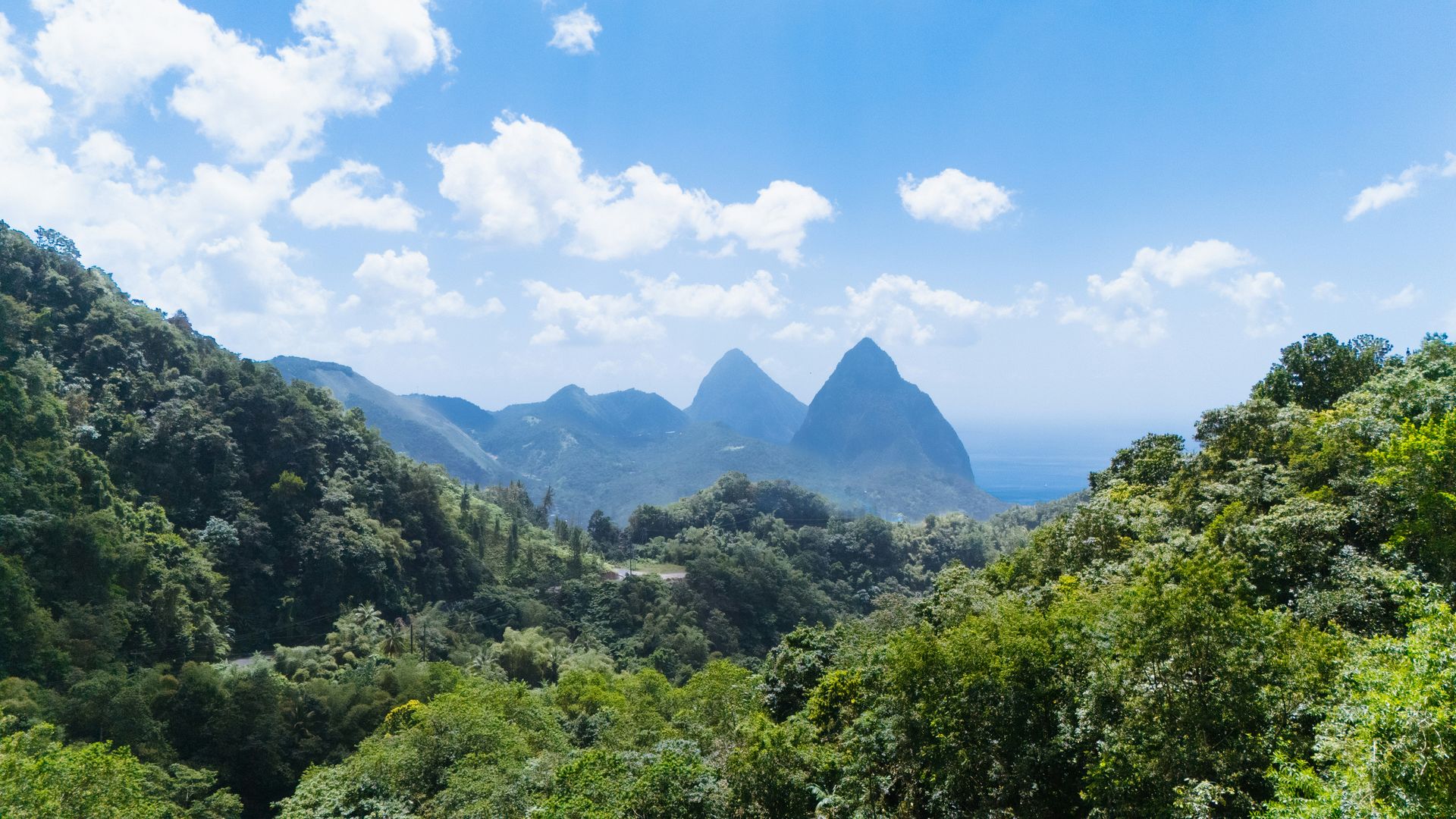
Karl Moore / Unsplash
Whether the goal involves rewarding hikes across towering mountains or awe-inspiring photo opportunities along sparkling shorelines, the world holds landscapes so spectacular they feel almost unreal. Beauty stays genuinely subjective, of course, but these particular wonders of nature consistently take travelers’ breath away regardless of personal taste or specific travel style.
From windswept coastal cliffs to volcanic craters teeming with wildlife, these destinations span nearly every continent and climate imaginable. Each one rewards travelers with a genuinely distinct kind of natural beauty, whether that means dramatic geology, rare wildlife, or simply a view unlike anything found elsewhere on Earth. Several of these landscapes also carry UNESCO World Heritage status, reflecting international recognition of their genuine ecological or cultural significance beyond simply their visual appeal.
The 10 landscapes below appear in U.S. News & World Report, covering the most beautiful landscapes in the world. They range from a windswept Welsh peninsula to volcanic islands in the Caribbean to a six-million-acre Alaskan wilderness, giving travelers considerable range in both geography and specific type of natural wonder. Several destinations on this list also reward travelers willing to time their visit around a specific seasonal phenomenon, whether that means peak lavender bloom in Provence or the annual chance to spot the northern lights above an Icelandic mountain. Wildlife specifically drives the appeal of several other entries, from the world’s only wild Komodo dragons to the vast, unbroken wilderness surrounding Denali, giving nature-focused travelers genuine reason to build an entire trip around a single destination instead of treating it as a brief stop along a longer itinerary. Cultural and historical significance also runs genuinely deep through several of these particular landscapes, particularly those specifically tied to Indigenous communities whose connection to the land predates the modern tourism industry.
Walter Ma / Unsplash
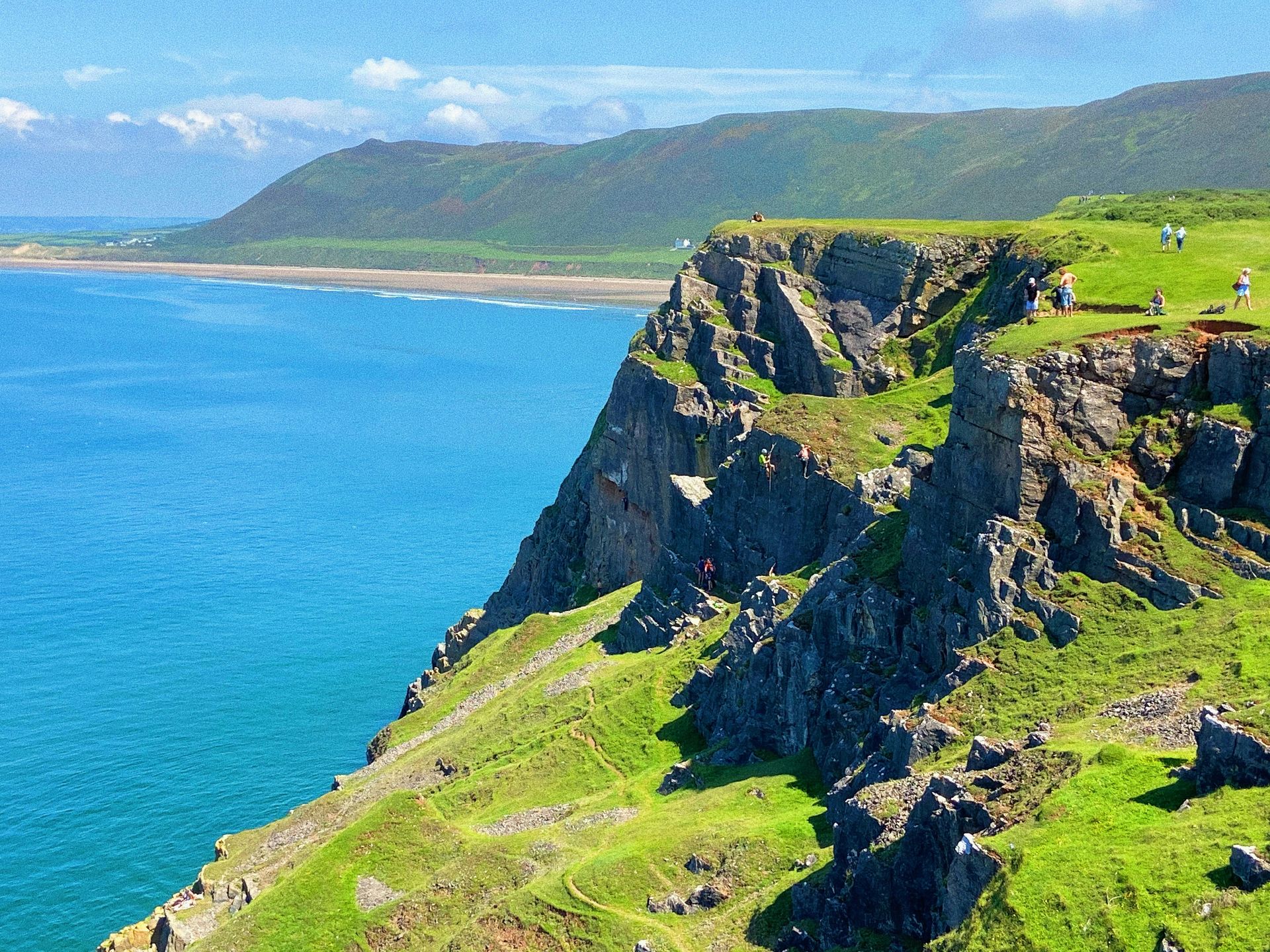
Crabbing, surfing, walking and bird-watching rank among the favorite pastimes on the beaches of the Gower Peninsula, the United Kingdom’s first designated National Landscape. Rhossili Bay’s fine golden sand, towering cliffs and dunes, alongside the iconic landmark Worm’s Head, attract summer visitors in genuine droves throughout the warmer months.
Watching the sun set behind the serpent-shaped island rewards visitors with a genuinely stunning view of this coastal landscape, and staying afterward lets travelers watch the stars rise over the tranquil beach once darkness settles in. This pairing of dramatic daytime scenery and a genuinely peaceful evening atmosphere gives Rhossili Bay real appeal for an entire day’s visit, not just a quick afternoon stop.
The Gower Peninsula’s status as the UK’s first National Landscape designation reflects decades of conservation effort protecting this specific stretch of Welsh coastline from overdevelopment. This protected status has helped preserve the genuinely wild character of the cliffs and dunes surrounding the bay, giving visitors a rare chance to experience British coastal scenery largely unchanged by modern development.
Travelers $TRV specifically interested in bird-watching should visit during migration seasons, when the cliffs and surrounding wetlands draw considerable numbers of seabirds passing through this particular stretch of the Welsh coast. Worm’s Head itself becomes accessible on foot only during specific low-tide windows, and travelers should check tide tables carefully before attempting the walk, since the causeway floods completely at high tide, stranding anyone who miscalculates the timing. Nearby Rhossili village offers a small cluster of shops and a National Trust visitor center, giving travelers a convenient base for supplies and information before setting out along the bay’s longer coastal walks. Sturdy footwear genuinely helps along the coastal path, since the terrain shifts between soft sand, rocky outcrops and steep grassy slopes depending on the specific section being walked. A reusable water bottle also helps considerably given how much walking the longer coastal paths involve. The bay’s exposure to strong Atlantic swells also makes it a genuinely popular surf spot, particularly during autumn and winter when larger, more consistent waves roll in.
Alessio Zappatore / Unsplash
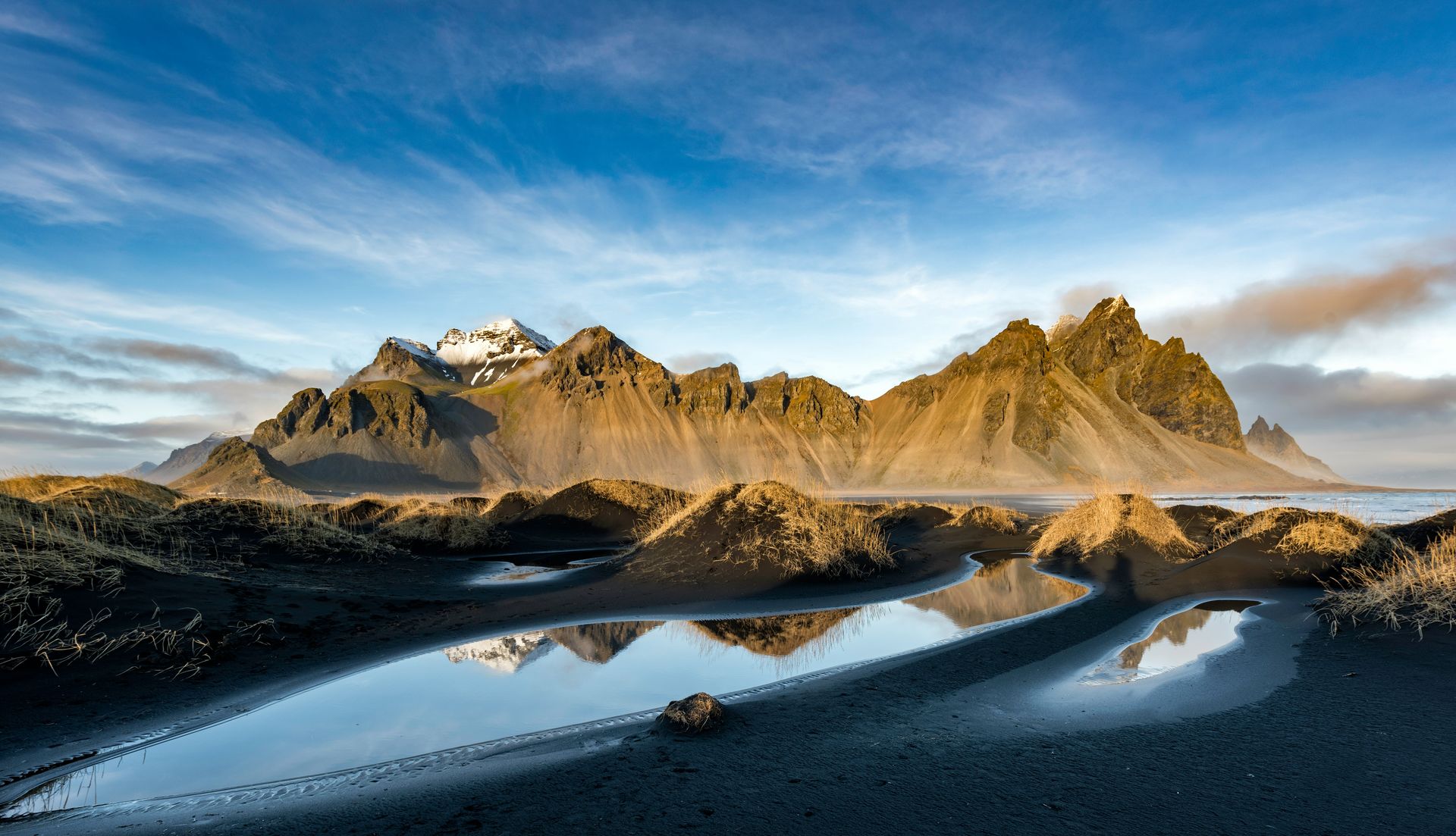
Nearly 1,500 feet tall, Vestrahorn towers above a lagoon and black sand beach in southeast Iceland, creating one of the country’s most photographed mountain silhouettes. This mountain sits adjacent to Brunnhorn, which locals refer to as the Batman Mountain because of the distinctive shape formed by its three peaks against the sky.
The Stokksnes peninsula remains genuinely popular with tourists and photographers, so travelers should expect to pay a small entrance fee to get the most spectacular views of the mountain and its reflection in the surrounding lagoon. This modest fee helps maintain the specific access points and paths that give visitors the best vantage points for photography.
Travelers $TRV who time their visit just right may even get lucky enough to see the northern lights dance above Vestrahorn, adding a genuinely otherworldly element to an already dramatic landscape. This pairing of dramatic mountain scenery and potential aurora sightings gives Vestrahorn real appeal for travelers specifically chasing both daytime and nighttime natural spectacles within a single visit.
Travelers should check current aurora forecasts before planning a specific evening at Vestrahorn, since clear skies and genuine solar activity both need to align for the northern lights to actually appear above the mountain. The lagoon at the mountain’s base creates striking reflections of the peak on calm days, doubling the visual drama for photographers willing to wait for genuinely still water and the right angle of light. The nearby fishing village of Höfn makes a genuinely convenient base for visiting Vestrahorn, offering accommodation and dining options within a short drive of the Stokksnes peninsula’s entrance. Wind gusts along the exposed peninsula can arrive suddenly and with genuine force, so travelers should secure loose camera equipment and dress in windproof layers regardless of how calm conditions initially appear. A tripod also helps considerably for capturing sharp long-exposure shots of the mountain’s reflection. Winter visits bring the added possibility of ice formations along the black sand shoreline, giving photographers a genuinely different scene than the greener, softer look the area takes on during summer months.
Daniel Oberg / Unsplash
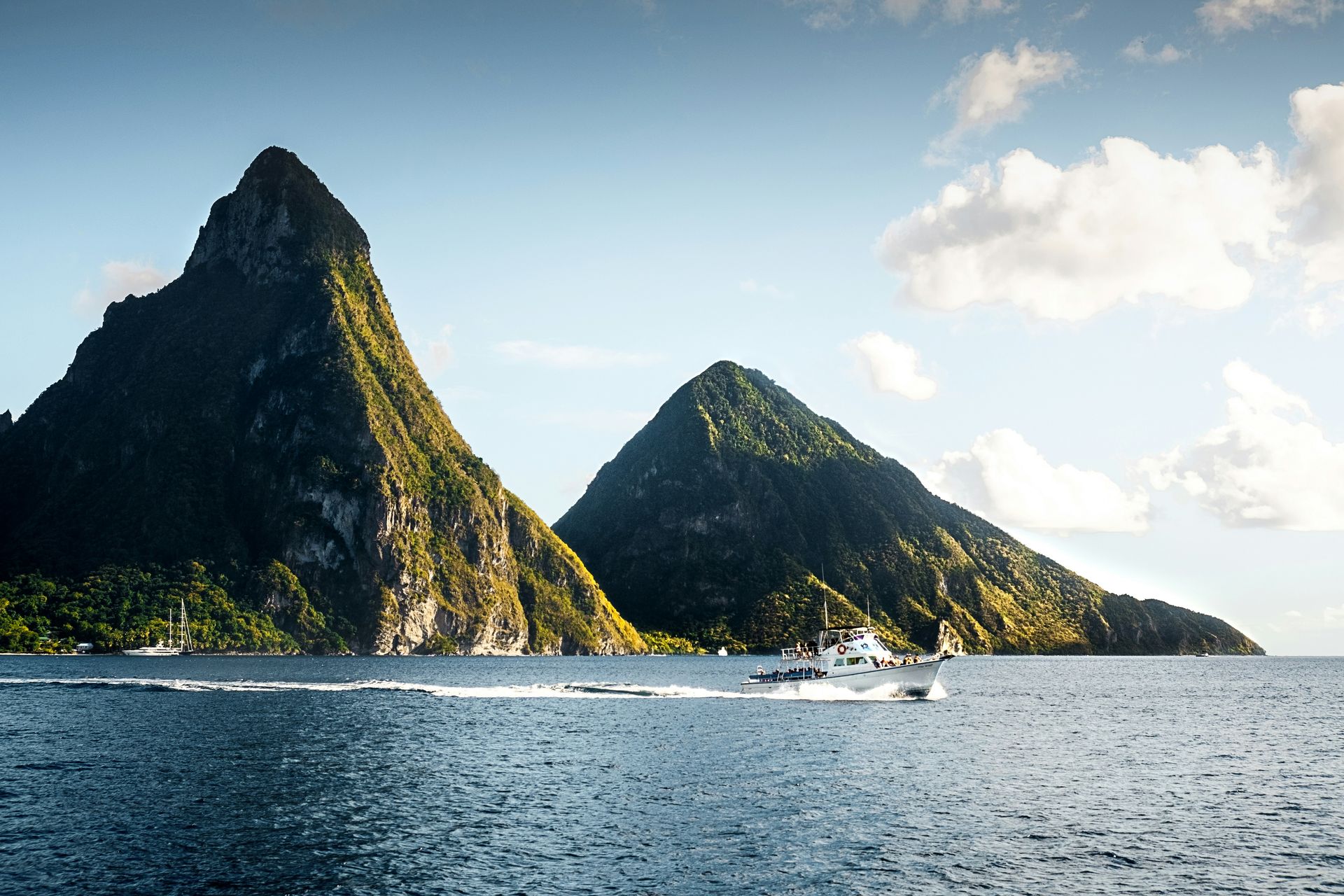
These lush twin peaks rising from the Caribbean Sea rank among the most famous sights in St. Lucia, drawing visitors from across the region and beyond. Part of the UNESCO World Heritage-listed Pitons Management Area, the Pitons boast diverse geological features such as fumaroles and hot springs, alongside historical rock carvings and ample wildlife-viewing opportunities throughout the surrounding protected area.
At more than 2,600 feet, Gros Piton stands slightly taller than Petit Piton, though Petit proves considerably more challenging to hike and may require a local guide for safety. This difference in difficulty gives travelers genuine choice depending on their specific hiking experience and comfort with more technical terrain.
The volcanic origins of both peaks give the surrounding area its genuinely unique geothermal features, including the hot springs found throughout the broader Pitons Management Area. These geological features draw visitors specifically interested in volcanic landscapes beyond simply the dramatic visual impact of the twin peaks themselves.
Travelers $TRV hoping to hike Petit Piton specifically should book a local guide well in advance, since this particular route requires genuine technical scrambling that considerably raises the risk for unprepared hikers attempting it alone. Boat tours around the base of both peaks give travelers unwilling or unable to hike a genuine way to appreciate the Pitons’ scale from the water, offering a considerably more relaxed alternative to the demanding climb up Petit Piton. The nearby town of Soufrière serves as the main gateway for visiting the Pitons, offering boat charters, guided hikes and a scenic waterfront where travelers can view both peaks together from a comfortable distance. Sunrise departures for the Petit Piton hike genuinely help avoid both the midday heat and the more challenging sections of loose scree that become considerably more treacherous once direct sun begins baking the trail. A reusable water bottle also helps considerably given how demanding the Petit Piton climb genuinely proves. The surrounding marine reserve protects genuinely vibrant coral gardens just offshore, giving snorkelers and divers a rewarding way to explore the underwater side of this volcanic landscape.
Jacob Vizek / Unsplash
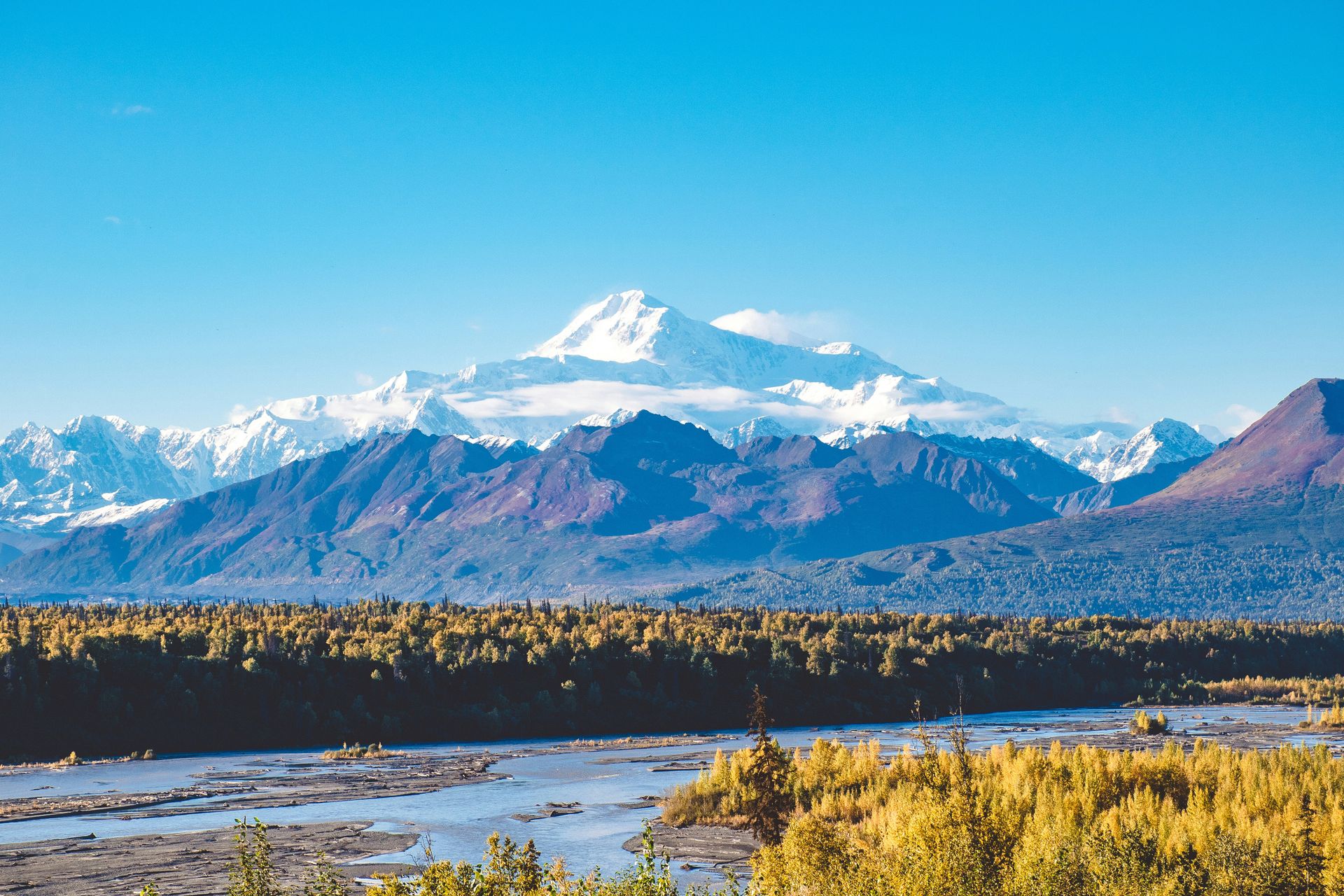
Denali National Park and Preserve unfurls across six million scenic acres of taiga forest and alpine tundra, giving visitors a genuinely vast wilderness to explore across multiple ecosystems. It’s hard to miss the centerpiece, Mount McKinley, which stands 20,310 feet above sea level and ranks as North America’s tallest peak by a considerable margin.
The massive mountain attracts around 1,000 permitted climbers each season, though the park proves just as beautiful to admire from the ground for visitors not attempting the summit themselves. This accessibility for non-climbers gives Denali genuine appeal well beyond the specific mountaineering community that the peak itself attracts.
The park’s taiga forest and alpine tundra ecosystems support genuinely diverse wildlife throughout the six million acres, including bears, moose, and caribou that roam across this protected Alaskan wilderness. This ecological diversity gives visitors considerably more to see than simply the mountain itself, rewarding travelers who explore beyond the most obvious viewpoints.
Travelers $TRV hoping to see Mount McKinley clearly should build flexibility into their itinerary, since the peak frequently hides behind its own weather system regardless of conditions elsewhere throughout the surrounding park. A single road provides the primary access into the park’s interior, and private vehicles face restrictions beyond a certain point, meaning most visitors explore the deeper wilderness via the park’s own shuttle bus system instead. The park entrance sits roughly a five-hour drive from Anchorage, making Denali a genuinely feasible day trip or overnight stop for travelers already exploring other parts of south-central Alaska. Layered clothing genuinely matters throughout any Denali visit, since temperatures can swing considerably between the park entrance and higher elevations even within a single day’s excursion. Binoculars also help considerably for spotting wildlife scattered across the park’s vast open terrain. The park’s near-24-hour summer daylight gives visitors genuinely extended windows for hiking and wildlife viewing throughout the day, a distinct advantage over destinations at lower latitudes with more conventional day lengths.
Adhi Rachdian / Wikimedia Commons (CC BY 2.0)
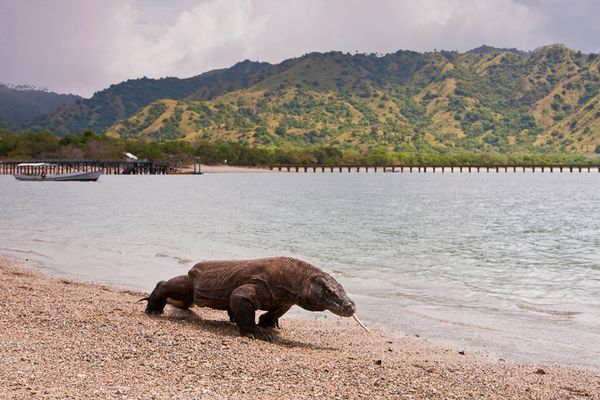
Composed of three major islands and several smaller ones, this national park is home to thousands of giant lizards known as Komodo dragons, and it is the only place in the world where visitors can see them genuinely living in the wild. Beyond this unique wildlife, Komodo National Park holds notable beauty across its savanna, lush vegetation, white sand beaches, and coral reefs throughout the protected area.
The primary way to visit this UNESCO-protected destination is to book a cruise, though choosing an ethical operator matters considerably, since a small ship genuinely minimizes environmental impact compared with larger vessels. Travelers $TRV should also take care not to disturb the wildlife throughout any visit, respecting the dragons’ natural behavior instead of approaching for a closer photo.
Travelers planning to snorkel throughout the park’s coral reefs should specifically pack reef-safe sunscreen, since standard sunscreen chemicals can genuinely damage the fragile coral ecosystems surrounding these islands. This small precaution matters considerably given how much of the park’s beauty depends on healthy, intact reef systems.
This pairing of genuinely rare wildlife and considerable marine biodiversity gives Komodo National Park real appeal for travelers interested in both terrestrial and underwater natural spectacles within a single destination. Rangers accompany all visitors during land excursions specifically to view the dragons, since these massive lizards can move considerably faster than their sluggish reputation suggests and have been known to attack when provoked or startled. Labuan Bajo, the main gateway town on the nearby island of Flores, offers the primary departure point for cruises into the park, giving travelers a genuinely convenient base stocked with dive shops and tour operators. Closed-toe shoes and long pants genuinely help protect against both the dragons’ sharp claws and the rough volcanic terrain found throughout much of the park’s hiking trails. A hat also helps considerably given how exposed the savanna trails stay throughout most of the day. The park’s waters also host manta ray cleaning stations at several specific dive sites, giving underwater enthusiasts a genuinely reliable chance to observe these massive rays up close during a guided dive.
Artur Aldyrkhanov / Unsplash
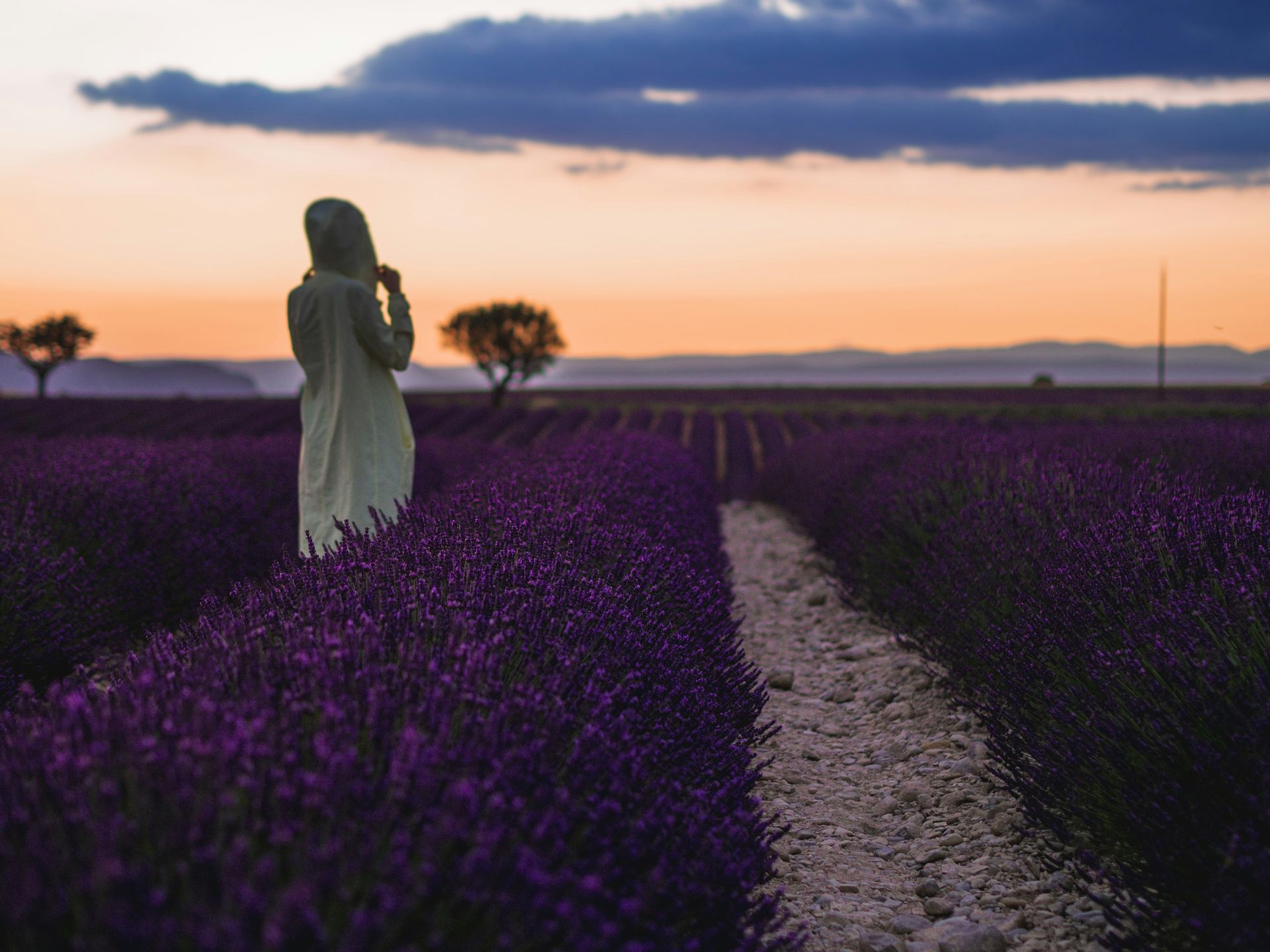
Provence features a genuine variety of stunning landscapes, though few prove as breathtaking as the Luberon Regional Natural Park in France during peak bloom season. Visitors arriving in summer get the chance to see, and smell, acres of blooming lavender plants, though the lavender season varies somewhat year to year depending on rainfall, with peak bloom usually arriving in early July.
The lavender plant’s oil, known for its genuine medicinal qualities, gets pressed in local distilleries and workshops that welcome curious travelers throughout the growing season. For deeper insight about the plant itself, heading to the Musée de la Lavande, or Lavender Museum, in the village of Cabrières-d’Avignon rewards visitors with genuine historical and botanical context beyond simply viewing the fields.
This pairing of visual beauty, distinctive fragrance and genuine cultural significance gives the Luberon considerably more depth than a simple photo opportunity. The region’s lavender industry supports local communities throughout Provence, giving the fields genuine economic as well as aesthetic importance to the surrounding villages.
Travelers $TRV should confirm current bloom conditions shortly before a planned visit, since the exact peak week can shift by several days depending on that particular year’s specific weather patterns. The region’s hilltop villages, built from local stone, offer a genuinely picturesque contrast to the surrounding purple fields, giving photographers compositions that combine both architecture and agriculture within a single frame. The nearby town of Gordes, perched dramatically on a hillside overlooking the valley, ranks among the most photographed villages in the entire region, giving travelers a genuinely worthwhile stop beyond the lavender fields themselves. Early morning visits genuinely reward photographers specifically, since the soft light and cooler temperatures both improve considerably before the fields fill with midday tour groups. A reusable water bottle also helps considerably given the region’s genuinely warm summer temperatures. Local markets throughout the region sell lavender-based soaps, sachets and culinary products, giving travelers a genuinely tangible way to bring a bit of Provence home beyond photographs alone.
Asad Photo Maldives / Pexels
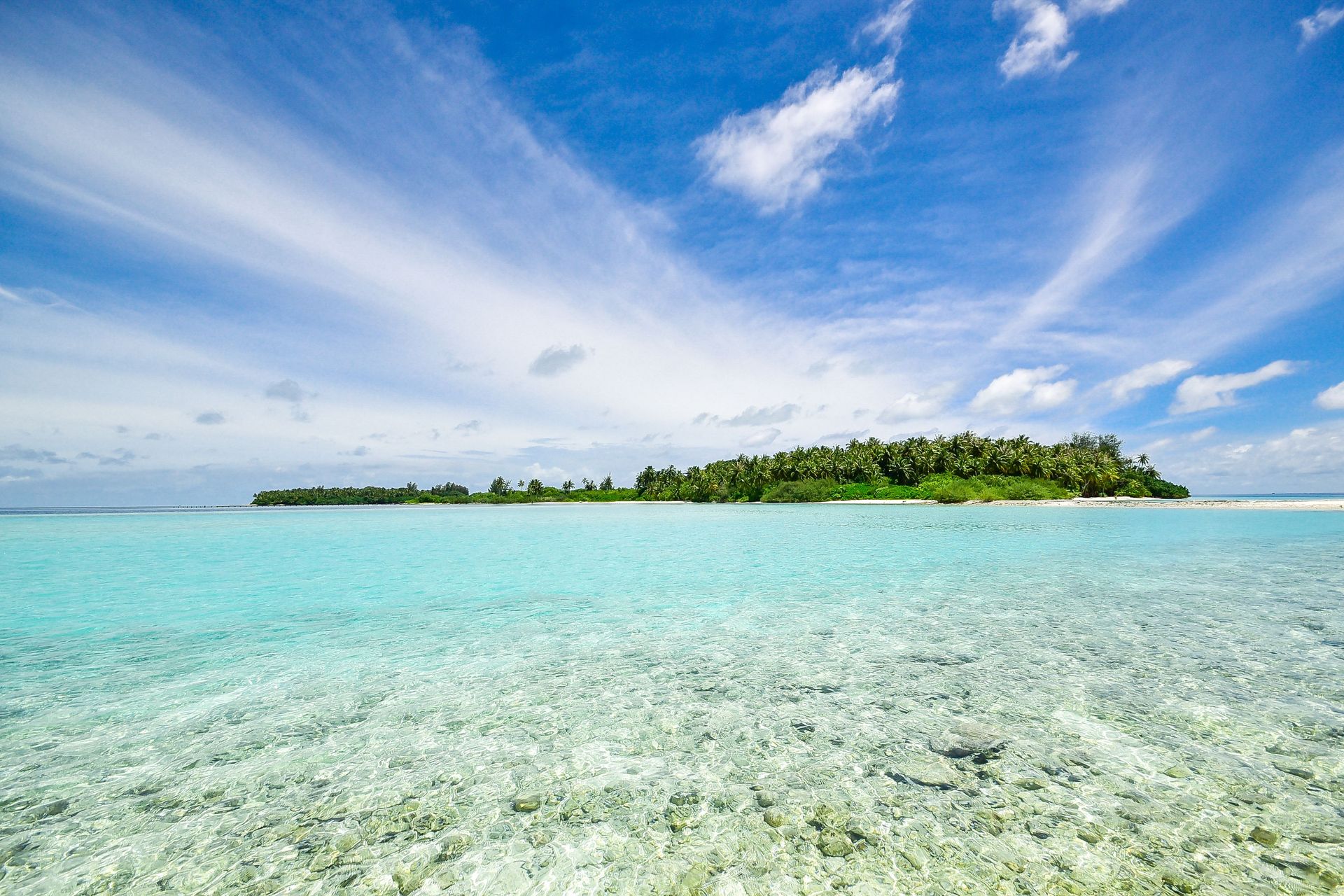
Travelers $TRV flock to Laamu Atoll to surf its world-renowned Yin Yang wave and search for abundant coral, tropical fish and sea turtles while snorkeling throughout its transparent waters. This Maldives landscape, also called Haddhunmathi Atoll, spans dozens of islands, most of which stay genuinely uninhabited and undeveloped.
Its island of Gan represented the mythical planet Scarif in the film “Rogue One: A Star Wars Story,” bringing considerably more attention to this tropical paradise following the movie’s release. Despite this added cinematic fame, the atoll’s location a few degrees north of the equator stays remote enough to genuinely keep away the largest crowds found at more accessible Maldivian destinations.
This particular pairing of world-class surfing and genuinely pristine snorkeling gives Laamu Atoll real appeal for travelers seeking both above-water and underwater adventure within a single trip. The atoll’s relative remoteness compared with more heavily marketed Maldivian resorts gives visitors a genuinely quieter, less commercialized experience.
Travelers specifically hoping to surf the Yin Yang wave should research current seasonal swell patterns before booking, since wave quality throughout the atoll shifts considerably depending on the time of year. Local guesthouses throughout the atoll offer a genuinely more affordable alternative to the Maldives’ famous overwater resort bungalows, giving budget-conscious travelers real access to this particular destination without the premium price tag. Domestic flights connect Malé, the Maldivian capital, to Laamu Atoll’s own airport, giving travelers a genuinely straightforward way to reach this remote atoll without needing a lengthy boat transfer. Reef-safe sunscreen genuinely matters throughout any visit, since the atoll’s coral ecosystems remain considerably more fragile and pristine than those found near the Maldives’ busier, more developed islands. A rash guard also helps considerably for extended time spent surfing or snorkeling under strong equatorial sun. The atoll’s marine protected areas support genuinely healthy shark and ray populations, giving divers a considerably higher chance of sightings than at more heavily trafficked Maldivian dive sites elsewhere.
Robert Murray / Unsplash
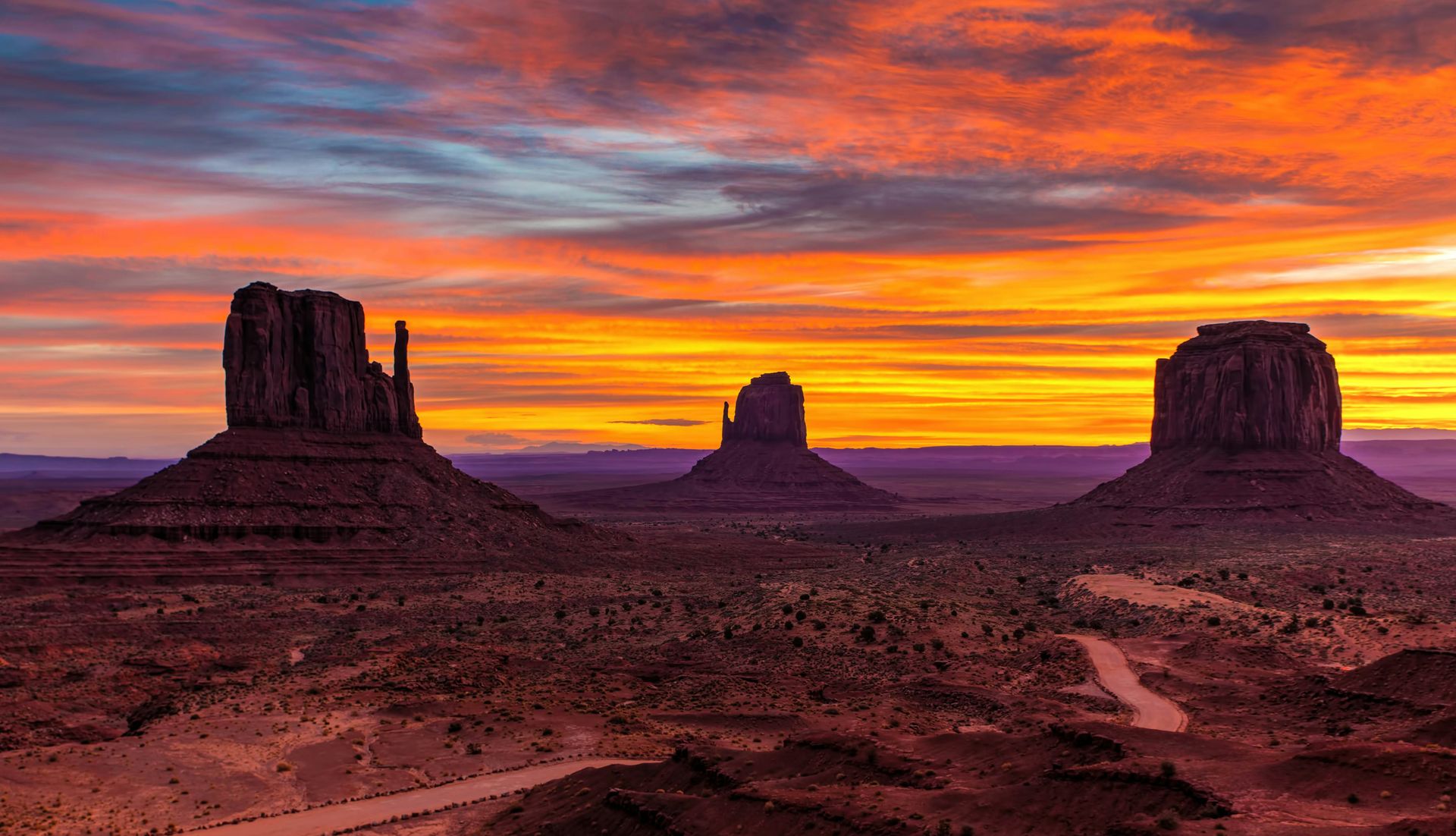
The red desert sands of Monument Valley, where sandstone rock formations tower above valleys and mesas, have been featured in films by John Ford $F and other legendary Western directors for decades. This cinematic history has made the valley’s specific rock formations instantly recognizable to audiences worldwide, even among travelers who have never previously heard the location’s actual name.
The valley stays sacred to the Indigenous people of the Navajo Nation Reservation, so visitors should remain genuinely respectful of the tribal communities throughout any visit to this particular landscape. This respect matters considerably given the valley’s deep cultural and spiritual significance to the Navajo people who call this land home.
Visitors can explore this ancient site by car along a 17-mile scenic road, or experience the spectacular terrain through an Indigenous-led tour, such as one offered by Three Sisters Navajo Guided Tours. This range of options gives travelers genuine flexibility between independent exploration and a more culturally informed guided experience.
Travelers $TRV should specifically consider booking an Indigenous-led tour instead of driving independently, since local guides offer genuine cultural context about the valley’s significance that a self-guided drive simply cannot provide. The valley’s iconic mesas, including the Mittens and Merrick Butte, have appeared in dozens of films spanning decades, giving the landscape a genuinely instantly recognizable silhouette even to travelers who have never visited the American Southwest before. The Navajo-owned Monument Valley Tribal Park visitor center offers exhibits on Navajo history and culture, giving travelers genuine context about the land’s significance before setting out to explore the valley itself. Sunrise and sunset visits genuinely reward photographers specifically, since the low-angle light transforms the sandstone formations into deeper shades of red and orange than midday sun ever produces. A wide-angle lens also helps considerably for capturing the valley’s genuinely sweeping desert scale. Stargazing throughout the valley rewards patient visitors with genuinely dark skies, since minimal light pollution across this remote stretch of desert lets the Milky Way appear with striking clarity most clear nights.
Yanguang Lan / Unsplash
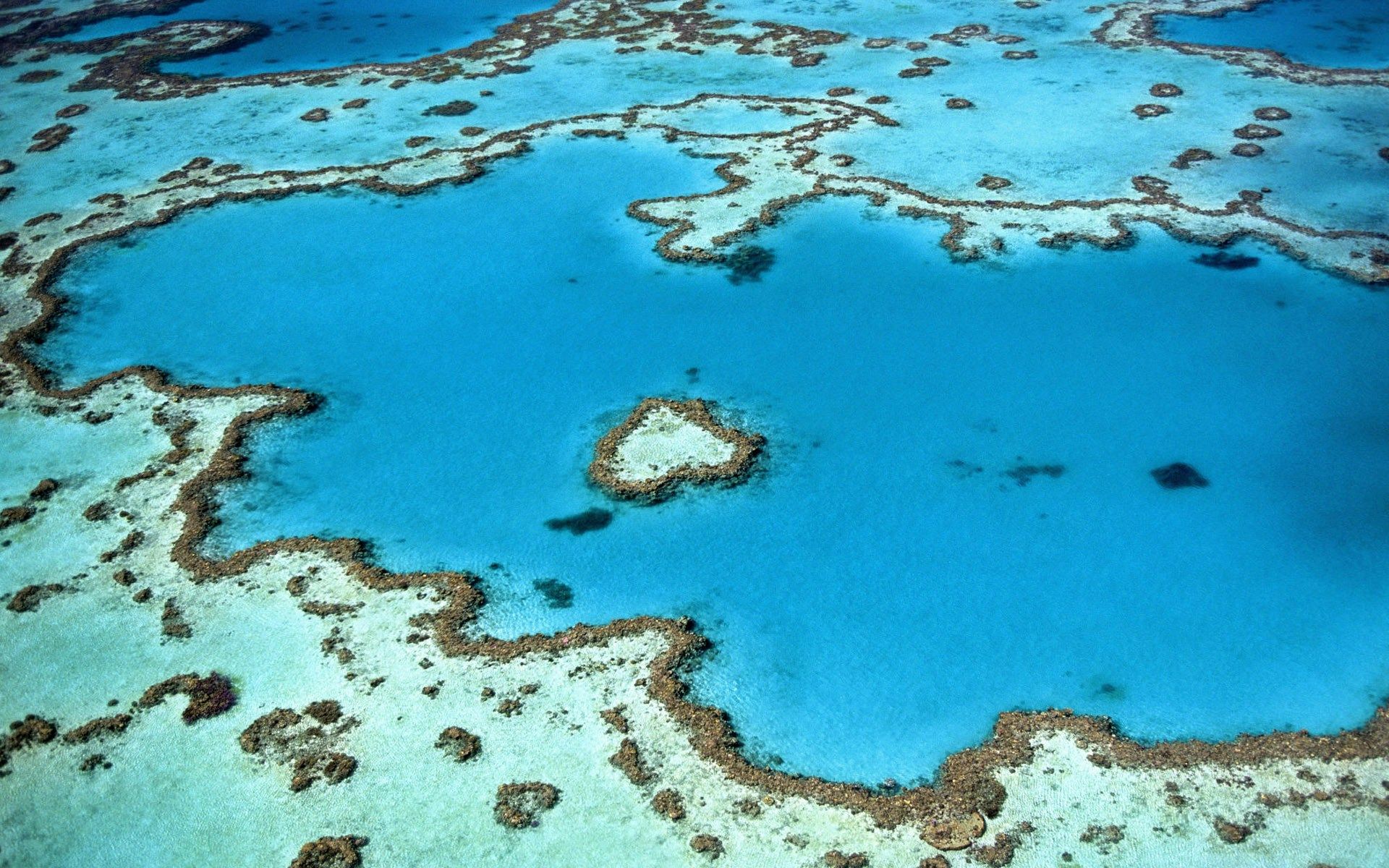
With more than a thousand miles of reef to explore, the Great Barrier Reef stands as the ultimate destination for divers, snorkelers, and marine life admirers from around the world. Travelers $TRV typically fly into Cairns or the Whitsunday Islands, such as Hamilton Island, before joining a sailing excursion or a sea kayaking tour out to the reef itself.
Visitors can even join a cultural tour with local Aboriginal guides, such as those offered through Walkabout Cultural Adventures, gaining genuine insight into the reef’s significance to Indigenous Australian communities. This cultural dimension adds considerable depth beyond simply the reef’s marine biology and visual beauty alone.
The Great Barrier Reef, considered one of the Seven Natural Wonders of the World and designated as a UNESCO World Heritage Site, faces genuine risk from pollution and global warming throughout recent decades. Travelers exploring its majesty should take steps to reduce their environmental impact, such as wearing eco-friendly sunscreen, staying at an ecolodge, and supporting sustainable tour operators such as Passions of Paradise or Dreamtime Dive and Snorkel.
This pairing of extraordinary natural beauty and genuine environmental fragility gives the Great Barrier Reef considerable urgency for travelers hoping to experience it before further degradation potentially changes the reef permanently. The reef system comprises nearly 3,000 individual reefs and hundreds of islands, giving it a staggering scale that dwarfs most other marine ecosystems on the planet. Live-aboard dive boats give travelers with several days available a genuinely immersive way to reach reefs considerably farther offshore than typical day-trip excursions from Cairns or the Whitsundays can access. Reef-safe sunscreen genuinely matters throughout any visit, and travelers should apply it well before entering the water, since chemical runoff from standard sunscreen has contributed to considerable coral damage across the reef system. A waterproof camera also helps considerably for capturing the reef’s marine life up close while snorkeling. Citizen science programs throughout the region let visiting divers contribute genuine coral health observations to ongoing conservation research, giving environmentally minded travelers a way to actively support the reef during a visit.
Credit: U.S. National Park Service
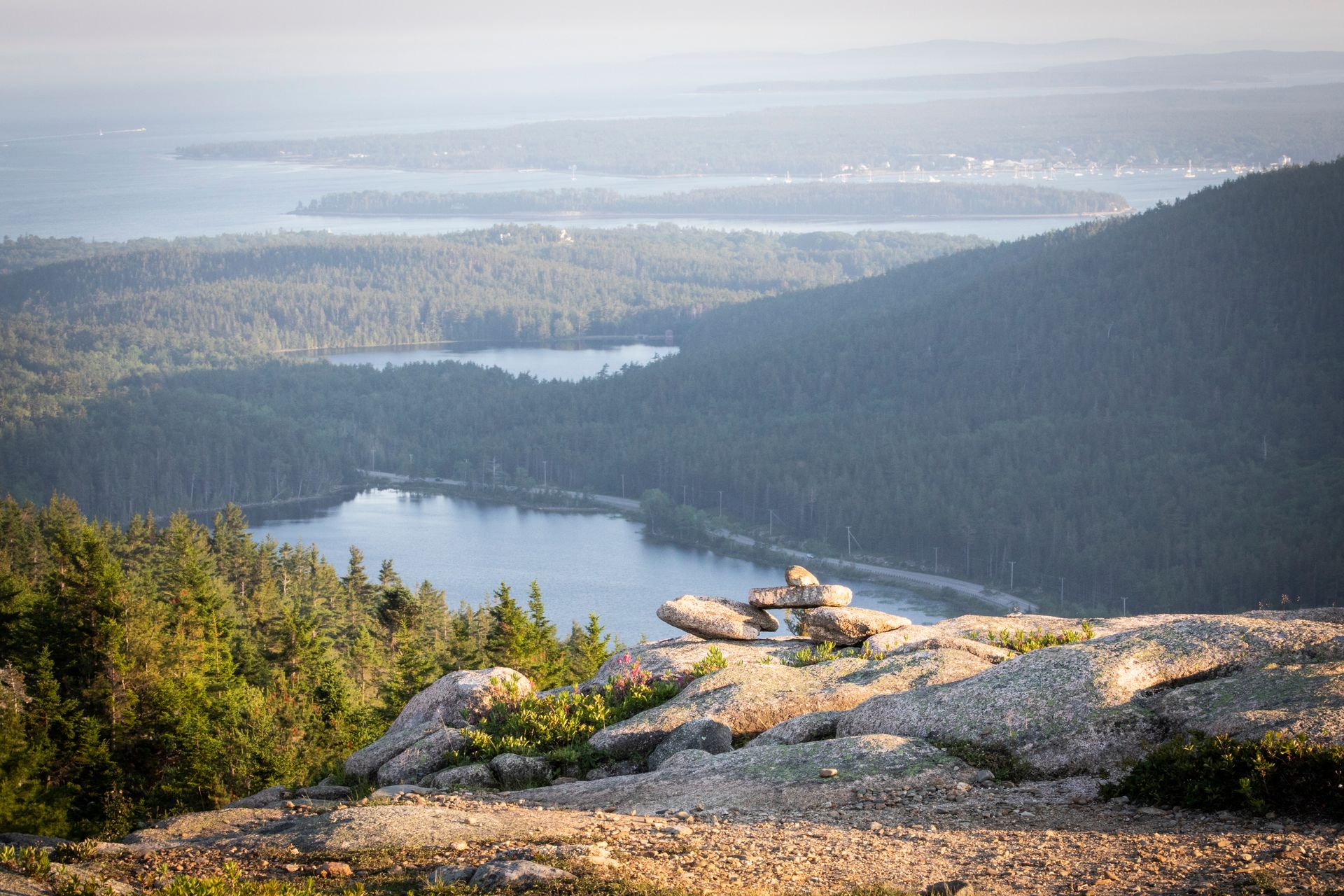
The more than 47,000-acre Acadia National Park holds countless places to hike, bike, stargaze, boat, swim and ride on horseback, though crowds can make it genuinely difficult to fully appreciate the park during peak season. Travelers $TRV should consider taking a break from the busiest areas to explore Mount Desert Island’s Cadillac Mountain instead, which offers a genuinely different vantage point on the surrounding landscape.
From this impressive natural wonder, which stands above the charming port town of Bar Harbor, visitors enjoy views of the Atlantic Ocean, glacier-carved cliffs, lakes, ponds, forests, and the Somes Sound fjard. This particular fjard, a rare geological feature in North America, gives Mount Desert Island genuine scientific as well as scenic significance.
Bar Harbor itself offers genuine charm as a base for exploring the surrounding island, giving travelers a walkable town with restaurants and shops to return to after a day spent hiking or driving through the park. This pairing of dramatic natural scenery and a genuinely livable home base gives Mount Desert Island real appeal for travelers who want both wilderness and comfort within the same trip.
Travelers hoping to watch sunrise from Cadillac Mountain specifically should check current park reservation requirements before arrival, since popular viewing spots often require advance booking during peak season to manage crowds. The island’s carriage roads, originally built by John D. Rockefeller Jr., give cyclists and walkers a genuinely car-free way to explore much of the park’s interior scenery away from the busier main roads. Somes Sound itself qualifies as the only fjard on the entire East Coast of the United States, giving Mount Desert Island a genuinely unique geological distinction among Atlantic coastal destinations. Layered clothing genuinely helps throughout any visit, since coastal fog and temperature swings can shift conditions considerably between morning and afternoon even during the height of summer. Whale-watching tours depart regularly from nearby Bar Harbor during summer months, giving visitors a genuine chance to spot humpback and finback whales feeding in the waters just offshore.
