
The best — and most capable — compact SUVs that rival the Honda CR-V
From a Mazda CX-5 with a near-luxury interior and standard AWD to a Subaru Outback redesigned for 2026 with midsize capability
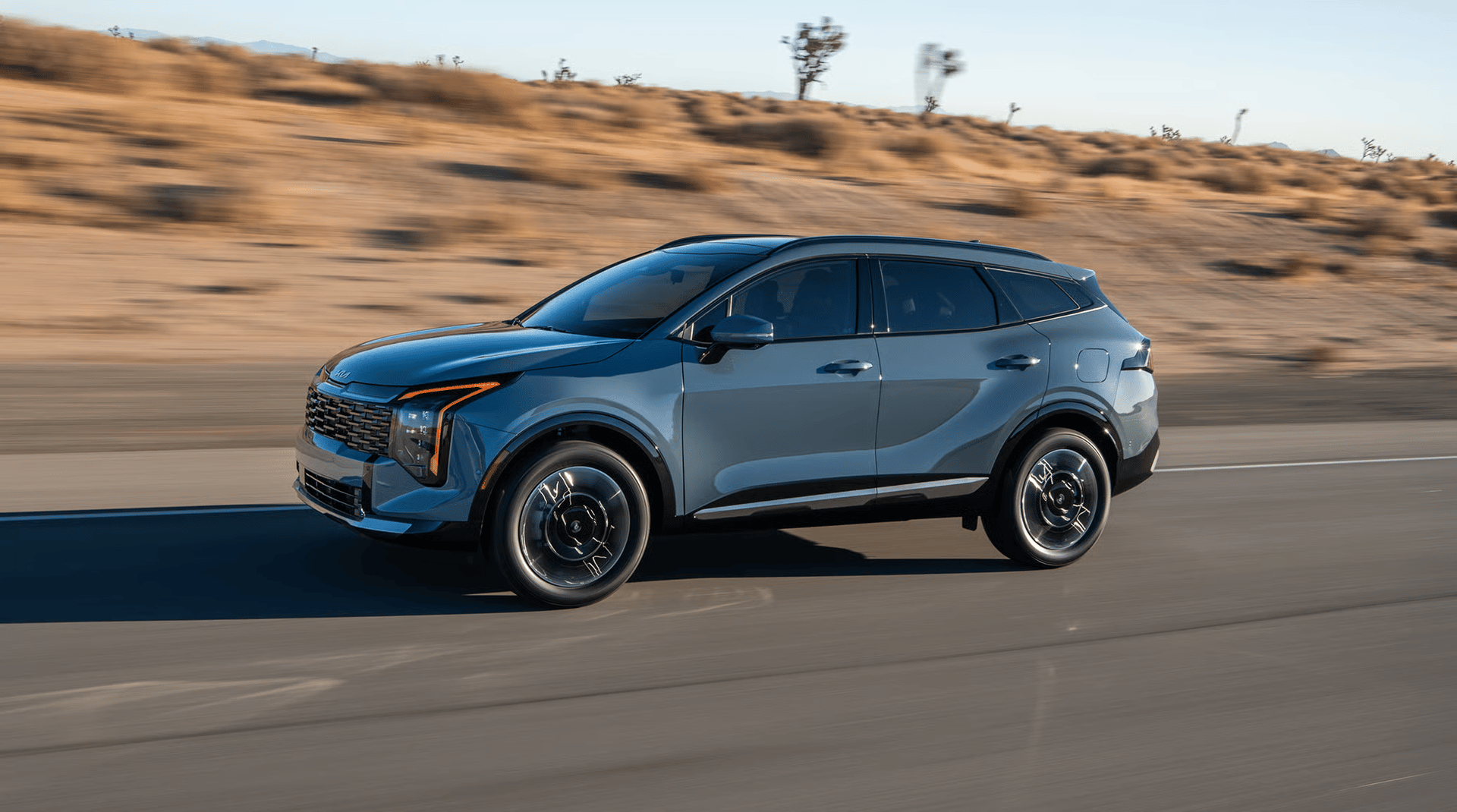
Credit: Kia
The Honda $HMC CR-V is among the most consistently competitive vehicles in one of the most competitive segments in the American automotive market. It earns a top position in the U.S. News compact SUV rankings in most years for the same reason it covers most buyers’ needs: the balance of passenger comfort, cargo space, fuel economy, reliability, and technology it delivers at its price point is difficult to fault. The CR-V’s ubiquity on American roads is the clearest possible market signal of how well that balance has resonated across a buying population whose priorities span from the cost-conscious commuter to the safety-focused family to the weekend traveler who needs the cargo hold for gear.
The compact SUV segment’s competitive density is the CR-V’s most specific challenge, and it is also the buyer’s most specific advantage. Every vehicle on this list earns a U.S. News rating of 8.3 or above out of 10, and several match the CR-V’s own 9.3 rating. The Mazda CX-5 is redesigned for 2026 and adds a class-leading interior whose upscale character extends beyond the CR-V’s. The Toyota $TM RAV4 now offers a hybrid powertrain standard across the entire lineup. The Subaru Outback is fully redesigned for 2026 and upgraded from compact to midsize classification. The Acura RDX offers a specific Japanese alternative to the more expensive European luxury compact SUVs, appealing to buyers who want genuine reliability credentials.
The 10 alternatives below appear in U.S. News and World Report. Prices are approximate starting figures for the listed model year. The source notes that U.S. News updates vehicle scores and reviews throughout the year as new data becomes available, so individual model scores may have shifted since this comparison was published. Checking each vehicle’s individual review page gives the most current assessment.
1. The 2026 Mazda CX-5 matches the CR-V’s 9.3 rating
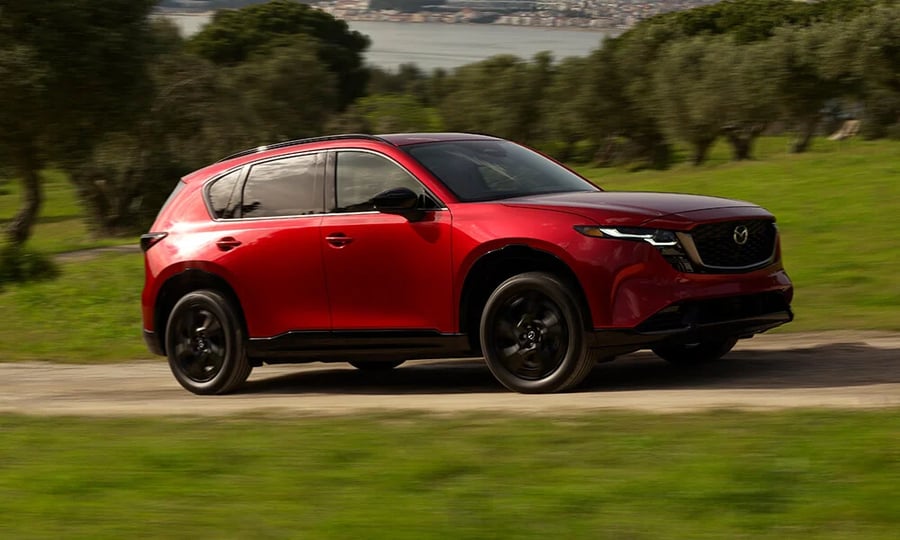
Credit: Mazda
The 2026 Mazda CX-5 earns a U.S. News rating of 9.3 out of 10, matching the CR-V’s own score, and gives the compact SUV segment its most driver-focused and most interior-refined mainstream option starting around $29,990. The CX-5 is redesigned for 2026, giving the model a freshness that the previous generation’s aging design had lost, and U.S. News Senior Vehicle Testing Correspondent John M. Vincent describes the vehicle as having moved toward the mainstream without forgetting what a Mazda is required to deliver: handling that outpaces its rivals and a cabin that sits a meaningful step above the competitive set in perceived quality and material selection.
The 2026 redesign addressed the previous generation’s most significant weakness: rear seat space. The cabin’s improved second-row dimensions give the CX-5 a passenger comfort profile that previous reviewers consistently criticized, and the improvement gives the 2026 model a competitive balance that the prior generation could not fully achieve. The cargo area remains tighter than in some competitors, a continuing acknowledgment that the CX-5 prioritizes the driver’s environment and the front-row experience over maximum utility metrics that dominate some buyers’ evaluation criteria.
Standard all-wheel drive gives every CX-5 buyer the traction benefit that most compact SUV shoppers consider an optional upgrade, and the handling dynamics that the standard AWD system and the tuned suspension produce give the driving experience its most rewarding compact SUV character in the segment. The fuel economy runs slightly below the class average, and the hybrid variant, the source notes is in development and has not yet arrived in the 2026 lineup. The buyer who prioritizes driving character and interior quality above fuel economy and maximum cargo space will find the CX-5 the editor’s choice among the CR-V’s alternatives for the same reasons U.S. News designates it as such. The 2026 redesign’s rear seat improvement makes the CX-5 significantly more competitive than its predecessor in the practical family comparison, removing the most common single objection to the previous generation.
2. The 2027 Honda HR-V starts around $26,600 below the CR-V
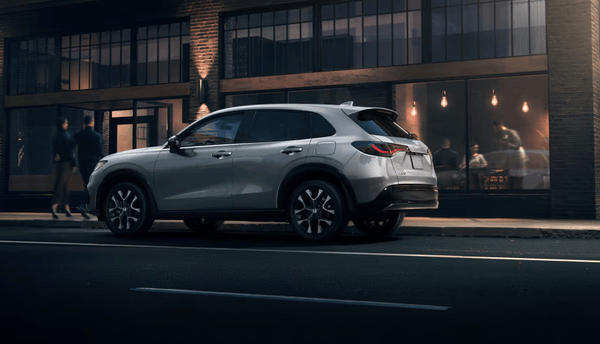
Credit: Honda
The 2027 Honda $HMC HR-V earns a U.S. News rating of 8.6 out of 10 and gives the CR-V’s prospective buyer the Honda family’s smaller and more affordable alternative, starting around $26,600 and undercutting the next-least-expensive vehicle on this list by approximately $2,000. Managing Editor Alex Kwanten’s description of the HR-V as not flashy and certainly not fast but an overachiever in many areas gives the vehicle its most accurate single-sentence characterization: a practical, well-built small SUV whose strengths are composure, cabin quality, and everyday usability, not performance or maximum cargo volume.
The suspension gives the HR-V a composed character around turns and smooth progression over most road surfaces, making the daily commute ride quality appropriate for a vehicle in this price range. The cabin quality, with its high-end materials and user-friendly technology, gives the interior a finish that the HR-V’s subcompact classification typically does not predict, reflecting Honda’s consistent investment in the tactile and technological quality of its most accessible models. The cargo capacity is acknowledged as a limitation, and the buyer who specifically needs maximum cargo space in the smallest possible vehicle should look at the Forester or the Rogue, whose cargo holds outperform the HR-V’s.
The HR-V occupies a specific and valuable position in the Honda lineup, and in this comparison, it gives the buyer who wants the Honda quality, reliability, and interior refinement at a price point below the CR-V a genuinely strong option whose primary trade-offs, modest engine power and cargo volume, are consistent with the subcompact SUV’s inherent dimensional limitations. The buyer whose commute is urban, whose cargo requirements are routine, and whose budget does not extend to the CR-V’s starting price finds the HR-V the most straightforward recommendation on this list. The Honda reliability reputation that makes the CR-V so trusted applies equally to the HR-V, giving the budget-conscious buyer the specific peace of mind that a lower total cost of ownership across five to seven years of typical ownership delivers.
3. The 2026 Hyundai Tucson won best compact SUV for families
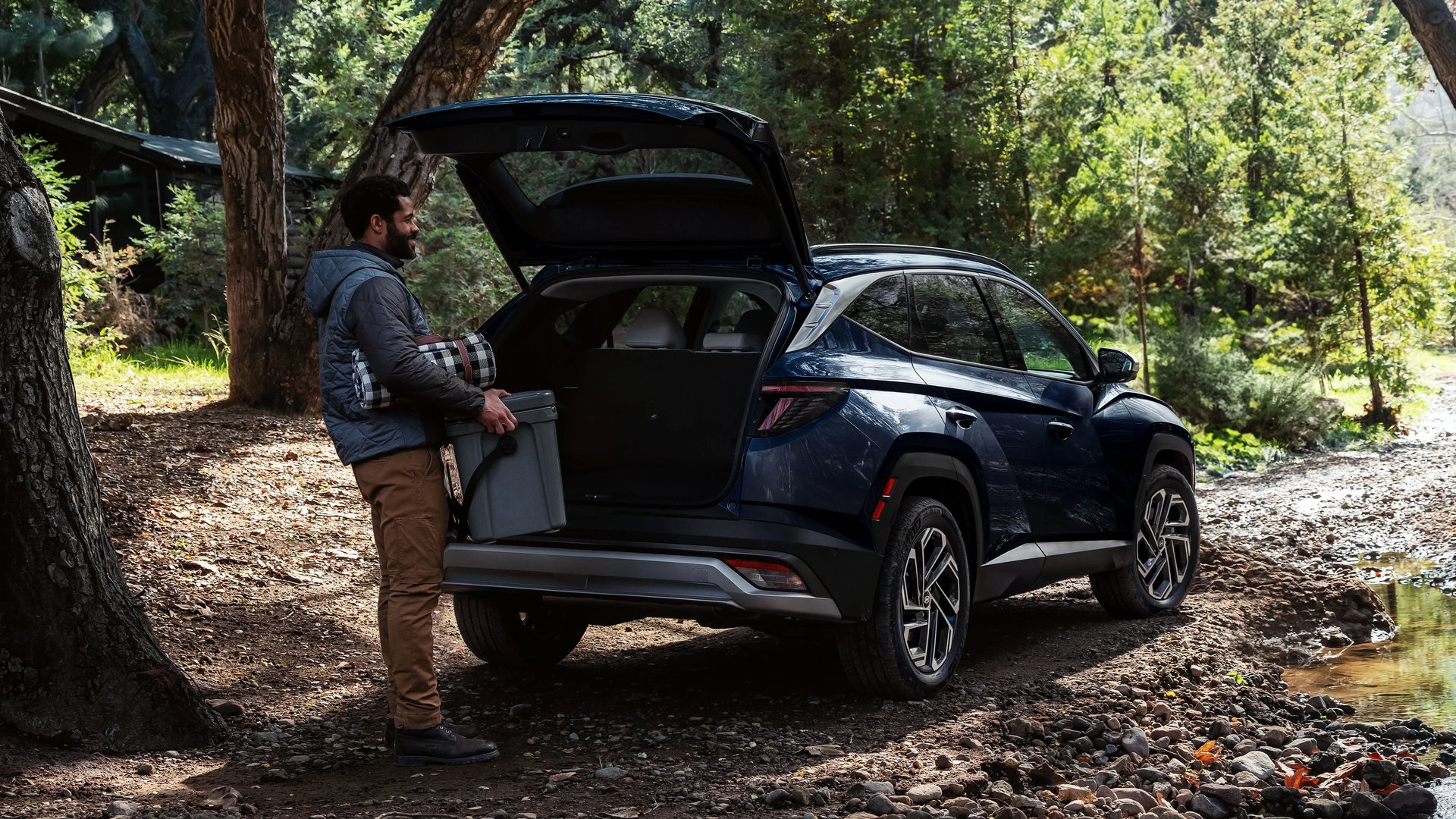
Credit: Hyundai
The 2026 Hyundai Tucson earns a U.S. News rating of 9.3 out of 10, matching the CR-V and the CX-5, and offers the compact SUV segment its most family- and safety-oriented package at a starting price around $29,200. Reviewer Mike Hagerty’s description of the Tucson as prioritizing comfortable seating for five, fuel economy, and safety gives the vehicle its most accurate positioning: this is the compact SUV for the buyer whose primary criteria are the cabin’s livability for the passengers who ride in it, the efficiency of the powertrain that moves it, and the safety systems that protect everyone on board. The Tucson won U.S. News’s 2026 Best Compact SUV for the Money and 2026 Best Compact SUV for Families awards, giving the family-focused buyer a specific institutional validation of the choice.
The cabin’s head and legroom in both rows give the Tucson a passenger space advantage specific to a vehicle whose interior dimensions prioritize occupant comfort over cargo volume, and the supportive seats give the long-distance family road trip a physical comfort that the more driver-focused alternatives on this list do not consistently match. The technology features are plentiful, giving the connected family the integration and convenience features that the modern family vehicle buyer expects as a baseline.
The trade-off is performance: the engine delivers slow acceleration, and the transmission lacks the refinement of the best-in-class, though the ride over bumps and the cornering agility both perform well. The buyer for whom acceleration and transmission character are primary purchase criteria will find better alternatives in the CX-5 or the Acura RDX. The buyer for whom the family’s comfort, the car’s safety record, and the value of the award-winning cost-to-feature ratio are primary will find the Tucson the most straightforwardly recommended choice on this list. The Tucson Hybrid variant, available at a modest premium over the standard powertrain, adds the fuel-economy improvement, whose long-term savings give the efficiency-focused family buyer a specific financial argument for the hybrid upgrade.
4. The 2026 Acura RDX is the most reliable on this list
Credit: Acura
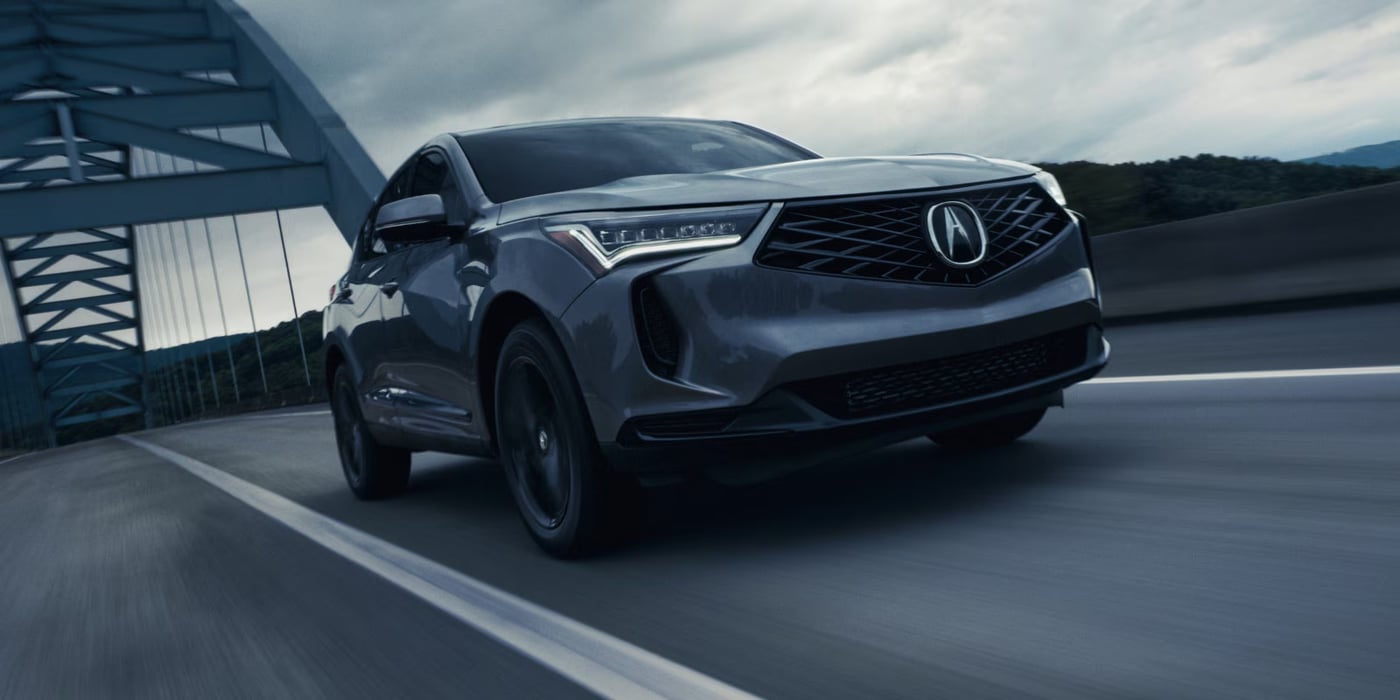
The 2026 Acura RDX earns a U.S. News rating of 9.0 out of 10 and gives the buyer who wants to step up from the CR-V to a genuine luxury compact SUV the most reliable option in that category: a J.D. Power predicted reliability rating of 85 out of 100, placing it in the Great category and at the top of this comparison in dependability, starting around $45,100. Managing Editor Alex Kwanten describes the RDX as having aged very well in terms of style, space, and speed, and adds that it is fun to drive, offers loads of passenger and cargo room, and significantly undercuts European rivals on price.
The brisk acceleration and the athletic cornering agility give the RDX a driving engagement that most compact SUVs on this list do not approach, and those dynamics give the buyer who wants an active, responsive driving experience a specific justification for the premium over the CR-V’s price. The well-stocked amenity package gives the upscale sportiness a utility credential that separates the RDX from the purely performance-oriented luxury compact SUVs whose practical compromises limit their family use.
The RDX carries two acknowledged flaws. The interior’s luxury feel, while good, falls slightly short of what the Acura badge implies compared with the best German and Japanese luxury compact SUVs. The touchpad-controlled infotainment system earns Kwanten’s description as comically frustrating to use, a specific and consistent criticism in Acura RDX reviews that reflects the system’s departure from the touch-screen interface that most contemporary buyers find intuitive. The buyer who can tolerate the infotainment learning curve receives a reliable, engaging, and capable compact SUV, whose dependability credentials give the long-term ownership calculation its most favorable reliability foundation on this list. The Acura brand’s positioning as Honda $HMC's luxury division gives the RDX’s reliability record specific institutional backing: the engineering and quality standards Honda applies across both brand families give the Acura buyer a reliability expectation grounded in decades of Honda manufacturing consistency.
5. The 2026 Toyota RAV4 brings a hybrid standard on all trims
Credit: Toyota
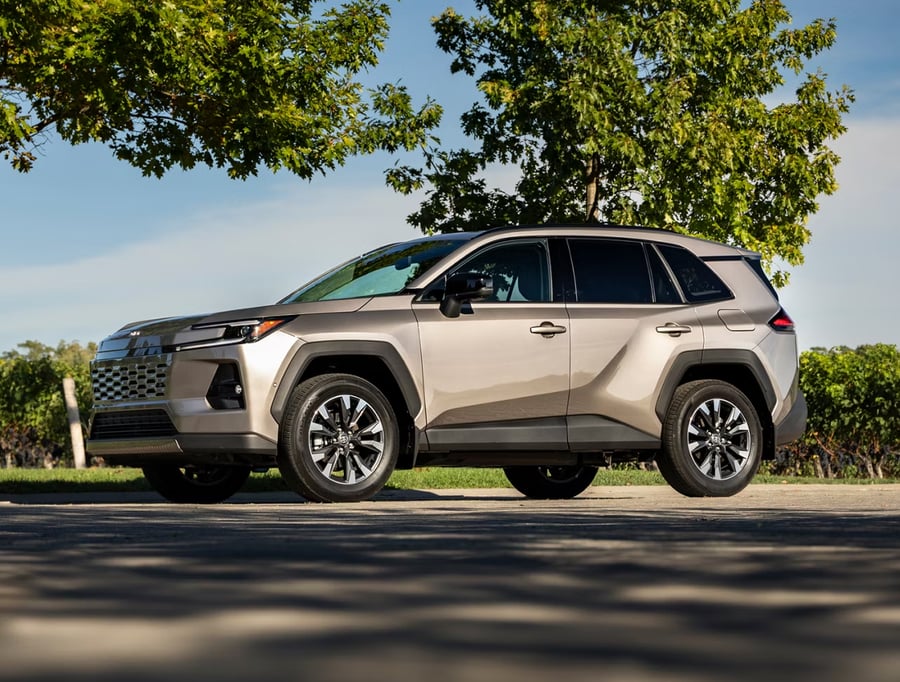
The 2026 Toyota $TM RAV4 earns a U.S. News rating of 8.3 out of 10 and gives the compact SUV segment its most significant 2026 model year development: a complete lineup conversion to hybrid powertrains, with every RAV4 now including hybrid technology as standard equipment, no longer only as an upgrade option. John M. Vincent’s assessment, made after driving in imperfect weather and on rough roads, describes the RAV4 as demonstrating why it will likely continue its worldwide sales dominance, giving the 2026 redesign specific field-tested validation that the specification sheet’s hybrid-across-the-lineup change represents a genuine engineering commitment rather than merely a marketing repositioning.
The standard feature content gives the RAV4 a smart choice designation for budget-conscious buyers whose evaluation includes comparing standard equipment across competing models, and the infotainment system, offered on a 10.5-inch or 12.9-inch touchscreen depending on trim, earns Vincent’s description as one of the best in any vehicle class. The higher trim levels add leather upholstery and additional premium touches that give the interior a polish whose quality approaches the CX-5’s more consistently upscale baseline.
The RAV4’s specific value at its starting price of around $31,900 is the hybrid powertrain’s fuel-economy advantage, combined with the Toyota reliability reputation, whose long-term ownership cost implications give the total cost of ownership calculation a favorable outcome that the RAV4’s U.S. News rating of 8.3 does not fully capture. The global sales leadership position that the RAV4 has maintained for years reflects a buyer consensus whose breadth encompasses markets and buyer profiles far beyond the enthusiast-focused evaluation criteria that give the CX-5 and the RDX their specific advantages on this list. The across-the-lineup hybrid conversion gives the 2026 RAV4 a specific legacy advantage that no other compact SUV on this list can match: every buyer who walks into a Toyota dealership and chooses any RAV4 trim exits with a vehicle whose hybrid fuel economy improves the daily commute’s per-mile cost without a separate decision or a separate model selection.
6. The 2026 Subaru Forester gives all-wheel drive standard
Credit: Subaru
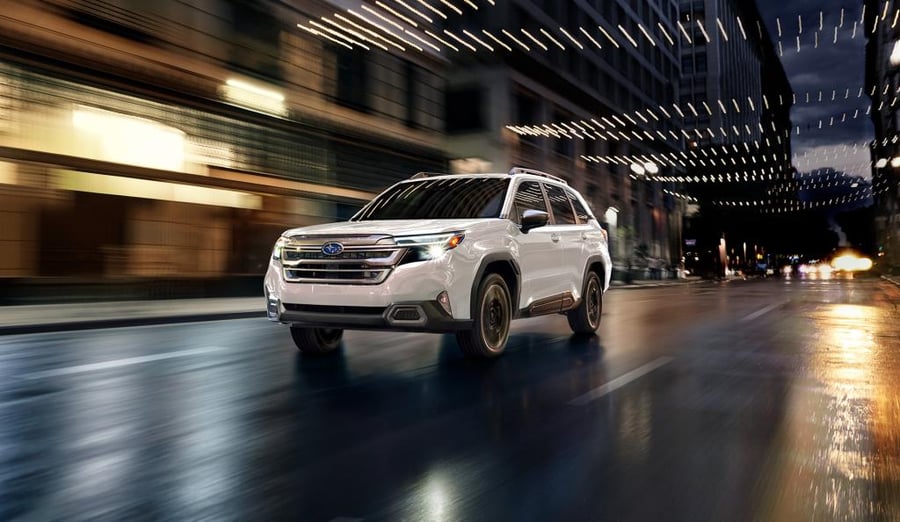
The 2026 Subaru Forester earns a U.S. News rating of 8.6 out of 10 and offers the safety-conscious outdoor enthusiast a compact SUV with standard all-wheel drive, a wide array of driver-assistance features, and a specifically outdoors-tailored interior, giving it the most coherent identity as the compact SUV for active lifestyle buyers, starting around $29,995. The Forester was redesigned in 2025, and the update brought enhanced exterior styling, improved performance, and a quieter cabin that addresses the road noise criticism that defined the previous generation’s most consistent reviewer complaint. Reviewer James Gilboy’s description of it as a refined and comfortable SUV with strong driving dynamics and an outdoors-tailored interior gives the 2025 redesign the validation that reviewers whose expectations the previous generation had calibrated downward can now revise upward.
The composed cornering behavior and the responsive steering give the Forester a driving character appropriate to both the urban commute and the gravel road that the outdoors-oriented buyer navigates on the way to the trailhead. The suspension’s ability to absorb rough roads and off-road terrain gives the vehicle a capability specifically relevant to the buyer whose weekend use case includes unpaved surfaces, whose irregularity the more road-focused competitors on this list handle less confidently. The passenger breathing room and the cargo bay’s capacity for weekend gear give the practical program a specific outdoors-lifestyle credential.
The modest engine power gives the Forester its most acknowledged limitation: the acceleration available for highway merging and passing maneuvers does not match that of the CR-V or the RAV4, and the buyer whose driving includes frequent high-speed merging should factor this into the comparison. The infotainment system’s learning curve is the technology program's most consistent criticism, and the buyer who prioritizes an intuitive technology interface will find the RAV4’s or the Tucson’s systems more immediately usable. The Forester Wilderness trim, available for buyers whose off-road use extends beyond the standard all-wheel-drive capability, gives the Forester lineup a specifically trail-capable variant with a lifted suspension and all-terrain tires, providing the outdoor-enthusiast buyer with a factory off-road package.
7. The 2026 Kia Sportage offers the best mainstream cabin
Credit: Kia
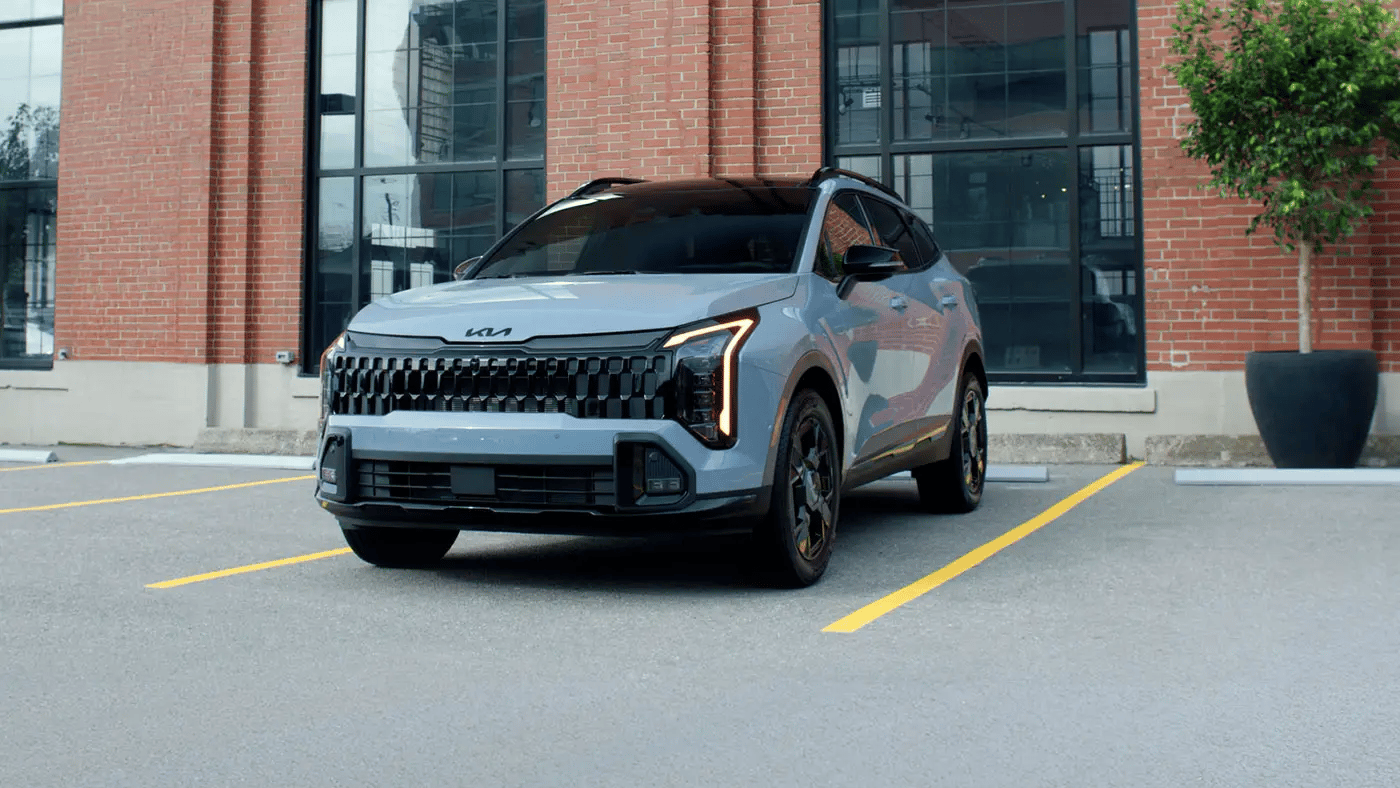
The 2026 Kia Sportage earns a U.S. News rating of 8.9 out of 10 and gives the mainstream compact SUV segment its most interior-forward option at a starting price around $28,690. The U.S. News editor’s assessment that the Sportage would have been the second Editor’s Choice behind only the CX-5 gives it the strongest possible peer endorsement short of the top designation, and the cabin’s high-end look and feel, its comfortable seating, and its expansive cargo hold give the Sportage a quality-per-dollar interior credential that the CR-V’s more conservative interior design does not match at equivalent prices.
The technology features are impressive, and the Sportage’s infotainment integration gives the connected buyer a feature set whose quality reflects Kia’s sustained investment in the digital interface as a primary vehicle differentiator. The touch-sensitive controls for climate and audio settings are the specific technology criticism: the haptic control interface, in place of physical buttons, frustrates some buyers whose physical feedback preference the Sportage’s design does not accommodate in the same intuitive terms as conventional buttons and knobs.
The engine’s performance limitations give the Sportage its driving dynamics caveat: the powerplant feels underpowered, and sounds strained under heavy load, and the fuel economy falls below several key competitors’ figures, meaning the buyer who calculates total cost of ownership should include the higher per-mile fuel cost in the comparison. The hybrid variant gives the efficiency-focused Sportage buyer a more expensive but more fuel-efficient alternative, and the modest price premium between the standard and hybrid versions provides a specific cost-benefit calculation that the buyer can make, with the knowledge that the two versions share the same interior and cargo quality. The Plug-In Hybrid Sportage, whose electric range covers the typical daily commute without burning gasoline and whose conventional operation on longer drives requires no range anxiety management, gives the electrification-curious buyer the most cost-effective first step toward the EV ownership experience within the Sportage lineup.
8. The 2026 Honda Pilot scales up from the CR-V for families
Credit: Honda
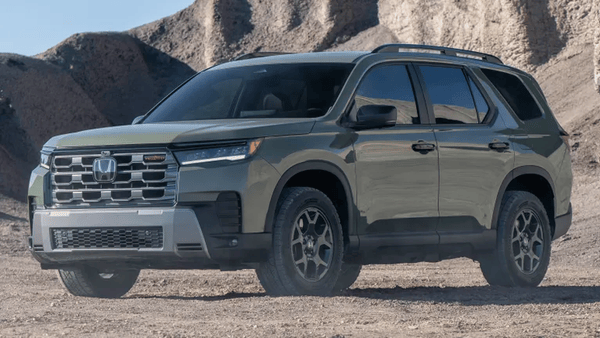
The 2026 Honda $HMC Pilot earns a U.S. News rating of 8.7 out of 10 and offers the CR-V buyer who needs more space and a higher level of standard equipment the Honda family’s step-up option, starting around $42,195. Senior Editor Tony Markovich notes that the 2026 model year brings a midcycle refresh with steering enhancements, an updated exterior, an upgraded infotainment system, and additional standard equipment, giving a vehicle already known for its balanced family SUV execution a specific set of improvements that address the technology and steering feel areas where previous reviews had identified room for development.
The Pilot’s ride quality gives the larger Honda its most consistent single commendation: the vehicle glides over bumps and feels lighter on its feet than its midsize SUV dimensions would suggest, and the ride quality, paired with the abundant standard technology, gives the family whose primary criteria are daily comfort and connectivity a strong case for the Pilot over the CR-V. The cargo hold accommodates the full range of family-hauling needs, from grocery runs to cross-country packing, and the practicality-over-personality philosophy that defines the Pilot’s design gives it a specific appeal for the buyer who finds the CR-V’s utility compelling but needs the additional passenger and cargo capacity that the larger format provides.
The price premium over the CR-V and the compact SUV alternatives on this list is the Pilot’s primary consideration: starting around $42,195 places it in a different budget category from most of the alternatives here, and the buyer who needs the Pilot’s space but not its premium content level may find the Nissan Rogue or the Subaru Outback a more cost-efficient path to three-row capacity. The buyer who wants the Honda reliability reputation, the practical family utility, and the 2026 refresh’s technology upgrades in a single package finds the Pilot the most direct and most brand-consistent path to the larger family SUV format. The 2026 refresh’s steering improvements give the Pilot a more direct, communicative driving feel than the previous generation, reducing the largest single dynamic criticism of a vehicle whose primary virtues have always been comfort and capacity.
9. The 2026 Nissan Rogue remains a quiet family compact SUV
Credit: Nissan
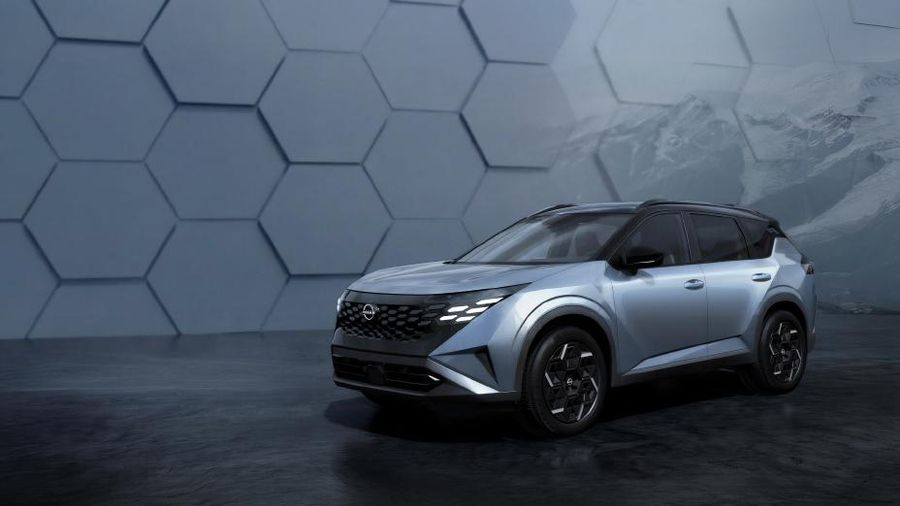
The 2026 Nissan Rogue earns a U.S. News rating of 8.8 out of 10 and gives the family-focused compact SUV buyer a quiet and comfortable daily driver whose comprehensive driver-assistance feature set, adult-friendly space in both rows, and strong fuel economy give it the specific bundle of qualities that the family buyer’s evaluation typically prioritizes above driving dynamics, starting around $29,090. Reviewer Mike Hagerty’s description of the Rogue as checking most of the boxes buyers in this family-oriented class expect today gives it a specific positioning as a well-rounded, family-practical, not a standout performer in any single dimension.
The cabin’s modern interior and the abundant room for passengers and cargo give the Rogue a spaciousness appropriate to the family whose weekly logistics include car pools, shopping trips, and weekend getaways, whose combined cargo demands test the capacity of smaller compact SUVs. The full spread of driver-assistance features gives the safety-conscious family buyer the active safety technology that the Tucson also delivers, and that both vehicles have made a standard-equipment commitment whose consistency across trims gives the entry-level buyer the same protection as the top-trim buyer.
The performance limitations are consistent with the family-practical compact SUV category: the engine lacks punch, and the handling does not engage the driver, whose spirited driving preferences the CX-5 or the Sportage serve more directly. The ride quality over rough pavement results in some passenger jostling, though the overall ride character is decent for everyday use. The Rogue’s specific value lies in the space, the safety content, the fuel economy, and the quiet cabin, all of which together provide the long family drive with the most pleasant acoustic environment among the mainstream compact SUVs on this list. The Rogue’s consistent strong sales performance in the American compact SUV market gives the purchase a specific resale value signal: vehicles that sell in high volume maintain stronger used market prices, and the Rogue’s sustained popularity gives the owner who sells at three to five years a resale value outcome that the less popular compact SUVs cannot match.
10. The Subaru Outback arrives redesigned for 2026
Credit: Subaru
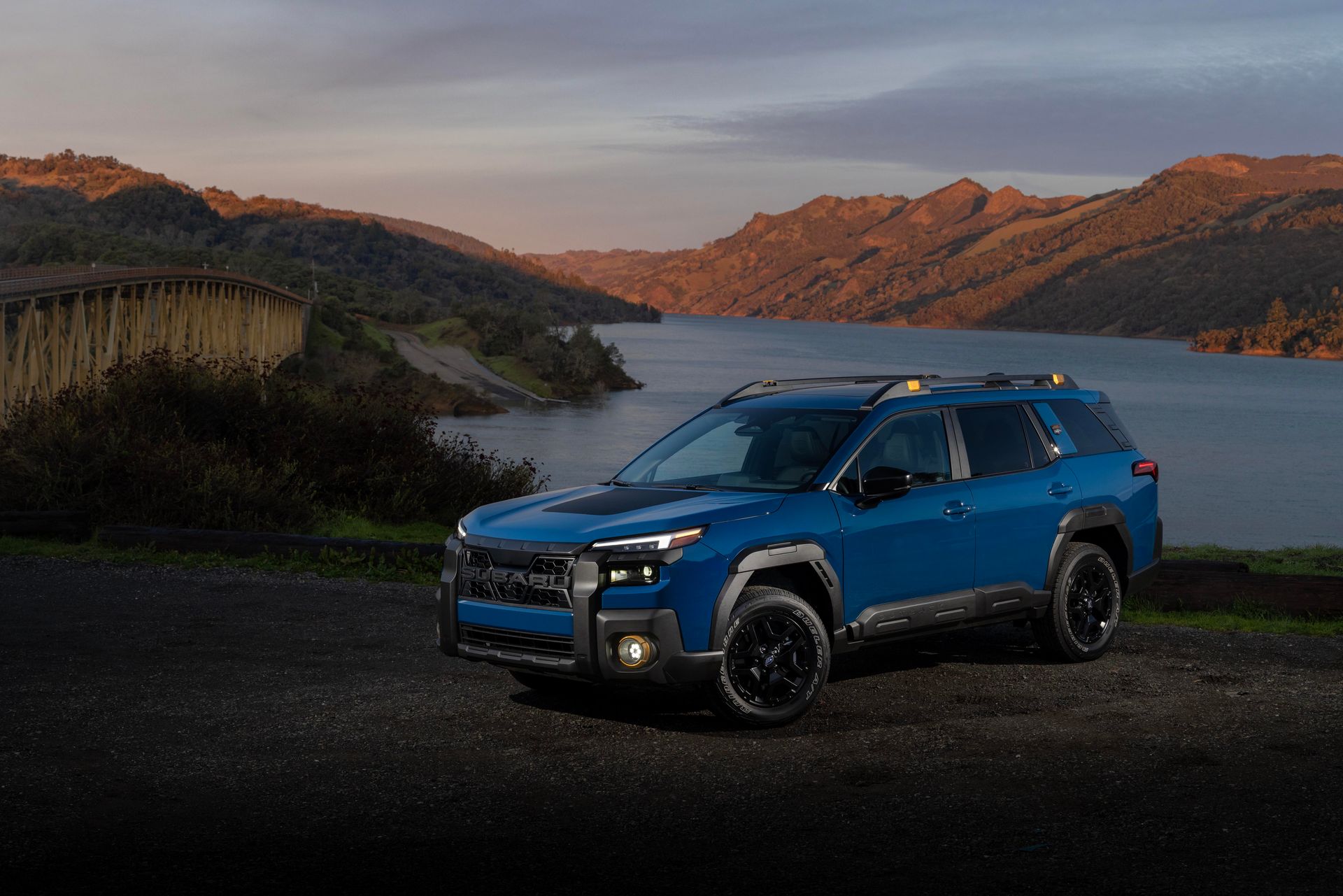
The 2026 Subaru Outback earns a U.S. News rating of 9.3 out of 10, matching the top score on this list, and gives the adventurous compact-to-midsize SUV buyer the most fully redesigned vehicle in this comparison, starting around $34,995. The Outback now carries an official midsize SUV classification following the 2026 redesign, though the Outback’s wagon-esque silhouette remains immediately recognizable, and the vehicle’s fundamental character, the balance of utility and comfort that outdoor enthusiasts specifically seek, has been preserved and enhanced. Vehicle Testing Editor Zach Doell’s field assessment, which included 3,500 feet of elevation gain along rocky trails and washed-out fire roads to Mingus Mountain’s peak in Arizona, gives the new Outback’s off-road capability claim its most specific and most demanding single validation.
The new interior gives the 2026 Outback its most praised single upgrade: Doell describes it as looking and feeling far more upscale, giving the redesign the interior quality improvement that previous Outback generations consistently cited as the vehicle’s most significant gap relative to the premium-interior competitors. The quiet and comfortable driving character gives the highway road trip its most relaxed Outback experience yet, and the cushy suspension helps smooth rough patches that the outdoor-oriented buyer’s routes characteristically include on the way to the destination.
The price premium over the CR-V, starting around $34,995, reflects the Outback’s larger format, the more capable standard all-wheel-drive system, and the new interior’s premium materials upgrade. The buyer who wants the CR-V’s Honda $HMC reliability and family utility in a more capable and more interior-refined package that can handle genuinely demanding off-road terrain finds the Outback’s premium a specific value: more vehicle across all the dimensions that the adventurous buyer’s use case actually tests. The Outback’s midsize SUV reclassification gives the buyer who was comparing it to the CR-V a new reference frame: the Outback now competes with the Nissan Murano and the Subaru Forester’s upper trim levels as much as with the compact SUV class, and the redesigned interior’s premium quality gives the buyer who crosses from one segment to the other a specific reward.